
 Sign in
✦ Culture · Tokyo
How to Wear a Faded Tour Tee in Tokyo
A band tee is a souvenir somebody else brought home. The faded print, the softened cotton, the fact that it survived thirty years of washing.
 By Louis Trash·
Why Band Tees Matter Now
A band tee is a souvenir somebody else brought home. The faded print, the softened cotton, the fact that it survived thirty years of washing. That is the appeal. Reprints never get the drape right.
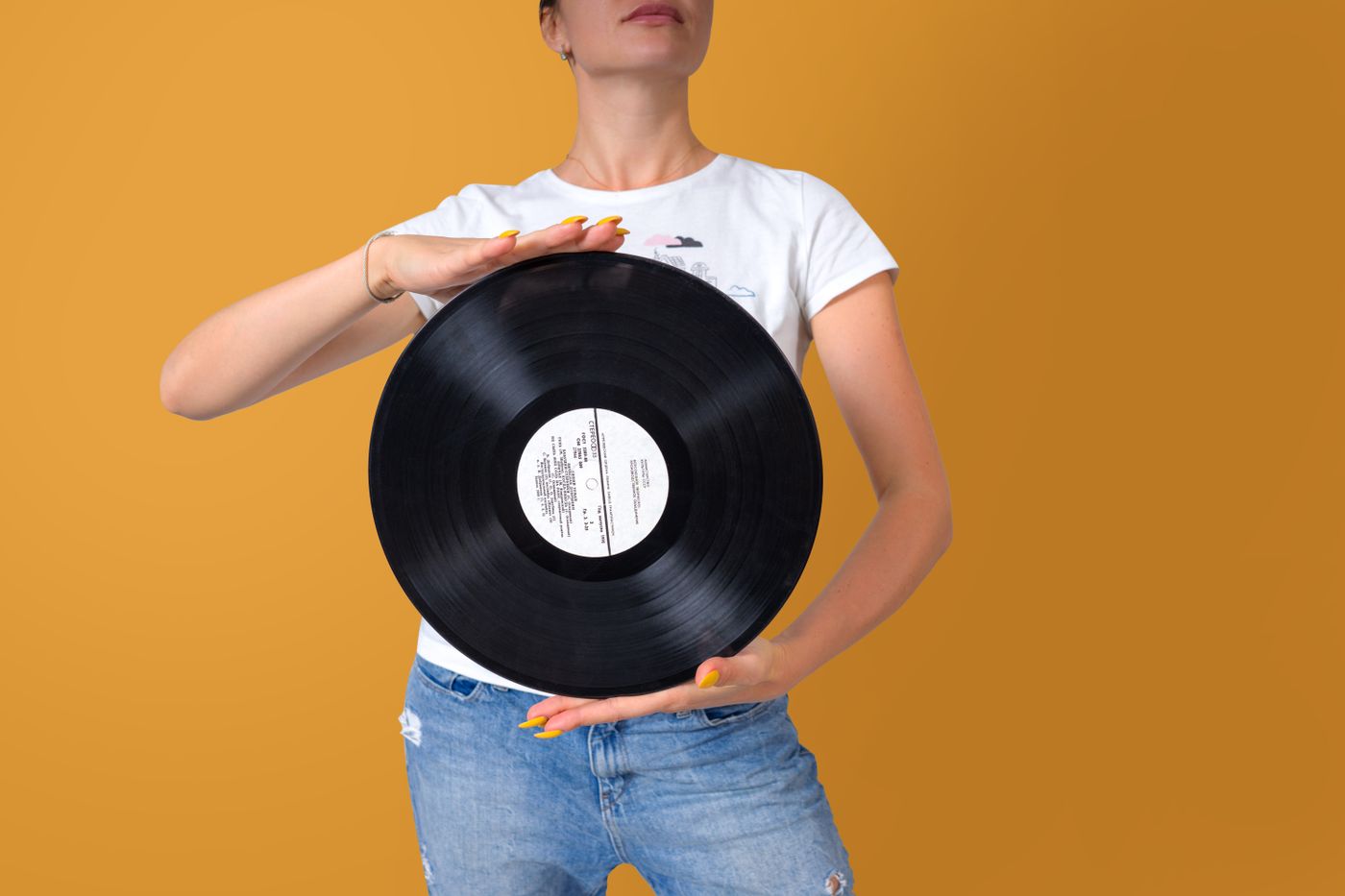
Foto: Atlantic Ambience · Pexels
Walk into any serious vintage shop in the city and you will see it: a Nirvana tee from 1993, folded with the precision of a boutique shirt, its flaws noted on a tag in tidy Japanese script. The Japanese have elevated secondhand to an art form. They call it "chumon" - the pursuit of something old with a story. It is not about cheapness. It is about quality and character. A band tee in Tokyo is not a cast-off. It is a curated object.
That reverence explains why the city has become a pilgrimage site for vintage lovers. The Japanese have been collecting American pop culture for decades, and their obsession with detail means they have preserved pieces that elsewhere would have been thrown away. A 1987 Guns N' Roses tour shirt, worn by a teenager in Osaka, now hangs in a Harajuku shop with a price tag that would make a collector in New York blink. But it is worth it. The cotton is heavier, the print is sharper, the colours are truer. And it will last another thirty years if you treat it right.
How to Wear It
Tuck the front into high-waisted denim and leave the rest loose. This is the classic Tokyo move. It shows the waistline, elongates the legs, and gives the tee a relaxed, offhand elegance. Pair it with a pair of vintage Levi's 501s, preferably a size too big, and roll the cuffs. Add a pair of clean white sneakers - old-school Converse or New Balance 574s. The look is effortless, but it takes effort to achieve.

Foto: Svetlana Tumina · Pexels
Layer it under a blazer. The clash of a tour print and tailoring is the whole point. A faded Metallica tee under a sharp navy blazer is not a contradiction. It is a statement. The Japanese do this brilliantly. They mix high and low, old and new, without blinking. Throw a blazer over your band tee, add some tailored trousers and leather loafers, and you have got a night-out outfit that turns heads. The key is to keep the blazer structured and the tee slightly worn. The contrast is what makes it work.
If it is oversized, own it. Wide shoulders with slim trousers reads intentional. The Japanese love oversized silhouettes. A baggy tee, falling off one shoulder, paired with tight black jeans and chunky boots, is a look that screams Tokyo street style. Do not be afraid of volume. The secret is balance. If the tee is big, keep everything else slim. If the trousers are wide, keep the tee fitted. Play with proportions until you find what works for your body.
Accessories matter too. A simple silver chain, a leather bracelet, a vintage watch. Nothing too loud. The tee is the star; everything else is support. And remember: the more faded, the better. A crisp, bright print looks new. A cracked, faded print looks like it has a history. That is what you are paying for.
Where to Find Yours in Tokyo
- RAGTAG Harajuku (6-14-2 Jingumae, Shibuya) - authenticated designer resale over several floors, from around 20 euros. This is a great starting point. The basement has a dedicated vintage section, and the staff are knowledgeable. They grade every piece, so you know exactly what you are getting. I have found a 1994 Pearl Jam tee here for 25 euros, and it was in better condition than anything I have seen in London.
- Kindal Harajuku (4-26-27 Jingumae, Shibuya) - stock turns weekly, come back often, from around 45 euros. Kindal is a treasure hunt. The selection changes constantly, and you never know what will show up. I once saw a 1978 Sex Pistols shirt there, priced at 120 euros, and it was gone the next day. If you see something you like, buy it. Do not hesitate.
- Chicago Jingumae (6-31-21 Jingumae, Shibuya) - the basement is where it gets interesting, from around 60 euros. Chicago is a legend in Tokyo vintage circles. The basement is a chaotic jumble of band tees, denim, and military surplus. You have to dig, but the rewards are real. I found a 1989 Rolling Stones Steel Wheels tour shirt there, with the original tour dates on the back, for 70 euros.
- Pass The Baton Omotesando (5-13-13 Jingumae, Shibuya) - consignment with the previous owner's story attached, from around 90 euros. This is the most curated option. Each piece comes with a card telling you who owned it and where it came from. It is a different experience - more like buying a piece of history than a piece of clothing. I bought a 1992 Bruce Springsteen shirt there, and the card said it belonged to a woman who saw him in New Jersey. That story is worth the extra money.
Go on a weekday morning if you can. The rails are fullest before the weekend crowd arrives, and staff have time to show you what came in overnight. I have had staff pull out pieces from the back room that were not even on the floor yet. That is how you find the real gems.

Foto: Jefferson Rosier · Pexels
What to Look For
Single-stitch hems at the sleeve and bottom usually mean pre-1995. Before that, most tees were made with a single row of stitching. After the mid-1990s, double stitching became the norm. This is the quickest way to date a shirt without a tag. Check the tag: a Screen Stars, Brockum or Giant label is a good era marker. These brands dominated the band merchandise industry in the 1980s and early 1990s. If you see one, you know it is authentic.
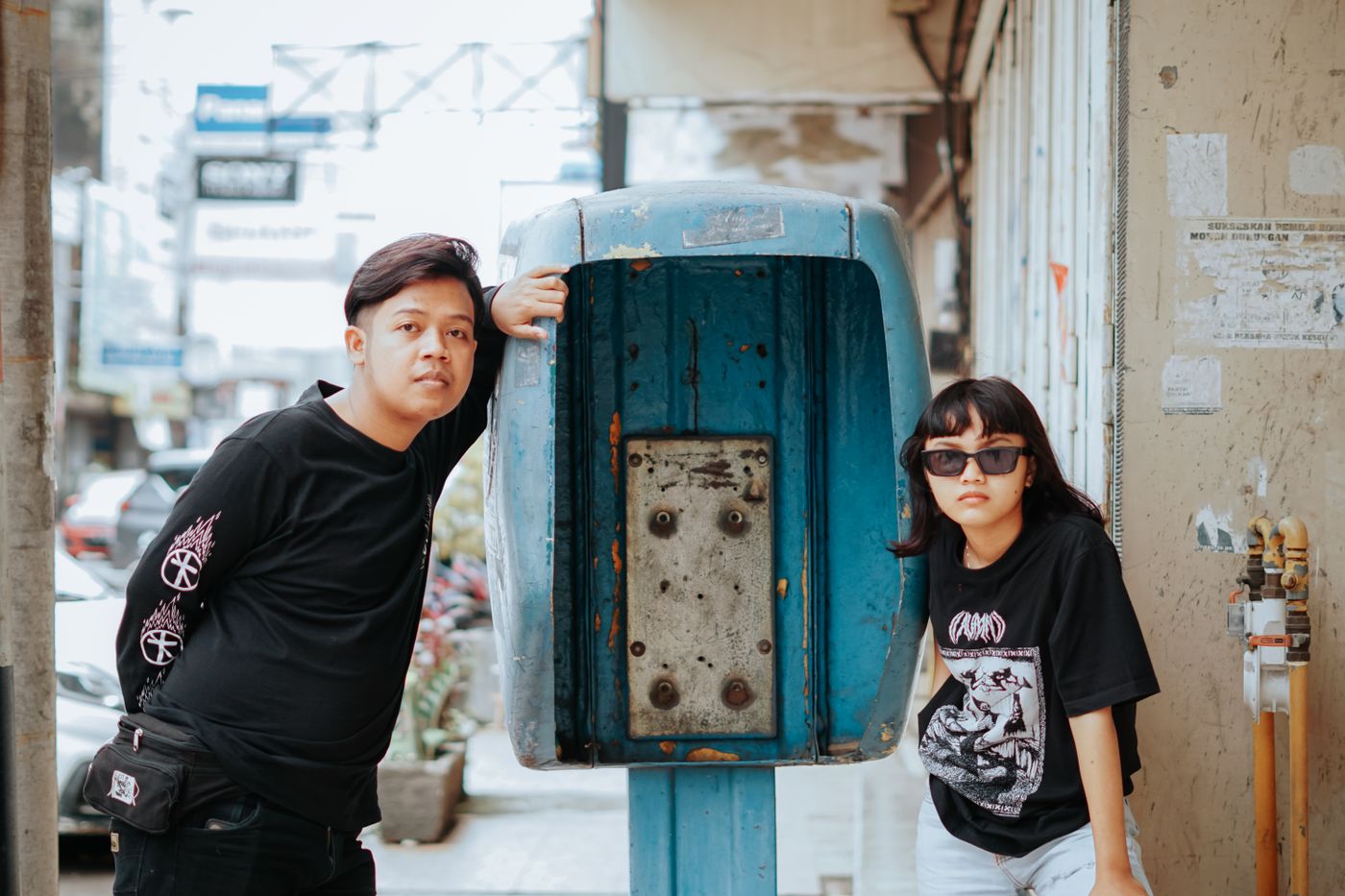
Foto: Muhammad Dzaki Zaidan · Pexels
Cracking in the print is fine and often desirable; holes in the armpit are not. Print cracking is a sign of age and wear. It gives the shirt character. Holes, though, are a sign of weakness in the fabric. They will only get worse. Hold it up to the light to check how thin the cotton has really gone. Hold the shirt up to a bright light and look for thin spots. If you can see through it, the fabric is too fragile. It will not survive another thirty years.
Check the seams. Look at the stitching on the shoulders and sides. If it is pulling or loose, the shirt is on its way out. Check the collar. A stretched or misshapen collar is a red flag. Feel the fabric. A good vintage tee is soft but substantial. It should have a bit of weight to it. If it feels flimsy, it is probably a modern reprint.
One last thing: try it on properly, walk around in it, and sit down. A band tee that only works standing still is not going to survive your actual life. Move your arms, bend over, sit in a chair. See how it feels. A good vintage tee should feel like it has been yours for years. If it does not, put it back.
City
Tokyo
Category
vintage band tee
Published
8 August 2026
The names
Meet the designers
The minds behind this story — each with a piece currently on the market.
Yohji Yamamoto
Japan · 1970s
Black, drape & poetic deconstruction
Black, drape & poetic deconstruction
Børge Mogensen
Denmark · 1940s
The Spanish chair — honest, functional furniture for everyday life.
The Spanish chair — honest, functional furniture for everyday life.
Jean Prouvé
France · 1930s
Structural steel & the Standard chair — an engineer of furniture.
Structural steel & the Standard chair — an engineer of furniture.
Levi's
USA · 1850s
The 501 & Americana denim
The 501 & Americana denim
Continue the edit
Further stories from the same world
Three more walks through the same vintage universe.

Why Old Jeans Beat New Ones in Tokyo
In Tokyo, vintage denim is not a trend. It is a category of craftsmanship. The jeans that survive from the 1970s and 1980s were cut on machines that no longer exist, with cotton that was woven slowly and dyed with indigo that fades in layers, not all at once.
Read the story →
The Small Bag Guide for Tokyo
It is 2025, and the small shoulder bag is everywhere. But the ones in the windows of Ginza department stores are not the ones I want.
Read →
Why a Small Dial Wins in Tokyo
A vintage watch is the one accessory that never shouts. A patinated dial, slightly yellowed lume, a bracelet that has softened to the wrist.
Read →