
 Sign in
🔥 Fashion · Tokyo
The Small Bag Guide for Tokyo
It is 2025, and the small shoulder bag is everywhere. But the ones in the windows of Ginza department stores are not the ones I want.
 By Louis Trash·
The Return of the Small Bag
It is 2025, and the small shoulder bag is everywhere. But the ones in the windows of Ginza department stores are not the ones I want. I want the 1999 Prada nylon, the one that survived Y2K and a hundred train rides. It has a specific confidence. It was designed to be carried, not photographed. And in Tokyo, it is waiting for you.
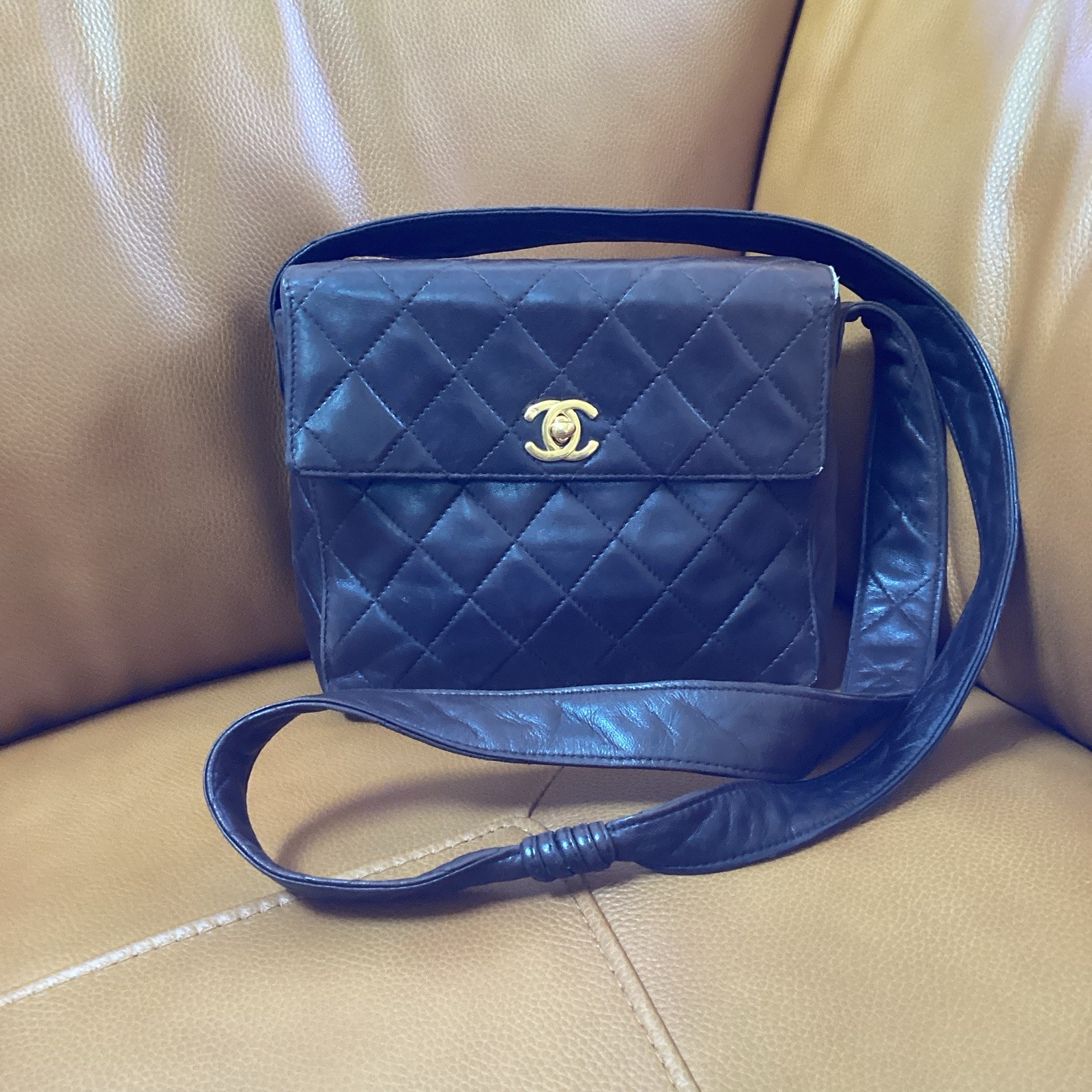
It is not a flea market free-for-all. It is a discipline. Pieces are graded, described, and looked after better than most new stock. You can buy a bag that is older than you are, and it will arrive in a dust bag with a receipt. That is the Tokyo way.
How to Wear It
Wear it high and tight under the arm. That is how the strap length was intended. In the 90s, when these bags were new, they were worn that way. Let the bag sit against your ribcage, not at your hip. It is a posture thing. It makes your whole silhouette look pulled together.
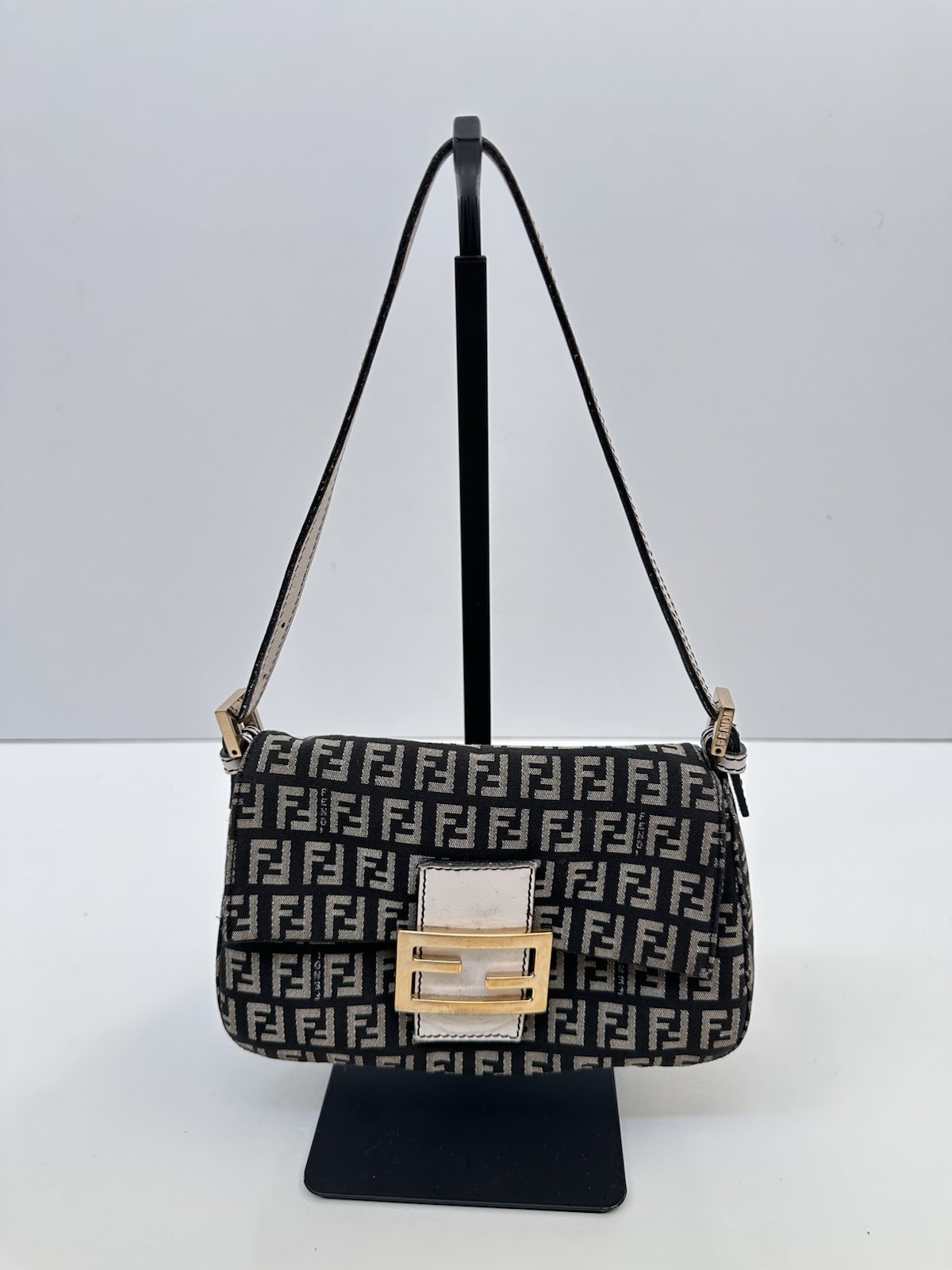
Let a loud bag do the talking against plain tailoring. A leopard-print Fendi baguette with a black wool coat. A metallic Prada with a grey suit. The contrast is the point. The bag is the accessory, not the outfit. But it is also the exclamation mark.
Carry it with a longer coat. A small bag under a long coat is a very flattering proportion. It draws the eye up. It makes you look taller. And it is practical. You can slide the bag under your arm and keep your hands free for a coffee, a ticket, a phone.
Where to Find Yours
Tokyo is full of vintage shops, but these are the ones I trust. They have been around for years. They know what they are doing.
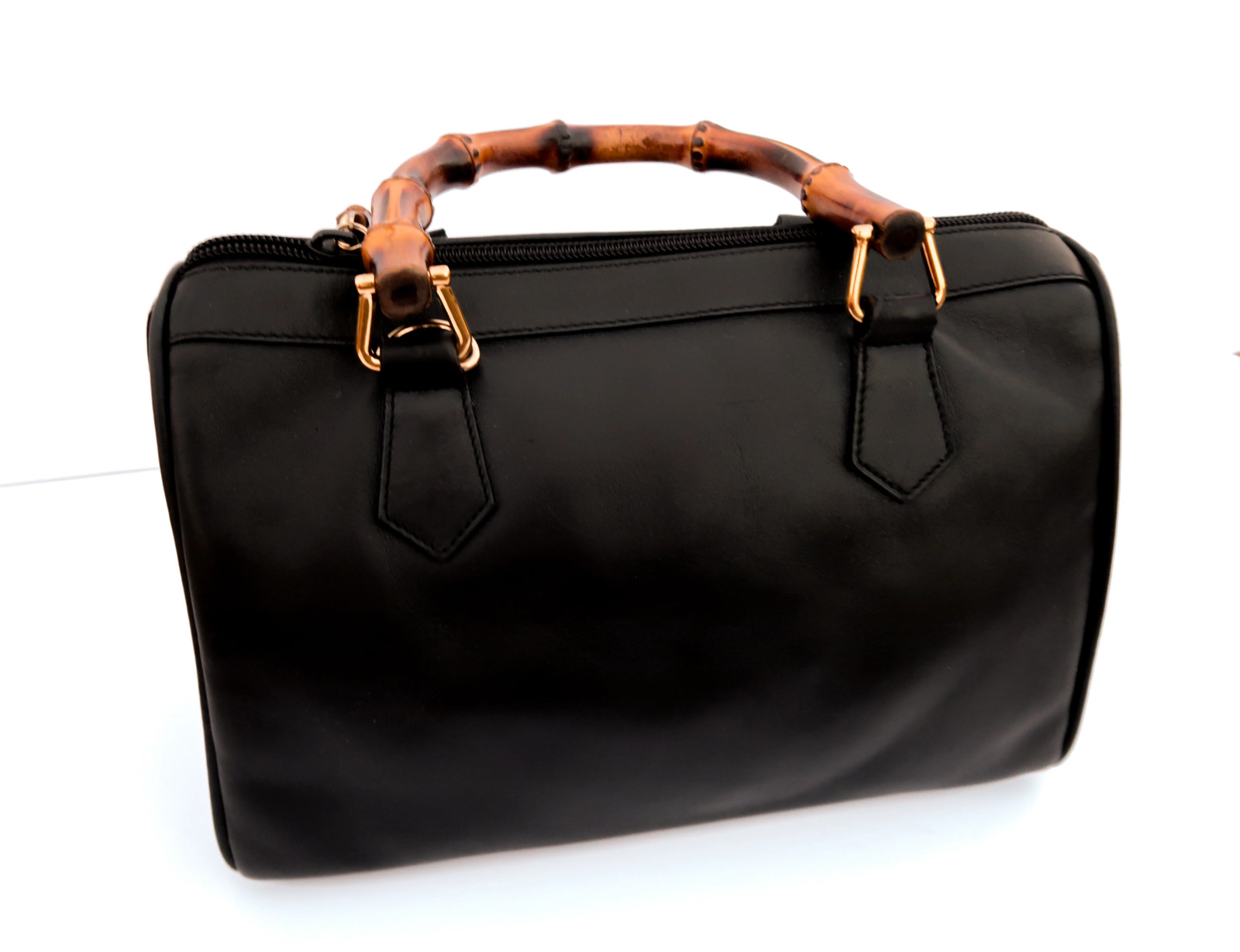
- RAGTAG Harajuku (6-14-2 Jingumae, Shibuya) — This is where I start. It is a multi-floor operation. The designer bags are on the upper floors. They authenticate everything. Prices start around 20 euros, but those are the less exciting pieces. The good stuff is 200 or 300 euros. Still, you can find a gem.
- Kindal Harajuku (4-26-27 Jingumae, Shibuya) — This is smaller and more curated. The stock turns weekly. I have been there on a Tuesday and seen a bag I regret not buying. I have been there on a Saturday and seen nothing. Go often. Prices start around 45 euros.
- Chicago Jingumae (5-13-13 Jingumae, Shibuya) — This is the one with the basement. The basement is where it gets interesting. It is a bit chaotic, but that is the charm. You have to dig. Prices start around 60 euros. I once found a 90s Gucci canvas bag there for 80 euros. It was dirty. I cleaned it. It is perfect.
- Pass The Baton Omotesando (5-13-13 Jingumae, Shibuya) — This is consignment, not resale. Every piece comes with the previous owner's story. It is a bit more expensive, from around 90 euros. But you are buying a piece of history. You are buying a story.
Go on a weekday morning if you can. The rails are fullest before the weekend crowd arrives. And the staff have time to show you what came in overnight. They will pull out the new arrivals. They will tell you what they know. That is worth the early alarm.
What to Look For
Before you hand over the cash, you need to inspect the bag. Here is what I have learned.
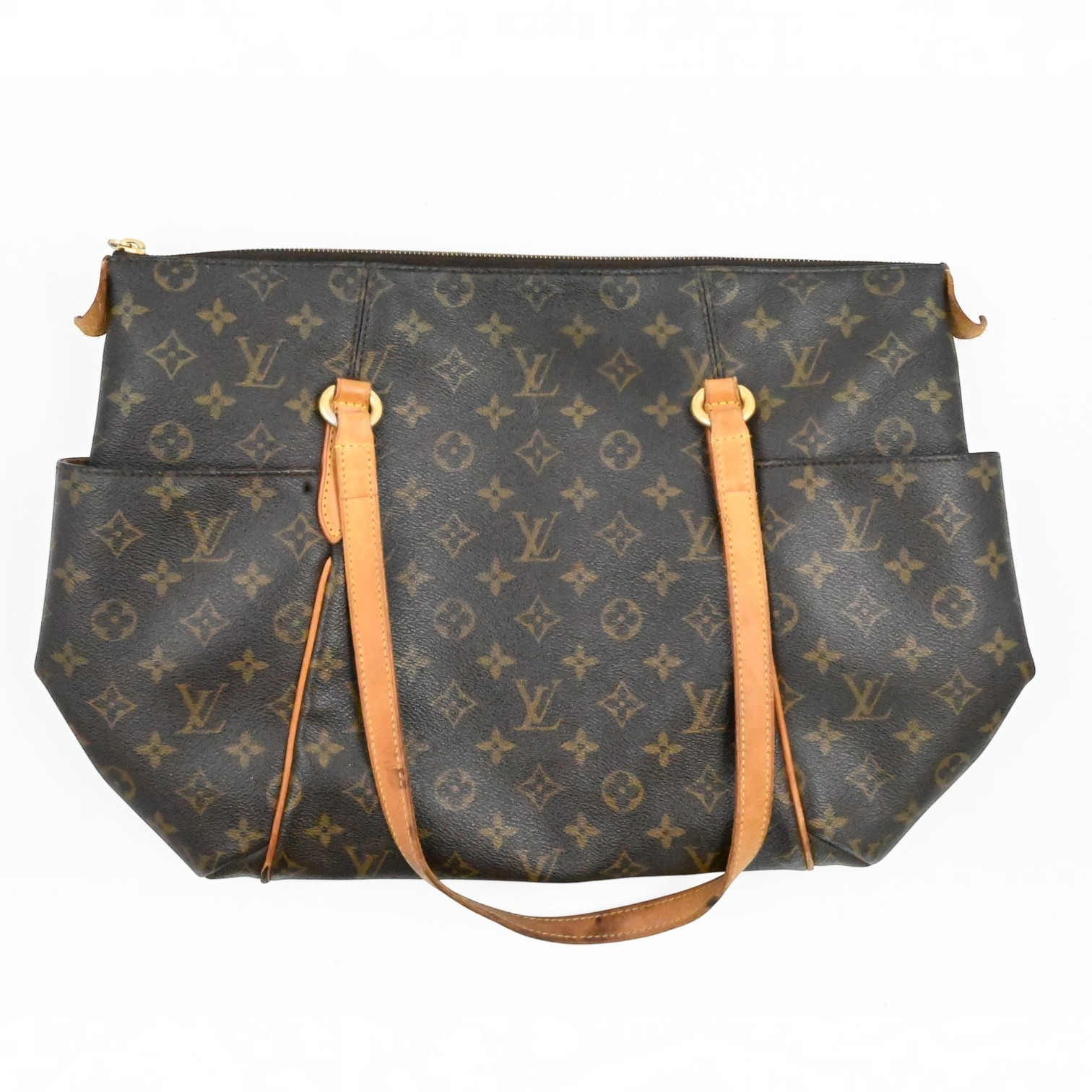
Feel the hardware. Real metal is cold and weighty. Plated plastic is not. It is light. It feels cheap. Run your finger over the zipper pull. If it is cold to the touch, it is probably real. If it is not, it is probably not.
Check the stitching around the strap anchor. That is the part that fails first. It is the point where the strap meets the bag. It takes all the weight. Look for loose threads. Look for wear. If it looks frayed, that is a repair bill.
Inside, look for a date code or a serial tag. Most designer bags have one. It will be a small leather patch or a metal plate. It tells you when the bag was made. It also tells you if it is real. If there is no tag, be suspicious. If the tag is not there, it might be a fake.
Make sure the lining has not been replaced. Some bags have had their linings replaced. That is not the end of the world, but it affects the value. It also affects the feel. A bag with the original lining is a better find.
Slight corner wear is normal. It is negotiable. You can use it to bring the price down. A cracked strap is a different story. That is a repair bill. It might be worth it if the bag is rare. But it is not a bargain unless you factor in the repair.
One last thing: try it on properly. Walk around in it. Sit down. A vintage designer bag that only works standing still is not going to survive your actual life. You will wear it on the train. You will wear it to dinner. You will wear it in the rain. If it does not work when you are moving, it does not work.
The Craft of Secondhand
In Tokyo, buying vintage is not a compromise. It is a preference. It is a way of getting something better than what is in the stores now. These bags were made before the era of planned obsolescence. They were made to last. And in Tokyo, they are cared for like treasures.
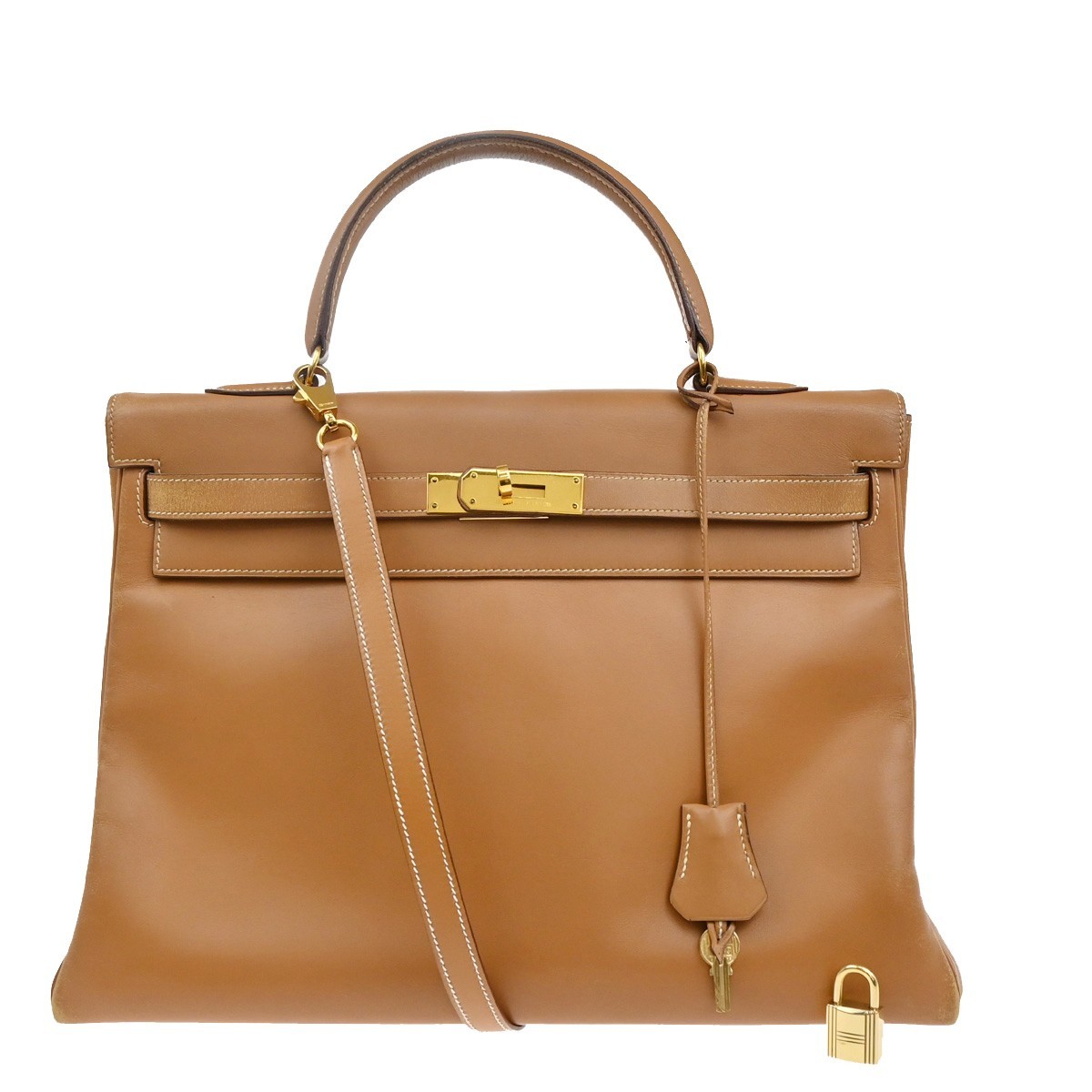
The shops I listed are not the only ones. But they are my starting points. They are the ones I have tested. They are the ones I trust. If you are in Tokyo, go. Spend a morning. Take your time. You will find something worth keeping.
And when you do, wear it high and tight. Let it do the talking. Carry it through the streets. That is what it was made for.
Get the look
Get the look
The pieces that make this story wearable, live from the market.
designer-bags
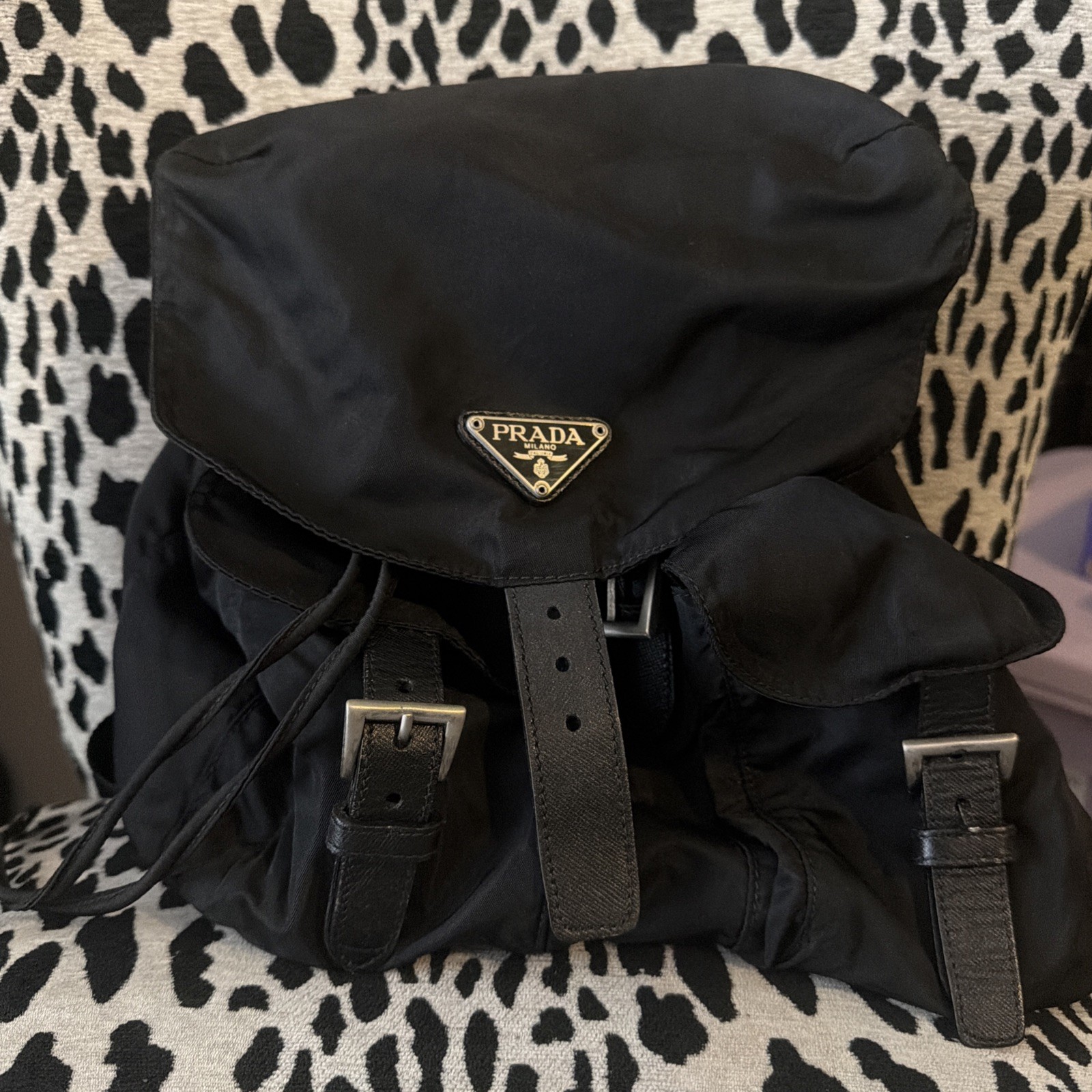
PRADA Backpack Triangle Logo Nylon Black Small Rucksack Vintage Bag
designer-bags
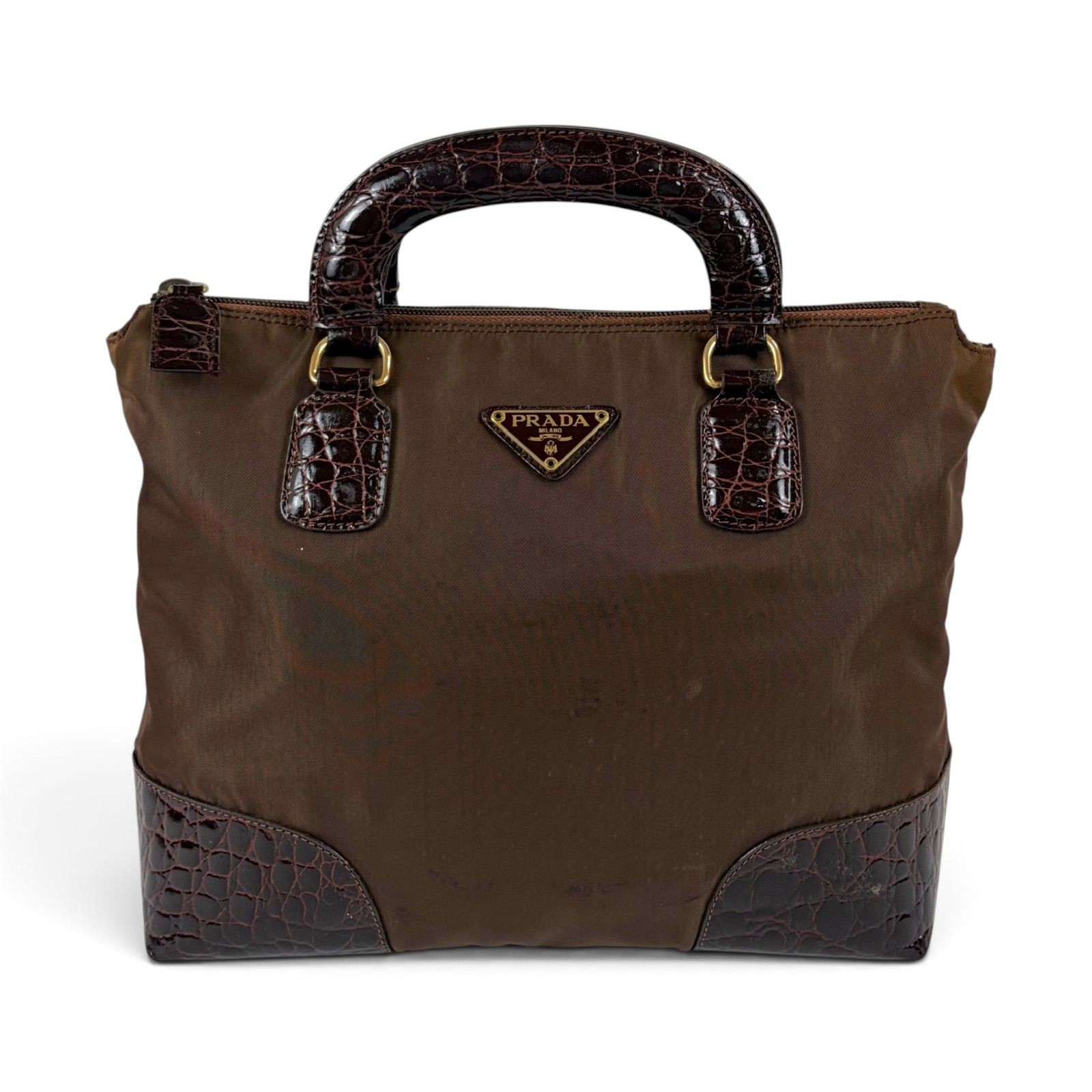
Vintage Prada Nylon Tessuto Bag. Nylon exterior with crocodile embossed handles
designer-bags
Gucci Vintage Bamboo Leather Boston Bag – Black
designer-bags
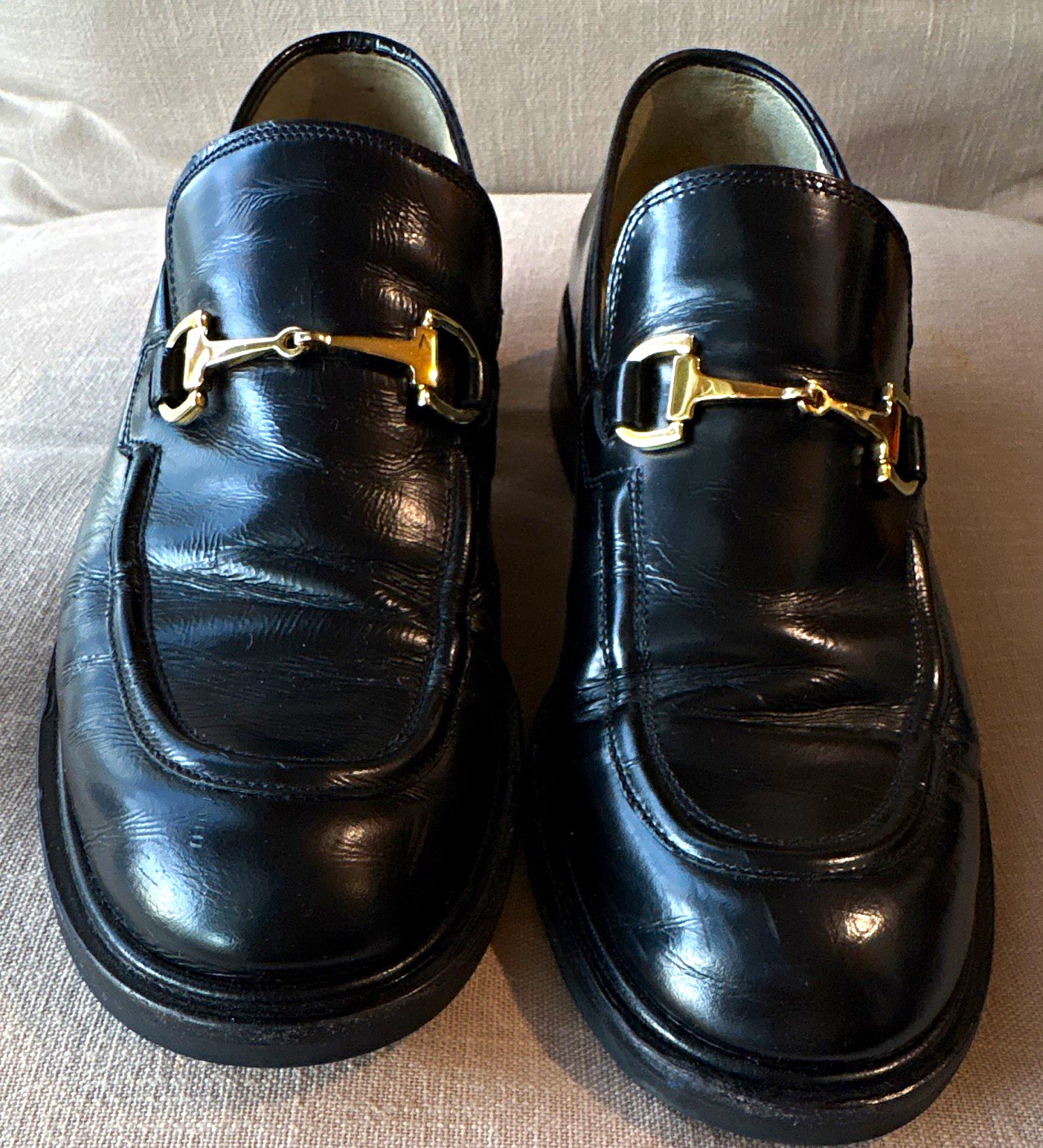
Vintage Gucci Women’s Black Leather Horsebit Loafers Size 8 B Gold 100 0455
designer-bags
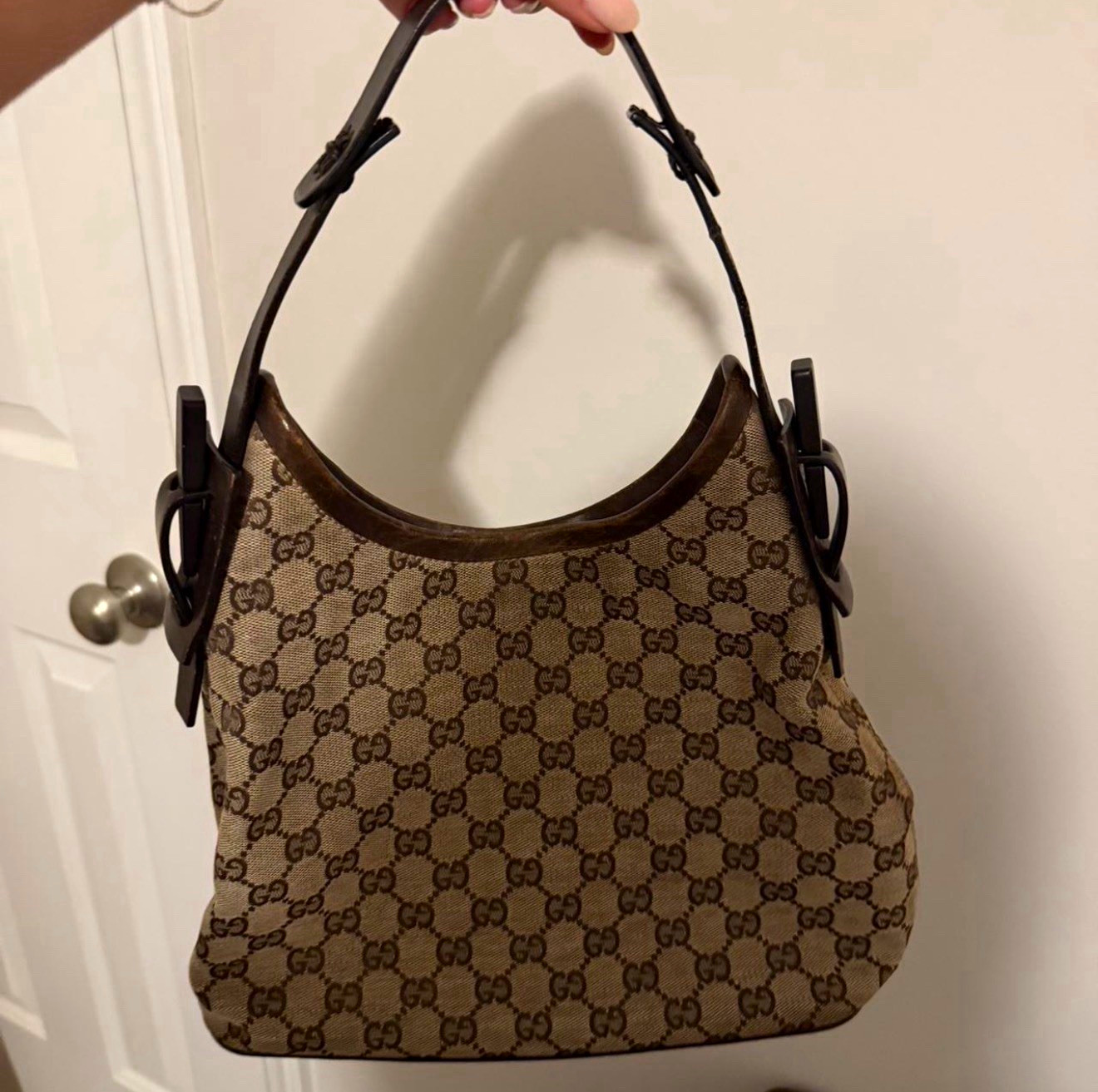
Vintage Gucci GG Monogram Shoulder Bag Beige/Brown - with authentication
designer-bags
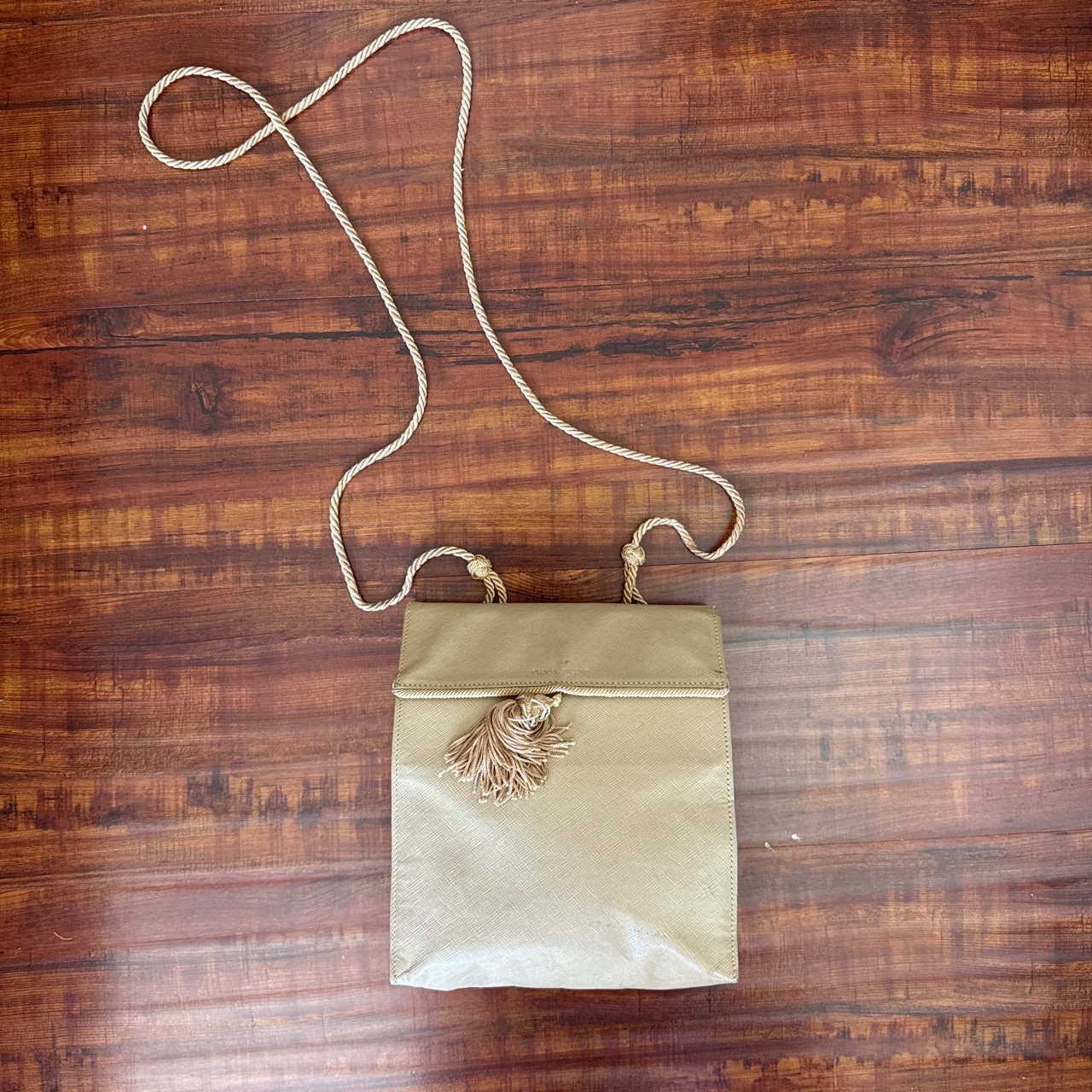
Prada vintage Saffiano leather crossbody bag with tassel and rope detailing
designer-bags
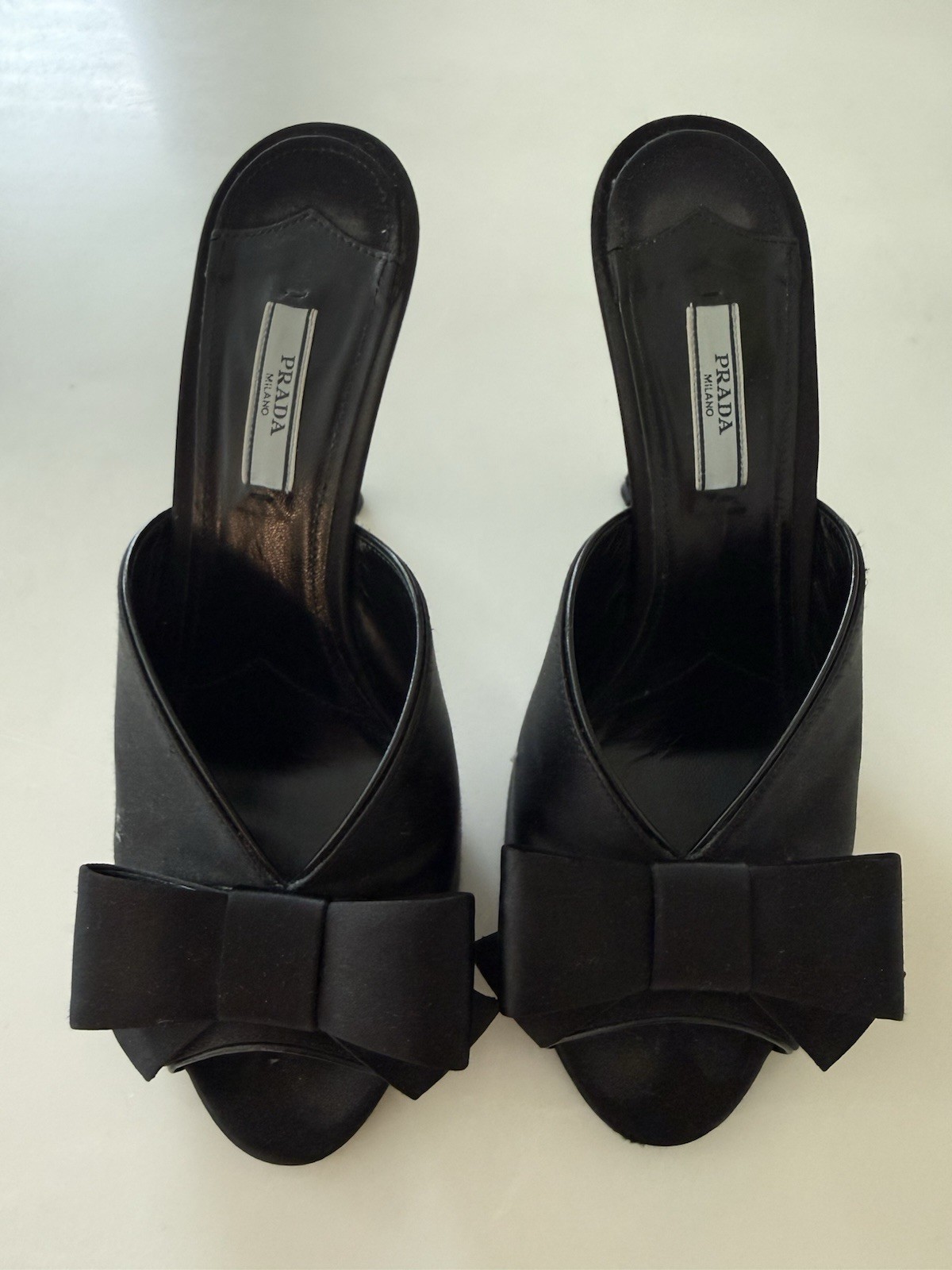
Vintage Prada Black Bow Open Toe Slip-On Mule Stiletto Heel Women’s Size 10
designer-bags
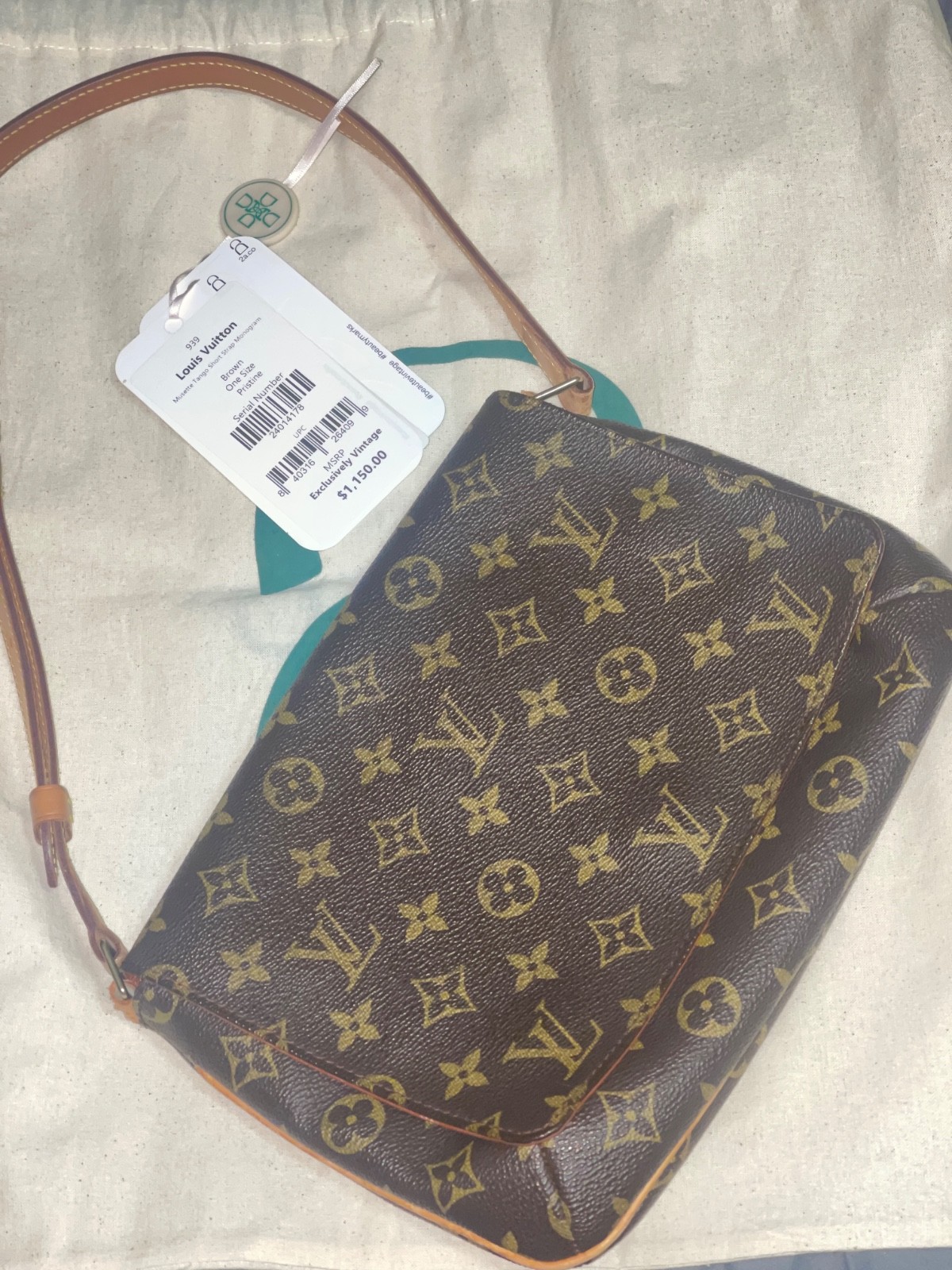
purses for women designer, Louis Vuitton , shoulder strap, vintage, verified
The names
The designers behind the look
The minds behind this story — each with a piece currently on the market.
Armani
Italy · 1970s
The power suit & soft tailoring
The power suit & soft tailoring
Top piece
View →
Dior
France · 1940s
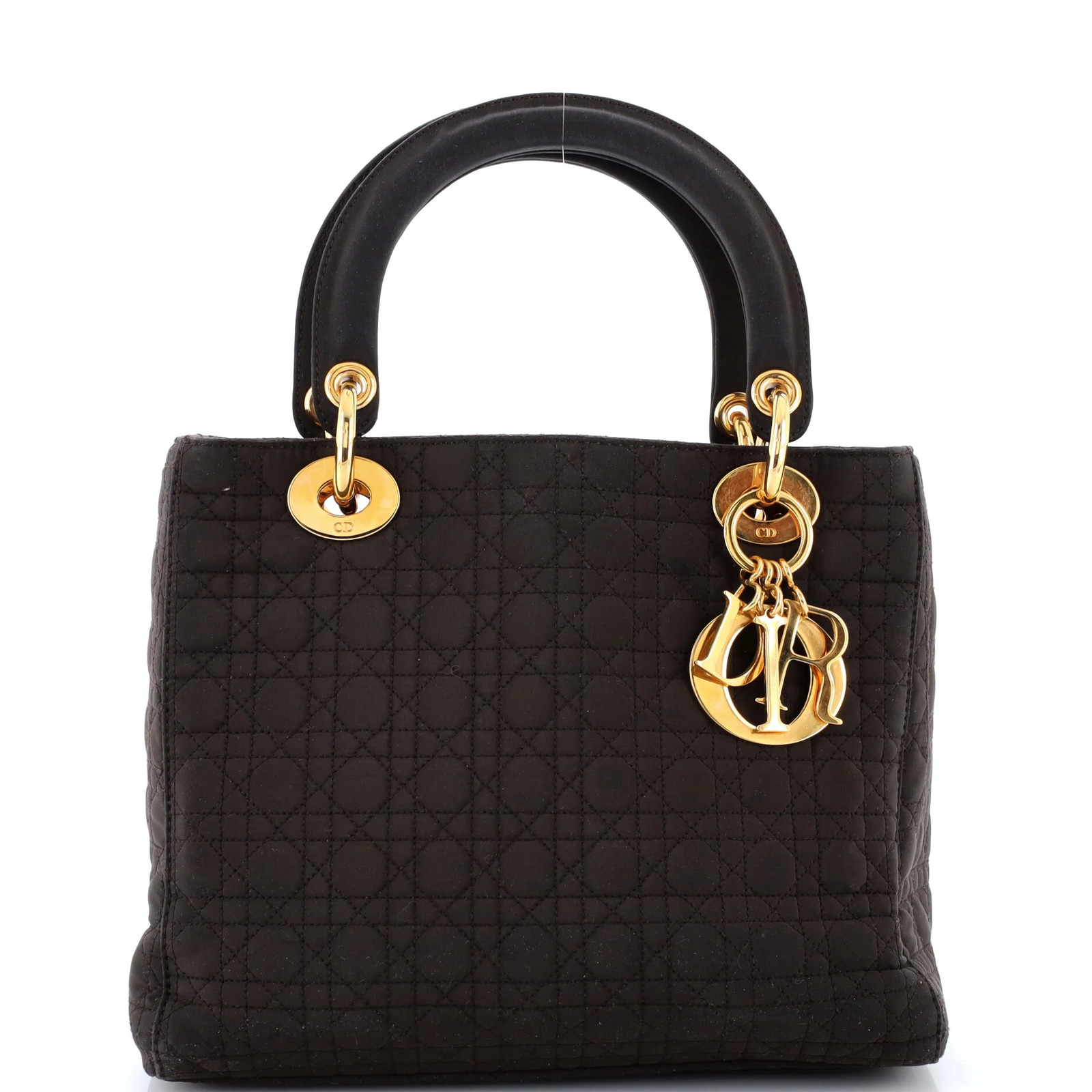
The New Look & the Lady Dior
The New Look & the Lady Dior
Top piece
View →
Fendi
Italy · 1920s
The Baguette & the FF logo
The Baguette & the FF logo
Top piece
View →
Gucci
Italy · 1920s
The bamboo handle & the double-G
The bamboo handle & the double-G
Top piece
View →
Continue the edit
Further stories from the same world
Three more walks through the same vintage universe.

How to Wear a Faded Tour Tee in Tokyo
A band tee is a souvenir somebody else brought home. The faded print, the softened cotton, the fact that it survived thirty years of washing.
Read the story →
Why Old Jeans Beat New Ones in Tokyo
In Tokyo, vintage denim is not a trend. It is a category of craftsmanship. The jeans that survive from the 1970s and 1980s were cut on machines that no longer exist, with cotton that was woven slowly and dyed with indigo that fades in layers, not all at once.
Read →
Why a Small Dial Wins in Tokyo
A vintage watch is the one accessory that never shouts. A patinated dial, slightly yellowed lume, a bracelet that has softened to the wrist.
Read →