
 Sign in
🔥 Fashion · Tokyo
Why Old Jeans Beat New Ones in Tokyo
In Tokyo, vintage denim is not a trend. It is a category of craftsmanship. The jeans that survive from the 1970s and 1980s were cut on machines that no longer exist, with cotton that was woven slowly and dyed with indigo that fades in layers, not all at once.
 By Louis Trash·
Why Denim Matters Now
In Tokyo, vintage denim is not a trend. It is a category of craftsmanship. The jeans that survive from the 1970s and 1980s were cut on machines that no longer exist, with cotton that was woven slowly and dyed with indigo that fades in layers, not all at once. The result is a fit that feels alien to anyone raised on stretch denim: a high waist that sits at your navel, a straight leg that falls without hugging, and a fabric so dense it stands up on its own when you take them off at night. That weight, usually between 14 and 16 ounces, means the jeans hold their shape all day, no sagging at the knees, no bunching at the ankles.
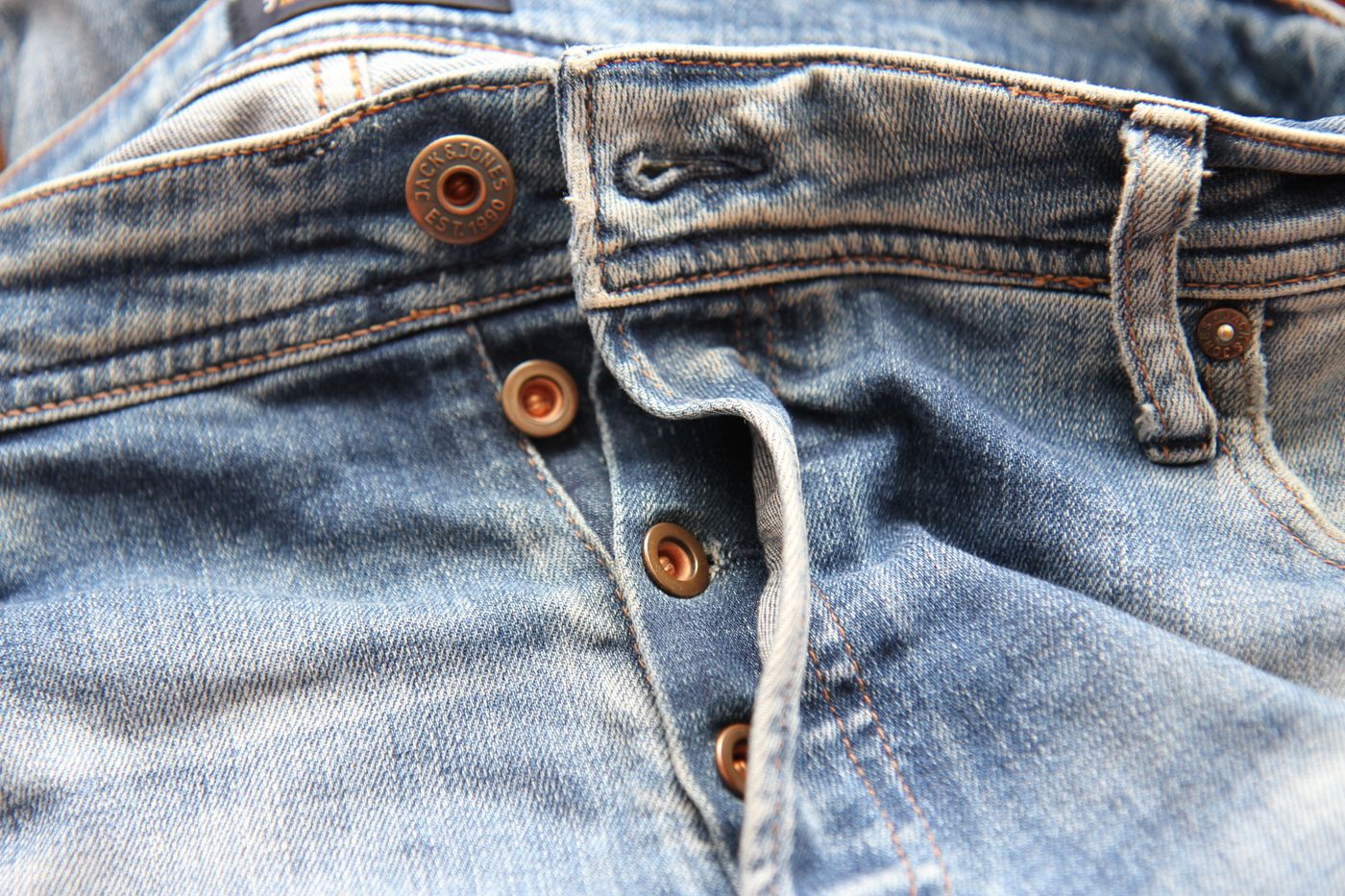
Foto: Dragan Tomić · Pexels
But the real difference is the fade. A new pair of raw denim takes years to develop the creases and whiskers that old jeans have already earned. In Tokyo, you can buy those years. The fades are not manufactured by lasers or sandpaper; they are the result of somebody else's daily commute, their bicycle rides, their afternoons squatting in a workshop. Each pair tells a story, and Tokyo's secondhand stores treat that story with respect. They grade the denim by condition, describe the fade pattern in detail, and repair small flaws with visible mending. This is not a market for cast-offs; it is a curated archive.
How to Wear It
The first rule of vintage denim is to let the jeans sit at the natural waist. That is where the cut was designed to land, and it changes everything about how your body looks. A high waist elongates the legs and defines the waistline, which is why these jeans flatter a wider range of bodies than the low-rise styles of the 2000s. If the waistband digs in or gaps at the back, the jeans are not right for you, no matter how good the leather patch looks.

Foto: Cherry’s POV · Pexels
Hem them yourself. Factory hems on vintage jeans are often roped or chain-stitched, but they are also usually too long for modern proportions. The solution is to cut them to length and leave the raw edge. A clean chop with scissors, followed by a few washes to fray the edge naturally, looks intentional and modern. It also saves you the cost of a professional hem and keeps the original fabric intact.
Balance the weight of the denim with something soft. A pair of 16-ounce jeans is a heavy piece of clothing; pair it with a fine merino sweater, a silk blouse, or a linen shirt. The contrast between the rugged cotton and the delicate top is what makes the outfit look considered rather than costumed. Avoid pairing vintage denim with other vintage pieces unless you want to look like a period reproduction. One old item per outfit is enough.
Where to Find Yours in Tokyo
Tokyo's vintage denim scene is concentrated in a few neighborhoods, but the best hunting is in Shibuya's Jingumae district, a short walk from Harajuku station. The stores there are not thrift shops; they are boutiques with curated racks, clear pricing, and staff who can tell you the decade of a pair from the stitching on the back pocket.
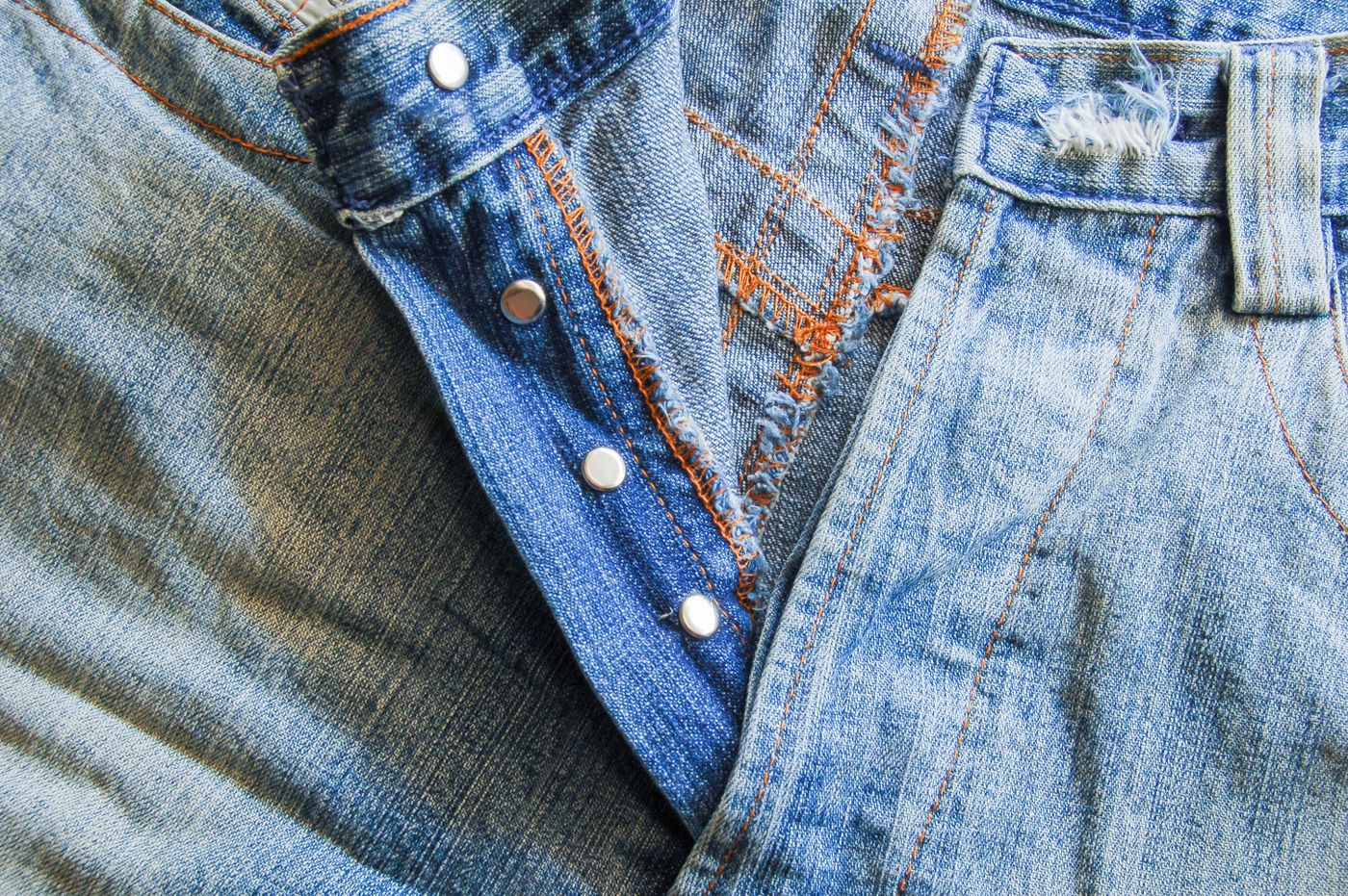
Foto: Srattha Nualsate · Pexels
Start at RAGTAG Harajuku (6-14-2 Jingumae, Shibuya). It is a multi-floor resale store that authenticates designer brands, but the denim section is on the upper levels. You will find Levi's, Edwin, and Japanese repro brands like Sugar Cane and Warehouse, priced from around 20 euros for a basic pair to 300 euros for a rare collectible. The staff will tell you the fabric weight and the year if they know it. Do not be afraid to ask.
Next door, Kindal Harajuku (4-26-27 Jingumae) turns its stock over weekly. The denim rail is small but meticulously picked, with a focus on clean, wearable pieces rather than museum-grade relics. Prices start at around 45 euros, and the staff are happy to pull out multiple sizes for you. Come back every few days; the good pairs go fast.
For a deeper dive, go to Chicago Jingumae (6-31-21 Jingumae). The basement is where the real finds are: a chaotic pile of jeans sorted by size, with some gems hidden among the ordinary. You need to dig, but the prices are lower, from around 60 euros, and the thrill of unearthing a pair of 1970s 501s with a perfect fade is worth the dust. Go on a weekday morning, when the rails are fullest and the staff have time to show you what came in overnight.
Finally, Pass The Baton Omotesando (5-13-13 Jingumae) is a consignment store with a difference: each item comes with a handwritten note from the previous owner, explaining where they bought it and why they loved it. The denim selection is small but exceptional, often including pieces from Japanese designers like Kapital or Visvim that you will not find elsewhere. Prices start at around 90 euros, and the experience is more like a gallery visit than a shopping trip.
What to Look For
Before you hand over your cash, check the back patch. A leather or paper patch with a number that dates the pair: for Levi's, the first digit of the style number (501, 505, 517) tells you the fit, but the year is in the care tag or the button stamp. A button with a number like "13" or "14" on the inside of the fly indicates the factory and year, but you need a reference guide to decode it. Do not rely on memory; bring your phone and look it up.

Selvedge is a good sign. Look inside the outseam; if you see a clean white line where the fabric ends, that is selvedge, a sign of older, better cotton woven on narrow looms. It is not a guarantee of quality, but it is a strong indicator. Also, feel the fabric. Vintage denim should be stiff but not brittle, and it should have a slight give when you pull it. If it feels like cardboard, it may be too far gone.
Try them on. Vintage sizing runs small, sometimes by several sizes, so ignore the number on the tag and trust the waistband. You should be able to button the top button without pulling, and sit down without the waist digging in. The length will likely be too long; that is fine, because you are going to hem them anyway. What matters is the rise, the thigh, and the seat. If they are tight in the thigh, they will not stretch enough to be comfortable. If they are loose in the seat, they will look sloppy.
One last thing: walk around in them. Sit down, stand up, bend over. A pair of vintage jeans that only works standing still is not going to survive your actual life. The best pair is the one you forget you are wearing, the one that feels like a second skin from the first day. That is the pair worth keeping.
The History in the Seams
Tokyo's obsession with vintage denim did not start in a boutique; it started in the 1980s, when Japanese collectors began importing American workwear and studying its construction. They were fascinated by the way denim aged, and they started making their own versions with the same old looms and dyeing techniques. Brands like Evisu, in 1991, and later Osaka Five, which included Denime and Warehouse, built a reputation for obsessive reproduction of 1950s Levi's. That heritage is why Tokyo's vintage stores are so meticulous: they are serving a clientele that knows the difference between a 1947 501 and a 1955 501, and they can tell you why one is worth ten times the price.
That knowledge is now a global currency, but Tokyo is still the best place to spend it. The stores are not tourist traps; they are institutions, staffed by people who have been buying and selling denim for decades. They will tell you if a pair has been hemmed, if the crotch has been repaired, and if the fade is natural or helped along. That honesty is rare in any market, and it is why you should trust them.
The Final Word
Vintage denim is not a costume. It is a practical choice for anyone who wants clothes that last, fit well, and look better as they age. In Tokyo, you can find a pair that has already done the hard work of breaking in, and you can wear it for another decade. The key is to buy with your eyes open: check the patch, the selvedge, the fit, and the story. Then take them home, hem them yourself, and wear them until you forget they are on. That is what they were made for.
City
Tokyo
Category
vintage denim
Published
8 August 2026
The names
Meet the designers
The minds behind this story — each with a piece currently on the market.
Levi's
USA · 1850s
The 501 & Americana denim
The 501 & Americana denim
Calvin Klein
USA · 1960s
Minimalism & the 90s slip
Minimalism & the 90s slip
Dior
France · 1940s
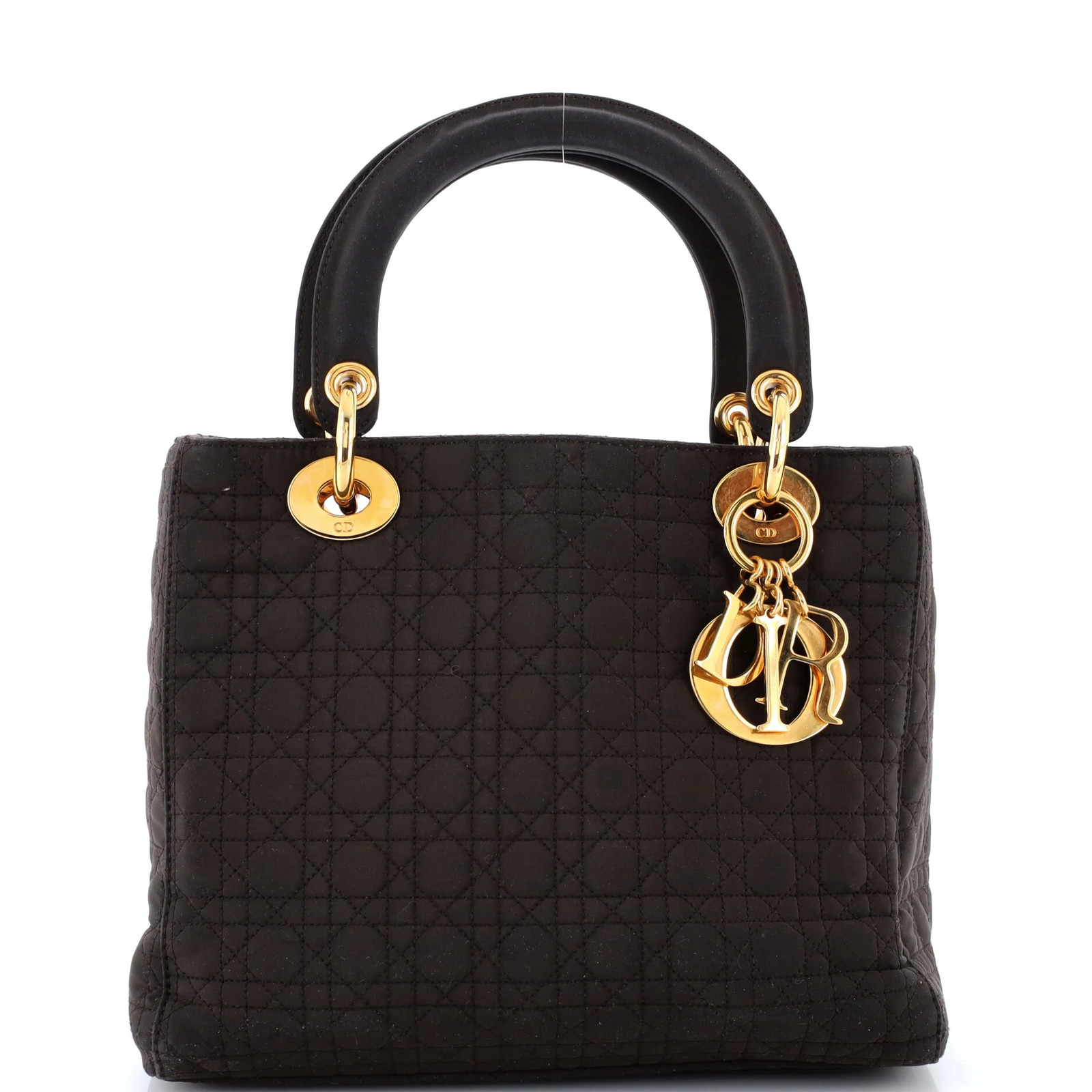
The New Look & the Lady Dior
The New Look & the Lady Dior
Top piece
View →
Issey Miyake
Japan · 1970s
Pleats Please & techno-fabric
Pleats Please & techno-fabric
Continue the edit
Further stories from the same world
Three more walks through the same vintage universe.

How to Wear a Faded Tour Tee in Tokyo
A band tee is a souvenir somebody else brought home. The faded print, the softened cotton, the fact that it survived thirty years of washing.
Read the story →
The Small Bag Guide for Tokyo
It is 2025, and the small shoulder bag is everywhere. But the ones in the windows of Ginza department stores are not the ones I want.
Read →
Why a Small Dial Wins in Tokyo
A vintage watch is the one accessory that never shouts. A patinated dial, slightly yellowed lume, a bracelet that has softened to the wrist.
Read →