
 Sign in
✦ Culture · Tokyo
Why a Good Scarf Beats a New Bag in Tokyo
Tokyo is the only city I know where a secondhand Hermès scarf arrives in a presentation box with a tissue-wrapped fold, a condition grade printed in neat kanji, and a sales assistant who bows as she hands it over. The scarf itself might be from 1989, but it has been cleaned, pressed, and photographed under studio lighting.
 By Louis Trash·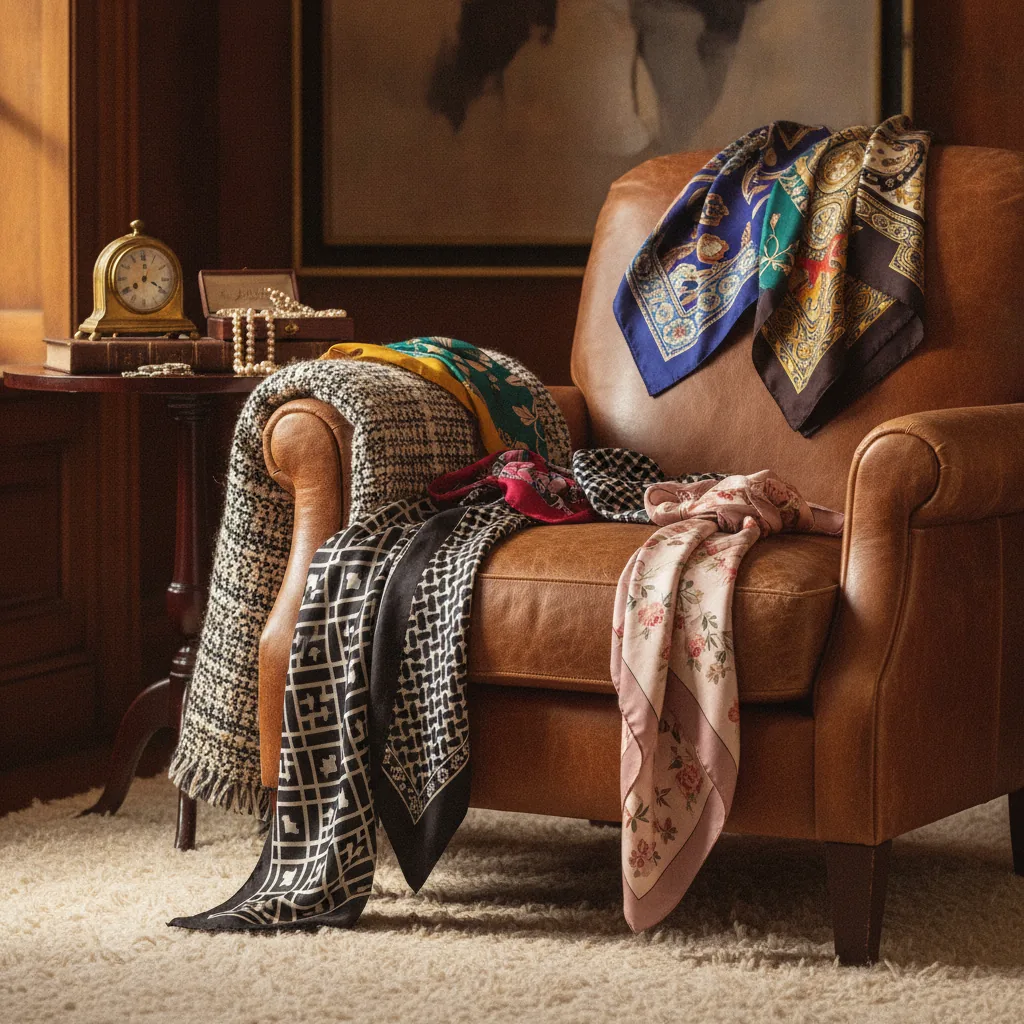
Why a Good Scarf Beats a New Bag in Tokyo
Tokyo is the only city I know where a secondhand Hermès scarf arrives in a presentation box with a tissue-wrapped fold, a condition grade printed in neat kanji, and a sales assistant who bows as she hands it over. The scarf itself might be from 1989, but it has been cleaned, pressed, and photographed under studio lighting. That level of care is standard. Which is why, on a recent trip, I spent ¥12,000 on a faded Chanel scarf with a tiny moth nip, and I felt like I had robbed a museum.
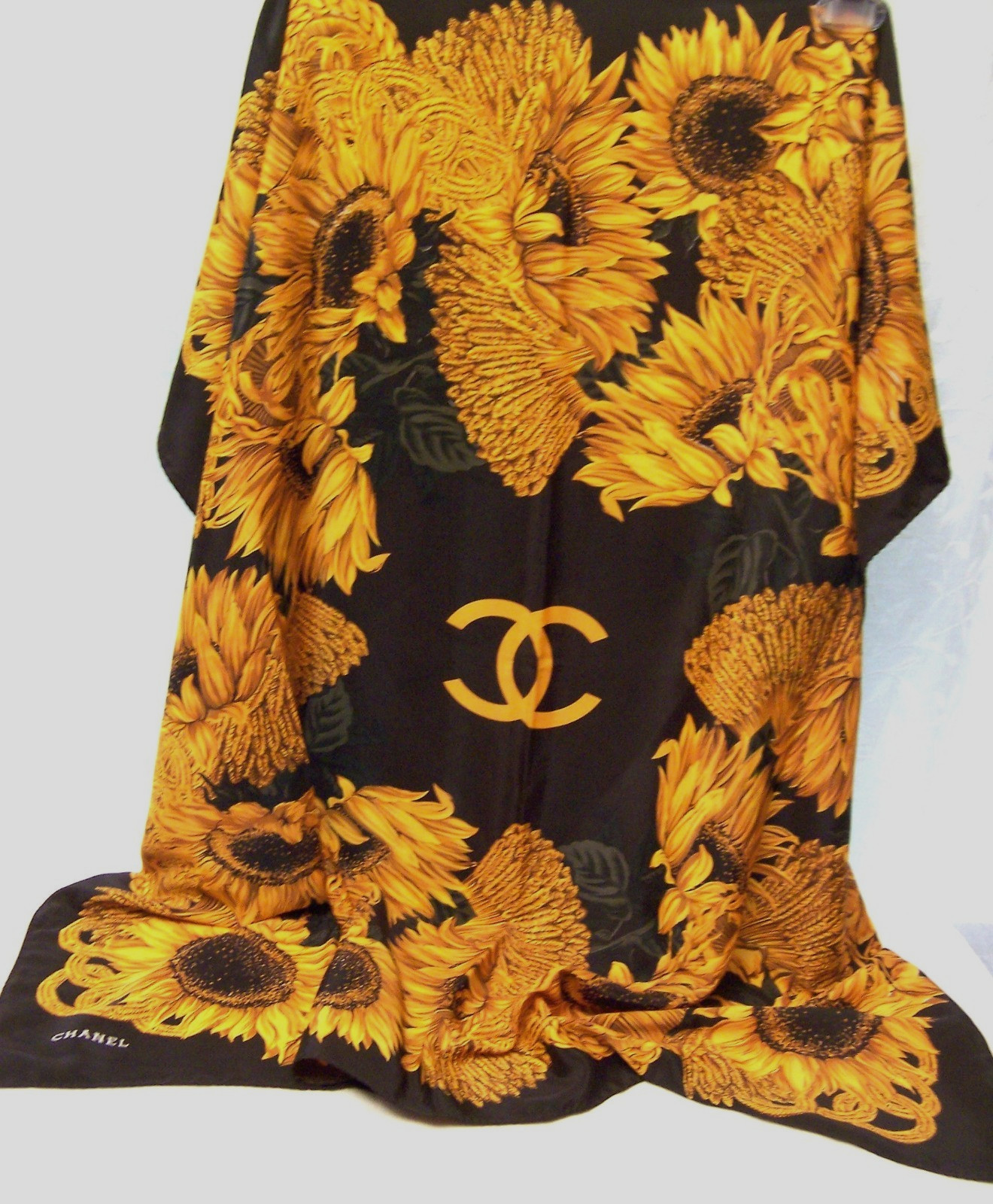
A silk scarf is the cheapest way into a serious label. The prints are small paintings, the hand-rolled edges are proper craft, and a good one costs less than a mediocre dinner in Ginza. It is also the one accessory that works in every season. A cashmere shawl is only for winter. A leather bag is a commitment. A scarf can be a necktie, a belt, a headband, a bag charm, or a pocket square. It folds to nothing in a coat pocket, and it never needs charging.
In the vintage districts of Shibuya and Omotesando, scarves are not dumped in a bin like they are in some European flea markets. They are hung on padded hangers, sorted by label and era, and tagged with everything from the original retail price to the presence of any pulls or spots. The Japanese word for this is kirei, meaning clean or beautiful, and it is a standard that would shame most new boutiques.
The history of the silk scarf as a status object is long. Hermès started printing silk in 1937, and by the 1950s, the carré was a staple of the Parisian wardrobe. The prints were often inspired by equestrian themes, from bridles to stirrups, and each one took two years to design and produce. The hand-rolled edges, which are still a hallmark of quality, were a practical solution: they stopped the silk from fraying without adding a heavy hem. In Tokyo, the love affair with scarves peaked in the 1980s, when the bubble economy sent women to Hermès and Chanel counters with wads of cash. When the bubble burst, those scarves went to consignment shops, and they have been circulating ever since.
How to Wear It
Knot it at the neck, loose, over a crew neck or an open shirt. Nothing fussy. The French do this with a small, tight knot at the collarbone; the Italians prefer a floppy bow. I like a simple slip knot that sits just above the sternum, with the tails hanging asymmetrically. It reads as effortless, even when I have spent five minutes in front of the mirror.
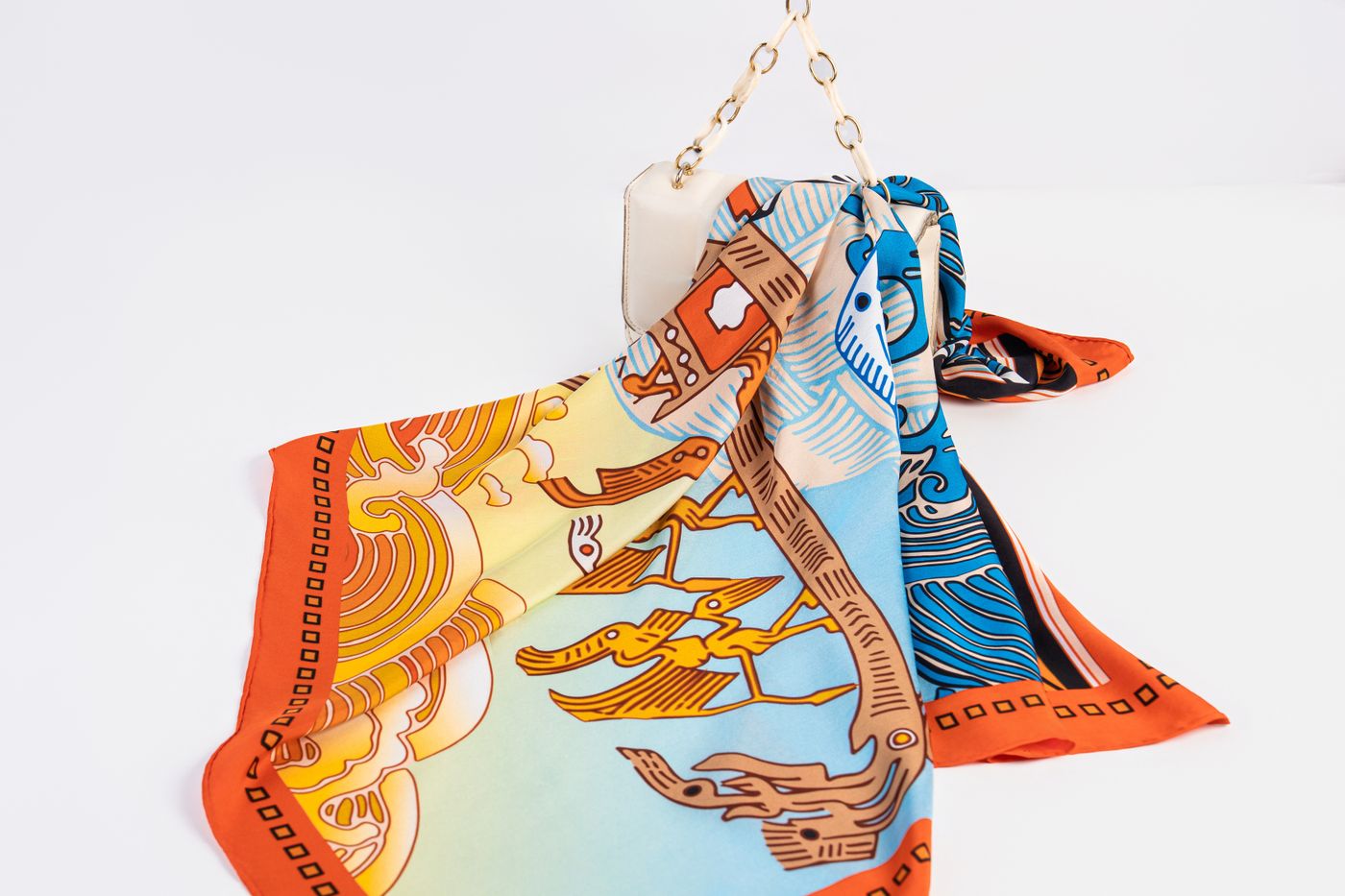
Foto: Đậu Photograph · Pexels
Tie one to a bag handle. It dresses up a plain tote instantly. Take a canvas tote from a museum shop, wrap a scarf around the leather handles, and suddenly you are carrying a custom piece. This is the oldest trick in the style book, but it works. I once did this with a navy Céline scarf on a beat-up Longchamp, and a woman on the subway asked if the bag was vintage.
Use it as a belt through denim loops. Fold the scarf into a long strip, thread it through the belt loops, and tie it in a loose knot at the front. It adds a pop of colour to an all-black outfit, and it is more comfortable than a leather belt on a long day of walking. Or fold it into a headscarf. In Tokyo’s summer sun, a silk scarf tied over the crown and knotted under the chin keeps your hair off your face and protects your scalp. The Japanese do this beautifully, often with a 70s-era print, and it looks far more deliberate than a baseball cap.
Where to Find Yours in Tokyo
- RAGTAG Harajuku (6-14-2 Jingumae, Shibuya) — authenticated designer resale over several floors, from around 20 euros. This is the best place for a first-timer. The scarf selection is on the second floor, in a glass case that would make a jeweller jealous. I found a 1990s Ferragamo with a geometric print for ¥3,000 (about 20 euros) and it had not a single pull.
- Kindal Harajuku (4-26-27 Jingumae, Shibuya) — stock turns weekly, come back often, from around 45 euros. This is a smaller shop, but the curation is sharp. The staff are obsessive about condition grading, and they will happily take out a loupe to show you the weave. I have bought two scarves here, both under ¥6,000, and both have held up for years.
- Chicago Jingumae (6-31-21 Jingumae, Shibuya) — the basement is where it gets interesting, from around 60 euros. This is a sprawling vintage store with a chaotic basement that feels like a treasure hunt. The scarves are not as neatly presented, but the prices are lower, and you can find rare 1960s Yves Saint Laurent prints that have faded to a beautiful mellow hue. I once found a Bvlgari scarf with a tiger motif for ¥8,000.
- Pass The Baton Omotesando (5-13-13 Jingumae, Shibuya) — consignment with the previous owner's story attached, from around 90 euros. This is the most stylish of the four, with a minimalist interior and a card on each piece explaining its provenance. The scarves are pricier, but they come with a story. I bought a Hermès from 1987 here, and the card said it belonged to a woman who wore it on her honeymoon in Kyoto. That kind of storytelling is worth the markup.
The best time is a quiet weekday, when you can actually talk to the person who priced the rack. Saturday afternoons are a scrum, and the good pieces are gone by noon. I have learned this the hard way, having missed a 1980s Liberty print by twenty minutes.
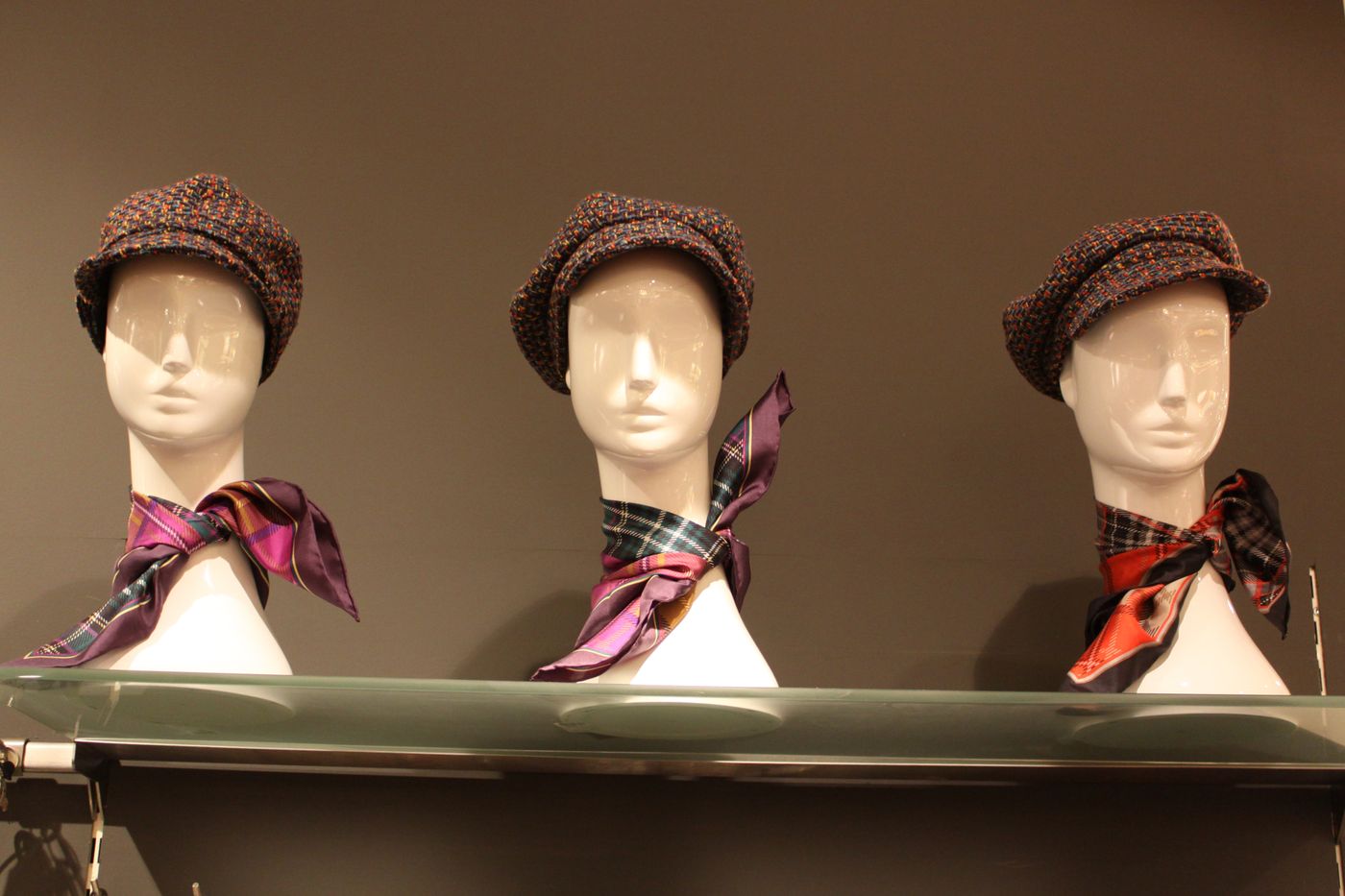
Foto: Almir reis · Pexels
What to Look For
Hand-rolled edges are the tell. Run a finger along the hem and feel for a small rolled ridge rather than a flat machine stitch. The rolled edge is a sign of craftsmanship, and it also makes the scarf drape better. It is not a dealbreaker if the roll is slightly loose, but if it is completely flat, it is likely a newer, cheaper print.

Foto: Maryna B · Pexels
Check the signature in the print corner. Most designer scarves have a small logo or name woven into the design, usually near one corner. Hold the silk to the light and look for the signature. If it is missing, it could be a fake or a factory reject. That is not always a bad thing, but you should pay accordingly.
Hold the silk to the light. A fine, even weave with saturated colour on both sides means it was printed properly. If the colour is washed out on one side, it is either a low-quality print or it has been washed too aggressively. The best scarves have a slight lustre, not a shiny plastic finish.
Try it on and don't rush. If it still fits after you've sat down in it, it fits. A silk scarf that only works standing still is not going to survive your actual life. Tie it the way you would wear it, then lean over to pick up a bag, sit in a café, and look in a mirror. If it shifts or bunches in an unflattering way, put it back. The right scarf will feel like it belongs on you, not just on a hanger.
In Tokyo, the vintage scarf is not a compromise. It is a choice. A new bag will be everywhere next season. A 1987 Hermès with a faded horse print will be in your wardrobe for the next thirty years, and every time you tie it, you will think of the woman who wore it on her honeymoon, and of the city that treated it with the respect it deserved.
City
Tokyo
Category
vintage silk scarf
Published
8 August 2026
Where to find it
Shop the signals
What the market is offering right now on this exact subject.
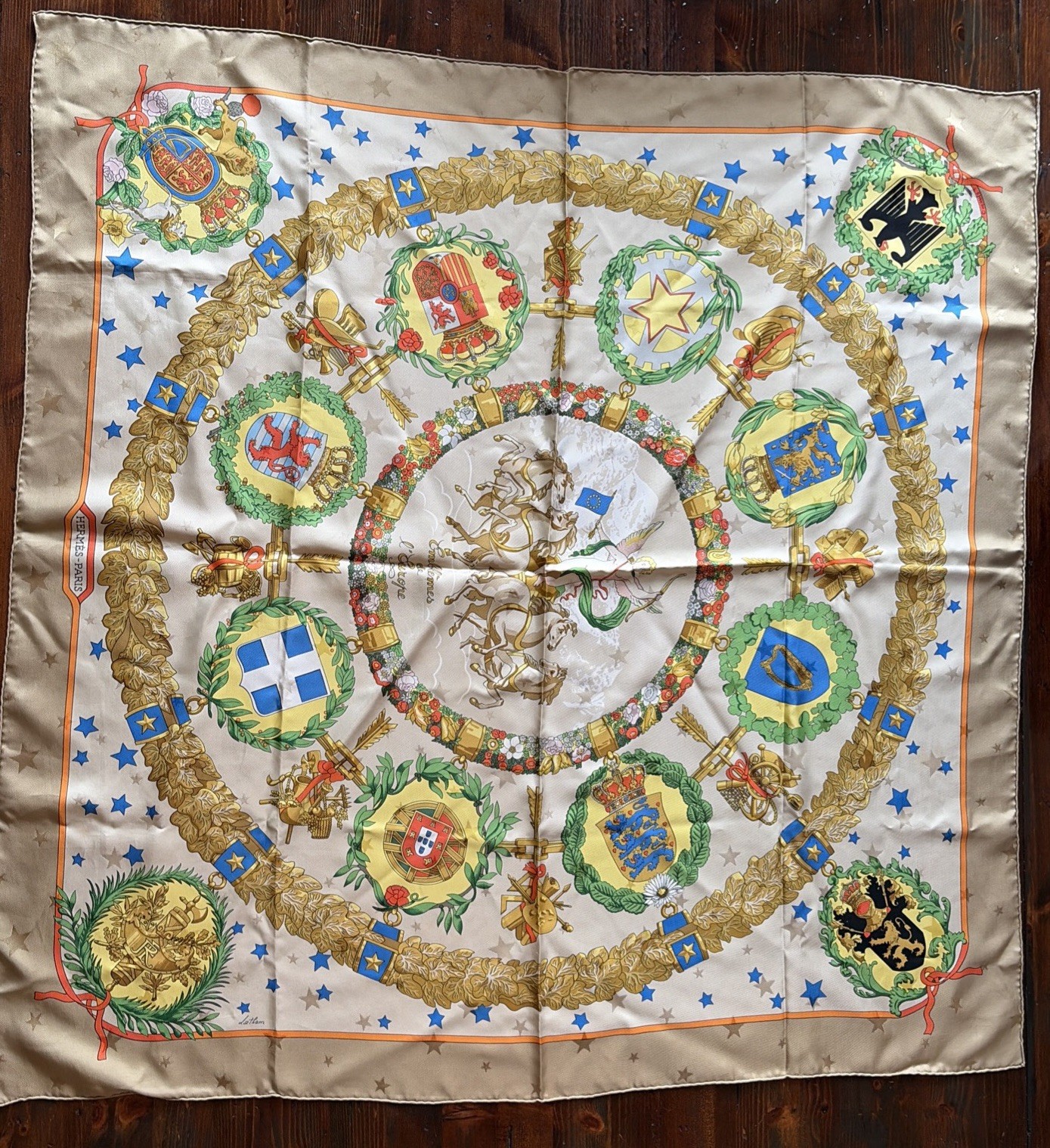
zijde-sjaals
Hermes Carre 90 Silk Scarf Emblèmes de l'Europe EU Very Good Condition
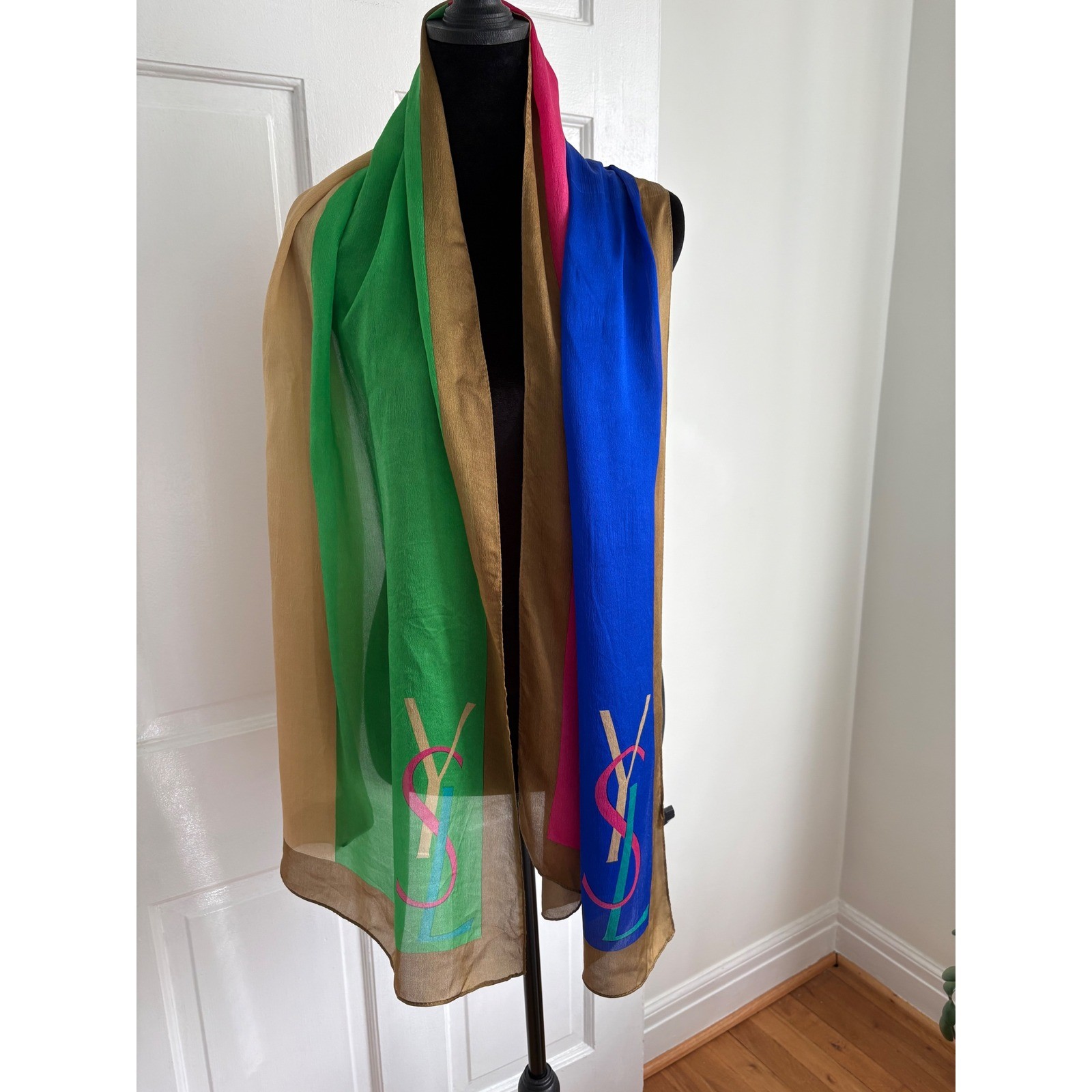
zijde-sjaals
Vintage Yves Saint Laurent Rive Gauche Silk Scarf Colorblock Logo Green Blue
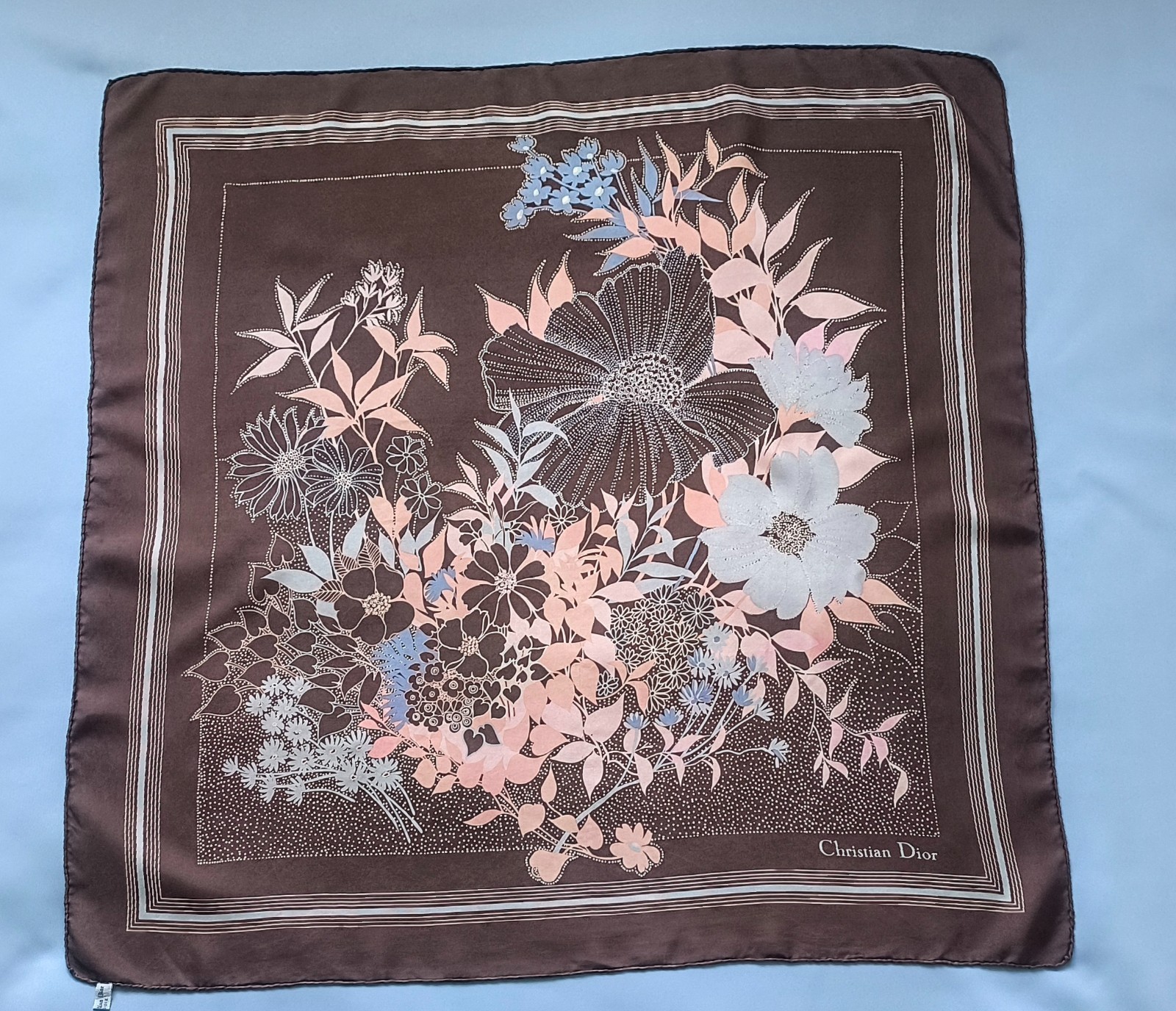
zijde-sjaals
Vintage Christian Dior Silk Scarf Brown Floral Made in France Hand Rolled Carre
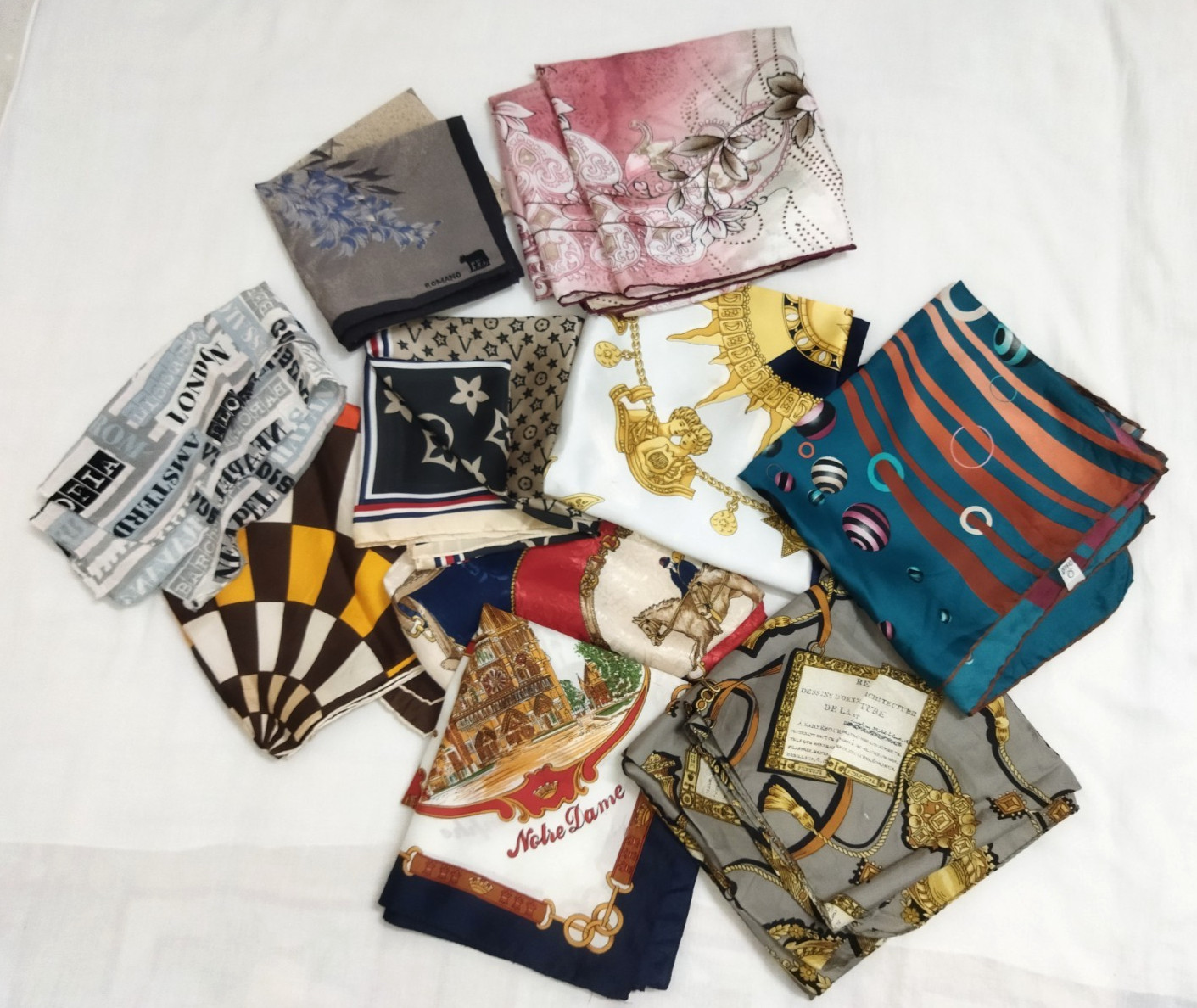
zijde-sjaals
Vintage Silk Scarf Lot of 10 Luxury Square Scarves Geometric
zijde-sjaals
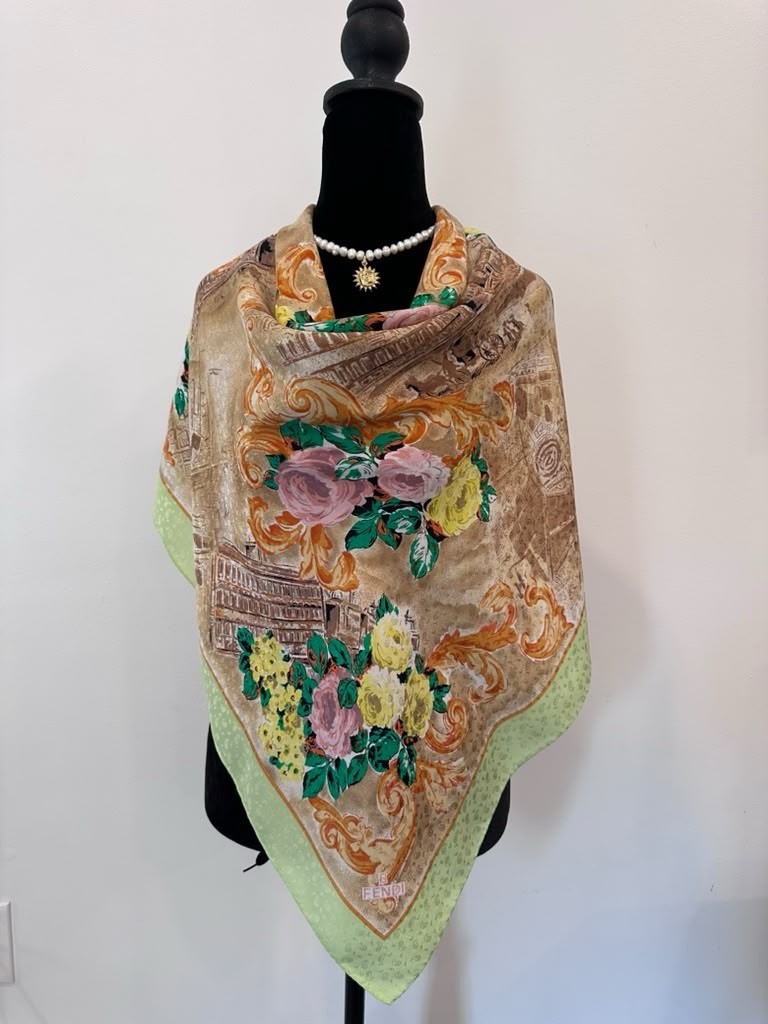
Vintage Fendi Silk Scarf Floral Green Hand Rolled
zijde-sjaals
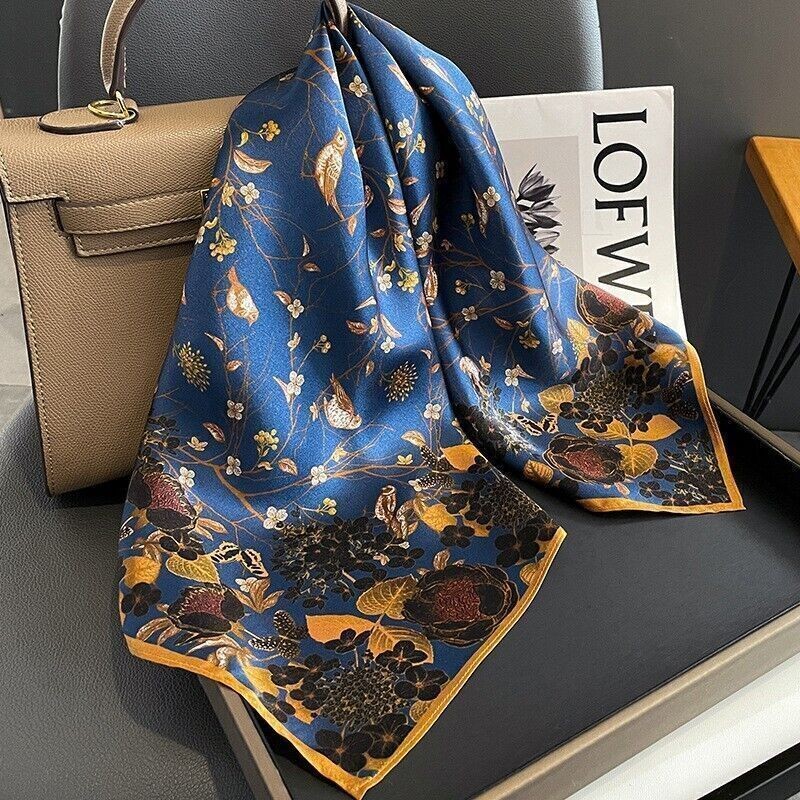
68*68cm 100% Silk Scarf Women Vintage Blue Leaves Kerchief Square Bandana Wrap
zijde-sjaals
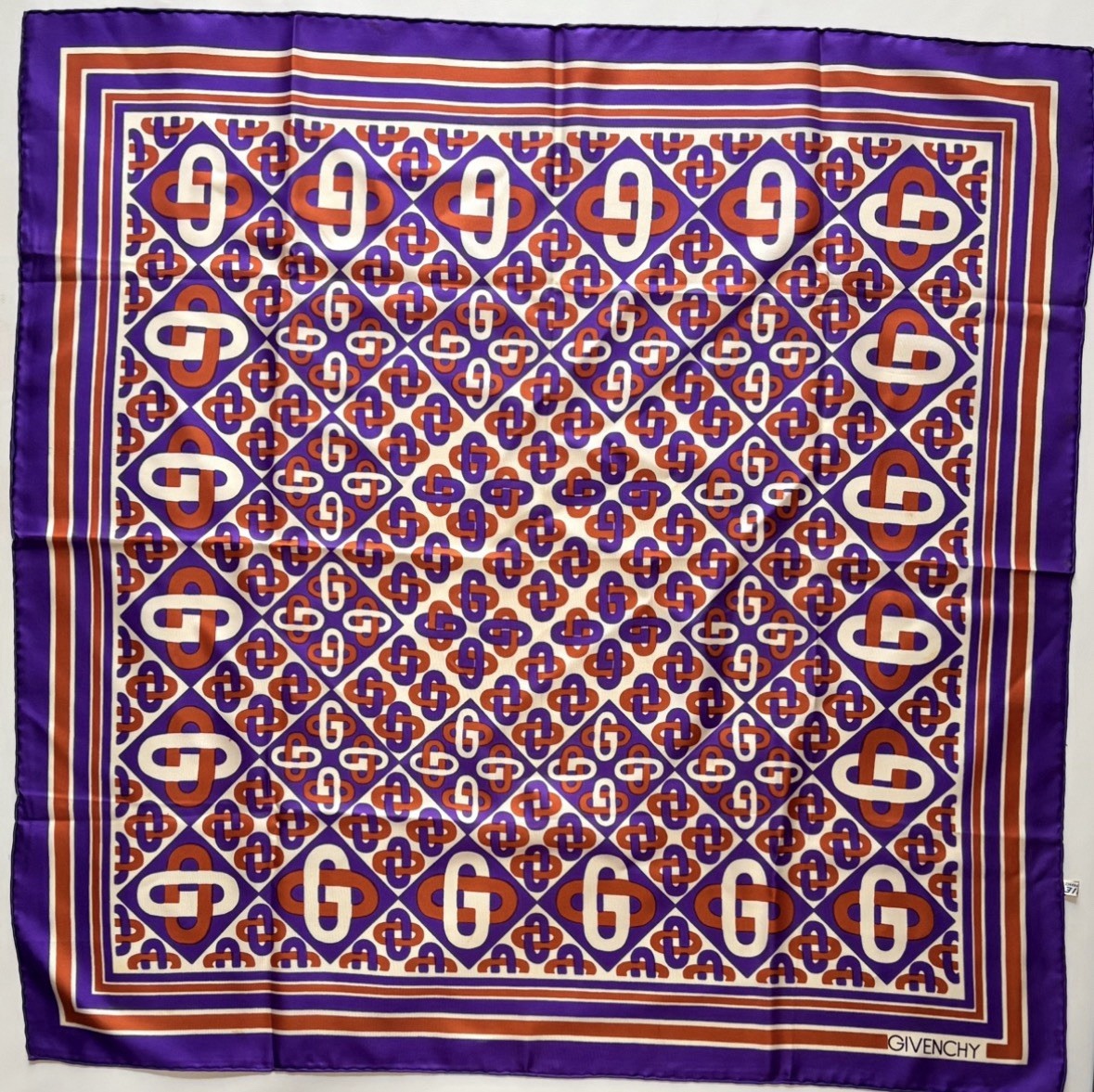
Vtg GIVENCHY Silk Scarf Square Purple Orange Geometric Monogram G Logo 77x78cm 3
zijde-sjaals
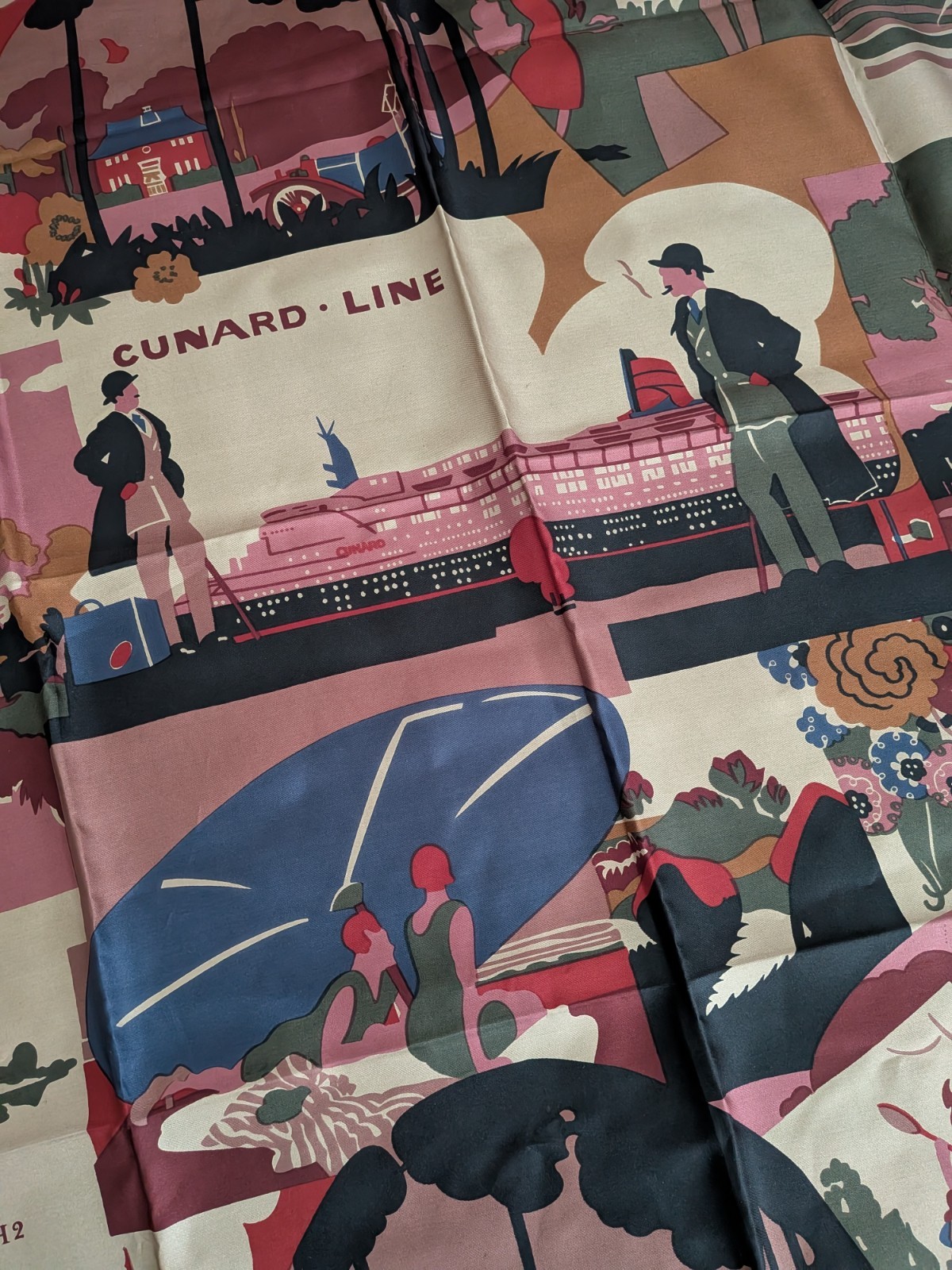
Vintage Liberty London Silk Scarf-Art Deco Travel Themed-Cunard-34in Square
The names
Meet the designers
The minds behind this story — each with a piece currently on the market.
Hermès
France · 1830s
The Birkin, the Kelly & the silk carré
The Birkin, the Kelly & the silk carré
Top piece
View →
Calvin Klein
USA · 1960s
Minimalism & the 90s slip
Minimalism & the 90s slip
Top piece
View →
Yohji Yamamoto
Japan · 1970s
Black, drape & poetic deconstruction
Black, drape & poetic deconstruction
Top piece
View →
Chanel
France · 1910s
The little black dress & the 2.55
The little black dress & the 2.55
Top piece
View →
Continue the edit
Further stories from the same world
Three more walks through the same vintage universe.
The Silk Scarf That Wears You Back
A vintage Gucci silk scarf is a tool for living. Here is how to tie one on, what to look for, and why the best ones still cost less than a decent dinner.
Read the story →The Art of the Vintage Silk Scarf
A vintage silk scarf is the quietest statement you can make. It whispers of a time when dressing was a ritual, not a race.
Read the story →The Timeless Knot: Berlin's Love Affair with Vintage Silk Scarves
On a Sunday morning at Mauerpark flea market, a woman in a leather jacket holds a silk square up to the light. The pattern is a 1960s Op Art swirl in burnt orange and mustard.
Read the story →