
 Sign in
✦ Culture · Milan
The Silk Scarf Guide for Milan
Milan has always been a city of quiet luxury, where the right scarf is a badge of insider knowledge.
 By Louis Trash·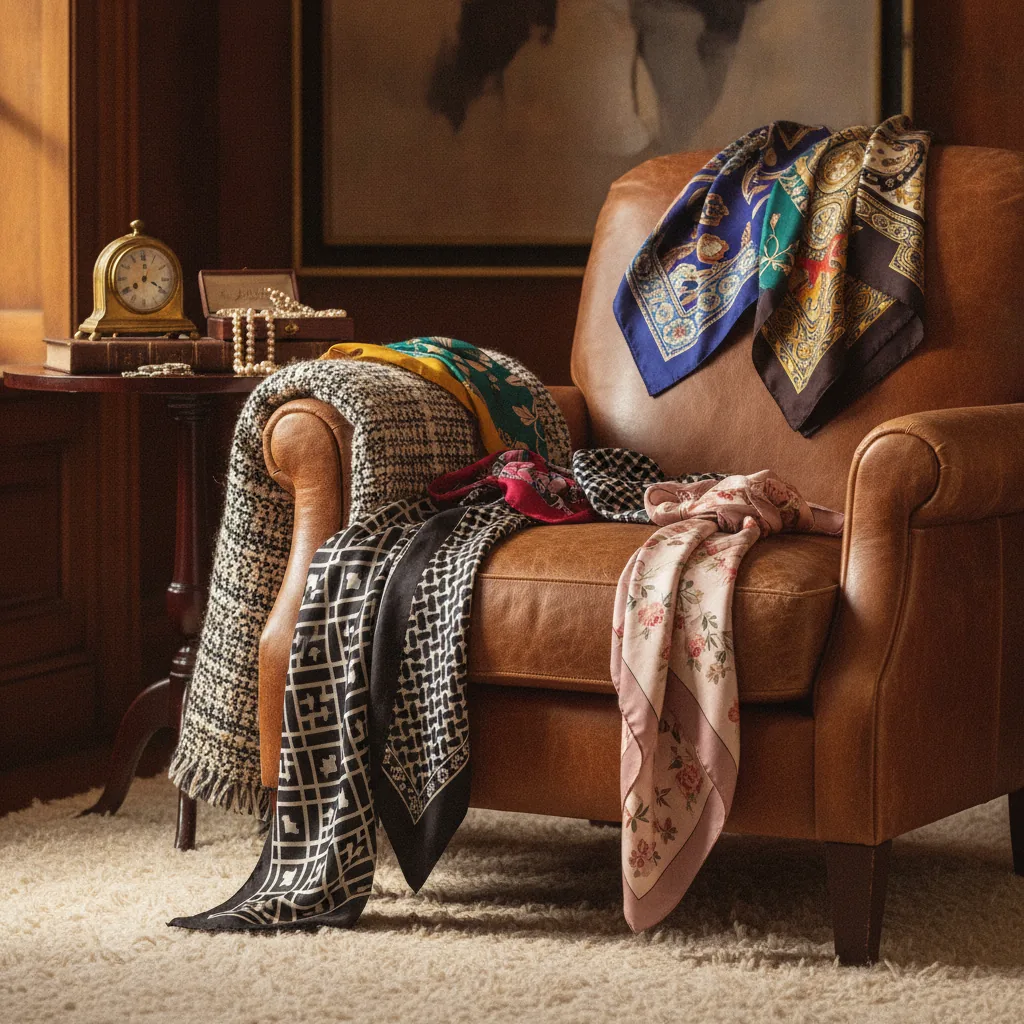
Why Silk Scarves Matter Now
A silk scarf is the cheapest way into a serious label: the prints are small paintings, the hand-rolled edges proper craft. In Milan it is the quiet signal that you know the label, not the logo. It is also the one accessory that works in every season. In Milan, a slightly worn Italian label still outranks anything new. That scuffed Prada bag on the metro? It carries more weight than a shiny logo from a fast-fashion haul. The same logic applies to silk. A 1980s Ferragamo scarf with a faded signature tells a story. A brand-new polyester square from a chain store tells no story at all.
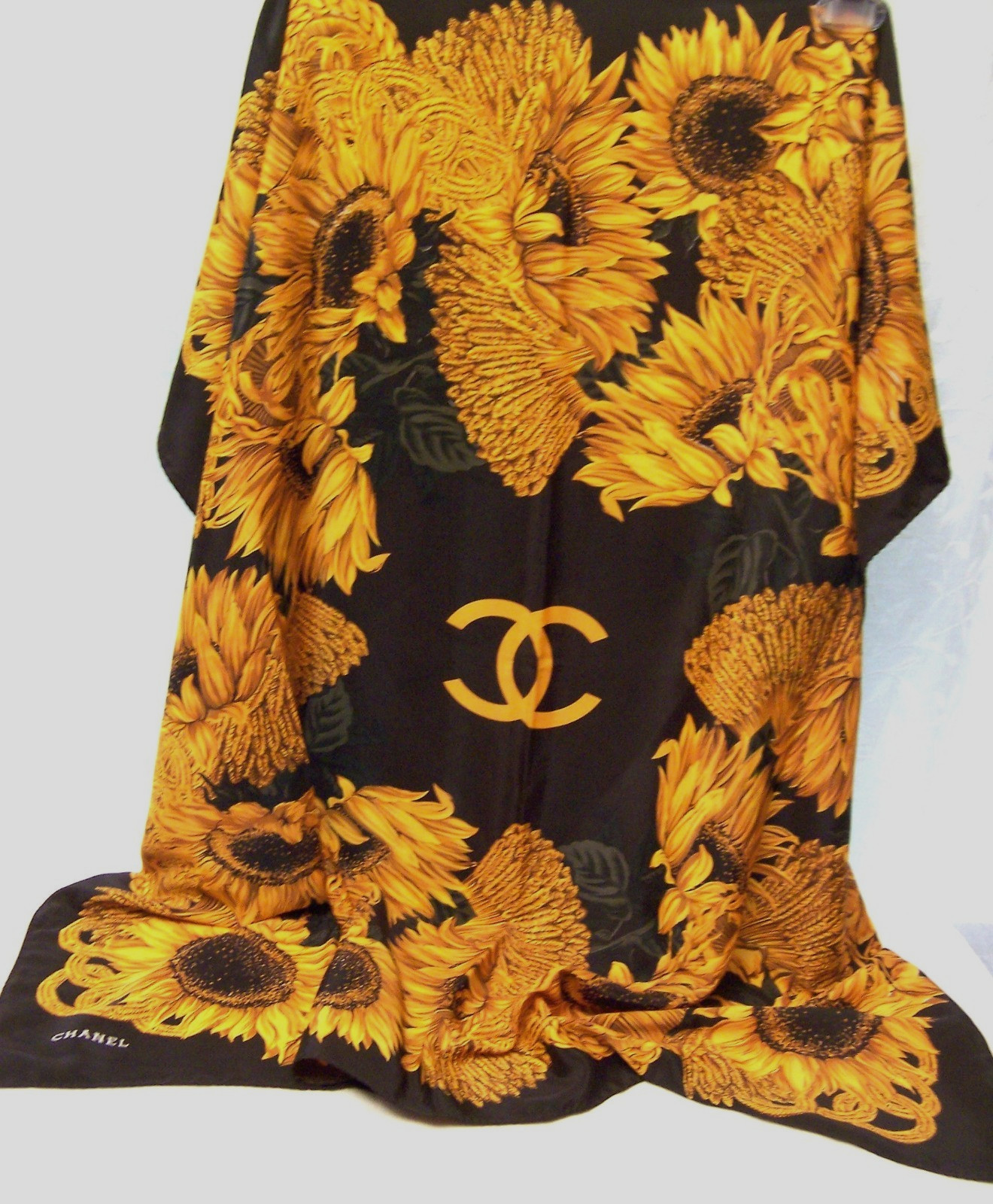
Milan has always been a city of quiet luxury, where the right scarf is a badge of insider knowledge. It whispers that you know your fabrics, you know your labels, and you know where to look. It is a wearable piece of design history, and it costs less than a pair of shoes that will fall apart in a season.
How to Wear It
Knot it at the neck, loose, over a crew neck or an open shirt. Nothing fussy. The French tuck of scarves: a simple knot, left untightened, with the tails hanging unevenly. That is it. It adds a splash of colour to a grey Milan morning. For a more polished look, fold the scarf into a triangle and tie it with the point at the back, like a bandana, but keep it loose. It frames the face without choking you.
Tie one to a bag handle. A plain leather tote becomes an instant statement. Use a scarf with a contrasting print, or one that picks up a colour in your outfit. It is a trick that street-style photographers still fall for. Wrap the handle evenly, or tie a simple bow at the base. Both work.
Use it as a belt. Thread it through denim loops and let the tails hang. It is a casual move that works with high-waisted trousers or a simple shift dress. Or fold it into a headscarf. Milan's wind and sun are real in April and September. A silk square tied under the chin or at the nape protects your hair and adds a touch of Sophia Loren. Just avoid the full turban look unless you are actually driving a convertible.
Where to Find Yours in Milan
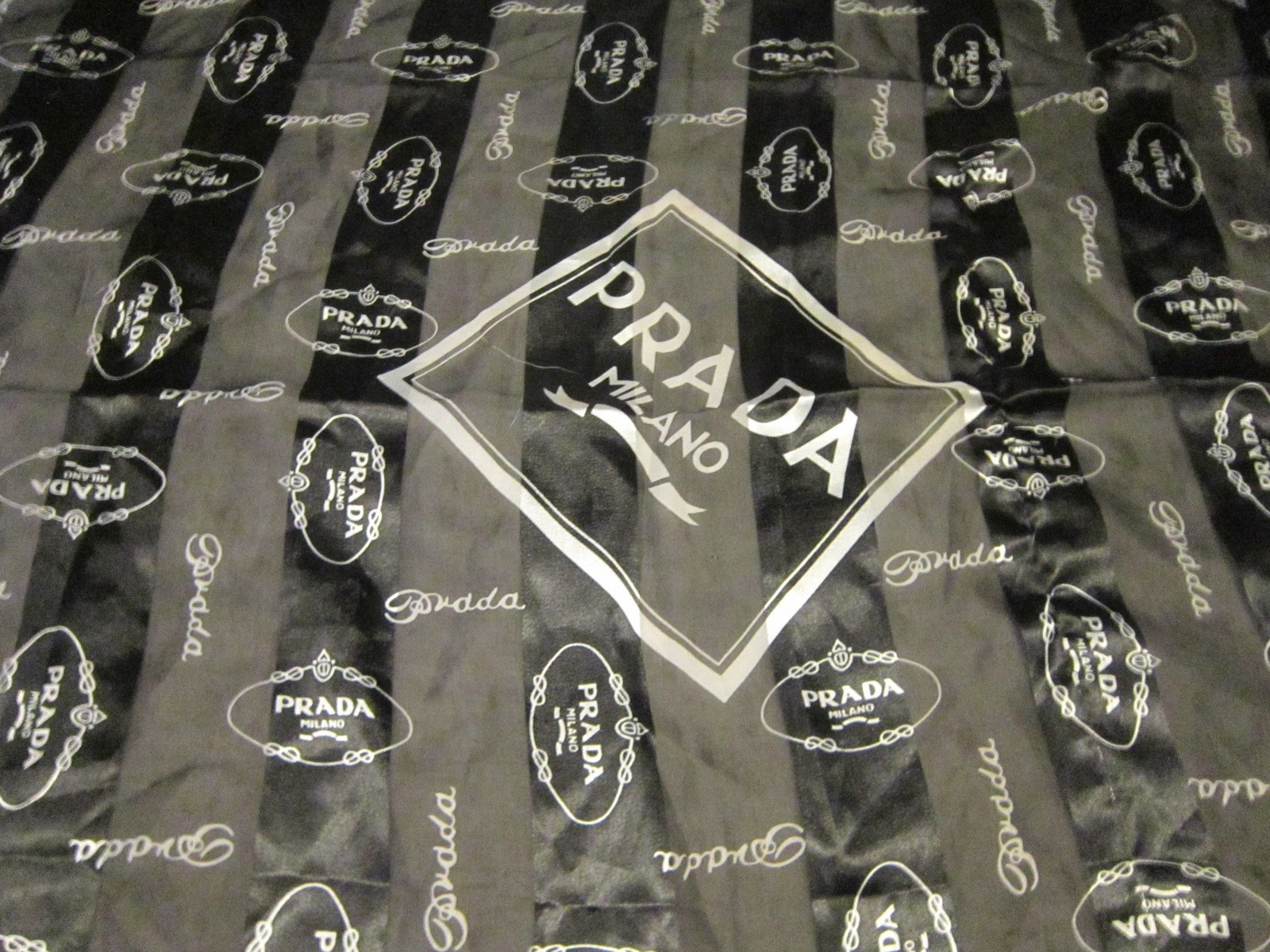
Start at Cavalli e Nastri on Via Brera 2. This is the archive shop, a treasure trove of Italian labels from the 1960s to the 1990s. You will find Prada, Ferragamo, Versace, and Missoni, often with original tags. Prices start around 20 euros for a simple print, but expect to pay more for rare pieces. The staff know their stock. Ask for the "scarf drawer" and they will pull out a stack of silk that will make your heart race. Go on a weekday morning. Midweek mornings are when the new stock is out and the sellers aren't rushed.
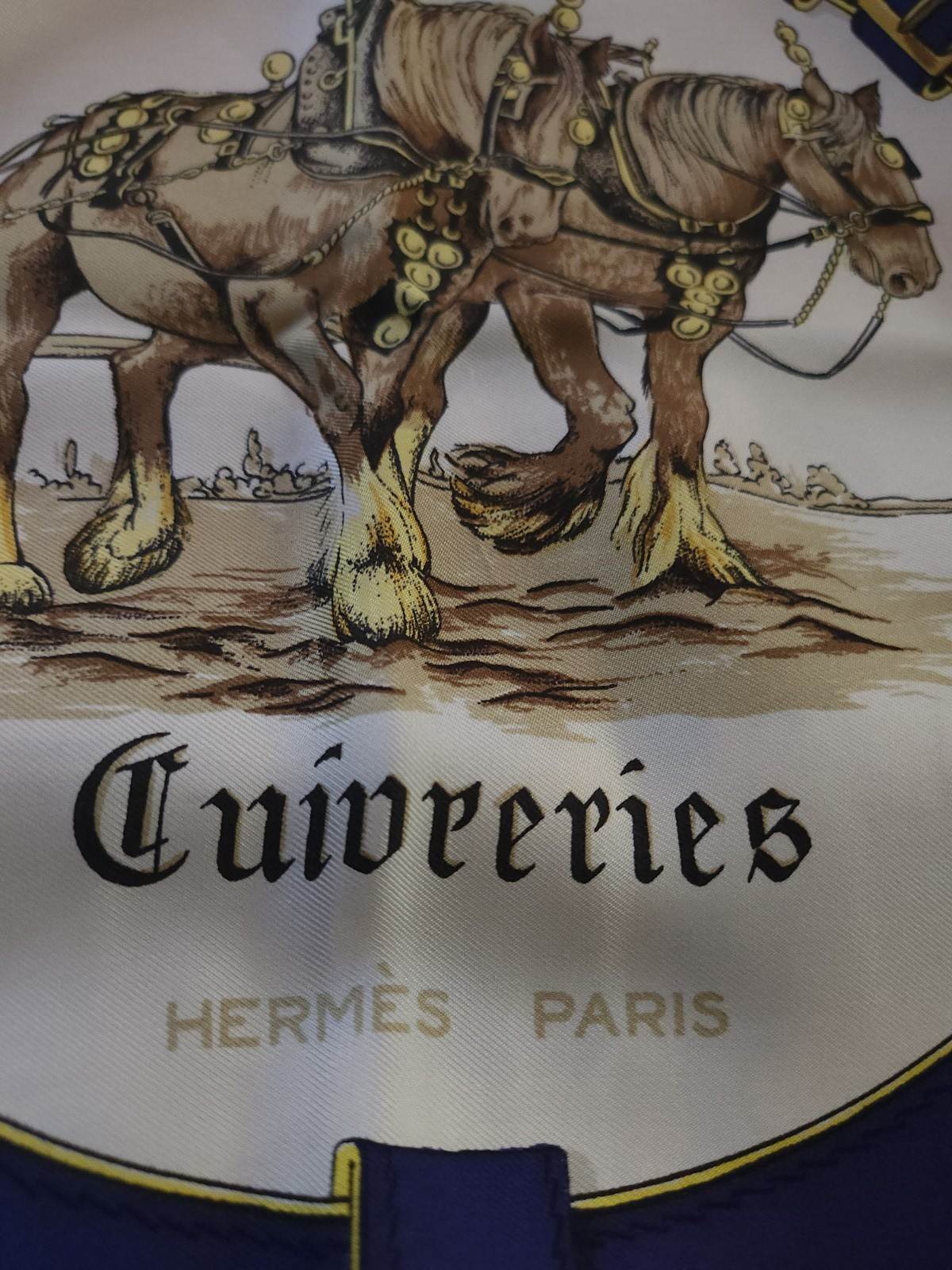
Humana Vintage on Via Cappellari 3 is a different beast. It is a charity shop with bargain rails, and the scarves are mixed in with everything else. You will need patience and a good eye. Prices start around 45 euros, but you can find a gem for less if you are lucky. I once found a 1970s Gucci scarf with a beautiful geometric print for 30 euros. It had a small stain, but a good dry cleaner fixed it. Worth two passes. The first time, you are just looking. The second time, you are serious.
Bivio Milano on Via Colonnetta 5 is a curated resale shop, refreshed weekly. It is smaller but more edited. You will not have to dig through racks of polyester. Here, the scarves are already vetted. Prices start around 60 euros, and the quality is consistently high. The owner has a sharp eye for Italian craftsmanship. If you are looking for a specific designer or era, this is the place. She can often find what you want if you ask.
For high-end and appointment-friendly, Madame Pauline Vintage on Foro Buonaparte 74 is the address. This is where you go when you want a rare Hermès or a pristine vintage Chanel. Prices start around 90 euros and go up from there. It is a boutique experience, with the scarves displayed like art. You can book a private viewing if you are serious. The owner, Pauline, has been collecting for decades. She will tell you the story behind each piece. It is worth a visit just for the conversation, even if you walk out empty-handed.
What to Look For
Hand-rolled edges are the tell. Run a finger along the hem and feel for a small rolled ridge rather than a flat machine stitch. This is the mark of a quality scarf, made by hand, often in Italy or France. Machine-stitched edges are a sign of mass production. They are not necessarily bad, but they are not vintage. Check the signature in the print corner. A faded signature is fine, but a missing one is a red flag. Hold the silk to the light. A fine, even weave with saturated colour on both sides means it was printed properly. If the colour bleeds through unevenly, it is a lower quality print.
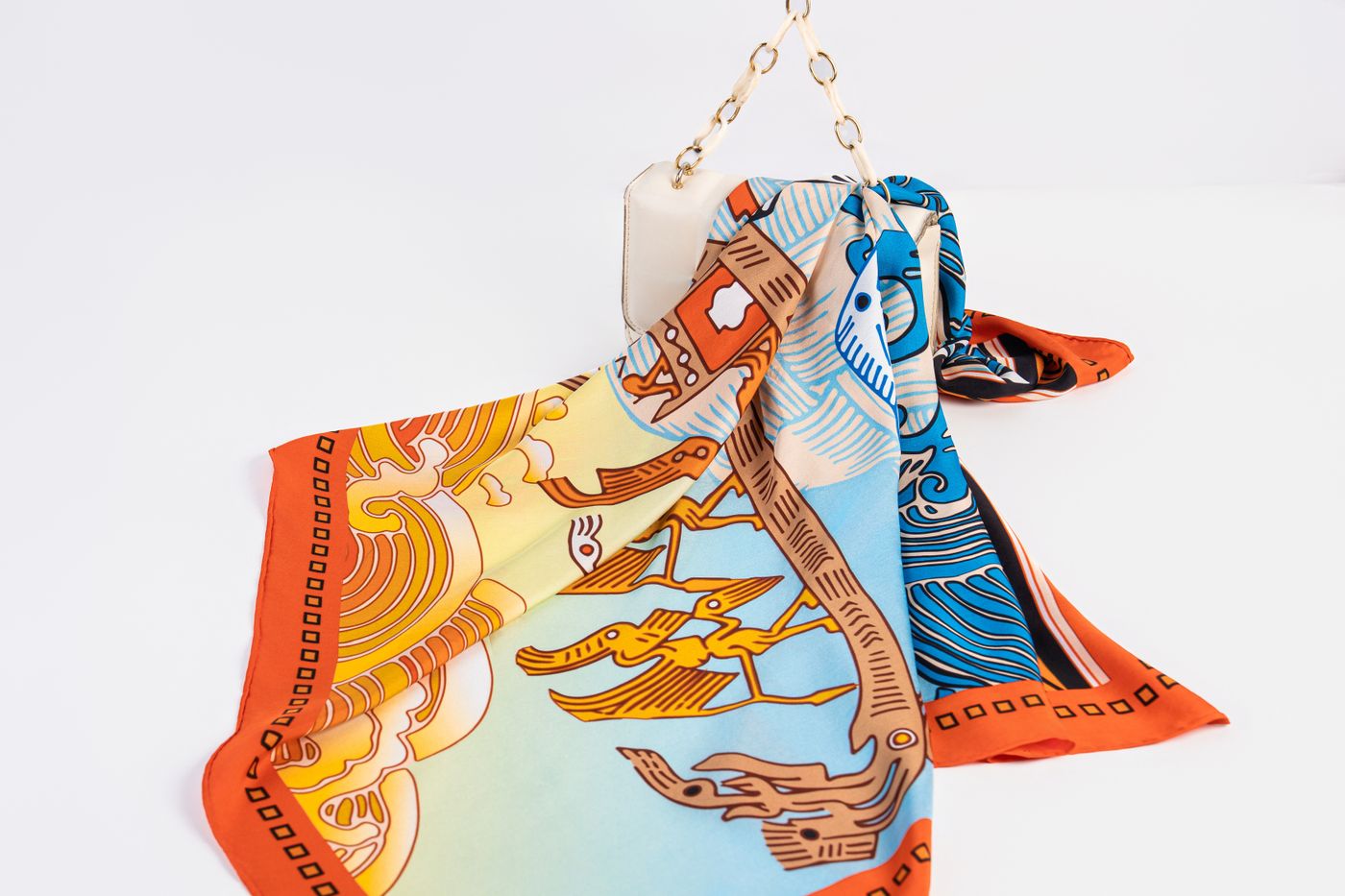
Foto: Đậu Photograph · Pexels
Smell it. Seriously. A musty odour can often be removed with a gentle wash, but a chemical smell might mean a poor cleaning job. Look for stains under a bright light. Small spots can be lifted by a professional. Large ones are deal-breakers. Check for pulls or snags. A few are acceptable in a vintage piece, but a major flaw will only get worse. And always ask about the age. A scarf from the 1980s will have a different feel than one from the 2000s. The older ones are often heavier, with a more substantial silk.
The Milan Difference
Milan is not Paris. It is not about the perfect knot or the artful drape. It is about the label. A Ferragamo scarf from 1975, worn with a simple white shirt and good jeans, is a quiet declaration of taste. It says you understand that style is not about newness. It is about discernment. The city's vintage shops are full of these relics, waiting for someone to give them a second life. And in Milan, a second life is often better than the first.
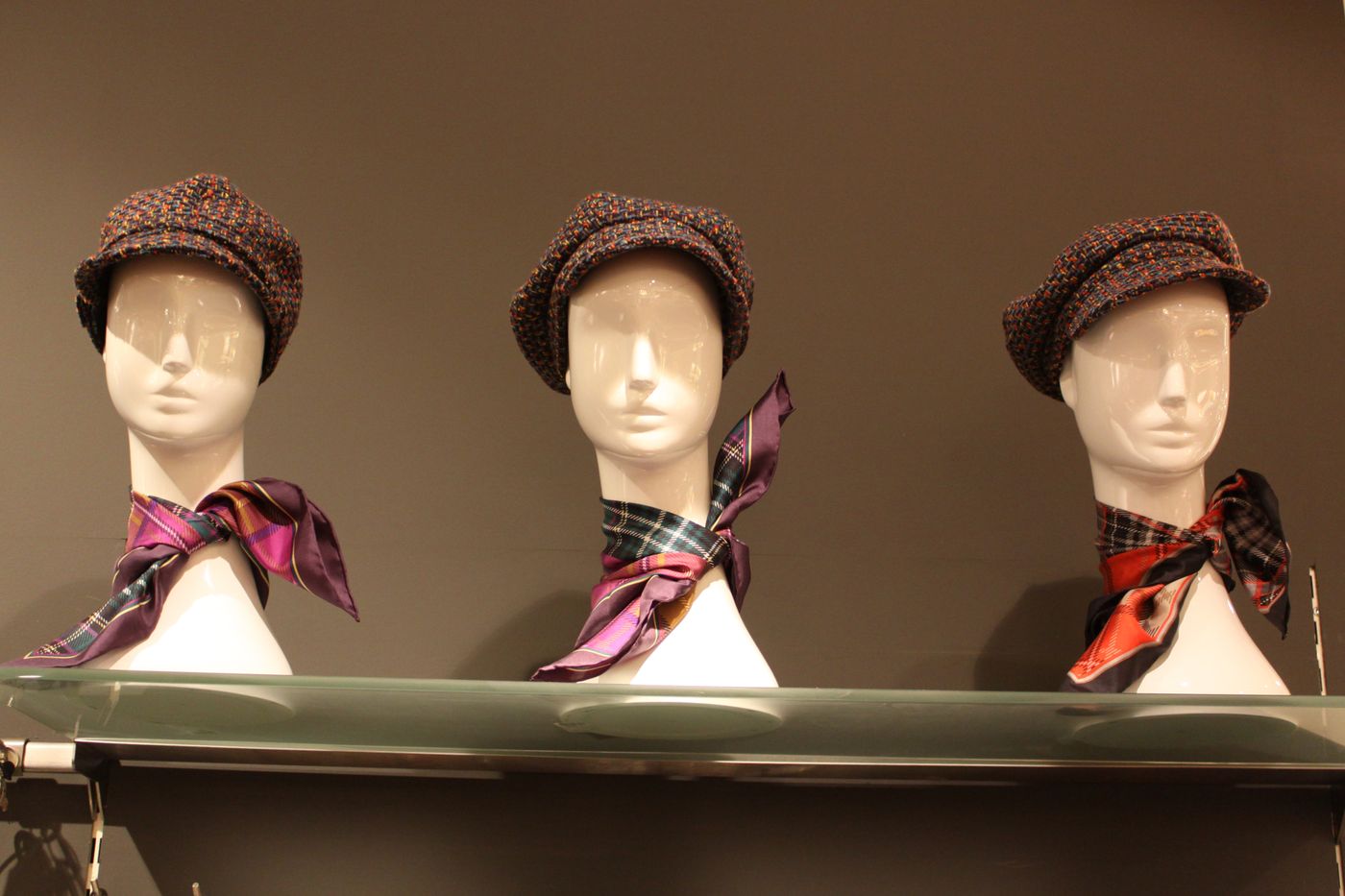
Foto: Almir reis · Pexels
The final test is always the same: try it on, move in it, then trust your first instinct. A silk scarf that only works standing still is not going to survive your actual life. You will wear it to a café, a tram ride, a meeting. It needs to move with you, knot without slipping, and still look good after hours. That is the test. If it passes, take it home. It will be the best 50 euros you spend this month.
Get the look
Get the look
The pieces that make this story wearable, live from the market.
zijde-sjaals
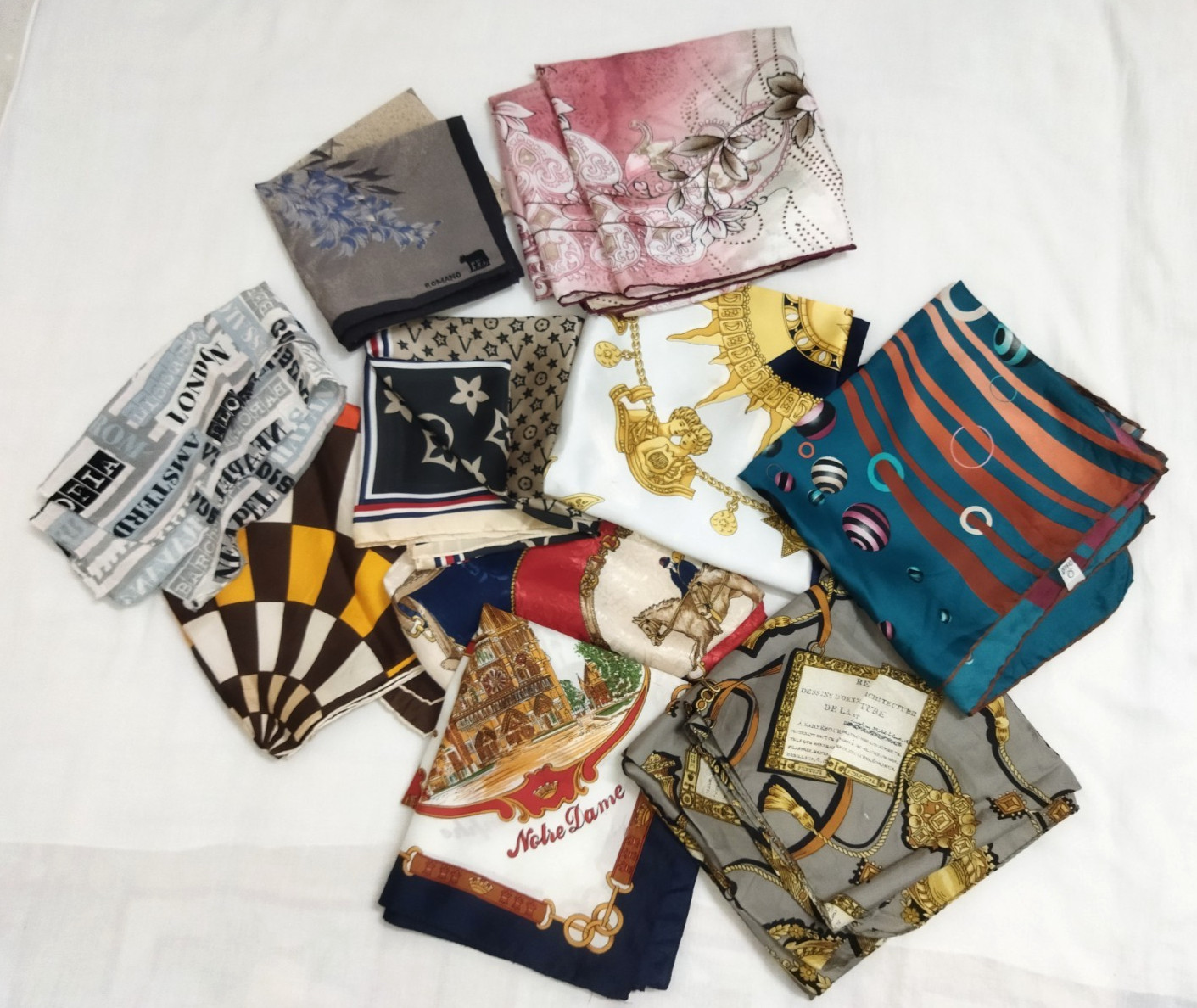
Vintage Silk Scarf Lot of 10 Luxury Square Scarves Geometric
zijde-sjaals
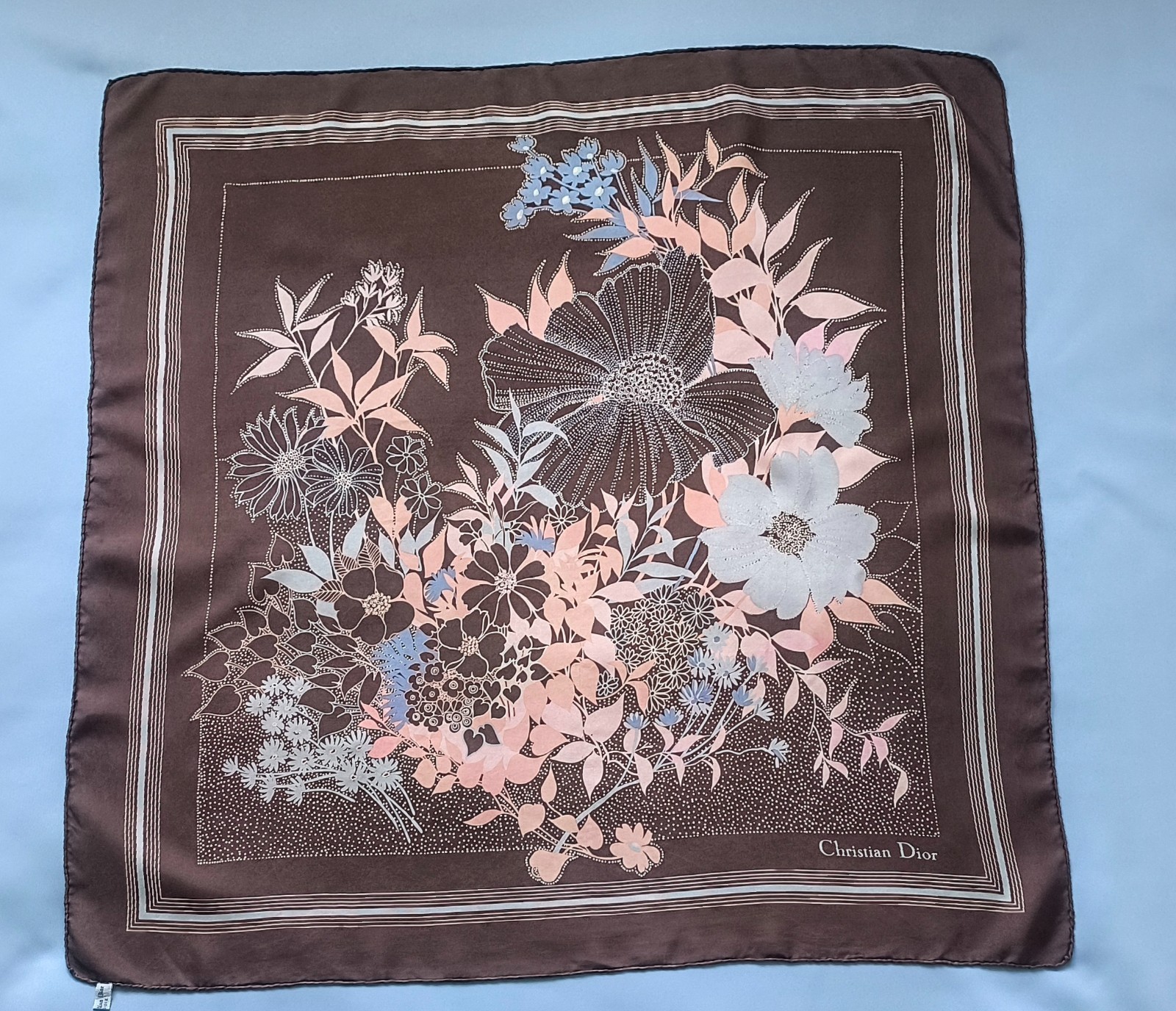
Vintage Christian Dior Silk Scarf Brown Floral Made in France Hand Rolled Carre
zijde-sjaals
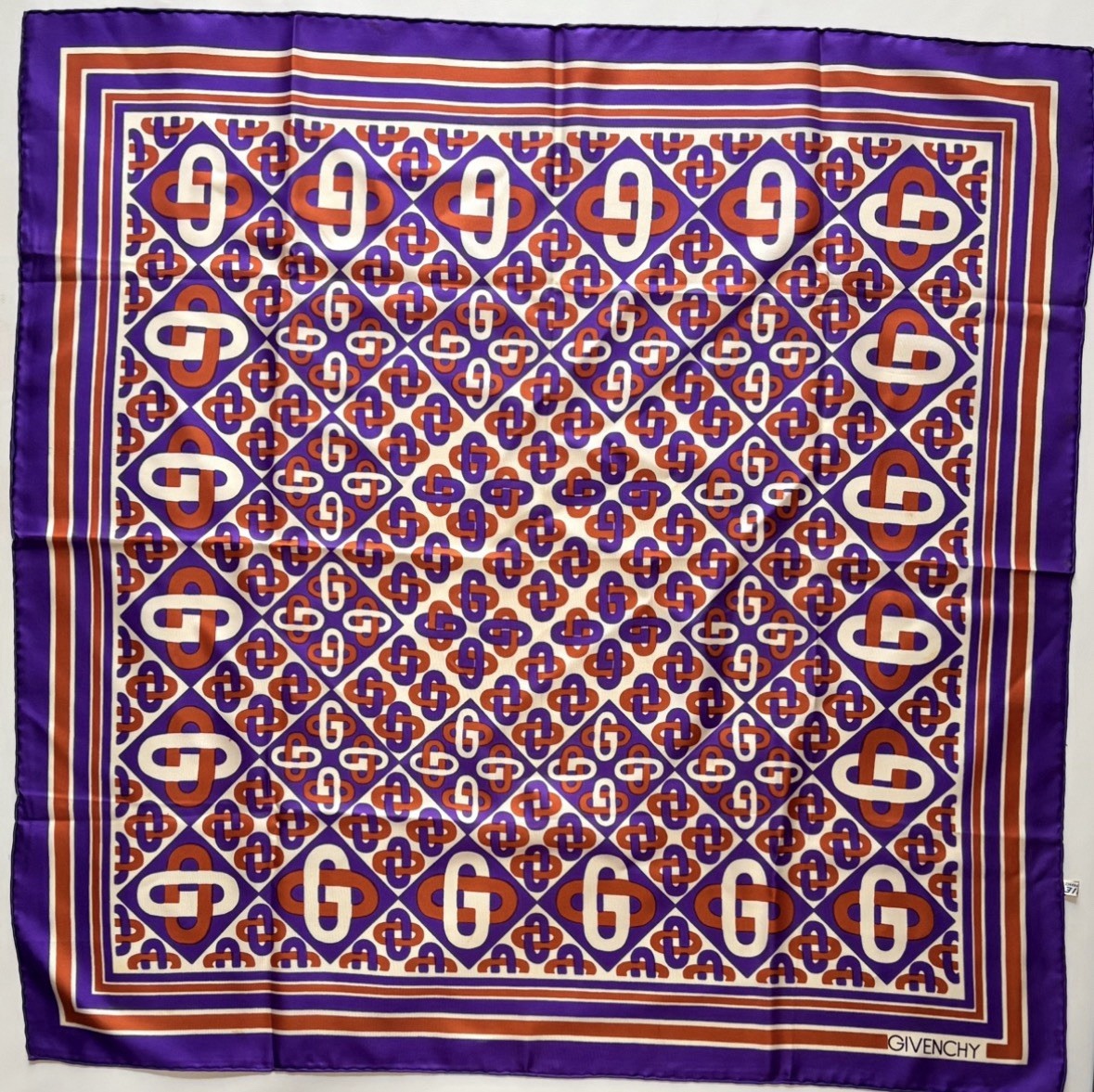
Vtg GIVENCHY Silk Scarf Square Purple Orange Geometric Monogram G Logo 77x78cm 3
zijde-sjaals
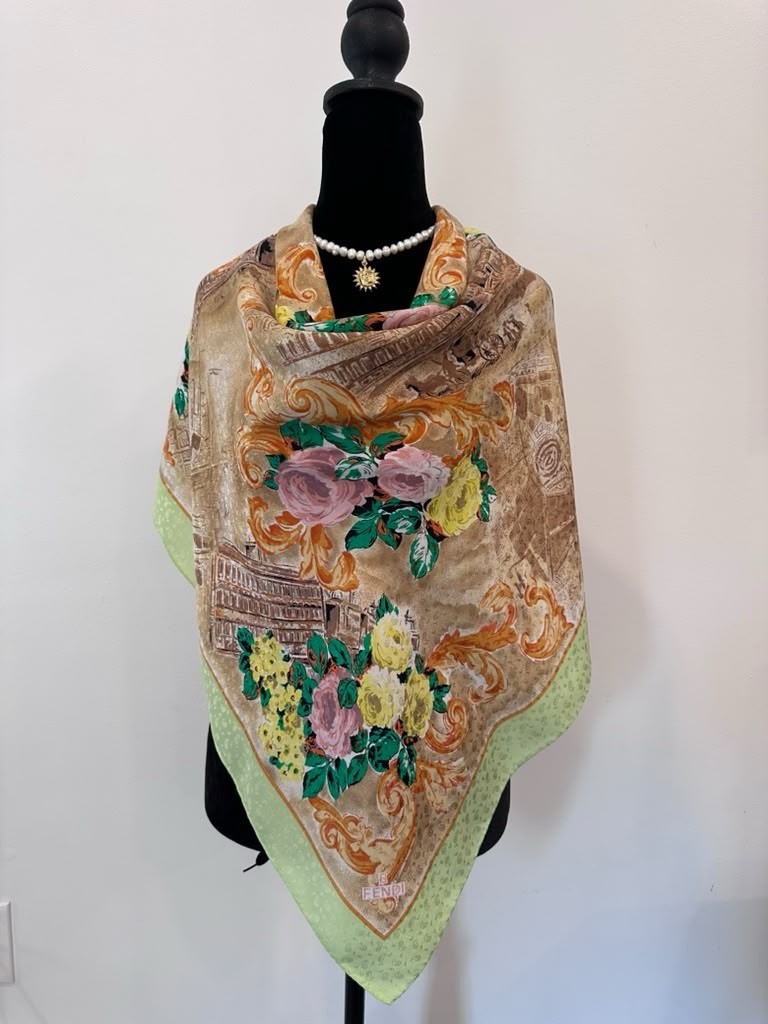
Vintage Fendi Silk Scarf Floral Green Hand Rolled
zijde-sjaals
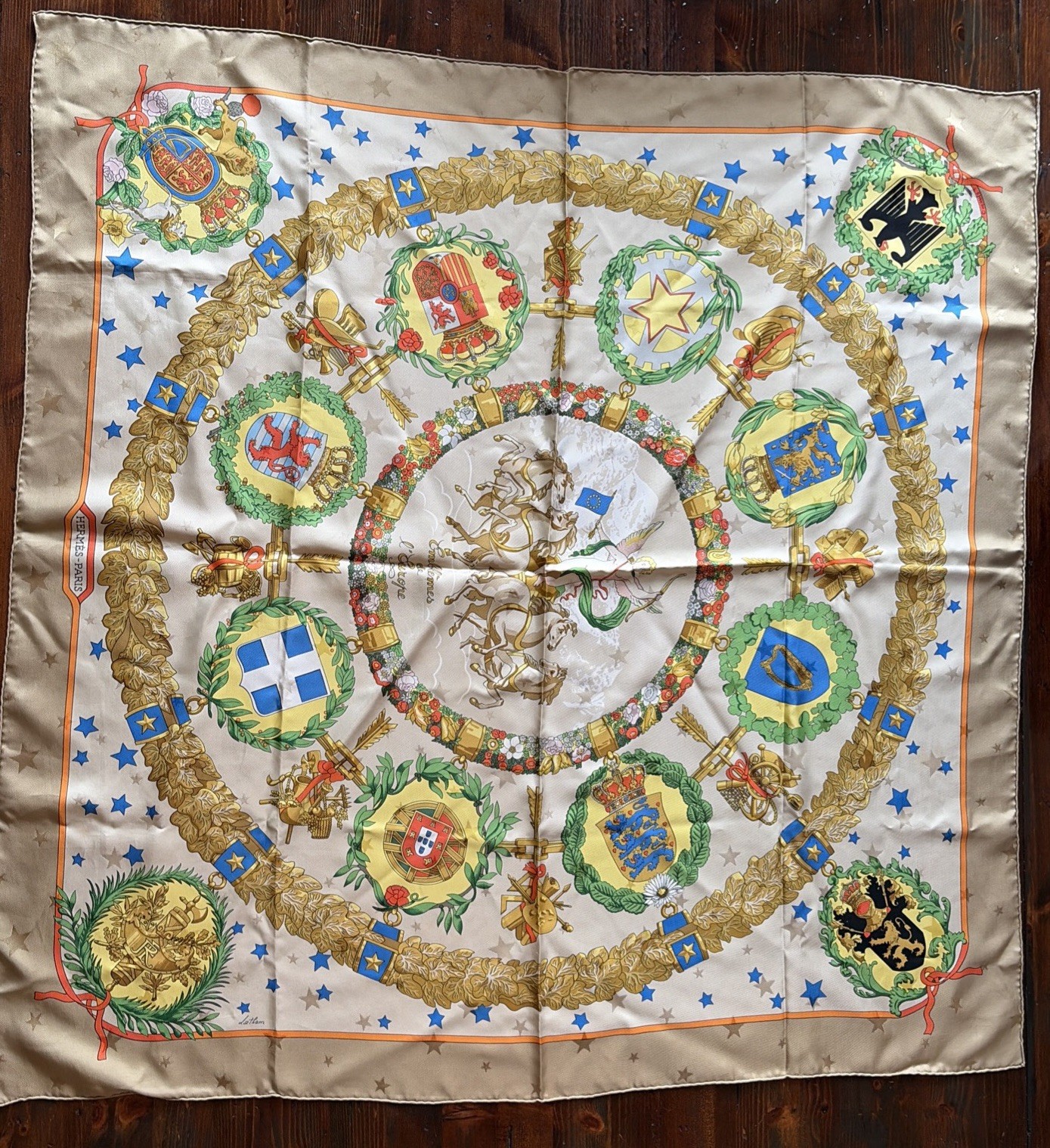
Hermes Carre 90 Silk Scarf Emblèmes de l'Europe EU Very Good Condition
zijde-sjaals
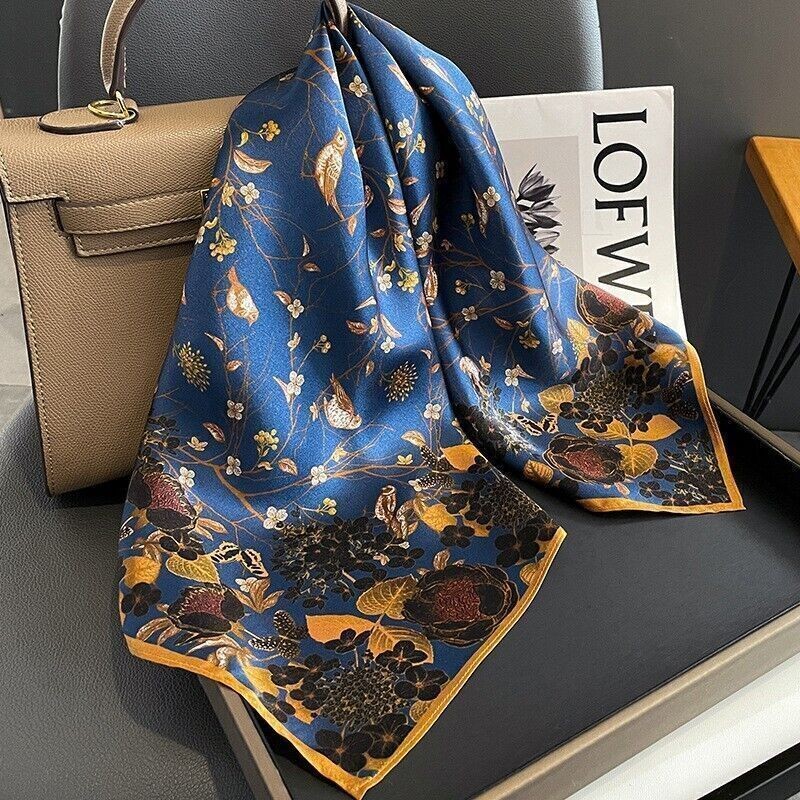
68*68cm 100% Silk Scarf Women Vintage Blue Leaves Kerchief Square Bandana Wrap
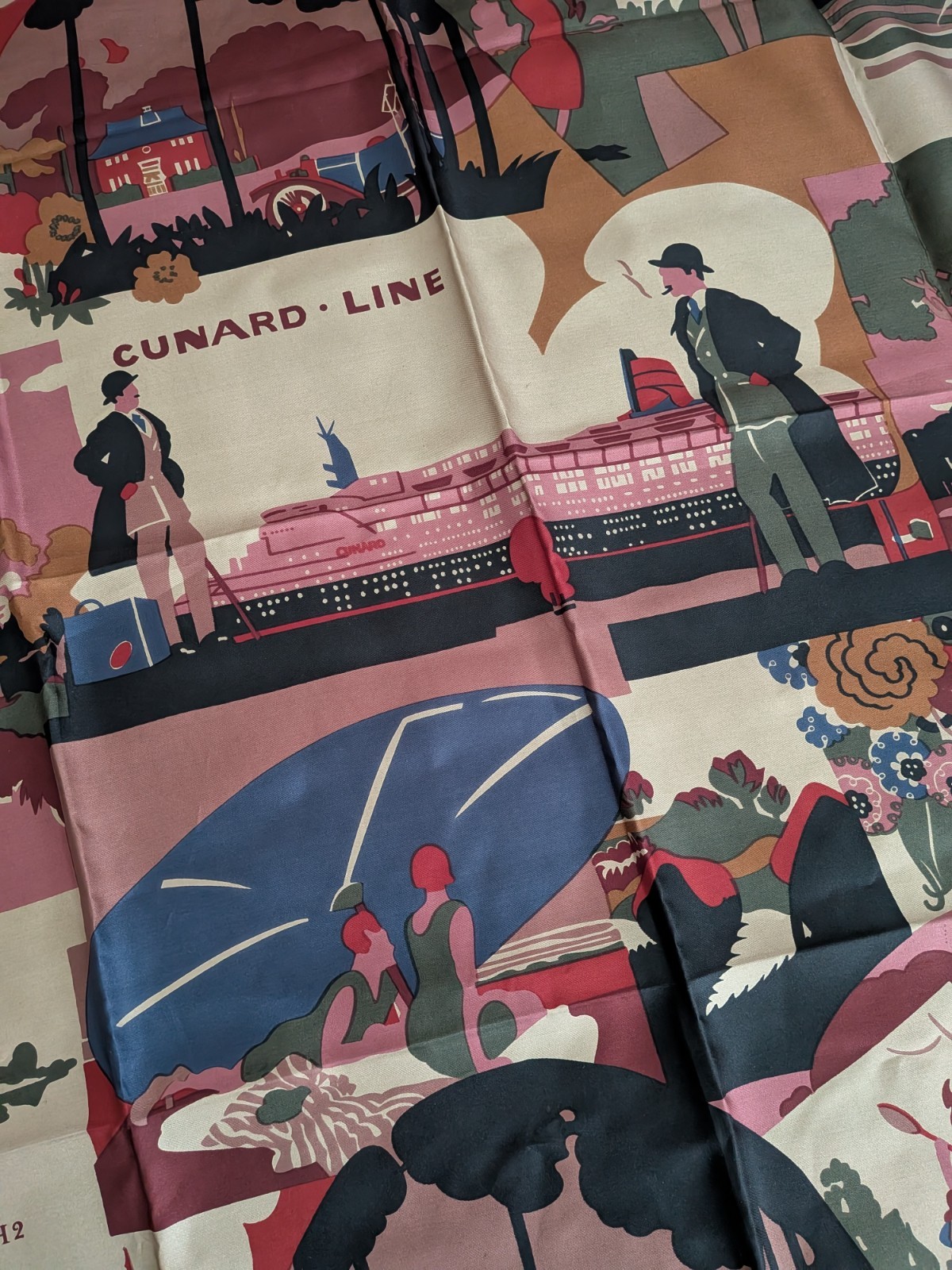
zijde-sjaals
Vintage Liberty London Silk Scarf-Art Deco Travel Themed-Cunard-34in Square
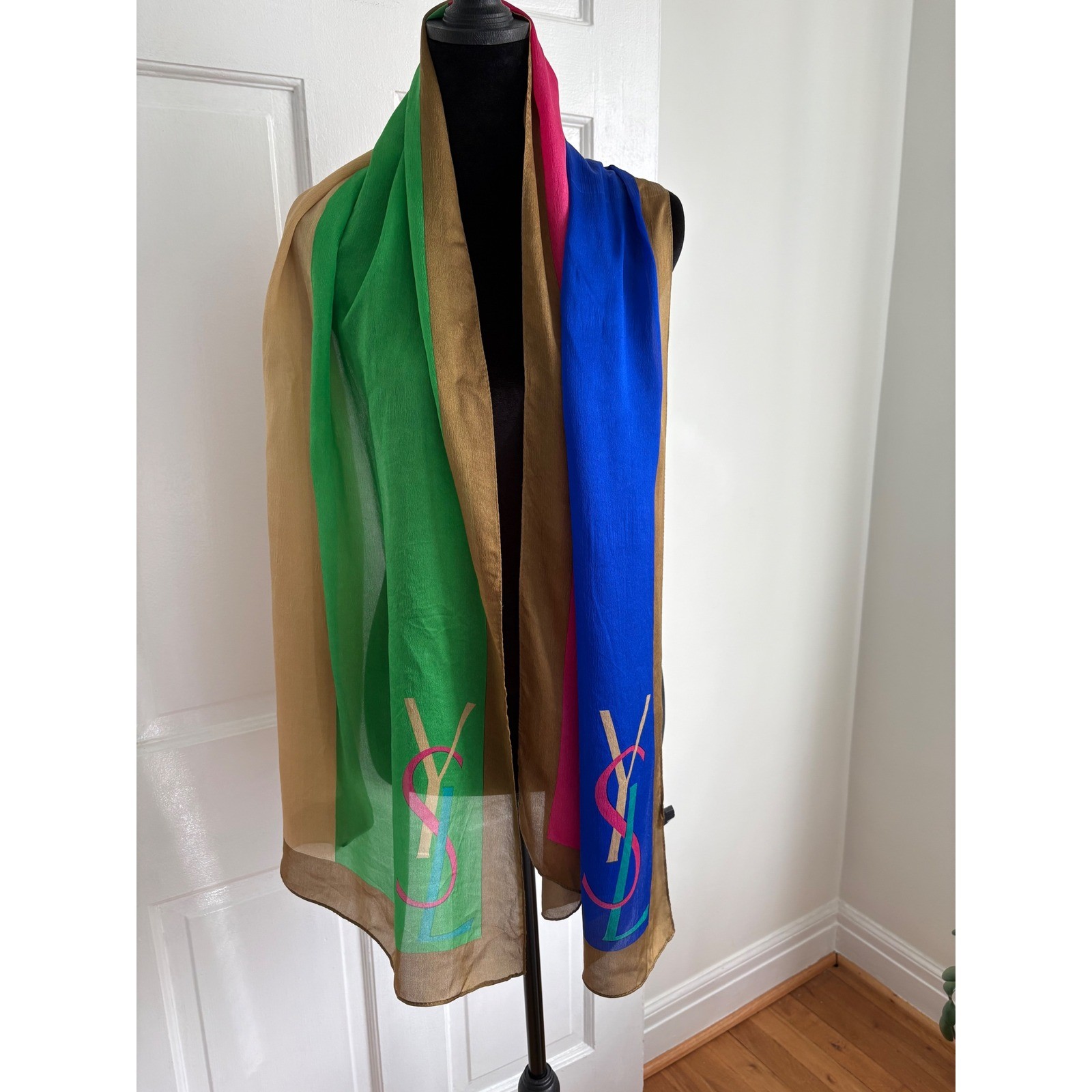
zijde-sjaals
Vintage Yves Saint Laurent Rive Gauche Silk Scarf Colorblock Logo Green Blue
The names
The designers behind the look
The minds behind this story — each with a piece currently on the market.
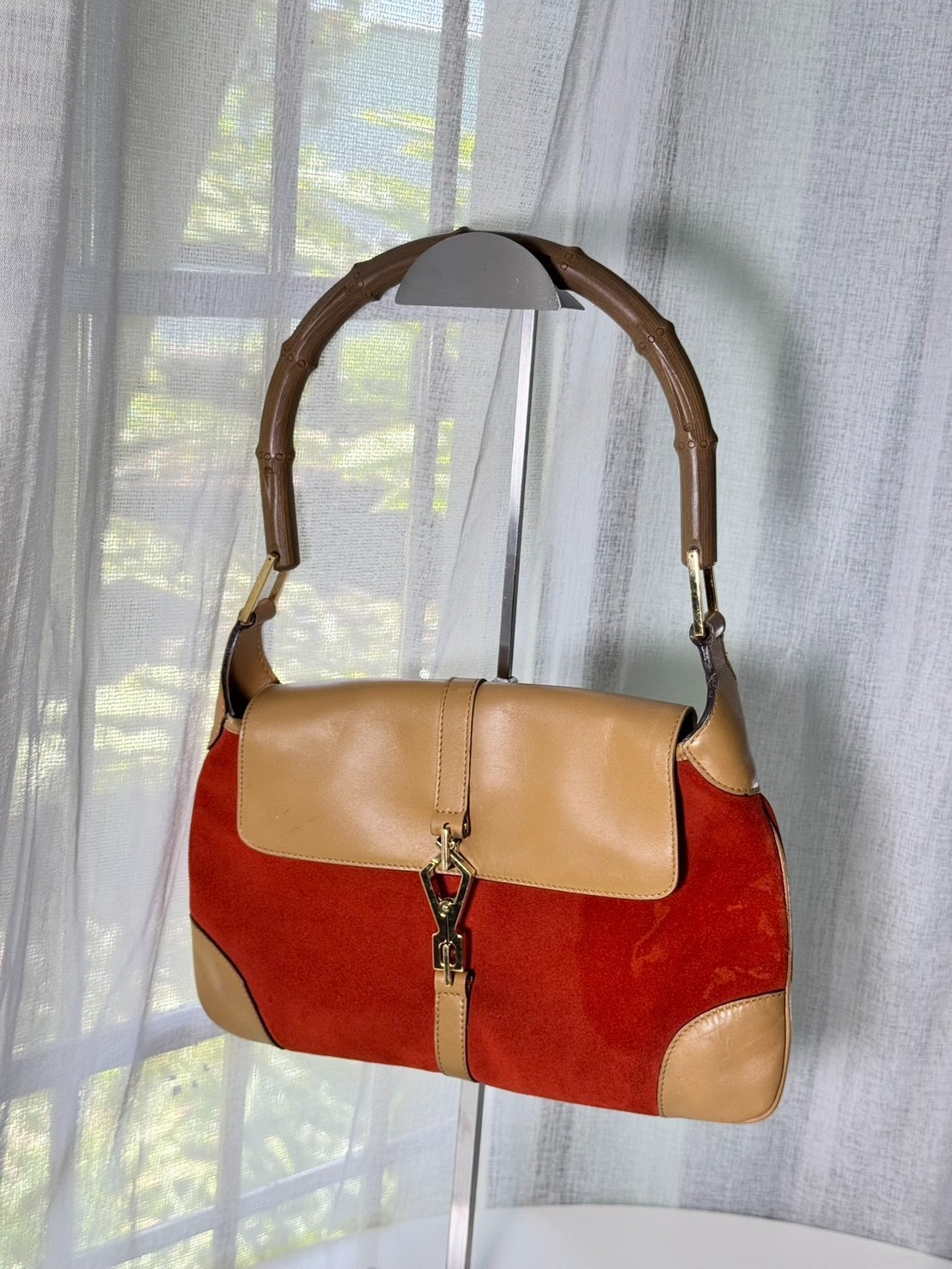
Gucci
Italy · 1920s
The bamboo handle & the double-G
The bamboo handle & the double-G
Top piece
View →
Hermès
France · 1830s
The Birkin, the Kelly & the silk carré
The Birkin, the Kelly & the silk carré
Top piece
View →
Diesel
Italy · 1970s
Washed denim & streetwear
Washed denim & streetwear
Top piece
View →
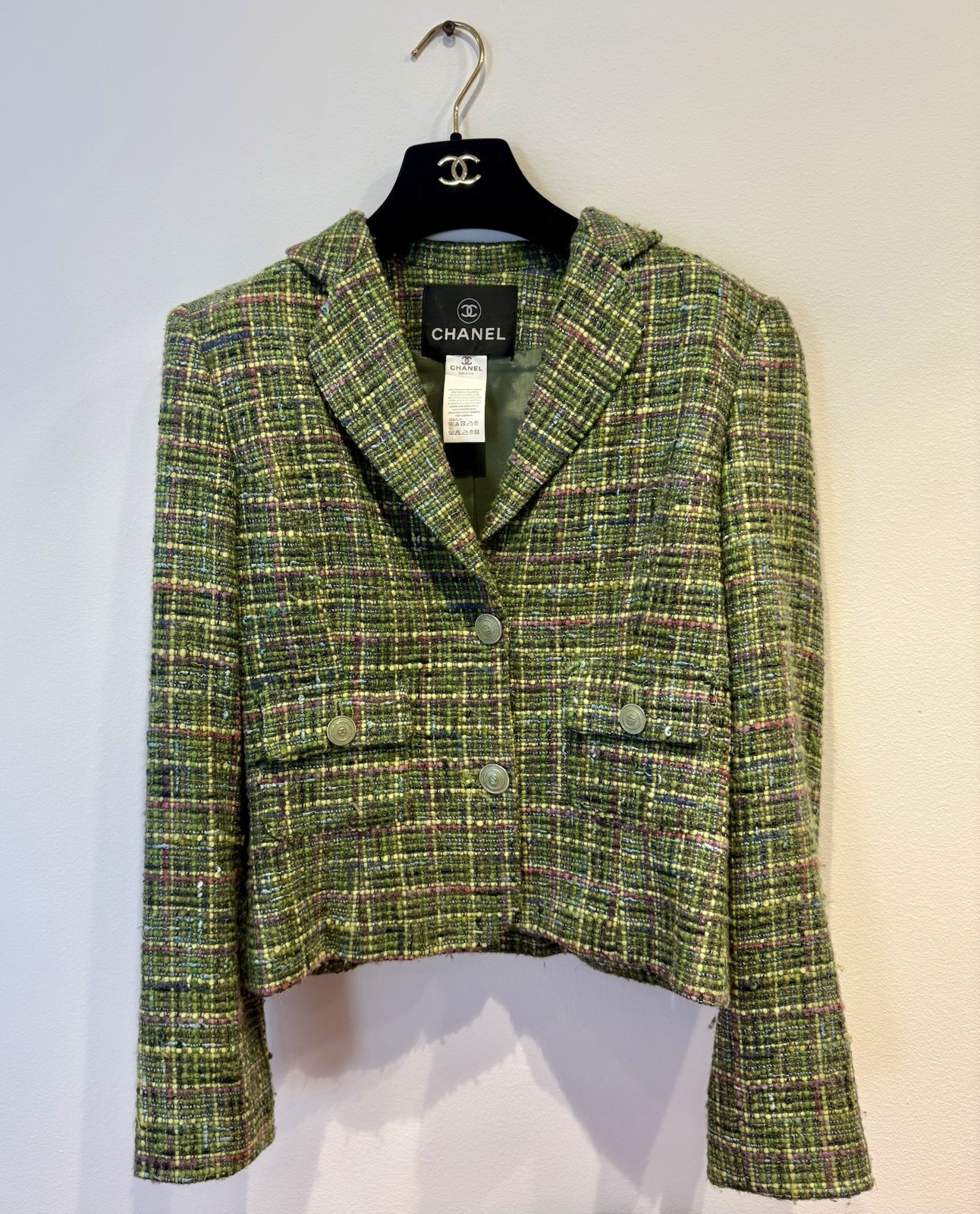
Chanel
France · 1910s
The little black dress & the 2.55
The little black dress & the 2.55
Top piece
View →
Continue the edit
Further stories from the same world
Three more walks through the same vintage universe.
The Silk Scarf That Wears You Back
A vintage Gucci silk scarf is a tool for living. Here is how to tie one on, what to look for, and why the best ones still cost less than a decent dinner.
Read the story →The Art of the Vintage Silk Scarf
A vintage silk scarf is the quietest statement you can make. It whispers of a time when dressing was a ritual, not a race.
Read the story →The Timeless Knot: Berlin's Love Affair with Vintage Silk Scarves
On a Sunday morning at Mauerpark flea market, a woman in a leather jacket holds a silk square up to the light. The pattern is a 1960s Op Art swirl in burnt orange and mustard.
Read the story →