
 Sign in
✦ Culture · Paris
How to Buy an Old Coat in Paris
Buy one size up and wear it open over knitwear. Coats should skim, not squeeze. A size up gives you room for a thick turtleneck and still allows the coat to fall cleanly.
 By Louis Trash·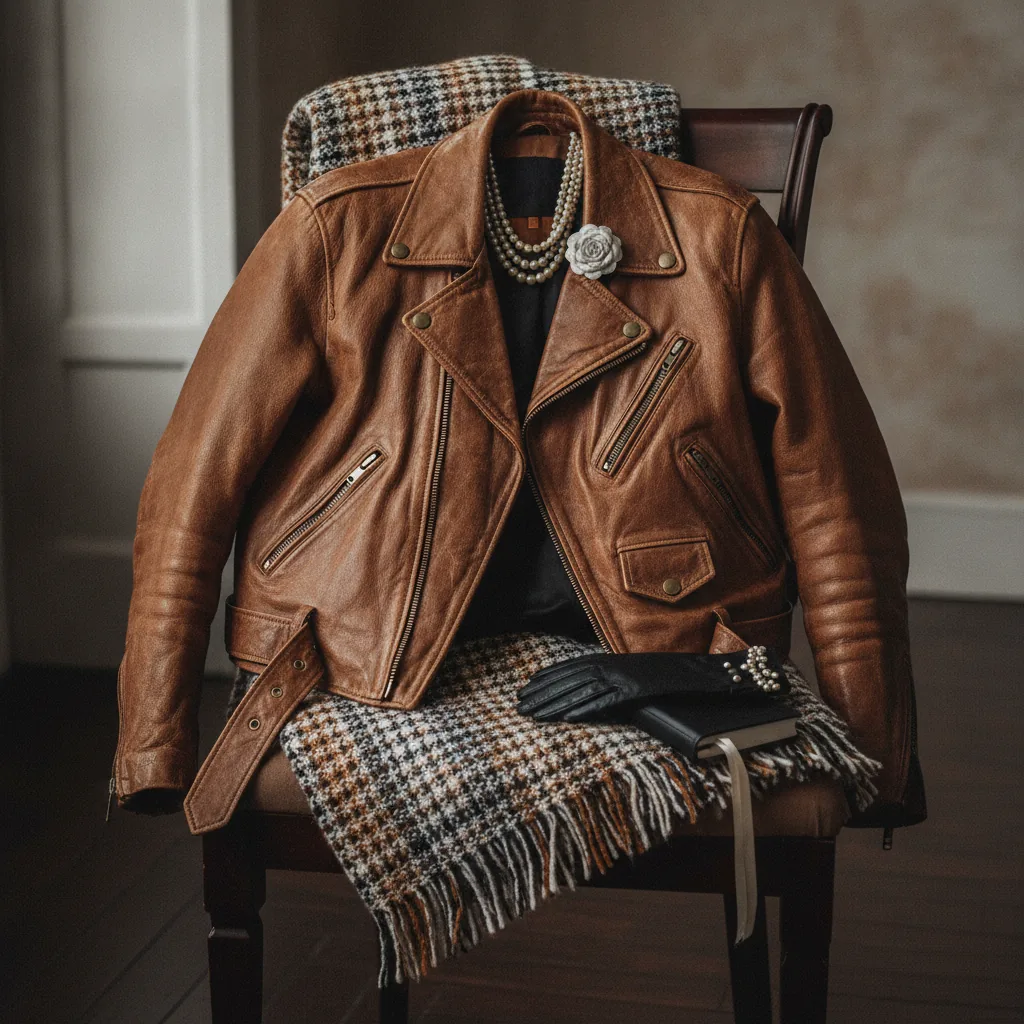
Why Coats Matter Now
A Parisian coat is a point of view, not a weather decision. Vintage wool is denser, trench cotton heavier, and the lining is built to be re-lined rather than binned. The fabric is the first clue: a 1960s Balenciaga wool feels like a solid wall, not a drape. The cut is the second. Old coats were made to be altered, their seams generous, their shoulders structured but forgiving. One remarkable piece, everything else quiet: that is the whole trick.
How to Wear It
Buy one size up and wear it open over knitwear. Coats should skim, not squeeze. A size up gives you room for a thick turtleneck and still allows the coat to fall cleanly. If you find a treasure that's slightly too big, that's fine. A tailor can take in the sides, but letting out is nearly impossible. A long trench over jeans and boots is still unbeatable. The trench was invented for the trenches of World War I, and it hasn't changed much since. Belt it at the back rather than the front for a cleaner line. The back belt cinches the waist without breaking the front silhouette. It's a trick Parisiennes have used since the 1950s.

For evening, a black wool coat with a velvet collar reads instantly chic. Pair it with a silk scarf, not a puffer. For daytime, a camel or grey herringbone works with everything. Avoid bright colors unless you're willing to commit. A red coat is a statement; a burgundy is a compromise.
Where to Find Yours in Paris
- Kilo Shop Marais (69 Rue de la Verrerie) — priced by weight, dig properly and you win, from around 20 euros. The staff restocks daily, and the best pieces are often buried at the bottom of the bins. Go early, before the crowds.
- Free'P'Star (8 Rue Sainte-Croix de la Bretonnerie) — the basement bins reward patience, from around 45 euros. It's chaotic, but the turnover is high. I once found a 1960s Givenchy in the men's section.
- Thanx God I'm a V.I.P. (12 Rue de Lancry) — sorted by colour, designer rails near the front, from around 60 euros. The owner, a former stylist, curates with an eye for the 1960s and 70s. Ask for the back room; that's where the leather and fur live.
- Marche aux Puces de Saint-Ouen (142 Rue des Rosiers, Saint-Ouen) — weekend only, Vernaison for the rare things, from around 90 euros. This is the flea market that made Paris famous. The vendors in Vernaison have been trading for generations; they know their stock. Bring cash, as some stalls don't take cards.
Midweek mornings are when the new stock is out and the sellers aren't rushed. Tuesday and Wednesday are best; Monday is often a rest day for the smaller shops.

Foto: Mâide Arslan · Pexels
What to Look For
Feel the weight. Real wool coats are heavy and stay warm when damp. A coat made of 100% wool will have a label saying so; if the label is missing, rub the fabric between your fingers. Wool feels slightly prickly, not slick. Check the shoulders for sun-fading, the lining for splits, and the cuffs for shine, which is the first place wear shows. Sun-fading is a dealbreaker unless you plan to dye the coat, which is risky. Lining splits can be repaired cheaply if they're along the seams, but if the lining is shredded, pass. Cuff shine is cosmetic. A tailor can replace the cuffs, or you can wear a bracelet to distract.
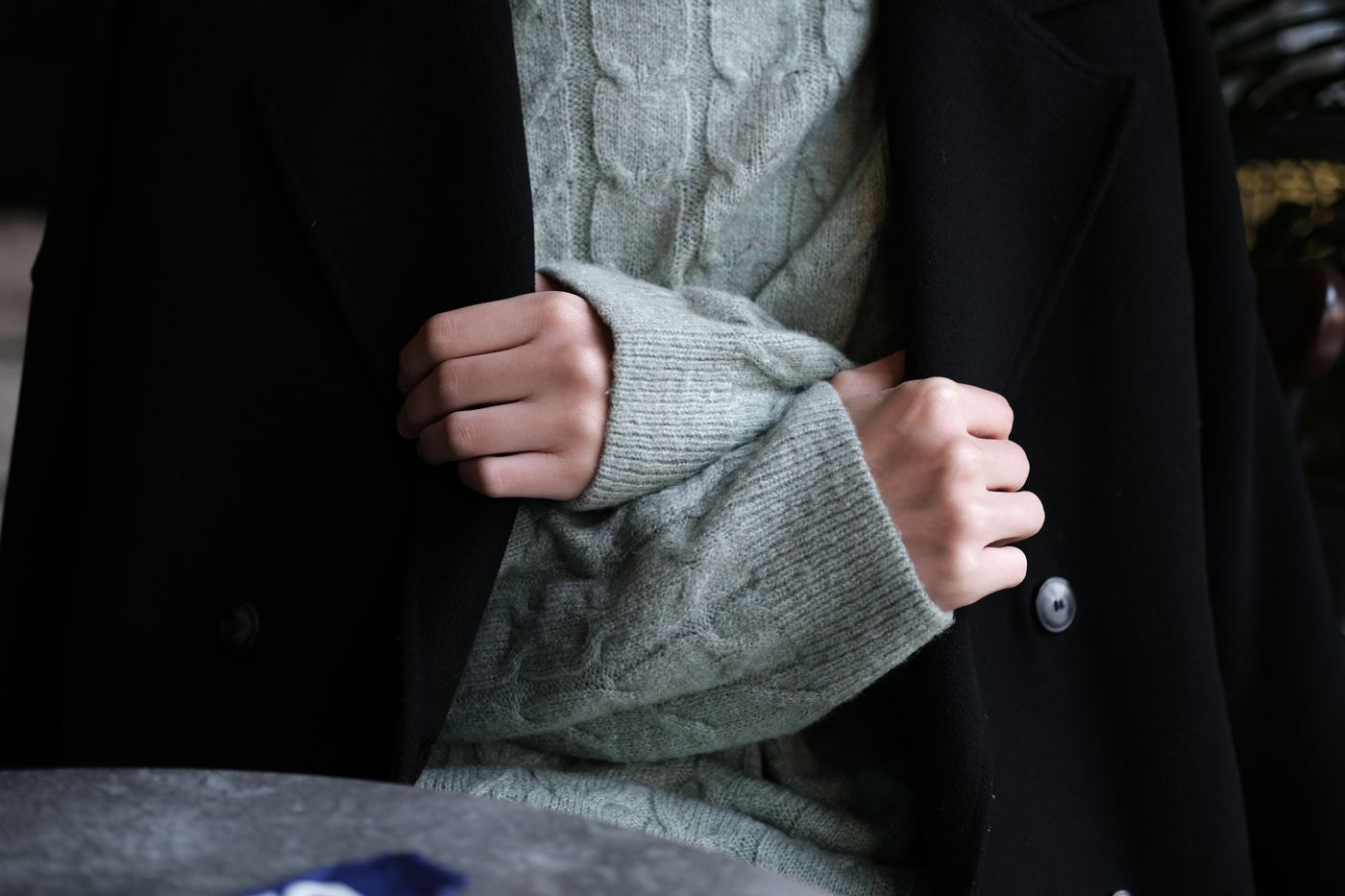
Foto: Esra Afşar · Pexels
Replacing buttons is easy and transforms a coat; replacing a lining costs more than most vintage coats are worth. The original buttons are often the best part. Look for horn or brass, not plastic. If the buttons are missing, factor in a trip to a button shop. Paris has several, including Ultramod on Rue de la Verrerie, where you can find vintage buttons from the 1930s.
Check the pockets. They should be deep and intact. A coat with functional pockets is a coat you'll actually wear. Also check the collar. It should stand up or fold cleanly, not flop.
The final test is always the same: try it on, move in it, then trust your first instinct. A vintage coat that only works standing still is not going to survive your actual life. Raise your arms, bend over, pretend to pick something up. If it restricts you, it's not the one.
The History in the Wool
Paris has been the coat capital of the world since the 1920s, when couturiers like Coco Chanel and Jean Patou began experimenting with structured outerwear. Chanel's 1920s tweed coats were revolutionary: they were cut like cardigans, with no darts, and they moved with the body. By the 1950s, Balenciaga had perfected the cocoon coat, a shape that would influence everyone from Yves Saint Laurent to Courrèges. The 1960s saw the rise of the mod coat: straight, short, and graphic, often in bold colors or geometric patterns. The 1970s brought the maxi coat and the return of fur collars. Each decade left its mark, and you can date a coat by its silhouette: the 1940s were broad-shouldered and nipped at the waist; the 1950s were full-skirted; the 1960s were boxy; the 1970s were flared.
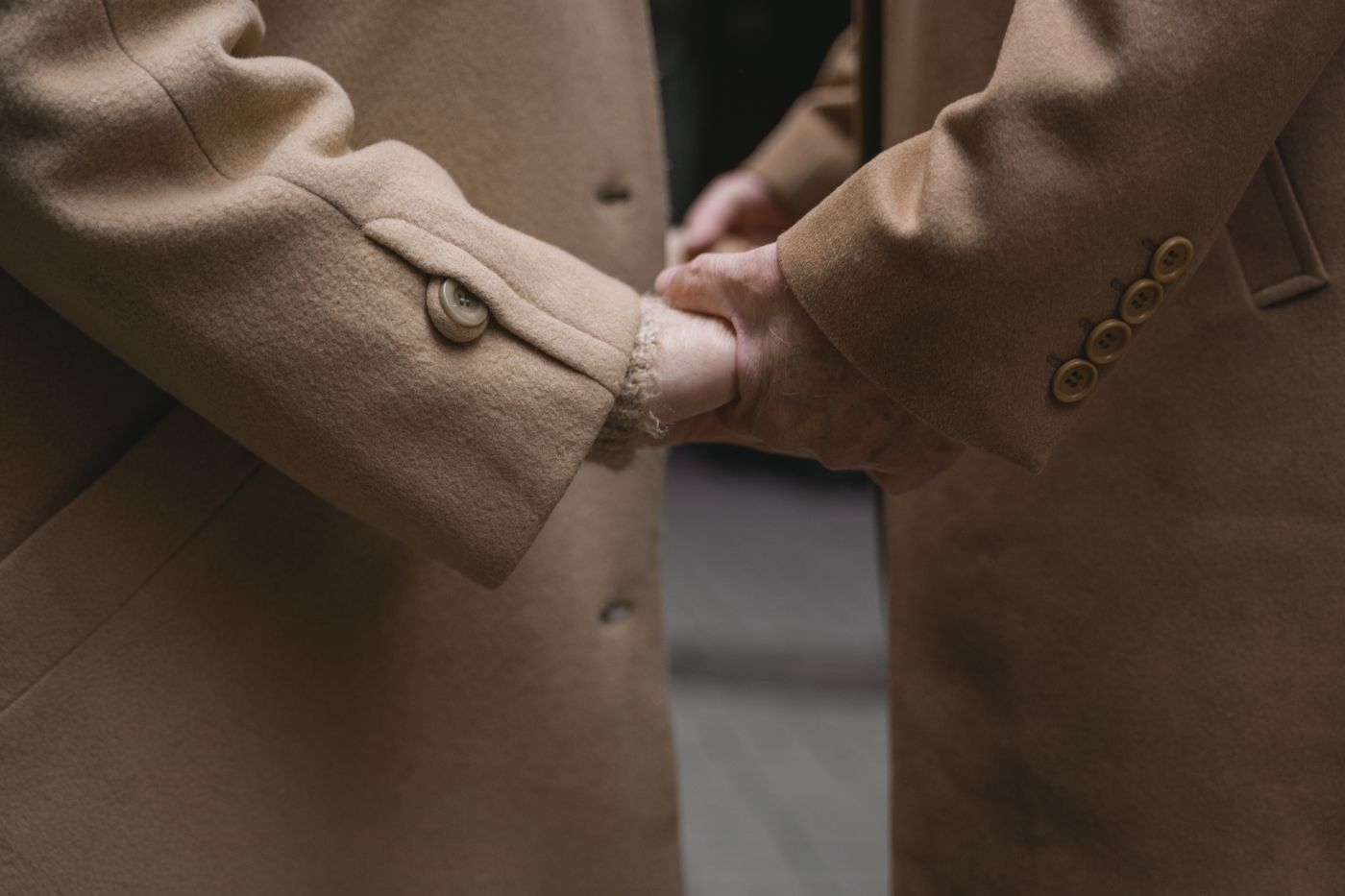
Foto: Tima Miroshnichenko · Pexels
When you buy a vintage coat in Paris, you're not just buying a piece of clothing. You're buying a piece of that history. A 1950s Dior coat has a waist that was made to be accentuated; a 1960s Courrèges coat is a geometric statement. Understanding the era helps you style it correctly. A 1950s coat looks best with a pencil skirt or high-waisted trousers; a 1960s coat works with miniskirts and go-go boots; a 1970s coat pairs well with flares and platform shoes.
The Final Check
Before you hand over your money, ask yourself three questions. Does it fit through the shoulders? Can you move your arms without strain? Does it feel like you? If the answer to all three is yes, then buy it. Don't worry about the color. You can always dye it. Don't worry about the length. A tailor can hem it. But if the shoulders are too tight, walk away. That's the one thing that can't be fixed.

Foto: Pavel Danilyuk · Pexels
Vintage coats are an investment in warmth, style, and history. They're not cheap, but they're worth it. A good one will last you decades, and you'll never see yourself coming and going in the same coat. That's the real luxury of Paris.
City
Paris
Category
vintage coats
Published
8 August 2026
Where to find it
Shop the signals
What the market is offering right now on this exact subject.
blazers
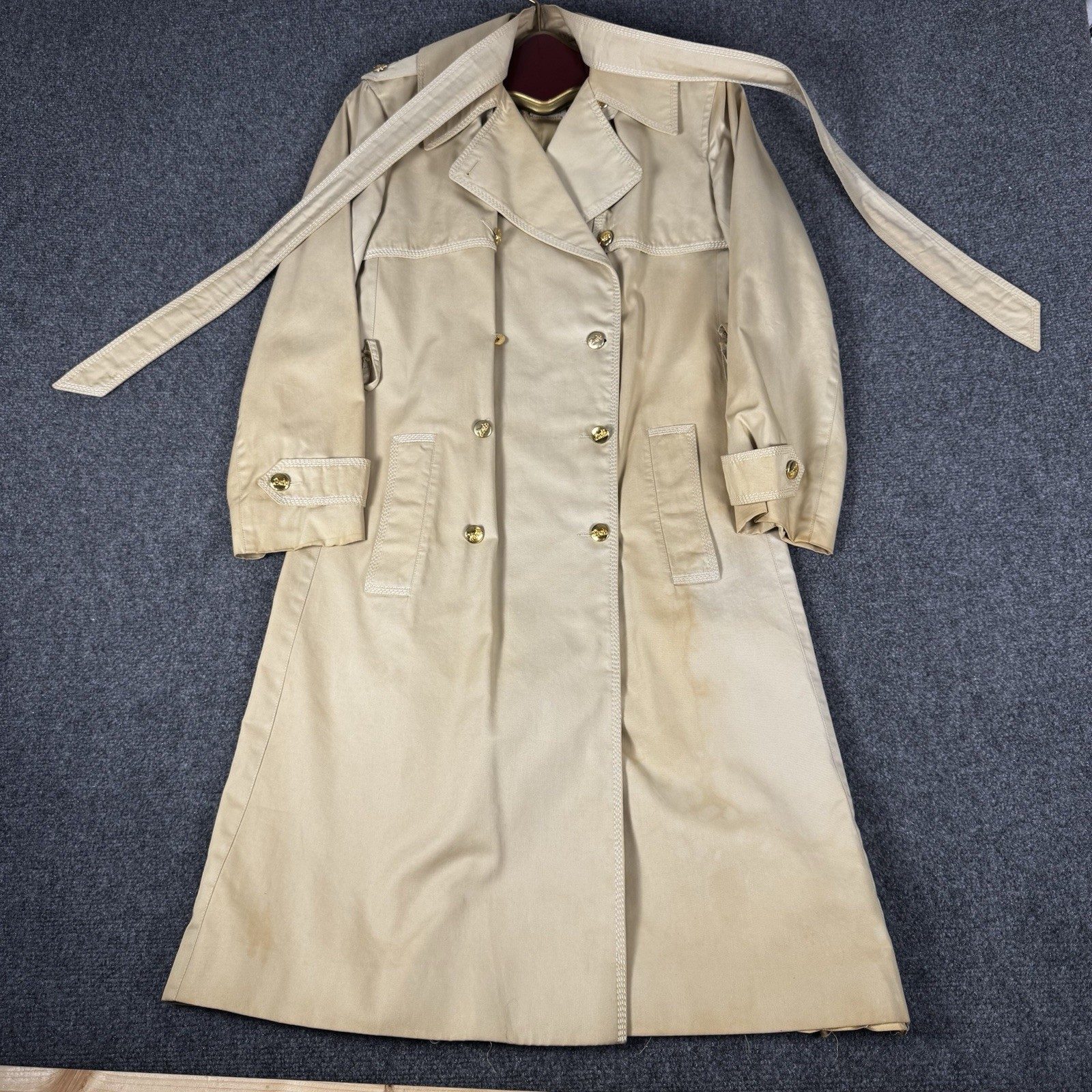
Vintage CELINE Paris Trench Coat Made in France Carriage Logo Gold Buttons
dresses
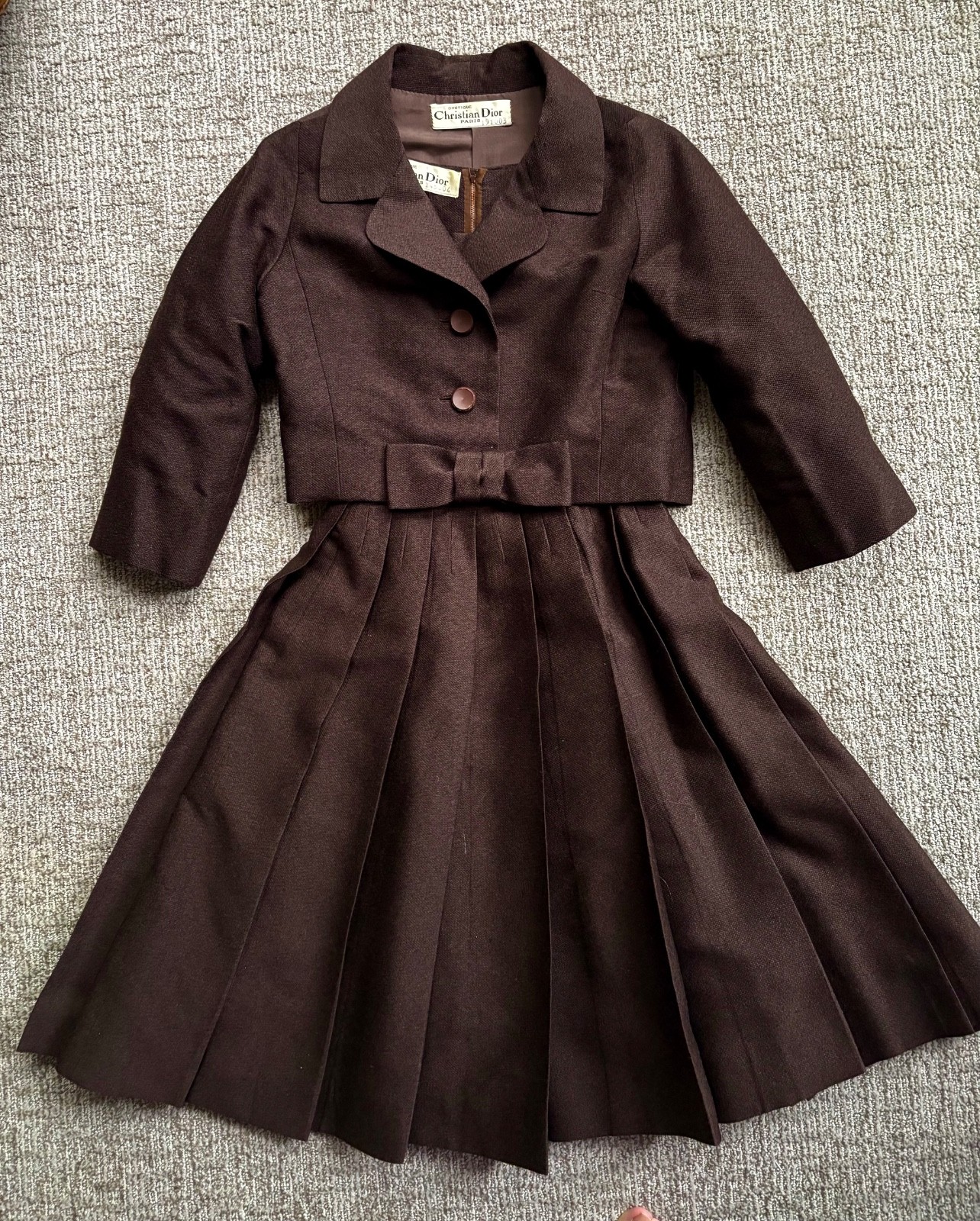
1950s Boutique Paris Christian Dior New Look Dress Suit
designer-bags
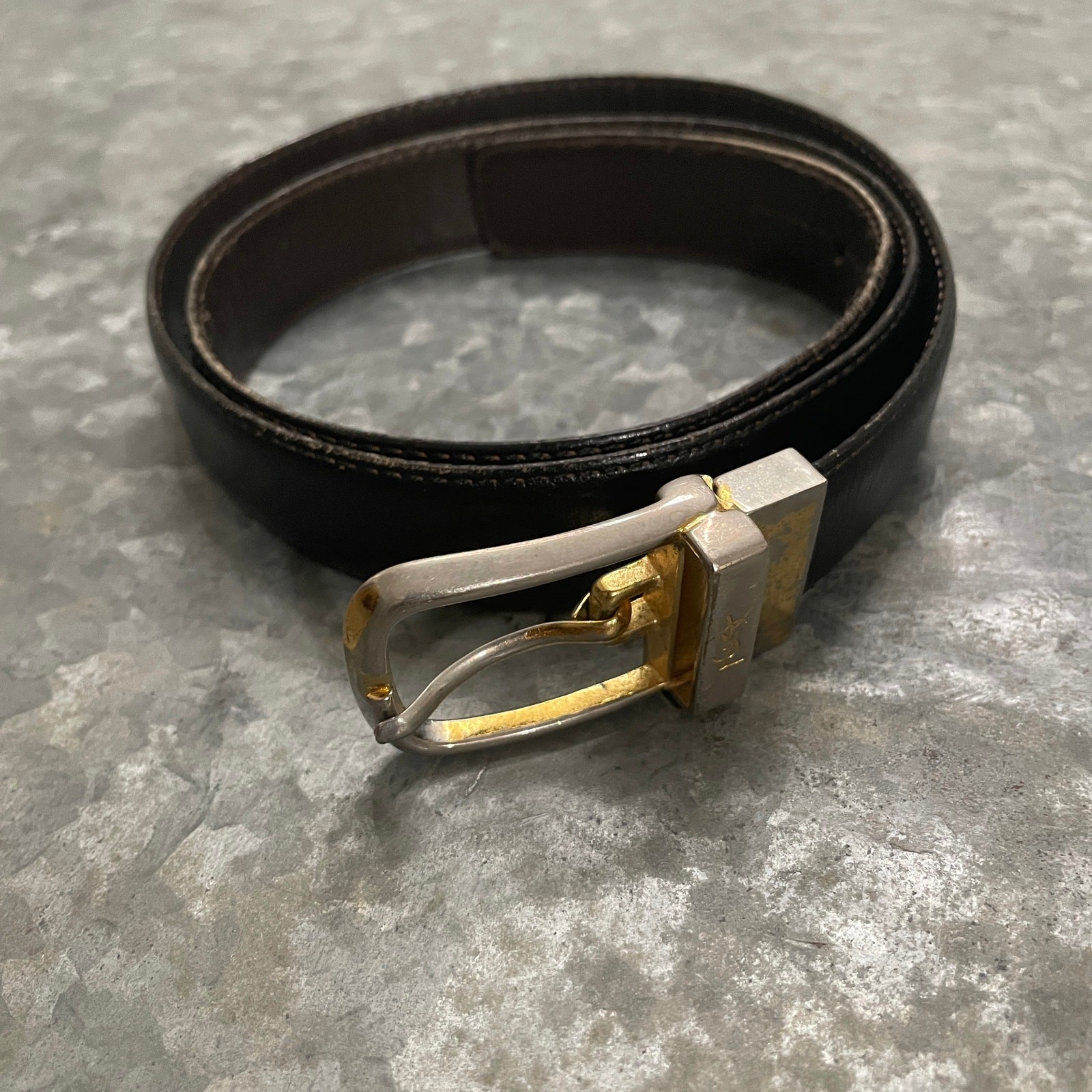
Vintage YSL Yves Saint Laurent Solid Brass Black Leather Belt Sz 32 Silver Gold
blazers
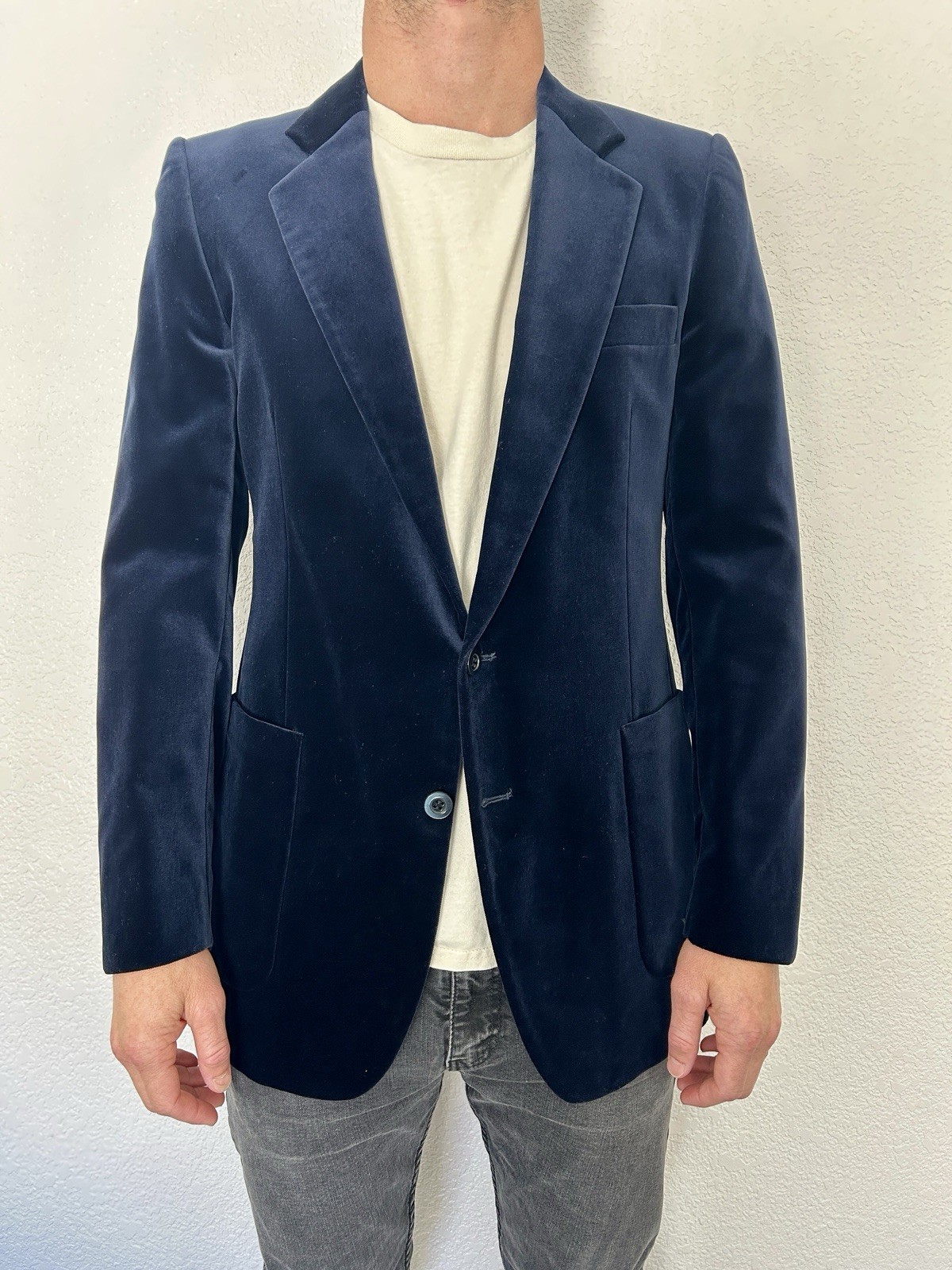
Vintage YSL - Yves Saint Laurent Blue Velvet Smoking Jacket Mens -Made In France
zijde-sjaals
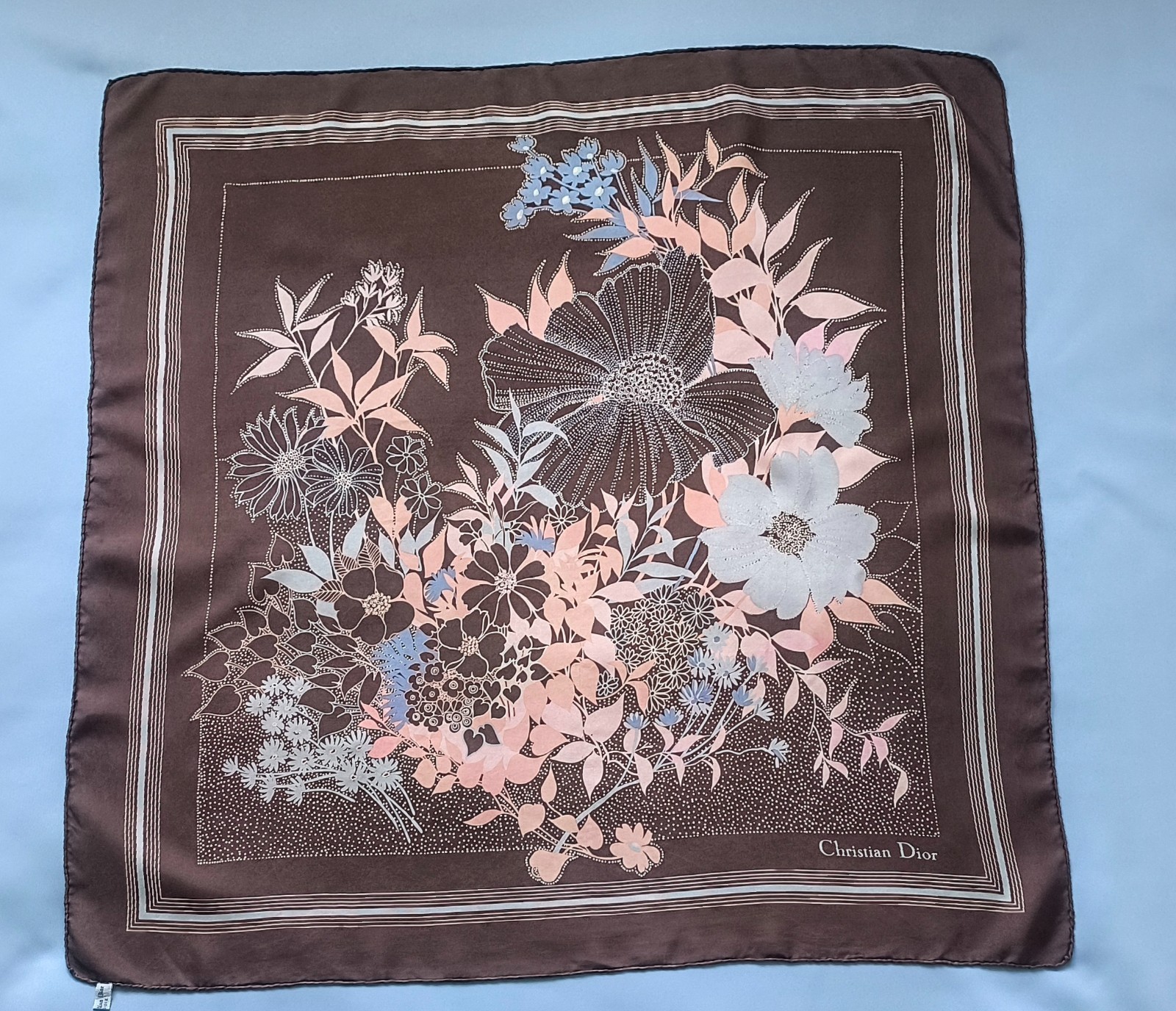
Vintage Christian Dior Silk Scarf Brown Floral Made in France Hand Rolled Carre
zijde-sjaals
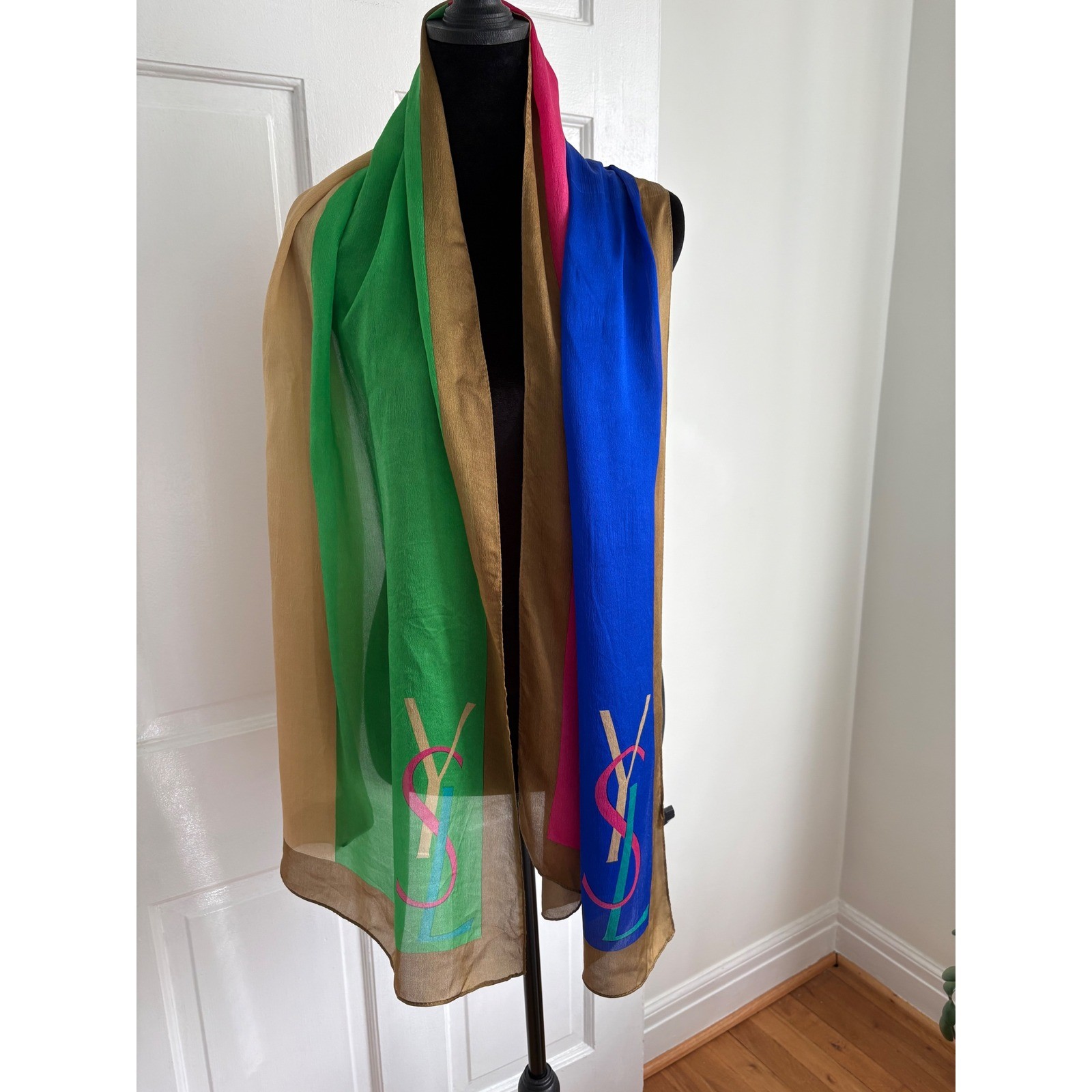
Vintage Yves Saint Laurent Rive Gauche Silk Scarf Colorblock Logo Green Blue
blazers
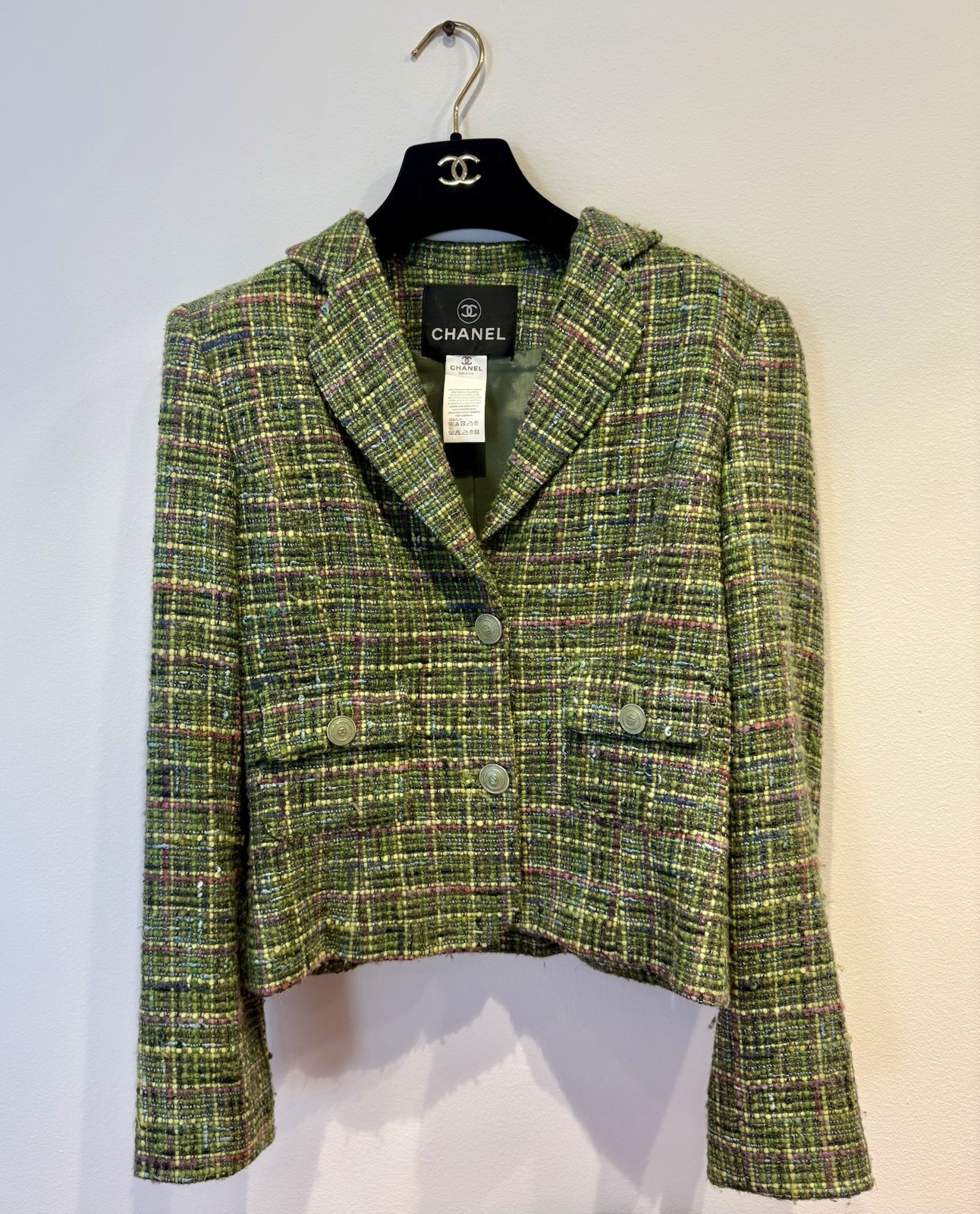
Chanel Tweed Green Jacket Vintage Size Small
designer-bags
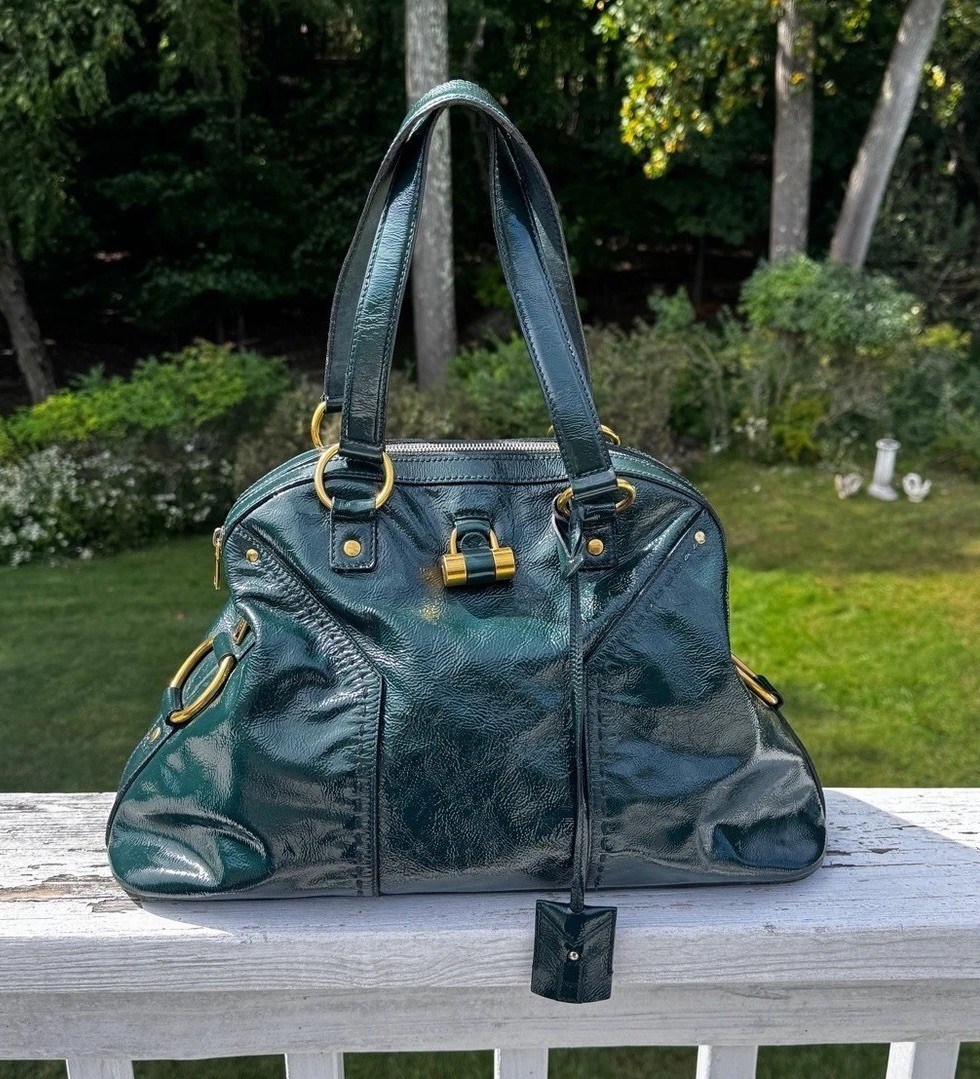
Vintage Yves Saint Laurent Muse glossy dark green patent leather Bag
The names
Meet the designers
The minds behind this story — each with a piece currently on the market.
Dior
France · 1940s
The New Look & the Lady Dior
The New Look & the Lady Dior
Top piece
View →
Chanel
France · 1910s
The little black dress & the 2.55
The little black dress & the 2.55
Top piece
View →
Comme des Garçons
Japan · 1960s
Deconstruction & anti-fashion
Deconstruction & anti-fashion
Top piece
View →
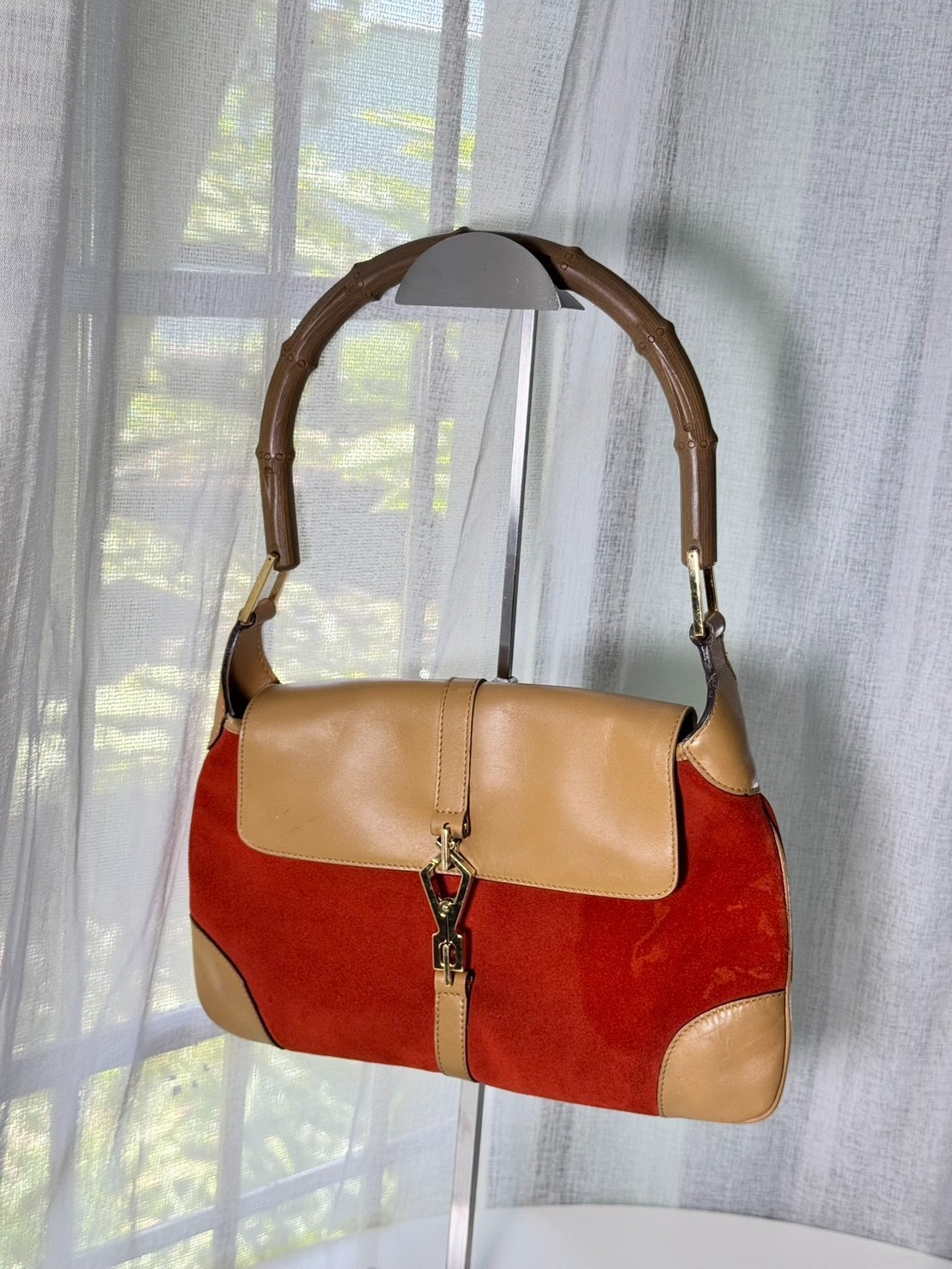
Gucci
Italy · 1920s
The bamboo handle & the double-G
The bamboo handle & the double-G
Top piece
View →
Continue the edit
Further stories from the same world
Three more walks through the same vintage universe.
Berlin's Coat Culture: Wearing History on Your Sleeve
A woman in a 1960s tweed coat, shoulders squared against the wind, strides past the brutalist concrete of the Neue Nationalgalerie. She's not just dressed for the weather.
Read the story →Trench Coat Hunting in Milan
- Cavalli e Nastri (Via Brera 2) — the archive shop — Prada, Ferragamo, Versace, from around 20 euros. This is a treasure cave.
Read the story →The Vintage Coat Guide for Amsterdam
You're not walking from a chauffeur-driven car to a revolving door. You're cycling against a headwind, then locking your bike to a bridge and walking into a cafe.
Read the story →