
 Sign in
✦ Culture · Tokyo
Why the Shoulder Is Everything in Tokyo
An oversized blazer from the eighties or nineties has a shoulder line nothing on the high street can match. The wool is heavier, the canvas inside is real, and the cut was made to be worn open and loose.
 By Louis Trash·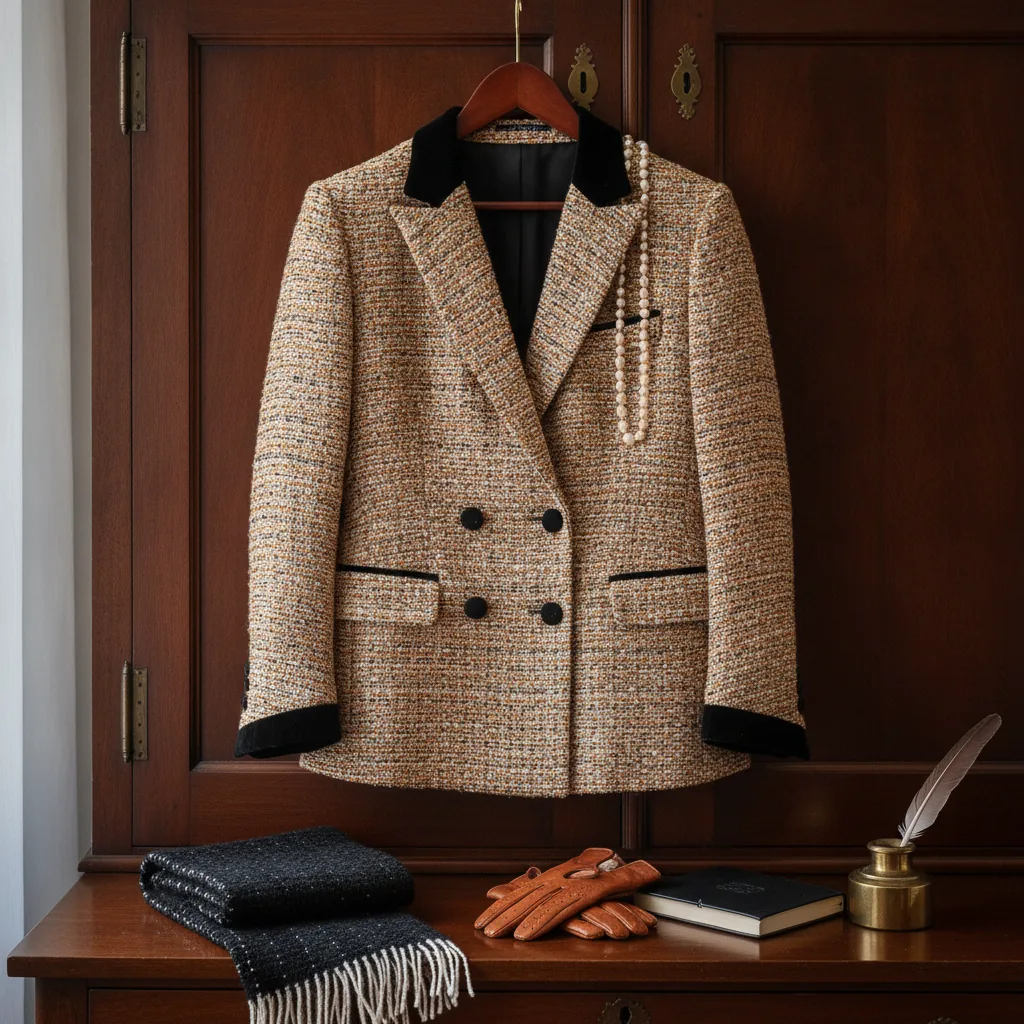
Why Blazers Matter Now
An oversized blazer from the eighties or nineties has a shoulder line nothing on the high street can match. The wool is heavier, the canvas inside is real, and the cut was made to be worn open and loose. That shoulder is architecture. It holds its shape because it was built on a proper canvas, not fused with glue that wilts after a few washes. In the eighties, designers like Armani and Thierry Mugler played with exaggerated shoulders, but the Japanese market took it further. Tokyo's own designers, like Yohji Yamamoto and Rei Kawakubo, deconstructed the blazer, but the demand for vintage ones from that era remains because of that precise, sculptural shoulder. It's a statement of intent: I know what I'm wearing, and I know why.

Foto: Liudmyla Shalimova · Pexels
In a city where space is precious, every item in a vintage shop has been through rigorous inspection. Buttons are replaced, linings are repaired, and the provenance is often documented. This isn't a jumble sale. It's a curated collection where each blazer has a history, and the shopkeepers are the curators.
How to Wear It
Push the sleeves up. It instantly stops a big blazer looking borrowed. The trick is to fold the cuff back twice, exposing the lining. That flash of silk or rayon is a quiet sign of quality. Wear it with denim and a plain tee before you ever wear it with matching trousers. The contrast is what makes it modern. A vintage blazer over raw denim and a white t-shirt is a uniform that works in Tokyo, whether you're in Shimokitazawa or Ginza. If you want to dress it up, try it with a slip dress or high-waisted trousers, but start with the basics. The blazer is the star; don't let the rest of the outfit compete.
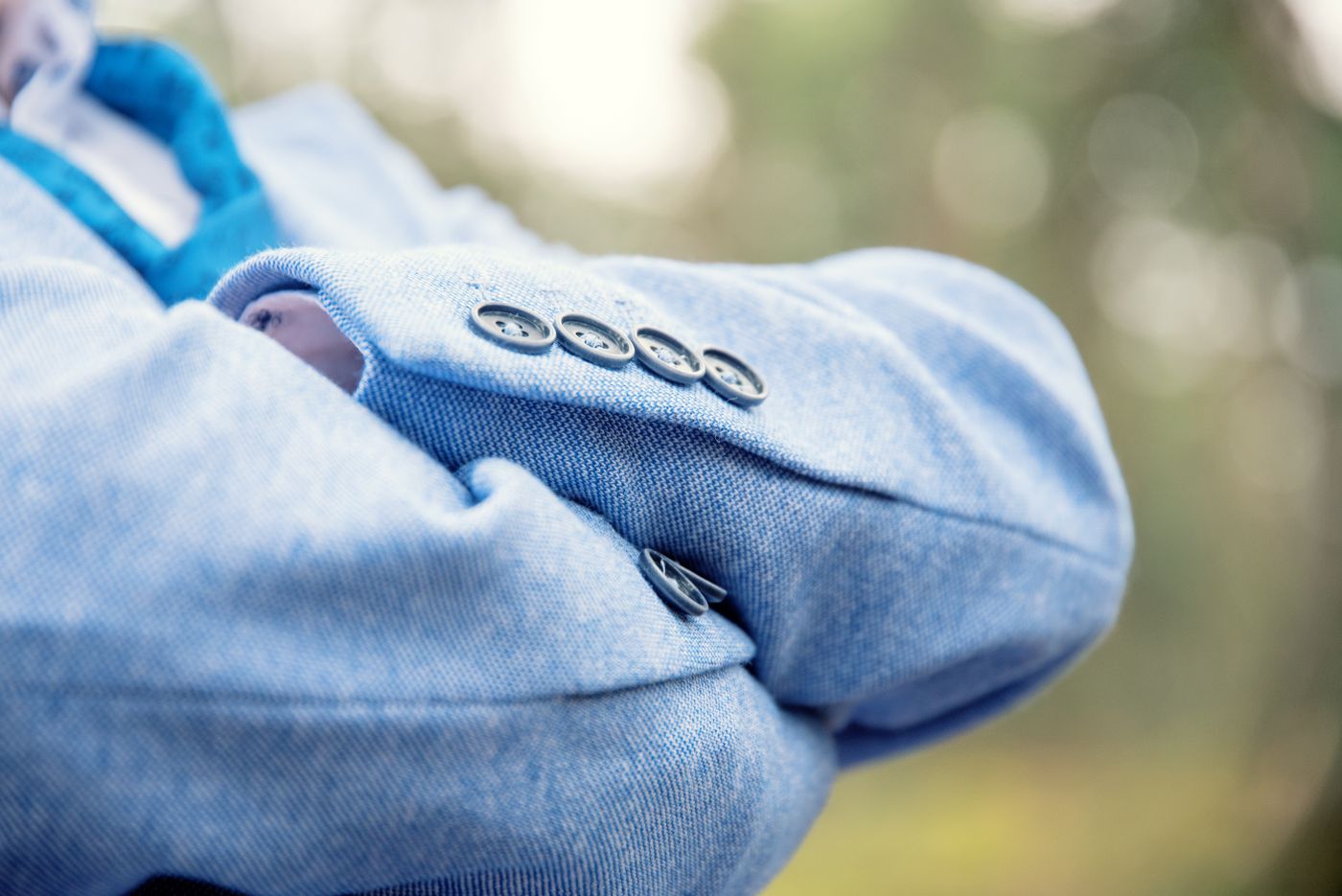
Foto: Robin Godefridi · Pexels
If the shoulder fits, everything else can be tailored. If it does not, walk away. Shoulders are the hardest part to alter. The sleeve head, the pitch, the width—all are complex to adjust without ruining the line. A good tailor can take in the waist, shorten the sleeves, even move the buttons. But a shoulder that's too wide or too narrow is a deal-breaker. So when you try it on, move your arms. Hug yourself. Reach for something. The shoulder should stay put, not shift or pinch.
Where to Find Yours in Tokyo
- RAGTAG Harajuku (6-14-2 Jingumae, Shibuya) — authenticated designer resale over several floors, from around 20 euros. RAGTAG is a chain, but the Harajuku outpost is the best. They have a dedicated section for blazers, and their staff can tell you the season and collection of a piece just by looking at it. The prices are fair, and they often have sales on older stock.
- Kindal Harajuku (4-26-27 Jingumae, Shibuya) — stock turns weekly, come back often, from around 45 euros. Kindal is known for its menswear, but the women's section has some gems. The blazers here tend to be from the nineties and early 2000s, with a focus on Japanese designers like Issey Miyake and Comme des Garçons. They also have a loyalty program that gives you discounts on future purchases.
- Chicago Jingumae (6-31-21 Jingumae, Shibuya) — the basement is where it gets interesting, from around 60 euros. Chicago is a multi-floor treasure trove. The basement is where they keep the higher-end pieces, often with original tags still attached. It's a bit chaotic, but that's part of the charm. Dig through the racks; you might find a vintage Yves Saint Laurent blazer for a steal.
- Pass The Baton Omotesando (5-13-13 Jingumae, Shibuya) — consignment with the previous owner's story attached, from around 90 euros. Pass The Baton is a concept store where each item comes with a small card telling you who owned it before. It's a beautiful idea, and the selection is curated with a fashion editor's eye. The blazers here are often from stylish older women who have impeccable taste. It's worth the premium for the story and the condition.
Go on a weekday morning if you can. The rails are fullest before the weekend crowd arrives, and staff have time to show you what came in overnight. On a quiet Tuesday at 10 AM, you can take your time, try on ten blazers, and chat with the staff about the differences between a 1987 Armani and a 1994 Yohji Yamamoto. They know their stock, and they're happy to share.
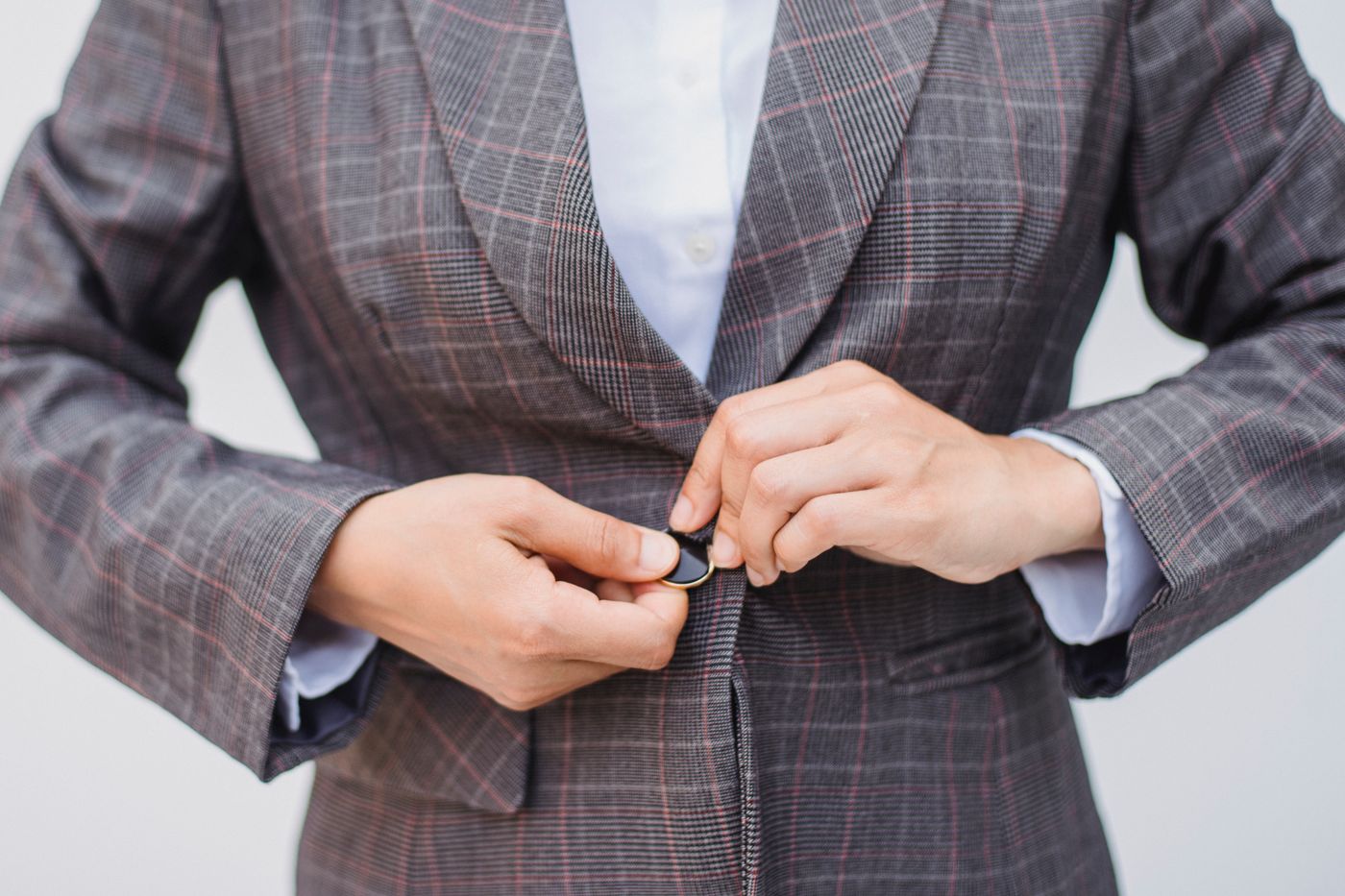
Foto: Ketut Subiyanto · Pexels
What to Look For
Pinch the lapel: if you can feel a separate floating layer between the wool and the lining, it is canvassed and worth the money. That's the canvas that gives the blazer its structure. It's a layer of horsehair or wool that floats between the outer fabric and the lining. It allows the jacket to conform to your body while keeping its shape. Fused jackets, where the interlining is glued on, are cheaper and eventually bubble or peel. The canvas is the difference between a blazer that lasts decades and one that falls apart after a few seasons.
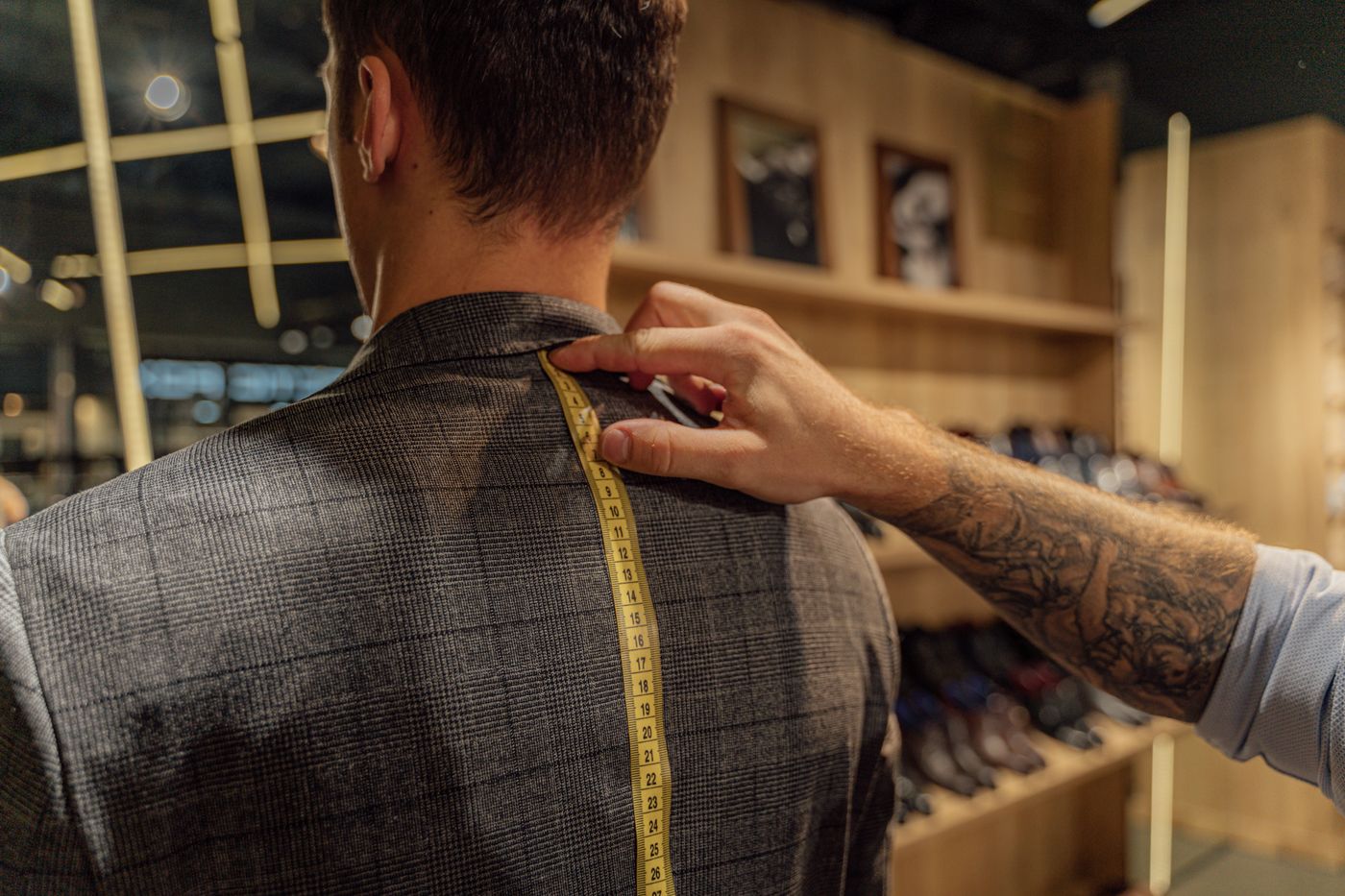
Foto: Antoni Shkraba · Pexels
Check the lining under the arms for splits. The underarm is where the most stress occurs, and a split lining is a sign of wear. It's an easy fix for a tailor, but it can also be a sign that the jacket hasn't been cared for properly. Look at the buttons — horn and metal beat plastic. Horn buttons have a natural grain and are durable; metal buttons, like those on military-inspired blazers, add a bit of weight and shine. Plastic buttons are a red flag that the blazer is not from the era it claims to be. And give the wool a sniff, because heavy smoke never fully leaves an old jacket. It's a bit like a used car: if it smells like smoke, it's been through some stuff. You might be able to air it out, but the smell can linger for months.
One last thing: try it on properly, walk around in it, and sit down. A vintage blazer that only works standing still is not going to survive your actual life. You'll be on the subway, reaching for the overhead strap, bending to tie your shoe. The blazer should move with you, not against you. Check that the sleeves are long enough when your arms are extended, and that the front doesn't pull when you sit. If it feels tight across the back, it's not the right one.
Tokyo is a city where the old is revered, and that's why vintage blazers here are so special. They're not just clothes; they're pieces of fashion history that have been preserved and passed on. When you find the right one, you'll know. It'll feel like it was made for you, even if it was made thirty years ago. And that's the magic of vintage in Tokyo.
City
Tokyo
Category
vintage blazer
Published
8 August 2026
Where to find it
Shop the signals
What the market is offering right now on this exact subject.
The names
Meet the designers
The minds behind this story — each with a piece currently on the market.
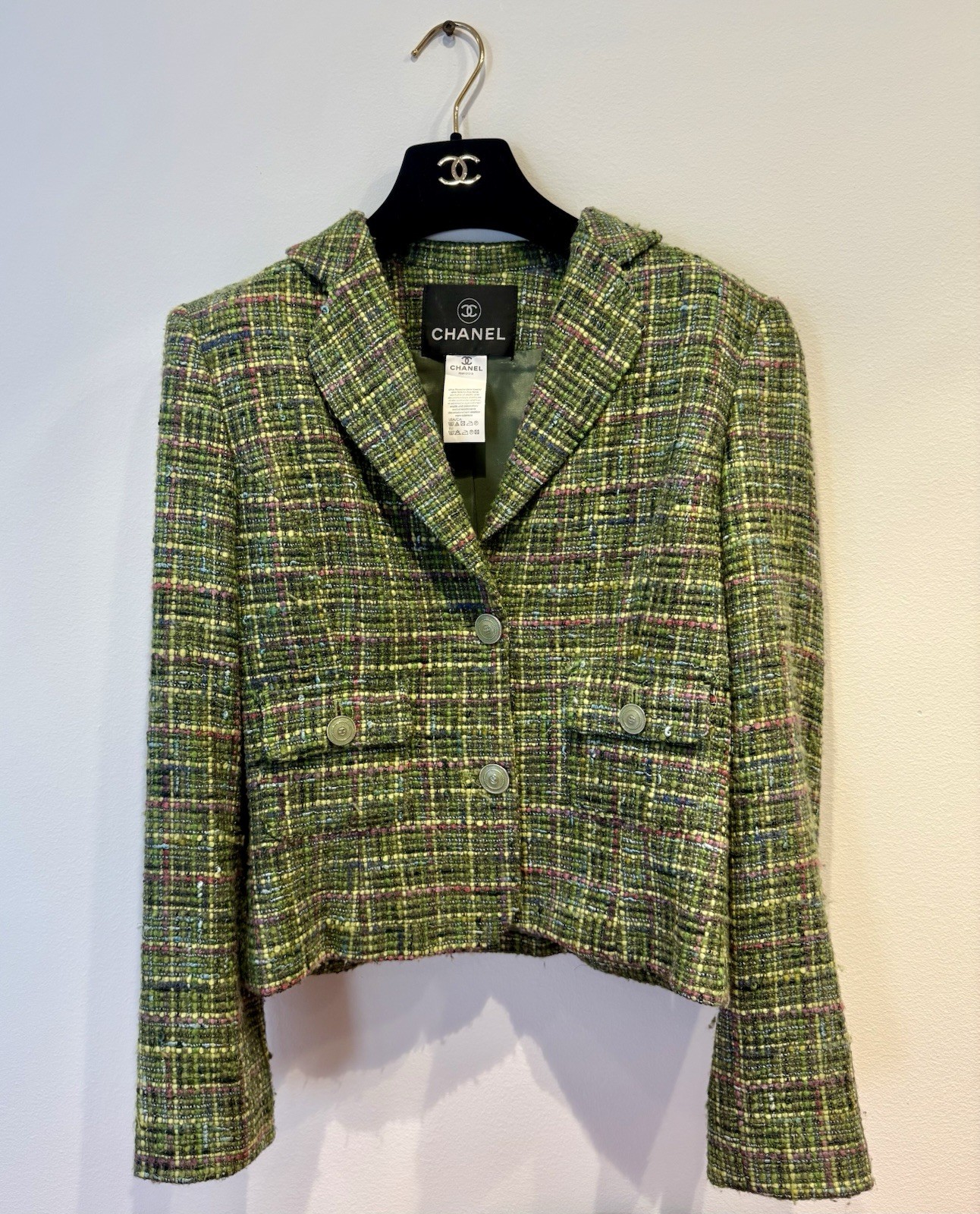
Comme des Garçons
Japan · 1960s
Deconstruction & anti-fashion
Deconstruction & anti-fashion
Top piece
View →
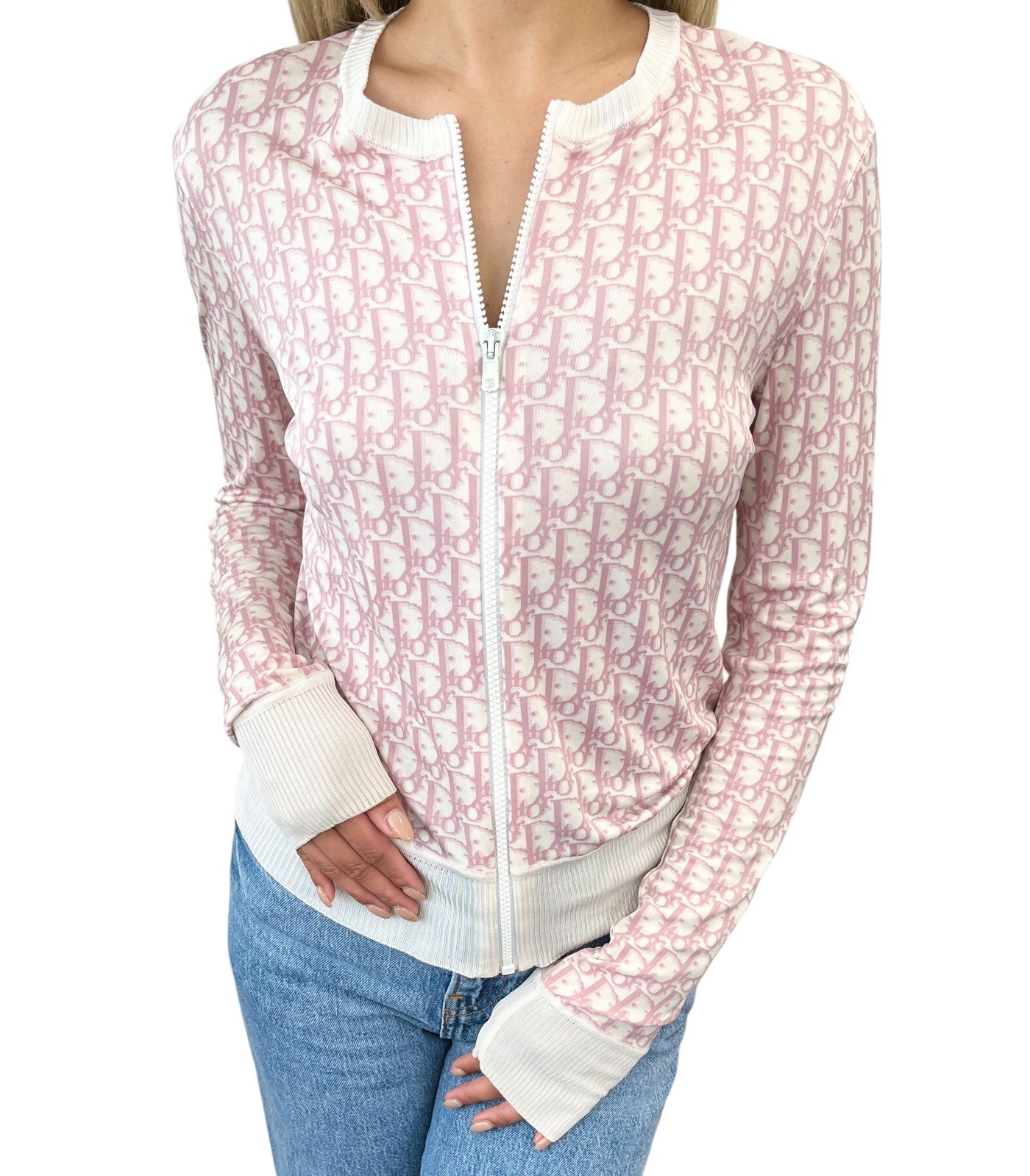
Issey Miyake
Japan · 1970s
Pleats Please & techno-fabric
Pleats Please & techno-fabric
Top piece
View →
Yohji Yamamoto
Japan · 1970s
Black, drape & poetic deconstruction
Black, drape & poetic deconstruction
Alpha Industries
USA · 1950s
The MA-1 flight jacket
The MA-1 flight jacket
Continue the edit
Further stories from the same world
Three more walks through the same vintage universe.

How to Wear a Faded Tour Tee in Tokyo
A band tee is a souvenir somebody else brought home. The faded print, the softened cotton, the fact that it survived thirty years of washing.
Read the story →
Why Old Jeans Beat New Ones in Tokyo
In Tokyo, vintage denim is not a trend. It is a category of craftsmanship. The jeans that survive from the 1970s and 1980s were cut on machines that no longer exist, with cotton that was woven slowly and dyed with indigo that fades in layers, not all at once.
Read →
The Small Bag Guide for Tokyo
It is 2025, and the small shoulder bag is everywhere. But the ones in the windows of Ginza department stores are not the ones I want.
Read →