
 Sign in
✦ Culture · Tokyo
Why Old Lace Wins in Tokyo
Vintage bridal is where the real craft hides. Hand-worked lace, silk that actually hangs, veils edged by somebody's grandmother.
 By Louis Trash·
Why Bridal Matter Now
Vintage bridal is where the real craft hides. Hand-worked lace, silk that actually hangs, veils edged by somebody's grandmother. It also costs a fraction of a new gown, and no one else will be wearing it.
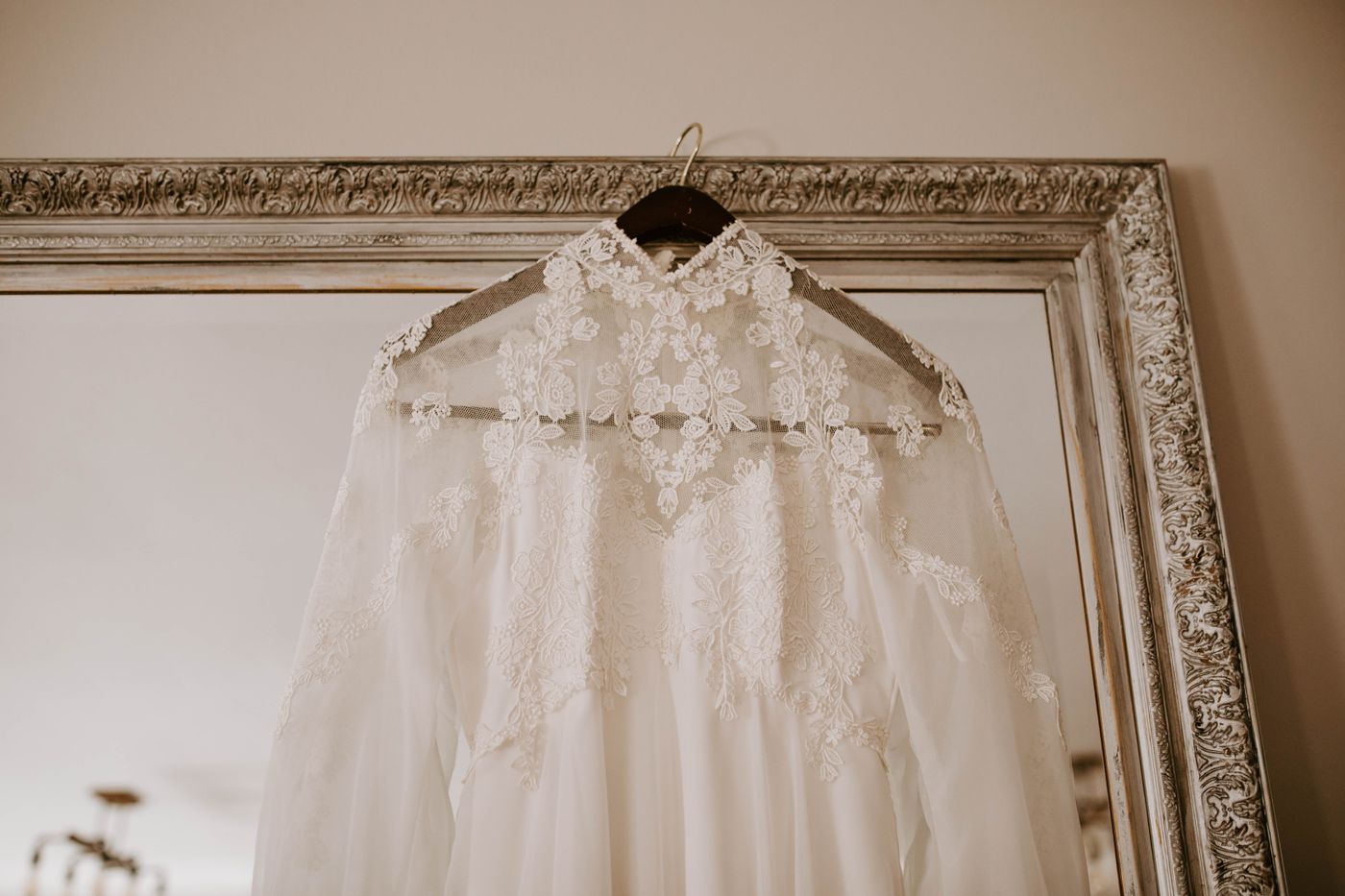
Foto: Tara Winstead · Pexels
In a city where wrapping a gift is an art form, the care extends to pre-loved garments. Each piece is inspected, catalogued, and often restored. The result? A shopping experience that feels less like a rummage and more like a curated museum visit, except you can touch and try.
Take the Japanese grading system. A 'B' condition might mean a tiny snag hidden inside the hem. 'A' means barely worn. 'AB' sits between. Descriptions list every flaw, no matter how minor. You will know exactly what you are buying. That transparency is rare anywhere else. It also means you can trust the provenance. Many stores keep records of the original purchase, sometimes even the bridal boutique where the gown was first sold.
How to Wear It
One vintage element is often enough. A borrowed-era veil with a simple modern dress. That combination lets the old piece shine without looking like you raided a costume trunk. A 1960s silk shift dress with a clean, contemporary updo? Perfection.
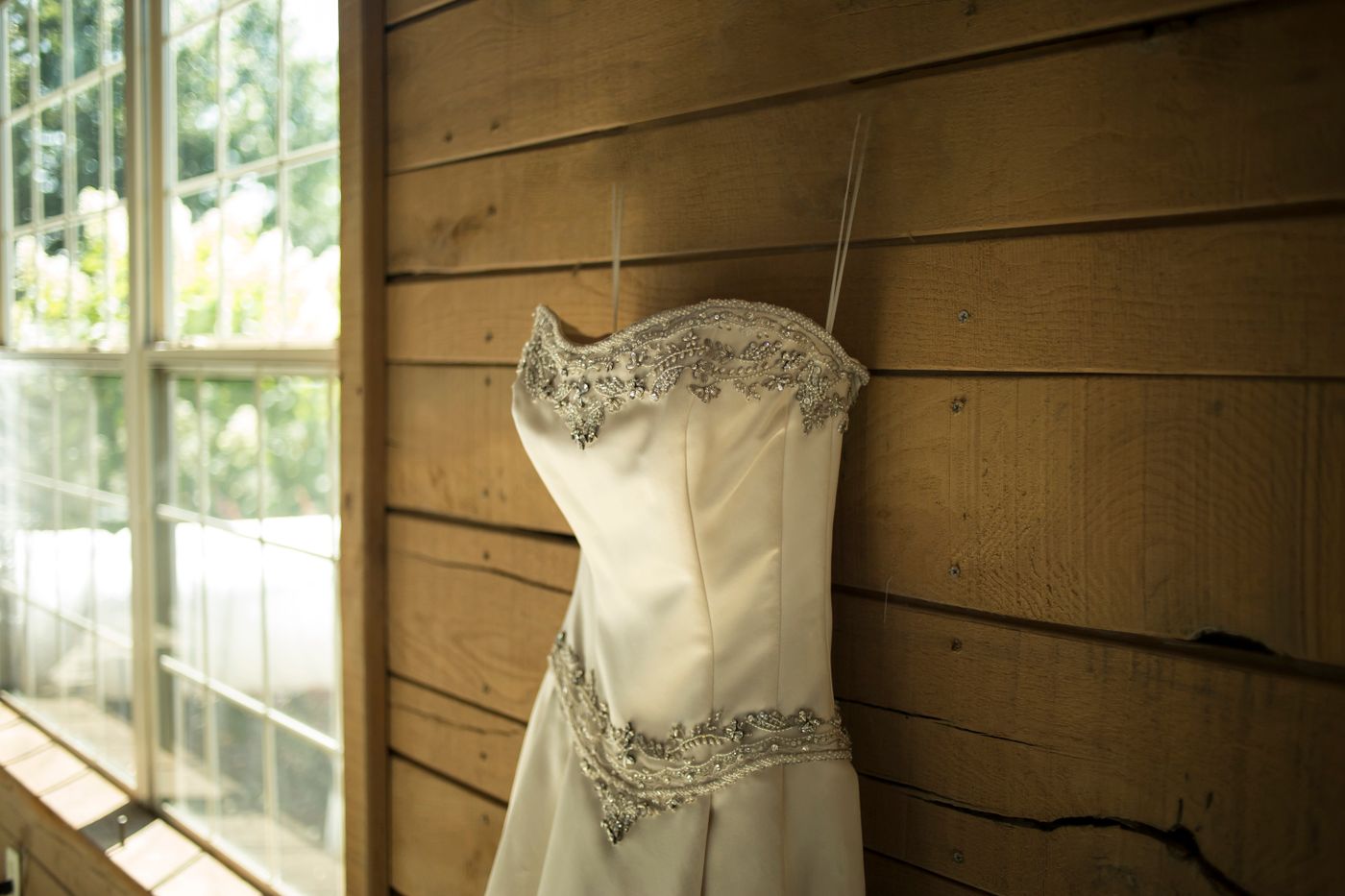
Foto: Stephen Leonardi · Pexels
Have the lace altered rather than the silhouette. A good seamstress can move almost anything. Shorten sleeves, reset a waistline, even change a neckline. But do not try to reshape a structured bodice. That is where the engineering lives, and altering it risks ruining the drape.
Wear old lace with bare skin and minimal jewellery. It does not need help. A single strand of pearls or a pair of small diamond studs will do. Let the fabric speak. Vintage silk has a lustre that new synthetic blends cannot replicate. It catches light differently, moves with you, breathes. That is why it hangs so well.
Consider the occasion. A vintage piece for a registry office wedding? A 1930s bias-cut slip dress works. For a garden party, a 1950s tea-length gown with a bolero. For evening, a 1970s silk caftan with embroidery. Tokyo's vintage stores have all of these, often for less than the cost of a new high-street dress.
Where to Find Yours in Tokyo
Start in Shibuya's Jingumae district. Four stores stand out.
Foto: Gustavo Santana · Pexels
RAGTAG Harajuku (6-14-2 Jingumae, Shibuya) - Authenticated designer resale over several floors. They have a dedicated bridal section, though it is small. Look for Japanese designers like Hanae Mori, whose 1960s and 70s gowns are exquisite. Prices start around 20 euros. Yes, twenty. A 1970s Hanae Mori silk gown with hand-painted flowers might set you back 150 euros. That is a steal.
Kindal Harajuku (4-26-27 Jingumae, Shibuya) - Stock turns weekly. Come back often. The bridal rail is near the back, next to the evening wear. You will find European labels here too, mainly French and Italian. A 1980s Yves Saint Laurent lace dress? Possible. Prices from around 45 euros.
Chicago Jingumae (6-31-21 Jingumae, Shibuya) - The basement is where it gets interesting. That is where they keep the formal and bridal. It feels a bit like a treasure hunt. You might find a 1950s Christian Dior original, though those are rare. More likely, you will find Japanese-made copies of European styles, which are often better made. Prices from around 60 euros.
Pass The Baton Omotesando (5-13-13 Jingumae, Shibuya) - Consignment with a twist. Each piece comes with the previous owner's story attached. A note card tells you who wore it, where, and why. That personal history adds something. A 1960s wedding dress worn in Yokohama, then stored in cedar for fifty years. The story is part of the purchase. Prices from around 90 euros.
Go on a weekday morning if you can. The rails are fullest before the weekend crowd arrives, and staff have time to show you what came in overnight. Tuesday and Wednesday are best. Monday is often restocking day. By Thursday, the good pieces are gone.
What to Look For
Hold lace to the light. Look for hand-worked irregularity. Perfectly even repeats mean machine-made. Hand-made lace has tiny variations, a loop that is slightly off, a thread that deviates. That irregularity is the signature of human hands. It is also more durable. Machine lace snaps easily. Hand-worked lace flexes.
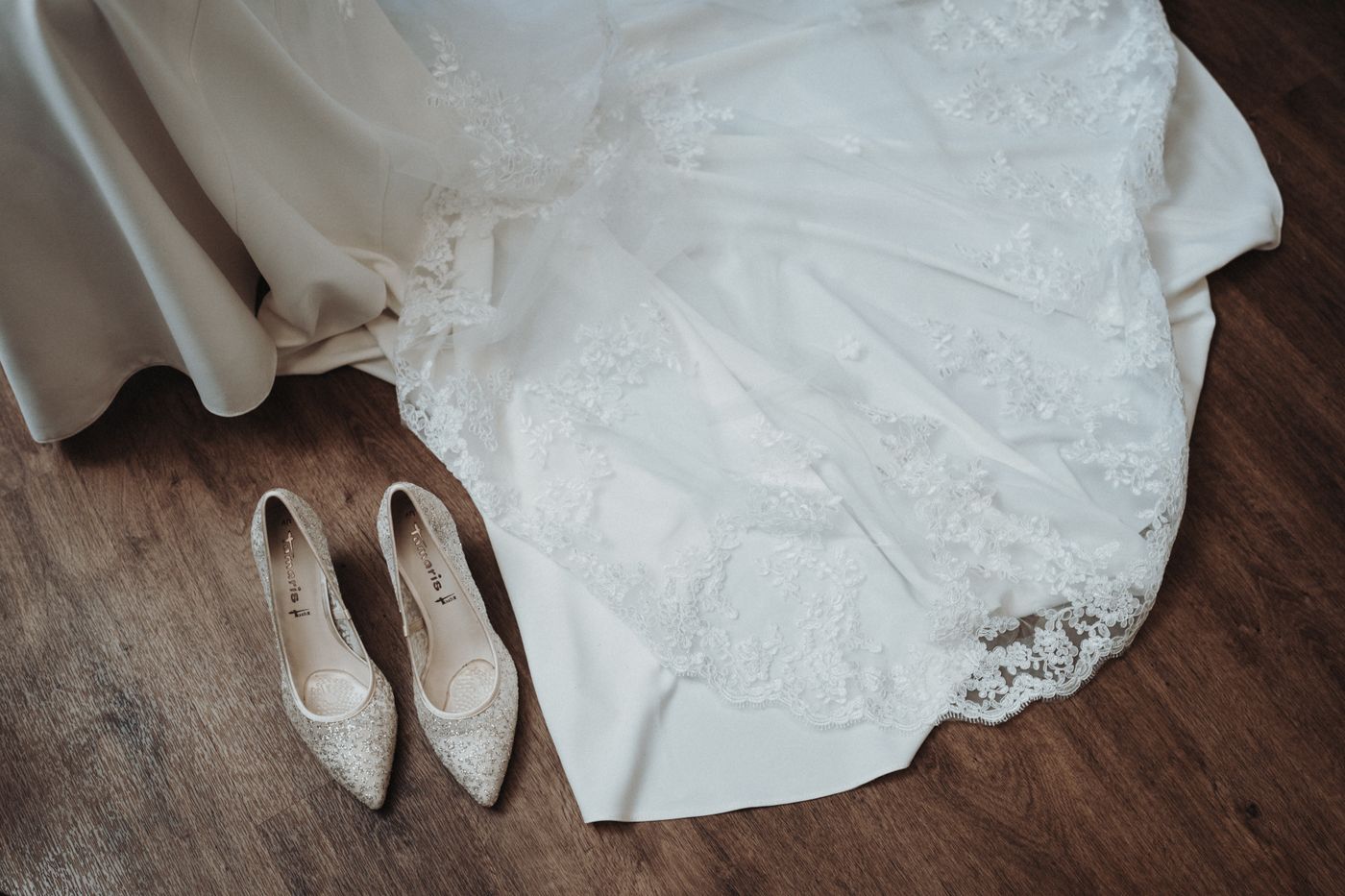
Foto: Masood Aslami · Pexels
Check under the arms and along the zip for yellowing. Sometimes it lifts with professional cleaning. Sometimes it does not. A yellowed armpit on white silk is a warning. That is oxidation, and it is often irreversible. However, if the yellowing is on the hem, it might be from contact with shoes, and that can sometimes be cleaned.
Silk that feels papery has gone brittle. Run your fingers across the fabric. If it crackles, walk away. The fibres have broken down. That gown will not survive another wearing, let alone your wedding day. Also, check for stress marks at the seams. Gently pull the fabric. If it stretches but does not bounce back, the silk has lost its elasticity.
Always budget for cleaning and alterations before you fall in love with the price. A 100 euro gown might need 200 euros of work. That is fine, as long as you know. Professional dry cleaning for antique silk in Tokyo costs around 50 to 100 euros. A good seamstress will charge 30 to 50 euros per hour. Plan for two to three hours of work.
One last thing: try it on properly. Walk around in it. Sit down. Raise your arms. Bend over. A vintage bridal piece that only works standing still is not going to survive your actual life. You will dance, hug, cry, eat. The gown must move with you. If it does not, either have it altered or move on. There is always another one.
The Art of the Hunt
Finding the right vintage bridal piece in Tokyo is not a chore. It is a pleasure. The city's obsession with order and beauty extends to secondhand. You will not find dusty piles of clothes. You will find carefully folded garments, each with a history, each waiting for a new story.
Remember the story of the 1960s gown from Pass The Baton. The previous owner wore it at the Tokyo Hilton in 1968. She danced to 'The Sound of Music' soundtrack. The note card said she wanted it to be worn again, not kept in a box. That is the spirit of vintage bridal in Tokyo. It is not about preserving the past. It is about giving it a future.
So go. Walk into RAGTAG on a Tuesday morning. Take your time. Ask questions. The staff know their stock. They will tell you which piece has been waiting for the right person. And when you find the one, when the lace feels right against your skin, when the silk moves as if it was made for you, you will understand why old lace wins in Tokyo.
City
Tokyo
Category
bridal vintage
Published
8 August 2026
Where to find it
Shop the signals
What the market is offering right now on this exact subject.
The names
Meet the designers
The minds behind this story — each with a piece currently on the market.
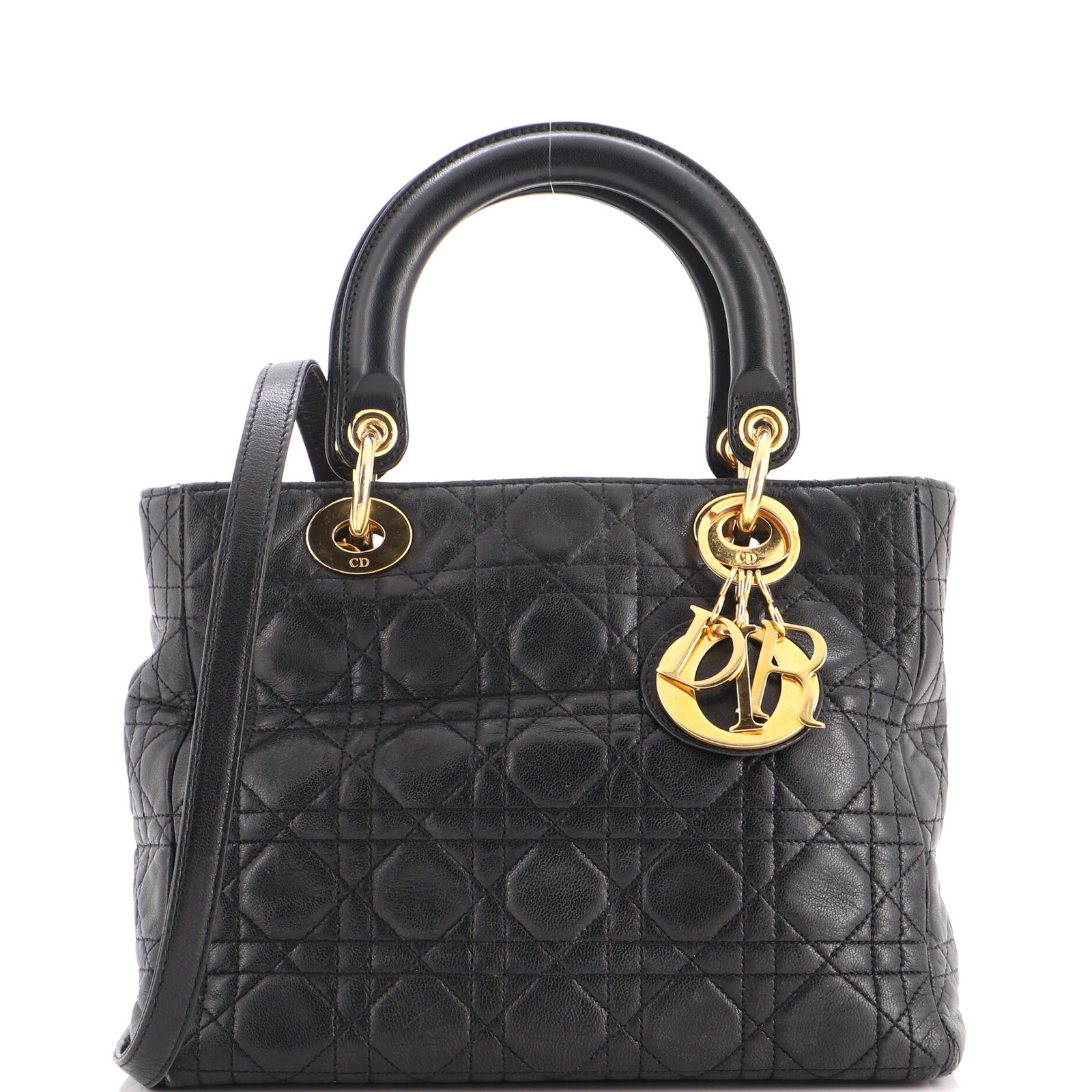
Dior
France · 1940s
The New Look & the Lady Dior
The New Look & the Lady Dior
Top piece
View →
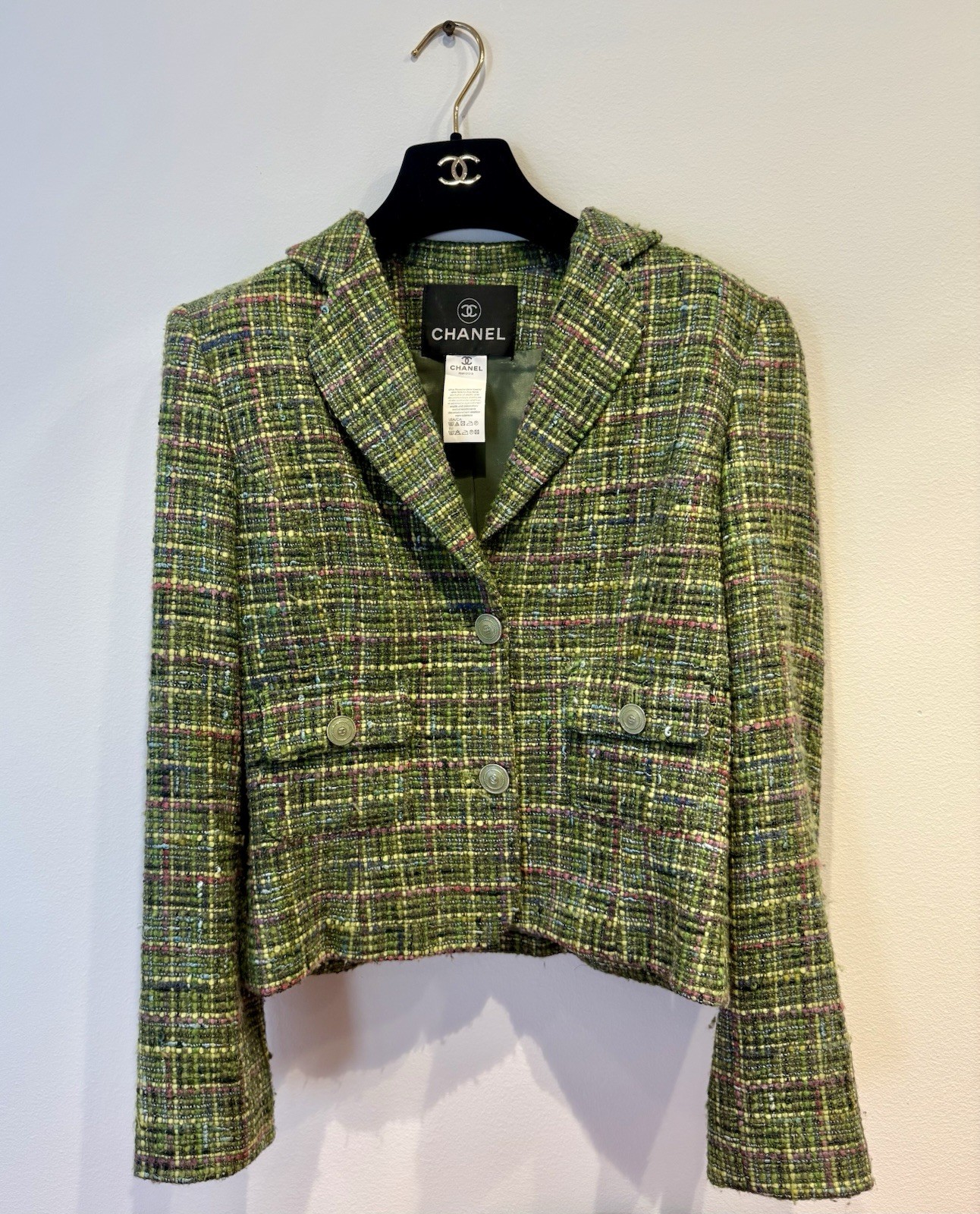
Chanel
France · 1910s
The little black dress & the 2.55
The little black dress & the 2.55
Top piece
View →
Issey Miyake
Japan · 1970s
Pleats Please & techno-fabric
Pleats Please & techno-fabric
Top piece
View →
Yohji Yamamoto
Japan · 1970s
Black, drape & poetic deconstruction
Black, drape & poetic deconstruction
Continue the edit
Further stories from the same world
Three more walks through the same vintage universe.

How to Wear a Faded Tour Tee in Tokyo
A band tee is a souvenir somebody else brought home. The faded print, the softened cotton, the fact that it survived thirty years of washing.
Read the story →
Why Old Jeans Beat New Ones in Tokyo
In Tokyo, vintage denim is not a trend. It is a category of craftsmanship. The jeans that survive from the 1970s and 1980s were cut on machines that no longer exist, with cotton that was woven slowly and dyed with indigo that fades in layers, not all at once.
Read →
The Small Bag Guide for Tokyo
It is 2025, and the small shoulder bag is everywhere. But the ones in the windows of Ginza department stores are not the ones I want.
Read →