
 Sign in
✦ Culture · Tokyo
Why Details Matter Most in Tokyo
Gloves, belts, sunglasses, hats. The accessories rail is where vintage is still genuinely cheap and still genuinely good.
 By Louis Trash·
Why Accessories Matter Now
Gloves, belts, sunglasses, hats. The accessories rail is where vintage is still genuinely cheap and still genuinely good. These are the details that make an outfit look assembled rather than bought. A woman in a plain trench coat and 1960s tortoiseshell sunglasses reads as intentional. The same coat with new sunglasses reads as rushed.
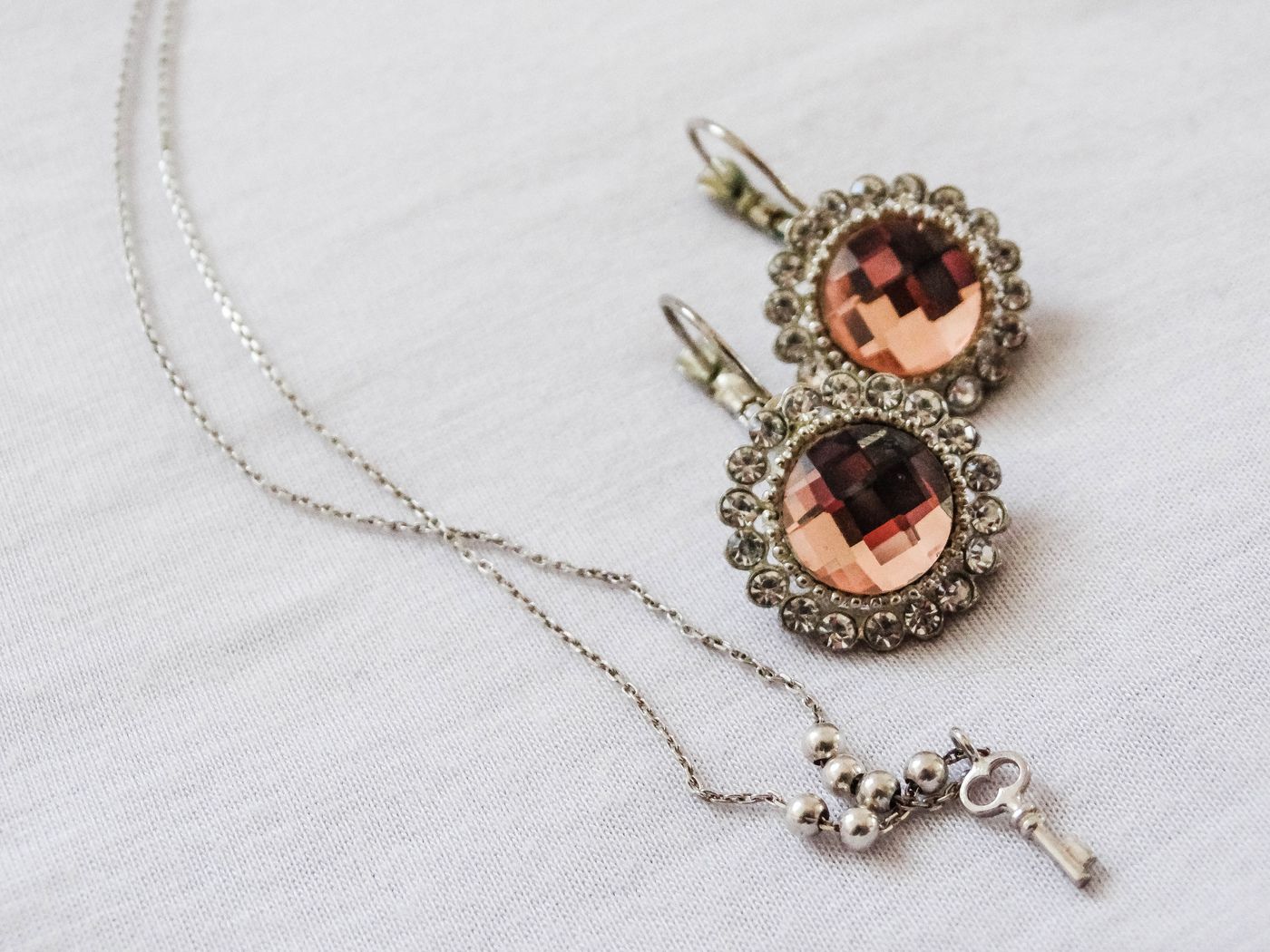
Foto: Romina BM · Pexels
In a city where a used Hermès scarf arrives in a protective sleeve with a condition report, you learn to trust the system. The Japanese word for secondhand, churitto, carries no stigma. It means 'pre-loved' with a reverence that borders on religious.
My first Tokyo accessory purchase was a pair of 1970s Cazal sunglasses from a shop in Koenji. The seller, a man in his sixties with white gloves, handled them like museum pieces. He pointed out the original case, the scratch on the right lens that he'd photographed in advance, and the exact year of manufacture from the hinge stamp. I paid ¥8,000, about £45. They've outlasted three pairs of new ones.
How to Wear It
A proper leather belt with a heavy buckle upgrades every pair of trousers you own. It pulls a silhouette together in a way that a thin, modern belt never will. Look for a belt that is at least 3cm wide, with a solid brass or silver buckle. The leather should have a matte finish, not shiny. Wear it high on the waist, over a dress or with high-waisted trousers, to lengthen the leg.
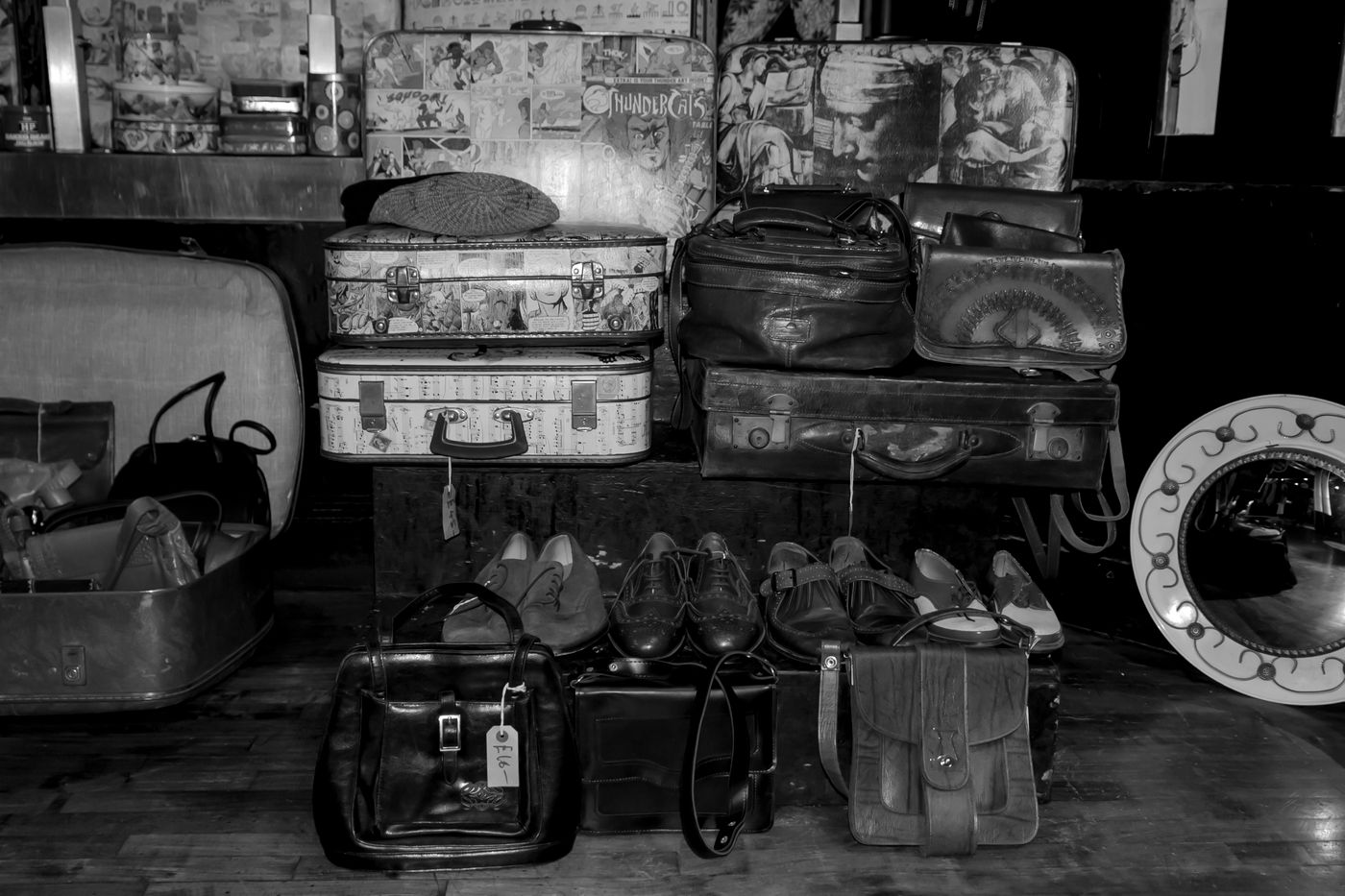
Foto: Shay Gordon · Pexels
Old sunglasses sit closer to the face. Choose a frame narrower than feels safe. The 1960s and 1970s frames were designed for smaller faces, and they flatter a mature face without swamping it. A good rule: if the frame touches both temples and sits without sliding when you nod, it's right. Avoid oversized sunglasses from the 1990s unless you're going for a specific look.
Leather gloves with a plain coat is the cheapest way to look expensive in winter. In Tokyo, where winter is dry and crisp, a pair of lined leather gloves in tan, black, or deep burgundy transforms a simple wool coat. Choose gloves that are snug at the wrist, with a button or snap closure. They should not gap when you bend your hand.
Hats are the boldest accessory. A felt cloche from the 1920s or a wide-brimmed fedora from the 1940s adds instant character. Wear them with confidence, but not with sportswear. A hat works with a tailored coat, a silk scarf, and leather gloves. It does not work with a puffer jacket.
Where to Find Yours in Tokyo
Tokyo's vintage accessory scene is concentrated in Harajuku and Omotesando, but the best finds are often in less obvious places. Here are the shops I trust.
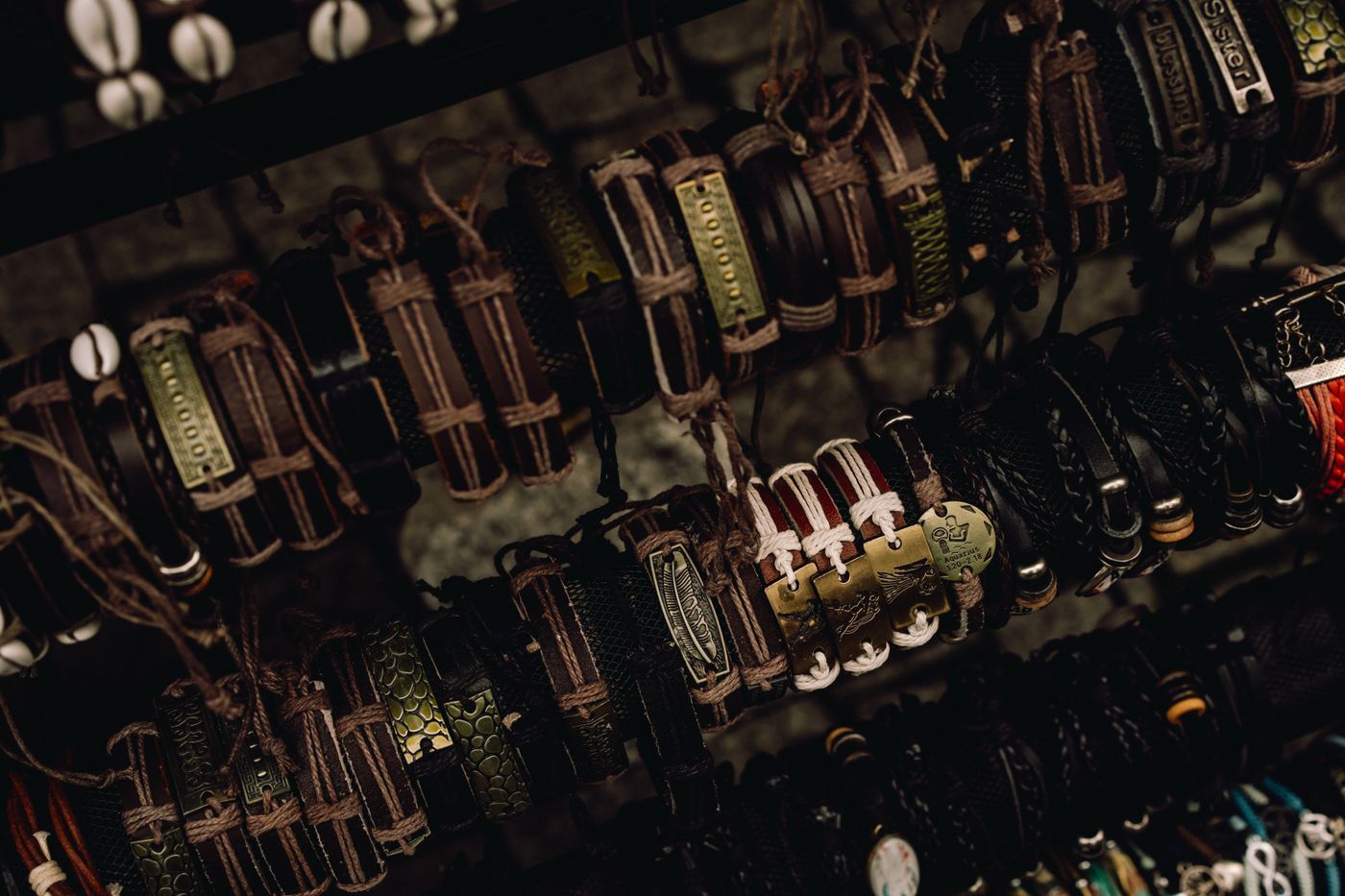
Foto: Katia Miasoed · Pexels
RAGTAG Harajuku (6-14-2 Jingumae, Shibuya) — authenticated designer resale over several floors, from around 20 euros. The accessories floor is on the third level, with glass cases for jewellery and open racks for belts and scarves. They have a strict authentication process, so you can buy with confidence. I once found a 1980s Yves Saint Laurent belt there for ¥4,000, about £22, in near-mint condition.
Kindal Harajuku (4-26-27 Jingumae, Shibuya) — stock turns weekly, come back often, from around 45 euros. This is the place for sunglasses and hats. They have a rotating display of vintage sunglasses, many from Japanese brands like Masunaga and Matsuda, which are world-class. The staff are knowledgeable about era and condition. Ask to see the drawer under the counter; that's where they keep the best pieces.
Chicago Jingumae (6-31-21 Jingumae, Shibuya) — the basement is where it gets interesting, from around 60 euros. The basement has a chaotic but rewarding selection of accessories, including boxes of vintage gloves and scarves. It's a treasure hunt, so set aside an hour. I found a pair of 1940s kid leather gloves there, still with their original box, for ¥3,500.
Pass The Baton Omotesando (5-13-13 Jingumae, Shibuya) — consignment with the previous owner's story attached, from around 90 euros. This is a beautiful, curated shop where each item comes with a small card describing its history. The accessories are displayed like art. I bought a 1960s silk scarf there with a note from the previous owner, a French woman who had worn it in Paris. It cost ¥12,000, but the story made it worth it.
Go on a weekday morning if you can. The rails are fullest before the weekend crowd arrives, and staff have time to show you what came in overnight. Tuesday and Wednesday are best, after the weekend's trade-ins have been processed.
What to Look For
Belts should be full-grain leather. Check the cut edge for layers, which means bonded and will crack. Full-grain leather has a natural, slightly rough edge. Bonded leather looks like compressed dust. Run your finger along the edge. If it feels smooth and uniform, it's likely bonded. Also check the buckle: solid metal, not plated, and it should have some weight. A buckle that feels hollow will break.

On sunglasses, look at the hinges: metal barrels beat moulded plastic. Metal barrel hinges are a sign of quality, and they allow for adjustment. Moulded plastic hinges are brittle and will snap. Also check the lenses for scratches. You can replace them, but original lenses are worth more. If the frame is acetate, it should be solid, not flaking. The colour should be consistent, not faded in patches.
For hats, check the sweatband for a maker's name and make sure the felt has not gone soft and shapeless. A good hat has a leather or cloth sweatband with a brand stamp. The felt should be firm but flexible. If it crumples in your hand and doesn't spring back, it's past its prime. Also check the brim for permanent creases that won't steam out.
For gloves, look at the seams. Leather gloves should have neat, even stitching. Check the lining for wear. A worn lining means the gloves have been used heavily. The leather should be supple, not stiff. A stiff leather will crack when you bend your fingers. And check the buttons or snaps: they should be secure and not rusted.
The Final Check
One last thing: try it on properly, walk around in it, and sit down. A vintage accessory that only works standing still is not going to survive your actual life. In Tokyo, the staff expect you to take your time. They will hand you a mirror and a chair. Use them.
I once tried on a 1950s hat in a shop in Shibuya. It looked perfect in the mirror, but when I sat down, the brim hit the back of the chair and tilted forward. The saleswoman shook her head and said, 'That one is for standing.' She pulled out a different hat, a cloche from the 1920s, that sat perfectly when I sat down. I bought that one. It's the only hat I own that I can wear to dinner.
The best vintage accessory is the one that becomes part of your life. It will get scratched, worn, and loved. In Tokyo, you're not just buying an object; you're buying a piece of someone else's history, and you're adding your own. That's the real value.
City
Tokyo
Category
vintage accessories
Published
8 August 2026
Where to find it
Shop the signals
What the market is offering right now on this exact subject.
designer-bags
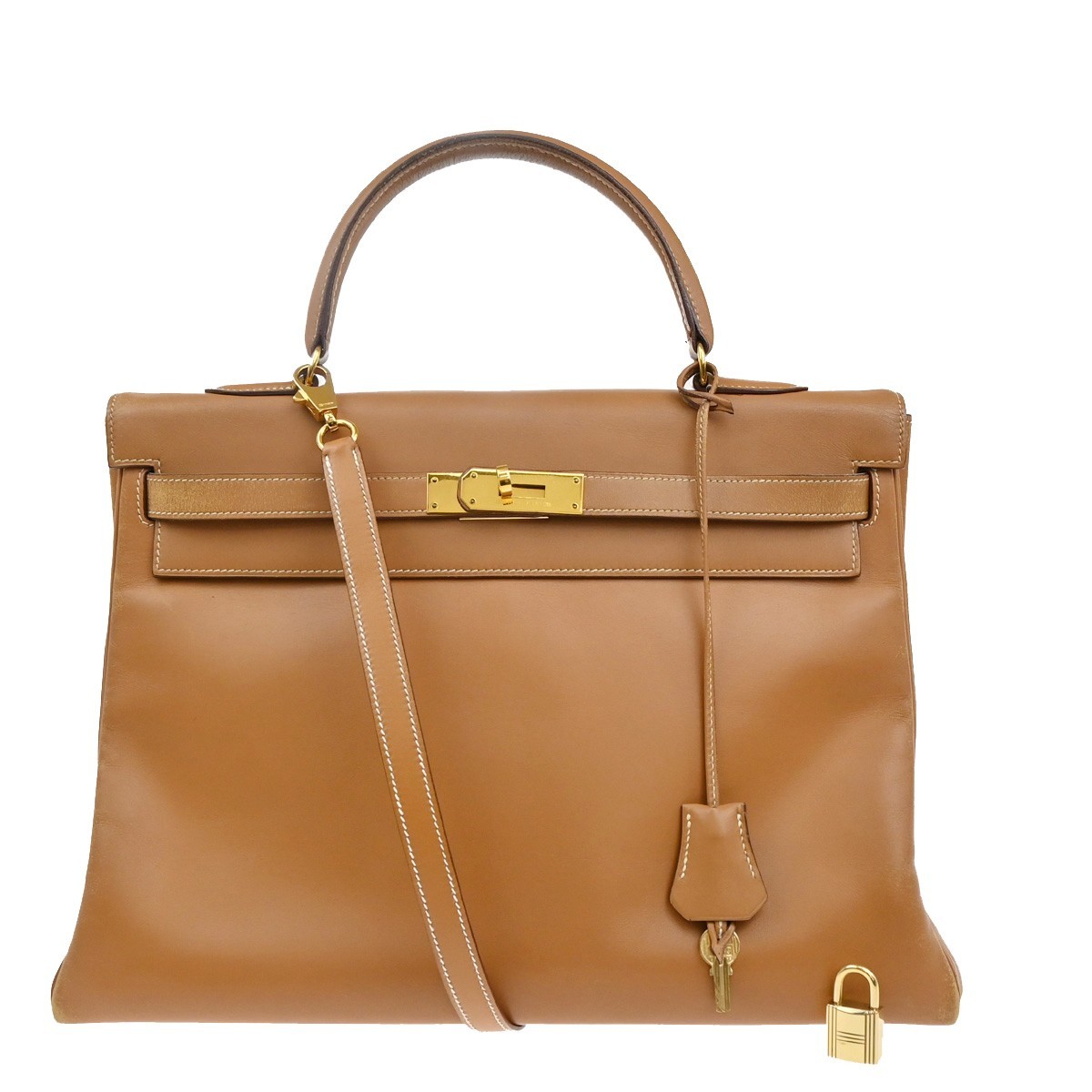
HERMES Kelly 35 2Way Shoulder Hand Bag Chamonix Leather Brown Vintage 247RF960
designer-bags
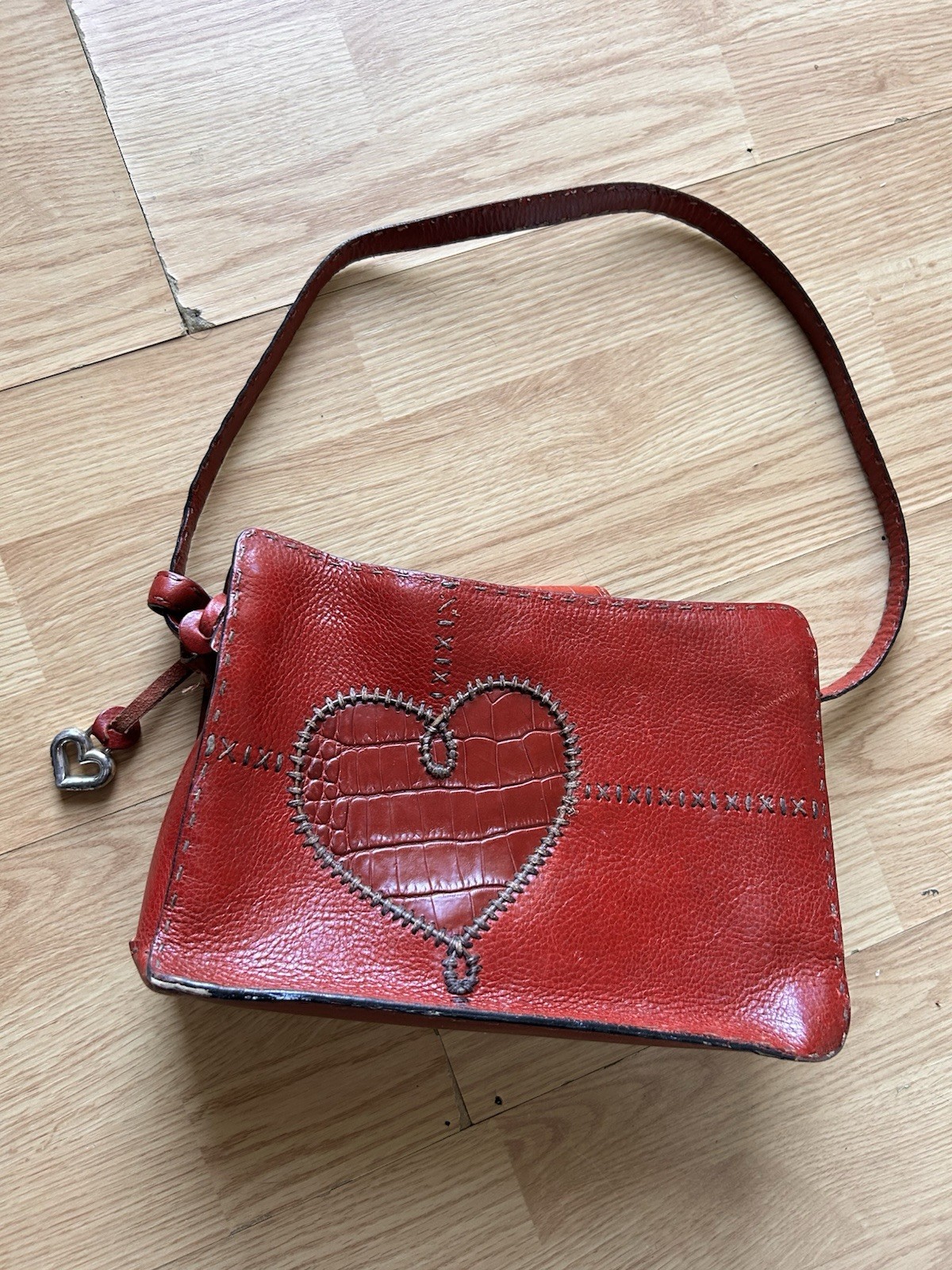
Brighton Red Leather Heart Stitched Shoulder Bag Purse Vintage
designer-bags
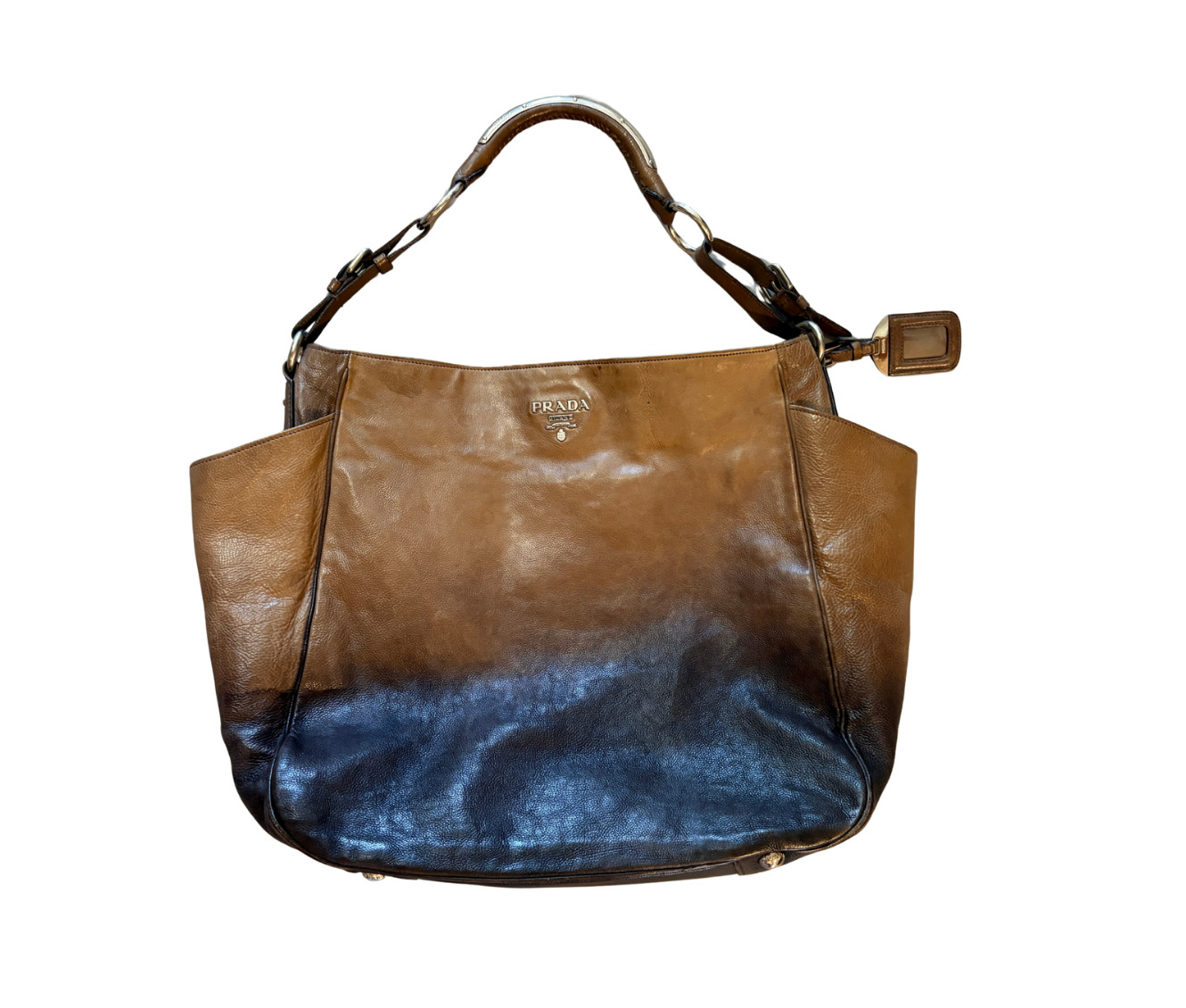
Prada Vintage 2007 Archival Sfumato Ombre Glace Leather Shoulder Bag Hobo Silver
![[Pre-owned] Hermes Vintage H Buckle Elastic & Leather Belt Brown Gold Canvas](https://otis.thevintageguide.com/api/city-intelligence/api/image-proxy?url=https%3A%2F%2Fi.ebayimg.com%2Fimages%2Fg%2FaxkAAeSwSHBqiW7C%2Fs-l1600.jpg)
designer-bags
[Pre-owned] Hermes Vintage H Buckle Elastic & Leather Belt Brown Gold Canvas
stoelen
Small Office Chair Mid Century Modern Desk Chair Vintage Leather Computer Chair
designer-bags
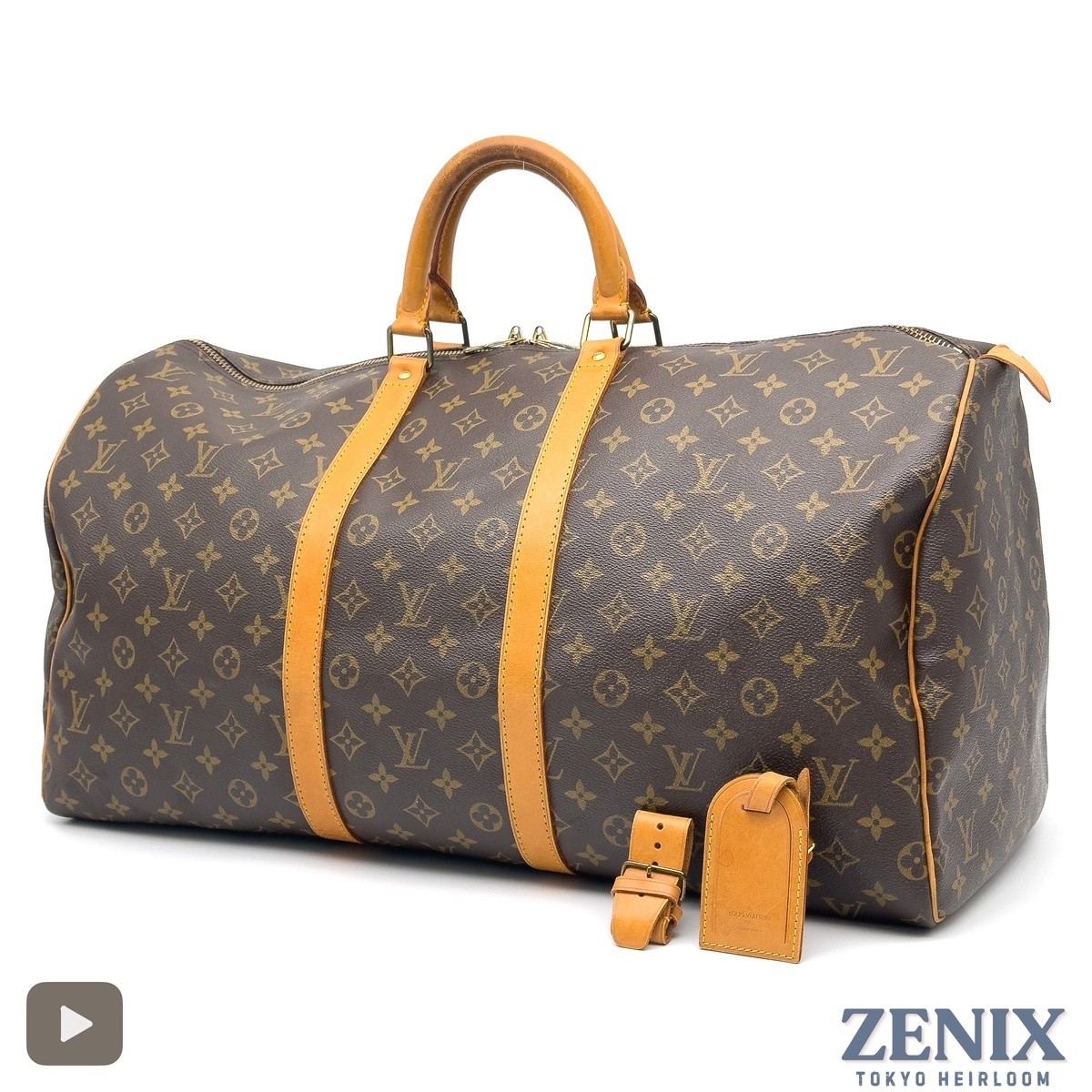
Louis Vuitton Keepall 55 Monogram Canvas Leather Duffle Bag France Vintage Auth
designer-bags
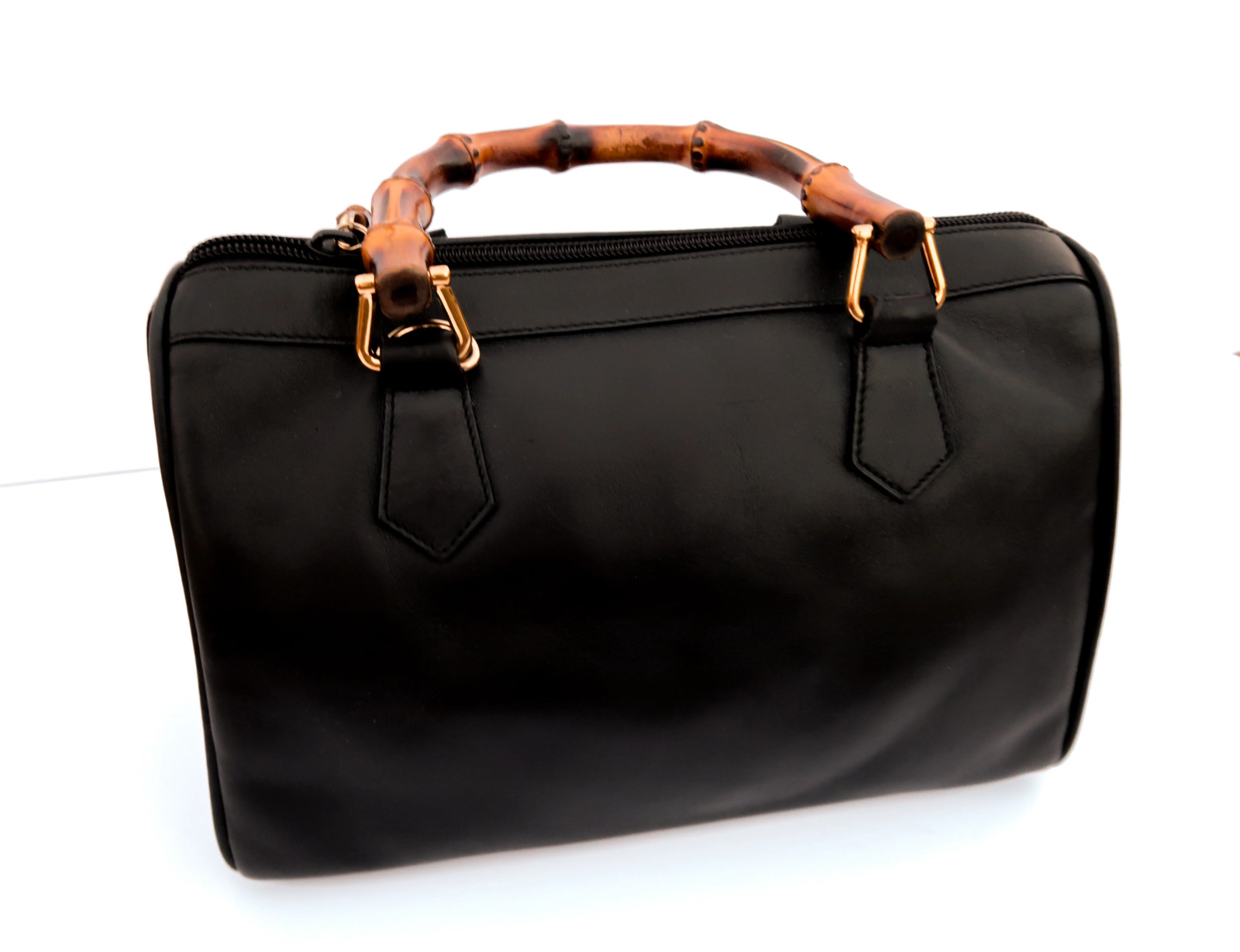
Gucci Vintage Bamboo Leather Boston Bag – Black
curiosa
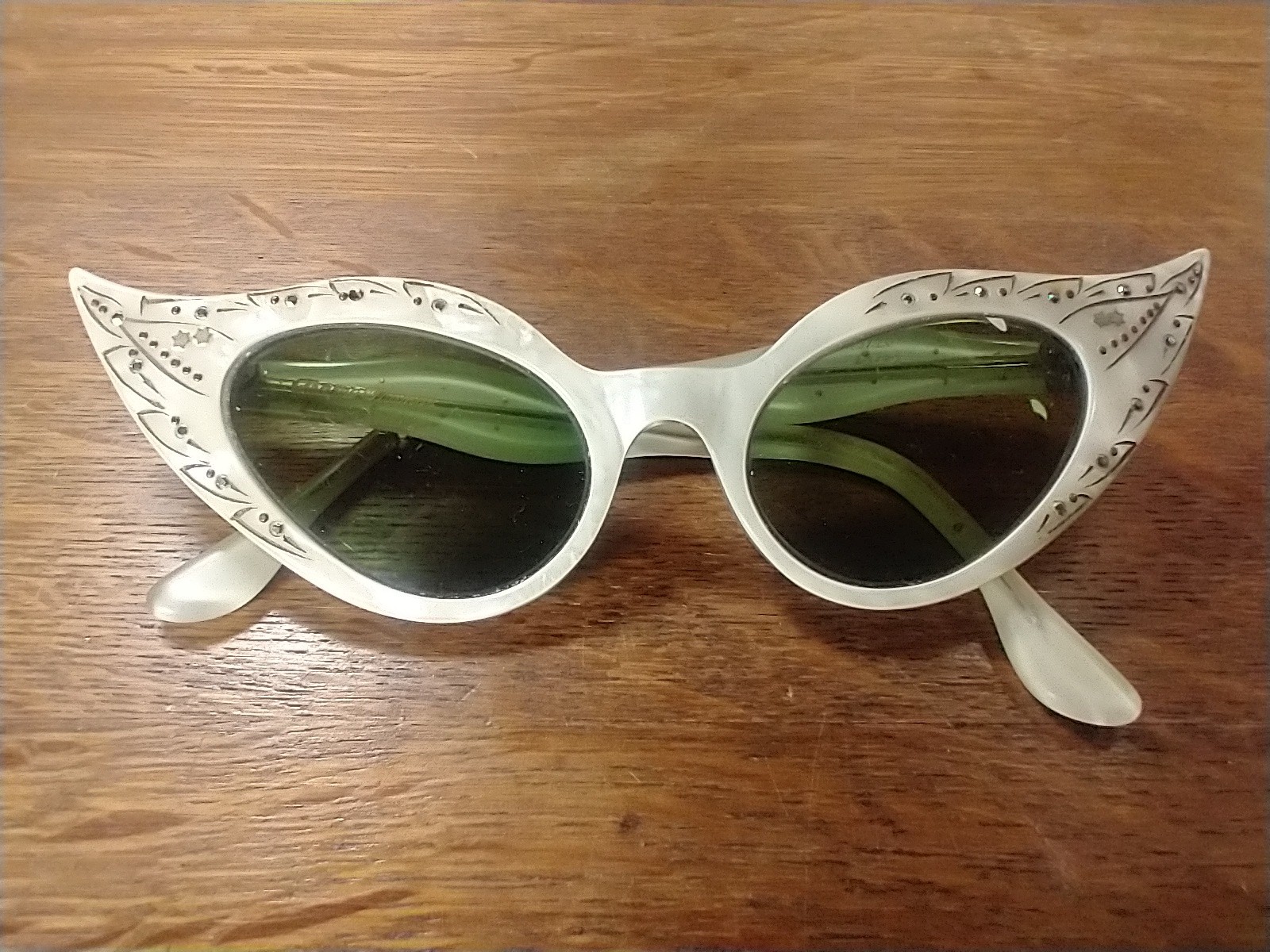
Vintage 1950s Frame France Cat Eye Sunglasses Rhinestone Inlay Mid Century 46-20
The names
Meet the designers
The minds behind this story — each with a piece currently on the market.
Hermès
France · 1830s
The Birkin, the Kelly & the silk carré
The Birkin, the Kelly & the silk carré
Top piece
View →
Yohji Yamamoto
Japan · 1970s
Black, drape & poetic deconstruction
Black, drape & poetic deconstruction
Top piece
View →
Børge Mogensen
Denmark · 1940s
The Spanish chair — honest, functional furniture for everyday life.
The Spanish chair — honest, functional furniture for everyday life.
Top piece
View →
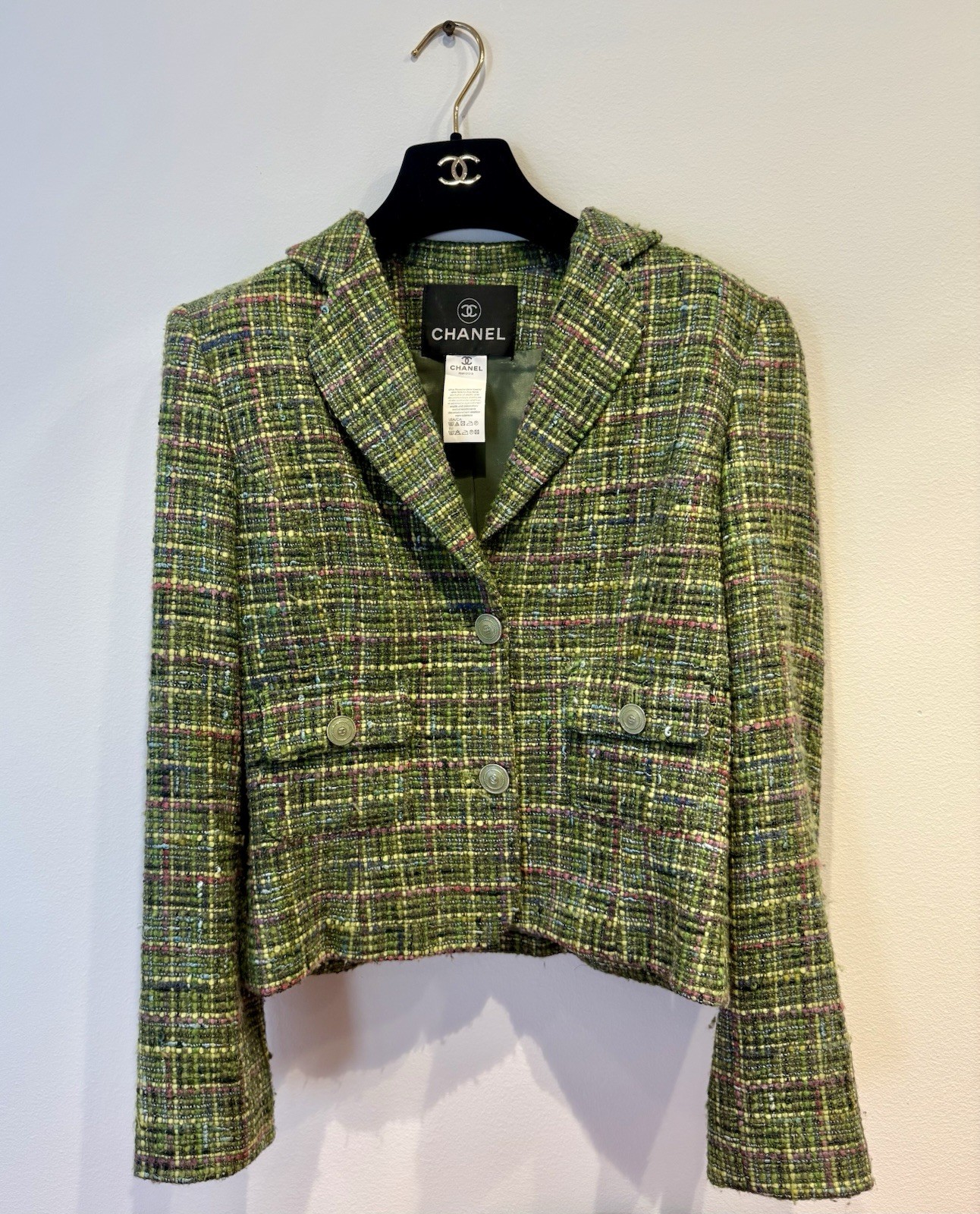
Chanel
France · 1910s
The little black dress & the 2.55
The little black dress & the 2.55
Top piece
View →
Continue the edit
Further stories from the same world
Three more walks through the same vintage universe.

How to Wear a Faded Tour Tee in Tokyo
A band tee is a souvenir somebody else brought home. The faded print, the softened cotton, the fact that it survived thirty years of washing.
Read the story →
Why Old Jeans Beat New Ones in Tokyo
In Tokyo, vintage denim is not a trend. It is a category of craftsmanship. The jeans that survive from the 1970s and 1980s were cut on machines that no longer exist, with cotton that was woven slowly and dyed with indigo that fades in layers, not all at once.
Read →
The Small Bag Guide for Tokyo
It is 2025, and the small shoulder bag is everywhere. But the ones in the windows of Ginza department stores are not the ones I want.
Read →