
 Sign in
♛ Designers · Milan
The Quiet Power of a Good Chair
A well-made chair is a daily companion, not a status symbol. Here is how to find one that will outlast you.
 By Louis Trash·
Photo by Daryan Shamkhali on Unsplash
The Chair as a Room's Conscience
A chair is the most intimate piece of furniture you own. You sit in it. You eat in it. You read in it. You argue in it. A sofa is a communal creature, but a chair is personal. When you buy a vintage chair, you are buying a tool for living, not a piece of history to put behind glass. The best ones, the ones that stay in families for generations, are those that were designed to be used, not admired from a distance.
I have a 1952 Eames DCM in my study. It cost me $1,200 three years ago, which felt like a lot at the time. It has a fiberglass shell, a zinc-plated steel base, and a shock mount that has softened with age. I sit in it every day. The shell has a few scuffs. The base has some rust. I would not trade it for a new one. The chair has a patina that only comes from use. That is the point.
Proportions and Placement
A chair does not exist in isolation. It exists in relation to the room, the light, and the other pieces around it. The first rule of placement is to consider the chair's height relative to the table or desk it will serve. A dining chair with a seat height of 18 inches works with a standard 30-inch table. A lounge chair with a seat height of 15 inches works with a coffee table that is 16 to 18 inches high. Get this wrong and the chair will feel awkward, no matter how beautiful it is.
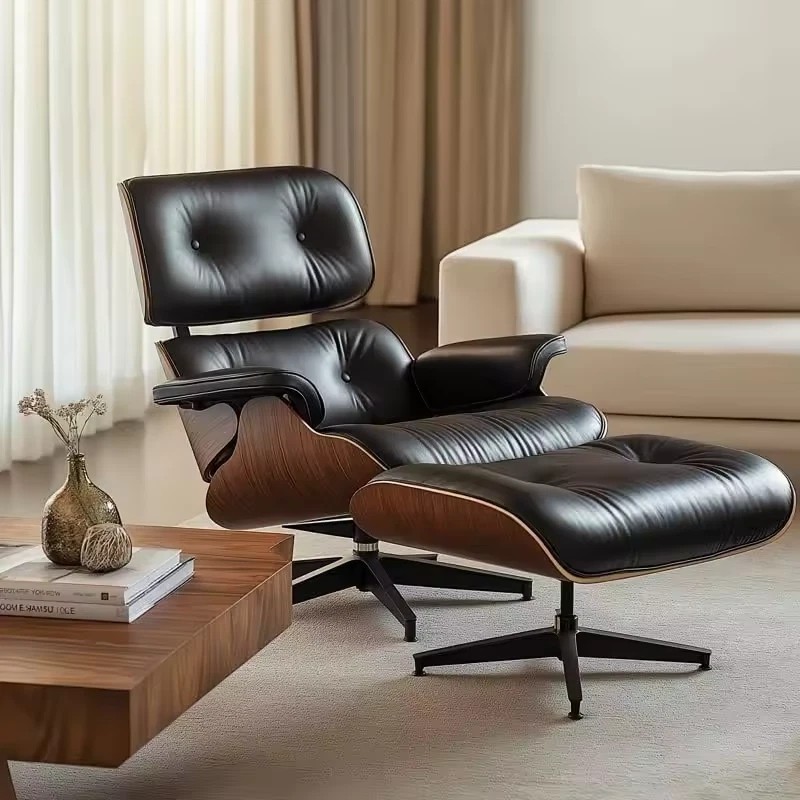
The second rule is to give the chair space. A chair pushed into a corner loses its presence. Pull it out. Let it breathe. A chair placed at an angle to the wall, rather than flush against it, invites conversation. A chair placed near a window becomes a place to read. A chair placed in a hallway becomes a place to pause. The chair should not be an afterthought. It should be a destination.
What to Look For
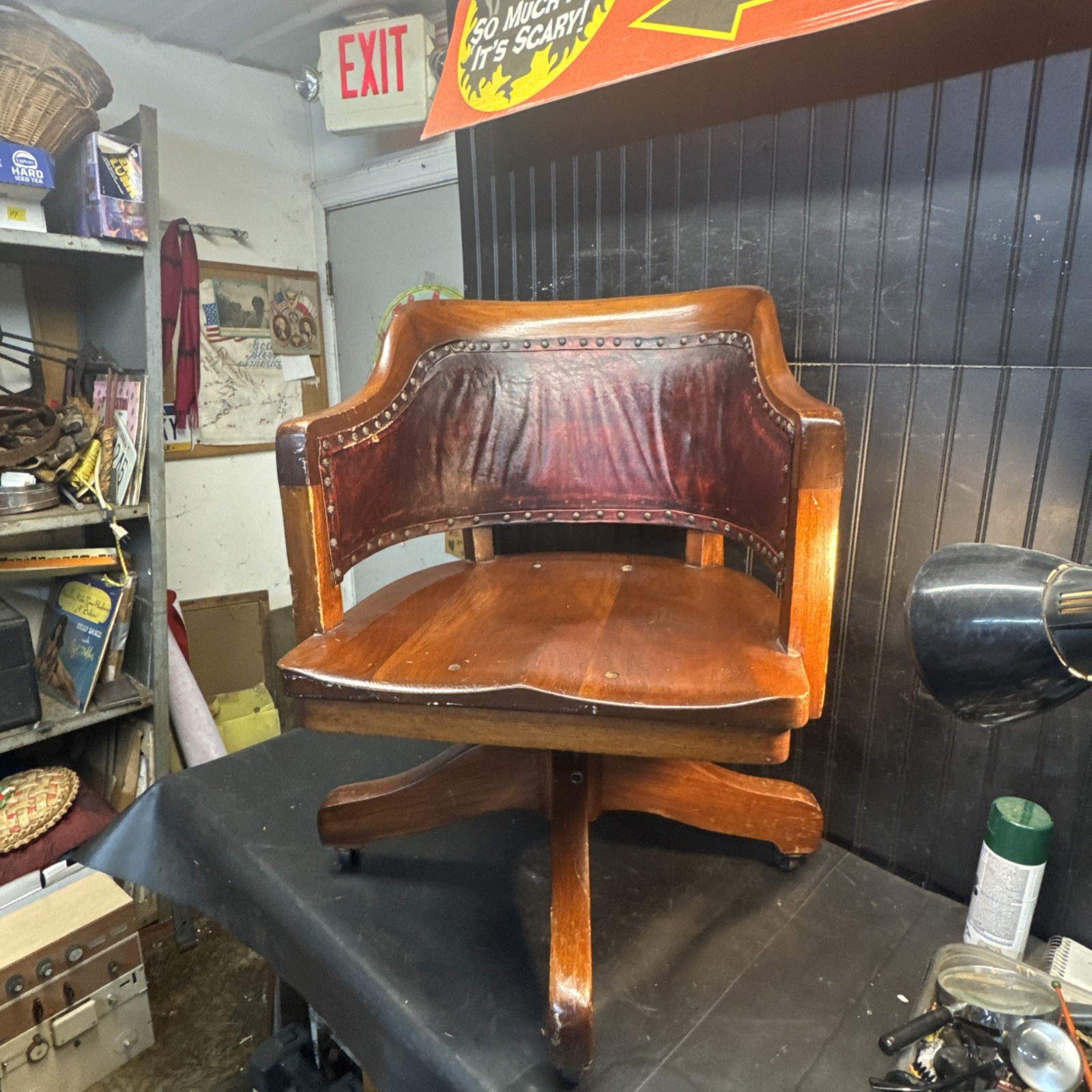
When you are buying a vintage chair, look at the joinery first. Dovetails, mortise-and-tenon joints, and finger joints are signs of quality. Staples and screws are not. Look at the finish. A hand-rubbed oil finish will have a depth that a polyurethane finish lacks. Look at the materials. Solid wood, not veneer. Leather, not vinyl. Wool, not polyester.
Era tells are useful. A chair made in the 1950s will often have a lighter, more delicate frame than one made in the 1970s. A chair made in the 1960s will often have a more sculptural form. A chair made in the 1980s will often have a more angular, post-modern look. These are generalizations, but they hold up more often than not.
Makers matter. Names like Hans Wegner, Arne Jacobsen, and Charles and Ray Eames are well known for a reason. But there are lesser-known makers who produced work of equal quality. Look for the stamp or label. Look for the signature. Look for the model number. If you cannot find any of these, ask questions. A good dealer will know the provenance.
A Short History of Sitting Well
The modern chair as we know it began in the 1920s with the Bauhaus. Marcel Breuer's Wassily chair, designed in 1925, was one of the first to use tubular steel. It was inspired by the handlebars of a bicycle. Breuer believed that furniture should be lightweight, inexpensive, and easy to move. That idea changed everything.
In the 1940s and 1950s, Charles and Ray Eames took Breuer's ideas and ran with them. They experimented with molded plywood, fiberglass, and wire mesh. Their goal was to create a chair that was comfortable, durable, and affordable. The Eames Lounge Chair, introduced in 1956, was a departure. It was luxurious, expensive, and designed for comfort above all else. It was also a commercial success.
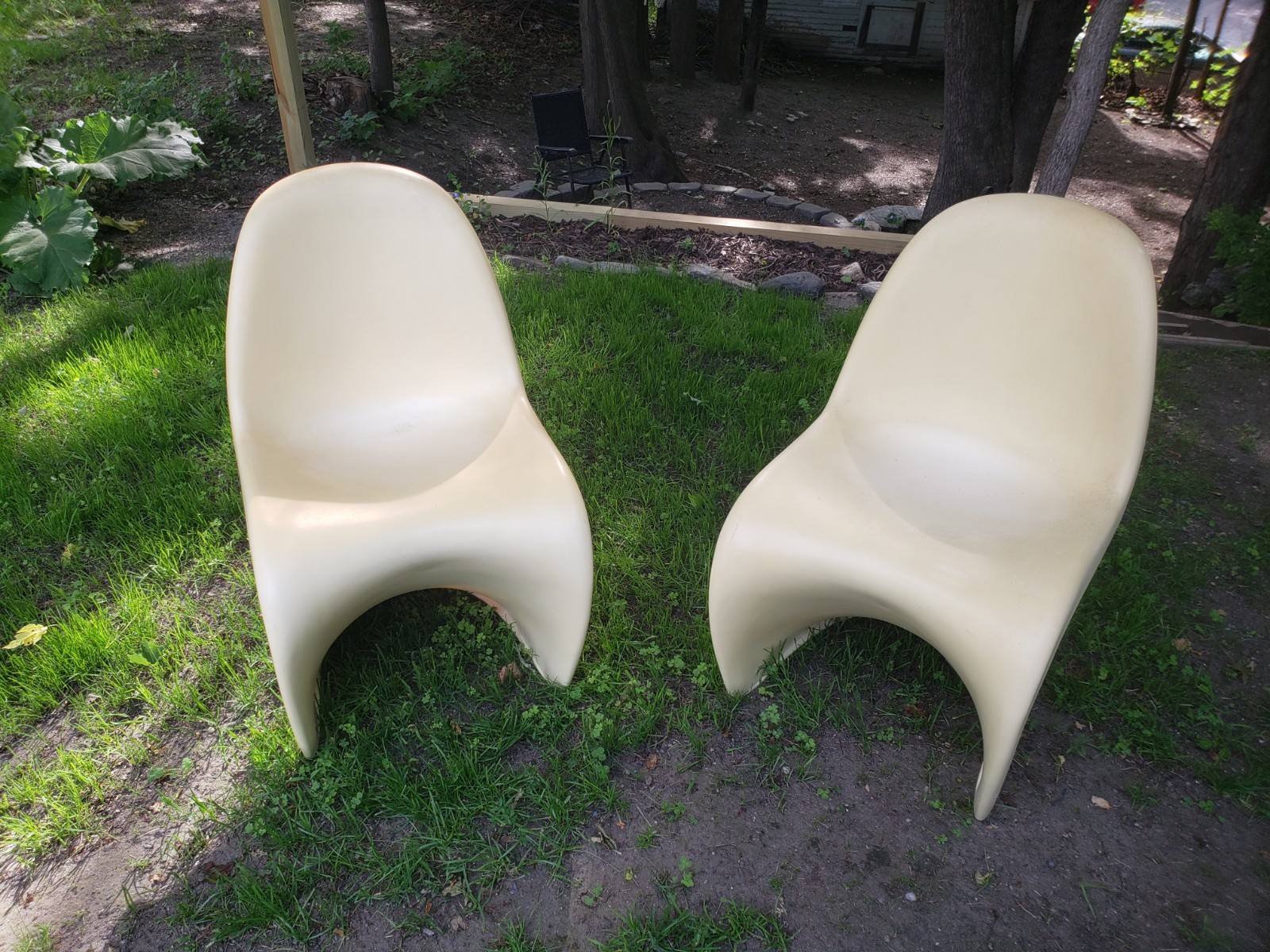
In the 1960s, Verner Panton pushed the boundaries of what a chair could be. His Panton Chair, designed in 1960, was the first chair made from a single piece of molded plastic. It was stackable, colorful, and futuristic. It was also difficult to manufacture. It took nearly a decade to perfect.
Living With It
A vintage chair is not a museum piece. It is a piece of furniture. It will get scratched. It will get stained. It will get sat on. That is what it is for. If you are afraid to use it, you have bought the wrong chair.
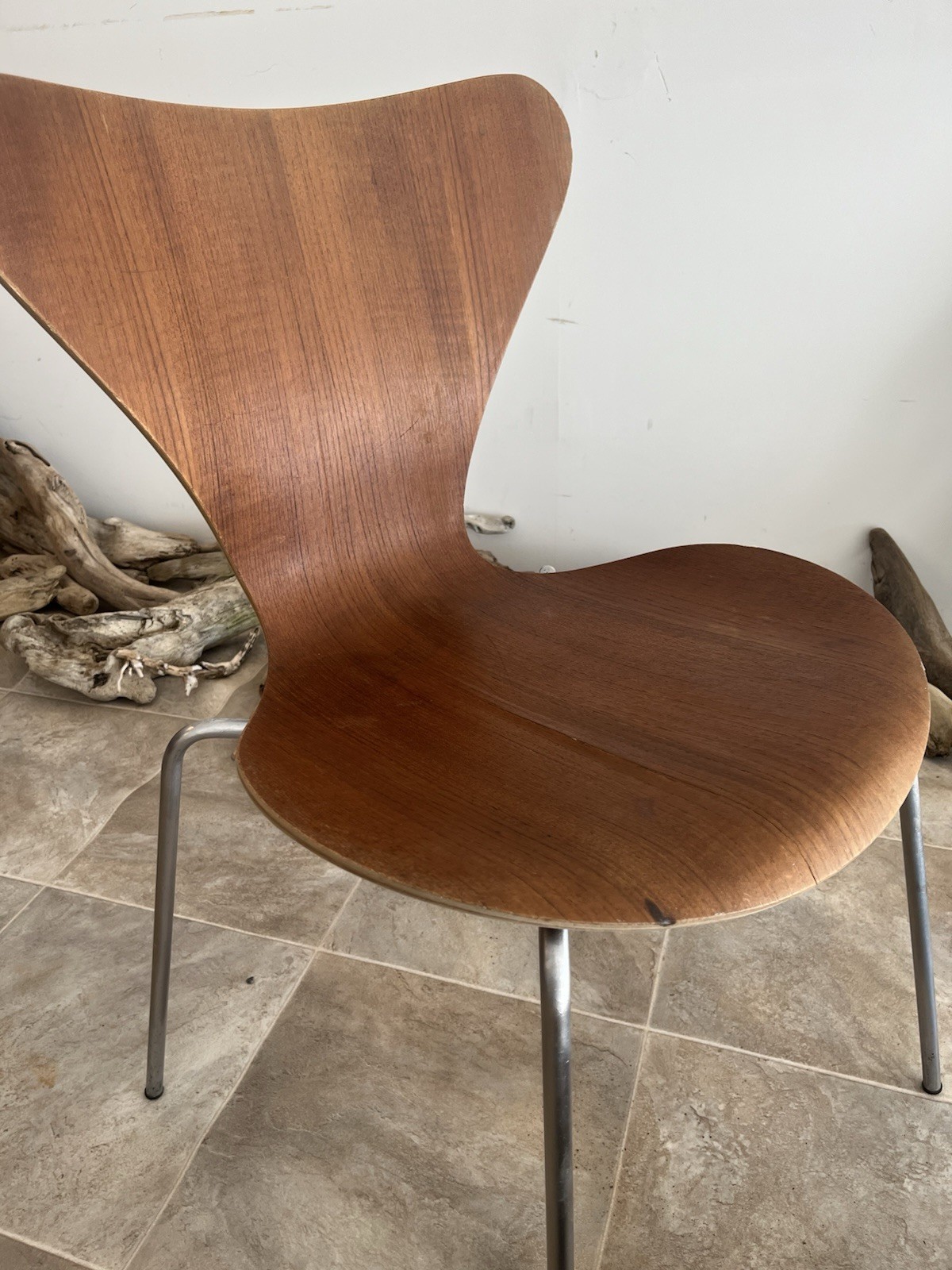
I have a 1965 Arne Jacobsen Series 7 in my kitchen. It has a bent plywood seat and a tubular steel frame. It cost me $400. It has a water ring on the seat from a glass I set down without a coaster. I do not mind. The ring is a reminder of a dinner party I had last summer. The chair is still comfortable. The frame is still solid. It will outlast me.
The best vintage chairs are the ones that become part of your daily life. You do not think about them. You just use them. That is the highest compliment you can pay a piece of furniture. It is also the best reason to buy one.
A Closing Thought
A chair is a simple thing. Four legs, a seat, a back. But the best ones are more than that. They are a record of how we have lived, how we have sat, how we have thought about comfort and beauty. When you buy a vintage chair, you are buying a piece of someone else's life. You are buying the conversations that happened in it, the meals that were eaten in it, the books that were read in it. You are buying a history. And you are adding to it. That is a good deal.
 ♛ The Edit
One to watch
Vintage Pro Tall Eames Lounge Chair With Ottoman Cowhide Leather Armchair Swivel
Design for everyone, made like it was for one. This honestly worn chair in leather carries exactly the quality that made Eames worth collecting in the first place. Some things you wear until they wear you out; this one wears you in.
On the market now
The names
Meet the designers
The minds behind this story — each with a piece currently on the market.
Charles & Ray Eames
USA · 1940s
Moulded plywood & the Lounge Chair — the couple who made modern furniture feel human.
Moulded plywood & the Lounge Chair — the couple who made modern furniture feel human.
Top piece
View →
Arne Jacobsen
Denmark · 1950s
The Egg & the Series 7 — chairs turned into quiet sculpture.
The Egg & the Series 7 — chairs turned into quiet sculpture.
Top piece
View →
Hans J. Wegner
Denmark · 1940s
The Wishbone & 500 chairs — joinery so pure it needs no ornament.
The Wishbone & 500 chairs — joinery so pure it needs no ornament.
Top piece
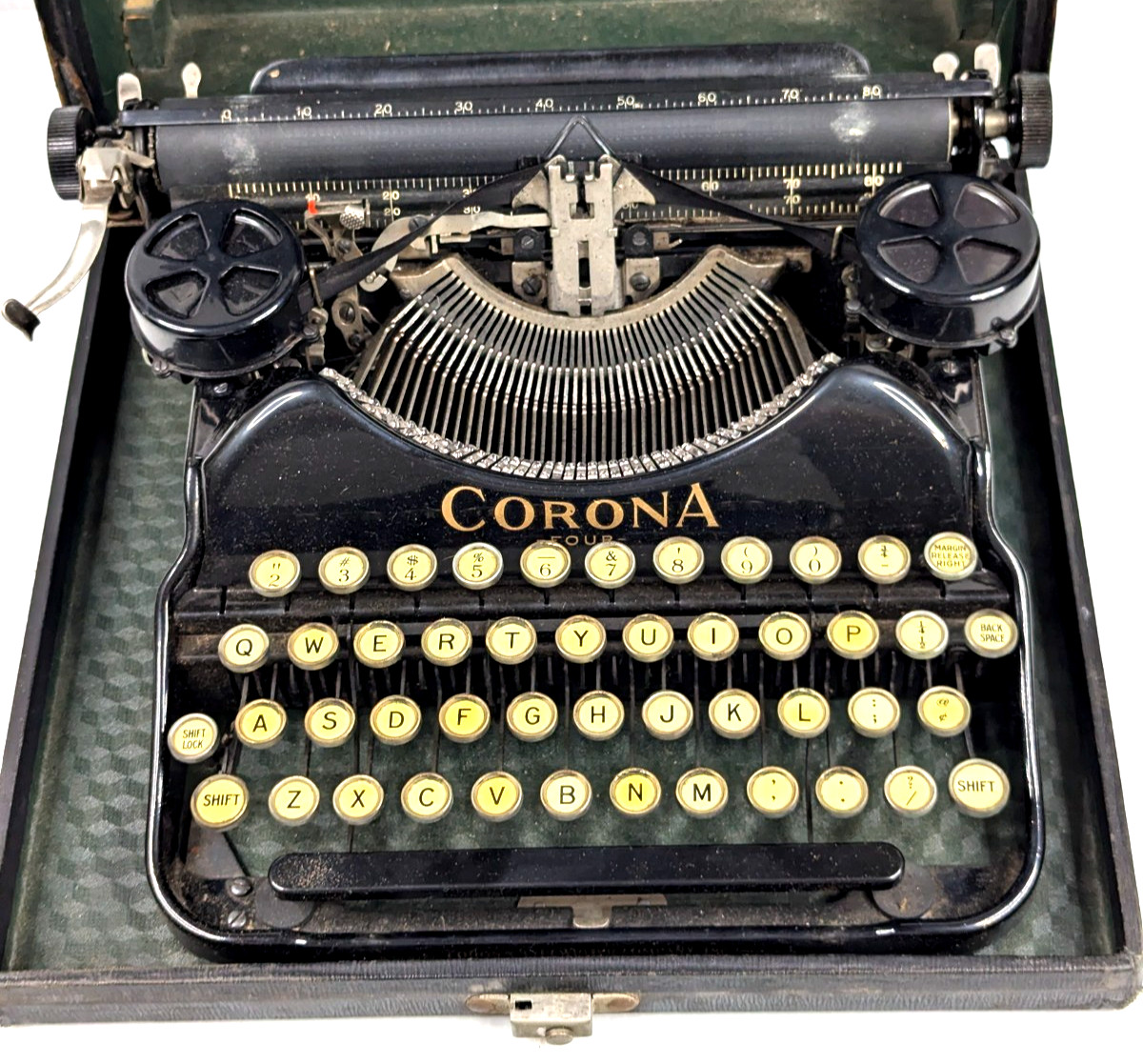
View →
Jean Prouvé
France · 1930s
Structural steel & the Standard chair — an engineer of furniture.
Structural steel & the Standard chair — an engineer of furniture.
Top piece
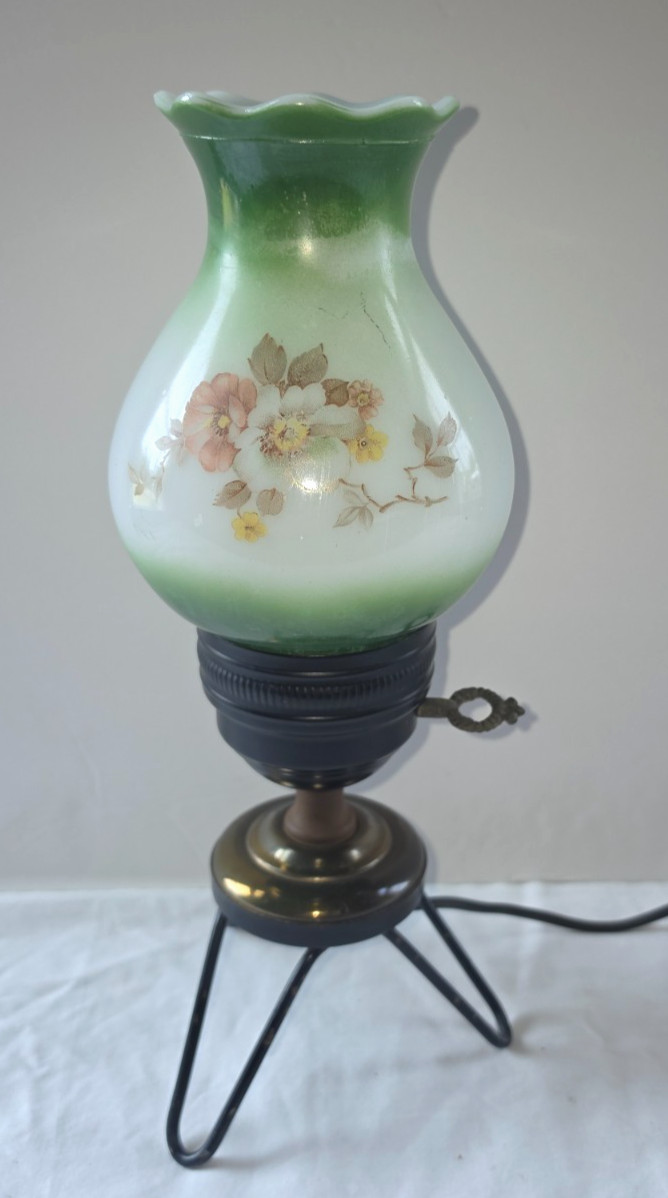
View →
Continue the edit
Further stories from the same world
Three more walks through the same vintage universe.
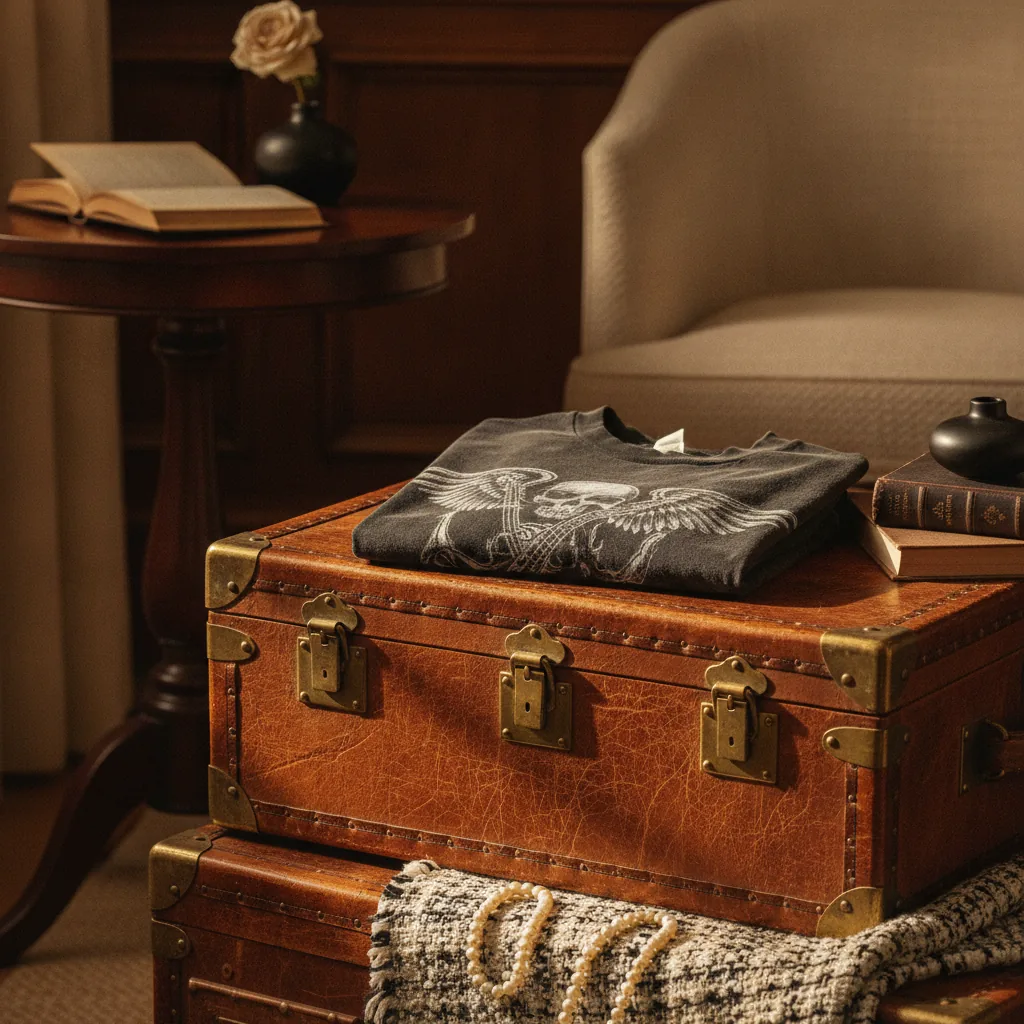
The Vintage Band Tee: Wear It Like You Mean It
A 1978 Rolling Stones jersey from the Some Girls tour. A faded 1991 Nirvana tee with the smiley face. These are clothes, not collectibles. Here is how to wear them without looking like you are in costume.
Read the story →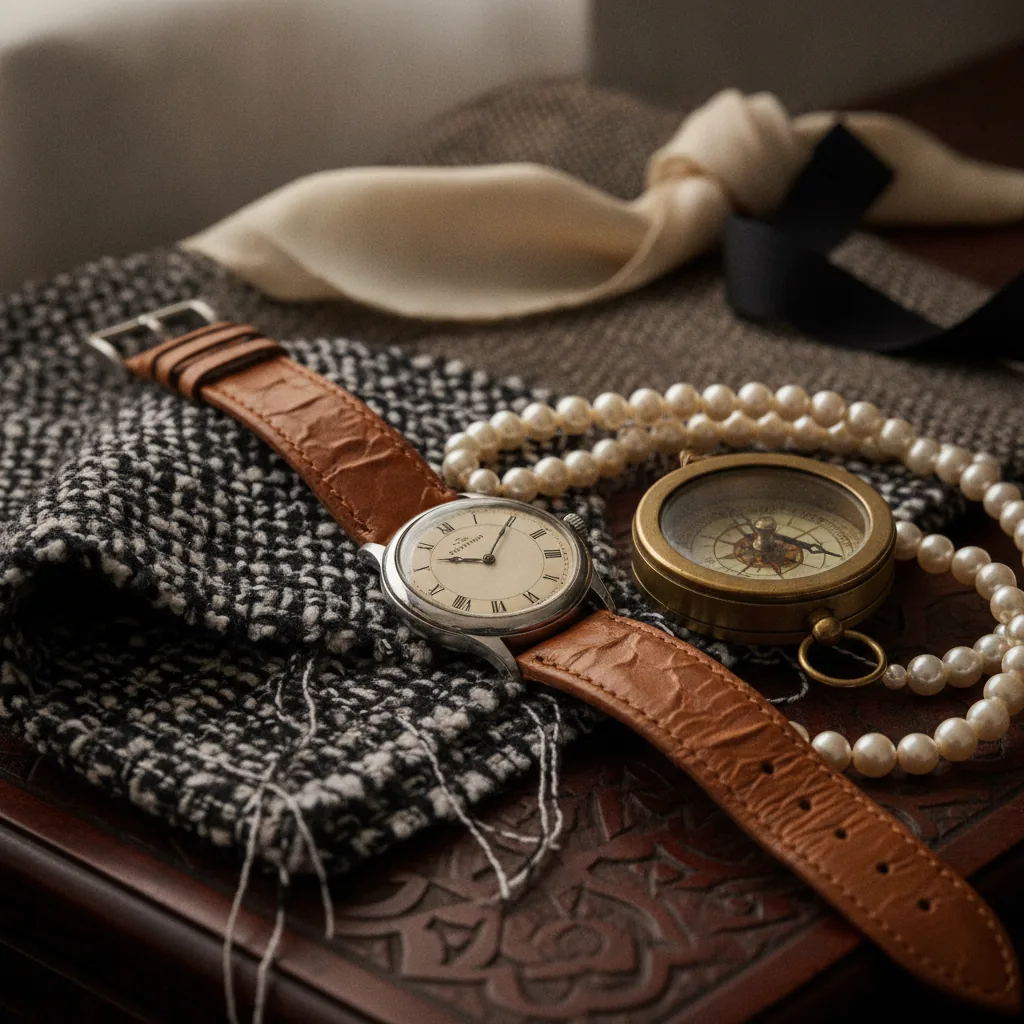
The Quiet Power of a Vintage Watch on a Modern Wrist
A vintage watch is the most personal thing you can wear. It ticks against your skin, keeps its own counsel, and tells anyone who knows how to read it that you are not in a hurry. Here is how to find one worth keeping, and how to wear it like you mean it.
Read the story →The Band Tee, Worn Well: A Vintage Approach
A vintage band tee is not a relic. It's a piece of cultural armor. Here's how to wear one with intention, spot a keeper, and honor its rock-and-roll lineage.
Read the story →