
 Sign in
✦ Culture · Milan
The Quiet Power of a Vintage Watch on a Modern Wrist
A vintage watch is the most personal thing you can wear. It ticks against your skin, keeps its own counsel, and tells anyone who knows how to read it that you are not in a hurry. Here is how to find one worth keeping, and how to wear it like you mean it.
 By Louis Trash·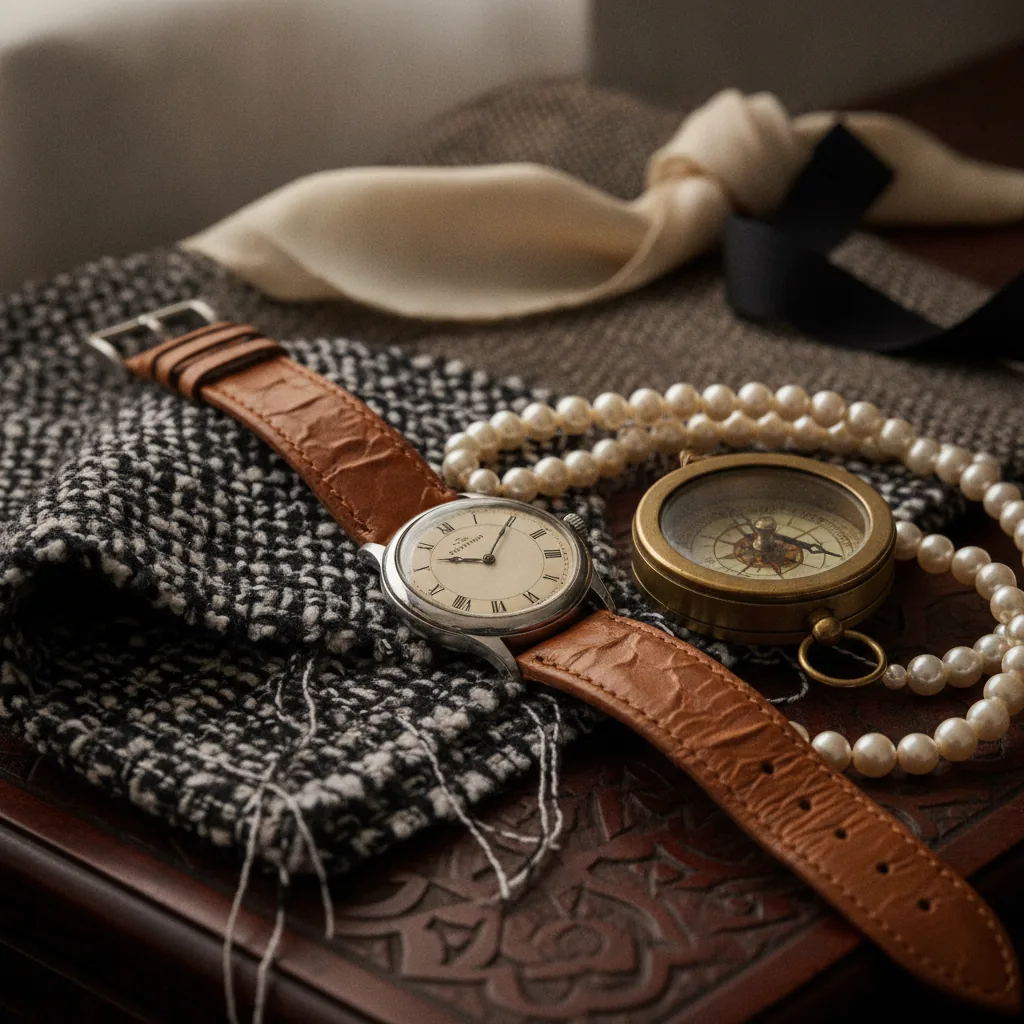
The Case for Wearing a Watch That Has Already Lived
A vintage watch is the only accessory that asks you to slow down. You wind it. You set it. You listen to it. In a world of screens that never sleep, a mechanical watch from 1968 is a small act of defiance. It does not track your steps. It does not buzz. It simply marks time, the way it has for fifty years.
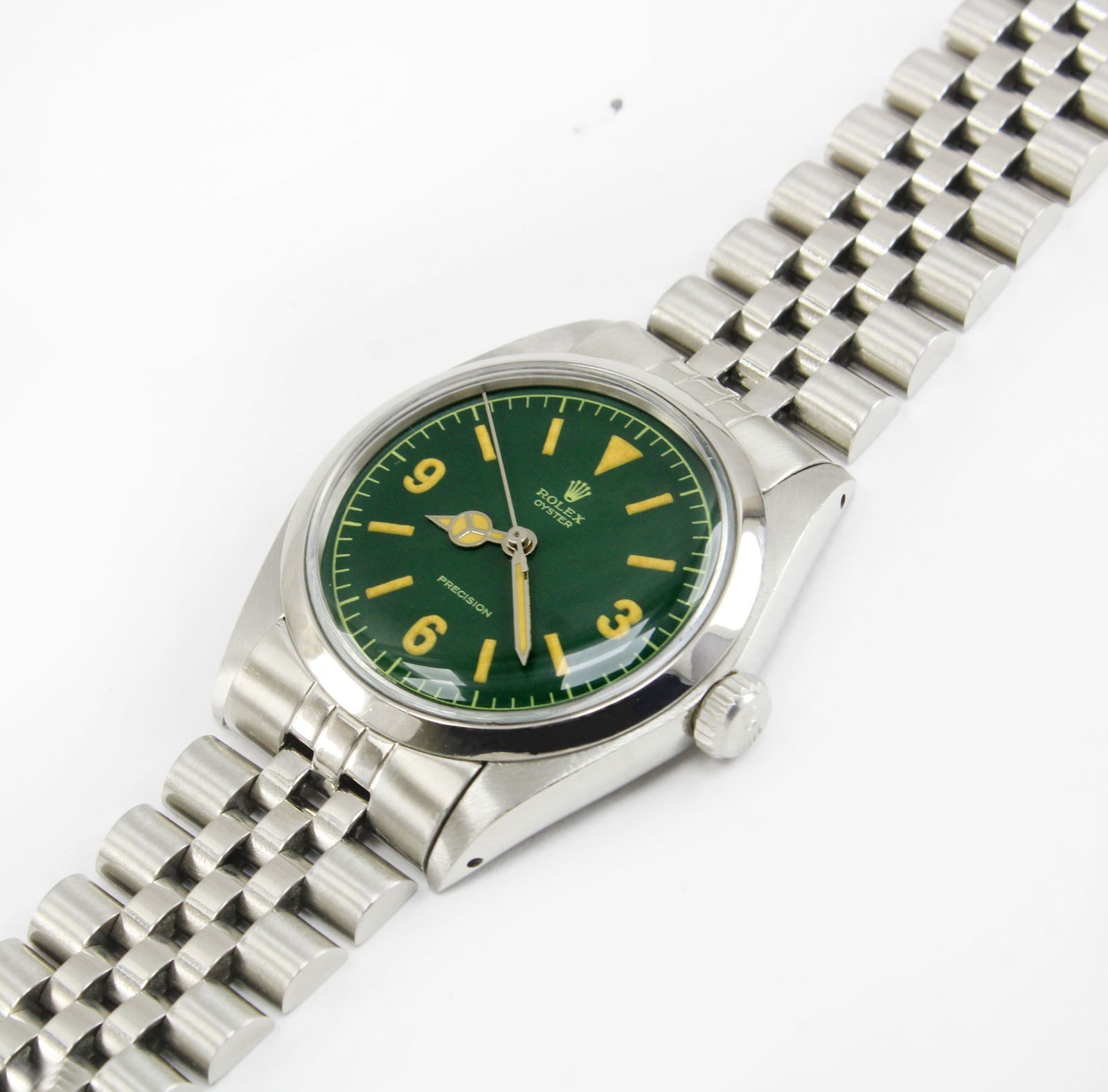
The pieces in circulation right now are mostly mixed labels, typically priced around $123.08. That is the price of a good dinner for two. For that, you can own a piece of mechanical history that will outlast most of what you buy this year. The trick is knowing what you are looking at.
How to Wear It Without Looking Like a Collector
The biggest mistake people make with vintage watches is treating them like museum pieces. They are not. They are tools that happened to be beautiful. Wear them like you would a good pair of jeans.
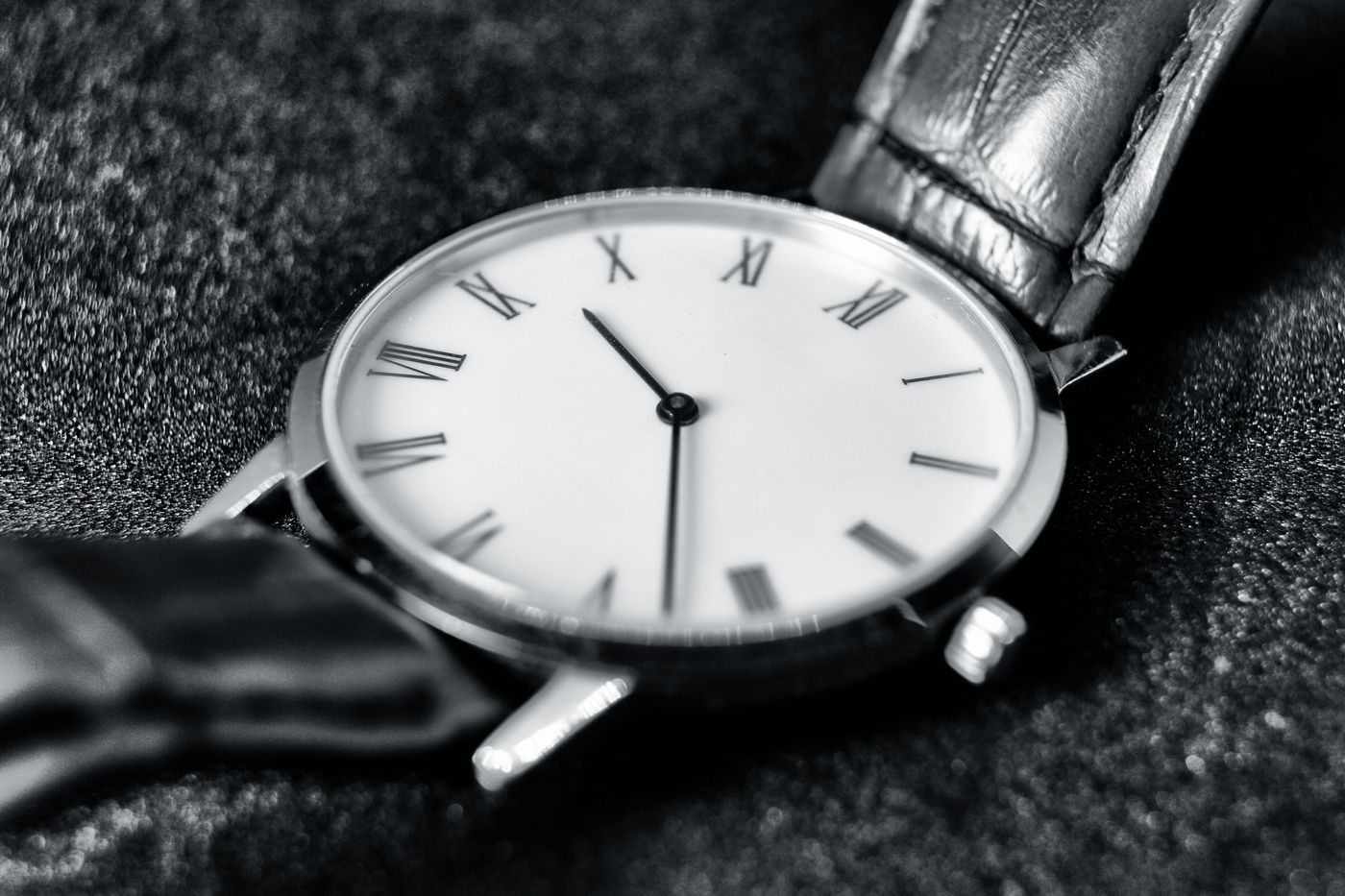
Foto: Mat Brown · Pexels
With tailoring: A slim, gold-plated dress watch from the 1960s looks best against a crisp white shirt and a charcoal suit. The contrast between the soft patina of the case and the sharp line of a modern lapel is the whole point. Keep the watch small. A 34mm case is not a compromise. It is correct.
With denim: A steel field watch from the 1970s is the perfect companion to a faded Levi's jacket and a grey t-shirt. The brushed case hides scratches. The canvas strap absorbs sweat. This is a watch you can wear to the pub without worrying about the door handle.
Proportions: If you have a large wrist, stay under 38mm. If you have a small wrist, stay under 34mm. The watch should sit flat on your wrist, not float above it. The lugs should not overhang the edges of your arm. A vintage watch that is too big looks like a borrowed watch.
What to avoid: Do not wear a gold dress watch with a t-shirt and shorts. Do not wear a dive watch with a tuxedo. These rules are not arbitrary. They come from the eras that made these watches. A 1950s dress watch was designed for a suit. A 1970s dive watch was designed for a wetsuit. Respect the original context, and you will look like you know what you are doing.
What to Look For When You Buy
Era tells: The 1950s gave us smaller cases, often 32mm to 34mm, with domed acrylic crystals. The 1960s brought slightly larger cases and more colorful dials. The 1970s introduced steel sports watches with integrated bracelets and bold, often orange or blue, accents. Know the decade before you buy.
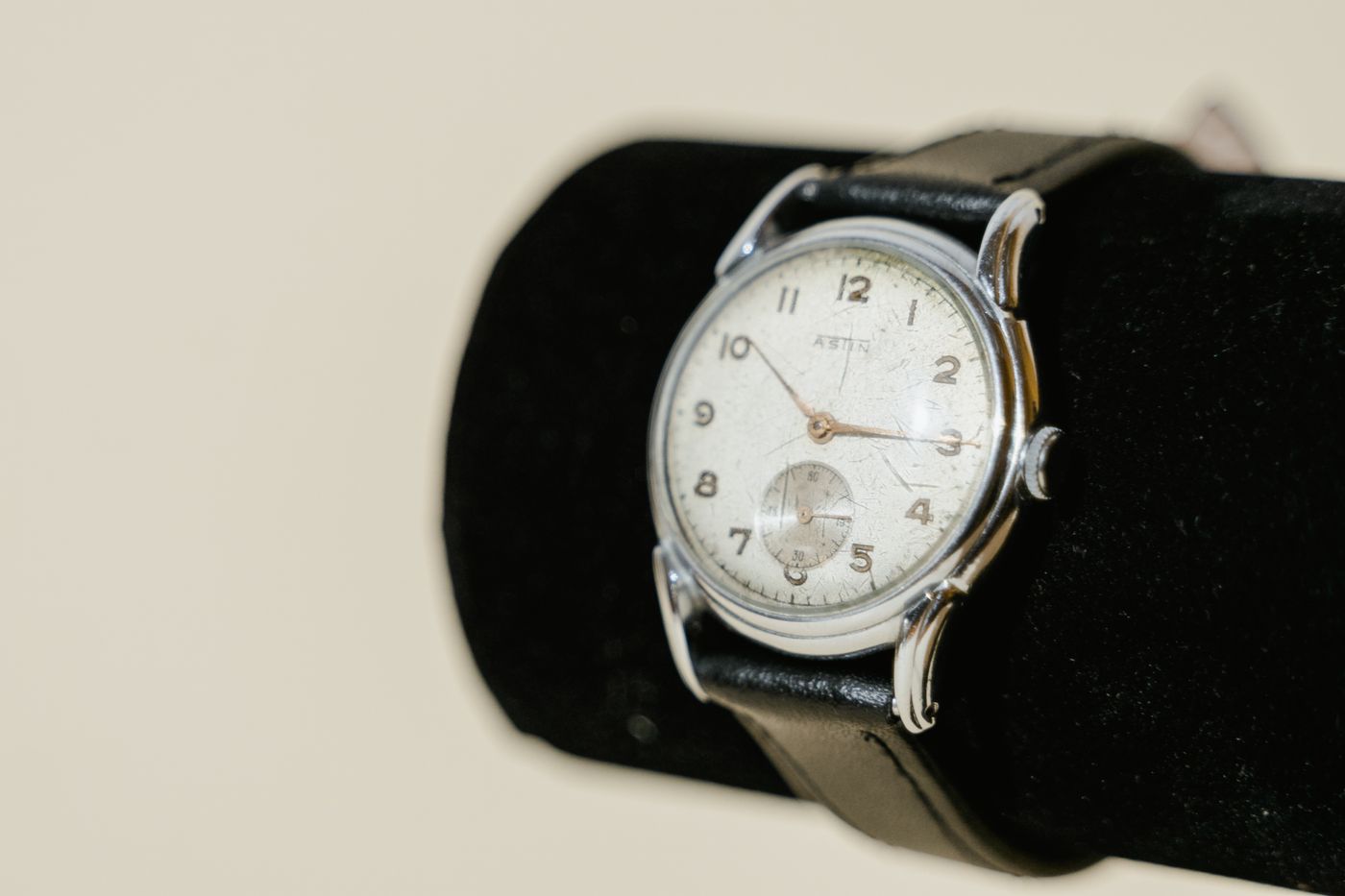
Foto: Tima Miroshnichenko · Pexels
Quality tells: Look for signed crowns. A crown with the maker's logo is a good sign that the watch is original. Check the lugs. Sharp lugs mean the case has not been over-polished. Over-polishing rounds the edges and kills the value. Look for even patina on the dial. A dial that has aged to a warm cream or a deep chocolate is desirable. A dial that is stained or water-damaged is not.
Materials: Stainless steel is the most practical. It takes a beating and looks better with age. Gold plating from the 1960s is often thin and can wear through. Solid gold is lovely but expensive and soft. Chrome plating is common on cheaper watches and tends to flake. If you see flaking chrome, walk away.
Makers: You do not need a Rolex or a Patek Philippe. Some of the best values are from makers like Omega, Longines, Zenith, and Jaeger-LeCoultre. Also look at less famous names: Enicar, Certina, and Doxa made excellent watches that are still affordable. A good rule: if the movement is Swiss and the case is steel, you are probably fine.
Movements: A mechanical movement is what you want. Quartz watches from the 1970s and 1980s are fine, but they lack the soul of a mechanical piece. Look for a movement that has been serviced recently. Ask for paperwork. If the seller cannot tell you when it was last serviced, factor in the cost of a service, which can run $150 to $300.
The History That Matters
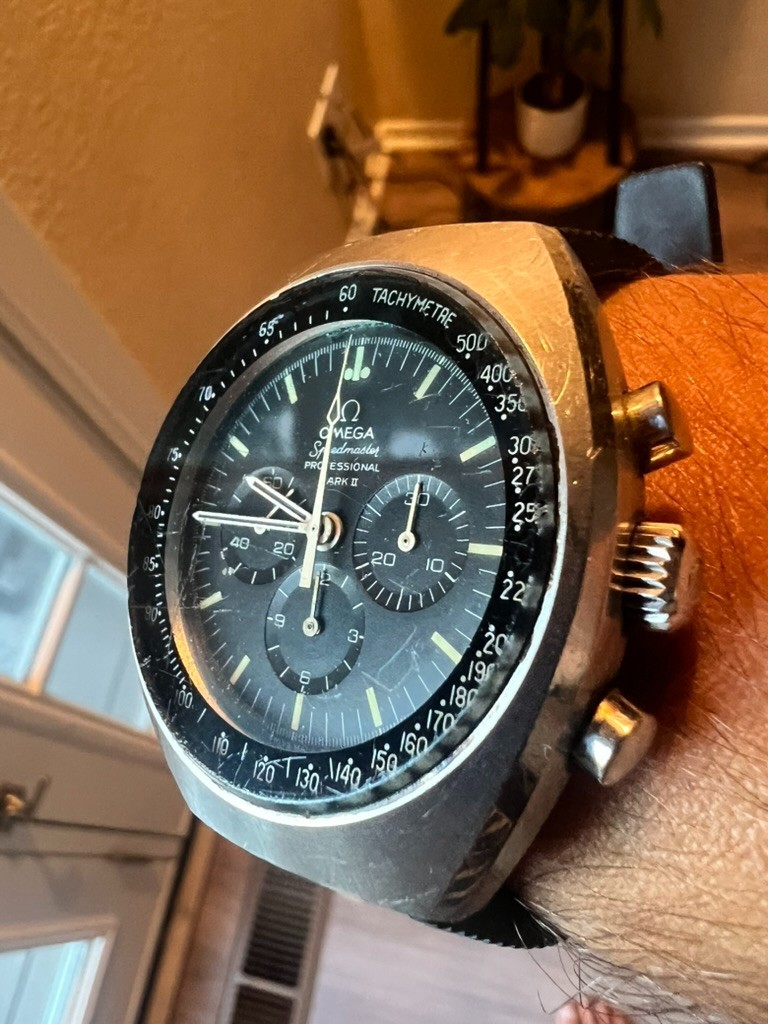
In 1969, Omega released the Speedmaster Professional. NASA had certified it for spaceflight two years earlier, after buying a batch off a Houston jeweler's shelf. On July 20, 1969, Buzz Aldrin wore one on the lunar surface. That watch was not designed for space. It was designed for racing. But it worked. That is the story of vintage watches in a nutshell: they were built for one thing and ended up doing another.
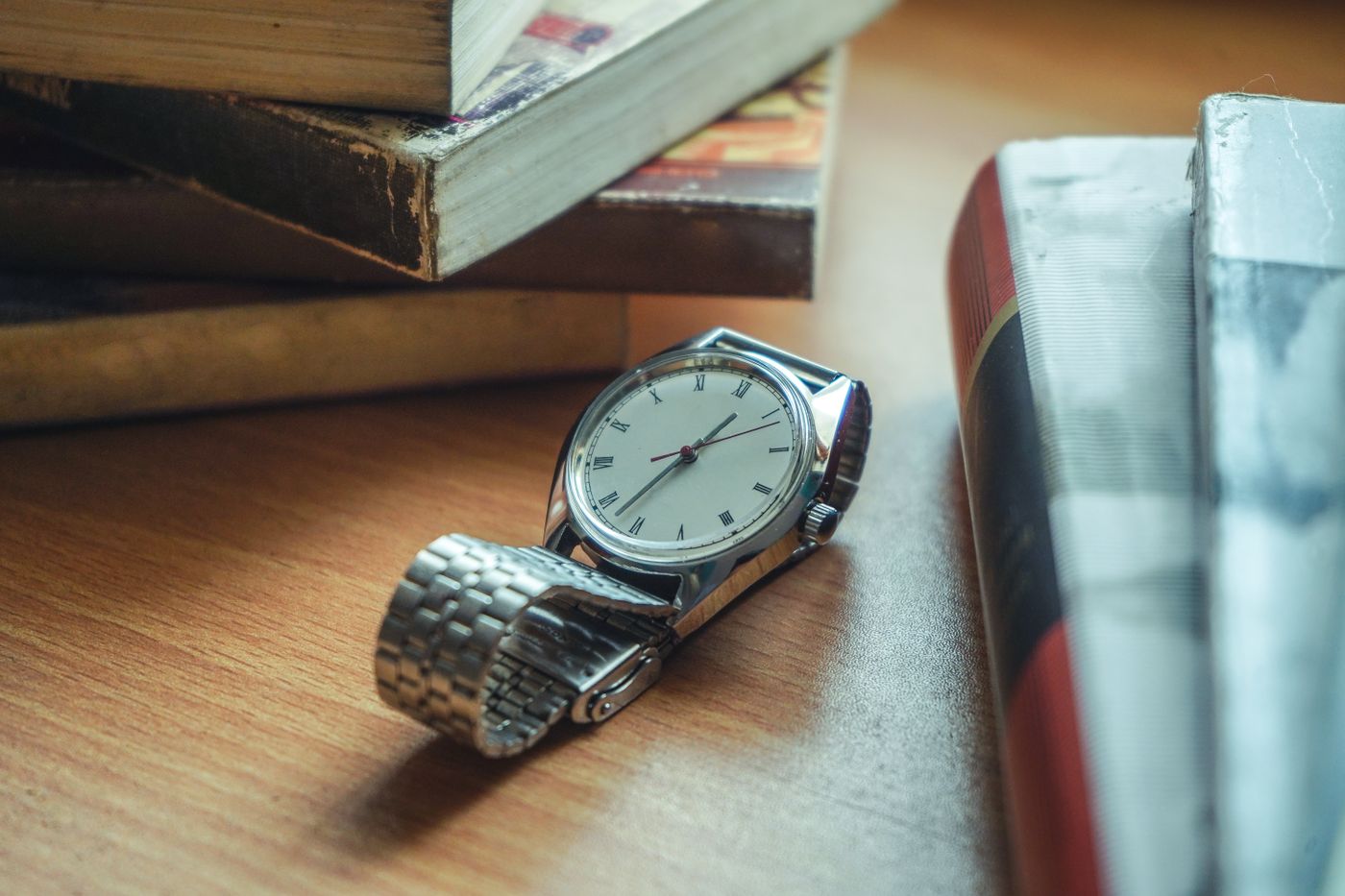
Foto: Yogendra Singh · Pexels
In 1972, Audemars Piguet introduced the Royal Oak. It was a steel watch that cost more than a gold watch. People thought it was madness. It became the blueprint for every luxury sports watch that followed. The designer, Gérald Genta, supposedly sketched it in a single night. Whether that is true or not, the watch changed what a luxury watch could be.
In 1953, Rolex launched the Submariner. It was the first dive watch waterproof to 100 meters. Sean Connery wore one in Dr. No in 1962. That single appearance did more for the watch than any advertisement. It made the Submariner a symbol of competence and quiet danger. You do not need a Submariner. But you can borrow its attitude.
The Closing Thought
A vintage watch is a small machine that has already survived something. It has been wound by hands that are no longer here. It has kept time through wars, weddings, and long afternoons. When you wear it, you are not just telling time. You are continuing a conversation. That is worth more than $123.08. That is worth wearing well.

 ✦ The Edit
One to watch
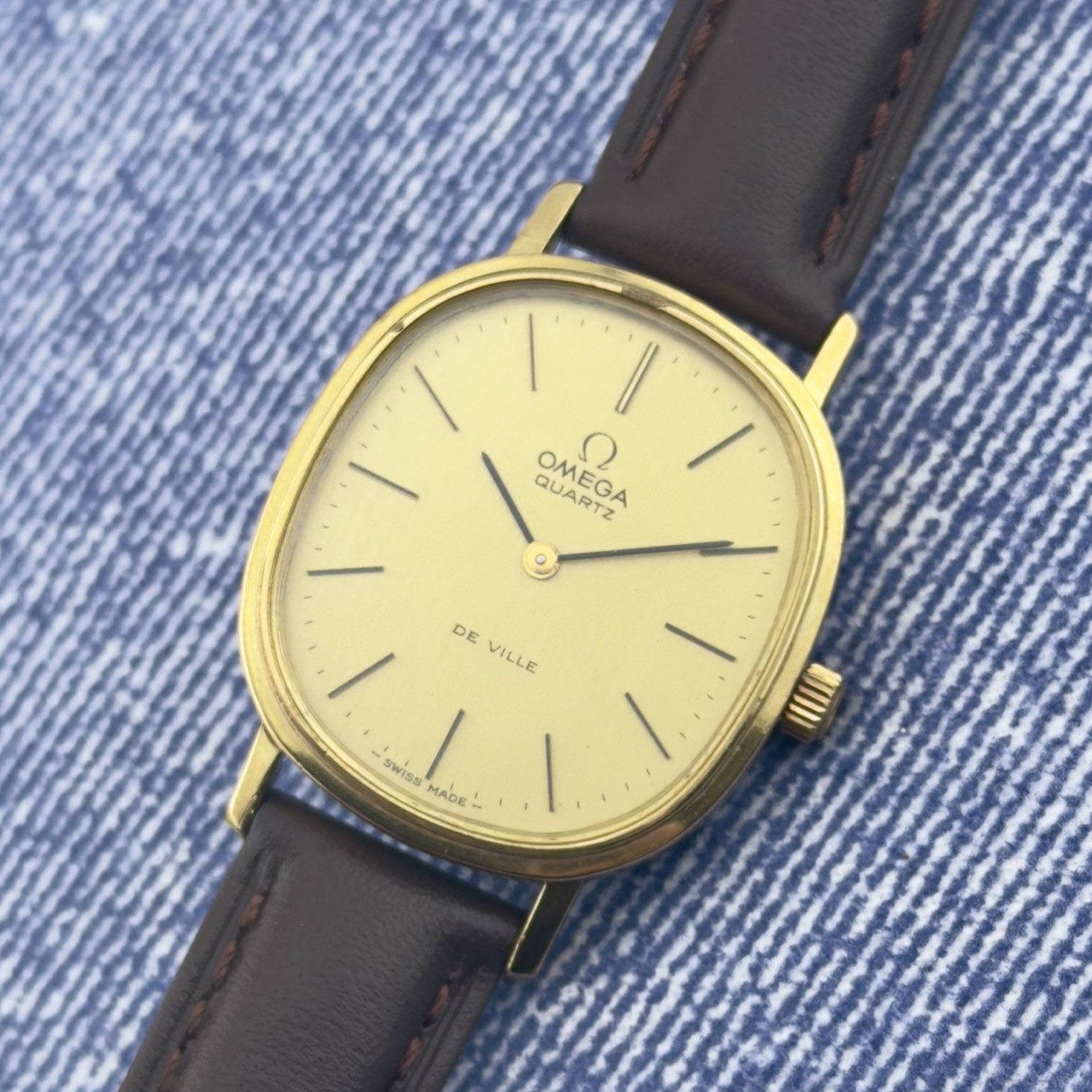
Vintage 1980s Omega De Ville - Gold Dial - Quartz - Ref 191.0046 - Men’s Watch
The watch that went to the moon. This honestly worn watch in gold from the 1980s carries exactly the quality that made Omega worth collecting in the first place. This is the kind of thing that only improves the longer you live with it.
On the market now
The names
Meet the designers
The minds behind this story — each with a piece currently on the market.
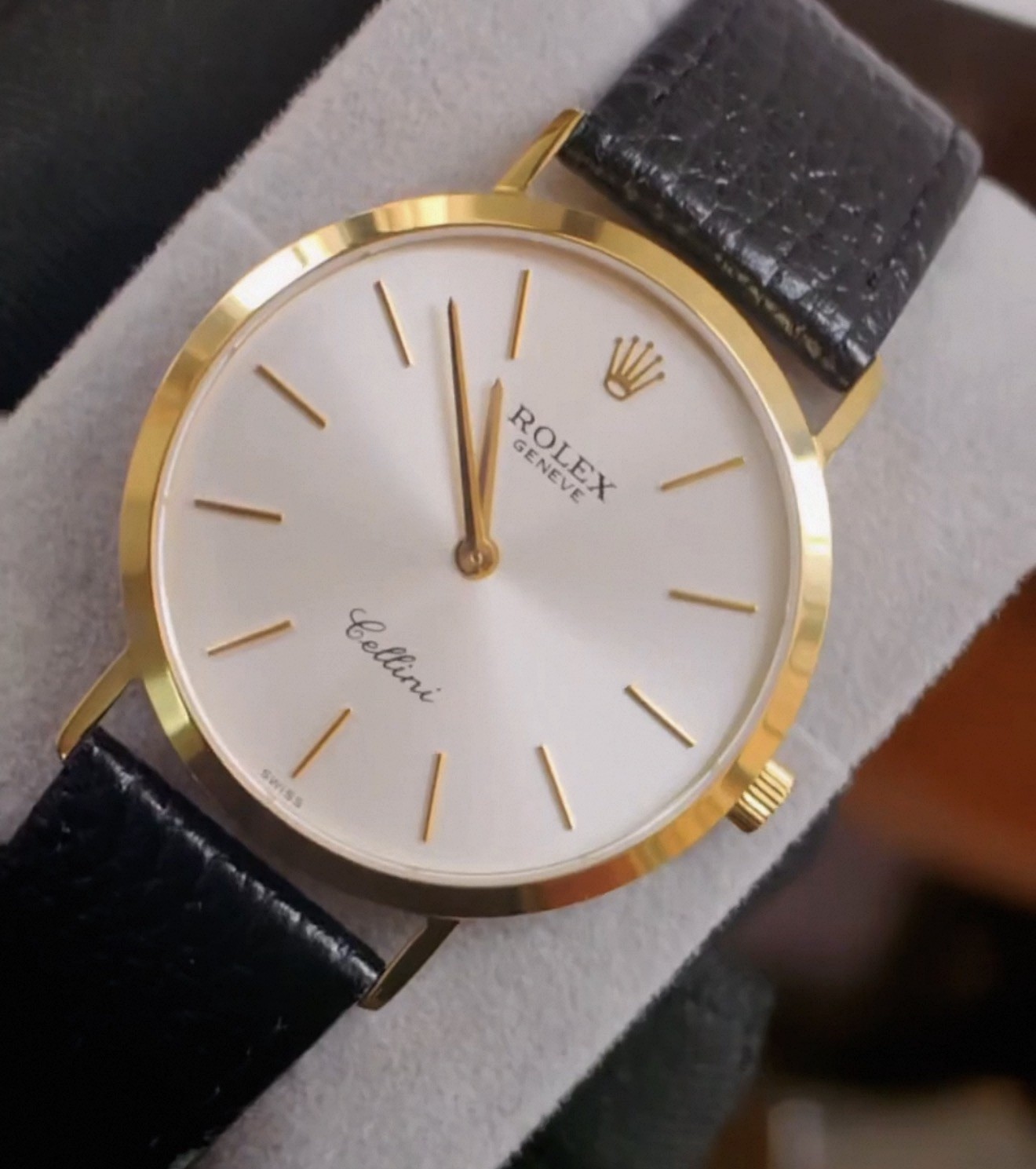
Rolex
CH · 1900s
The Submariner & the Datejust
The Submariner & the Datejust
Top piece
View →
Armani
Italy · 1970s
The power suit & soft tailoring
The power suit & soft tailoring
Top piece
View →
Levi's
USA · 1850s
The 501 & Americana denim
The 501 & Americana denim
Top piece
View →
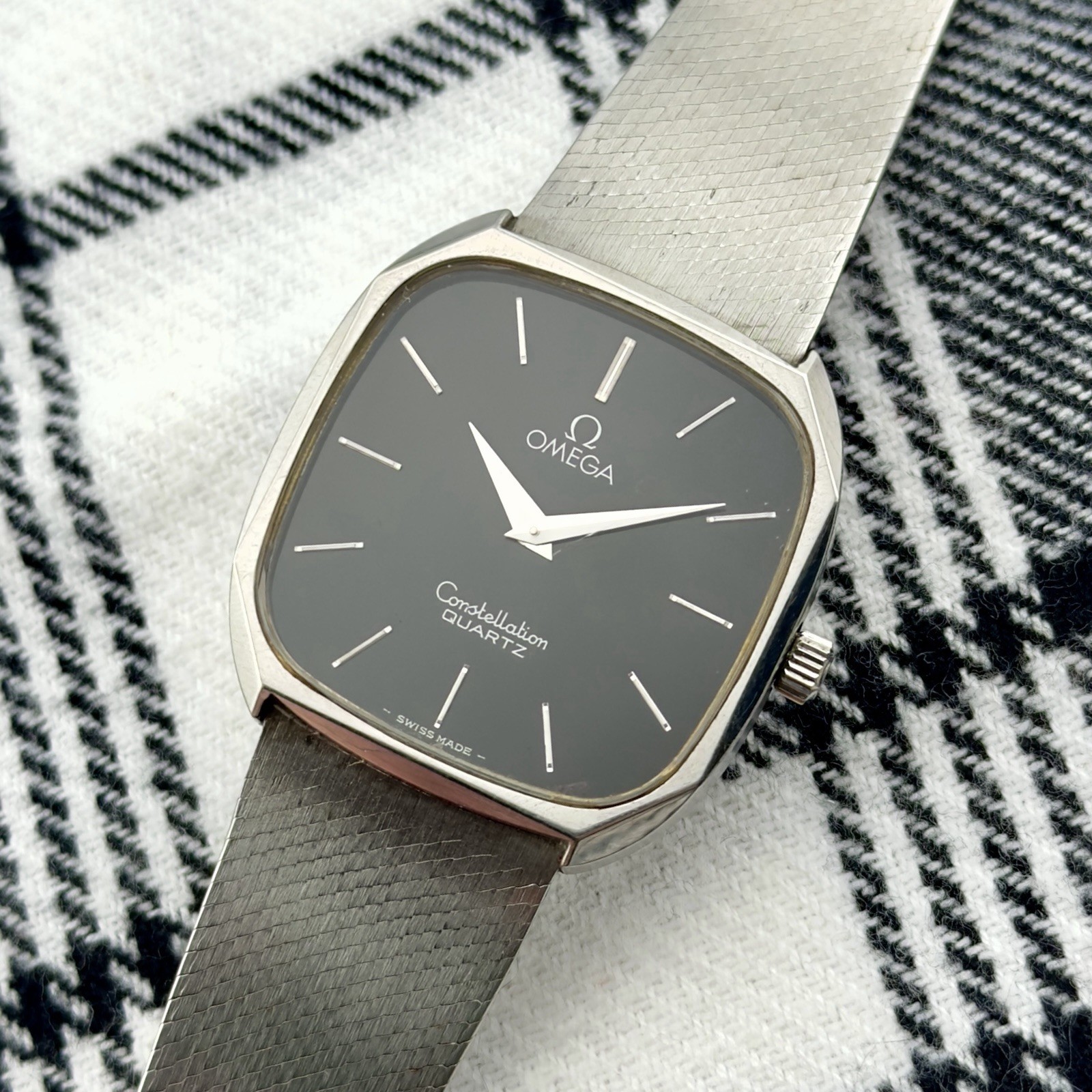
Omega
CH · 1840s
The Speedmaster & the Moonwatch
The Speedmaster & the Moonwatch
Top piece
View →
Continue the edit
Further stories from the same world
Three more walks through the same vintage universe.

The Quiet Power of a Good Chair
A well-made chair is a daily companion, not a status symbol. Here is how to find one that will outlast you.
Read the story →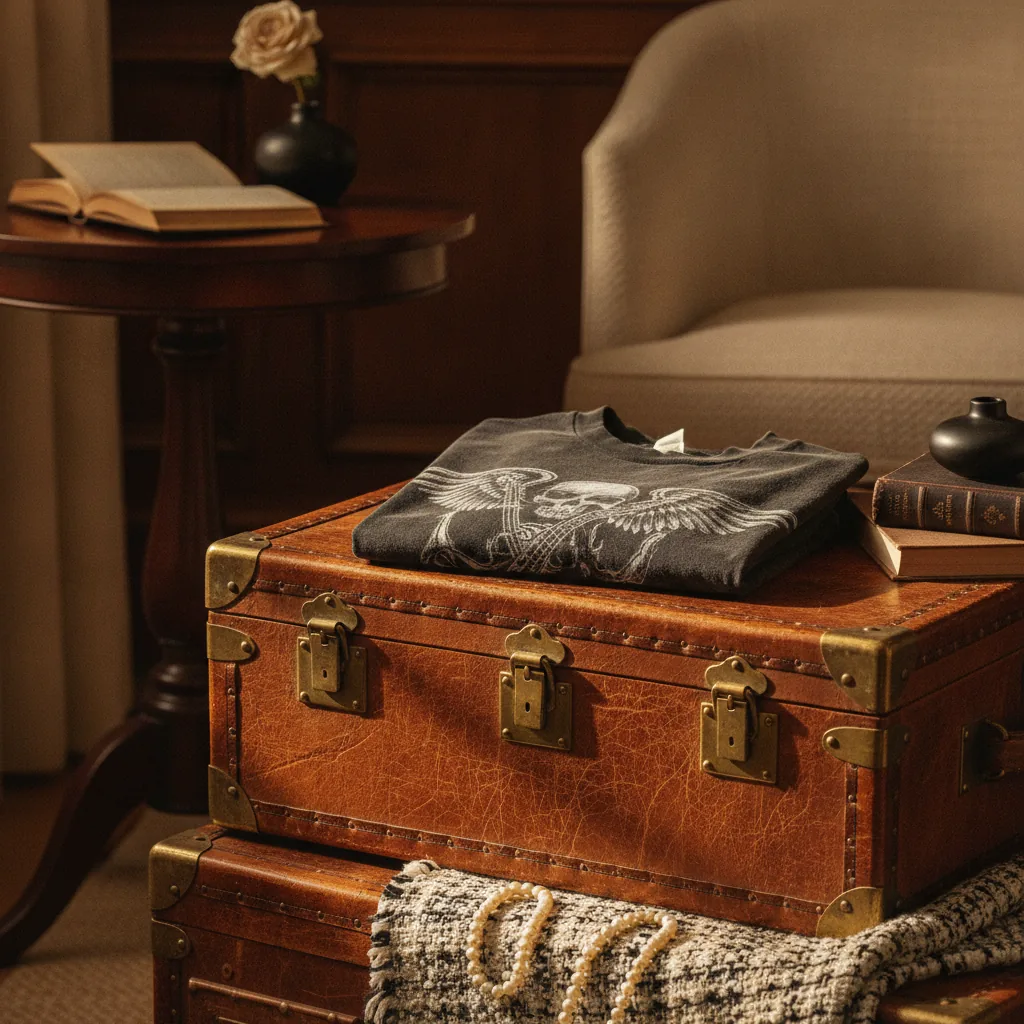
The Vintage Band Tee: Wear It Like You Mean It
A 1978 Rolling Stones jersey from the Some Girls tour. A faded 1991 Nirvana tee with the smiley face. These are clothes, not collectibles. Here is how to wear them without looking like you are in costume.
Read the story →The Band Tee, Worn Well: A Vintage Approach
A vintage band tee is not a relic. It's a piece of cultural armor. Here's how to wear one with intention, spot a keeper, and honor its rock-and-roll lineage.
Read the story →