
 Sign in
✦ Culture · Paris
The Quiet Drama of Art Deco Furniture
A collector's guide to living with Art Deco furniture: how to place it, what to look for, and why its geometry still shapes a room.
 By Louis Trash·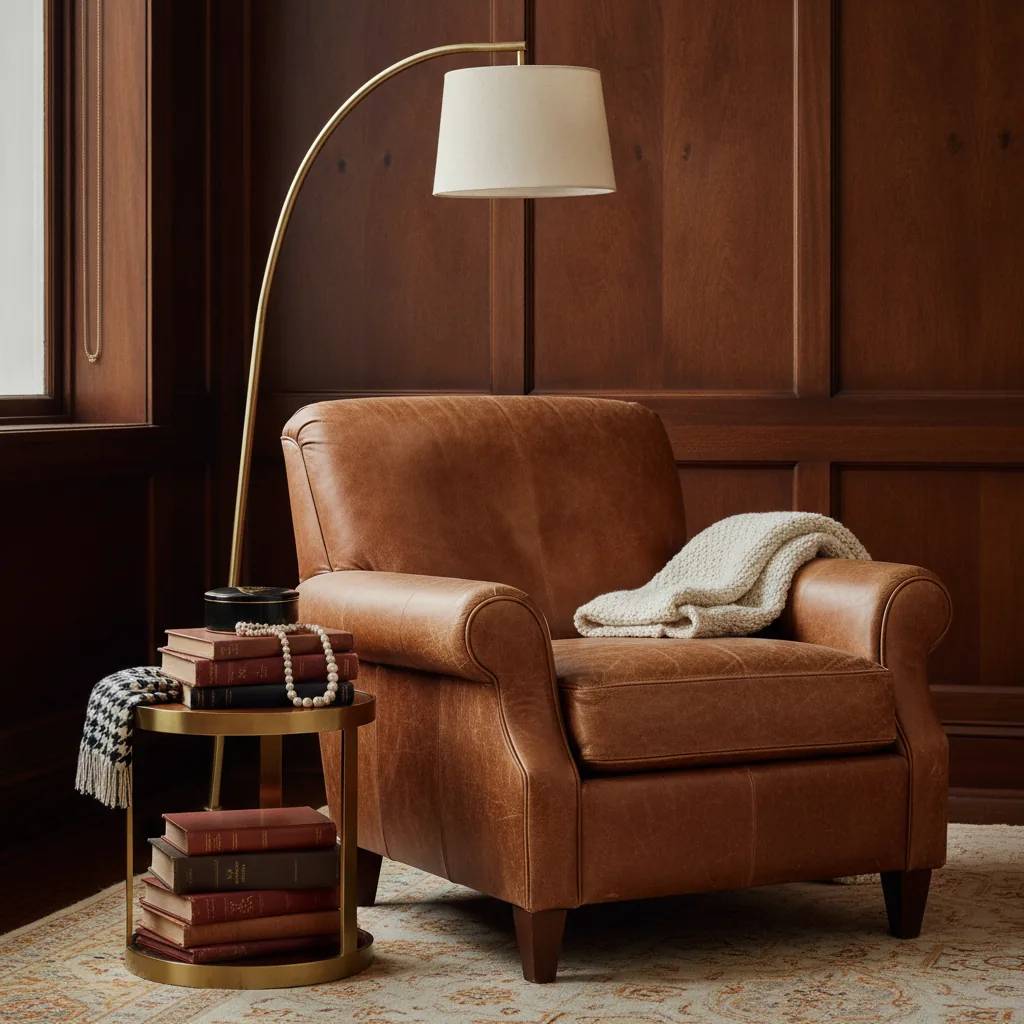
The Allure of the Skyscraper Line
A rosewood sideboard with a stepped top and a mirror back can make a small dining room feel like a 1930s ocean liner. That is the promise of Art Deco furniture. It arrived in Paris around 1910, took its name from the 1925 Exposition Internationale des Arts Décoratifs et Industriels Modernes, and by the 1930s had reshaped interiors from London to New York. The style is geometric, luxurious, and unapologetically modern. In a contemporary home, it adds a shot of glamour without fuss. I have lived with a 1928 walnut console for a decade. It anchors my hallway like a piece of architecture.
Placing the Pieces: Proportion and Light
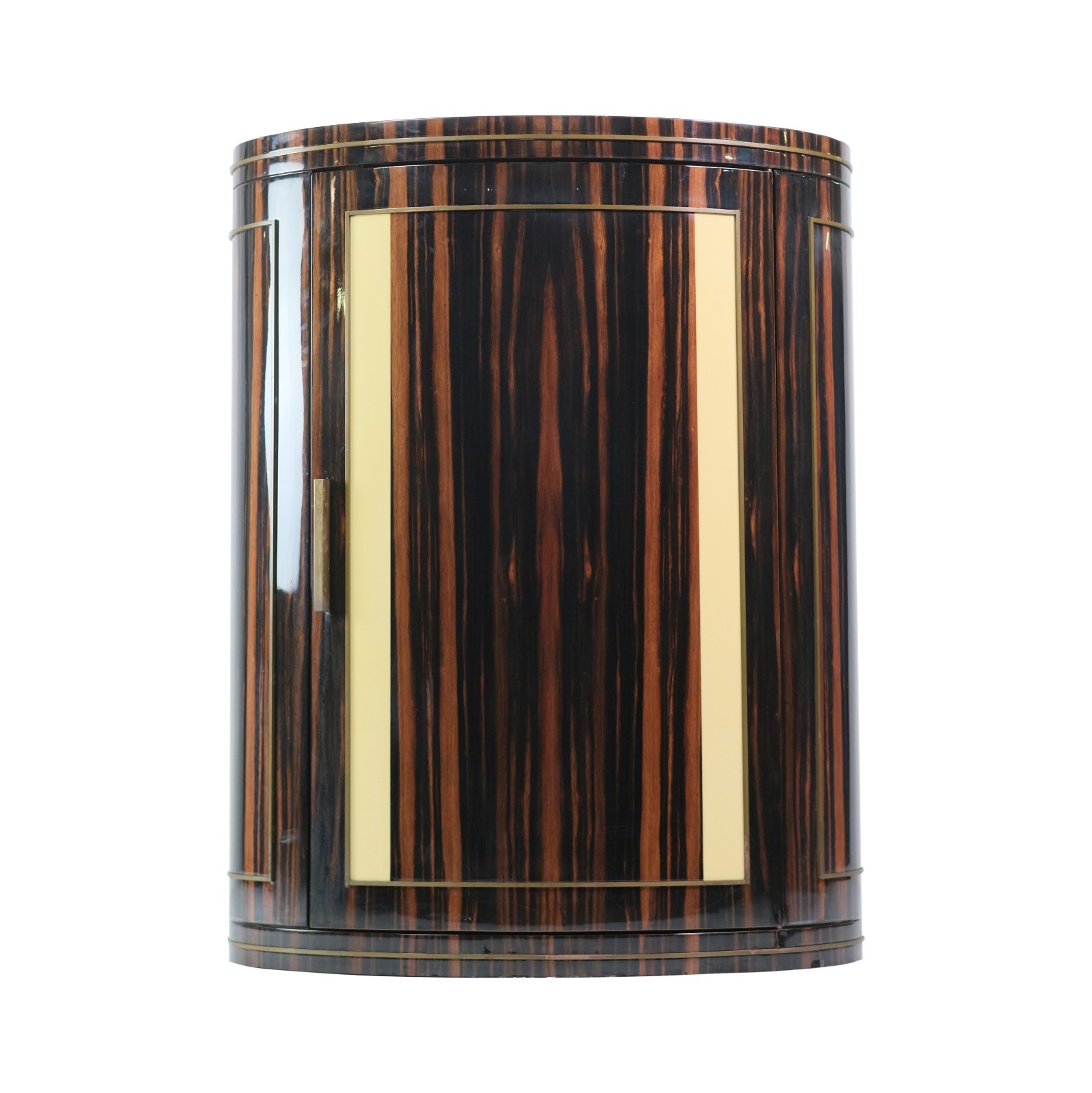
Art Deco furniture loves a room with height. A low sofa will make a tall armoire look like a bully. Pair a stepped bookcase with a low, deep armchair in a plain fabric. The contrast in scale is the point. Keep the palette muted: ivory, charcoal, deep green. Let the wood and the metalwork do the talking. Mirrors and glass are your allies. A mirrored cocktail cabinet doubles the light in a dark corner. Avoid clutter. One strong piece per wall is enough. In a living room, a 1930s club chair in leather sits well beside a modern linen sofa. The chair's curved arms and dark wood legs give the eye a rest from the sofa's boxiness. In a bedroom, a waterfall-edge dressing table needs space around it. Give it a metre of breathing room. The atmosphere it creates is cool, ordered, and slightly theatrical. That is the point.
What to Look For: Era Tells and Quality Tells
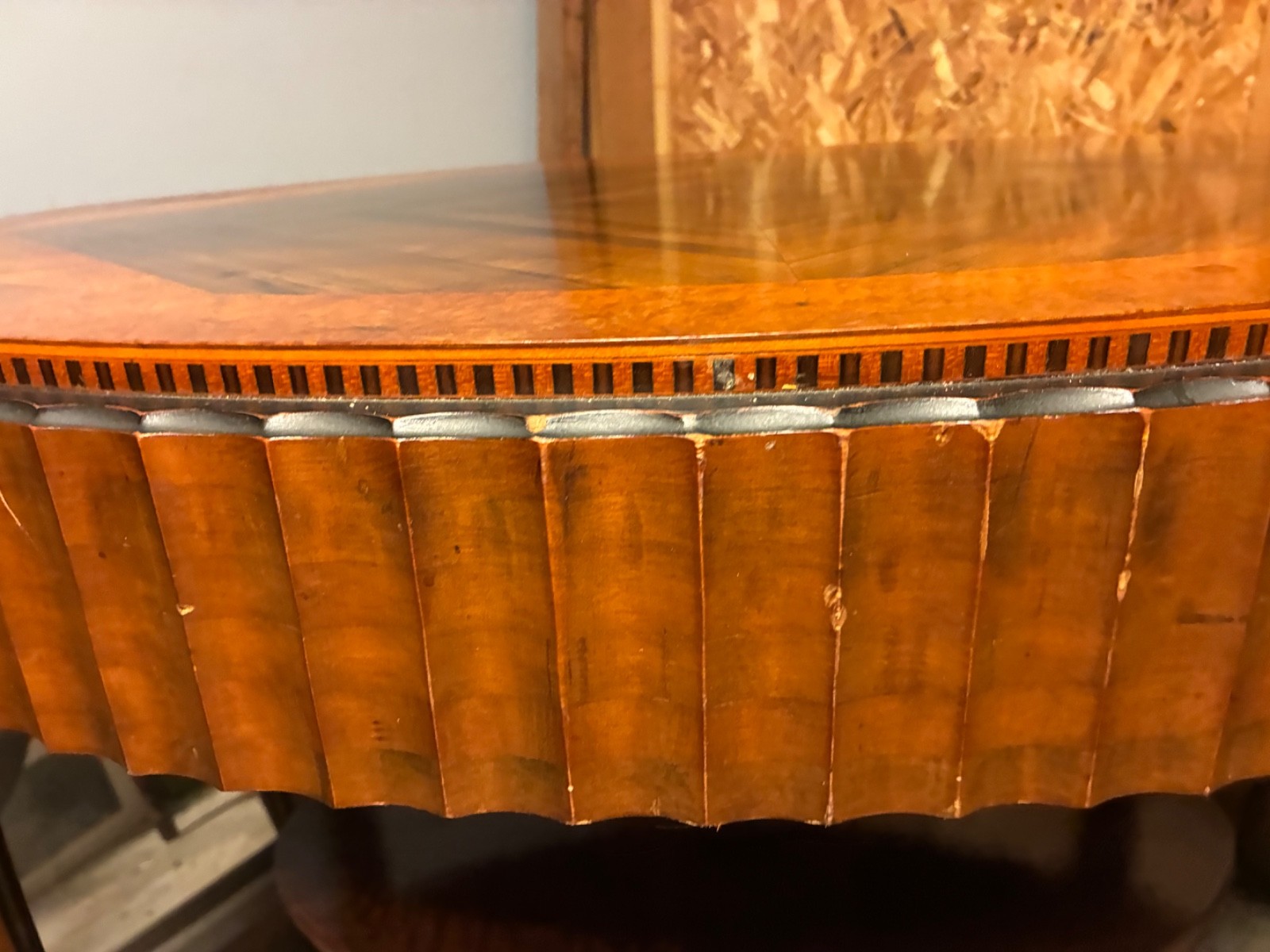
Start with the joints. Dovetails should be hand-cut and irregular on pre-war pieces. Machine-cut dovetails appear after 1945. Look for dust boards between drawers. They signal careful construction. The wood matters. Rosewood, walnut, and mahogany were common. Veneers should be thick and matched across the front. Run your finger along the edge. If you feel a ridge, the veneer has lifted. Check the hardware. Original handles are often nickel-plated brass or Bakelite. Replacements are usually chrome or plastic. Makers to know: Émile-Jacques Ruhlmann, Jules Leleu, and Süe et Mare in France. In Britain, Betty Joel and Gordon Russell. In America, Donald Deskey and Paul Frankl. A genuine Ruhlmann will cost five figures, but a good anonymous piece from the same era can be found for around $578.77. That is the sweet spot for a collector who wants quality without the auction-room premium. Sit on the chair. Open the drawers. If it feels solid and the drawers glide, you have a keeper. If it wobbles, walk away.
A Short History, Told Through Three Rooms
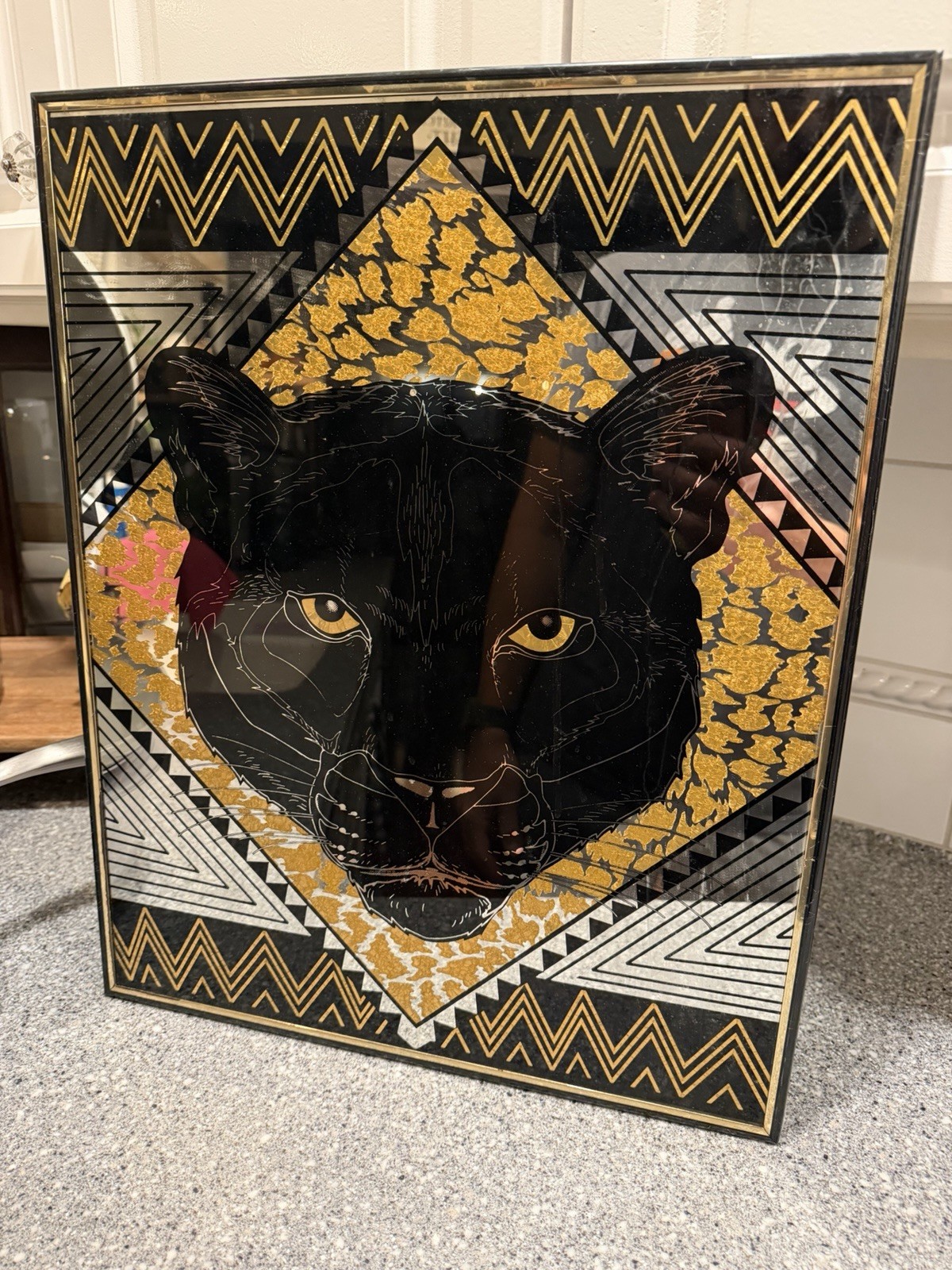
In 1925, the Paris exposition gave the style its name. Ruhlmann showed a collector's room in rosewood and ivory. The lines were straight, the ornament restrained. In 1928, the Chrysler Building in New York turned that geometry into a skyscraper. The same year, the designer Paul Frankl introduced his skyscraper furniture: stepped bookcases and desks in maple and Bakelite. In 1930, the British designer Betty Joel furnished a flat in Grosvenor Square with sycamore and mirrored panels. The press called it 'the last word in modernity'. By 1935, the style had spread to ocean liners like the Queen Mary. First-class cabins had built-in wardrobes with streamlined handles. After the war, the look fell out of favour. It returned in the 1970s when collectors began buying up pre-war pieces. That is when I bought my first piece, a 1930s walnut cocktail cabinet, from a dealer on Portobello Road. It cost me £200. I still have it.
Living With the Past Without Making a Museum
Art Deco furniture is not fragile. It is meant to be used. Put a lamp on the sideboard. Keep books in the bookcase. Let the wood acquire a patina. A scratch here and there is fine. Avoid direct sunlight, which fades rosewood. Use a soft cloth and a little beeswax. Do not use silicone polish. It builds up and dulls the grain. If a drawer sticks, rub the runner with a candle stub. That is what people did in 1930. The pieces were made for daily life. Treat them that way. In a modern flat, a 1930s dining table with a thick glass top works as a desk. A pair of bedside cabinets can become a media console. The geometry adapts. The scale does not. Measure your space before you buy. A 1.8-metre sideboard will dominate a 2.5-metre wall. That is not a flaw. It is a commitment.

The Closing Thought: A Chair That Holds Its Ground
A 1930s club chair in dark wood and leather does not ask for attention. It sits. It holds its ground. That is the lesson of Art Deco furniture. It is confident without being loud. In a room full of soft lines and pale colours, it provides a spine. You do not need a whole suite. One piece will do. Find a chair with good bones, place it where the light falls, and sit. The style will do the rest.
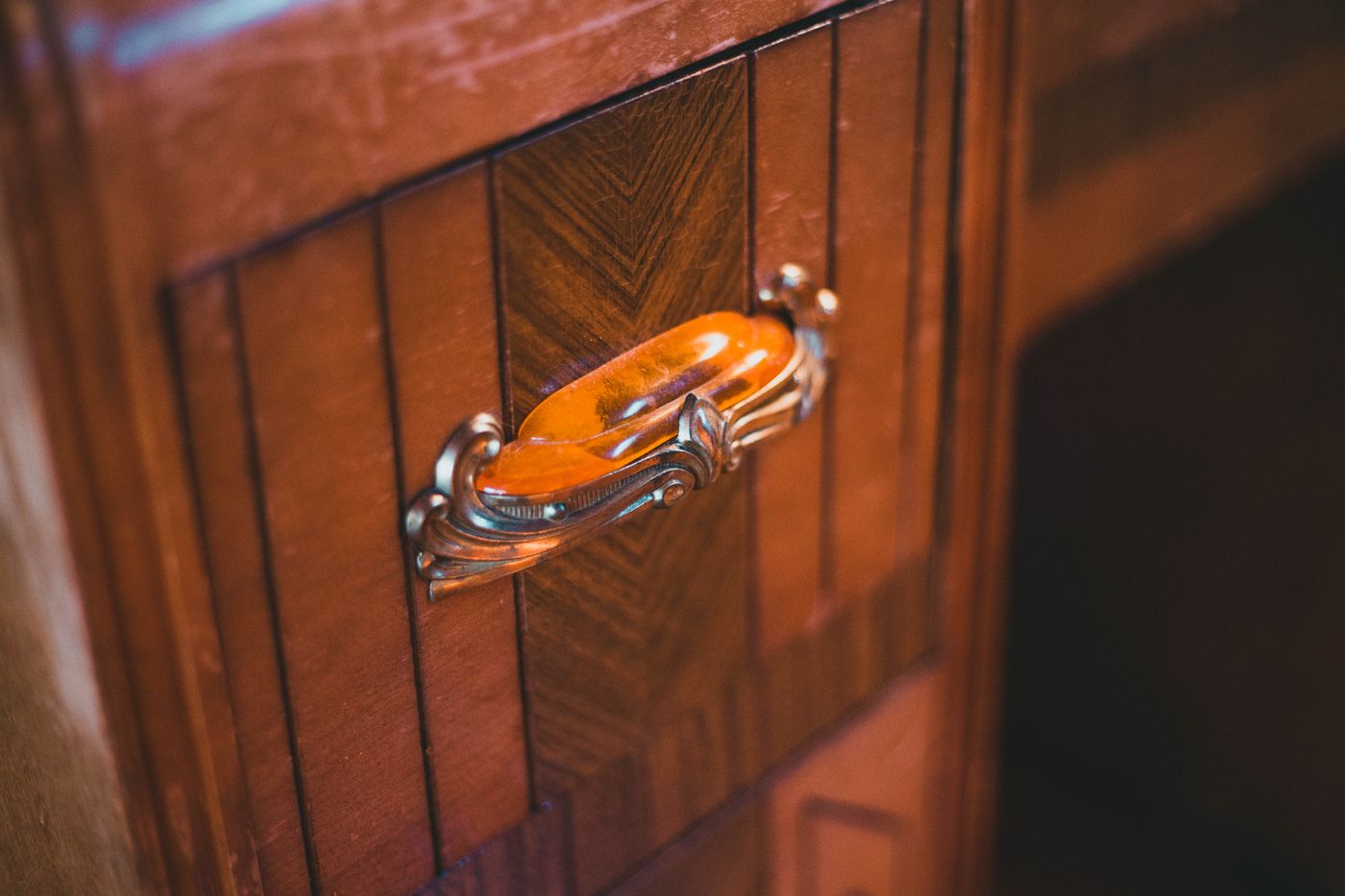
Foto: Erik Mclean · Pexels
 ✦ The Edit
One to watch
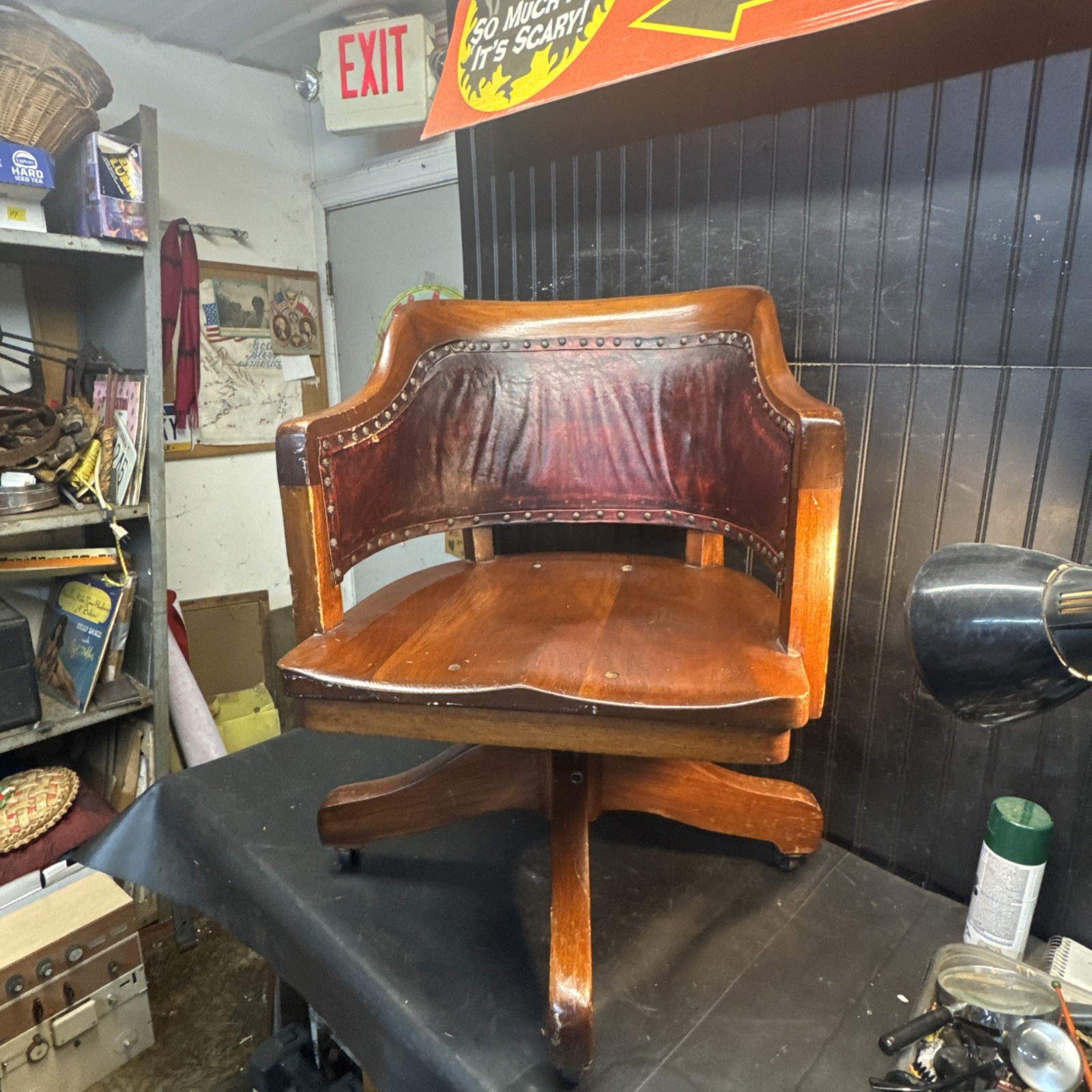
Antique Solid Oak Wood Bankers Swivel Desk Chair Leather Back Free Shipping
Old furniture was built before flat-pack, with joinery and solid wood you can still smell. This honestly worn chair in leather and oak is the kind of piece that tells a story before you have said a word. This is the kind of thing that only improves the longer you live with it.
On the market now
The names
Meet the designers
The minds behind this story — each with a piece currently on the market.
Børge Mogensen
Denmark · 1940s
The Spanish chair — honest, functional furniture for everyday life.
The Spanish chair — honest, functional furniture for everyday life.
Top piece
View →
Arne Jacobsen
Denmark · 1950s
The Egg & the Series 7 — chairs turned into quiet sculpture.
The Egg & the Series 7 — chairs turned into quiet sculpture.
Top piece

View →
Charles & Ray Eames
USA · 1940s
Moulded plywood & the Lounge Chair — the couple who made modern furniture feel human.
Moulded plywood & the Lounge Chair — the couple who made modern furniture feel human.
Top piece

View →
Dior
France · 1940s
The New Look & the Lady Dior
The New Look & the Lady Dior
Top piece

View →
Continue the edit
Further stories from the same world
Three more walks through the same vintage universe.
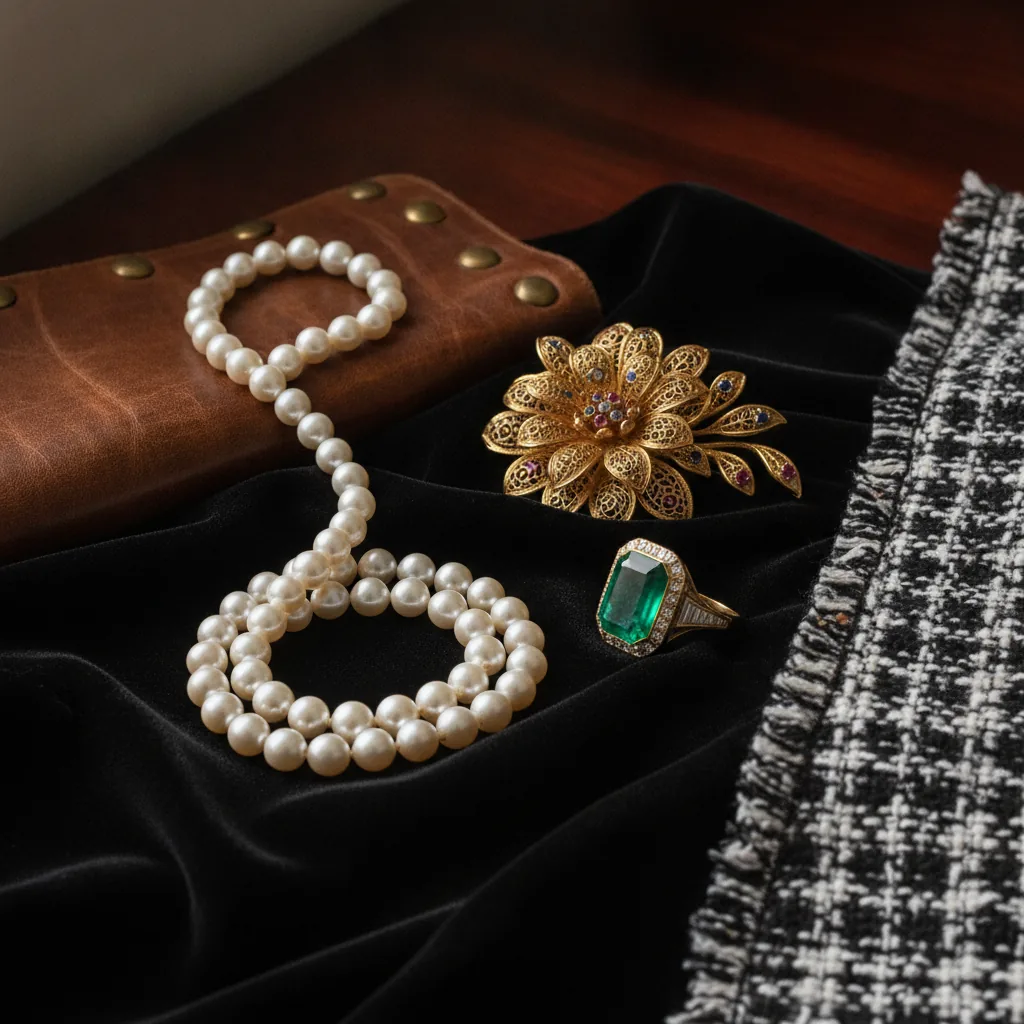
The Art Deco Necklace: Wear It Now, Not Just at the Museum
Art Deco jewelry is everywhere in vintage shops, priced around $127.56. Here's how to wear it with modern clothes, spot a good piece, and know the story behind it.
Read the story →
How to Buy an Old Coat in Paris
Nobody makes coats the way they used to. Vintage wool is denser, trench cottons are heavier, and the linings were built to be replaced rather than thrown away.
Read the story →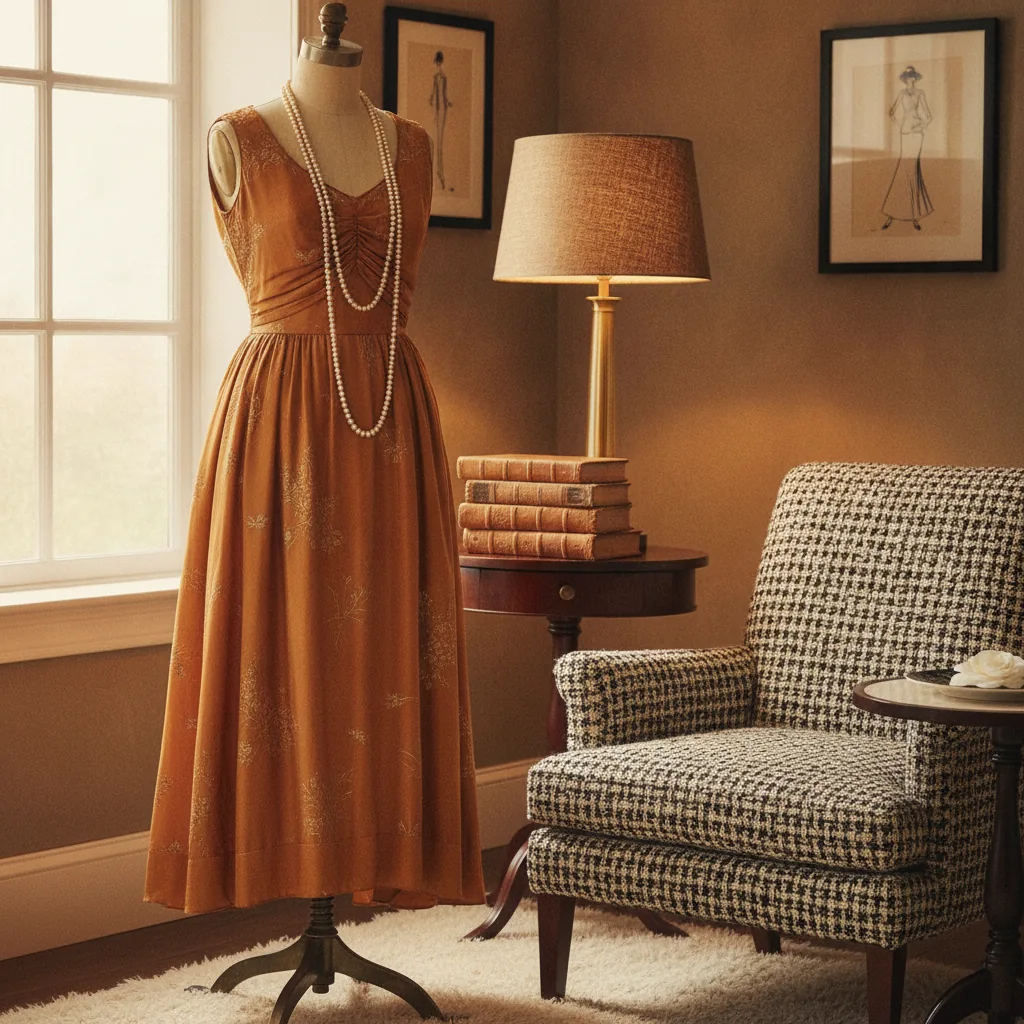
How to Find a Dress That Fits in Paris
Vintage dresses were cut for a body, not a size chart. Darts sit where they should, hems fall where they were meant to, and the fabrics (real silk, heavy crepe, proper cotton) move in a way that modern jersey never will.
Read the story →