
 Sign in
✦ Culture · Paris
How to Find a Dress That Fits in Paris
Vintage dresses were cut for a body, not a size chart. Darts sit where they should, hems fall where they were meant to, and the fabrics (real silk, heavy crepe, proper cotton) move in a way that modern jersey never will.
 By Louis Trash·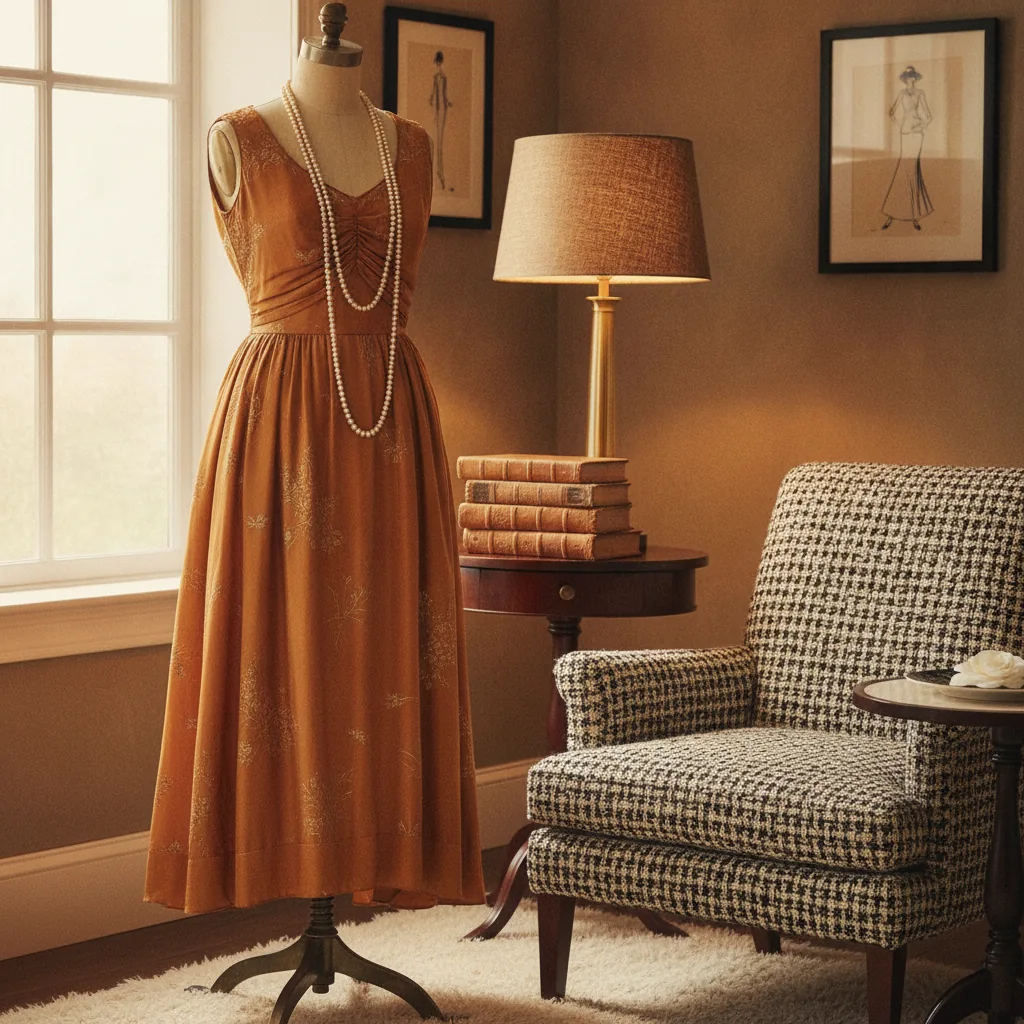
Why Dresses Matter Now
Vintage dresses were cut for a body, not a size chart. Darts sit where they should, hems fall where they were meant to, and the fabrics (real silk, heavy crepe, proper cotton) move in a way that modern jersey never will. I have a 1950s Dior-style dress in navy wool crepe, and when I walk, the skirt swings with a weight that feels like confidence. That is what you are paying for: history you can wear.

Foto: ΘSWΛLD · Pexels
That is the whole trick. On the metro, an American tourist in a full ball gown looks lost. A French woman in a tailored 1960s shift, with nothing else loud, looks like she owns the city. The dress does the talking; you just stand in it.
How to Wear It
Take the shoulders in rather than the waist. That single alteration fixes most old dresses. I bought a 1970s Yves Saint Laurent number with dropped shoulders that made me look like a coat hanger. Twenty euros at a tailor, and now it fits like it was made for me. The waist can be let out or taken in, but shoulders are the first thing to check.

Foto: Odin Reyna · Pexels
Wear a cocktail dress in daylight with flat shoes. It stops it looking like a costume. A sequined 1980s mini with sneakers and a denim jacket? That is how you make it modern. I wore a black velvet 1950s cocktail dress to a gallery opening at 11am, with loafers. People asked where I got it, not what I was doing in it.
Layer a fine knit over a slip dress and let the hem show. A silk slip from the 1930s, a cashmere cardigan from the 1960s, and suddenly you have an outfit that looks intentional. The contrast of textures (soft against smooth, opaque against sheer) is what makes vintage feel current.
Where to Find Yours in Paris
- Kilo Shop Marais (69 Rue de la Verrerie) - priced by weight, dig properly and you win, from around 20 euros. I once found a 1960s Pucci-print scarf for three euros. The trick is to go through every rail, not just the ones on top.
- Free'P'Star (8 Rue Sainte-Croix de la Bretonnerie) - the basement bins reward patience, from around 45 euros. You will elbow through crowds of students, but the turnover is relentless. I found a 1970s Ossie Clark blouse there, slightly stained, but for 30 euros, worth the dry cleaning.
- Thanx God I'm a V.I.P. (12 Rue de Lancry) - sorted by colour, designer rails near the front, from around 60 euros. The owner buys from estate sales, so the stock changes daily. I once saw a 1980s Thierry Mugler jacket with the original tags.
- Marche aux Puces de Saint-Ouen (142 Rue des Rosiers, Saint-Ouen) - weekend only, Vernaison for the rare things, from around 90 euros. This is the place for serious hunting. I have found 1950s Dior dresses there for under 200 euros, but you have to bargain. The dealers expect it.
Go on a weekday morning if you can. The rails are fullest before the weekend crowd arrives, and staff have time to show you what came in overnight. Tuesday is my day. The flea market is quiet, and the vendors are willing to talk. I once spent an hour with a dealer who told me the history of every piece on her rail.

Foto: Vika Glitter · Pexels
What to Look For
Check the zip. A metal one usually means pre-1970s. Plastic zips came in later, and they break differently. A metal zip can be replaced, but if the teeth are corroded, walk away. Look at the seam allowance inside: generous fabric means it can be let out. A 1950s dress with a one-inch seam allowance is a dream; a 1990s one with half an inch is a trap.

Hold the underarms to the light for thinning and old deodorant damage, which is permanent. That is the first place a dress wears out, and no amount of cleaning will fix it. Small tears along a seam are an easy fix; tears through the fabric itself are not. I once bought a 1960s Courrèges dress with a tiny rip near the collar. My tailor made it invisible, but only because the fabric was thick.
One last thing: try it on properly, walk around in it, and sit down. A vintage dress that only works standing still is not going to survive your actual life. I have a 1950s wiggle dress that looks stunning, but I cannot sit in it. It is a piece of art, not a piece of clothing. If you want to wear it, make sure it moves with you.
A Note on History
The golden age of dressmaking was the 1950s, when Paris was the centre of the fashion world. Designers like Dior, Balenciaga, and Givenchy were creating clothes that were architectural. The New Look of 1947, with its tiny waist and full skirt, required corsets and petticoats. But by the 1960s, Courrèges and Cardin were cutting geometric shapes that freed the body. The 1970s brought fluidity, with dresses that draped and flowed. Each era has its own logic, and understanding that helps you choose.
I once found a 1950s Balenciaga dress in a Paris thrift store for 50 euros. It was black wool, simple, but the cut was extraordinary. The darts were placed so precisely that the dress seemed to sculpt the air. That is what you are looking for: the work of a hand that understood the body.
The Final Word
Vintage is not about nostalgia. It is about quality. A dress made in 1960 with real silk and hand-finished seams will outlast anything made today. The fabric has a memory; it remembers how to move. When you find the right one, it feels like coming home.
So go to Paris. Go on a Tuesday. Dig through the bins. Try on the clothes. And when you find that one dress (the one that makes you stand taller), buy it. You will wear it for years, and it will never let you down.
City
Paris
Category
vintage dresses
Published
8 August 2026
Where to find it
Shop the signals
What the market is offering right now on this exact subject.
The names
Meet the designers
The minds behind this story — each with a piece currently on the market.
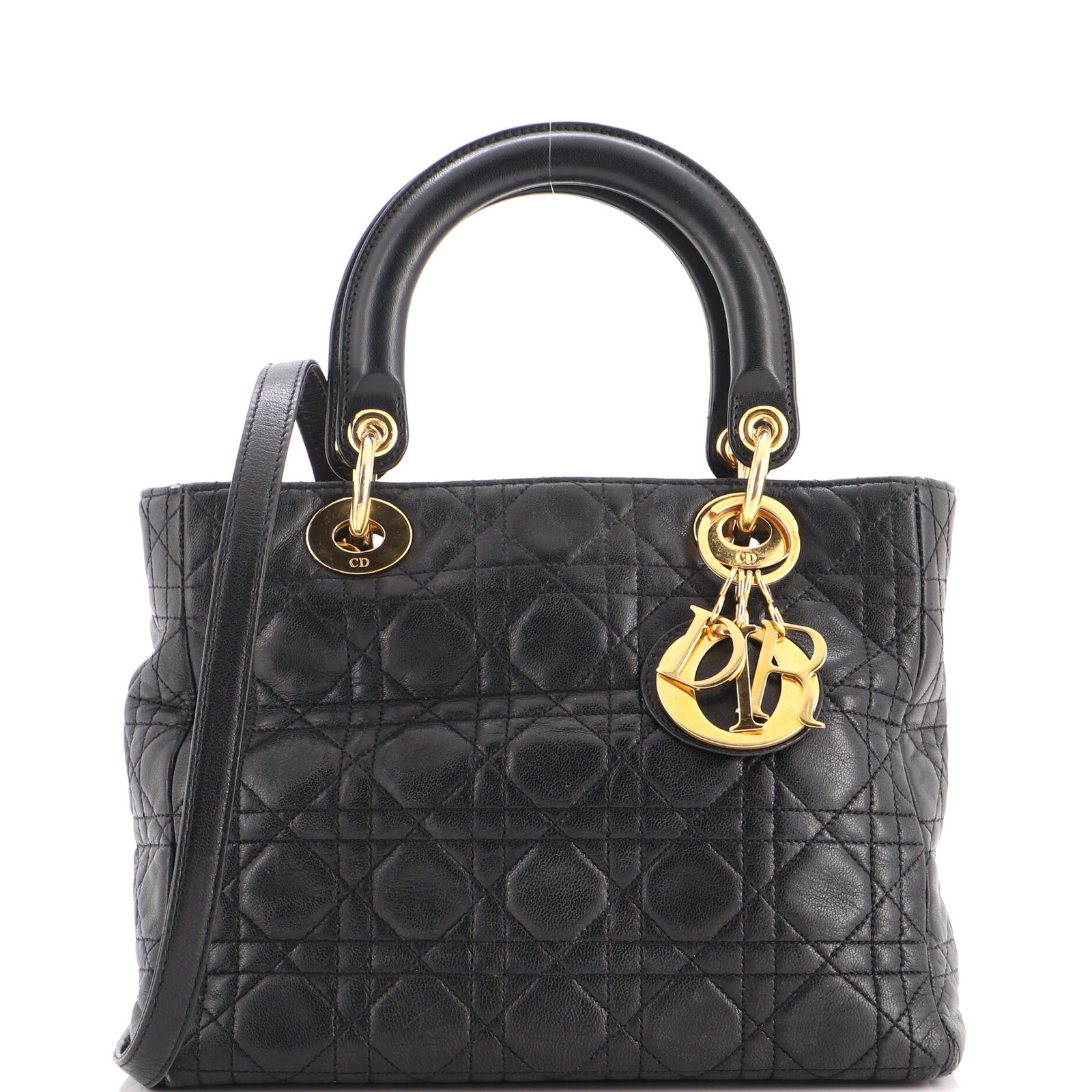
Dior
France · 1940s
The New Look & the Lady Dior
The New Look & the Lady Dior
Top piece
View →
Adidas
Germany · 1940s
The three stripes & the Samba
The three stripes & the Samba
Top piece
View →
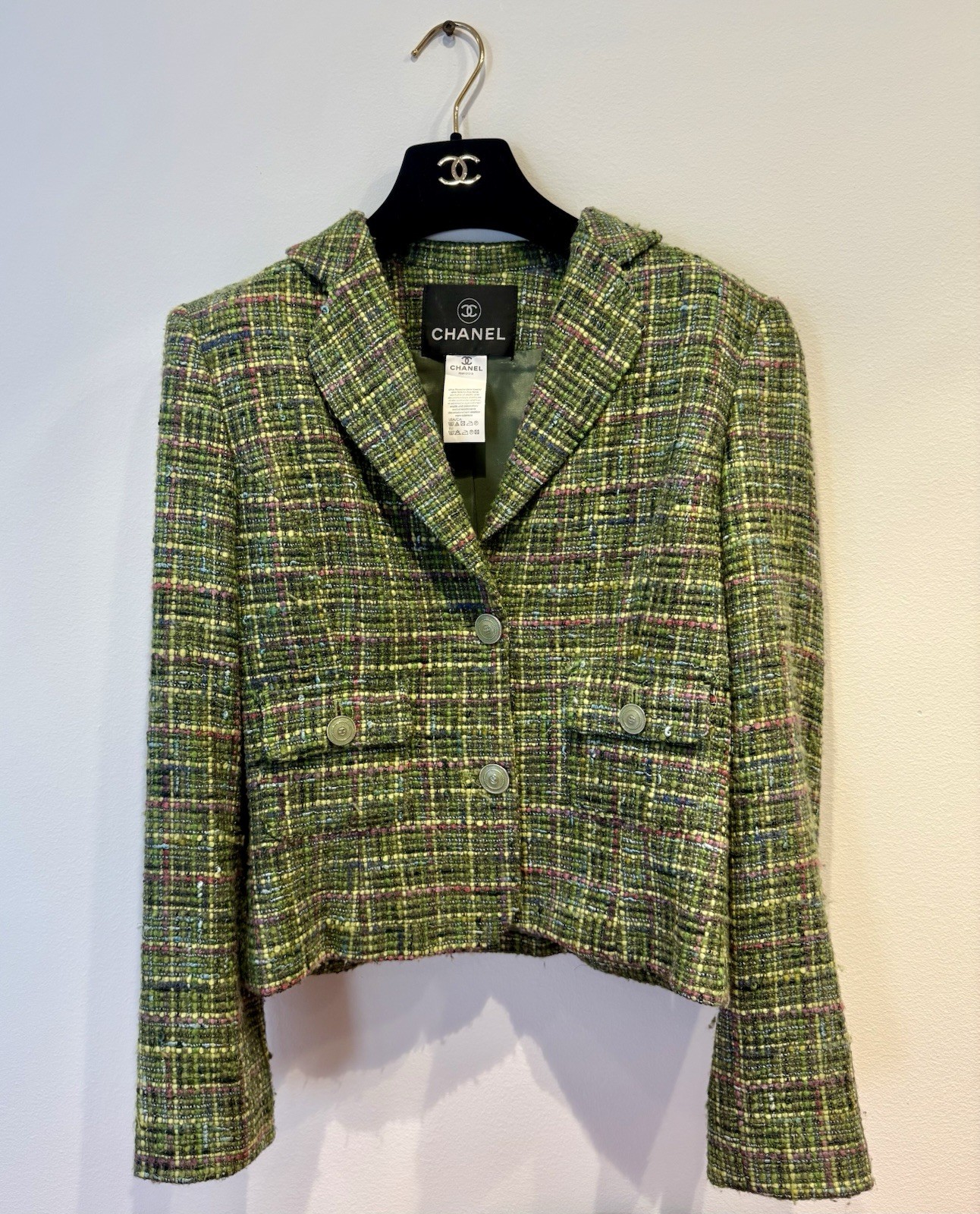
Chanel
France · 1910s
The little black dress & the 2.55
The little black dress & the 2.55
Top piece
View →
Comme des Garçons
Japan · 1960s
Deconstruction & anti-fashion
Deconstruction & anti-fashion
Continue the edit
Further stories from the same world
Three more walks through the same vintage universe.

How to Find Jeans That Actually Fit in Paris
Vintage denim fits differently because it was cut differently. Higher waists, straight legs, heavier cotton that holds its shape all day.
Read the story →
The Quiet Authority of Vintage Italian Furniture
How to wear Gio Ponti's legacy without looking like a museum piece.
Read →The Gio Ponti Chair You Can Wear
Forget the auction paddles. A 1950s Gio Ponti chair is a silhouette that will sharpen everything you already own. Here's how to live with one, and how to spot a real one.
Read →