
 Sign in
✦ Culture · Paris
The Art Deco Necklace: Wear It Now, Not Just at the Museum
Art Deco jewelry is everywhere in vintage shops, priced around $127.56. Here's how to wear it with modern clothes, spot a good piece, and know the story behind it.
 By Louis Trash·
The Modernist's Necklace
A geometric pendant on a fine chain, a cascade of baguette crystals, a bold enamel brooch. Art Deco jewelry has an undeniable pull. It's not just for black-tie galas or costume parties. In 2023, I wore a Deco diamond-shaped pendant with a plain white tee and high-waisted jeans. It worked. The key is proportion. Deco pieces are often dense and linear, so pair them with simple, unadorned clothing. Let the jewelry be the loudest thing in the room.
Try a long sautoir necklace over a silk slip dress or a turtleneck. The vertical line elongates the torso. A cocktail ring with a bold geometric stone looks right next to a chunky knit. Clip-on earrings, many Deco pieces are clips, anchor the face when hair is pulled back. Avoid mixing Deco with other ornate jewelry. It fights itself. One strong piece is enough.
What to Look For
The golden age of Art Deco jewelry runs roughly from 1915 to 1935. You'll see geometric shapes, symmetrical patterns, and a mix of materials: platinum or white gold, diamonds, sapphires, rubies, emeralds, onyx, coral, and lapis lazuli. But you don't need gemstones to get the look. Fine examples use glass, enamel, and even plastic, early Bakelite, to great effect.
Check the clasp and hinges. Quality pieces have well-made findings, often stamped with a maker's mark. Look for hallmarks on the inside of a bracelet or the back of a brooch. Common marks include "14K" or "18K" for gold, "Plat" for platinum, and "Sterling" for silver. Pieces from the 1920s and 1930s often have a certain weight to them, even if they're not solid metal. Filigree work should be crisp, not mushy.
Examine stones under a loupe. Old-cut diamonds, mine-cut or old European cut, have a softer, warmer sparkle than modern brilliants. If you see foil backing, it's likely a reproduction or a much later piece. And beware of glued-in stones. They should be prong-set or bezel-set.
One concrete tell: genuine Art Deco pieces rarely use screw-back earrings. Those came later, in the 1940s and 1950s. Clips, with a hinged pinch, are more era-typical. But don't be too strict. Some Deco pieces were made with screws for pierced ears later. The best advice: buy what you love, but know why you love it.
A Brief History, Worn on the Wrist
Art Deco got its name from the 1925 Exposition Internationale des Arts Décoratifs et Industriels Modernes in Paris. But the style began earlier, around 1910, as a reaction against the flowing curves of Art Nouveau. The new aesthetic embraced the machine age: sharp angles, symmetry, and a sense of speed.
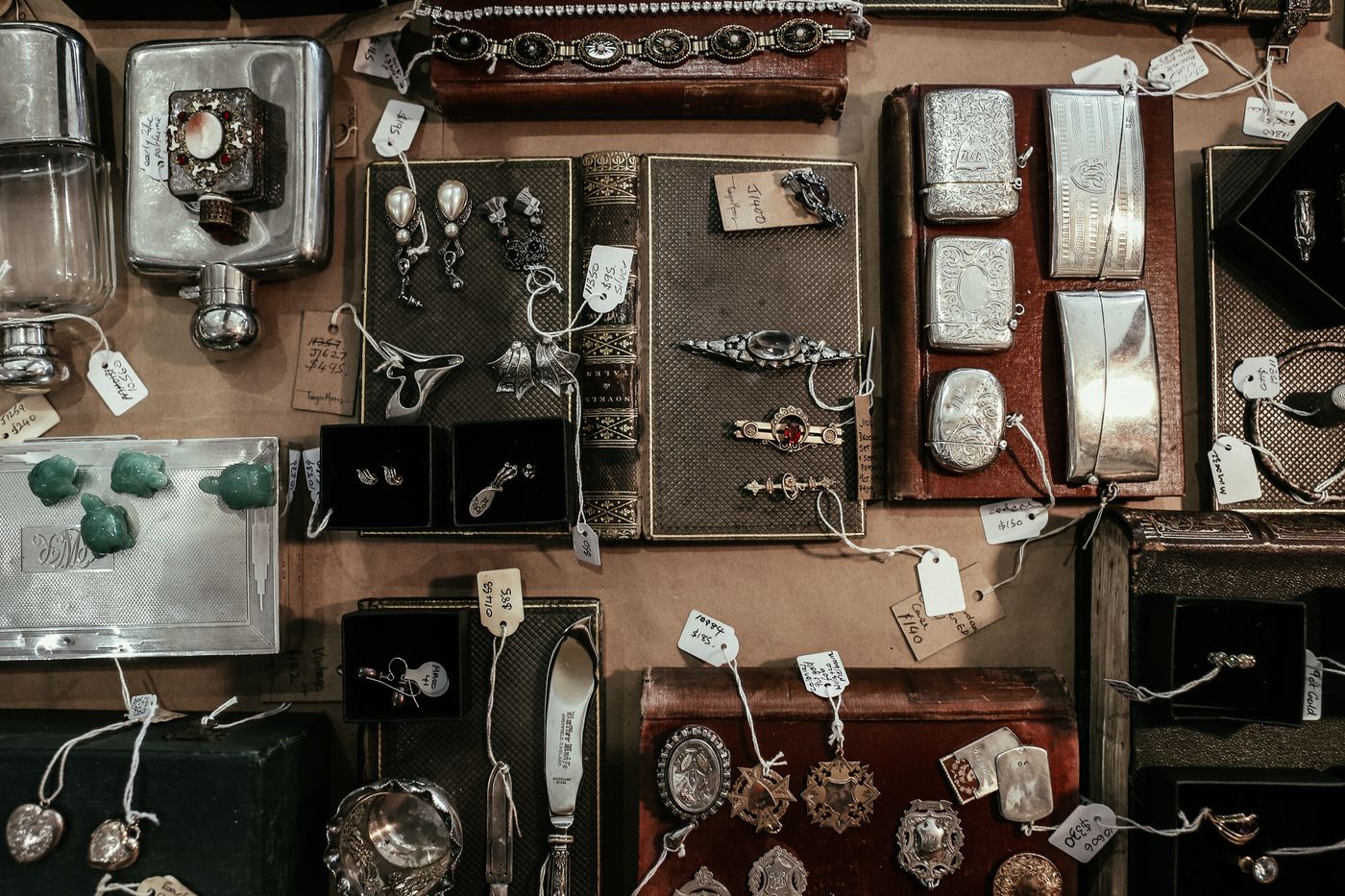
Foto: Rachel Claire · Pexels
Jewelers like Cartier, Van Cleef & Arpels, and Boucheron led the way. They weren't just following trends. They were pushing them. In 1924, Van Cleef introduced the "serti mystérieux" technique, where gemstones are set so closely that no prongs are visible. That was a game-changer, but you'll have to spend a fortune to own one. For most of us, the look is easier to find in pieces from lesser-known makers or even in vintage costume jewelry from designers like Trifari or Coro, which copied high-end designs in affordable materials.
The 1920s were a time of liberation, and jewelry reflected that. Women wore shorter skirts and bobbed hair. They wanted jewelry that could move with them. Long sautoirs, dangling earrings, and bold bracelets became popular. Jean Patou and Coco Chanel made costume jewelry chic, layering ropes of pearls and colored stones. In 1927, the film It starring Clara Bow made the "It Girl" a thing, and she wore Deco pieces with casual flair. That attitude, wear it with confidence, not stuffiness, is exactly what you need today.
The Deco Revival
Art Deco never really went away. It had a revival in the 1960s, when Hollywood stars like Elizabeth Taylor wore vintage pieces in films like Cleopatra (1963). That film's jewelry, designed by Bulgari, was more Egyptian revival than Deco, but it sparked interest in bold, colorful stones.
In the 1970s, the Deco look came back in a big way. The film The Great Gatsby (1974) starred Robert Redford and Mia Farrow, and its costumes were dripping with Deco details. Suddenly, everyone wanted long pearl strands and geometric brooches. That decade also saw the rise of vintage jewelry stores in New York and London, where you could pick up genuine pieces for a fraction of what they cost new. My mother bought a Deco lapel watch in 1972 for $60. Today, it's worth ten times that, but she still wears it with a blazer.
The 1980s brought another wave, thanks to the TV show Dynasty and its shoulder-padded glamour. But that era favored flashy, oversized pieces, more Hollywood than Deco. True Deco jewelry remained a niche passion for collectors.
How to Wear It Now
Don't save your Deco for special occasions. Wear it to the office, to brunch, to gallery openings. A Deco brooch pinned to a denim jacket adds instant polish. A pair of crystal drop earrings can dress up a simple white shirt. And a Deco bracelet worn with a watch, yes, on the same wrist, is a look that feels fresh.
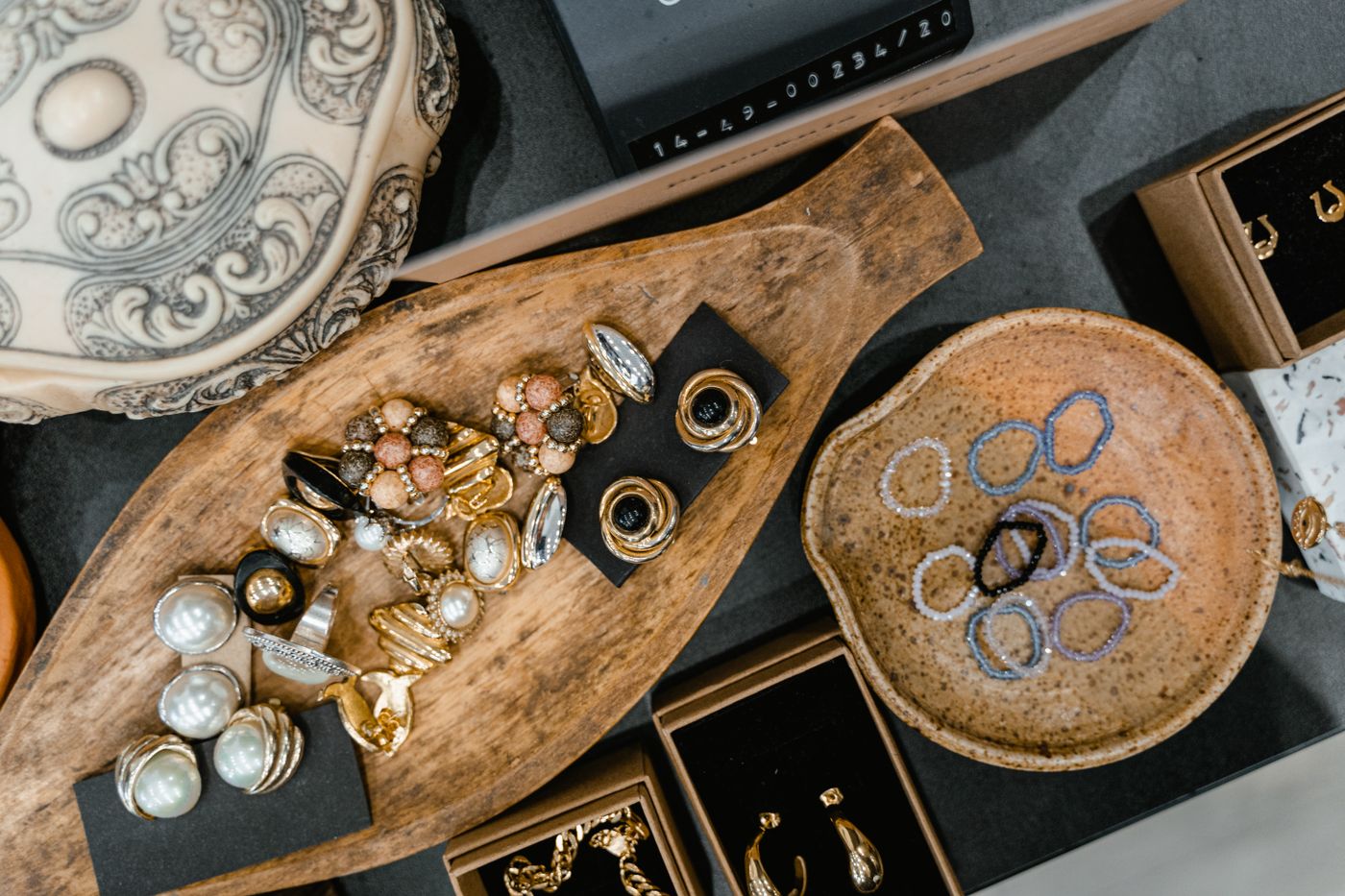
Foto: MART PRODUCTION · Pexels
Consider the metal. White gold or platinum looks cool and contemporary next to silver jewelry. Yellow gold Deco pieces are rarer but can be stunning with earth tones. If you're mixing metals, do it deliberately: wear a Deco gold necklace with a modern silver ring, but keep the rest minimal.
Think about your neckline. A Deco pendant sits best on bare collarbones or a simple crew neck. Avoid wearing it over busy patterns or ruffles. The geometry gets lost.
And don't forget the power of the unexpected. In the 1920s, women wore Deco jewelry with sportswear, yes, even tennis dresses. In 1926, Vogue wrote about wearing long beads with a golf sweater. That spirit of play is worth channeling. So try your Deco pendant with a tracksuit. It might just be the most stylish thing you own.
The Real Value
I've heard people say that Art Deco jewelry is an investment. Maybe it is. But that's not why you should buy it. You should buy it because it makes you feel like a million bucks when you walk into a room. It has history, yes, but it also has life. These pieces were made to be worn, not just looked at. And they still do the job.
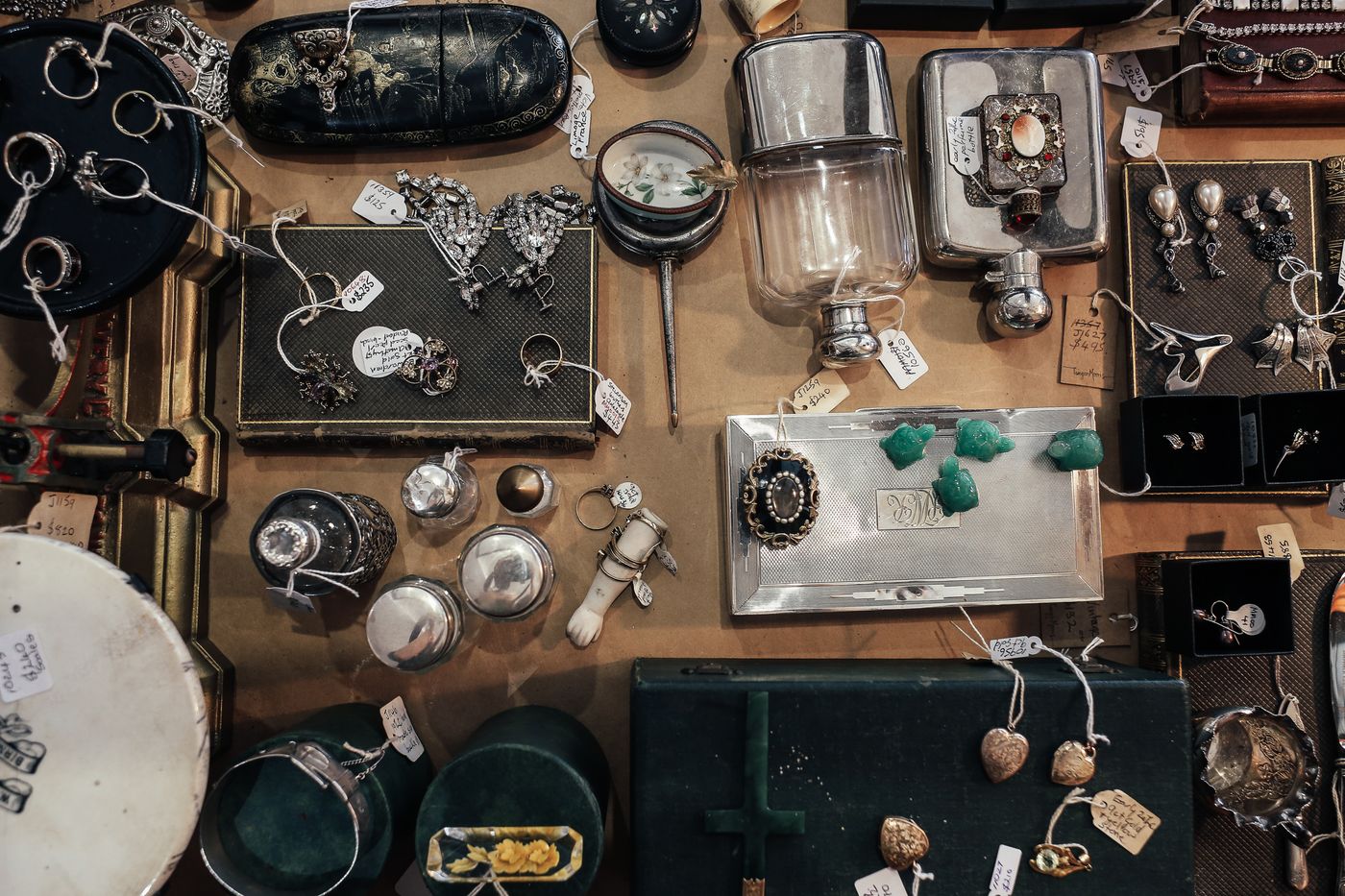
Foto: Rachel Claire · Pexels
When you buy a Deco necklace, you're holding something that might have been worn by a flapper in a speakeasy, or a secretary in a Manhattan office, or a grandmother at a wedding. You're adding your own story to that object. That's a tangible magic you can't get from a new piece straight off the shelf.
So wear it. Let it get scratched. Let it clink against your laptop. Let it be a part of your day. That's what it was meant for.
The Final Word
In 1929, the stock market crashed, and the world changed. But people didn't stop wearing jewelry. They just wore it differently. The bold, flashy pieces of the twenties gave way to smaller, more refined designs in the thirties. Yet the Deco spirit, the love of geometry, the belief that ornament and function can coexist, never died. It's still here, in your hands.

Next time you see a Deco piece, don't think about its resale value. Think about how it will look with your favorite black dress, or how it catches the light when you turn your head. Think about the woman who wore it in 1928, maybe dancing to jazz until dawn. And then wear it yourself, and dance a little.
Get the look
Get the look
The pieces that make this story wearable, live from the market.
sieraden
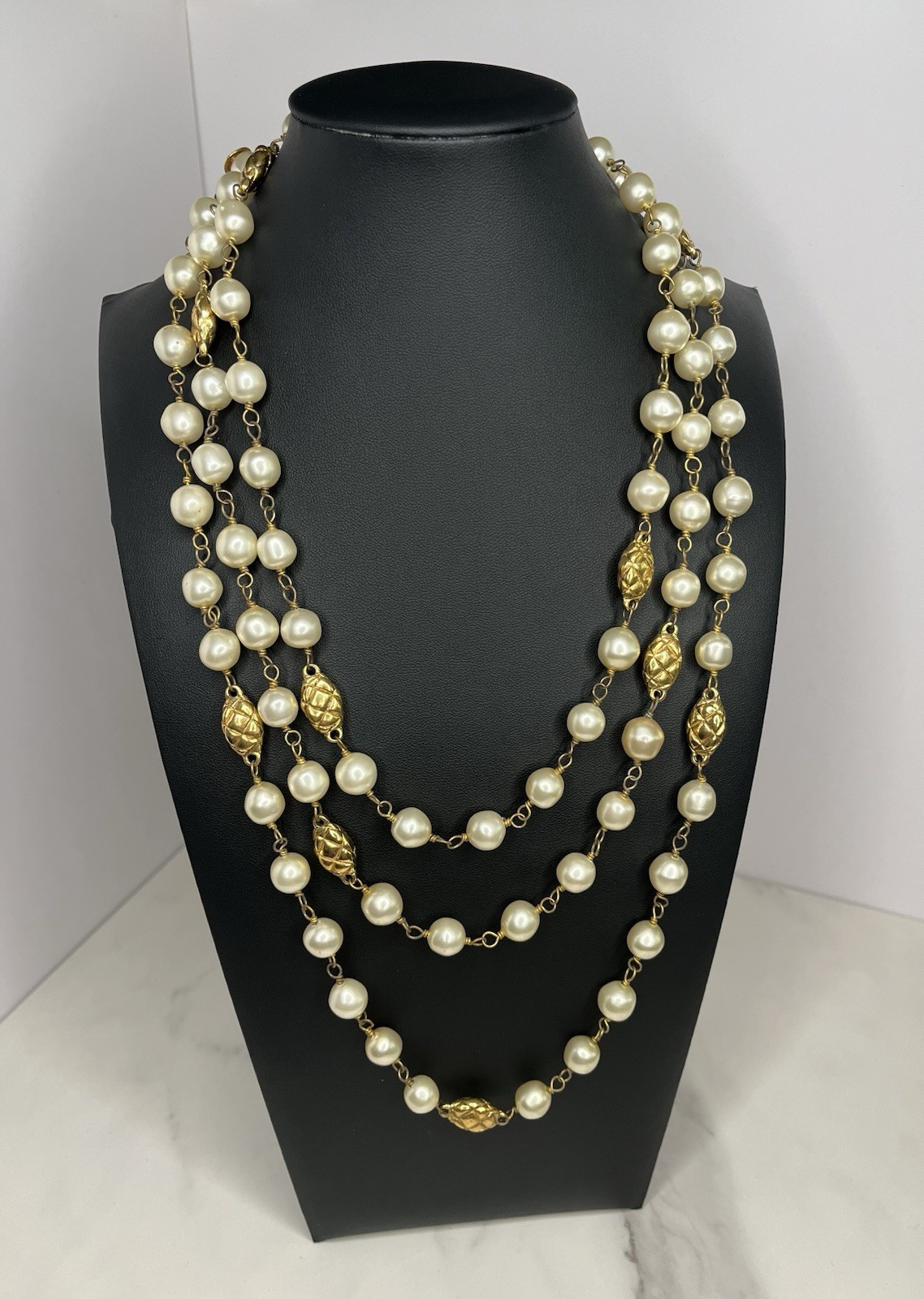
Vintage 72in LONG Signed Chanel Faux Pearl Gold Toned Necklace
sieraden
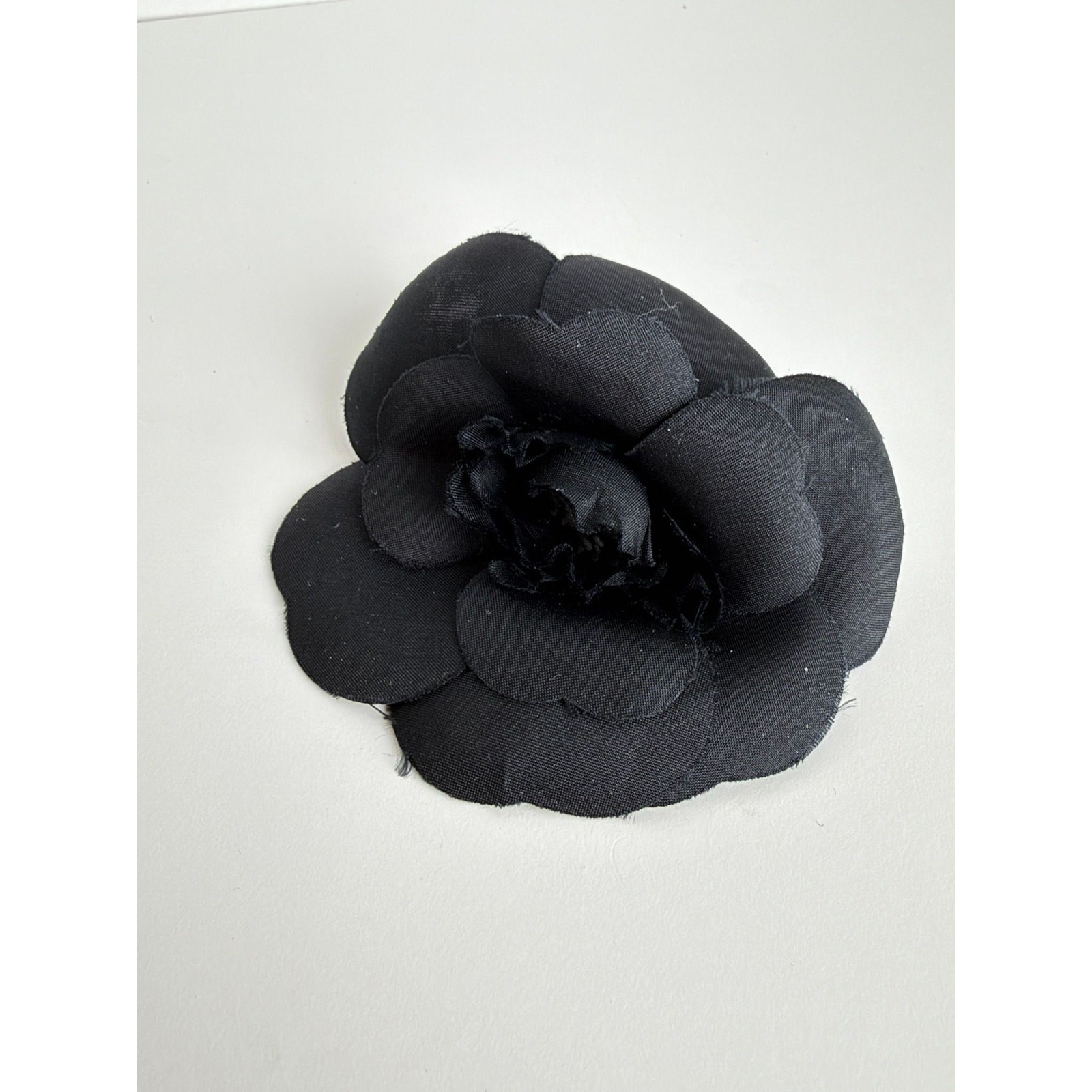
Chanel Black Silk Vintage Camellia Flower Brooch #110006
sieraden
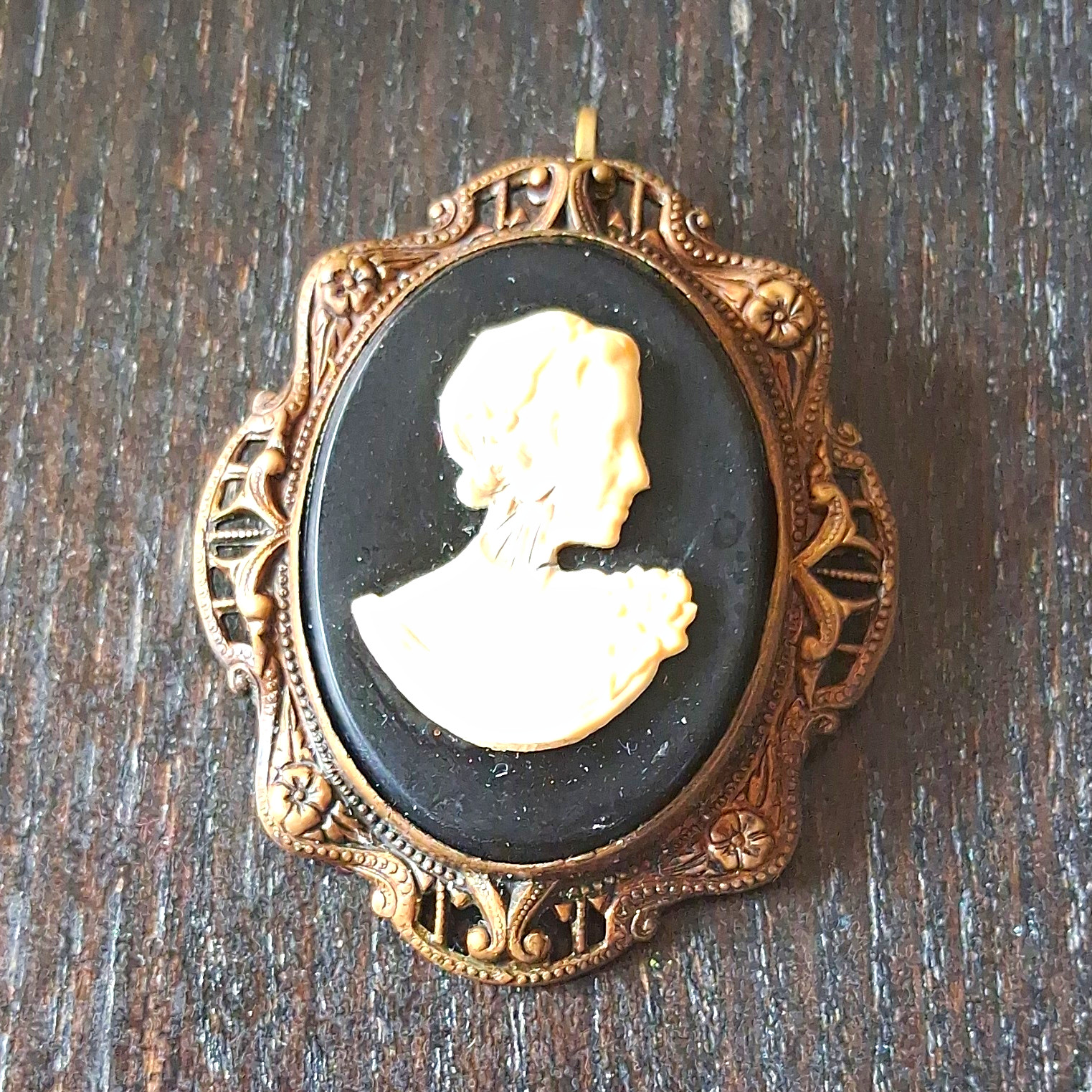
Vintage Cameo Portrait Oval Brooch Pendant, Black Cream, Gold Tone Beauty
sieraden
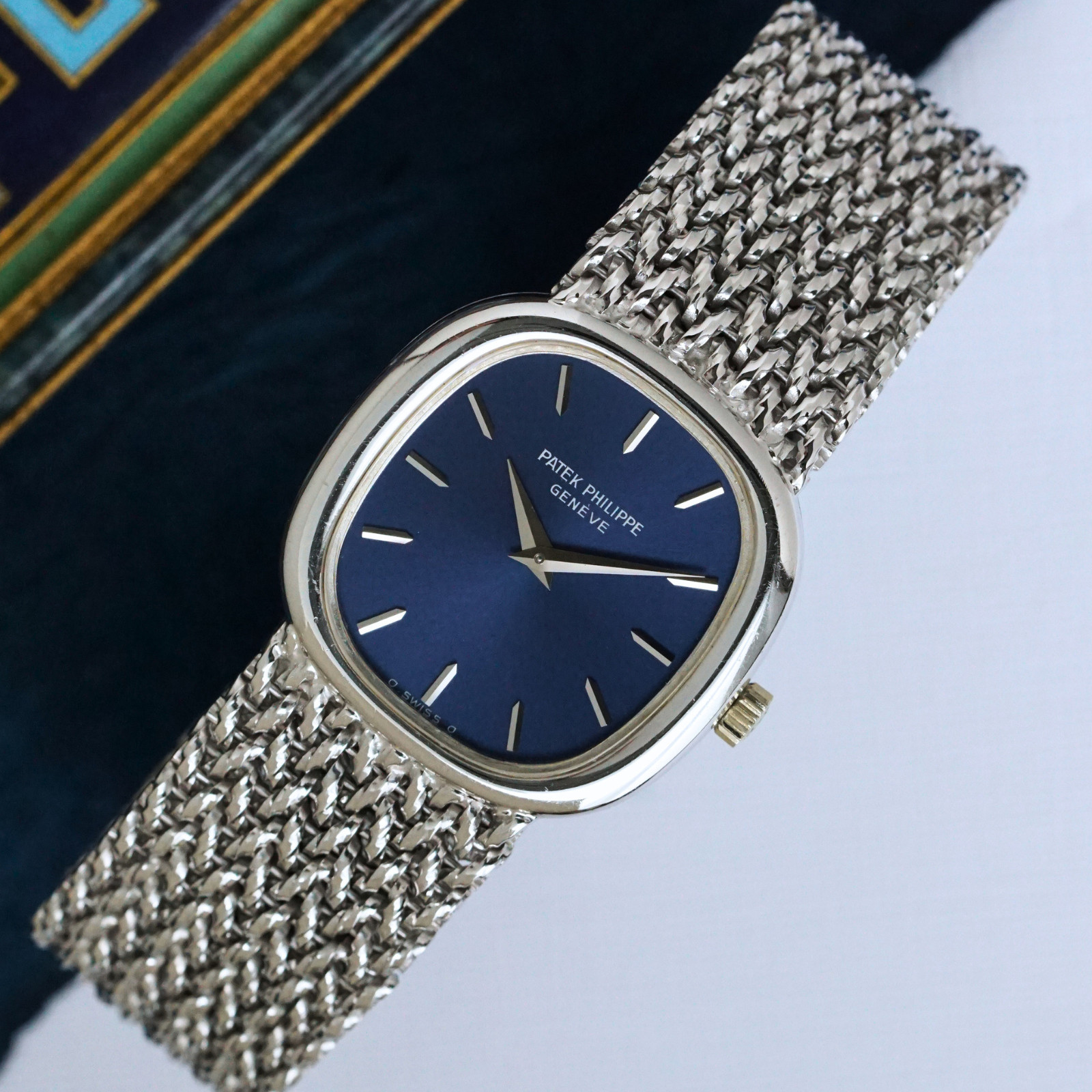
Vintage Patek Philippe Ellipse 4223/1 18k White Gold Bracelet Manual Wind 1970s
sieraden
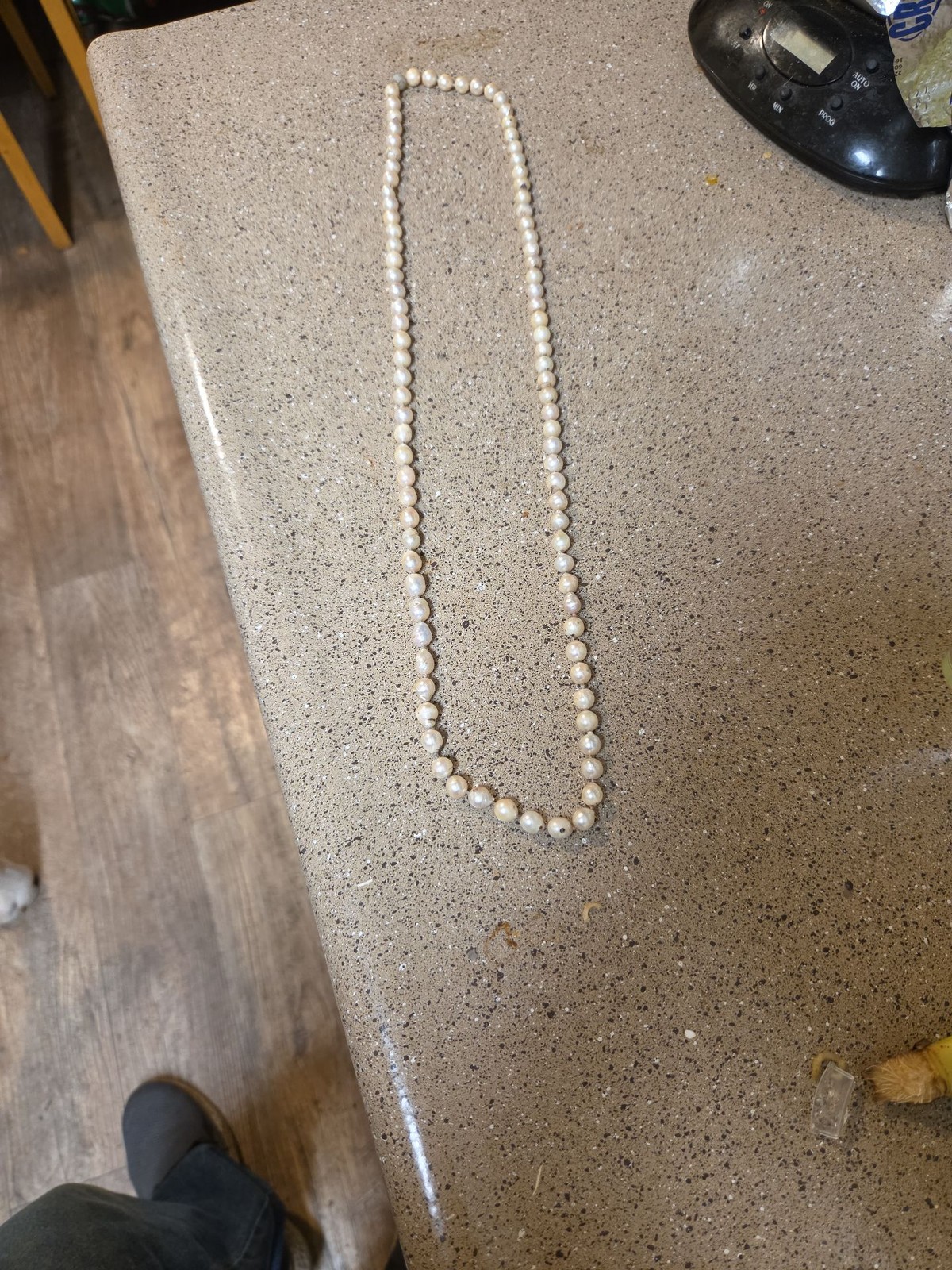
Vintage Hand-Knotted Freshwater Cultured Pearl Strand Necklace
sieraden
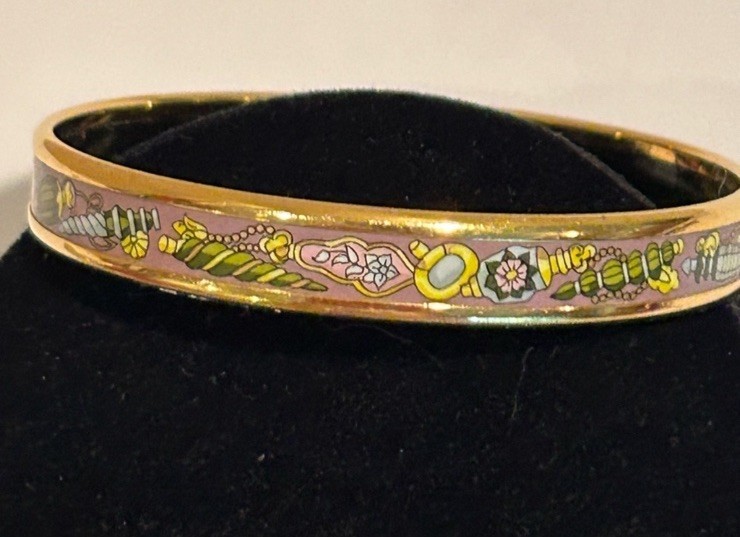
Vintage Hermes Enamel Bangle PM
The names
The designers behind the look
The minds behind this story — each with a piece currently on the market.
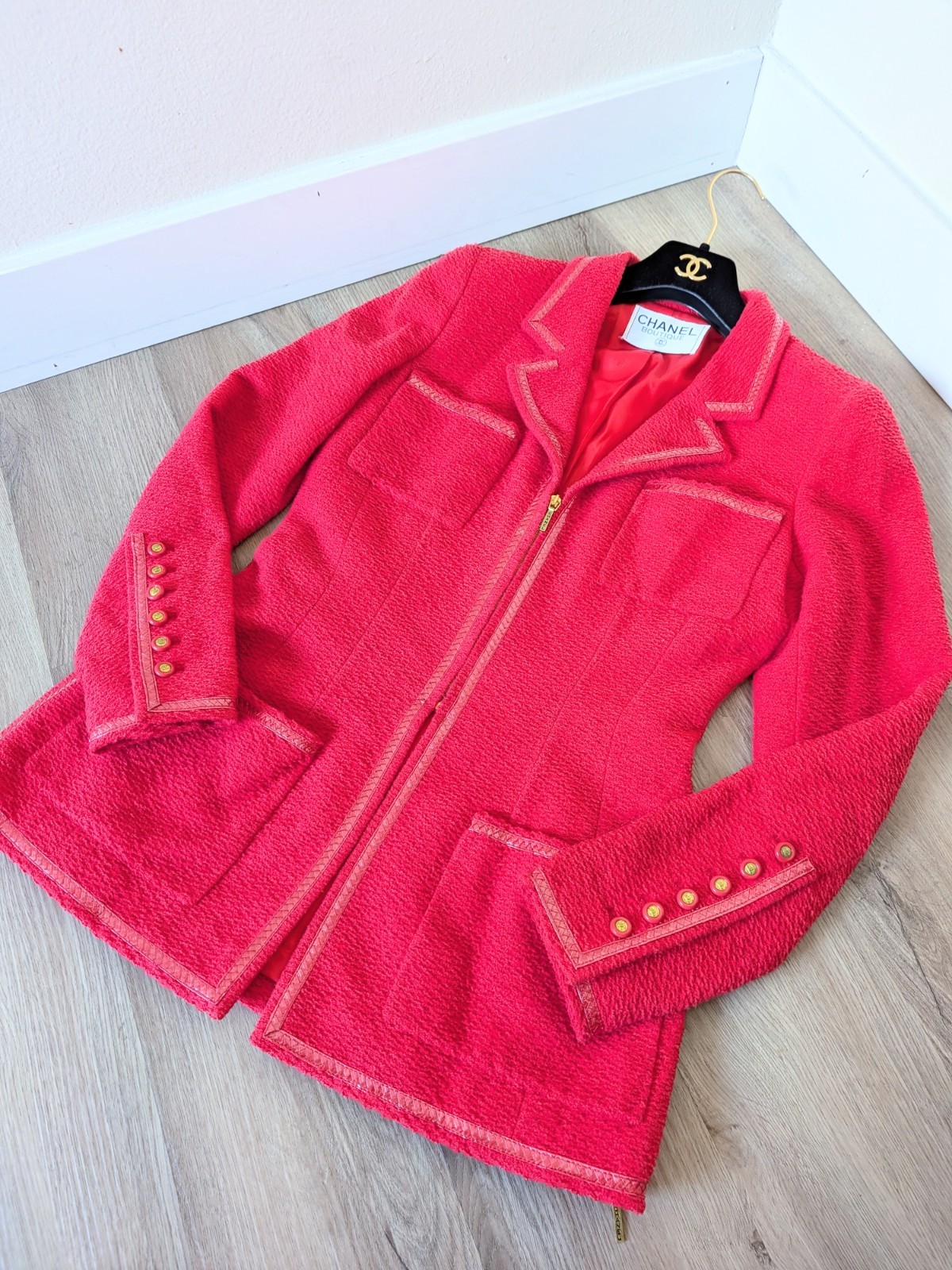
Chanel
France · 1910s
The little black dress & the 2.55
The little black dress & the 2.55
Top piece
View →
Comme des Garçons
Japan · 1960s
Deconstruction & anti-fashion
Deconstruction & anti-fashion
Top piece
View →
Diesel
Italy · 1970s
Washed denim & streetwear
Washed denim & streetwear
Top piece
View →
Dior
France · 1940s
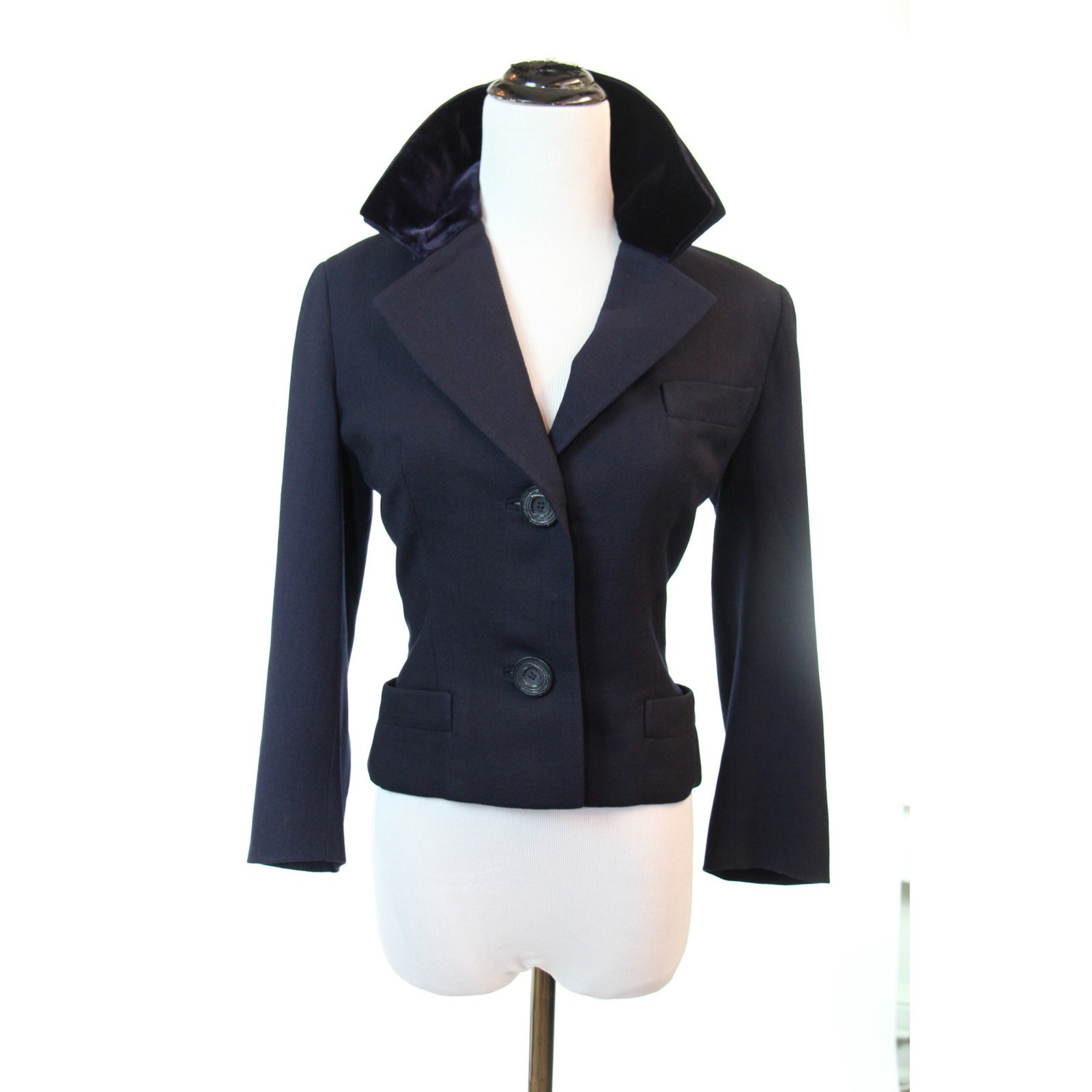
The New Look & the Lady Dior
The New Look & the Lady Dior
Top piece
View →
Continue the edit
Further stories from the same world
Three more walks through the same vintage universe.
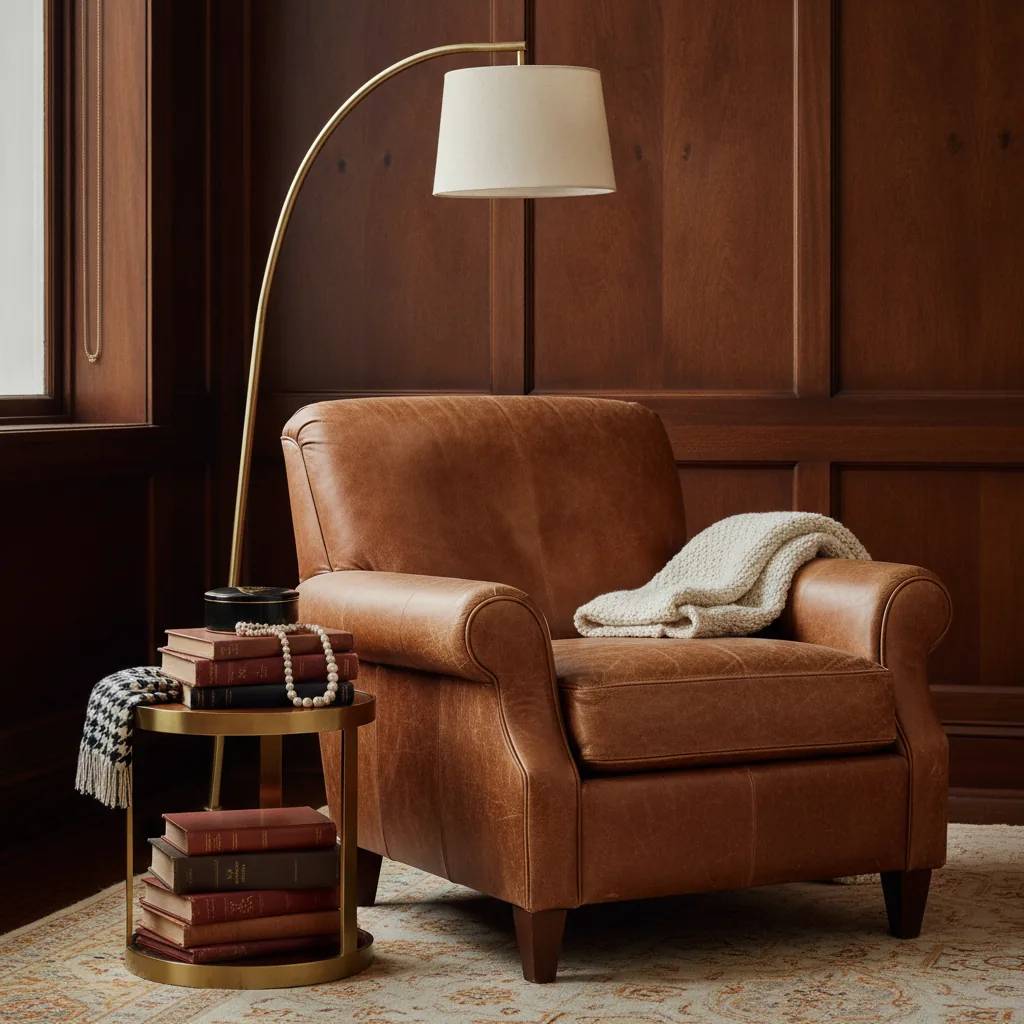
The Quiet Drama of Art Deco Furniture
A collector's guide to living with Art Deco furniture: how to place it, what to look for, and why its geometry still shapes a room.
Read the story →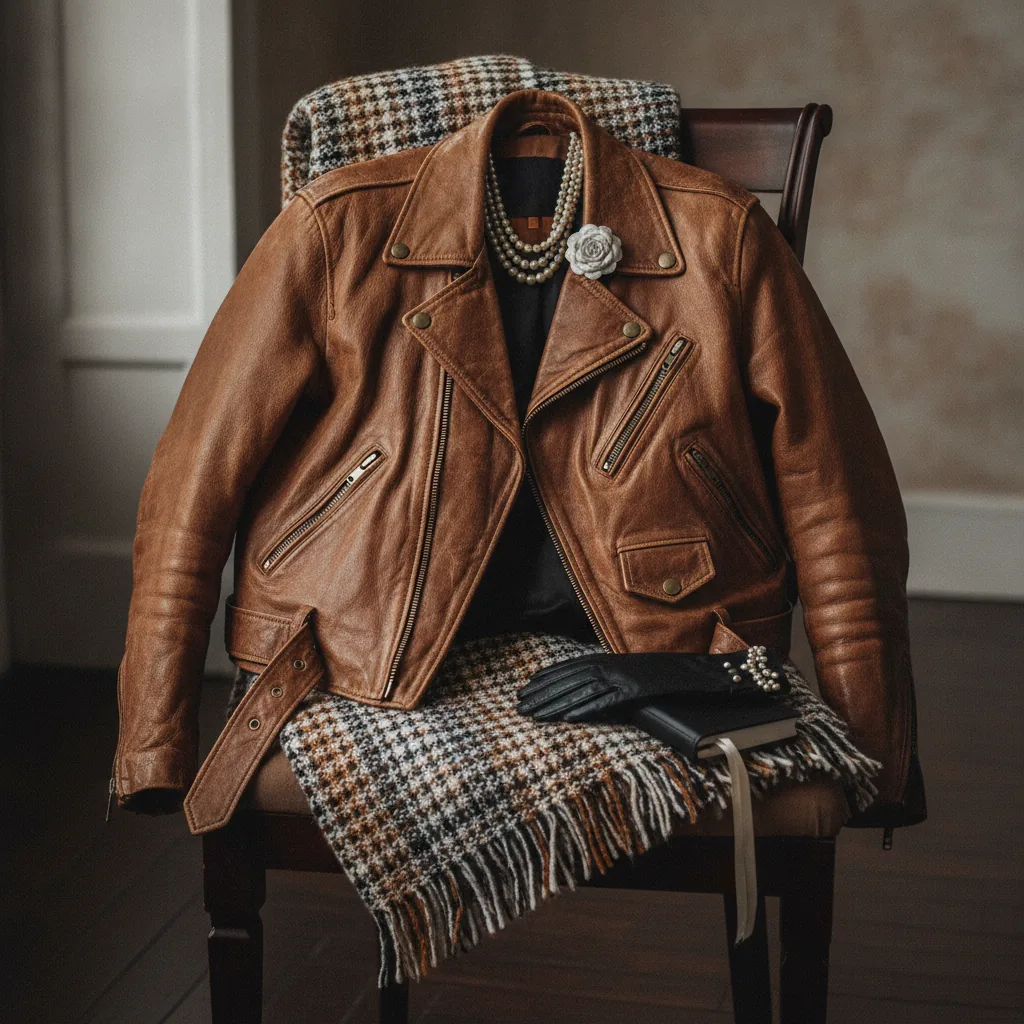
How to Buy an Old Coat in Paris
Nobody makes coats the way they used to. Vintage wool is denser, trench cottons are heavier, and the linings were built to be replaced rather than thrown away.
Read the story →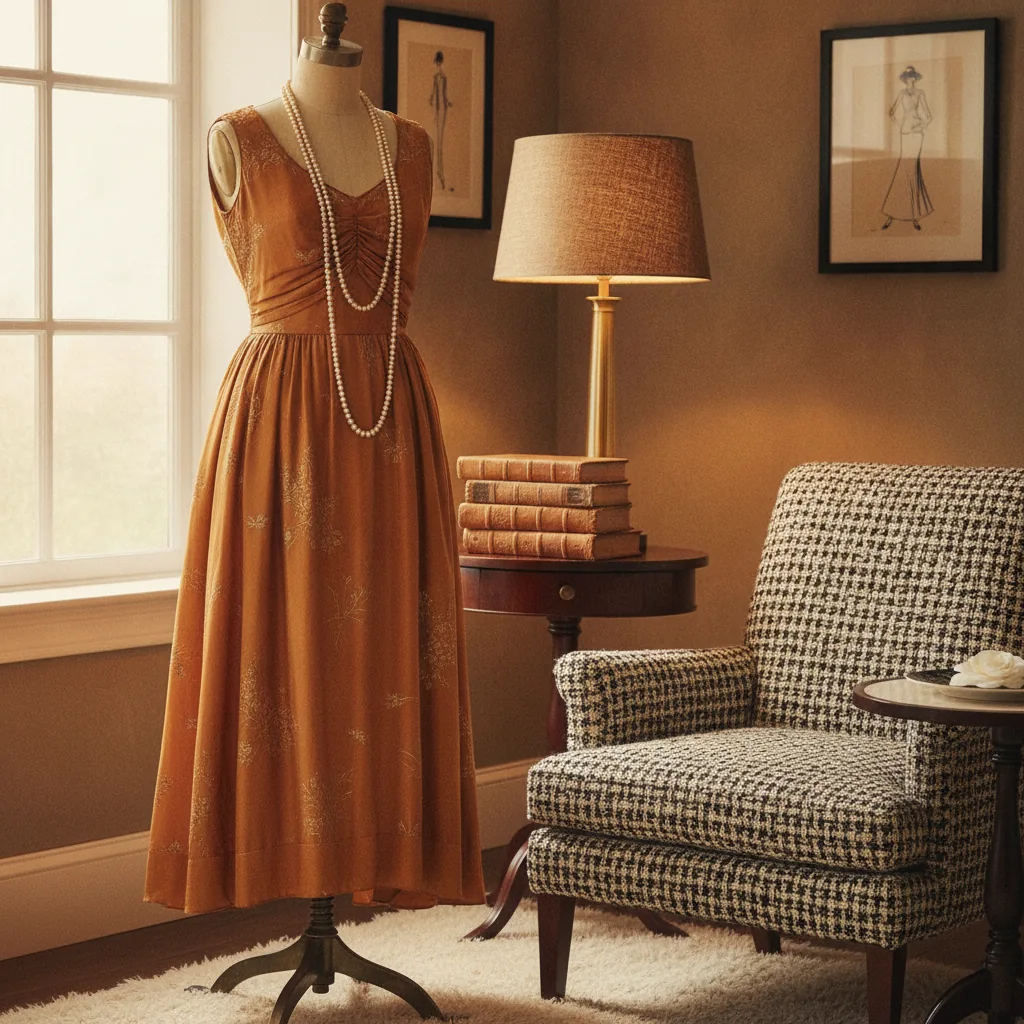
How to Find a Dress That Fits in Paris
Vintage dresses were cut for a body, not a size chart. Darts sit where they should, hems fall where they were meant to, and the fabrics (real silk, heavy crepe, proper cotton) move in a way that modern jersey never will.
Read the story →