
 Sign in
🔥 Fashion · Tokyo
The Bomber Jacket Guide for Tokyo
A leather jacket is the rare piece that looks better the longer you own it. Vintage ones arrive already broken in. The collar softened, the cuffs scuffed, the lining a little tired in the best way.
 By Louis Trash·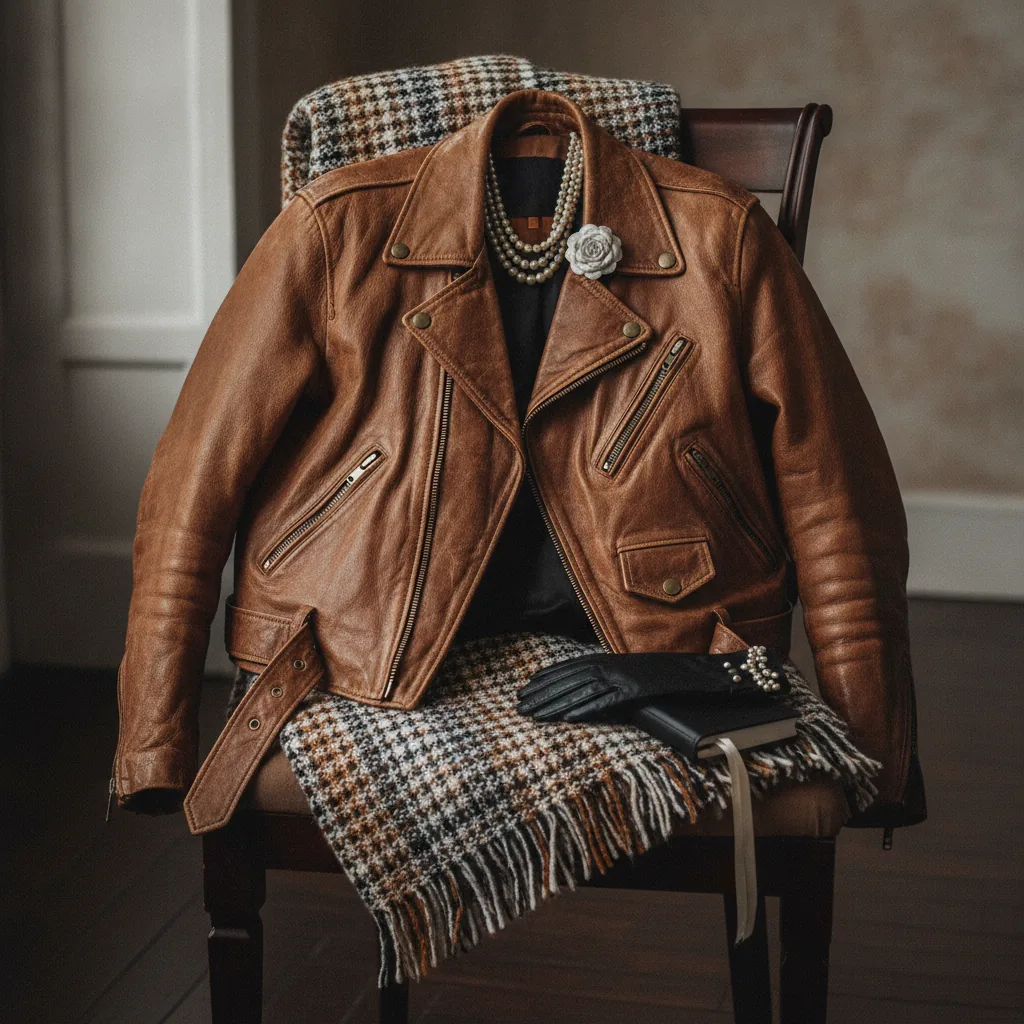
The Jacket That Outlives You
A leather jacket is the rare piece that looks better the longer you own it. Vintage ones arrive already broken in. The collar softened, the cuffs scuffed, the lining a little tired in the best way. That is character you cannot buy new at any price.
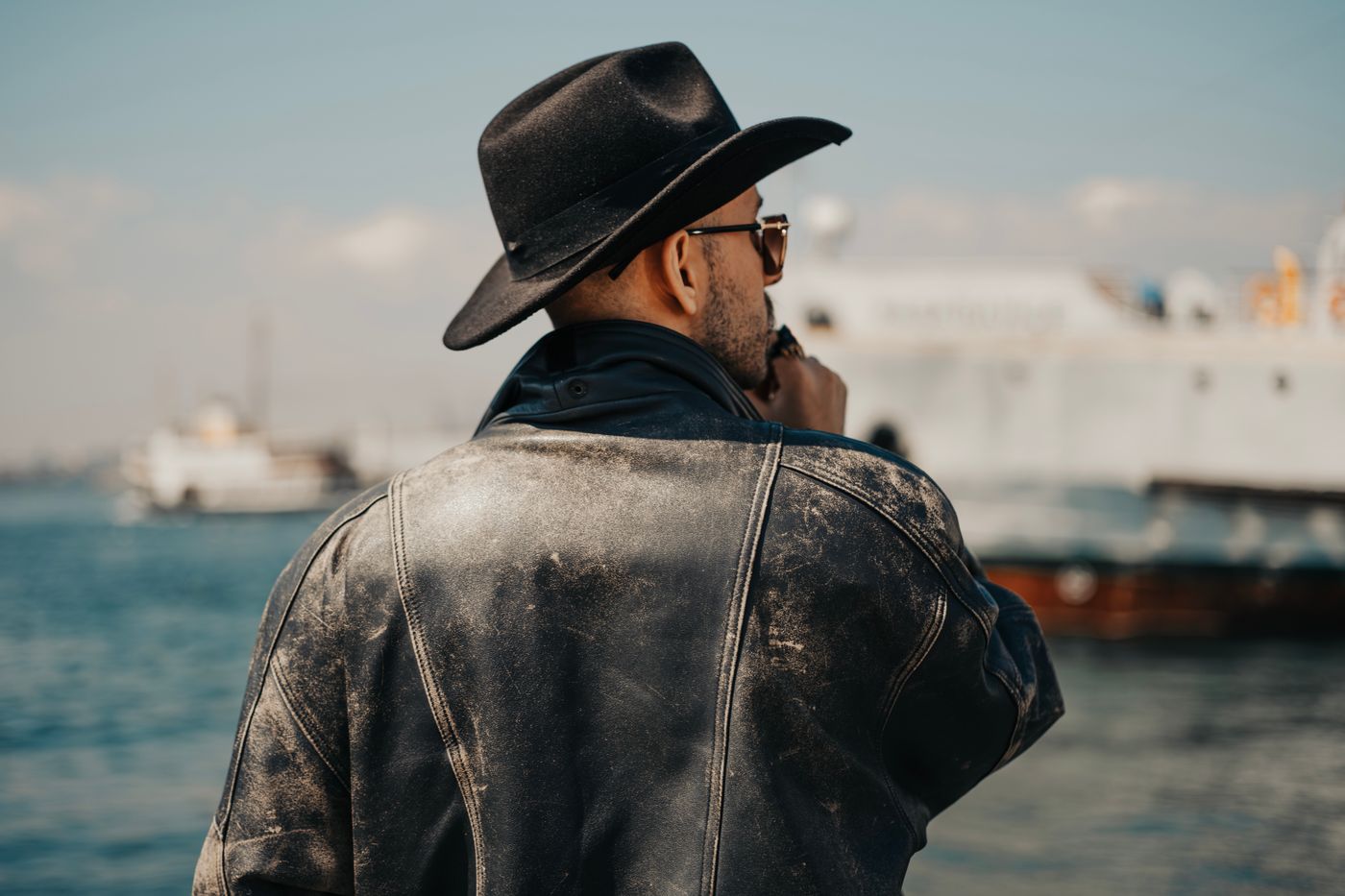
Foto: Wolrider YURTSEVEN · Pexels
Walk into any serious vintage shop in Shibuya and you will see it. Racks organized by color and era, each jacket tagged with its brand, its material, its flaws. This is a city where a 1970s Schott from a thrift store gets a full provenance before it hits the rail.
The bomber jacket has a history that suits Tokyo's obsession with detail. It began as a military flight jacket in the 1940s, designed for pilots who needed warmth and mobility in unpressurized cockpits. The original MA-1, made by Alpha Industries in 1963, had a nylon shell and a reversible orange lining, so a downed flyer could signal rescuers. Leather versions came later, favored by aviators for their durability and, eventually, by rebels for their attitude. Marlon Brando wore a leather bomber in The Wild One (1953), and the look never went away. In Tokyo, the bomber became a uniform for the city's motorcycle couriers and rockabilly kids in the 1980s, then filtered into everyday style. Today, a vintage leather bomber is the closest thing to instant credibility you can wear.
How to Wear It
Keep the rest plain. A white tee, straight-leg jeans, and boots. The jacket is the outfit. This is a piece for layering over a hoodie or under a trench. It wants to be seen, and it wants clean lines around it.
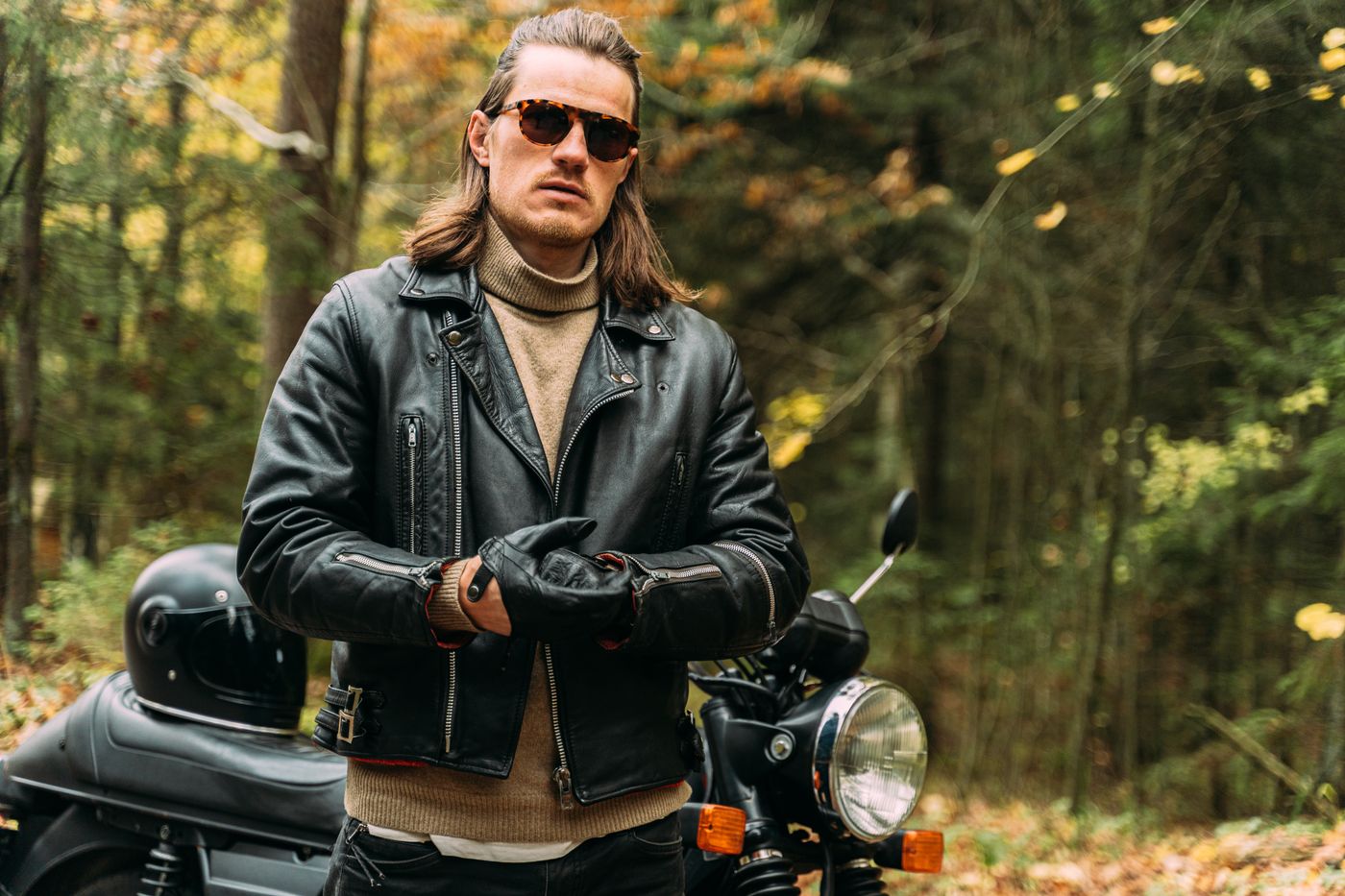
Foto: Antoni Shkraba · Pexels
Size up rather than down. A bomber that skims the body reads modern. One that grips reads costume. You should be able to zip it over a thin sweater without feeling like a sausage. The shoulders should sit at your natural line, and the sleeves should end at your wrist bone, not your palm. Most vintage bombers run small, so a size 40 in a 1970s jacket fits more like a modern 38. Try on two sizes and trust the larger one.
Try it over something delicate. A slip dress, a fine knit. The contrast is what makes it look deliberate. A leather jacket with a silk skirt is a Tokyo staple, seen in Daikanyama and Ebisu on women who know exactly what they are doing. The roughness of the leather plays against the softness of the fabric, and the result is a look that is both tough and graceful. For men, a fine-gauge merino sweater under the jacket works better than a T-shirt when the evening cools.
Where to Find Yours in Tokyo
- RAGTAG Harajuku (6-14-2 Jingumae, Shibuya) - authenticated designer resale over several floors, from around 20 euros. The ground floor is accessories and handbags, but the leather jackets live on the second floor, organized by brand. You will find Saint Laurent, Rick Owens, and the occasional McQueen, all at half their original price. The staff wear white gloves when handling the racks, which tells you everything about the care level.
- Kindal Harajuku (4-26-27 Jingumae, Shibuya) - stock turns weekly, come back often, from around 45 euros. This is the place for mid-range brands like Schott, Lewis Leathers, and Aero. The selection is smaller than RAGTAG, but the prices are better. I once found a 1980s Lewis Leathers Lightning with a perfect patina for 120 euros. It took three visits before that happened, so plan your time.
- Chicago Jingumae (6-31-21 Jingumae, Shibuya) - the basement is where it gets interesting, from around 60 euros. Chicago has a reputation for vintage Levi's and band tees, but the basement has a rotating pile of leather jackets that are not always sorted by brand. You have to dig. That is the point. I have seen 1960s horsehide bombers from obscure Japanese makers next to 1990s GAP leather. The thrill is in the hunt, and the prices are the lowest in the area.
- Pass The Baton Omotesando (5-13-13 Jingumae, Shibuya) - consignment with the previous owner's story attached, from around 90 euros. Each item comes with a small card telling you where it came from. One jacket might have belonged to a professor who wore it for thirty years. Another to a musician who bought it in London. The stories are part of the price, but they also tell you the jacket has been cared for. This is the place to find a piece with real provenance, not just a label.
Go on a weekday morning if you can. The rails are fullest before the weekend crowd arrives, and staff have time to show you what came in overnight. Tuesday and Wednesday are the quietest days. Avoid Saturday afternoons, when the shops are three-deep with tourists and locals alike.
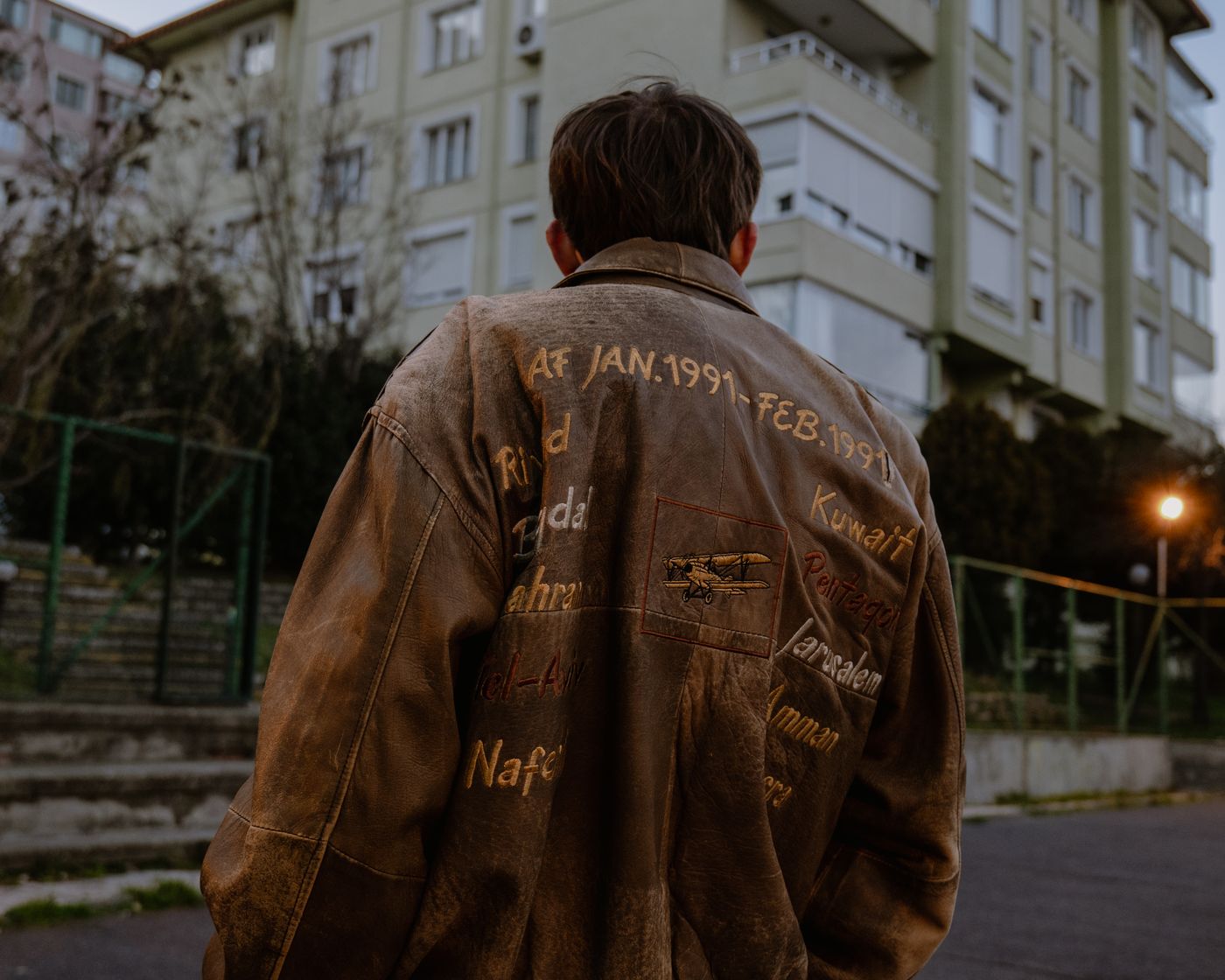
Foto: Ayberk Mirza · Pexels
What to Look For
Check the zip first. A heavy metal pull with a brand stamp is a good sign. YKK and Talon are the classics. Excella is a mark of higher-end Japanese and American makers. The zipper should run smoothly, without catching. If it sticks, that is a fixable problem, but if the teeth are worn or missing, walk away.
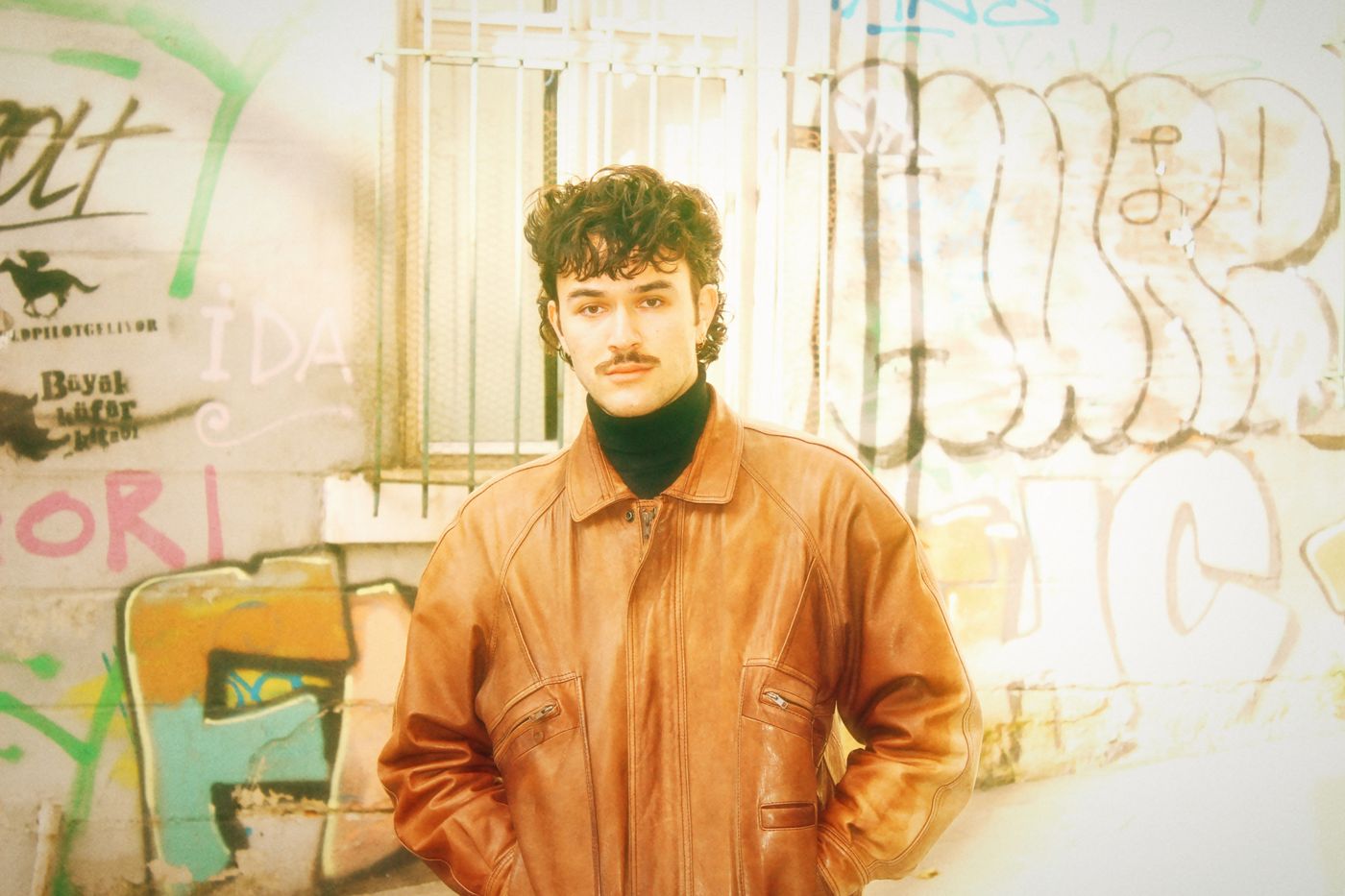
Foto: damla selen demir · Pexels
Cracked leather at the elbows never recovers, but dry, dull leather does. A proper conditioner brings it back in an evening. Run your hand over the surface. If it feels like sandpaper, it is too far gone. If it feels like paper, it can be saved. A good leather conditioner, like Obenauf's or Fiebing's, will soften the hide and restore the color. Do not use mink oil on a vintage jacket. It can darken the leather permanently.
Look inside for a quilted or satin lining and a union label. Both point to something built to last. A quilted lining is a sign of a serious jacket, usually from the 1960s or earlier. A satin lining is common in 1970s and 1980s bombers. The union label, a small tag that says "Union Made" or "AFL-CIO," indicates American manufacture, which is a good benchmark for quality. Japanese makers like Toyo Enterprise also produce high-quality leather, but they are harder to find in Tokyo vintage shops.
The skin itself matters. Goat leather is light and grainy. Cowhide is heavy and smooth. Horsehide is the toughest and rarest, with a distinctive sheen. For everyday wear, go with goat or cow. Horsehide is beautiful, but it will take years to break in, and it is weighty. If you are buying online, ask for close-up photos of the stitching and the seams. Loose threads are cosmetic. Loose seams are not.
One last thing. Try it on properly, walk around in it, and sit down. A leather jacket that only works standing still is not going to survive your actual life. Raise your arms above your head. Reach for something on a high shelf. Hug yourself. If the jacket fights you, put it back. The right one will feel like an old friend from the first moment.
The Long Game
A vintage leather jacket is an investment in time as much as money. It will mold to your body, develop creases where you bend, and fade in sunlight. That is the point. In Tokyo, where the secondhand market is a religion, you are not just buying a jacket. You are taking over a story. The scuffs on the sleeve are from someone else's life, and now they become part of yours. Wear it well. It will last longer than most of your other clothes, and it will look better every year. The only thing you need to do is show up.
The names
The designers behind the look
The minds behind this story — each with a piece currently on the market.
Alpha Industries
USA · 1950s
The MA-1 flight jacket
The MA-1 flight jacket
Avirex
USA · 1970s
The vintage bomber
The vintage bomber
Schott
USA · 1910s
The Perfecto motorcycle jacket
The Perfecto motorcycle jacket
Børge Mogensen
Denmark · 1940s
The Spanish chair — honest, functional furniture for everyday life.
The Spanish chair — honest, functional furniture for everyday life.
Continue the edit
Further stories from the same world
Three more walks through the same vintage universe.

How to Wear a Faded Tour Tee in Tokyo
A band tee is a souvenir somebody else brought home. The faded print, the softened cotton, the fact that it survived thirty years of washing.
Read the story →
Why Old Jeans Beat New Ones in Tokyo
In Tokyo, vintage denim is not a trend. It is a category of craftsmanship. The jeans that survive from the 1970s and 1980s were cut on machines that no longer exist, with cotton that was woven slowly and dyed with indigo that fades in layers, not all at once.
Read →
The Small Bag Guide for Tokyo
It is 2025, and the small shoulder bag is everywhere. But the ones in the windows of Ginza department stores are not the ones I want.
Read →