
 Sign in
🔥 Fashion · Tokyo
Y2K Shoulder Bags: The Return of the Baguette
I remember the first time I saw a Fendi Baguette. It was 1997, and a woman on the Tokyo subway had one slung over her shoulder.
 By Louis Trash·
Carry-On Culture
I remember the first time I saw a Fendi Baguette. It was 1997, and a woman on the Tokyo subway had one slung over her shoulder. It was tiny, almost useless, but she wore it like a piece of jewelry. That bag said more about her than any tote ever could. Twenty-five years later, I see the same silhouette everywhere: on the arm of a stylist in Omotesando, on the shoulder of a college student in Shimokitazawa. The shoulder bag is back, and Tokyo is its temple.
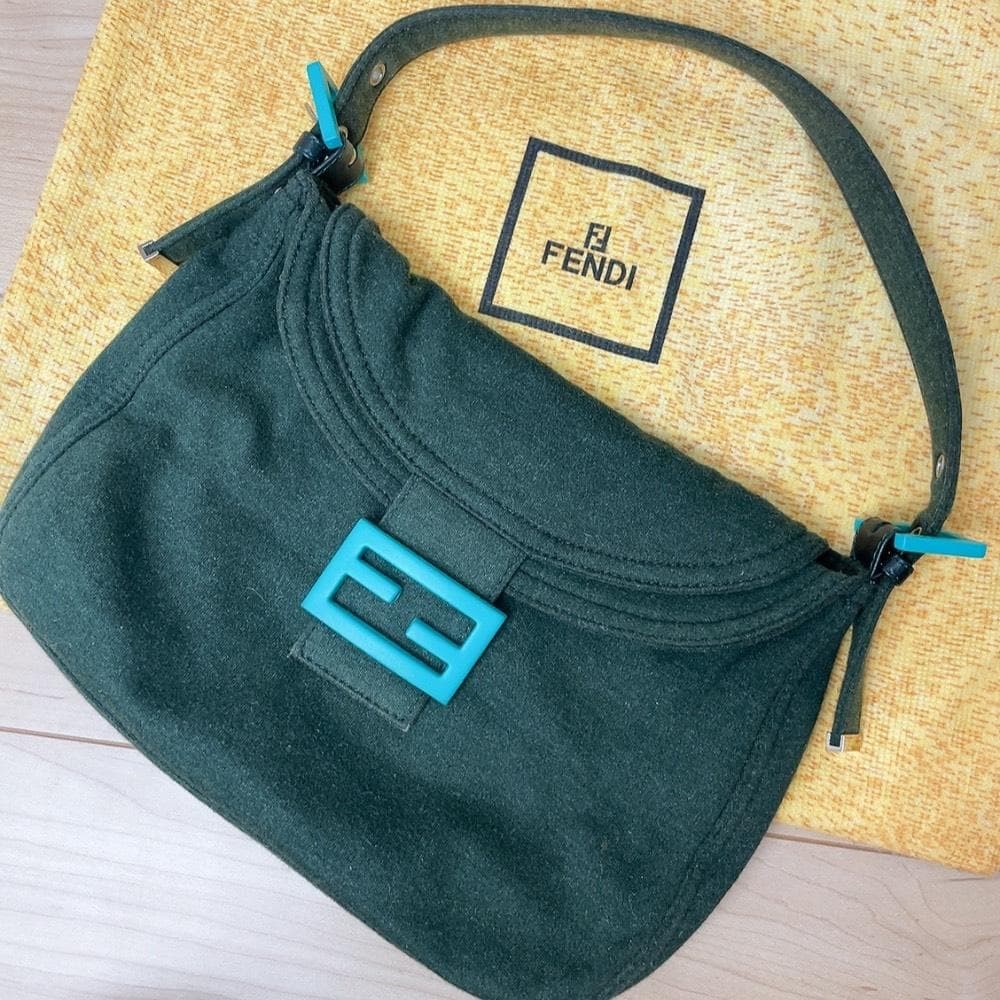
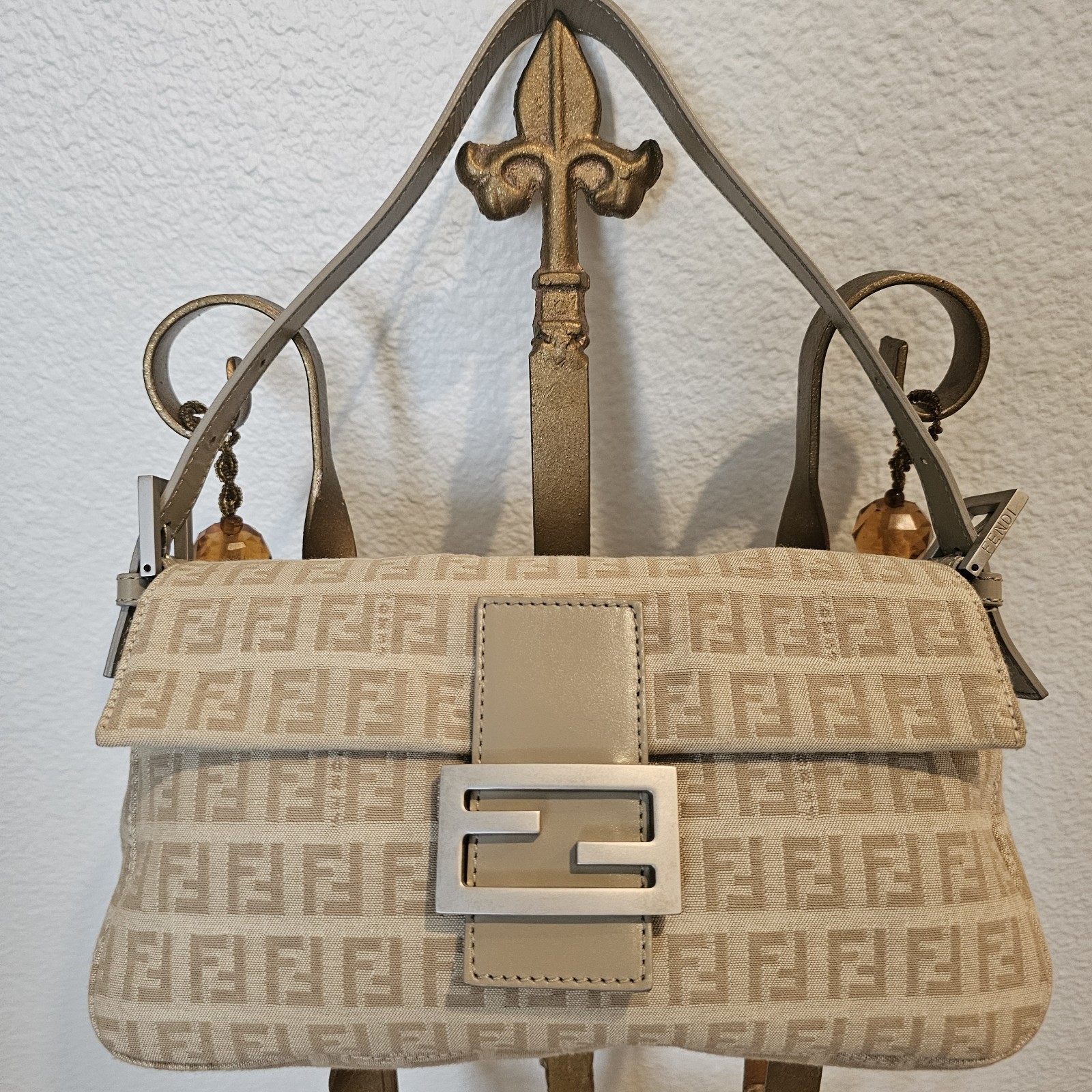
This isn't just nostalgia. It's practicality. A Baguette sits snug under your arm, holds your phone, a lipstick, and a card case, and leaves your hands free for a coffee and a cigarette (if you still smoke). It forces you to edit your life. No room for the gym clothes, the water bottle, the laptop. Just the essentials, and that's liberating. The modern tote, by contrast, swallows your life whole and leaves you rummaging for your keys like a bad magician. The shoulder bag is a declaration: I know what I need.
The Tokyo Advantage
Japanese vintage stores are legendary for condition. This is not a myth. I've bought bags in Paris, London, and New York, and nothing matches the meticulousness of Tokyo. A 20-year-old Fendi Baguette here comes with its original dust cover, the authentication card still crisp, the leather supple from careful storage. The Japanese obsession with preservation extends to their luxury goods. They keep the boxes, the ribbons, the receipts. It's a cultural thing: objects are treated with respect, as if they carry a spirit.
Walk into any serious vintage shop in Tokyo, and you'll see it. The bags are displayed like museum pieces, each one tagged with its year, its condition, its provenance. The staff can tell you the story of a bag, the season it was released, the campaign it starred in. This is not a flea market. It's a curated archive. And because the Japanese market has long prized condition over age, you can find pieces that look brand new, even if they're from 2003.
Where to Shop: Amore and Qoo
Amore Vintage in Omotesando is a good starting point. The two-story shop on Jingumae is a treasure chest. Upstairs, there's a wall of Chanel and Hermès that will make your eyes water. But the real steals are downstairs. I once found a Fendi Baguette in the brown Zucca print for ¥40,000, about $280. In New York, that same bag would go for $700. The selection changes constantly, so it pays to visit often. The staff are patient, knowledgeable, and they don't hover.
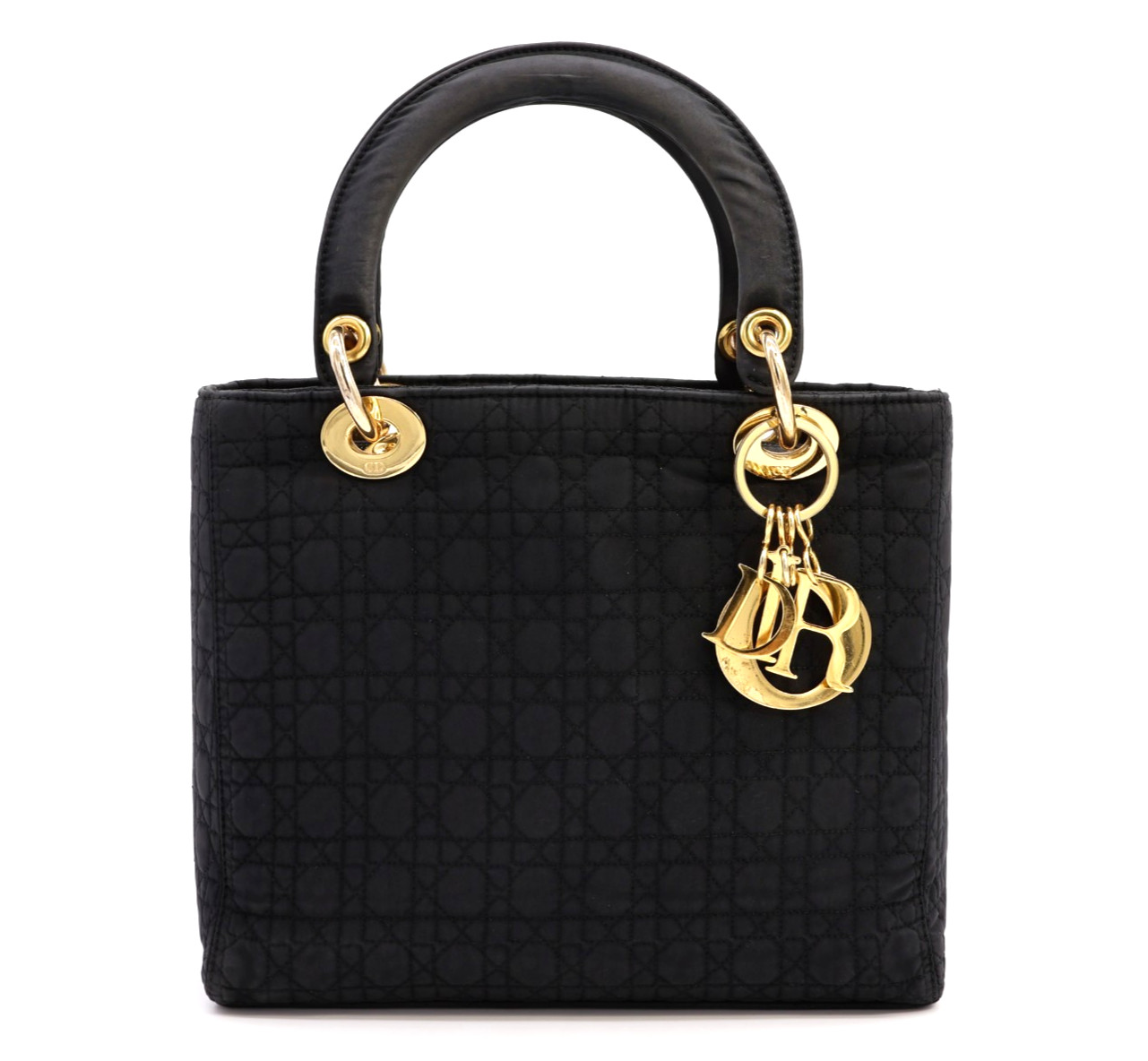
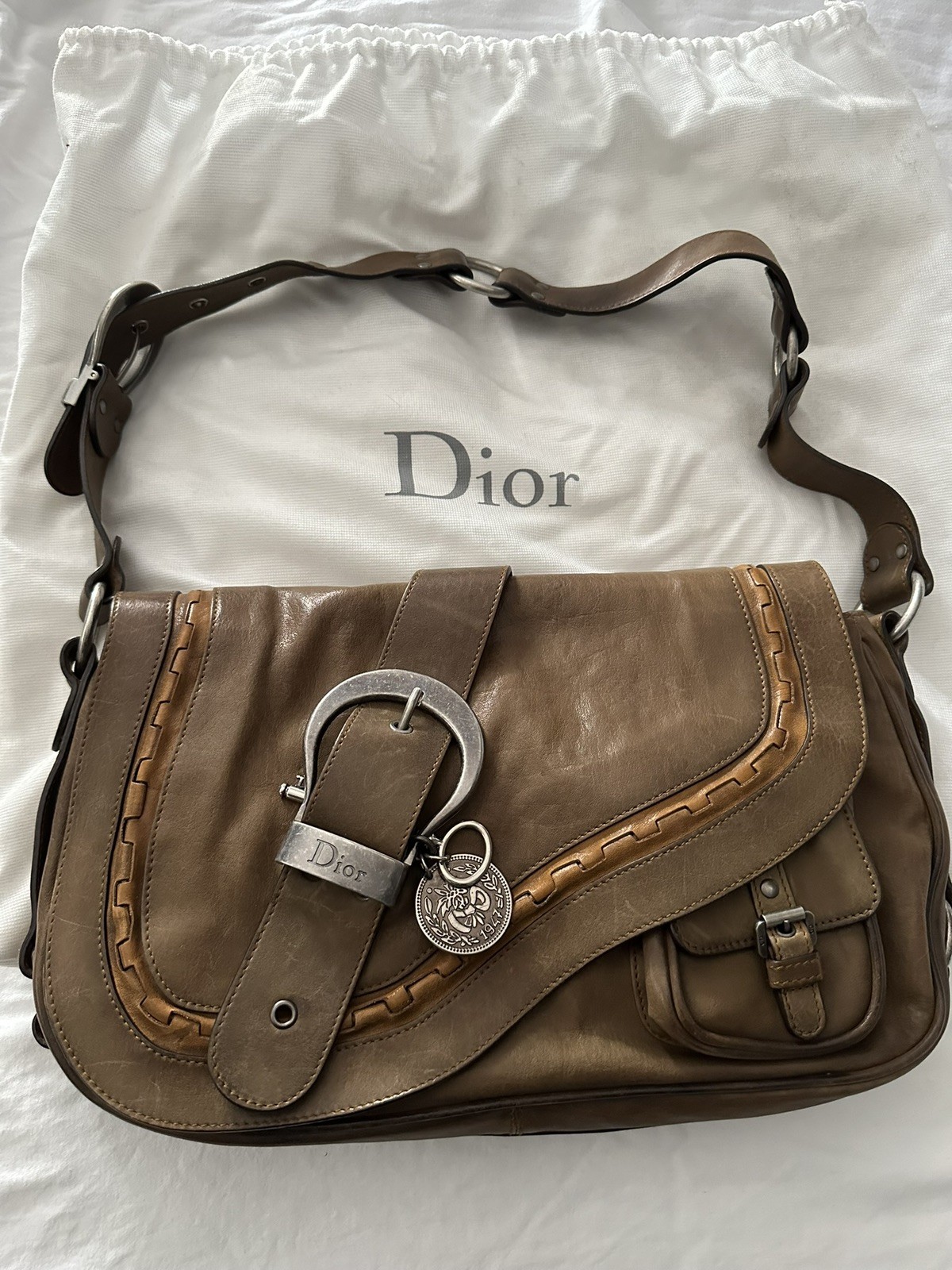
For Dior Saddles, head to Qoo in Harajuku. It's a small shop on Cat Street, easy to miss if you're not looking. The saddle bag, with its distinctive curve and the 'D' charm, was a defining accessory of the early 2000s. John Galliano's Dior was theatrical, and the saddle bag was his masterpiece. Qoo's selection rotates weekly, so if you see one you like, don't hesitate. I once hesitated over a black leather saddle with silver hardware, and it was gone the next day. I still think about that bag.
How to Spot a Real Baguette
The Fendi Baguette, designed by Silvia Venturini Fendi in 1997, is the original it-bag. It was the first bag to be treated like a fashion item, not just a utility. It came in hundreds of variations: patent, sequin, fur, denim, even Plexiglas. The name comes from the way it fits under your arm, like a baguette. The classic Zucca print is the most recognizable, but the real value is in the rare materials. A velvet Baguette with beadwork from 2000 can fetch $1,500 today.
When you're buying, check the details. The Fendi logo should be crisp, the stitching even. The leather tag inside should have the serial number, and the 'Fendi' embossing on the hardware should be sharp. The original dust cover is a plus. But beware of fakes. The market is flooded with them. If a price seems too good to be true, it probably is. A Baguette in good condition rarely goes for less than ¥30,000, even in Tokyo.
The Prada Nylon Phenomenon
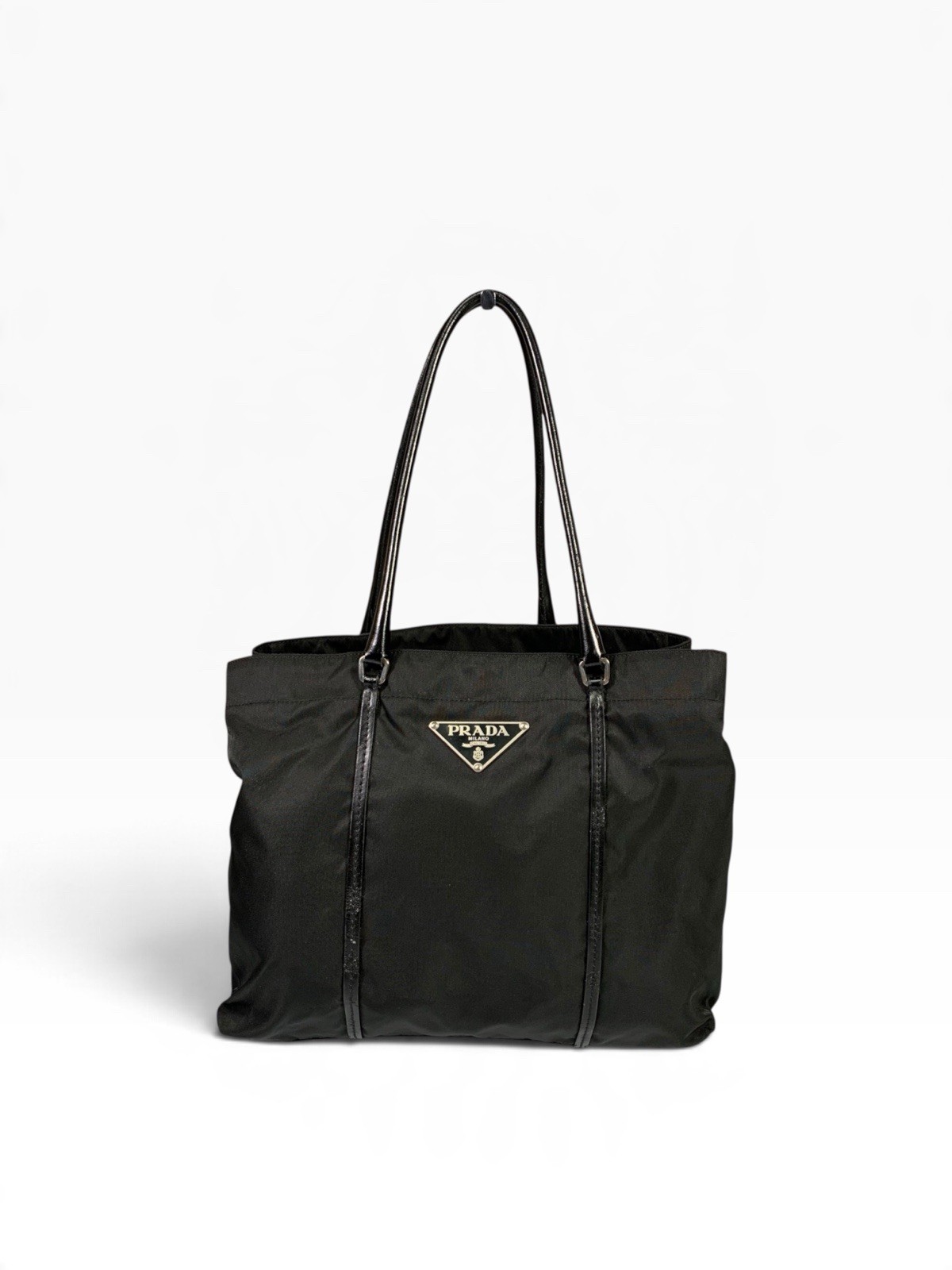
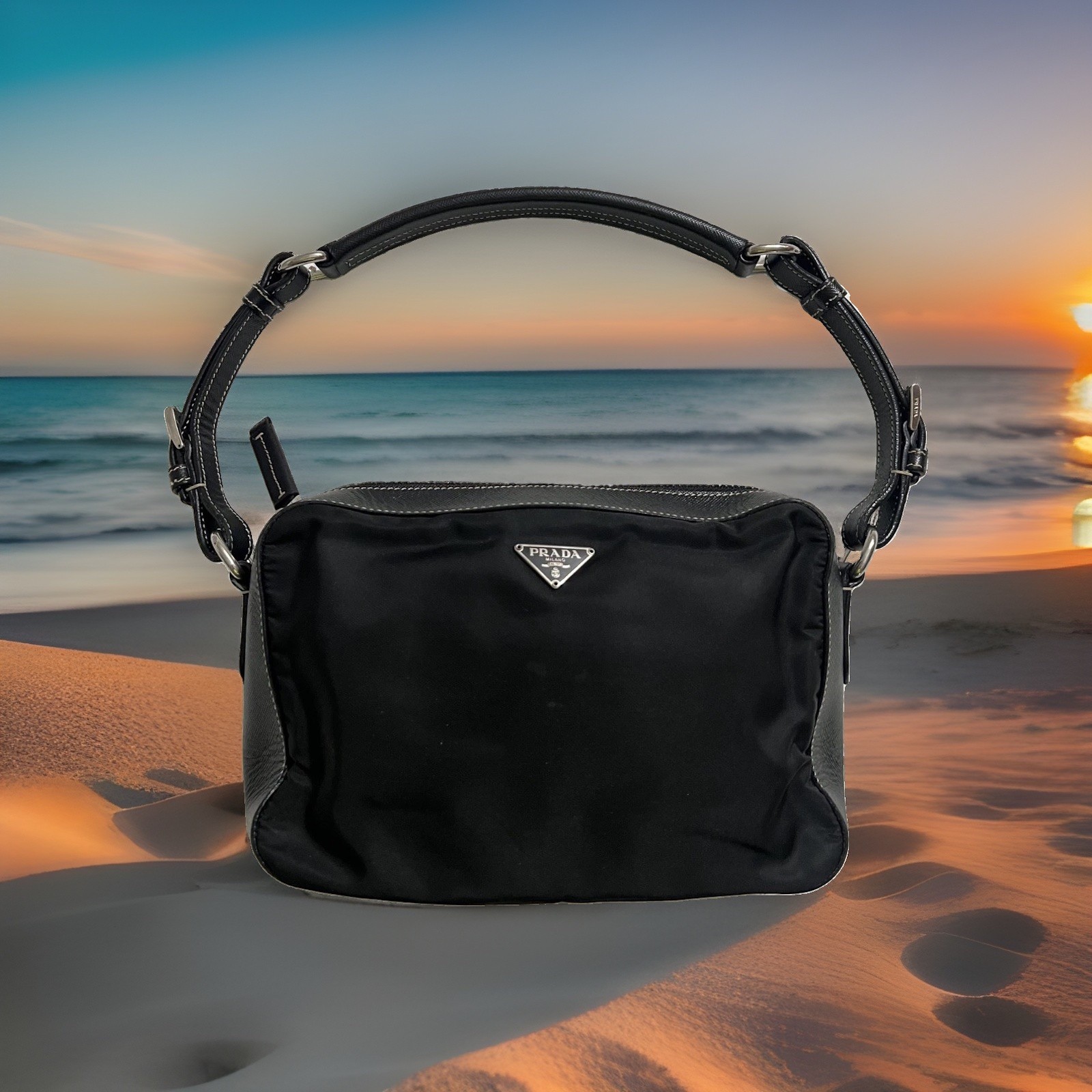
Prada nylon shoulder bags are the workhorses of the vintage world. They're lightweight, durable, and unmistakably 90s. Miuccia Prada introduced the nylon line in 1984, using the same material as military tents. It was a radical move: luxury in a synthetic fabric. The bags were an instant hit, and they've aged remarkably well. The black nylon with the silver triangle logo is a classic, but the colored versions—lime green, hot pink, electric blue—are the ones that turn heads.
In Tokyo, you can find Prada nylon bags for as little as ¥25,000. That's a steal for a piece of fashion history. The key is to check the condition of the nylon. It should be smooth, not pilled or frayed. The straps should be intact, and the zippers should glide. The interior lining is often a point of wear, so check that too. With a little care, a Prada nylon bag can last another 20 years.
How to Wear It Now
The shoulder bag is versatile. It works with jeans and a white shirt, with a slip dress, with a tailored blazer. The trick is to let the bag be the star. Don't over-accessorize. A Baguette with a simple gold chain is enough. A Prada nylon bag pairs well with sporty pieces: a track jacket, sneakers, a baseball cap. It's a nod to the 90s, but it feels modern.
My advice: buy the bag you'll use. Don't buy a Baguette just because it's a Fendi. Buy it because it holds your phone and your keys, and it makes you smile every time you catch your reflection. The vintage market is full of bags that were bought on a whim and never carried. The best vintage bag is the one that becomes part of your uniform, that you reach for without thinking.
Tokyo's vintage scene is a gift. The condition, the selection, the prices—it's a collector's paradise. But it's also a place to find a piece of yourself. The shoulder bag is more than a trend. It's a reminder that style is personal, and that the past can be worn, not just admired. So go ahead, sling a Baguette under your arm, and walk out into the Tokyo heat. You'll feel like you own the city.
Get the look
Get the look
The pieces that make this story wearable, live from the market.
designer-bags
FENDI Mamma Baguette Jersey Shoulder Bag Green Turquoise FF Buckle Vintage Japan
designer-bags
PRADA Nylon Leather Tote Bag Black Triangle Logo Shoulder Bag Vintage Japan
designer-bags
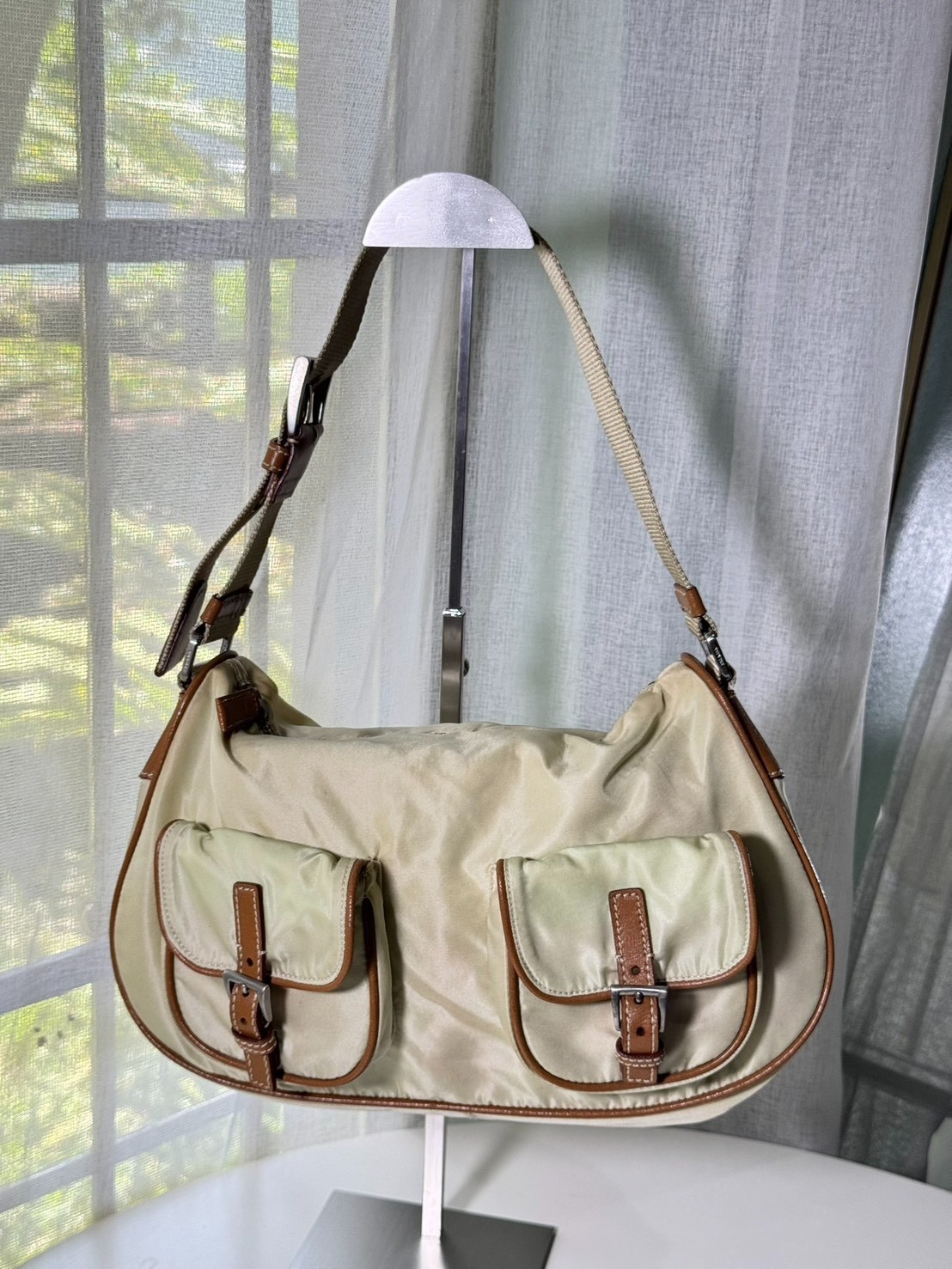
Authentic Prada Tessuto Nylon Shoulder Bag Beige Brown Leather Trim Vintage
designer-bags
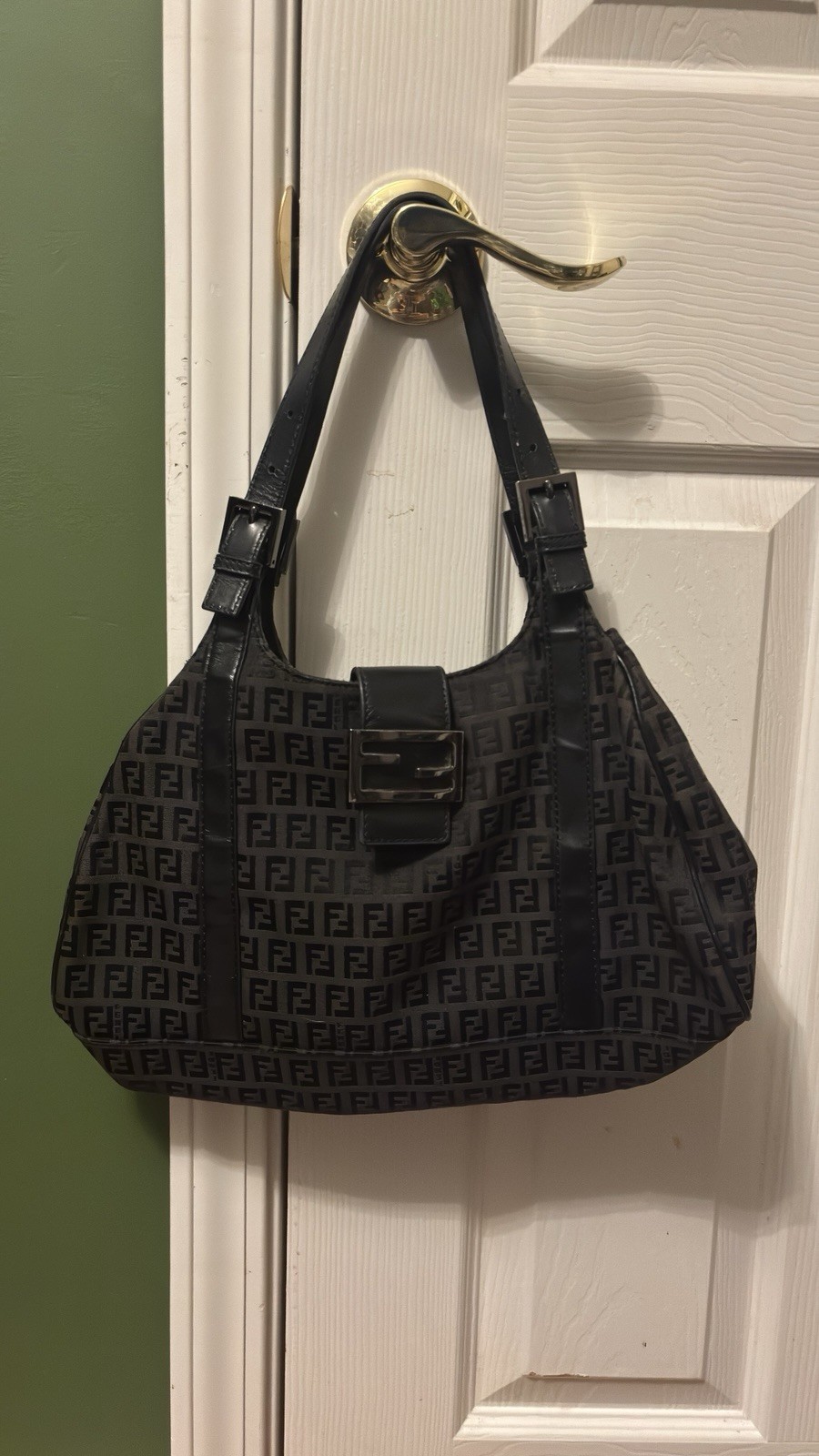
Vintage Fendi Zucca Monogram Black Canvas Leather Shoulder Bag FF Logo
designer-bags
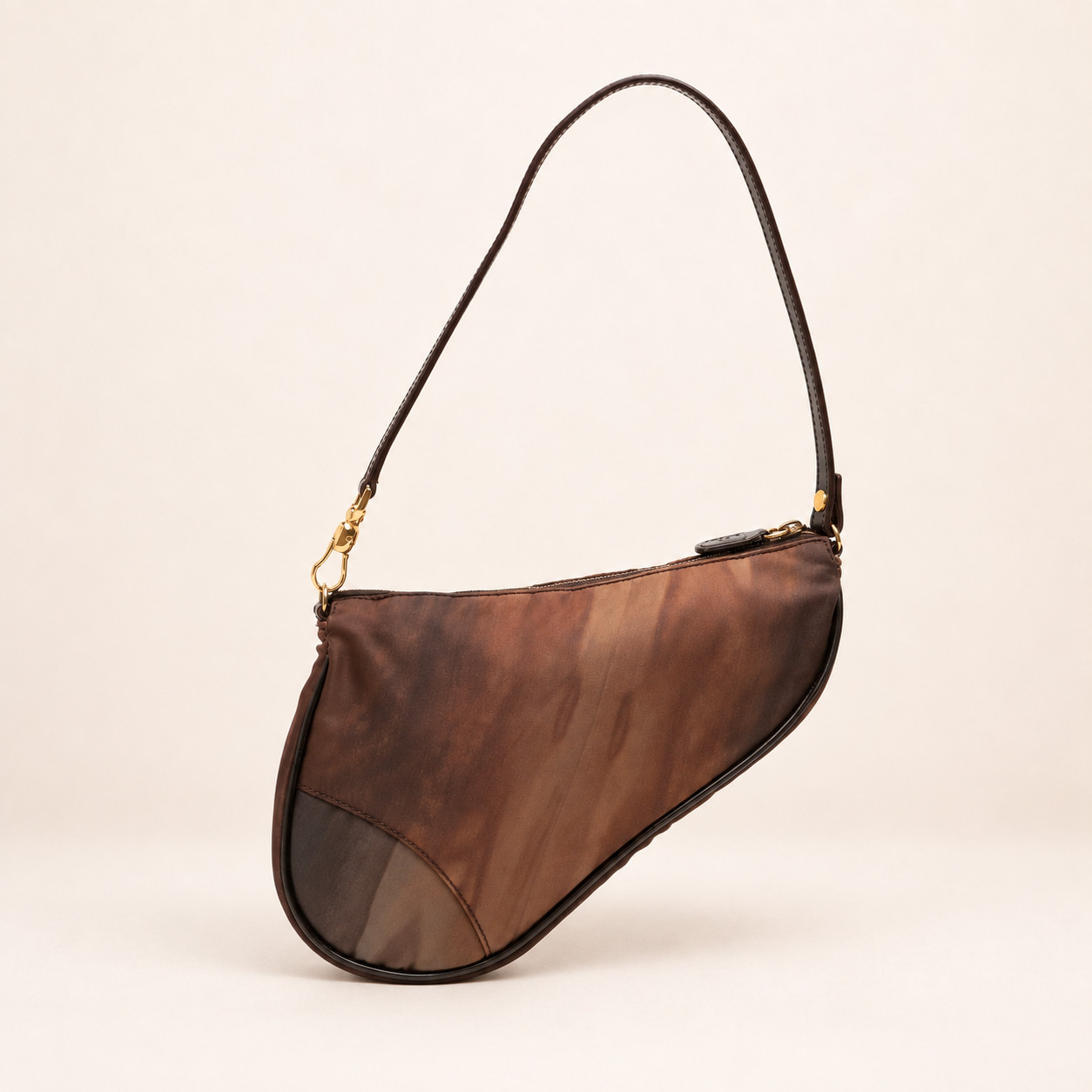
Vintage Christian Dior Mini Saddle Bag Printed Nylon Brown 2000s
designer-bags
PRADA Black Nylon Saffiano Leather Classic Bag EUC
designer-bags
DIOR Lady Dior Handbag Purse CD Canage Nylon Black Small Vintage Authentic
designer-bags
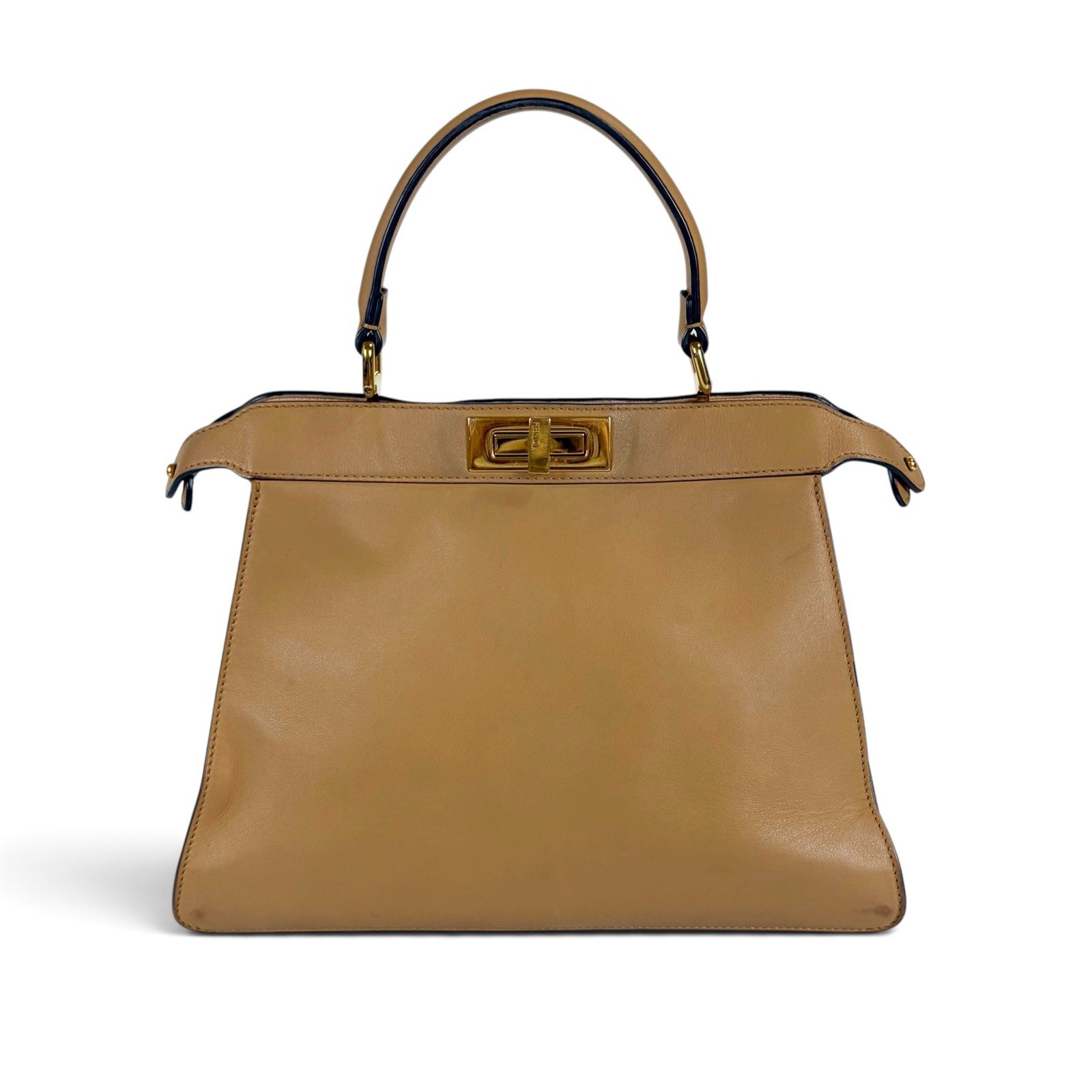
Fendi Peekaboo Top Handle Bag Medium Leather Beige Brown Authentic Used Vintage
The names
The designers behind the look
The minds behind this story — each with a piece currently on the market.
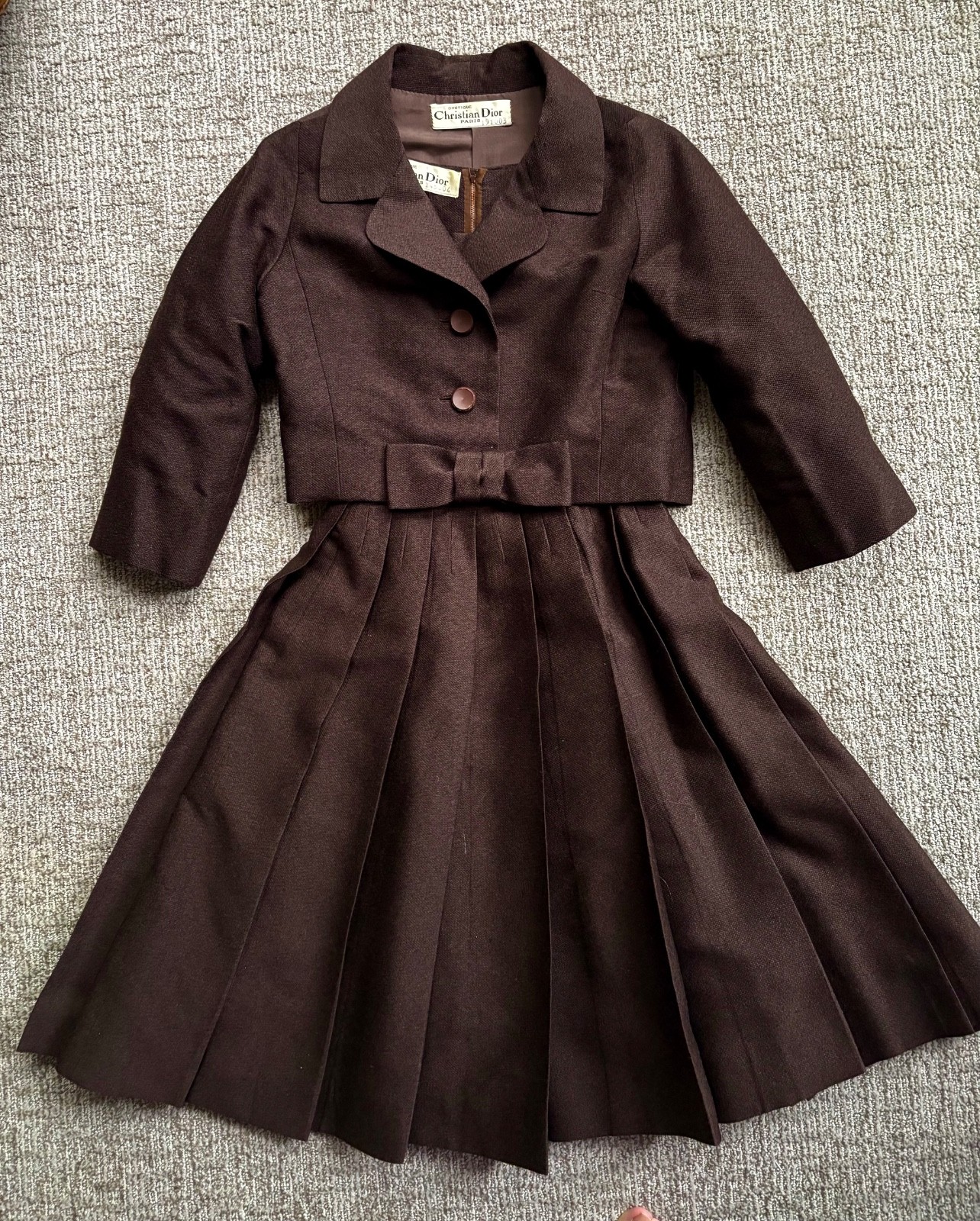
Dior
France · 1940s
The New Look & the Lady Dior
The New Look & the Lady Dior
Top piece
View →
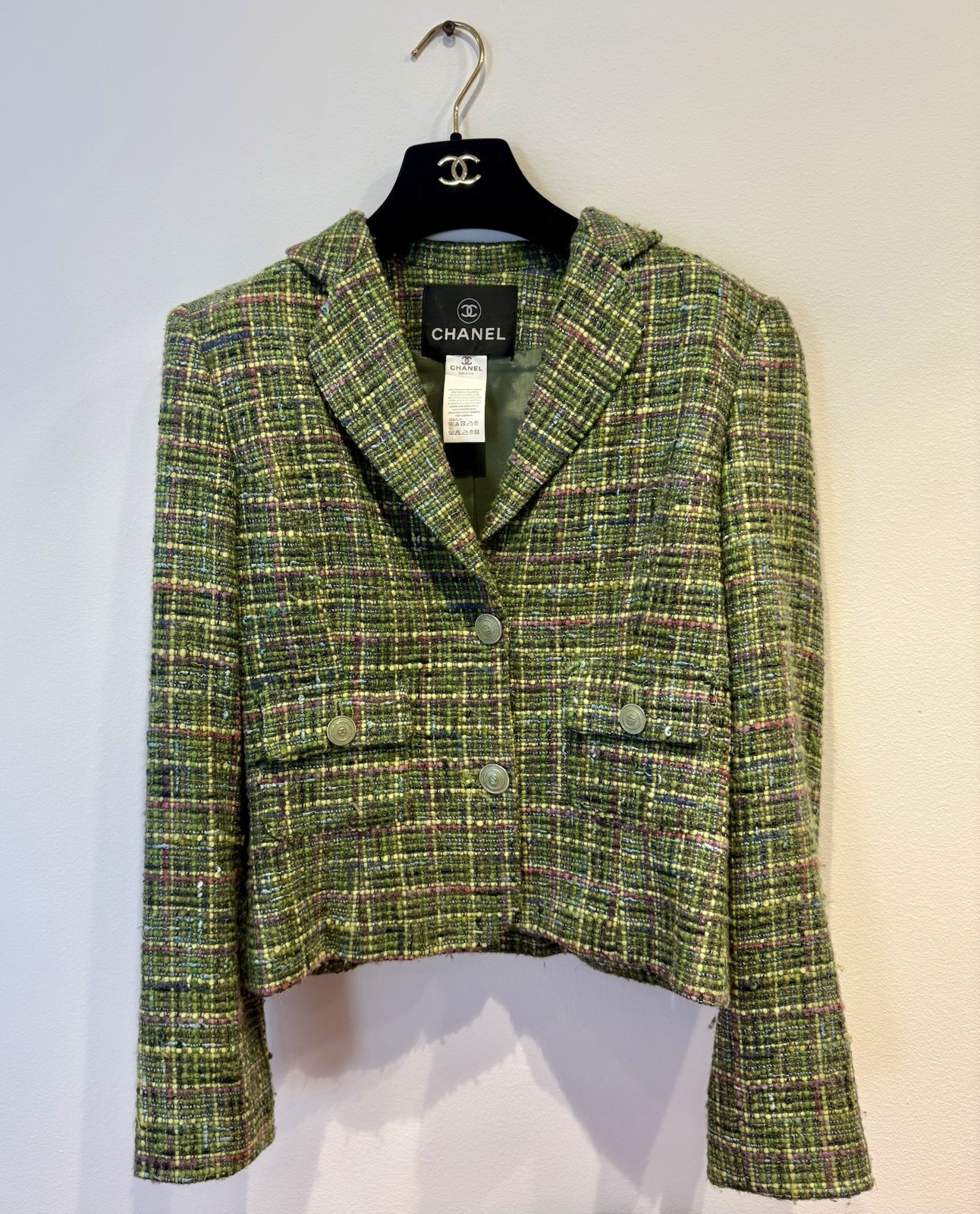
Chanel
France · 1910s
The little black dress & the 2.55
The little black dress & the 2.55
Top piece
View →
Fendi
Italy · 1920s
The Baguette & the FF logo
The Baguette & the FF logo
Top piece
View →
Hermès
France · 1830s
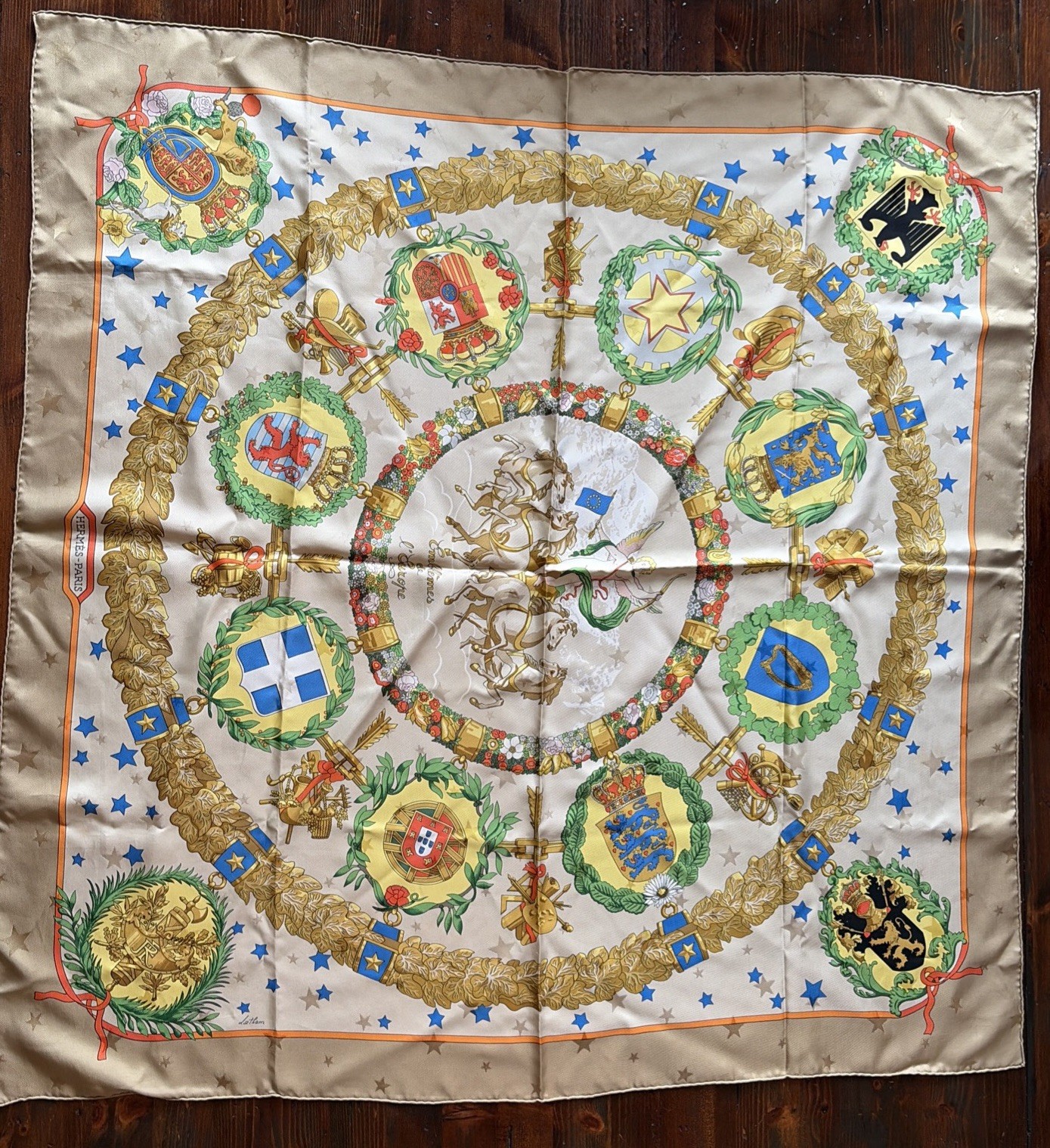
The Birkin, the Kelly & the silk carré
The Birkin, the Kelly & the silk carré
Top piece
View →
Continue the edit
Further stories from the same world
Three more walks through the same vintage universe.
How to Wear Vintage Designer Bags Without Looking Like a Museum Piece
A guide to styling, sourcing, and understanding the history of vintage bags from Fendi, Louis Vuitton, Gucci, and Nike, for people who actually carry them.
Read the story →The Vintage Bag You'll Actually Wear: Louis Vuitton, Gucci, Fendi, and Nike
Forget the trophy bag. The most stylish women I know carry beat-up Louis Vuitton Speedy 25s, Gucci Jackie O satchels, and even vintage Nike duffels. Here's how to find one that fits your life, not your shelf.
Read the story →Berlin's Vintage Designer Bags: A Guide to Wearing History
In Berlin, style is a statement, and vintage designer bags are its loudest whisper. They're not trophies to be locked away; they're companions for your daily life, carrying your essentials and a piece of fashion history.
Read the story →