Dutch Denim Heritage: Reading the Stitch of an Amsterdam Selvedge
How a quiet generation of Amsterdam denim workshops rebuilt the language of selvedge — one chain-stitched hem at a time.
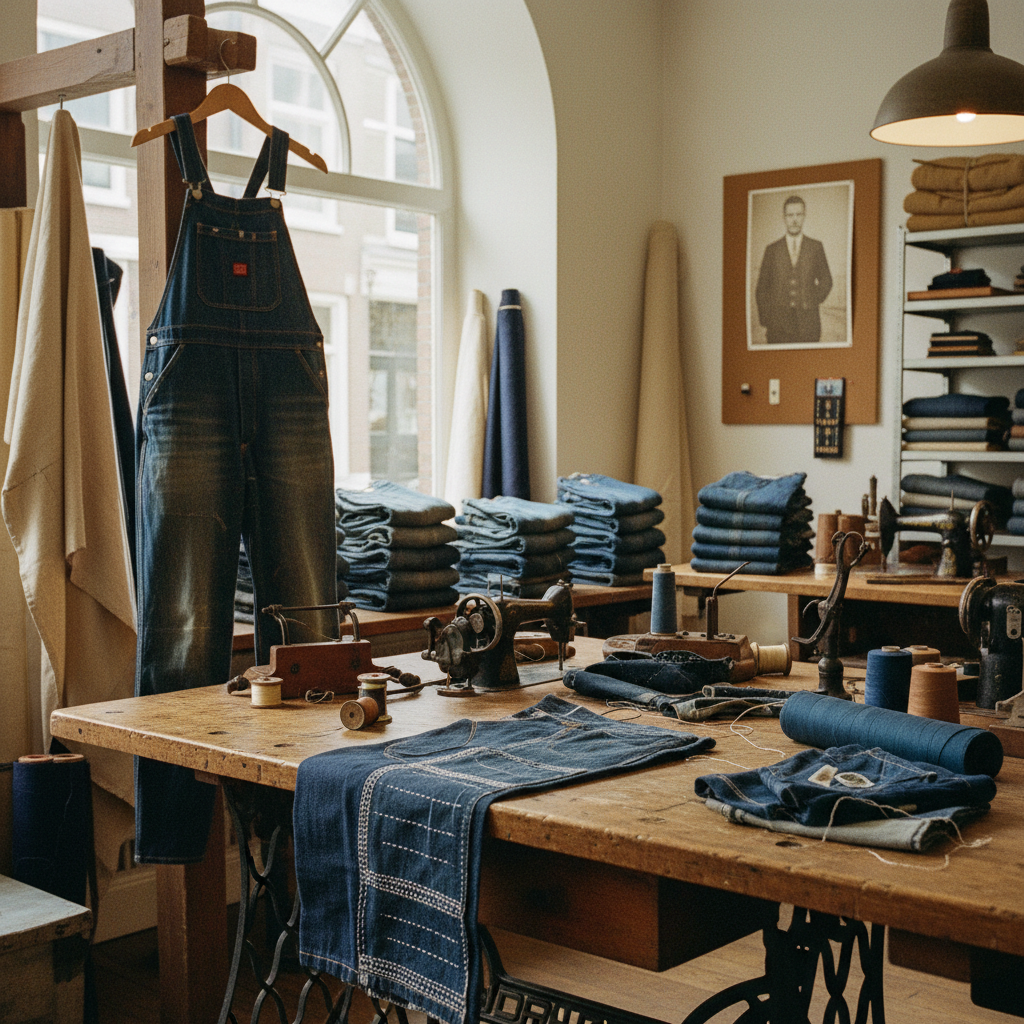
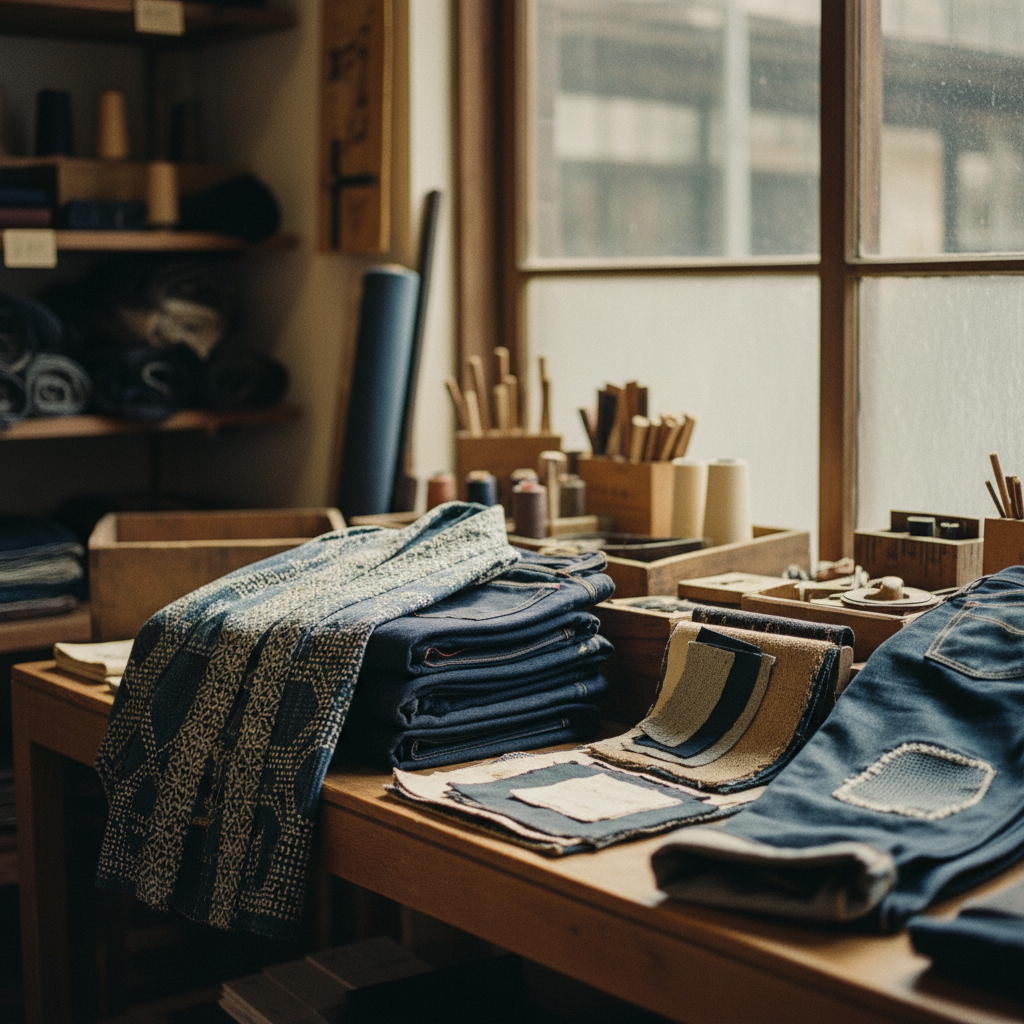
Amsterdam's denim story is younger than Tokyo's or Levi's' own, but it is no less obsessive. The city's small workshops — Tenue de Nîmes, Benzak, Blue Blanket's Dutch outposts — built their reputation in the late 2000s by treating selvedge as a craft material, not a marketing badge.
Pick up a vintage Dutch-made pair from this era and the construction tells the whole story. Hidden rivets at the coin pocket, a chain-stitched hem that ripples after the first wash, copper rivets stamped with a maker's mark, and a single-needle felled inseam that runs uninterrupted from waistband to ankle. The denim itself is usually a 13–15oz unsanforised loomstate, often woven on shuttle looms in Okayama and shipped to Amsterdam for cutting.
Buttons and hardware are where the era reveals itself. Early 2010s Dutch denim favoured raw brass donut buttons that patina to a soft rose-gold, in contrast to the silver-plated zinc you see on later mass-market reissues. Look for a tonal arcuate stitch in golden polyester thread — a deliberate counterpoint to Levi's' yellow.
The fades age more vertically than American denim because Dutch cyclists put miles on their jeans the way Americans put miles on a truck. Honeycomb behind the knees, soft whiskers at the hip, and a subtle stack at the boot are the markers of a properly broken-in Dutch pair — and the reason archive collectors now scout the Albert Cuyp markets every Saturday morning.
Keep reading