Amsterdam's Vintage Fashion Scene: A Sustainable Style Guide
Amsterdam stands as a beacon of sustainable style, offering a treasure trove of vintage and pre-loved fashion that seamlessly blends history with contemporary trends.
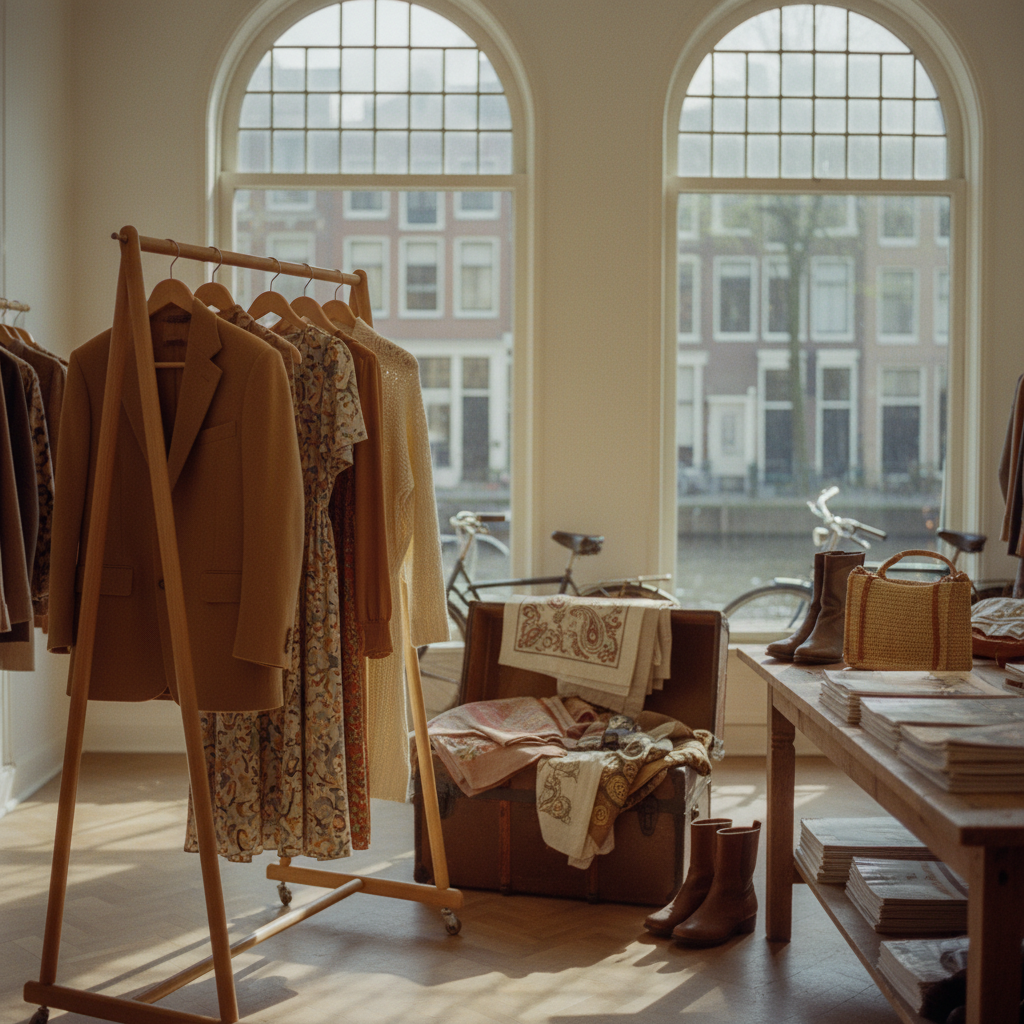
## Amsterdam's Vintage Fashion Scene: A Sustainable Style Guide
There is a particular alchemy to Amsterdam’s air—a blend of canal damp, fresh stroopwafel, and the faint, dusty perfume of old wool and leather. It is a city that wears its history not as a museum piece, but as a second skin. And nowhere is this more palpable than in its vintage fashion scene. This is not the frantic, curated thrift of Tokyo’s Shimokitazawa or the designer-heavy nostalgia of Paris’s Le Marais. Amsterdam’s approach is a studied, almost philosophical one: a deliberate, playful, and deeply personal rebellion against the tyranny of the new. It is a sustainable style guide written in the language of broken-in denim, hand-stitched linen, and the perfect, faded band tee.
To understand the city’s vintage soul, you must understand its geography and its ethos. The Dutch have a long-standing relationship with practicality and thrift—a cultural DNA forged by centuries of trade, a Protestant work ethic, and a collective memory of post-war scarcity. Today, that pragmatism has evolved into a sophisticated aesthetic. Shopping vintage here is not a budget compromise; it is a statement of taste, a badge of discernment. It’s about finding the one-of-a-kind piece that tells a story, a piece that whispers of a previous life in a canal house, a student café, or a jazz club long since closed. The result is a scene that is as much about the hunt as it is about the haul, a sustainable ritual that feels less like consumption and more like curation.
The Neighborhoods: From De Pijp to Noord
The geography of Amsterdam’s vintage landscape is a map of its own subcultures. You don’t just go vintage shopping; you go neighborhood shopping. De Pijp, the city’s former working-class quarter, is the epicenter. Its main artery, the Albert Cuypstraat, hosts the city’s most famous daily market, but the real gold lies in the side streets. Here, the energy is young, bohemian, and unpretentious. You’ll find a mix of students, artists, and young professionals digging through bins of 90s sportswear and silk scarves. The vibe is less about luxury and more about authenticity—a raw, unfiltered connection to the past.
Cross the Amstel to the De Negen Straatjes (The Nine Streets) in the Jordaan, and the tone shifts. This is the Instagram-perfect Amsterdam, with cobblestone alleys and gabled facades. The vintage here is curated, often pricier, and decidedly more editorial. Think 1950s Dior gowns next to 1980s Issey Miyake pleats. It’s a destination for the serious collector, the person who wants a piece with a provenance. Then there’s Noord, the former industrial heartland across the IJ river. This is the frontier of the scene—spacious warehouses, pop-up flea markets, and a raw, DIY ethos. It’s where you hunt for furniture, industrial lamps, and the kind of oversized men’s coats that look like they were stolen from a 1970s detective film. Each neighborhood offers a different chapter in Amsterdam’s style story, and the savvy shopper knows exactly which one to visit for which chapter.
The Shrines: Five Boutiques That Define the Scene
Amsterdam’s vintage shops are not mere stores; they are shrines to specific eras and aesthetics. Episode (with locations in De Pijp and the Jordaan) is the undisputed king of volume. It’s a chaotic, glorious warehouse of racks upon racks of clothing from the 1920s to the 1990s. The trick is to go early, be patient, and dig. You will find a perfect pair of Levi’s 501s from 1982, a vintage Burberry trench with a frayed lining, or a silk blouse stained with a memory. It’s a test of endurance, but the reward is a piece with a price tag that feels like a secret.
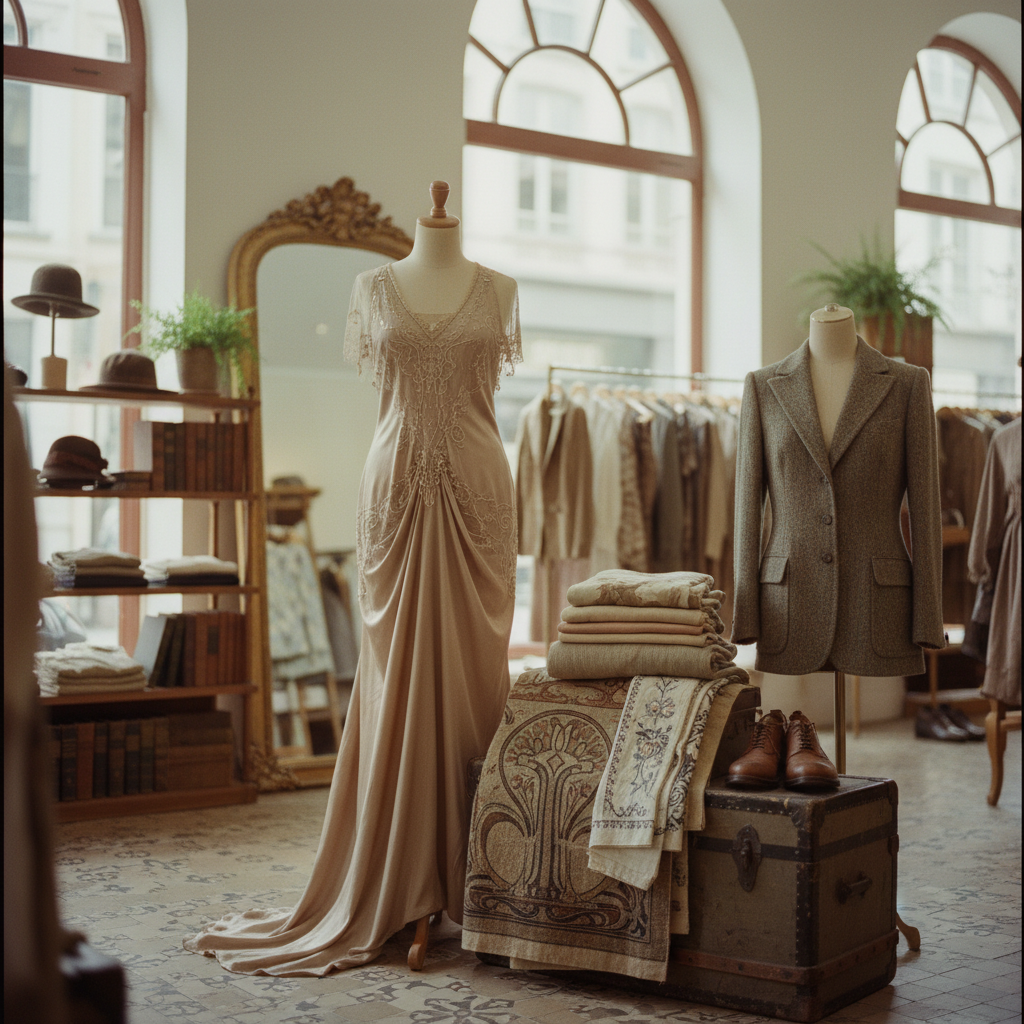
For the curator’s touch, Laura Dols in the Jordaan is a must. This is a temple to femininity, specializing in 1920s-1960s dresses, hats, and gloves. The selection is razor-sharp, with an emphasis on condition and provenance. It’s where you find a beaded flapper dress for a gala or a pristine 1950s cocktail dress for a wedding. The staff are knowledgeable, almost like archivists, and the atmosphere is hushed and reverent. A few canals over, Marbles Vintage offers a different kind of curation—a focus on mid-century modern menswear and utilitarian pieces. Think German army surplus parkas, crisp 1960s French work jackets, and Italian knitwear. It’s the shop for the person who wants to look effortlessly cool without trying, the kind of place where a perfectly worn leather satchel is the ultimate accessory.
Then there’s the wild card: IJ-Hallen. This is not a shop but a phenomenon. Held on the last weekend of every month in a massive warehouse in Noord, it is Europe’s largest flea market. The scale is staggering—over 500 stalls of vintage clothing, vinyl records, mid-century furniture, and forgotten ephemera. It’s a pilgrimage for the serious hunter. You will see fashion editors from Paris, students from Berlin, and retired Dutch couples selling their grandmother’s wardrobe. The atmosphere is electric, a cacophony of haggling, laughter, and the rustle of old fabric. It’s the ultimate expression of Amsterdam’s vintage ethos: democratic, chaotic, and deeply rewarding.
The Market Days: A Calendar of Curated Chaos
Beyond the permanent shops, Amsterdam’s vintage pulse beats strongest on its market days. Waterlooplein is the city’s oldest flea market, a daily affair that feels like a living museum. It’s chaotic, a mix of tourist trinkets and genuine finds. The real action happens early on a Saturday morning, when the serious dealers and collectors arrive. You’ll find vintage Levi’s, old Delftware, and the occasional piece of 1970s Dutch design. It’s not for the faint of heart, but it’s where you learn to haggle and where the story of a piece is often worth more than the price.
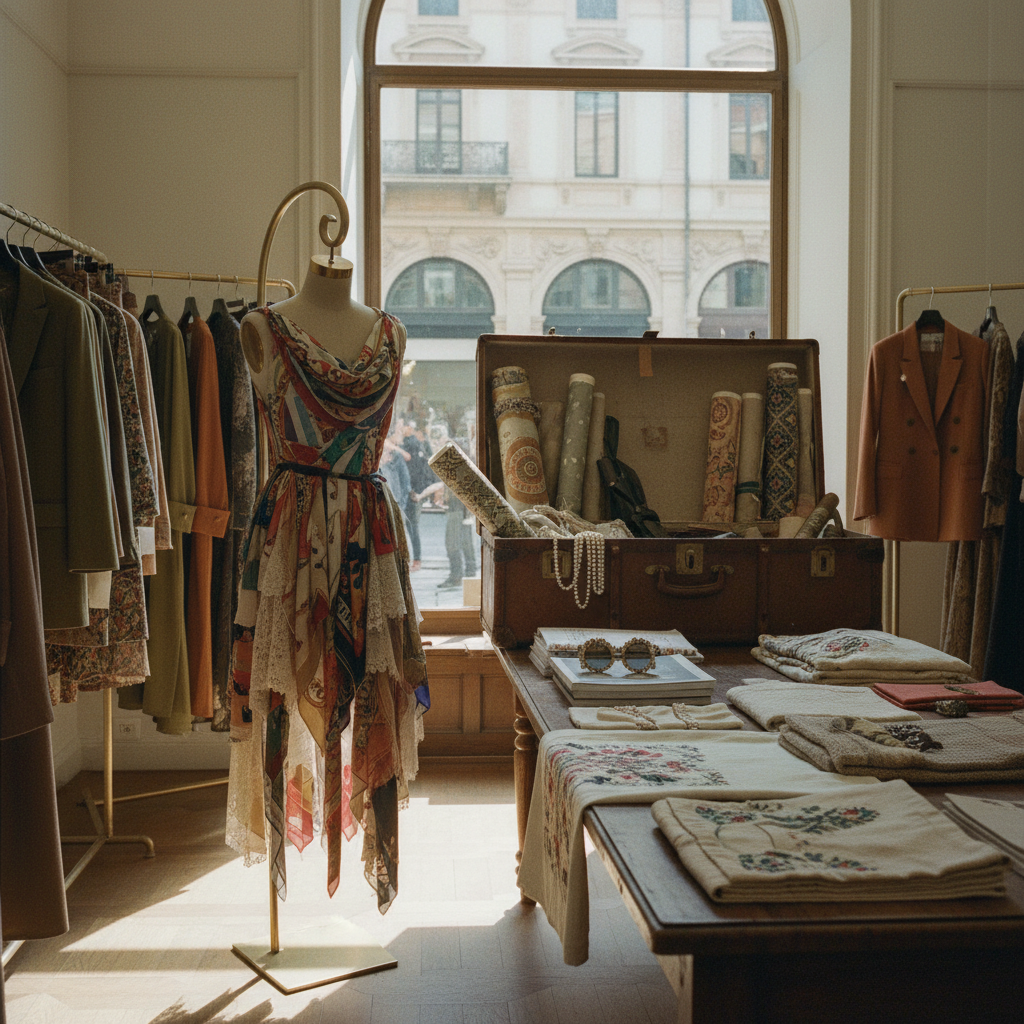
For a more refined experience, the Sunday Market at the Westergasfabriek in the Westerpark is a curated affair. It’s a design and food market, but the vintage component is strong, with a focus on handpicked clothing and accessories. The atmosphere is relaxed, with live music and a community feel. It’s where you find a 1960s Moroccan djellaba next to a 1980s Dutch denim jacket. The key is to arrive early, bring cash, and be prepared to walk. The best finds are often the ones you stumble upon when you’re not looking. And remember: in Amsterdam, the weather dictates the vibe. A rainy day means fewer crowds and better deals. A sunny Sunday means a festival of style.
The Cultural Why: Sustainability as a Second Skin
Why has Amsterdam become a global capital of vintage fashion? The answer lies in a confluence of factors that feel almost preordained. First, there is the Dutch love affair with *gezelligheid*—a concept of coziness, warmth, and authenticity. Vintage clothing embodies this. It has a soul, a history, a patina of life lived. It is the opposite of the sterile, mass-produced new. Second, the city’s progressive politics and environmental consciousness have made sustainability a mainstream value, not a niche one. Shopping vintage is seen as a political act, a way to reduce waste and reject fast fashion’s exploitation. It’s a quiet rebellion, worn on the sleeve.
Then there is the sheer practicality. The Dutch cycle everywhere. Your wardrobe must be functional. Vintage pieces—a heavy wool coat, a sturdy pair of leather boots, a canvas rucksack—are built to last. They are the antithesis of the fragile, trend-driven garment. This is a city where a 1970s army surplus parka is more stylish than a new designer puffa. It’s where a 1950s Harris Tweed jacket is the ultimate commuter piece. The style is not about the label; it’s about the cut, the fabric, the story. It’s about a deep, unspoken understanding that the most sustainable garment is the one that already exists. And in Amsterdam, that understanding is not a trend; it’s a way of life.
The Edit: What to Buy Now
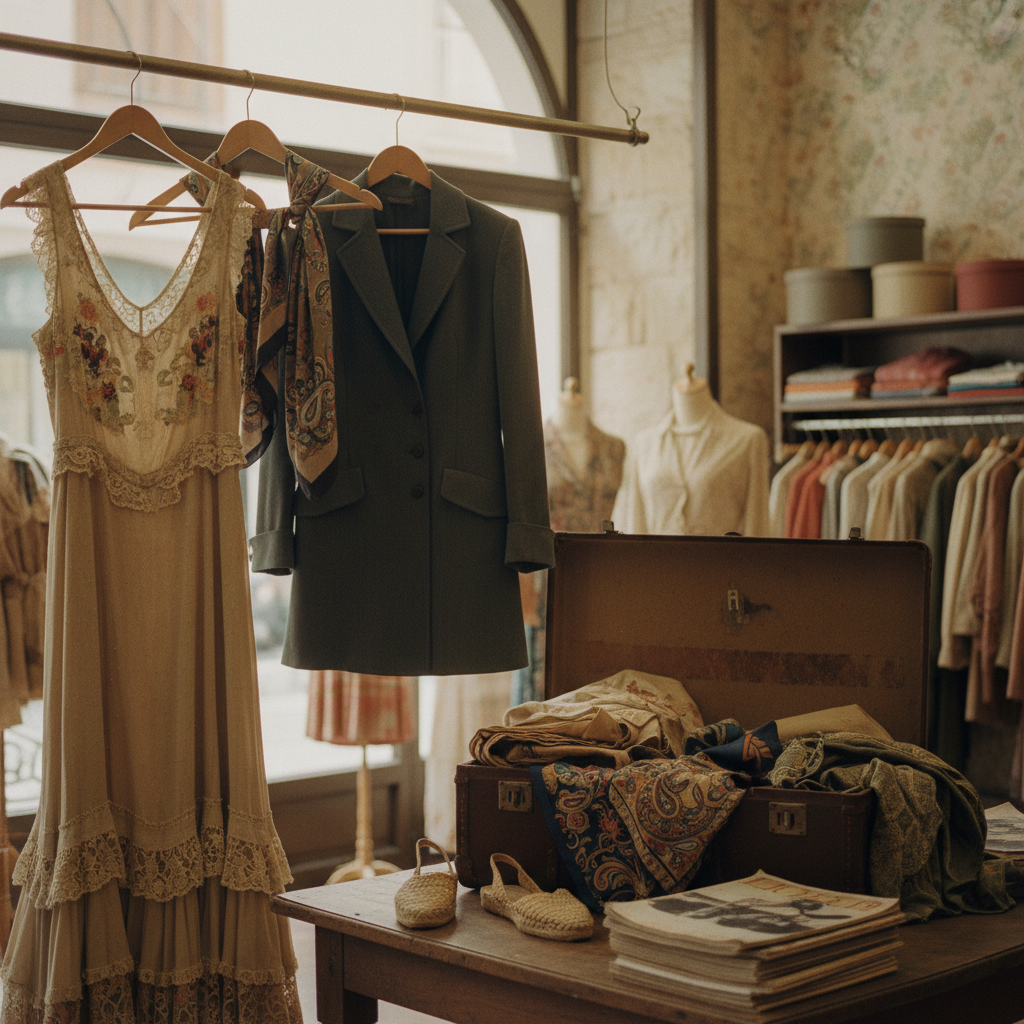
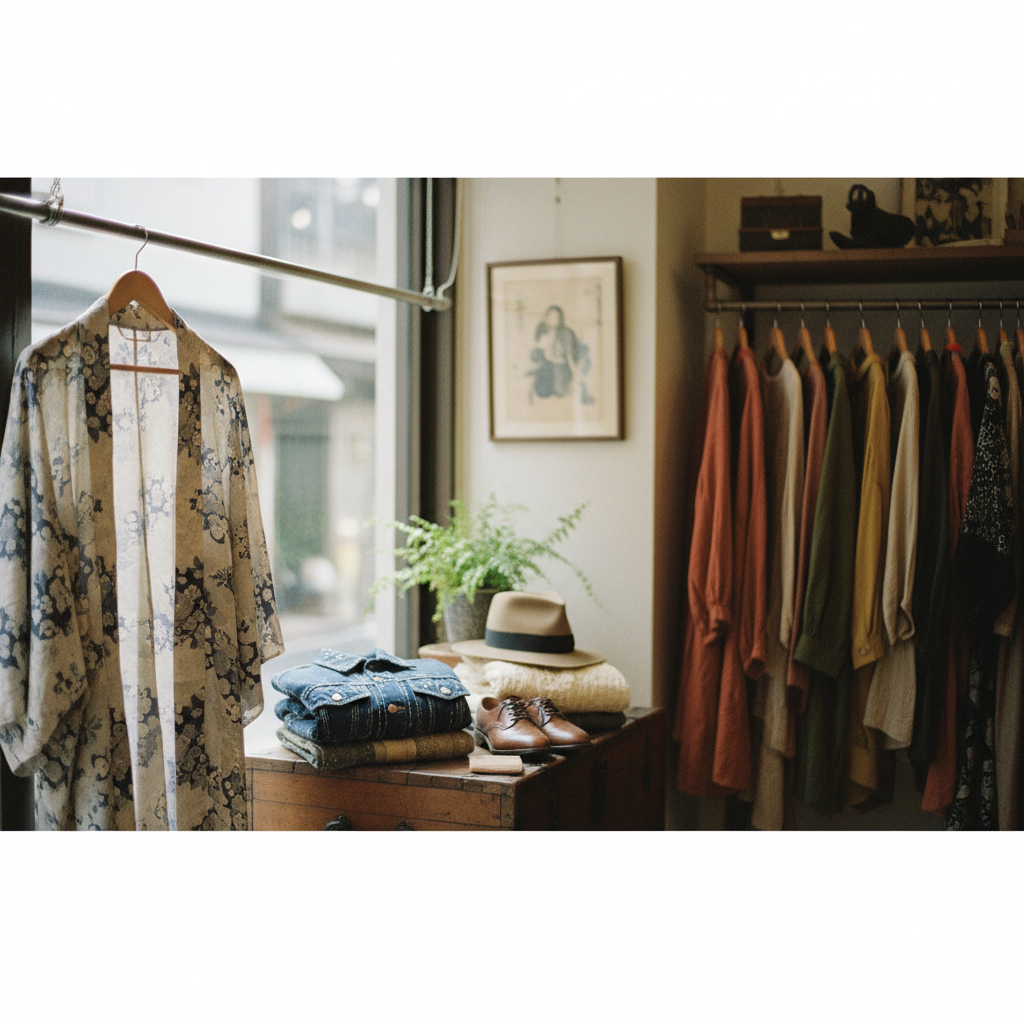
So, you’ve navigated the neighborhoods, braved the markets, and inhaled the dust. What should you actually buy? Forget the generic “vintage band tee” or the ubiquitous “army jacket.” Amsterdam’s vintage scene rewards the specific, the unexpected. First, Dutch denim. Look for the G-Star Raw from the 1990s, before it became a global brand. The early cuts are raw, selvedge, and incredibly durable. They are a piece of Dutch design history. Second, linen. The Dutch have a long tradition of linen weaving, especially in the north. Find a 1960s linen shirt or dress—it breathes in the summer and layers beautifully in the winter. The fabric is a quiet luxury.
Third, wool. Invest in a 1950s or 1960s men’s wool overcoat from a brand like van Gils or Meyers. The cut is narrow, the shoulders are sharp, and the fabric is impossibly thick. It’s the ultimate cold-weather piece. Fourth, leather. Look for a vintage Dutch school satchel from the 1970s. They are made of thick, unlined leather that ages beautifully. It’s a bag that will outlast you. Finally, ceramics and glass. While not strictly fashion, a vintage piece of Gouda pottery or a Royal Leerdam glass vase is the perfect accessory for a curated wardrobe. It’s the finishing touch, the object that says you understand the full picture. In Amsterdam, vintage is not just about clothes; it’s about a complete aesthetic, a life lived with intention. And that, in the end, is the most sustainable style of all.
Keep reading