Tokyo's Thriving Vintage Fashion Scene: A Glimpse into Sustainable Style
Tokyo stands out as a global epicenter for vintage fashion, offering a unique blend of historical garments, contemporary trends, and a growing commitment to sustainable practices.
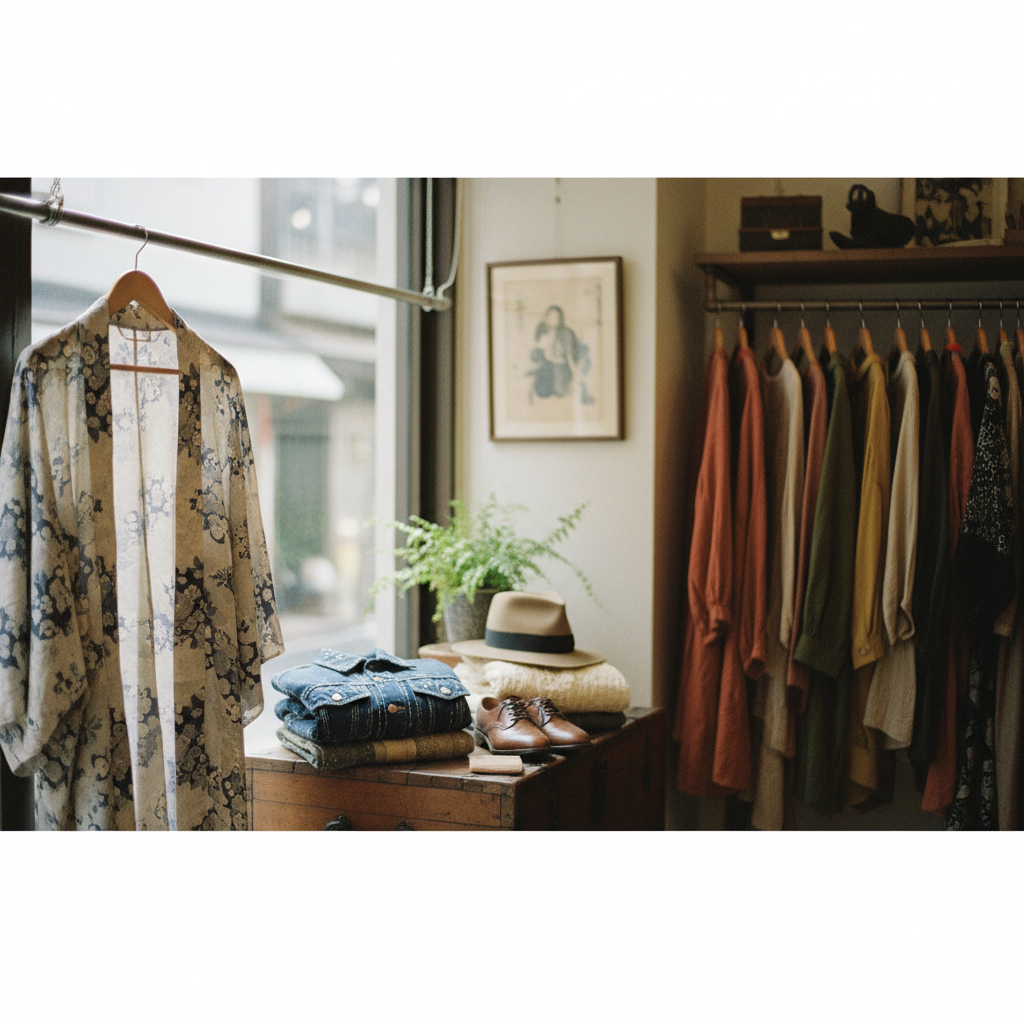
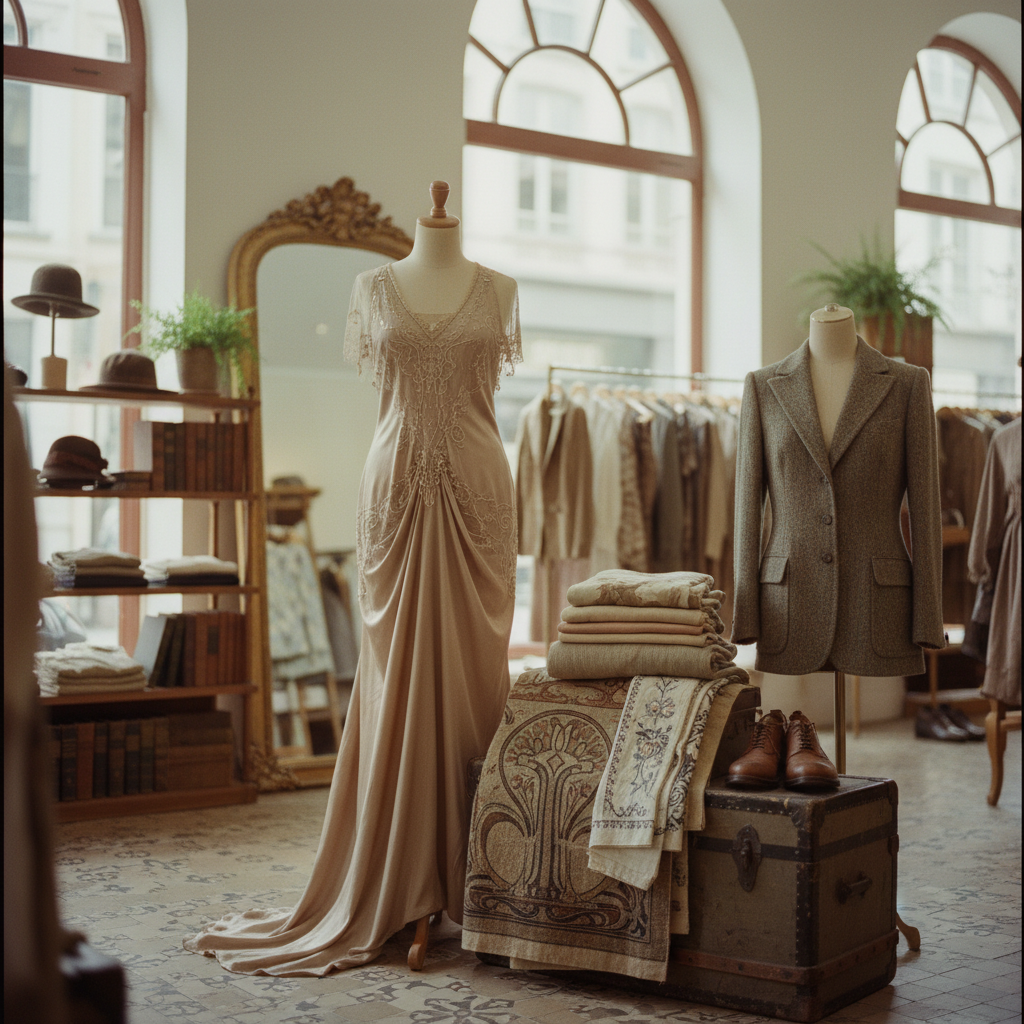
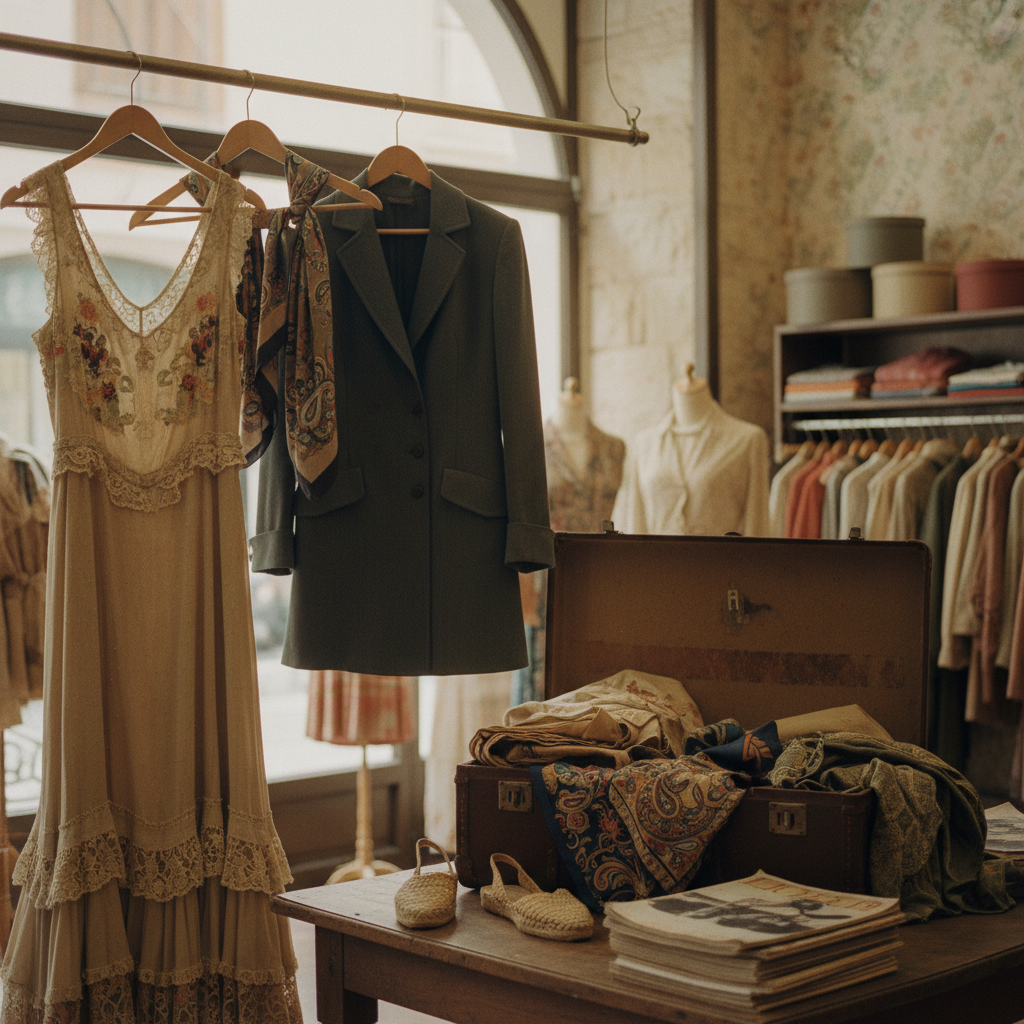
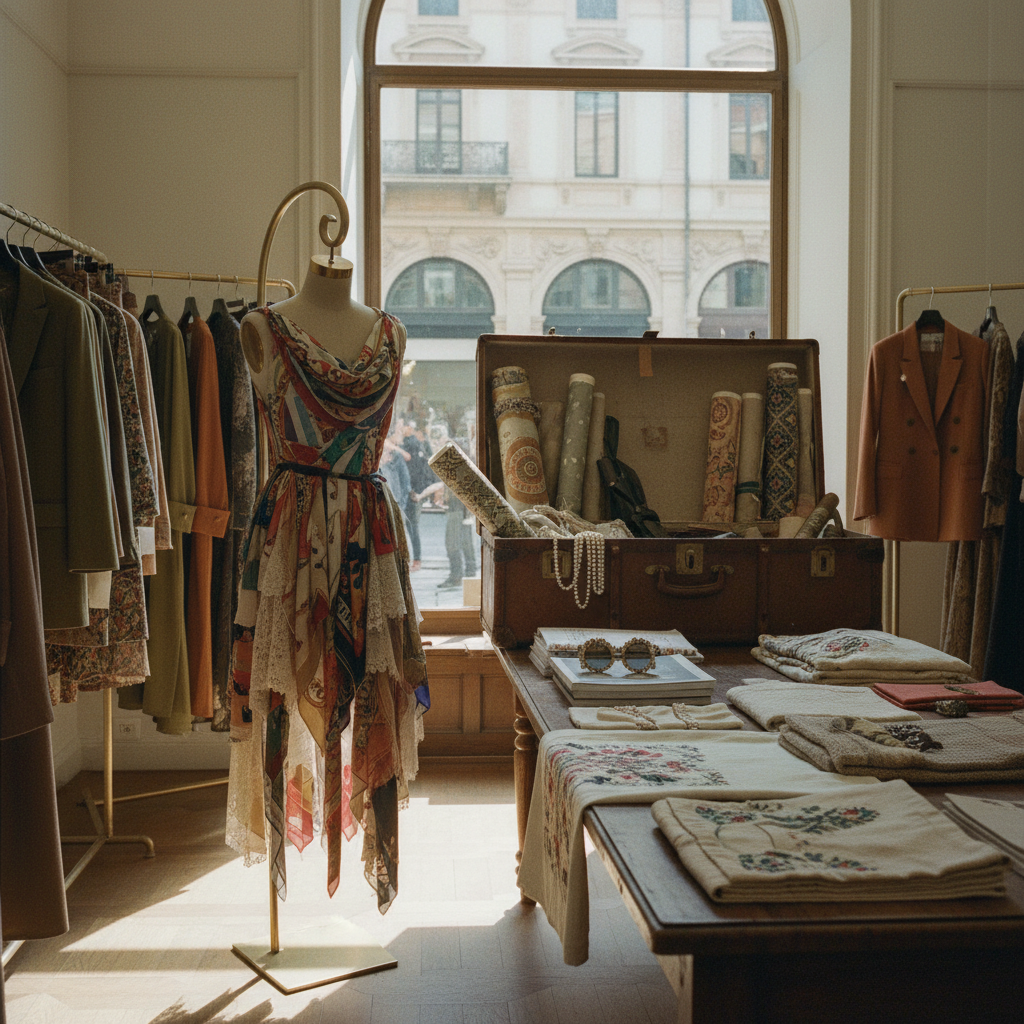
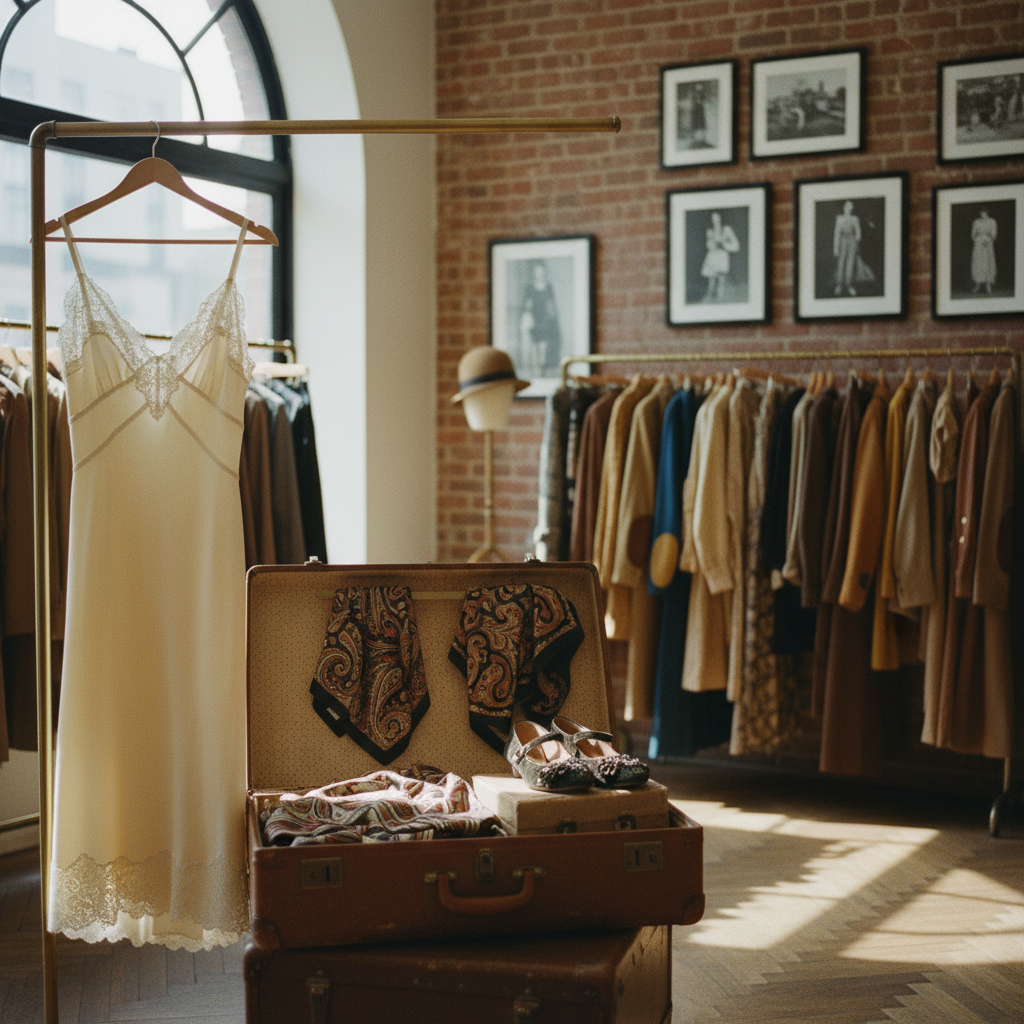
Tokyo's vintage fashion landscape is a dynamic and multifaceted realm, drawing enthusiasts from across the globe into its eclectic embrace. The city has cultivated a reputation not merely for offering second-hand clothing, but for curating narratives through garments that span eras and styles. From the meticulously restored kimonos of the Edo period to the sought-after denim of mid-century Americana, Tokyo's vintage stores provide a tangible link to fashion history, allowing wearers to weave these threads into their contemporary self-expression. This deep appreciation for craftsmanship, quality, and enduring style underpins Tokyo's vintage culture, differentiating it from fleeting trends.
The city's dedication to vintage is not solely about aesthetics; it is increasingly intertwined with a conscious shift towards sustainable consumption. In an era where fast fashion's environmental impact is under scrutiny, Tokyo's robust vintage market offers a compelling alternative. By extending the lifecycle of clothing and accessories, consumers actively reduce waste, conserve resources, and lessen their carbon footprint. Shops like Kilo Shop in Shimokitazawa, known for its diverse offerings sold by weight, exemplify this accessible approach to sustainable fashion, making vintage pieces attainable for a wider audience. Similarly, high-end boutiques in districts like Daikanyama elevate vintage finds to covetable luxury items, demonstrating that sustainable choices do not necessitate a compromise on style or exclusivity.
Key to Tokyo's vintage scene is its diverse geographical spread, with each district offering a distinct flavor. Shimokitazawa, often dubbed 'Shimokita,' remains a bohemian heartland for vintage, characterized by its labyrinthine alleys filled with independent shops specializing in everything from Americana to unique Japanese street styles. Harajuku, while famous for its avant-garde youth fashion, also hosts numerous vintage stores catering to specific subcultures and designer finds. Koenji provides a more laid-back, community-focused vintage experience, often featuring more affordable and quirky selections. These areas collectively form a rich tapestry, ensuring that every vintage hunter, regardless of their specific interest or budget, can discover something truly unique.
The passion for vintage in Tokyo extends beyond mere shopping; it's a cultural phenomenon that embraces individuality, storytelling, and an inherent respect for well-made items. This considered approach to fashion not only delivers unique sartorial statements but also champions a more responsible and sustainable future for the industry. As awareness of environmental issues grows, Tokyo's vintage fashion scene stands as a shining example of how style and sustainability can thrive in perfect harmony, offering inspiration for cities worldwide.
Keep reading