
 Sign in
🔥 Fashion · Amsterdam
The Vintage Bag, Worn Well
A vintage Gucci or Louis Vuitton bag is not a museum piece. It's a working accessory. Here's how to wear it, what to look for, and why it still matters.
 By Louis Trash·
The Bag as a Character
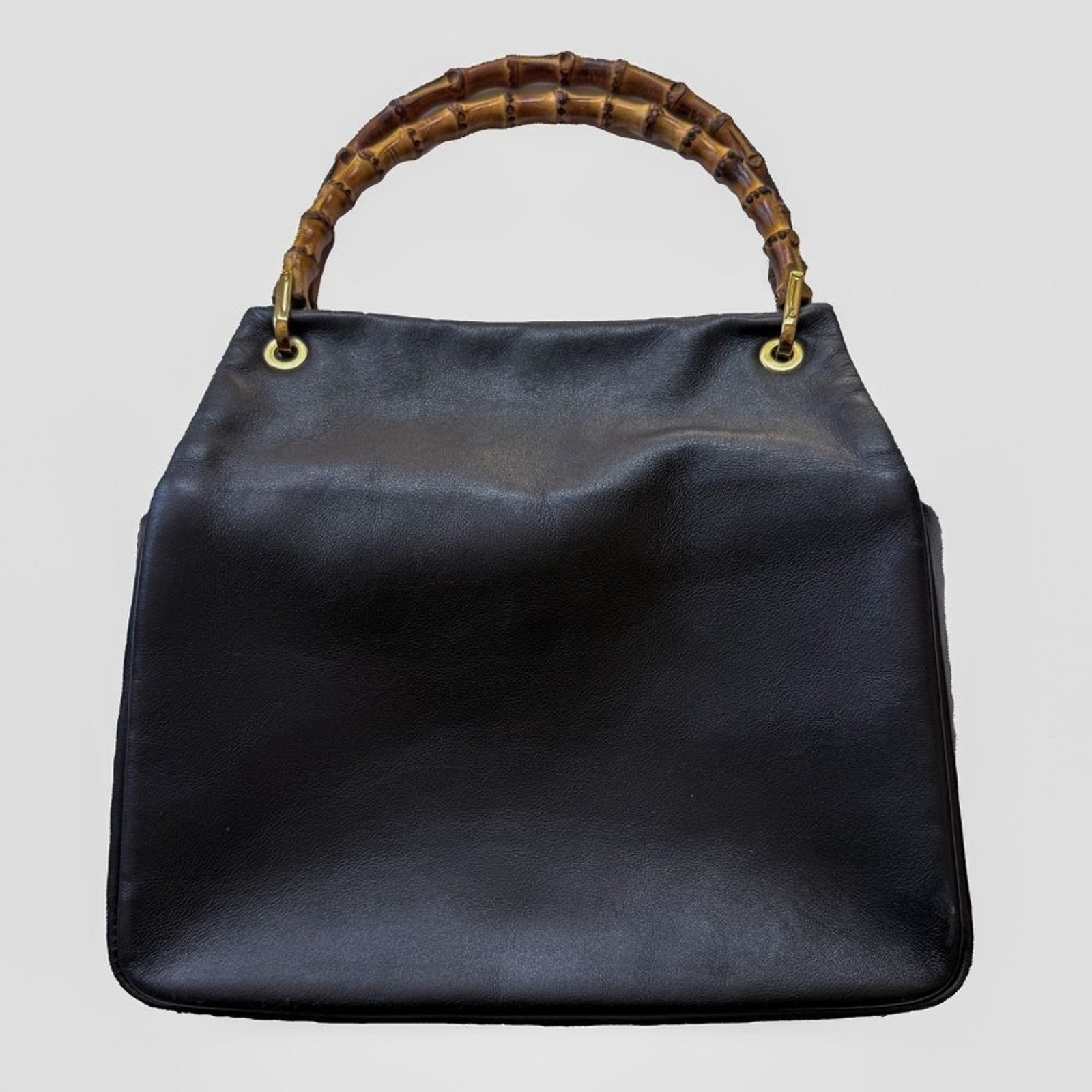
A vintage bag is not a neutral accessory. It carries a history, a weight, a specific point of view. When I see a woman on the subway with a 1980s Gucci bamboo-handle bag, I don't see a fashion statement. I see a woman who knows exactly who she is. She's not following a trend. She's making a choice.
That choice is what this article is about. Not the market, not the investment, but the everyday reality of wearing a piece that was made decades ago. It's about making it work with your life, your wardrobe, your body. It's about the pleasure of carrying something that has lived a life before you.
The bags I'm talking about are the classics: Gucci's canvas and leather, Louis Vuitton's monogram, Tiffany's silver and leather. They were made to be used, not displayed. And they still are.
Styling the Past into the Present
The biggest mistake I see is treating a vintage bag like a costume piece. You don't need to dress like 1974 to carry a bag from 1974. The magic happens when you mix it with your modern clothes.
Take a Gucci canvas shoulder bag from the 1970s. The tan and brown GG pattern is bold, almost loud. Pair it with a simple white shirt, dark jeans, and a tailored blazer. The bag becomes the focal point, but it doesn't shout. It converses. The proportions matter: a structured bag works with a slim silhouette. If you're wearing wide-leg trousers, choose a smaller, more compact bag to balance the volume.
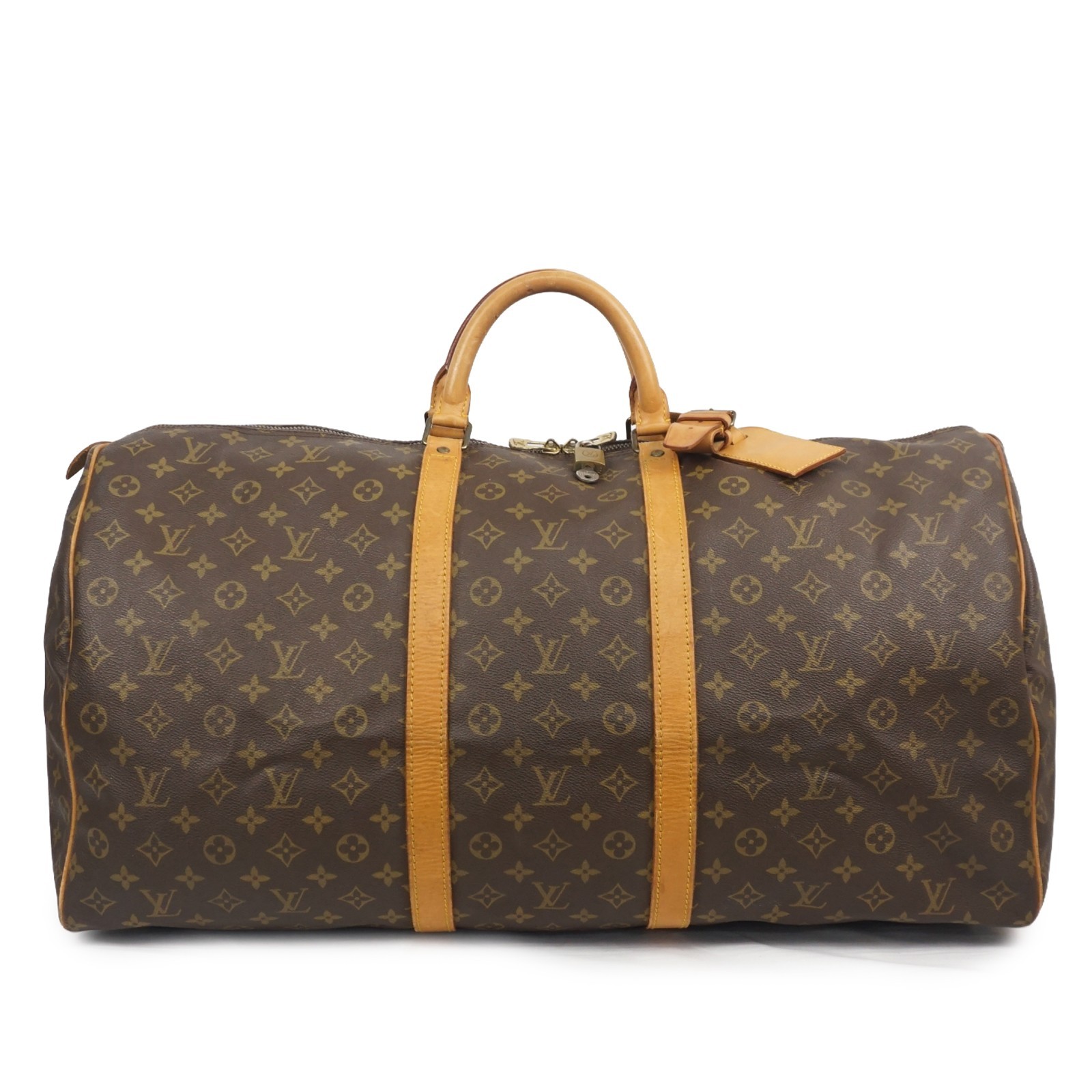
For a Louis Vuitton Speedy, which is perhaps the most iconic of all vintage bags, think casual. It was designed for travel, so it carries well with a trench coat and sneakers. But it also looks unexpectedly chic with an evening dress. The contrast is the point. The bag is so familiar that it becomes a canvas for your own style.
Tiffany bags are rarer, but if you find one, treat it as an heirloom. They were often made of soft leather with silver hardware, and they pair beautifully with cashmere and wool. A Tiffany bag is not a statement. It's a whisper.
The key is to let the bag lead. Don't overthink it. Wear it with confidence. The bag will do the rest.
What to Look For: The Good, the Bad, the Fake
Buying vintage is a minefield. There are fakes everywhere, and even genuine pieces vary in quality. Here's what I've learned.
Era tells.
Gucci's canvas patterns changed over the years. The 1960s and 1970s had a larger, more spaced-out GG logo. By the 1980s, the pattern became tighter and more uniform. The bamboo handles were first used in 1947, but the shape and curvature changed. Early handles were more natural, with a raw edge. Later ones were polished.
Louis Vuitton's monogram canvas has been consistent since 1896, but the details give the era away. The leather handles on a vintage Speedy will have darkened and developed a patina. That's good. But if the leather is too dry or cracked, it's beyond repair. The hardware should be brass or gold-tone, and the zipper should have a pull that says "LV" – the font changed over time.
Tiffany bags are trickier. They were made by various manufacturers. Look for a stamp inside that says "Tiffany & Co." and a style number. The leather should be thick and supple, not flimsy. Silver hardware should be marked "sterling."
Quality tells.
The stitching is your first clue. On a genuine Gucci or Louis Vuitton, the stitches are even and tight. They don't unravel. The canvas should feel stiff, not rubbery. The smell matters too. Vintage leather has a distinctive, sweet musty smell. If it smells like chemicals, be wary.
The price.
You can find good pieces for around $171, but don't expect a bargain. A genuine Gucci or Louis Vuitton from the 1970s will cost more. If it's cheap, it's probably fake. If it's expensive, do your homework. Ask for photos of the inside, the hardware, and the date code. A date code on a Louis Vuitton is a series of letters and numbers. It tells you the factory and the year. Learn to read it.
The Stories They Carry
Every vintage bag has a story. The Gucci bamboo handle was born of necessity. In 1947, post-war Italy was short on leather. Guccio Gucci's son, Aldo, experimented with Japanese bamboo, which was available and cheap. He heated it and bent it into a handle. The result was an instant success. The bamboo handle became a symbol of Italian ingenuity.
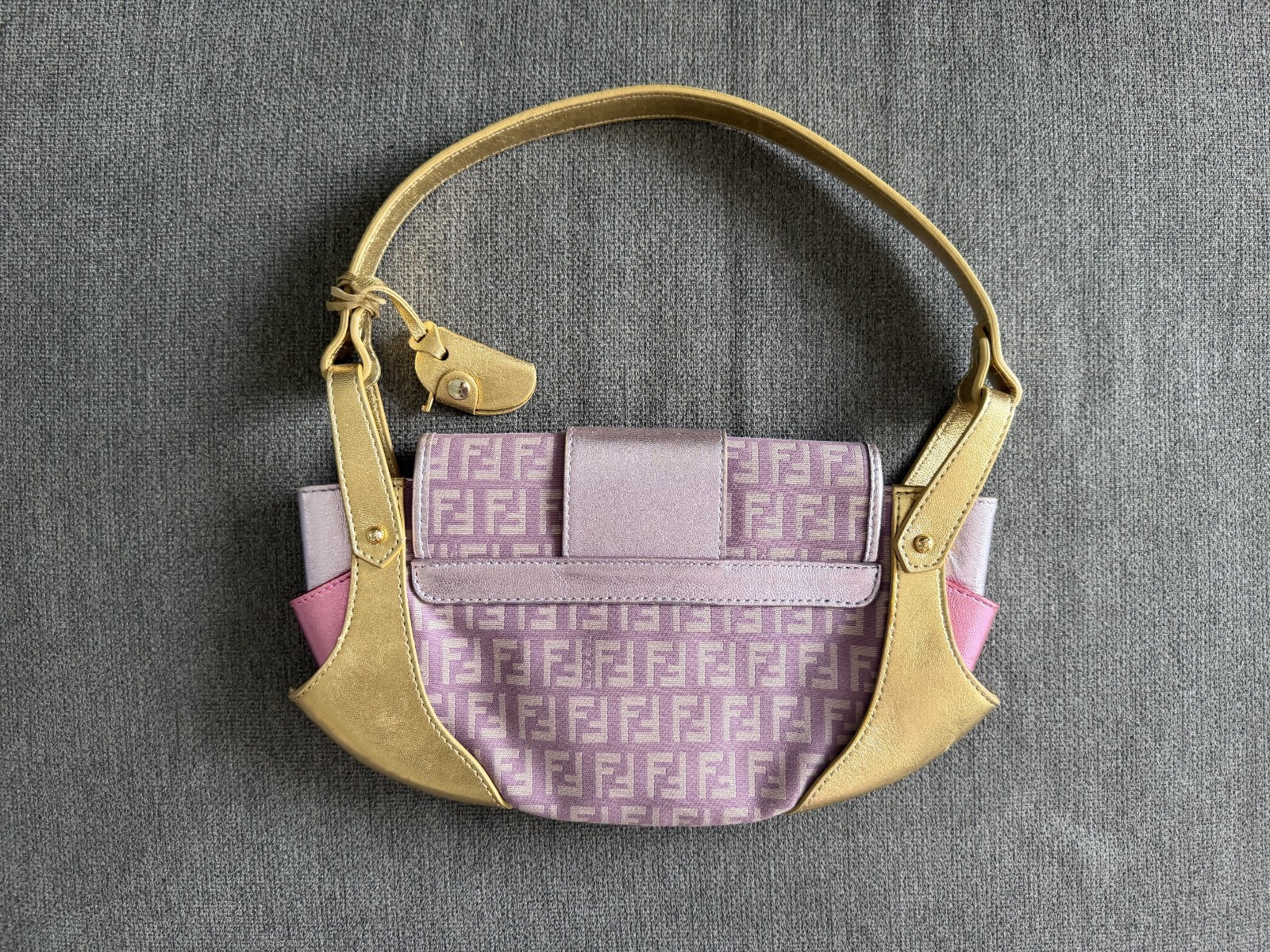
The Louis Vuitton Speedy was designed in 1930 as the "Express" – a travel bag for the modern woman. It was small enough to carry on a train, yet big enough for a weekend. In 1959, Audrey Hepburn asked for a smaller version. The Speedy 25 was born. Hepburn was photographed with it, and the bag became a star. It was the bag of the jet set, the woman who had somewhere to go.
Tiffany's bags are less famous but no less evocative. In the 1950s and 1960s, Tiffany & Co. sold a range of leather goods, from wallets to overnight bags. They were made by hand, often in Florence. They were not mass-produced. To own one was to own a piece of quiet luxury.
These bags have been carried by actresses, heiresses, and housewives. They've been on airplanes, in taxis, on yachts. They've been held in moments of joy and moments of sorrow. They've absorbed the sun of the Riviera and the snow of Manhattan. They are not just accessories. They are witnesses.
The Bag as a Daily Companion
The vintage bag is not a relic. It's a working object. I use my 1980s Gucci shoulder bag every day. It carries my wallet, my phone, a book, and a scarf. It's held up remarkably well. The canvas is thick, the leather is supple, the zipper still glides.
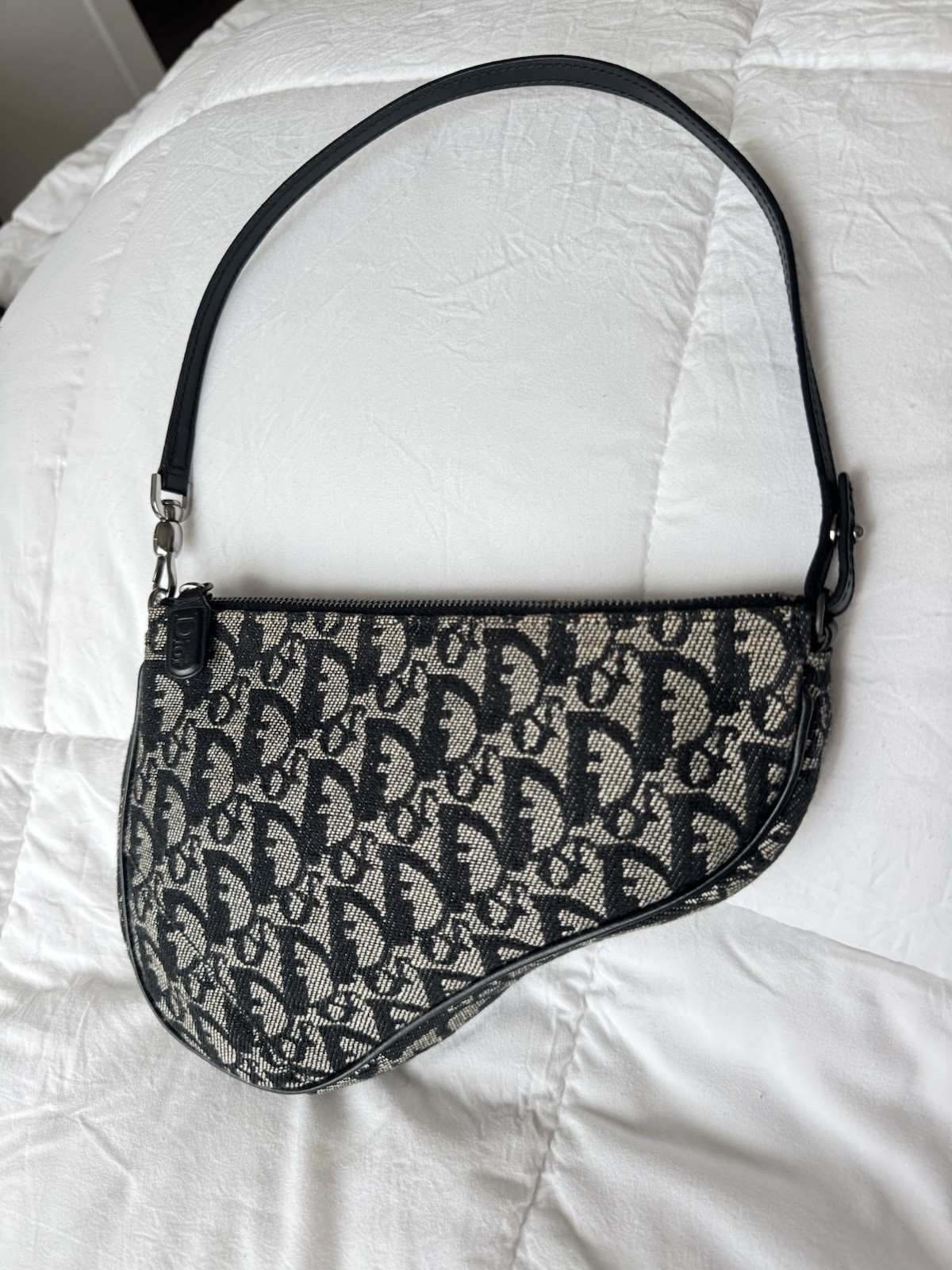
When I carry it, I feel connected to a lineage of women who carried it before me. I don't know who they were, but I imagine them – a woman in Florence, a woman in New York. I wonder what they kept inside. I wonder where they went. And I hope my story adds to its history.
That's the real value of a vintage bag. It's not about the label or the price tag. It's about the life it's lived and the life it will live with you. It's about the way it fits into your hand, the way it feels on your shoulder. It's about the way it makes you feel when you walk out the door.
So buy the bag. Wear it. Spill on it. Let it get scratched. Let it age. That's what it's for. And when you're gone, someone else will pick it up and wonder about you.
Get the look
Get the look
The pieces that make this story wearable, live from the market.
designer-bags
Vintage Gucci Bamboo Top Handle Bag Authentic – Black Leather, Peeling Interior
designer-bags
LOUIS VUITTON Keepall 60 Boston Bag Travel Bag M41422 Monogram Brown Vintage 851
designer-bags
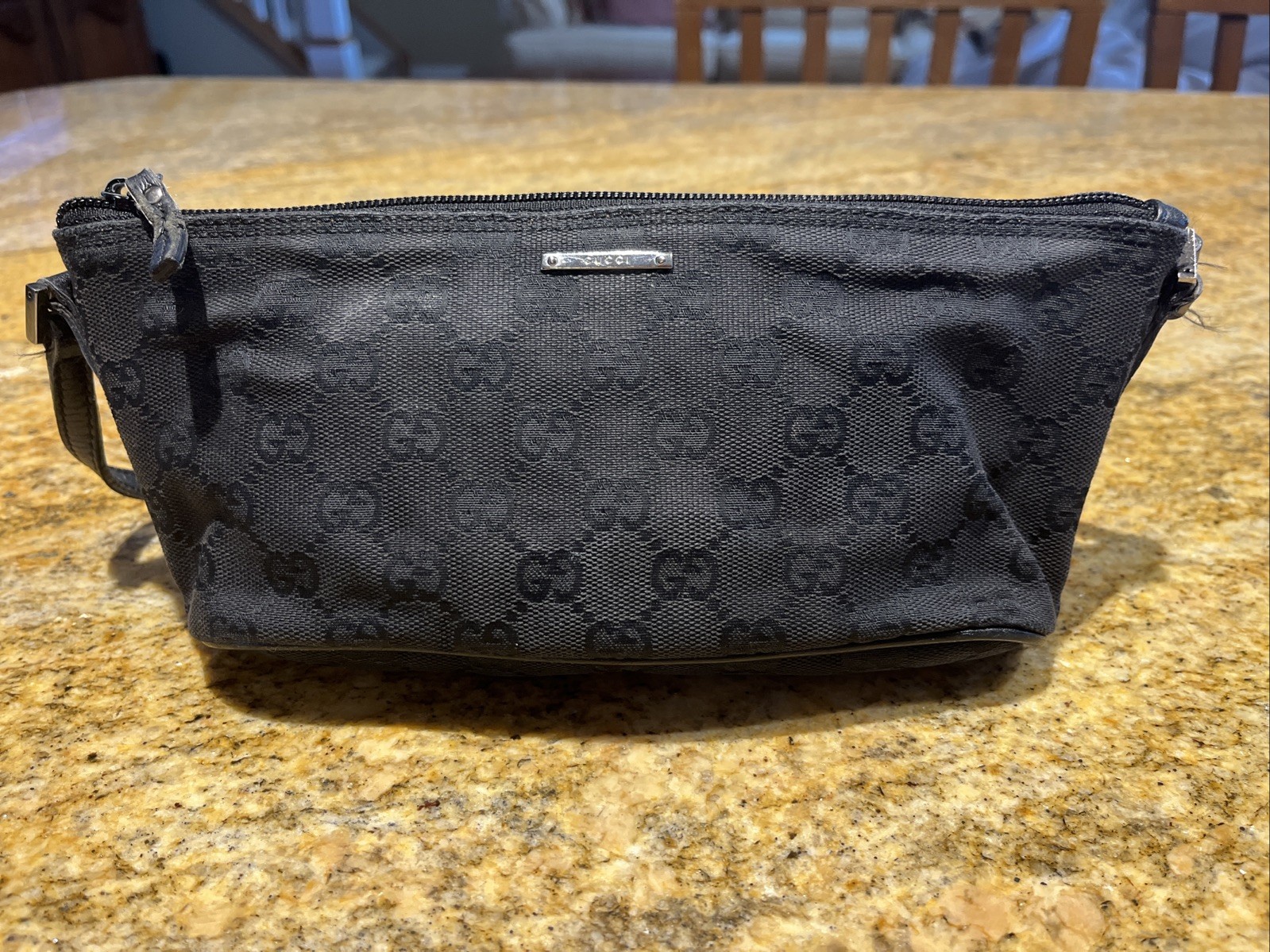
Gucci Women’s Black GG Monogram Canvas Boat Pocketed Vintage Bag Purse
designer-bags
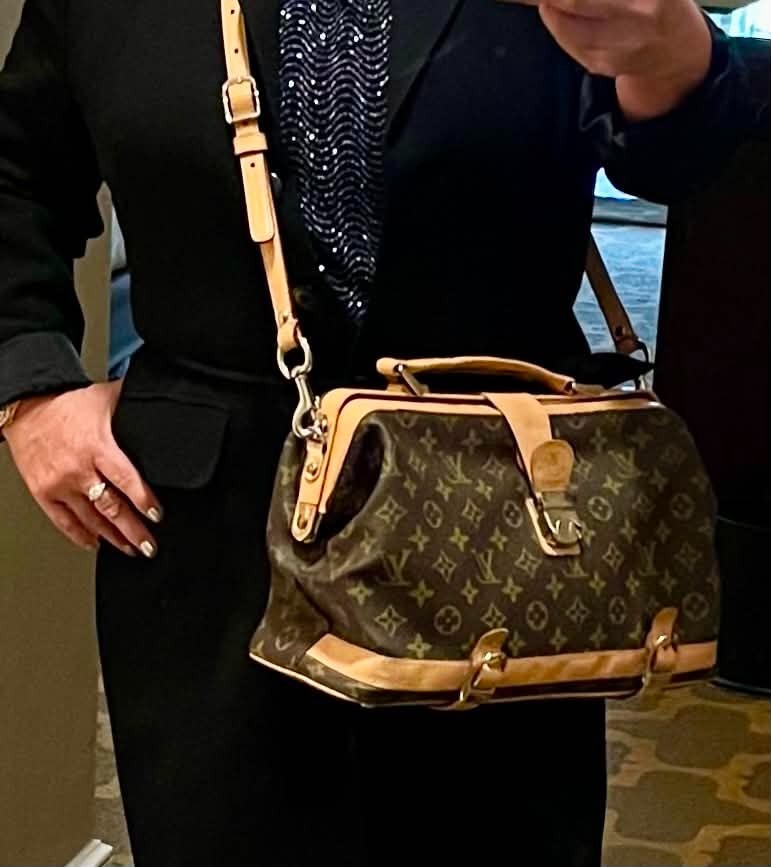
LOUIS VUITTON PURSE HANDBAG SATCHEL SHOULDER CROSS-BODY VINTAGE AUTHENTIC GUARAN
designer-bags
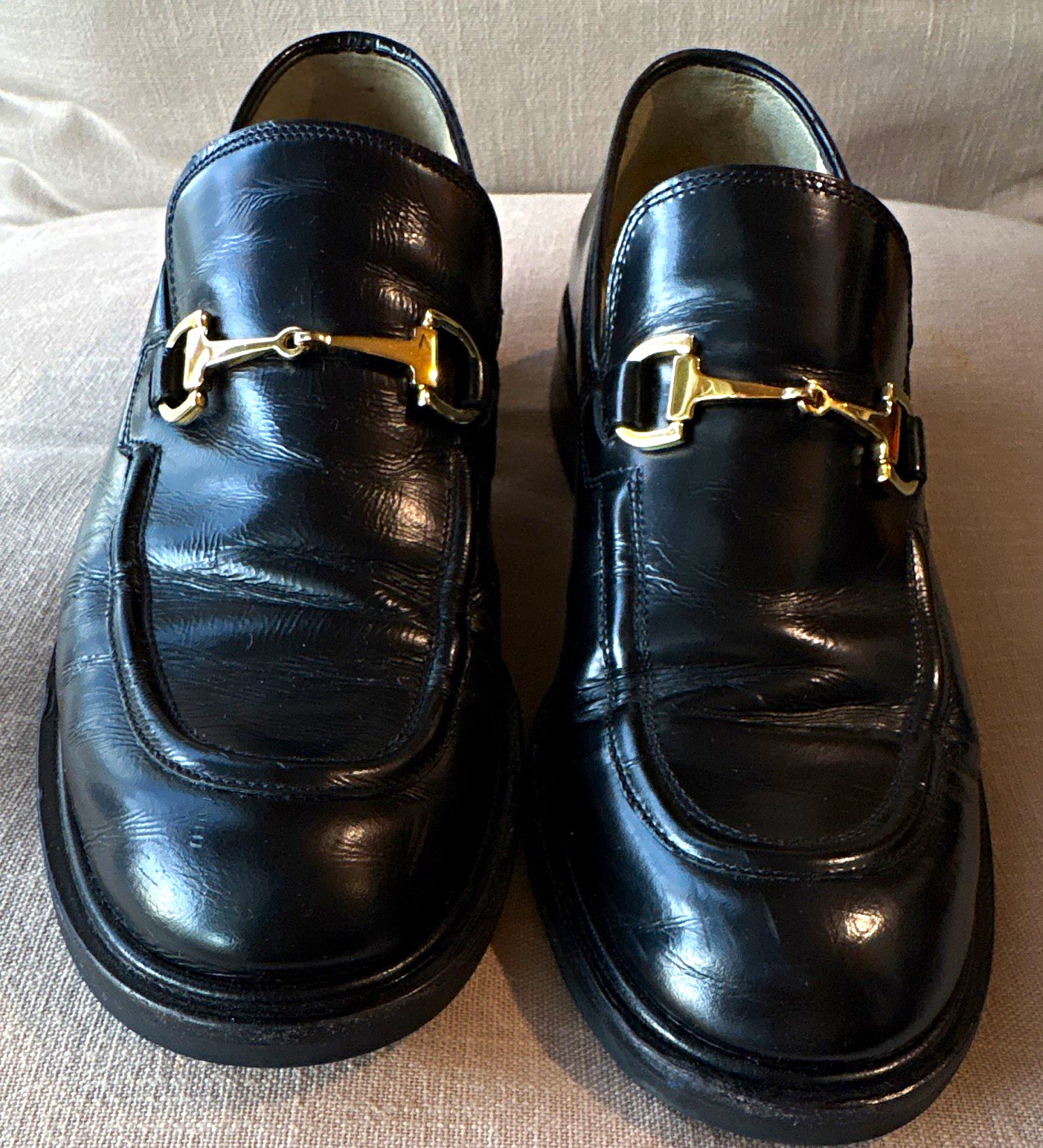
Vintage Gucci Women’s Black Leather Horsebit Loafers Size 8 B Gold 100 0455
designer-bags
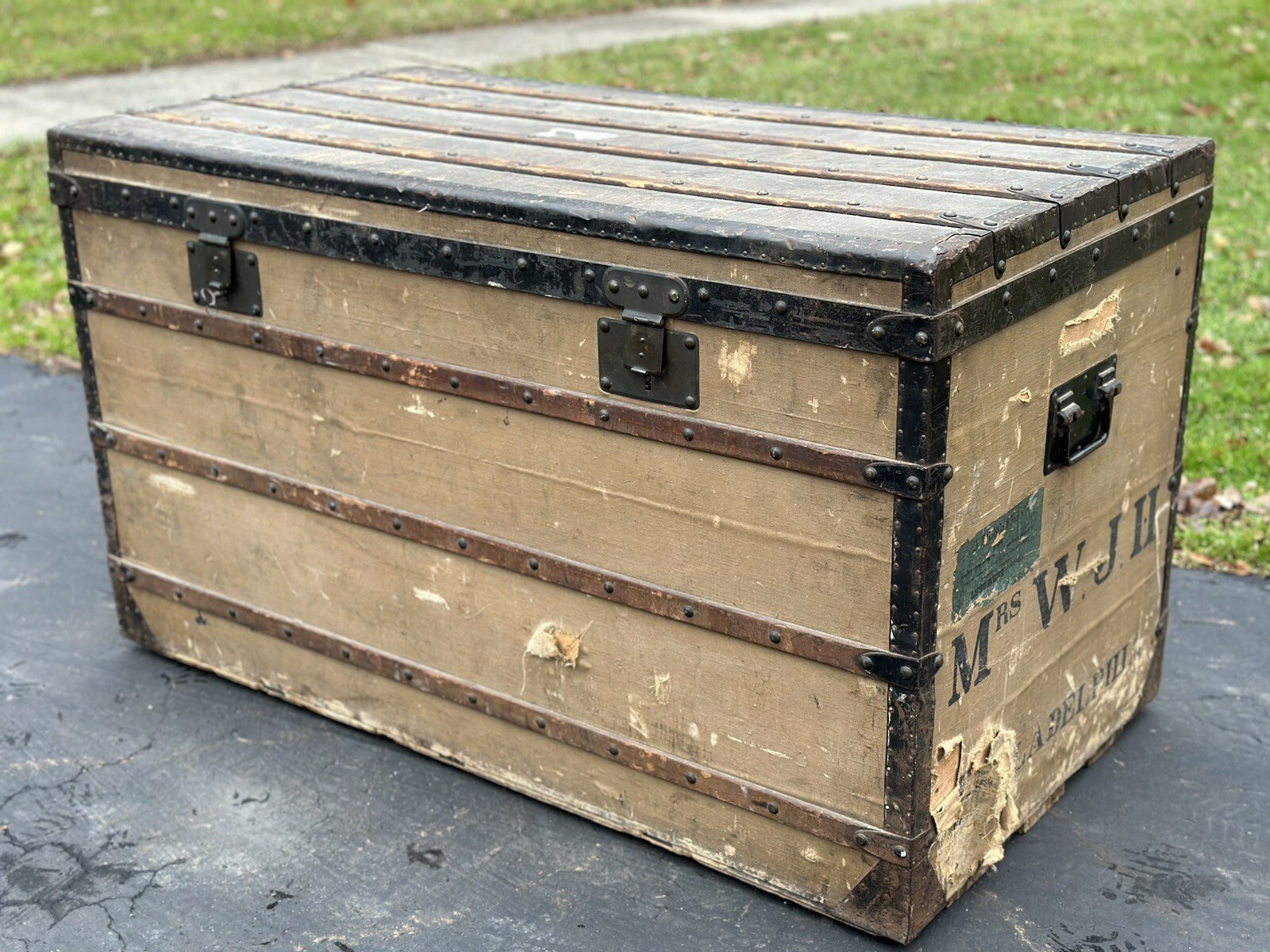
Louis Vuitton Large Steamer Trunk 19th Century with Key
designer-bags
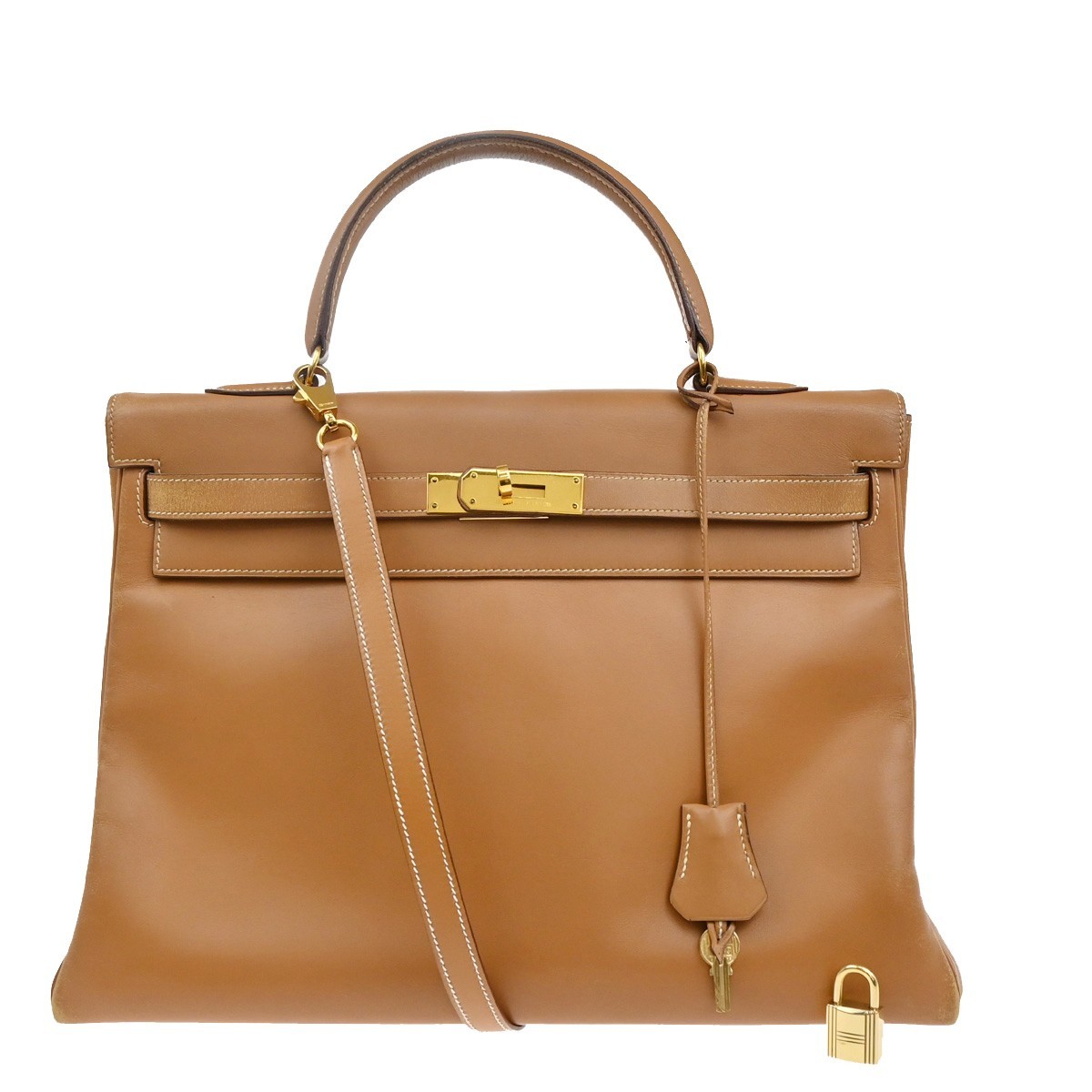
HERMES Kelly 35 2Way Shoulder Hand Bag Chamonix Leather Brown Vintage 247RF960
designer-bags
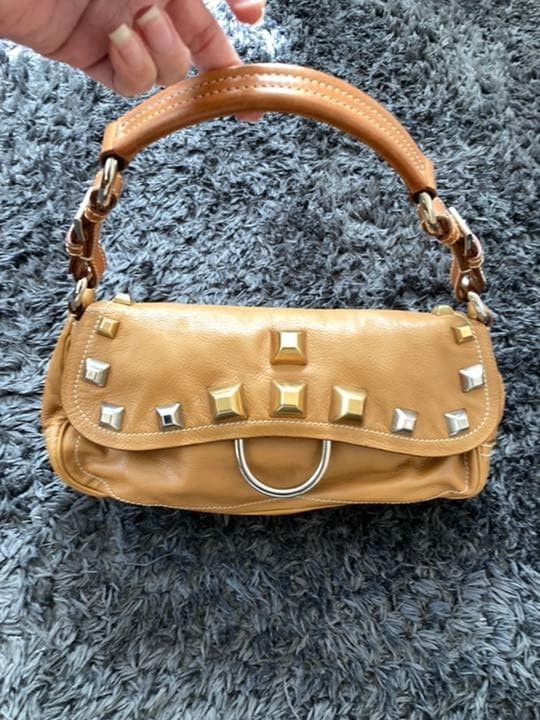
Vintage PRADA Triangle Logo Brown Shoulder Bag Enameled Metal Leather
The names
The designers behind the look
The minds behind this story — each with a piece currently on the market.
Gucci
Italy · 1920s
The bamboo handle & the double-G
The bamboo handle & the double-G
Top piece
View →
New Balance
USA · 1900s
The 550 & dad-shoe comfort
The 550 & dad-shoe comfort
Top piece
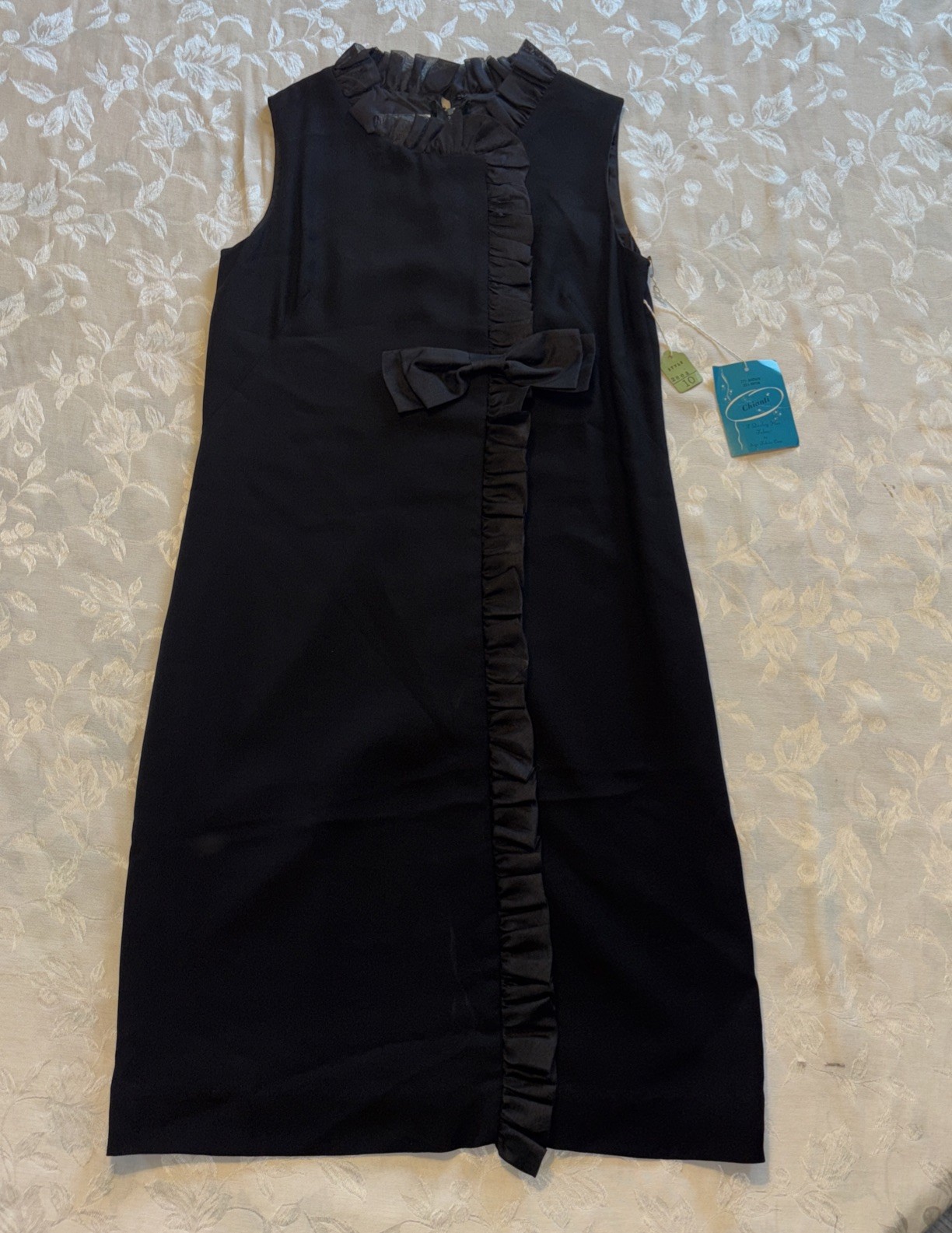
View →
Diesel
Italy · 1970s
Washed denim & streetwear
Washed denim & streetwear
Top piece
View →
Dior
France · 1940s
The New Look & the Lady Dior
The New Look & the Lady Dior
Top piece
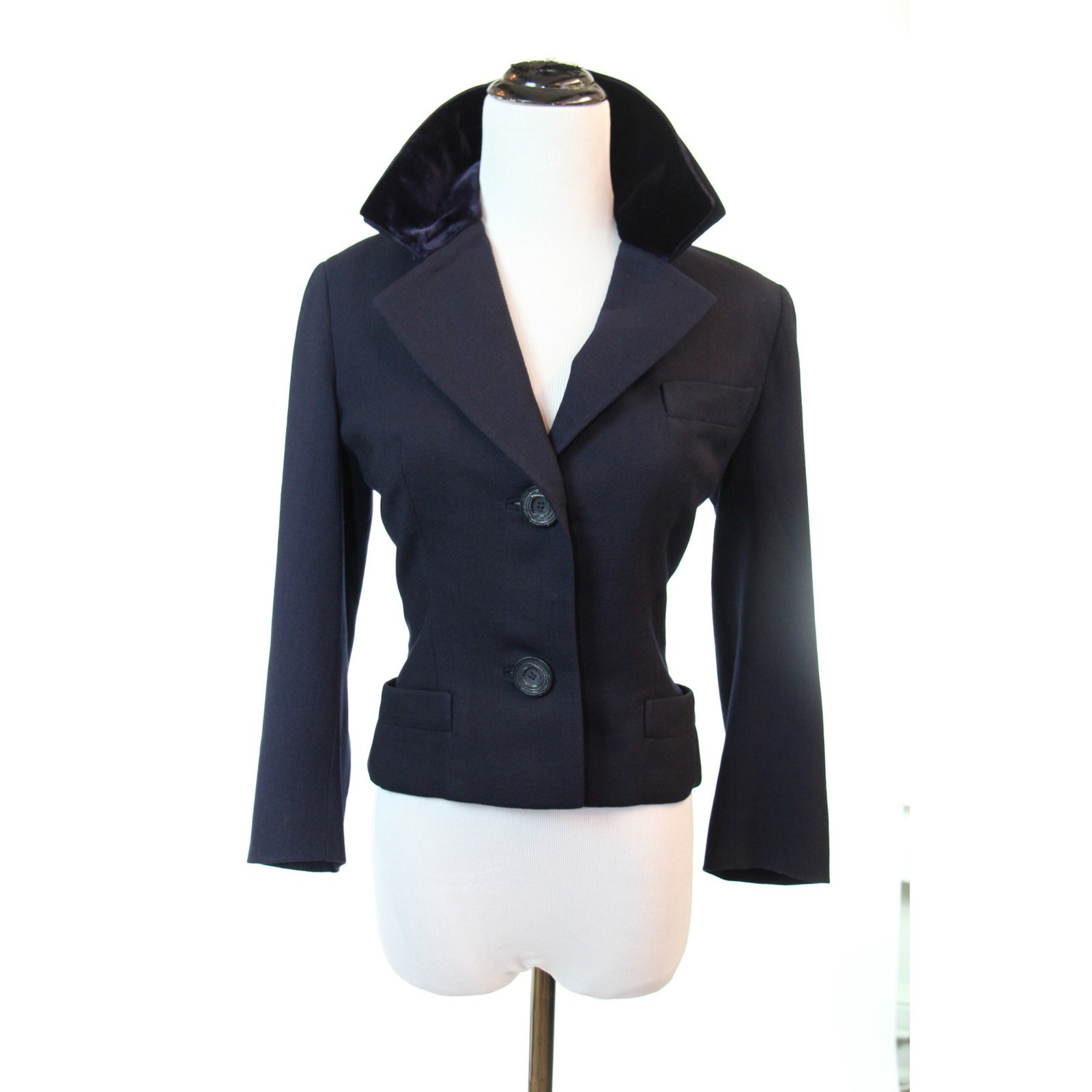
View →
Continue the edit
Further stories from the same world
Three more walks through the same vintage universe.
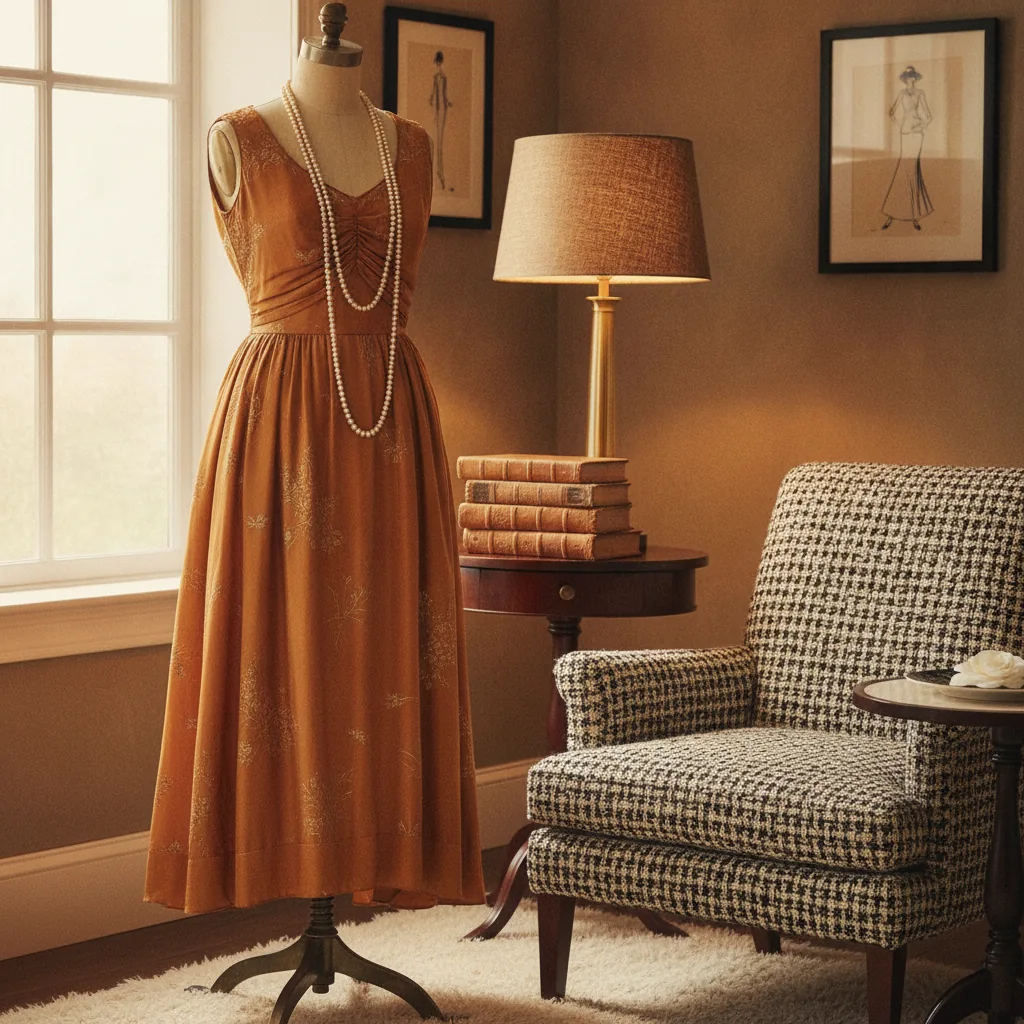
The Dress That Does the Work
A good vintage dress doesn't ask for much. It asks for the right shoes and a little nerve.
Read the story →The Art of the Well-Worn Icon: A Vintage Bag Primer
Forget the hype. These are bags to live in. Here’s how to find one with a past, style it without looking like a costume, and carry it into your future.
Read the story →The Slip Dress, Reconsidered: Wearing the 1990s Now
The slip dress is back, not as a relic but as a modern staple. Here’s how to wear it, what to look for, and why it endures.
Read the story →