
 Sign in
✦ Culture · Amsterdam
The Slip Dress, Reconsidered: Wearing the 1990s Now
The slip dress is back, not as a relic but as a modern staple. Here’s how to wear it, what to look for, and why it endures.
 By Louis Trash·
The Slip Dress, Reconsidered
It starts with a whisper of silk against bare skin, a thin strap slipping off a shoulder. The 1990s slip dress, that iconic piece of minimalist fashion, is everywhere again. But you don't want to look like you raided a supermodel's archive. You want to wear it like you own it.
Dressing It Down, Up, and Sideways
The slip dress is the ultimate chameleon. For day, layer it over a fine-knit turtleneck. Cashmere, merino, or even ribbed cotton works. That mix of delicate silk and cozy knit is pure 2024. Add chunky ankle boots and a leather jacket. The juxtaposition of fragile and tough works.
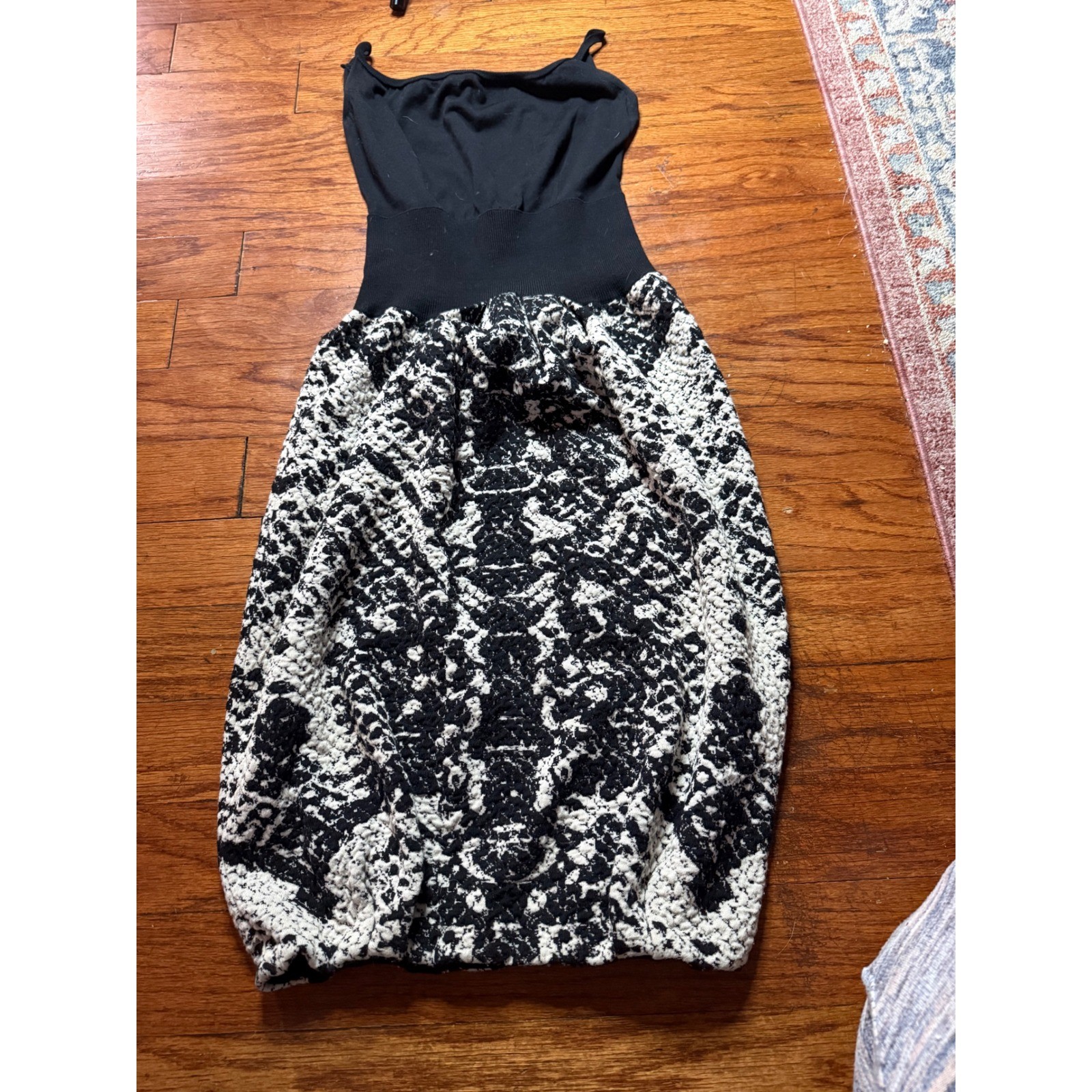
For evening, wear it alone, but change the energy with accessories. A tailored blazer sharpens it. A longline cardigan softens it. Heels elongate, but flat mules or loafers keep it modern. The key is proportion. The slip is fluid, so ground it with structured pieces or heavy soles.
What about the slip dress with a t-shirt underneath? That was a 1990s look, but it can read costumey. Try a fitted white tee under a bias-cut slip for an afternoon, but skip it for night. Instead, play with textures. A ribbed sweater, a velvet blazer, a denim jacket.
Buying the Real Thing
Not all slip dresses are created equal. The best ones are from the mid-1990s, when minimalism reached its peak. Look for bias cuts. Fabric cut on the diagonal drapes and moves. This is the secret to that flattering, liquid drape. Check the label. Designers like Calvin Klein, Donna Karan, and Romeo Gigli made exceptional slips. Even lesser-known labels from that era, like Bebe or Express, can be good if the fabric is right.
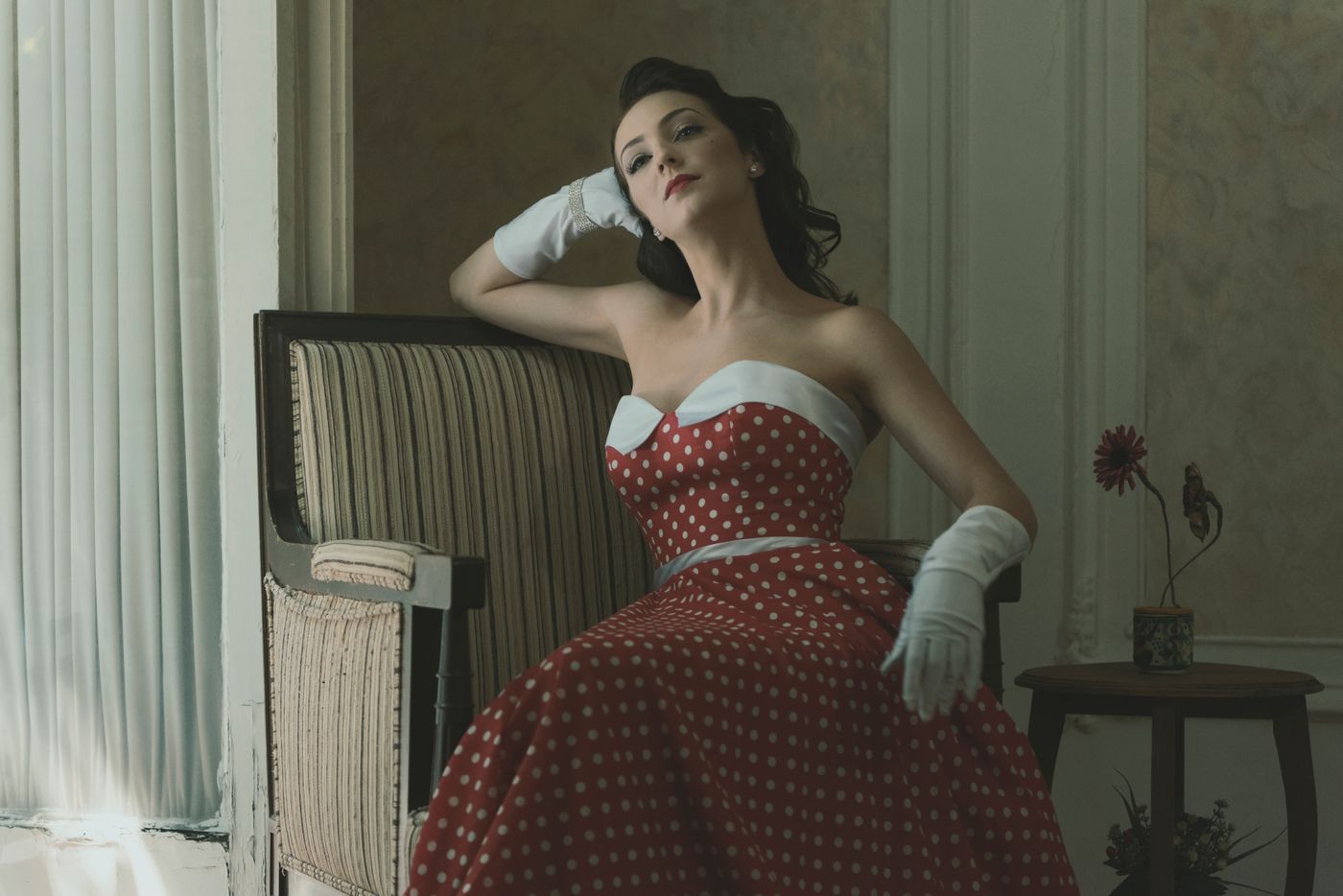
Foto: Odin Reyna · Pexels
Fabric matters. Silk charmeuse is the gold standard. It has a subtle sheen and feels cool to the touch. Polyester satin is a cheaper alternative, but it can look shiny and staticky. Run your hand over the fabric. You want a smooth, heavy hand. Hold it up to the light. Real silk has an iridescence, not a flat shine.
Check the construction. Look for French seams or bias binding. Those are signs of quality. The straps should be adjustable or well-fitted, not flimsy. Look for a slip that hits at the knee or just below. That length is most versatile. If it's too long, you can hem it, but be careful not to ruin the bias drape.
Era tells: In the early 1990s, slips were often longer, mid-calf. By 1996, they were shorter, above the knee. The bra strap problem was solved with built-in cups or a shelf bra. Those are nice, but a slip with no built-in bra is fine if you have a strapless or adhesive bra.
The Slip Dress in History
It wasn't always a fashion statement. The slip was underwear, a layer beneath a dress to make it hang smoothly. In the 1920s, it was a simple chemise. By the 1950s, it was a lacy confection. Then came the 1960s, when designers like Yves Saint Laurent showed slips as outerwear. It was a shock.
The real moment came in 1993. Calvin Klein sent slip dresses down his runway, and they sparked a craze. The public saw them on Kate Moss, who wore a pale blue bias-cut slip at a charity gala in 1993. She was with Johnny Depp, and the photos are still iconic. Suddenly, the slip was on every woman who wanted to look effortlessly cool.
But the idea was older. In 1989, Romeo Gigli showed silk slips with delicate straps. Even earlier, in 1972, Halston dressed Liza Minnelli in a flowing bias-cut dress that was essentially a slip for her wedding to David Gest? No, that was later. But Halston's minimalist bias cuts of the 1970s paved the way.
The Icons and How They Wore It
Carolyn Bessette-Kennedy, the ultimate 1990s style icon, wore slip dresses with simple heels and barely-there makeup. She understood that the dress is the statement. In 1996, she married John F. Kennedy Jr. in a slip-like dress by Narciso Rodriguez, pure white and bias-cut. That wedding changed bridal style.

Foto: Eduard Perez · Pexels
But you don't have to be a celebrity. In 1994, a woman in Manhattan might wear a black slip from a boutique on Thompson Street, paired with a cardigan from the Gap and boots from a flea market. That mix of high and low was the essence of the look.
Consider the film Pulp Fiction (1994). Uma Thurman's white button-down shirt and black capri pants were more famous, but the slip dress appeared in The English Patient (1996) on Kristin Scott Thomas, who wore a bias-cut slip that became a sensation. Women wanted to look like that. Elegant, mysterious, and slightly undone.
The Slip Dress Today
Why does this piece persist? Because it's simple. In a world of fast fashion and trends that die in a week, the slip dress offers a quiet confidence. It flatters almost any body, especially when cut on the bias. It can be dressed up or down, worn in summer or winter with layers.

When you buy vintage, you're not just buying a dress. You're buying a piece of that 1990s sensibility. A time when fashion was about restraint, not excess. You're buying the silk that has survived thirty years, which is a testament to its quality. And you're buying a canvas for your own style.
So next time you see a slip on a rack, pick it up. Check the label, feel the silk, hold it against you. If it whispers, take it home. Wear it with a turtleneck and boots, or alone with strappy sandals. Let it be the thing you reach for when you want to feel like yourself, only more so.
That's the beauty of vintage. It's not about the past. It's about wearing it now, in your own way.
Get the look
Get the look
The pieces that make this story wearable, live from the market.
The names
The designers behind the look
The minds behind this story — each with a piece currently on the market.
Calvin Klein
USA · 1960s
Minimalism & the 90s slip
Minimalism & the 90s slip
Top piece
View →
Børge Mogensen
Denmark · 1940s
The Spanish chair — honest, functional furniture for everyday life.
The Spanish chair — honest, functional furniture for everyday life.
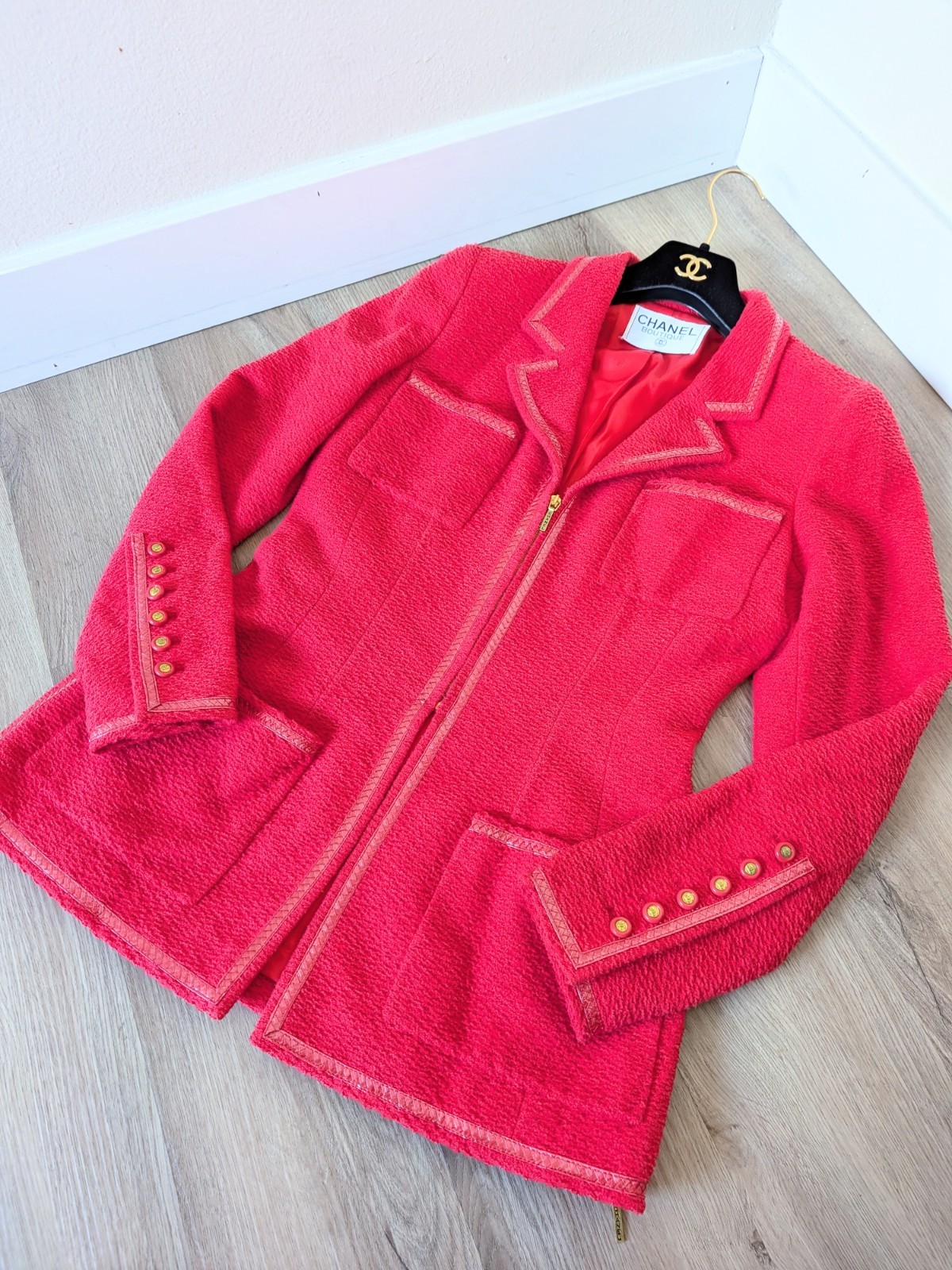
Chanel
France · 1910s
The little black dress & the 2.55
The little black dress & the 2.55
Top piece
View →
Jean Prouvé
France · 1930s
Structural steel & the Standard chair — an engineer of furniture.
Structural steel & the Standard chair — an engineer of furniture.
Continue the edit
Further stories from the same world
Three more walks through the same vintage universe.
The Dress That Does the Work
A good vintage dress doesn't ask for much. It asks for the right shoes and a little nerve.
Read the story →
The Art of the Well-Worn Icon: A Vintage Bag Primer
Forget the hype. These are bags to live in. Here’s how to find one with a past, style it without looking like a costume, and carry it into your future.
Read the story →The Vintage Bag, Worn Well
A vintage Gucci or Louis Vuitton bag is not a museum piece. It's a working accessory. Here's how to wear it, what to look for, and why it still matters.
Read the story →