
 Sign in
🔥 The Icon Story · Amsterdam
The Art of the Well-Worn Icon: A Vintage Bag Primer
Forget the hype. These are bags to live in. Here’s how to find one with a past, style it without looking like a costume, and carry it into your future.
 By Louis Trash·
Carry It Like You Mean It
A vintage bag is not a prize to be displayed under glass. It is a working tool, a companion for your daily life. The best compliment you can receive is not "Is that vintage?" but "That's gorgeous—where is it from?" The secret is to treat it with the casual confidence you would a well-worn leather jacket. It should sit easily on your shoulder, slouch a little, and show the faintest signs of a life already lived.
Take the Burberry check tote, circa 1995. It is not a precious object. It is a bag you can throw on the back of a chair at a crowded café, stuff a newspaper into, and grab by the handles as you dash for the train. The magic is in the contrast: the crisp, architectural check against a simple white shirt and raw denim. Or pair it with a camel cashmere coat and tailored trousers for a look that is pure London, 1968.
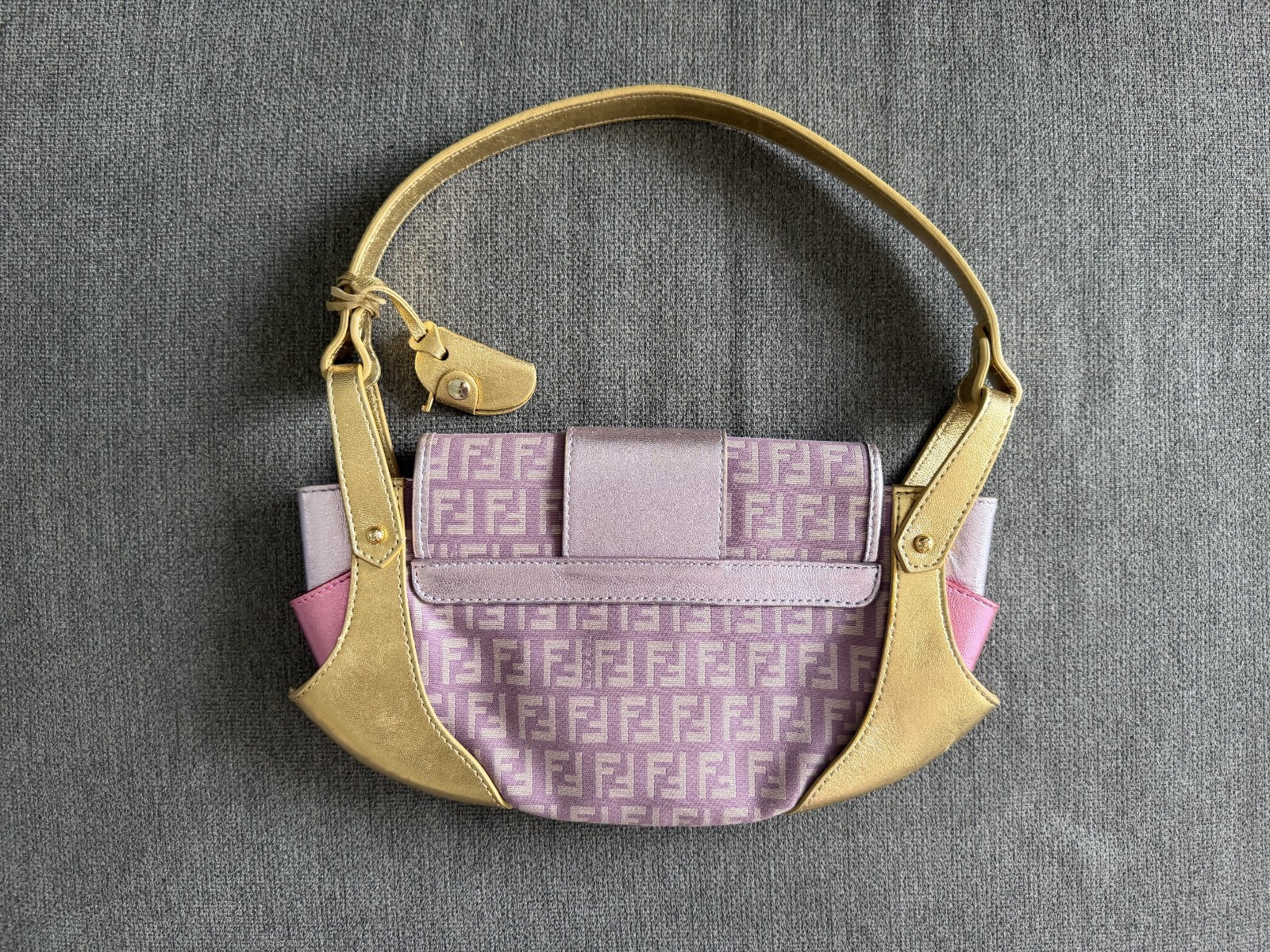
A Fendi Zucca bag from the 1980s, with its monogrammed canvas and leather trim, is surprisingly versatile. It reads as both bohemian and polished. Wear it with a flowing maxi dress and flat sandals for a summer market, or with a sharp black jumpsuit for an evening out. The key is to let the bag lead. Do not overthink. Let it be the most interesting thing about your outfit.
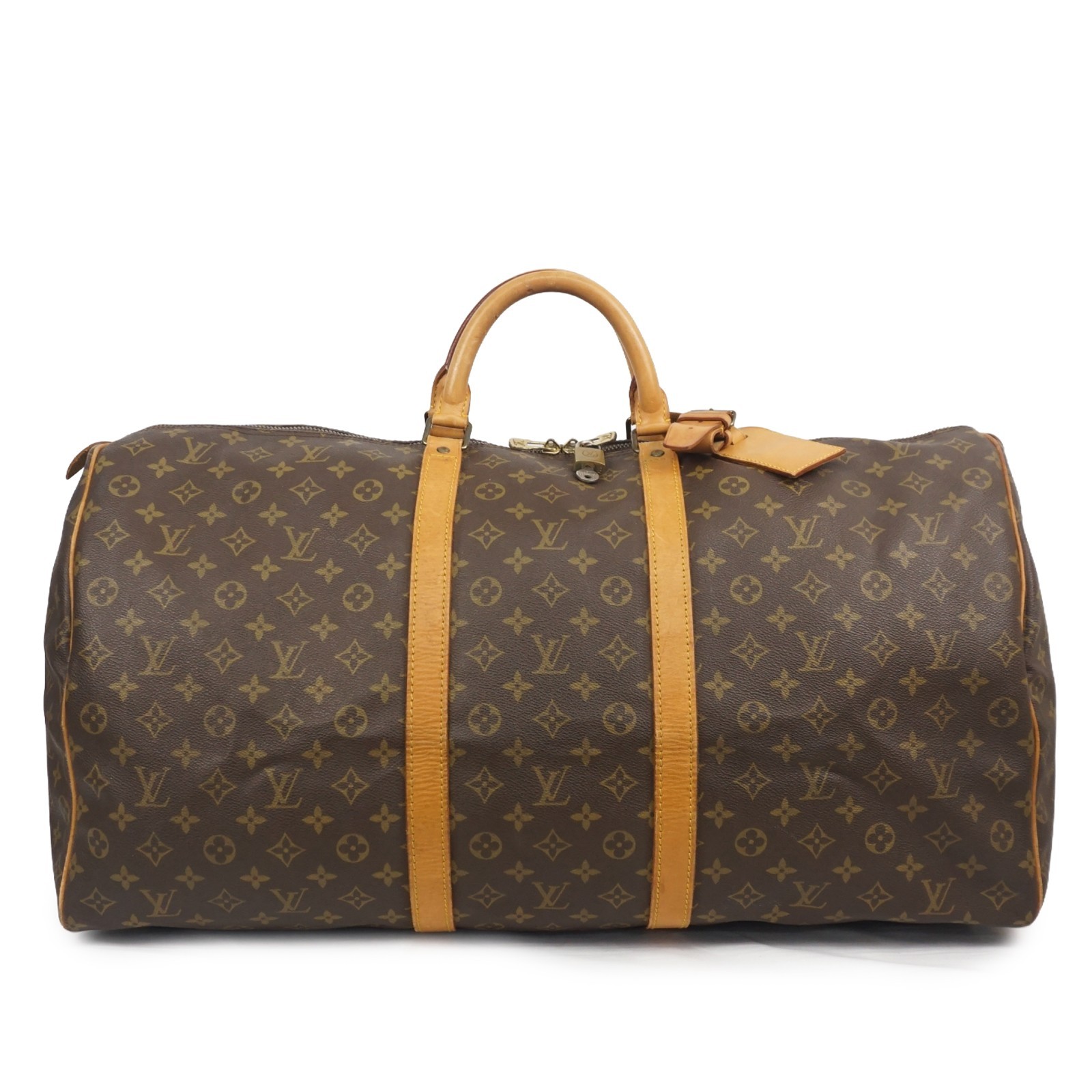
Louis Vuitton’s Speedy, in its classic monogram, is the ultimate chameleon. For a modern take, pair it with a boxy crop top and high-waisted trousers, or with a slip dress and sneakers. The bag’s structure offsets any tendency toward fussiness. And the patina on the leather handles—that deep honey color—is not a flaw; it is a badge of honor.
The Hunt: What to Look For
When you are hunting for a vintage piece, you are not just looking at a bag. You are looking at a specific moment in a brand’s history. Each era has its tells.
Burberry: Look for the “Burberrys” label, the name used until 1999. The check pattern will be tight and even. The leather trim is often a rich tan, and the stitching should be neat and uniform. A genuine vintage piece will have a certain weight, a heft that belies its size.
Fendi: The Zucca pattern, with its inverted “FF,” was introduced in 1965. Early versions have a more muted brown and beige, while later ones are more contrastive. Check the hardware—it should be solid, not flimsy, and the leather should smell rich, not chemical.
Louis Vuitton: The Speedy was introduced in 1930, but the most common vintage versions are from the 1960s to the 1990s. Look for the date code, a series of letters and numbers stamped inside, which can date the bag. The canvas should be thick and slightly grainy, not shiny. The vachetta leather handles should show an even patina, and any cracks or stains are part of the story, but check they are not too severe.
Cartier: Less common, but a true find. Look for the Paris stamp and the “LC” or “Cartier” logo. The leather is often buttery soft, and the hardware is usually gold-tone and finely made. These were not mass-produced, so the quality is exceptional.
Always inspect the lining. It should be clean and free of tears. Check the seams for any puckering. And smell it. A musty odor can be aired out, but a chemical smell might be a sign of a bad restoration.
The Stories They Tell
Every vintage bag has a past. I once found a 1970s Louis Vuitton Keepall at a flea market in Paris. It was battered, but the leather was supple, and the canvas was still brilliant. The seller told me it belonged to a woman who had traveled across Europe by train in the 1980s. I imagined her in a trench coat, a scarf at her throat, stepping off the Orient Express.
These bags were not designed as investments. They were designed to be used. The Burberry check was born in the 1920s as a lining for their iconic trench coats, a practical way to keep the rain out. It was not until the 1960s that it appeared on accessories, and the pattern became synonymous with British style.
Fendi’s Zucca, on the other hand, was a bold move. In 1965, Karl Lagerfeld joined the Roman house and reinterpreted the house’s heritage into a playful, almost cartoonish pattern. It was a departure from the understated luxury of the time, and it captured the spirit of the 1960s—youthful, irreverent, and ready for the future.
Louis Vuitton’s Speedy was inspired by the fast-paced modern life of the 1930s. The bag was compact, yet surprisingly roomy. It was the bag of choice for Audrey Hepburn in Breakfast at Tiffany’s (1961), which cemented its status as a symbol of chic. But the real story is in the details: the monogram canvas was created in 1896 to prevent counterfeiting, and it has remained unchanged for over a century.
Style, Not Costume
The danger with vintage is that it can look like a costume. You end up dressed as a 1970s film extra, not as yourself. The trick is to mix old with new. A vintage bag should be the only vintage piece in your outfit, or the anchor that grounds a more eclectic look.
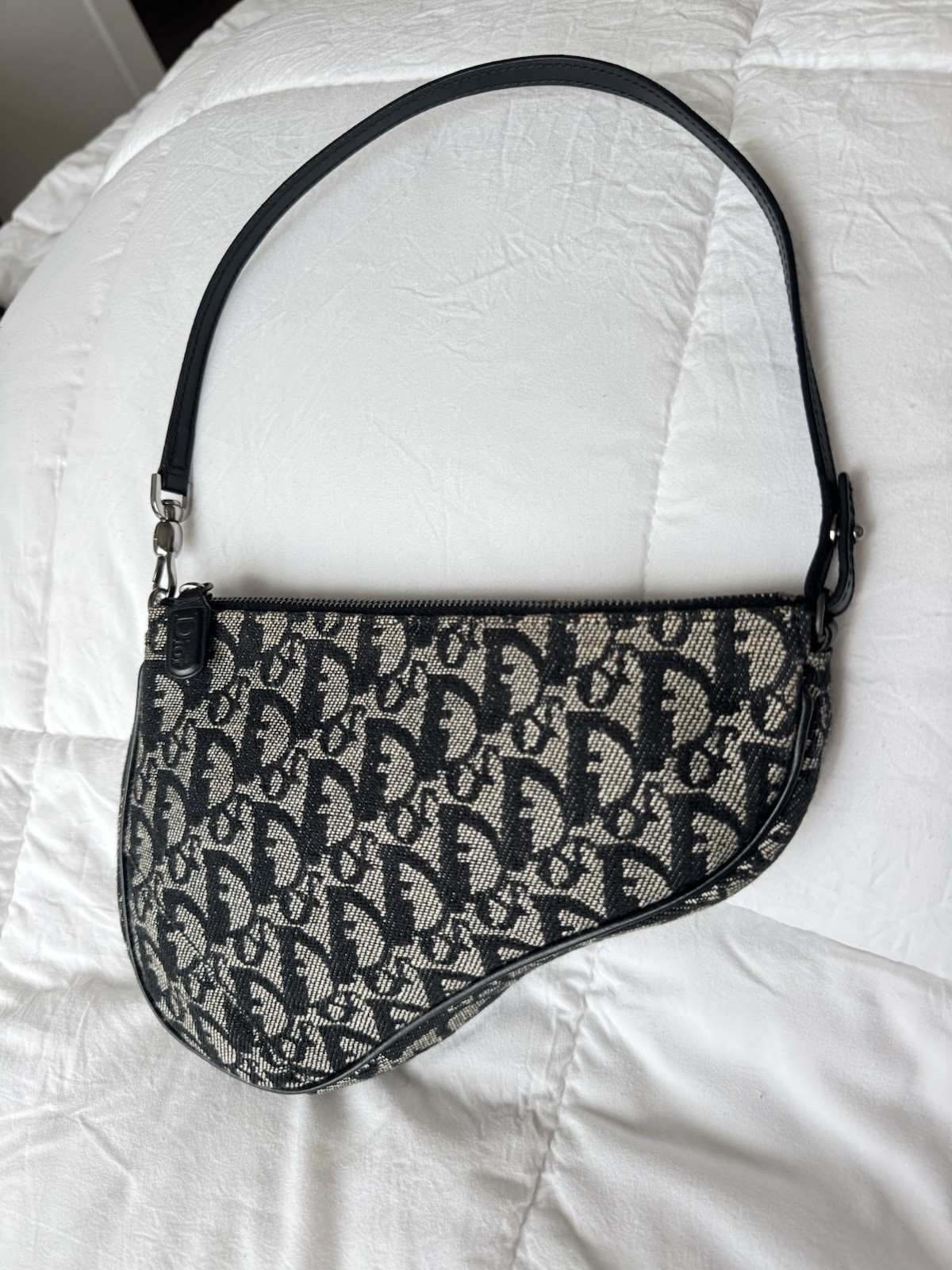
For a modern interpretation, pair a Burberry tote with a minimalist white shirt and tailored trousers. Add a pair of contemporary leather sneakers to keep it grounded. Or take a Fendi baguette and wear it with a simple black dress and strappy heels. The contrast between the playful bag and the sleek dress is what makes it work.
Proportions matter. A small, structured bag like the Speedy looks best when worn closer to the body—tucked under the arm or carried by the top handle. A larger tote should sit at the hip, not drag on the ground. And never carry a vintage bag with a full vintage outfit. You will look like a museum piece.
A Closing Thought
The beauty of a vintage bag is that it has already lived. It has been to parties, commutes, and adventures. It has absorbed the energy of its previous owner. When you carry it, you are not just carrying a bag; you are carrying a piece of history. So let it be imperfect. Let the corners scuff. Let the leather darken with your years. That is the point. It is not about preserving value; it is about creating your own story with a bag that has already written its first chapters. Buy it to wear, not to trade. The best vintage bag is the one you use until it falls apart, and then you stitch it back together and use it some more.
 🔥 The Edit
One to watch
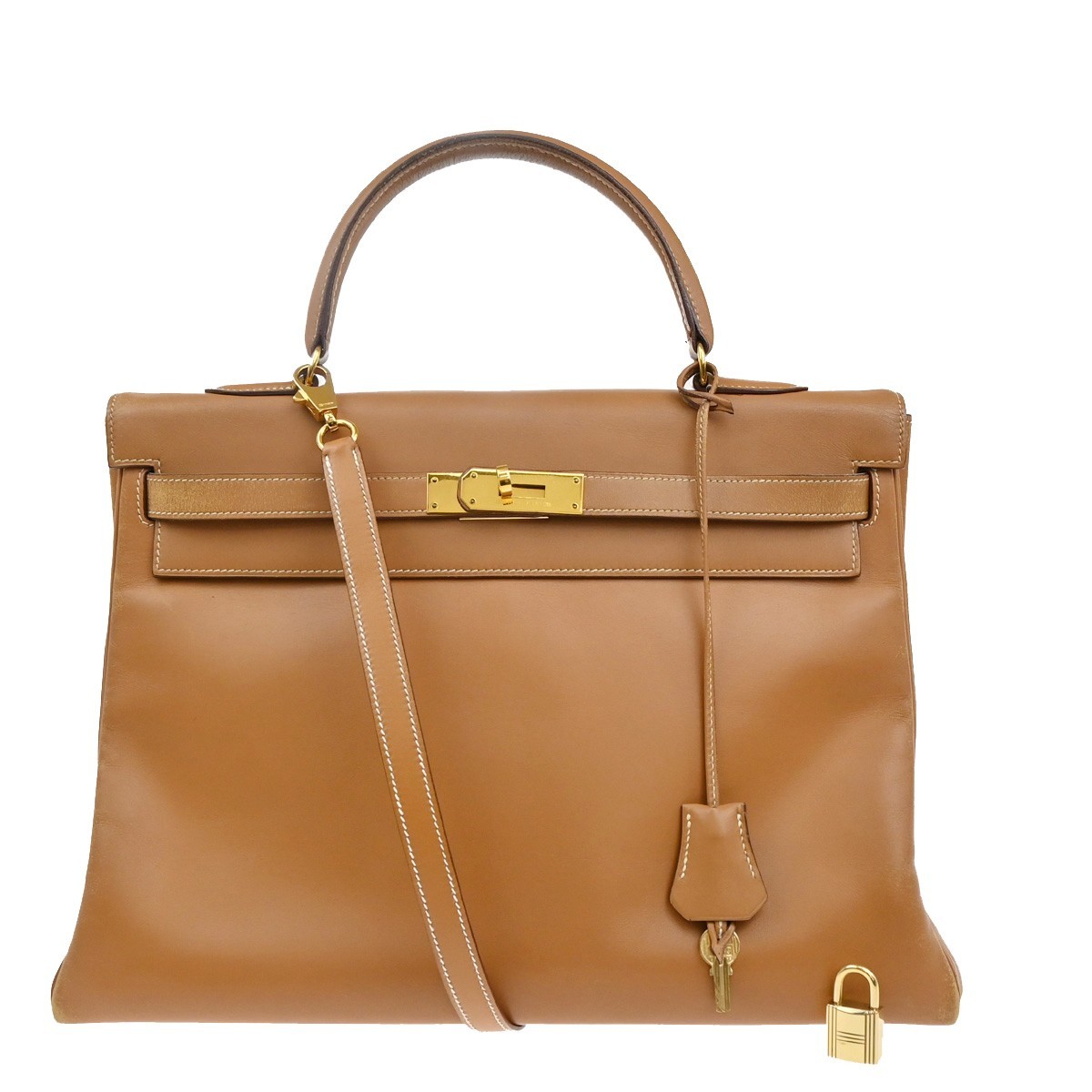
LOUIS VUITTON Keepall 60 Boston Bag Travel Bag M41422 Monogram Brown Vintage 851
Trunks that built a luggage empire. This honestly worn bag in brown carries exactly the quality that made Louis Vuitton worth collecting in the first place. Some things you wear until they wear you out; this one wears you in.
On the market now
The names
The names in this story
The minds behind this story — each with a piece currently on the market.
Fendi
Italy · 1920s
The Baguette & the FF logo
The Baguette & the FF logo
Top piece
View →
Arne Jacobsen
Denmark · 1950s
The Egg & the Series 7 — chairs turned into quiet sculpture.
The Egg & the Series 7 — chairs turned into quiet sculpture.
Top piece
View →
Børge Mogensen
Denmark · 1940s
The Spanish chair — honest, functional furniture for everyday life.
The Spanish chair — honest, functional furniture for everyday life.
Top piece
View →
Calvin Klein
USA · 1960s
Minimalism & the 90s slip
Minimalism & the 90s slip
Top piece
View →
Continue the edit
Further stories from the same world
Three more walks through the same vintage universe.
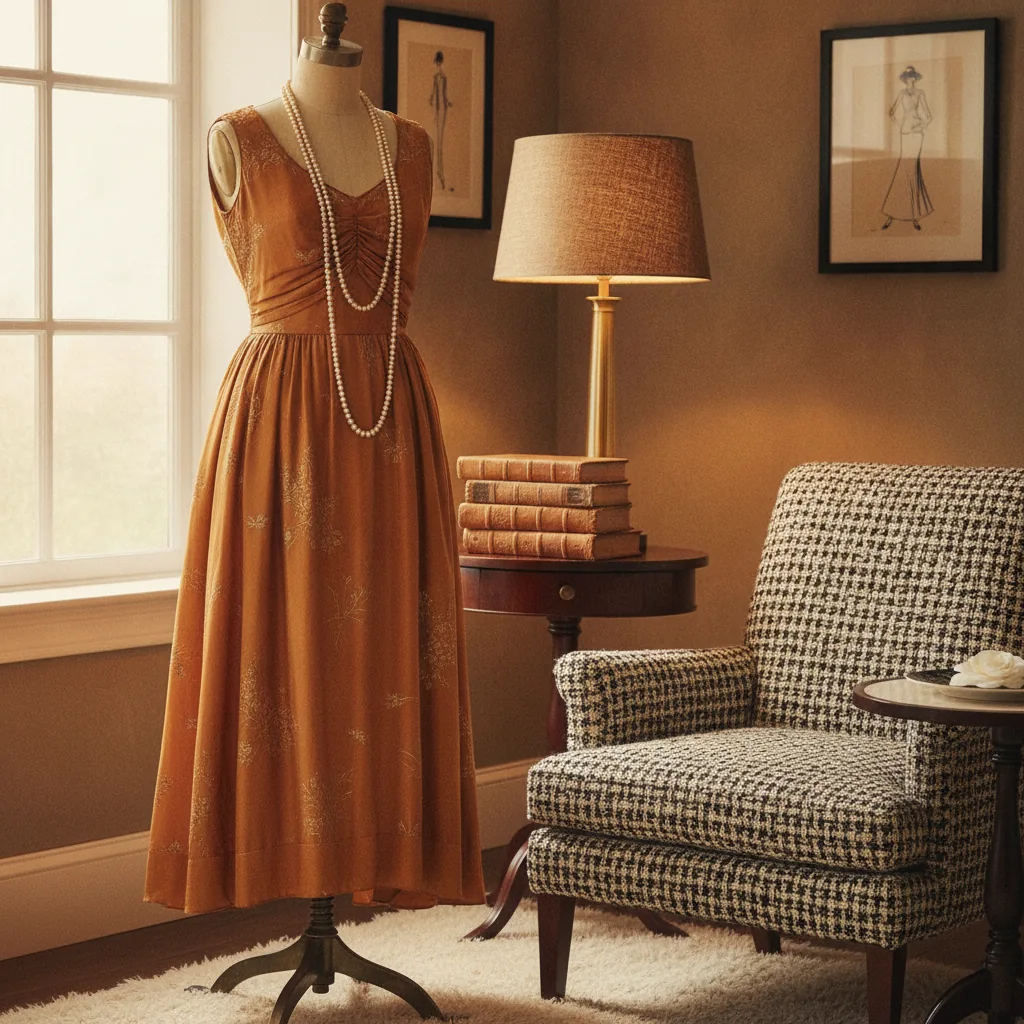
The Dress That Does the Work
A good vintage dress doesn't ask for much. It asks for the right shoes and a little nerve.
Read the story →The Slip Dress, Reconsidered: Wearing the 1990s Now
The slip dress is back, not as a relic but as a modern staple. Here’s how to wear it, what to look for, and why it endures.
Read the story →The Vintage Bag, Worn Well
A vintage Gucci or Louis Vuitton bag is not a museum piece. It's a working accessory. Here's how to wear it, what to look for, and why it still matters.
Read the story →