
 Sign in
✦ Culture · New York
The Case for Heavy Furniture
A walnut sideboard will outlive your sofa, your lease and probably your opinions about open shelving. How to find one worth keeping, where to put it, and why the joinery matters more than the label.
 By Louis Trash·
Start With the Weight
Pick up the end of a 1962 Danish sideboard and you learn something the photographs never tell you. It is heavy. Teak and walnut are dense woods, and a well-made case piece carries its mass low and steady. That weight is the first thing I check. Light furniture floats. Good mid-century furniture sits.
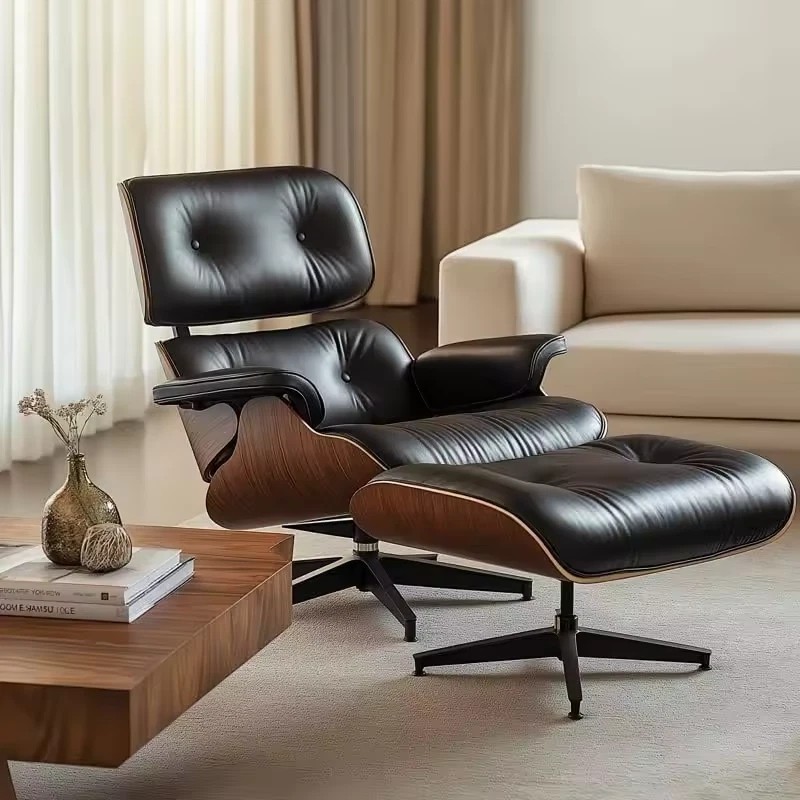
The period most people mean when they say mid-century runs roughly from 1947 to 1965, with a long tail into the early 1970s. In those years a generation of designers who had trained before the war, or during it, rebuilt the domestic interior around a few stubborn ideas: honest materials, visible construction, and forms that followed the body rather than the parlor. Hans Wegner's Round Chair appeared in 1949. Arne Jacobsen finished the Ant in 1952 and the Series 7 in 1955. Charles and Ray Eames released the Lounge Chair and Ottoman in 1956, and it has never left production. George Nelson put out the Coconut Chair in 1955 and the Marshmallow sofa the following year. These were not luxuries for the few. Many were made for contract offices, schools and airports, which is why so much of it survived.
What the Room Wants
A low walnut credenza against a long wall does more for a room than three decorative objects. It sets a horizon line. Your eye reads the top edge as a datum, and everything above it, art, a lamp, empty wall, gets organized by that line.
Proportions matter more than style. A sofa seat height of 17 or 18 inches pairs with a coffee table 16 to 18 inches tall. A dining table at 29 inches wants chairs with a seat at 18. These numbers come from the era and they still work. When a piece feels wrong in a room, measure before you blame the design. Nine times out of ten the height is off by two inches.
Wood tone sets the temperature. Teak runs warm and orange. Walnut runs cool and chocolate. Rosewood, rarer and now restricted under CITES, runs near black with red in the grain. Do not mix all three in one room. Pick one, let a second appear in a small dose, and keep painted pieces to the walls.
What the furniture creates is calm. Not minimalism, which is a different and more recent idea. Calm. The curves are shallow, the surfaces are flat, and there is very little carving. A room with four good pieces in it will feel finished. A room with twelve will feel like a showroom.
Reading a Piece
Look at the joinery before the label. Dovetails on drawer corners, cut by machine but fitted by hand, are a good sign. Staples are not. Run a finger along the inside of a drawer side. If it is smooth and the grain runs continuous, someone cared. If it is splintery and stained, someone hurried.
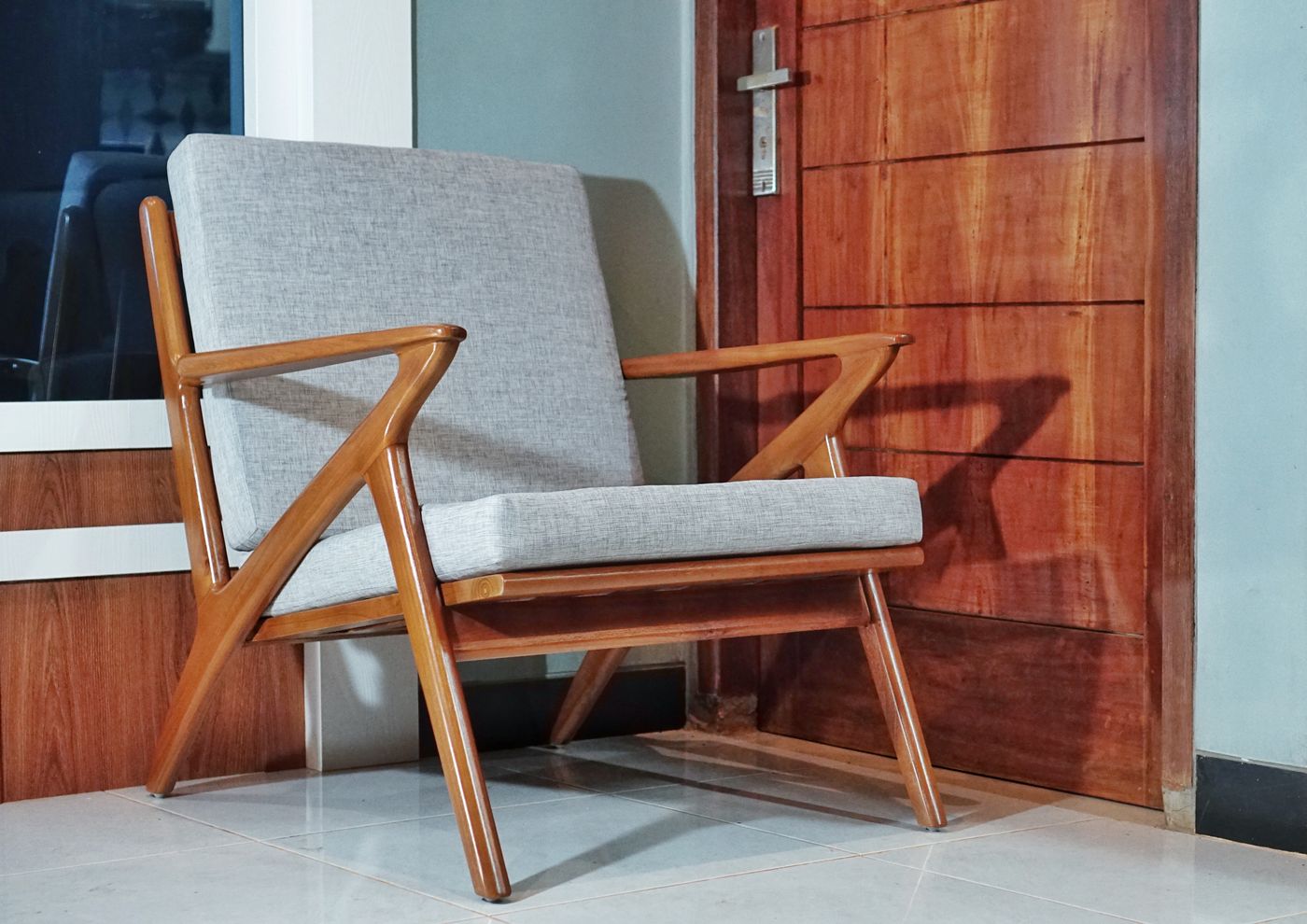
Foto: More Amore · Pexels
Check the finish. Original lacquer on a 1960s piece will have a soft sheen and a few honest dings. A piece that has been stripped and refinished in polyurethane will look plastic and will not age. Danish oil is reversible. Polyurethane is not.
Labels help but they are not the whole story. A branded piece from a serious maker, a Danish control button, a stamped mark under the seat, adds provenance. Plenty of excellent furniture came out of small workshops in Denmark, Sweden and the UK with no mark at all. Judge the object.
Watch for the era tells. Tapered legs that splay outward, a slight cant to the backrest, a floating top with a reveal underneath: these are 1950s and 1960s signals. By 1968 the legs get chunkier and the forms get bolder. By 1972 you are into a different mood entirely, more plastic, more color, less wood.
Structural checks are quick. Sit on the chair and rock it. Lift one corner of the table and listen. A creak means a loose joint, which is fixable. A wobble that will not settle means a cracked rail, which is not, at least not cheaply. Open every drawer and close it. It should glide and stop. If it sticks, the case has swollen or the runners are worn.
A Short History, Told Plainly
In 1950, the Danish cabinetmaker Finn Juhl designed the interior of the Trusteeship Council Chamber at the United Nations in New York. It was the first time American audiences saw Danish modern at full scale, and it changed what people wanted in their homes. Two years later, Edgar Kaufmann Jr. mounted a show at the Museum of Modern Art called Good Design, and the same vocabulary moved into department stores.
Foto: Carlos Bedoy · Pexels
By 1955, a Danish control scheme had been set up to certify furniture made in Denmark from Danish materials. The little button is still the easiest way to date a piece and to know it is what it claims to be.
In America, the story ran through Michigan. Herman Miller in Zeeland and Knoll in East Greenville made the chairs that filled the new glass office towers. Florence Knoll designed the furniture that went with the architecture, flat and precise and built to be sat on for eight hours. In 1964, the year the Danish control scheme was revised, a good teak sideboard cost about as much as a month's rent in a mid-sized city. Today, in mixed-label circulation, a comparable piece tends to land around $606, with better examples going higher and unmarked ones going lower.
Placing It Well
Put the heaviest piece against the longest unbroken wall. Put the lightest chair near the window. Leave the corner empty. Mid-century furniture was designed for rooms with one clear circulation path, and it looks best when you can walk around it without turning sideways.
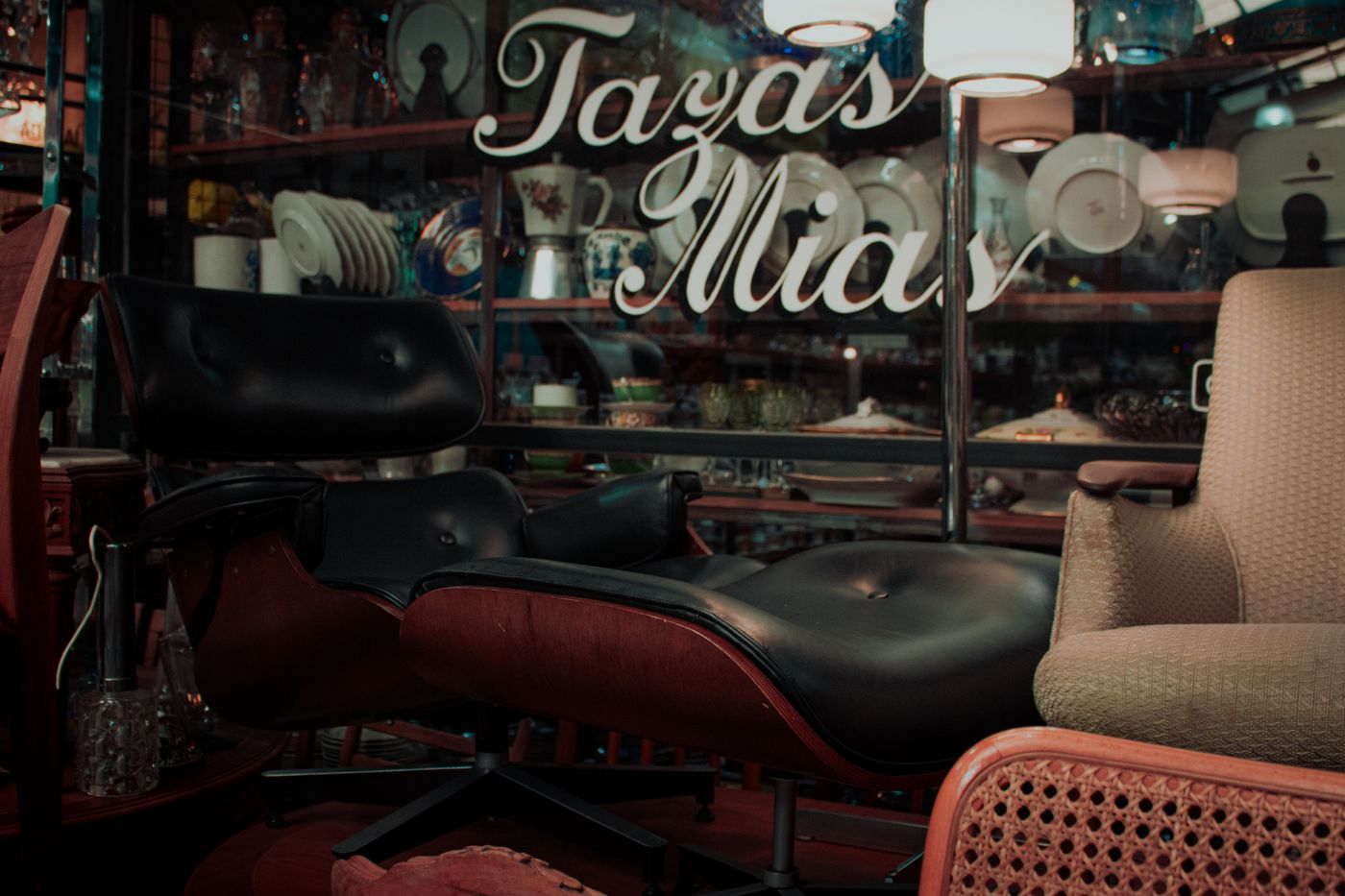
Foto: Mariano Di Luch · Pexels
Rugs should be large enough that the front legs of the sofa and the chair sit on them. A small rug under a big sofa makes both look wrong. Wool, flat or low pile, in a warm neutral. Nothing busy under a busy grain.
Lighting wants to be low and warm. A 2700K bulb at eye level beside a reading chair does more than any ceiling fixture. The era understood lamps as furniture, and a good one earns its place.
What You Are Actually Buying
You are buying a hundred and twenty board feet of old-growth timber, cut by people who expected the piece to be repaired rather than replaced, and finished with oil that can be renewed. That is the whole proposition. The design is the easy part to see. The material and the method are what you are paying for, and they are why a 1962 sideboard still holds a wall in 2025 while the flat-pack it replaced is in a landfill outside town.

Buy the piece you will still want when the room around it changes. Then leave it alone.
✦ The EditOne to watch
Vintage Pro Tall Eames Lounge Chair With Ottoman Cowhide Leather Armchair Swivel
Design for everyone, made like it was for one. This honestly worn chair in leather carries exactly the quality that made Eames worth collecting in the first place. Some things you wear until they wear you out; this one wears you in.
On the market now
The names
Meet the designers
The minds behind this story — each with a piece currently on the market.
Arne Jacobsen
Denmark · 1950s
The Egg & the Series 7 — chairs turned into quiet sculpture.
The Egg & the Series 7 — chairs turned into quiet sculpture.
Top piece
View →
Charles & Ray Eames
USA · 1940s
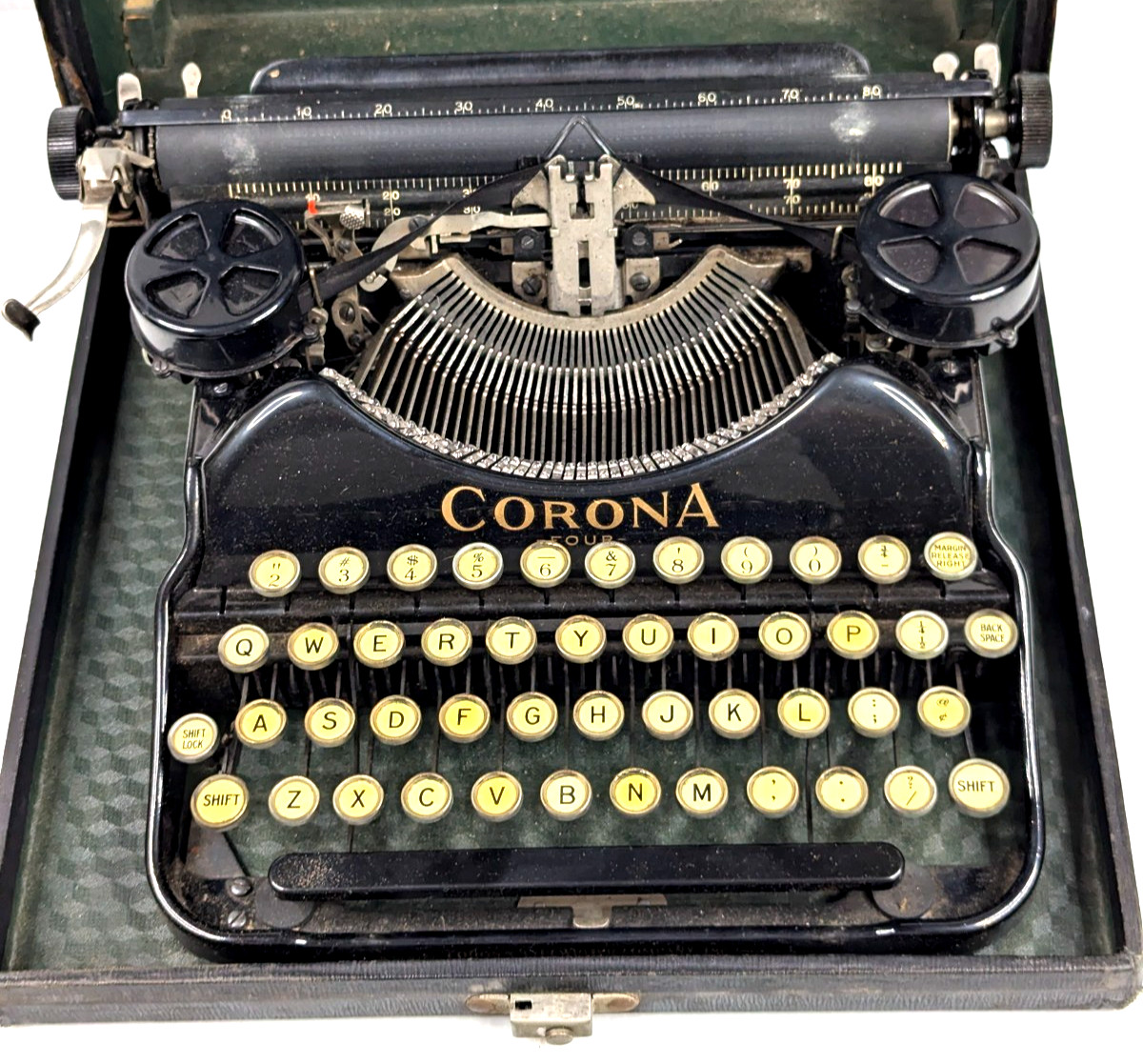
Moulded plywood & the Lounge Chair — the couple who made modern furniture feel human.
Moulded plywood & the Lounge Chair — the couple who made modern furniture feel human.
Top piece
View →
George Nelson
USA · 1940s
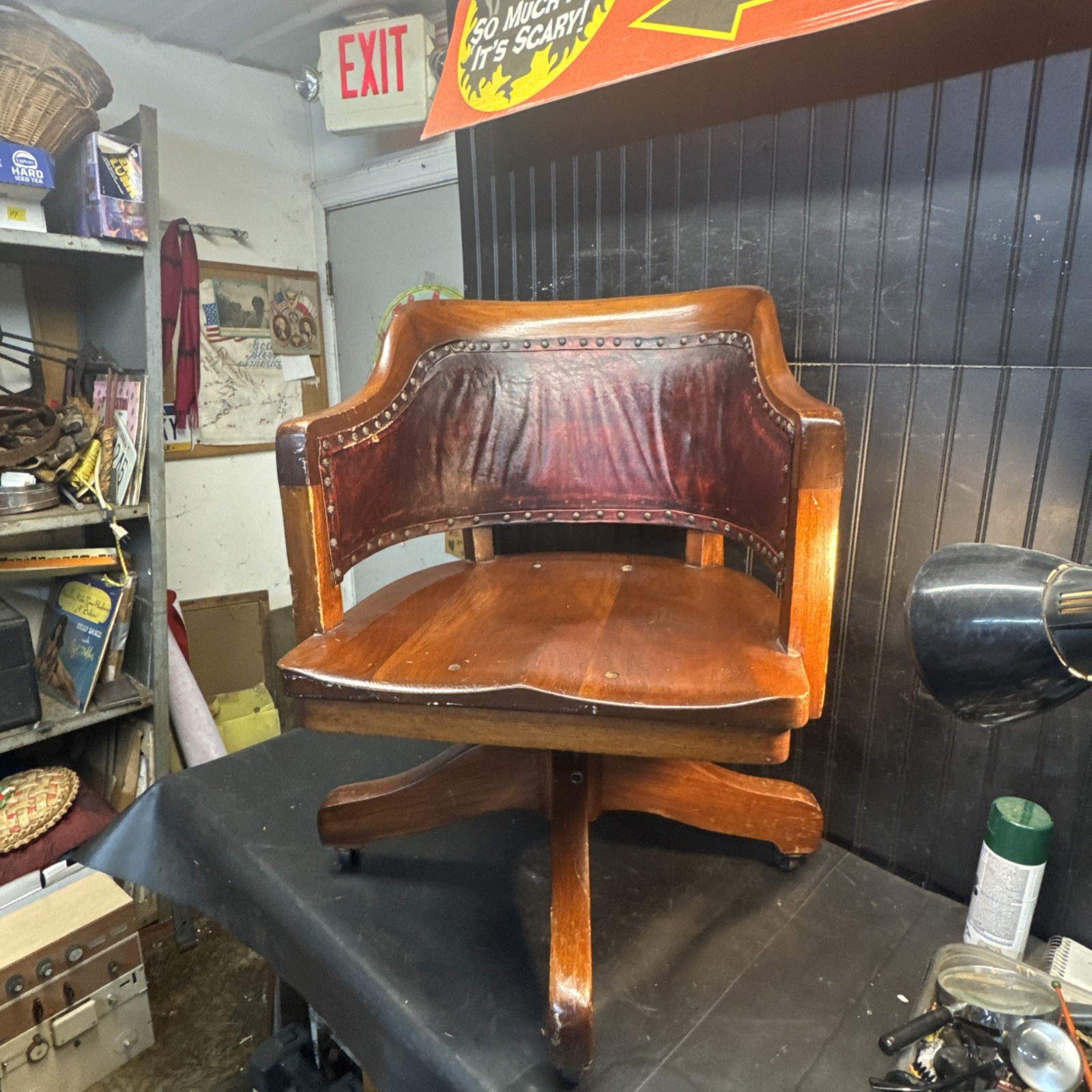
The Marshmallow sofa & platform bench — Herman Miller's design director.
The Marshmallow sofa & platform bench — Herman Miller's design director.
Top piece
View →
Hans J. Wegner
Denmark · 1940s
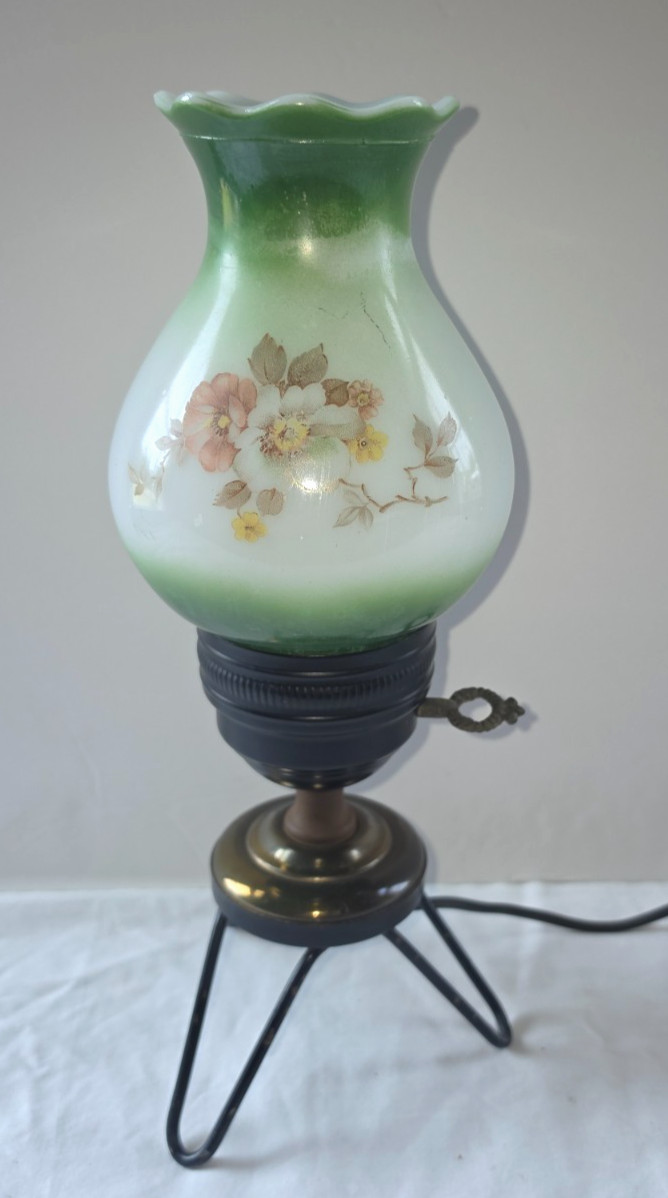
The Wishbone & 500 chairs — joinery so pure it needs no ornament.
The Wishbone & 500 chairs — joinery so pure it needs no ornament.
Top piece
View →
Continue the edit
Further stories from the same world
Three more walks through the same vintage universe.
The Vintage Band Tee: Wear the Noise
A 1979 Ramones shirt is a piece of cotton with a story, and you can wear it to death. Here is how to find one, style it, and keep it alive.
Read the story →
The Perfect Vintage Leather Jacket: How to Find It, Wear It, and Make It Yours
A vintage leather jacket is more than a garment; it's a second skin with a story. Here's how to choose one that fits your life, style it with modern pieces, and understand the history stitched into every seam.
Read the story →
The Art of Carrying History: Styling Vintage Designer Bags
How to wear a vintage Gucci or Dior with modern ease, and what to look for before you buy.
Read the story →