
 Sign in
🔥 Fashion · New York
The Perfect Vintage Leather Jacket: How to Find It, Wear It, and Make It Yours
A vintage leather jacket is more than a garment; it's a second skin with a story. Here's how to choose one that fits your life, style it with modern pieces, and understand the history stitched into every seam.
 By Louis Trash·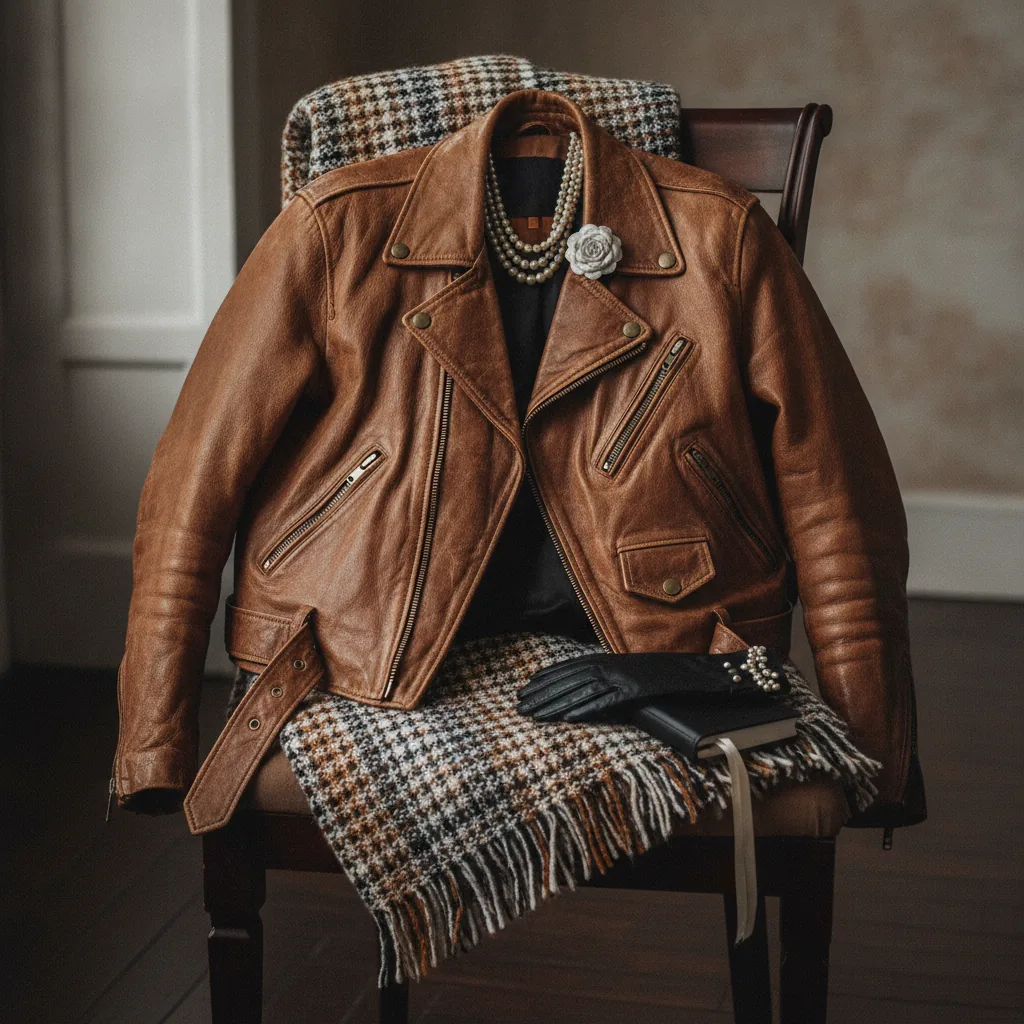
The Jacket as a Second Skin
A vintage leather jacket is not a costume. It's a piece of clothing that has already lived a life, and it will live another one with you. The right one fits like it was made for you, even though it was made for someone else decades ago. It smells of time, of petrol, of rain, of someone's cigarettes. That is not a flaw. That is the point.
I bought my first one in 1992, a Schott Perfecto from a thrift store on Melrose Avenue. It cost me $60, and I wore it until the lining fell out. Then I had it relined, and I wore it for another ten years. That jacket taught me something: a good leather jacket is not a trend. It's a companion.
What to Look For: The Tell-Tale Signs
When you're hunting for a vintage leather jacket, you're looking for two things: quality and character. Quality means the leather is thick, the stitching is tight, and the hardware is solid. Character means it has a story, a patina, a few scuffs, a repaired elbow. A pristine vintage jacket is a museum piece. A worn one is a friend.
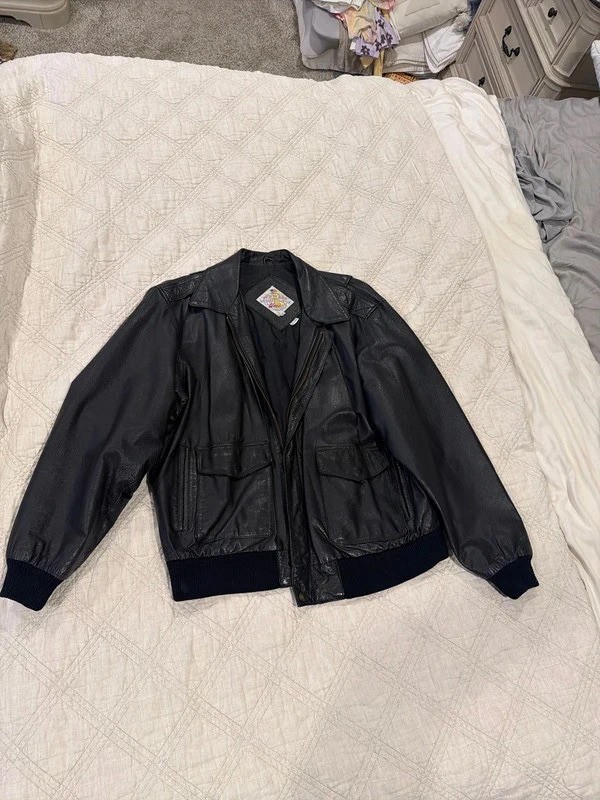
Start with the leather. In the 1940s and 1950s, jackets were made from horsehide, which is dense and grainy. By the 1960s, cowhide became common, softer, more supple, and easier to break in. Goatskin, used by some makers, is lighter and has a distinctive pebbled texture. Feel the leather. It should be substantial, not papery. Press your thumb into it. If it springs back, it's good. If it cracks, walk away.
Check the zippers. Talon zippers were the standard until the 1960s. They're sturdy, with a distinctive 'T' on the pull. YKK zippers appeared later, and they're fine too. But if the zipper is broken, think twice. Replacing a zipper on a leather jacket is expensive, and it can alter the character of the piece.
Look at the lining. In the 1950s, linings were often cotton or rayon, sometimes in a plaid pattern. By the 1970s, nylon became common. If the lining is ripped, that's an easy fix. But if it smells of mildew, skip it. That smell never comes out.
Finally, examine the hardware. The snaps, the buckles, the eyelets, they should be solid, not flimsy. Many vintage jackets have a maker's label. Schott, Avirex, Aero, Buco, Vanson, these are names you can trust. If the label is gone, look for details: the style of collar, the cut of the lapels, the placement of pockets. A skilled eye can date a jacket within a decade.
Styling It: How to Wear a Vintage Leather Jacket Now
The key to wearing a vintage leather jacket is to treat it as the centerpiece of an outfit, but not a costume. You're not a biker, a fighter pilot, or James Dean. You're a person who appreciates a well-made garment. So pair it with modern pieces that balance its ruggedness.
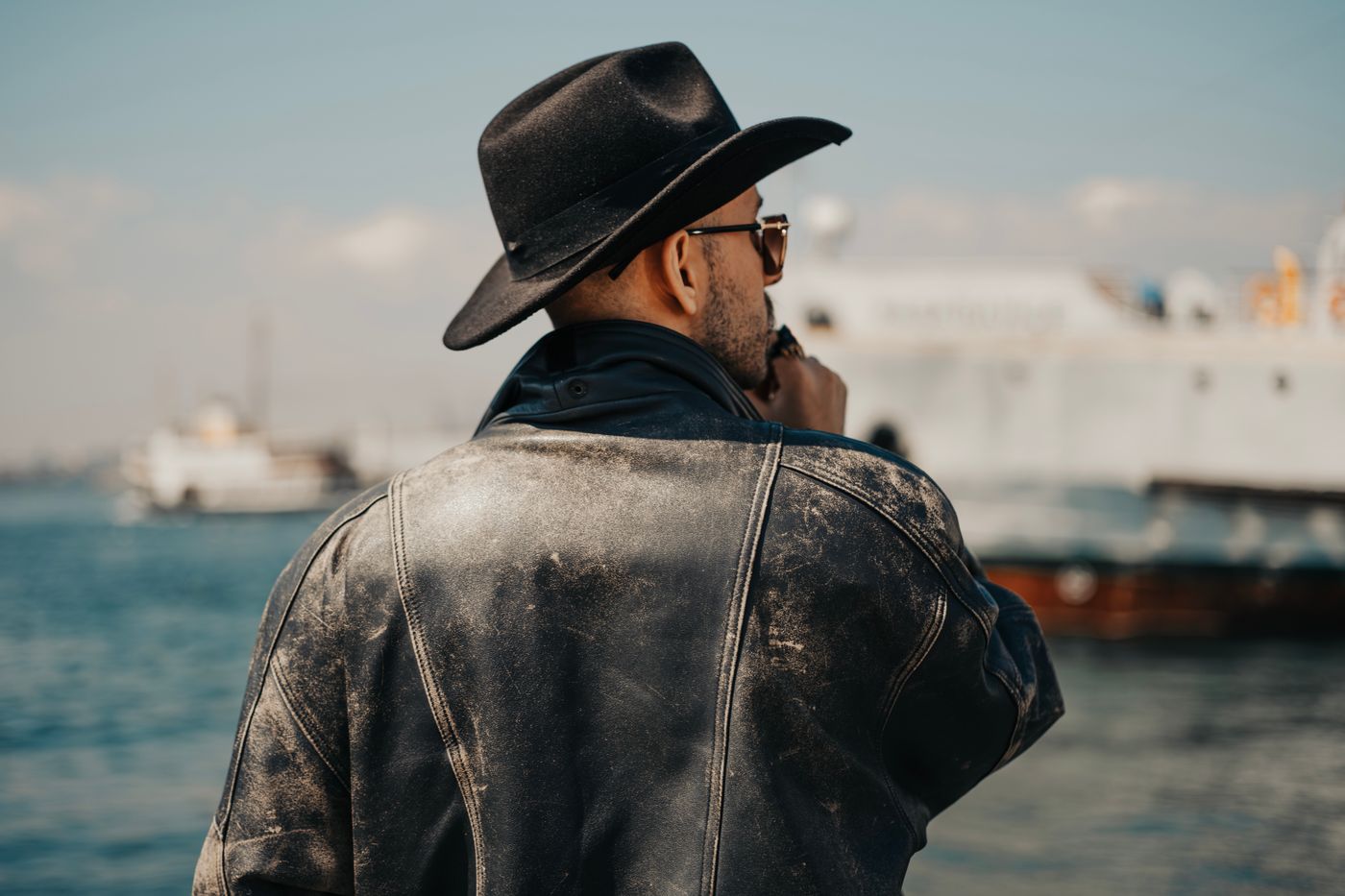
Foto: Wolrider YURTSEVEN · Pexels
For a casual look, wear it over a plain white T-shirt and straight-leg jeans. Add a pair of leather boots, and you're done. This is the easiest way to wear it, and it works for both men and women. The jacket adds edge to a simple outfit.
For a more polished look, try it over a fine-gauge knit sweater. A crewneck in a muted color, gray, navy, olive, works well. Pair it with tailored trousers or a wool skirt. The contrast between the rough leather and the refined knit is what makes it interesting.
For a dressier occasion, you can wear a leather jacket over a blouse or a dress. It sounds counterintuitive, but a well-worn jacket can make a silk dress feel less precious, more approachable. And it adds a layer of warmth without adding bulk.
Proportions matter. Vintage jackets are often cropped, especially those from the 1950s. If you're wearing high-waisted trousers or skirts, a cropped jacket hits at the right spot. If you're wearing low-rise jeans, you might want a longer jacket, something from the 1970s, when the silhouette was longer and slimmer. The rule is simple: the jacket should end where you want to emphasize your waist.
Don't be afraid to layer. A leather jacket over a denim jacket is a classic 1980s look, but you can do it today with a thinner denim jacket. Or wear a hoodie underneath your leather jacket for a streetwear vibe. The key is to keep the underlayer thin, so you don't look bulky.
Finally, remember that a leather jacket is a statement. It doesn't need a lot of competition. Skip the patterned shirt and the statement jewelry. Let the jacket do the talking.
A Short History: From the Streets to the Screen
The leather jacket has a long history, but its iconic forms came from two sources: the motorcycle and the war.
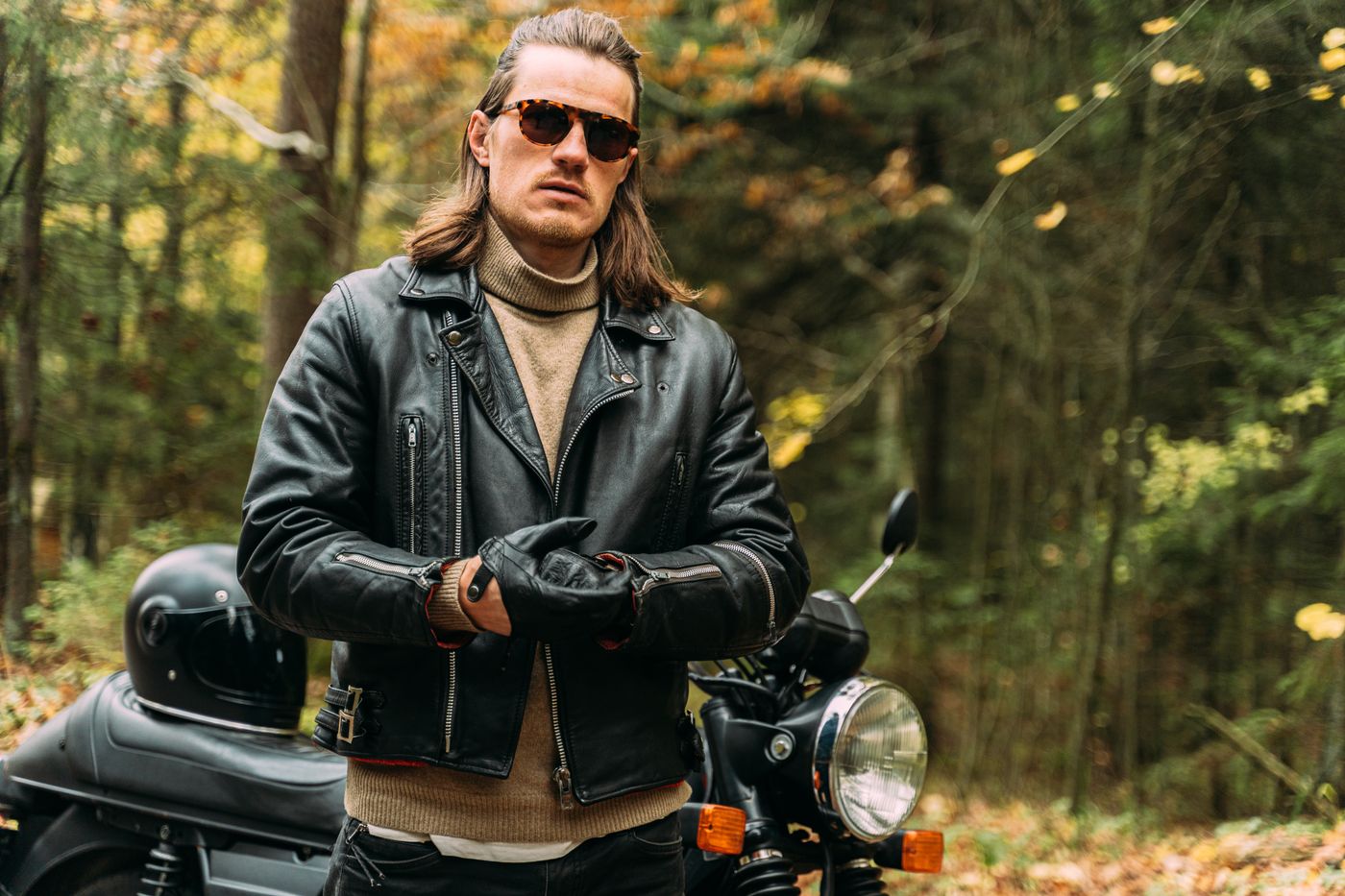
Foto: Antoni Shkraba · Pexels
In 1928, Irving Schott designed the first zippered leather jacket for motorcyclists. It was called the Perfecto, after his favorite cigar. The jacket had a snug fit, a belted waist, and a diagonal zipper that kept the wind out. It was meant for function, but it soon became a symbol of rebellion. Marlon Brando wore a Schott Perfecto in 'The Wild One' in 1953, and the image of the brooding biker was born.
During World War II, pilots wore leather jackets, both the A-2 and the B-3. The A-2 was a light brown, with a shirt-style collar and snap-down pockets. The B-3 was heavier, with a thick shearling collar and lining, designed for high-altitude bombing runs. These jackets were made by companies like Aero, Rough Wear, and Cooper, and they were engineered for warmth, not fashion. But when the war ended, the jackets came home with the veterans, and they became part of civilian life.
The 1970s brought another wave of leather jackets, especially among punk rockers and counterculture types. The Ramones wore leather jackets as a uniform. Patti Smith wore one on the cover of 'Horses' in 1975, looking androgynous and fierce. The leather jacket became a symbol of artistic defiance.
In the 1980s, Tom Cruise wore an Avirex jacket in 'Top Gun', and suddenly everyone wanted a bomber jacket. Avirex was a New York company that made reproductions of A-2s and other military jackets, but they gave them a modern twist. They were affordable, well-made, and looked great on screen. The film made the jacket a mainstream item, but the vintage ones from the 1940s and 1950s are still the most coveted.
The Emotional Dimension: Why We Keep These Jackets
I still have my first jacket, the Schott I bought in 1992. It's not in great shape, the leather is cracked in places, and the lining is a patchwork of repairs. But I can't get rid of it. It carries the memory of my first motorcycle, of riding down the Pacific Coast Highway at sunset, of the girl I was in love with who wore it when she was cold.
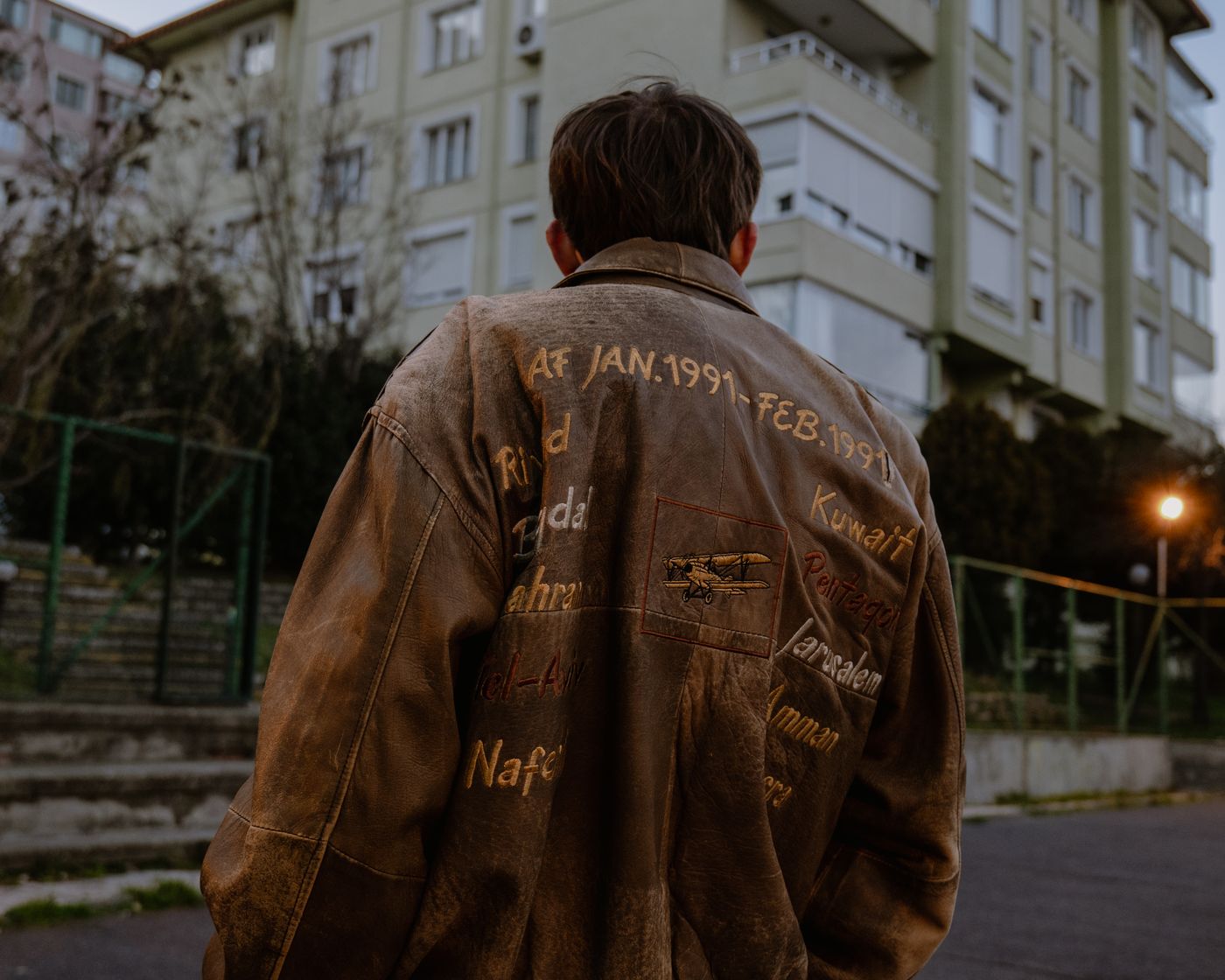
Foto: Ayberk Mirza · Pexels
A leather jacket is not like a pair of jeans. It doesn't fade quietly. It ages with you. It records your life in creases and scratches. The cuff is worn from resting on a car window. The elbow is smooth from leaning on a bar. The blood stain from that fight in 1987 is still there, faint but visible.
When you buy a vintage leather jacket, you're not just buying a piece of clothing. You're buying a history. But you're also making a choice to write your own chapter. You will add new creases, new scuffs, new smells. You will make it yours.
So take your time. Find a jacket that fits your body and your spirit. Wear it until it feels like a part of you. And then pass it on.
The Final Word: Respect the Jacket
A vintage leather jacket is not a cheap purchase, but it's not an investment in the financial sense. It's an investment in yourself. It will not increase in value, but it will increase in meaning.
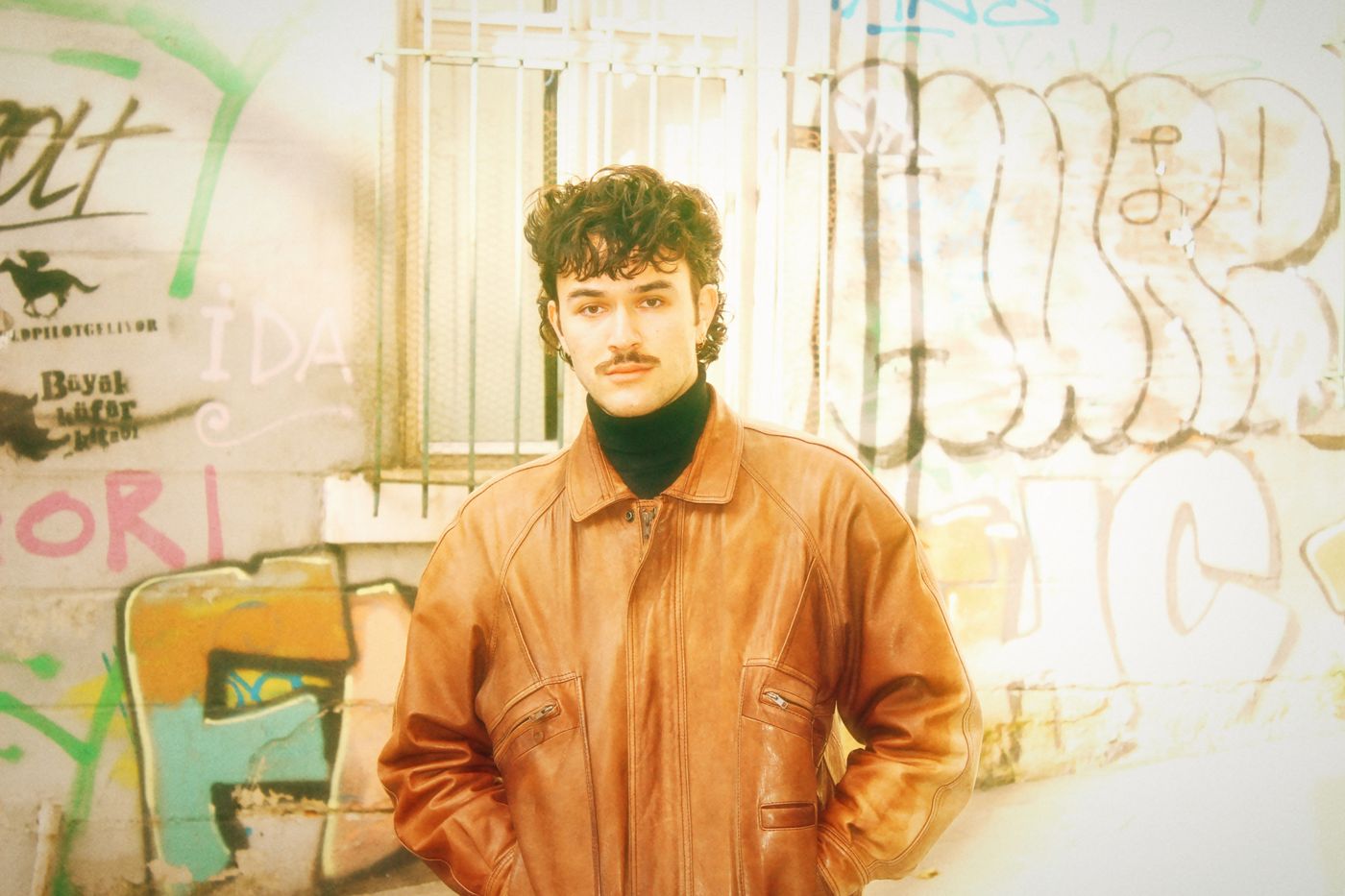
Foto: damla selen demir · Pexels
So when you find the one, treat it with respect. Condition the leather regularly. Hang it on a wide, sturdy hanger. Protect it from rain and sun. And when you're not wearing it, put it on a chair where you can see it. It will remind you of who you are.
I've seen people wear vintage leather jackets and look like they're in a costume. And I've seen people wear them and look like they were born in them. The difference is not the jacket, it's the attitude. A leather jacket is not a disguise. It's a declaration. It says you've been places, you've done things, and you're not afraid to do them again.
So go out and find your jacket. Wear it with everything. Wear it until it falls apart, then fix it and wear it more. Because a vintage leather jacket is not just a piece of clothing. It's a way of life.
City
New York
Category
vintage leather jacket
Published
9 September 2026
The names
Meet the designers
The minds behind this story — each with a piece currently on the market.
Avirex
USA · 1970s
The vintage bomber
The vintage bomber
Schott
USA · 1910s
The Perfecto motorcycle jacket
The Perfecto motorcycle jacket
Børge Mogensen
Denmark · 1940s
The Spanish chair — honest, functional furniture for everyday life.
The Spanish chair — honest, functional furniture for everyday life.
Diesel
Italy · 1970s
Washed denim & streetwear
Washed denim & streetwear
Continue the edit
Further stories from the same world
Three more walks through the same vintage universe.
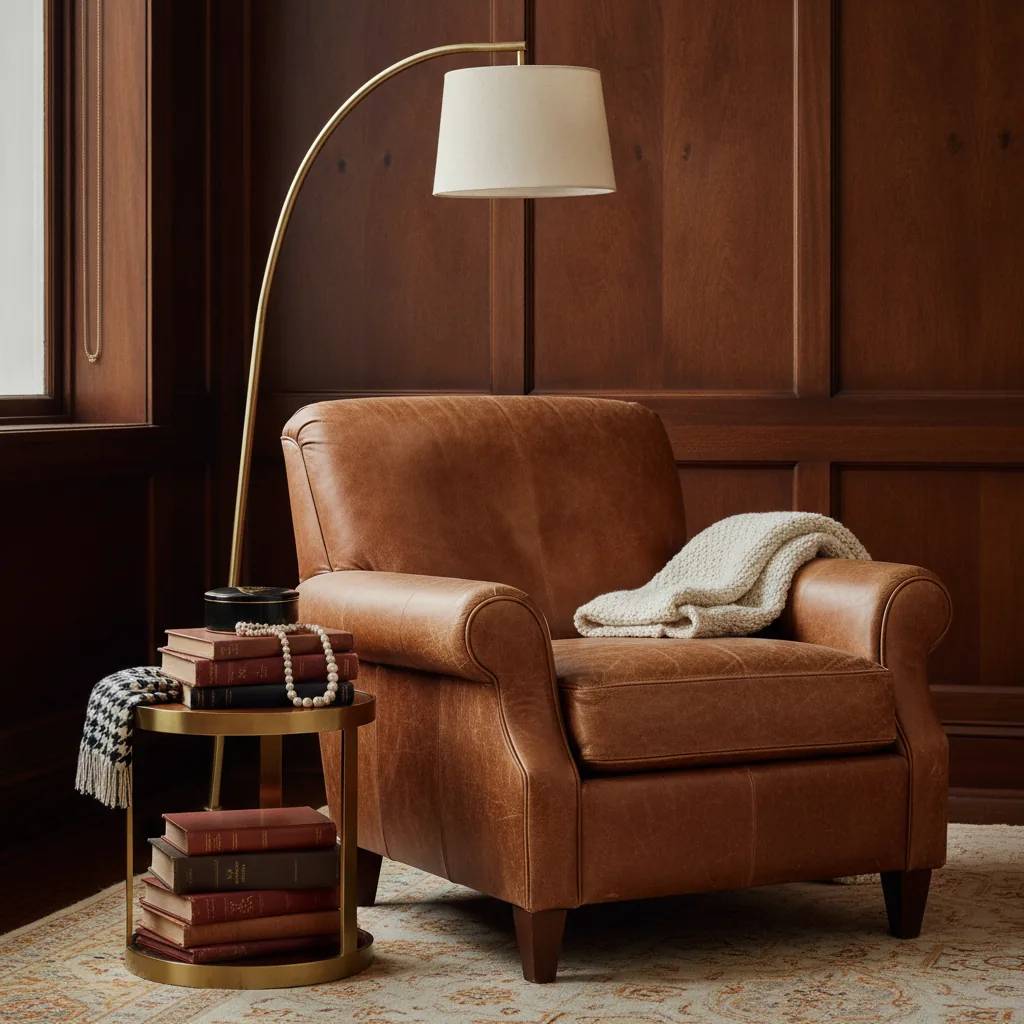
The Case for Heavy Furniture
A walnut sideboard will outlive your sofa, your lease and probably your opinions about open shelving. How to find one worth keeping, where to put it, and why the joinery matters more than the label.
Read the story →
The Vintage Band Tee: Wear the Noise
A 1979 Ramones shirt is a piece of cotton with a story, and you can wear it to death. Here is how to find one, style it, and keep it alive.
Read the story →
The Art of Carrying History: Styling Vintage Designer Bags
How to wear a vintage Gucci or Dior with modern ease, and what to look for before you buy.
Read the story →