
 Sign in
🔥 Fashion · New York
Styling Vintage Denim in New York
Vintage denim fits differently because it was cut differently. Higher waists, straighter legs, heavier cotton that holds its shape all day.
 By Louis Trash·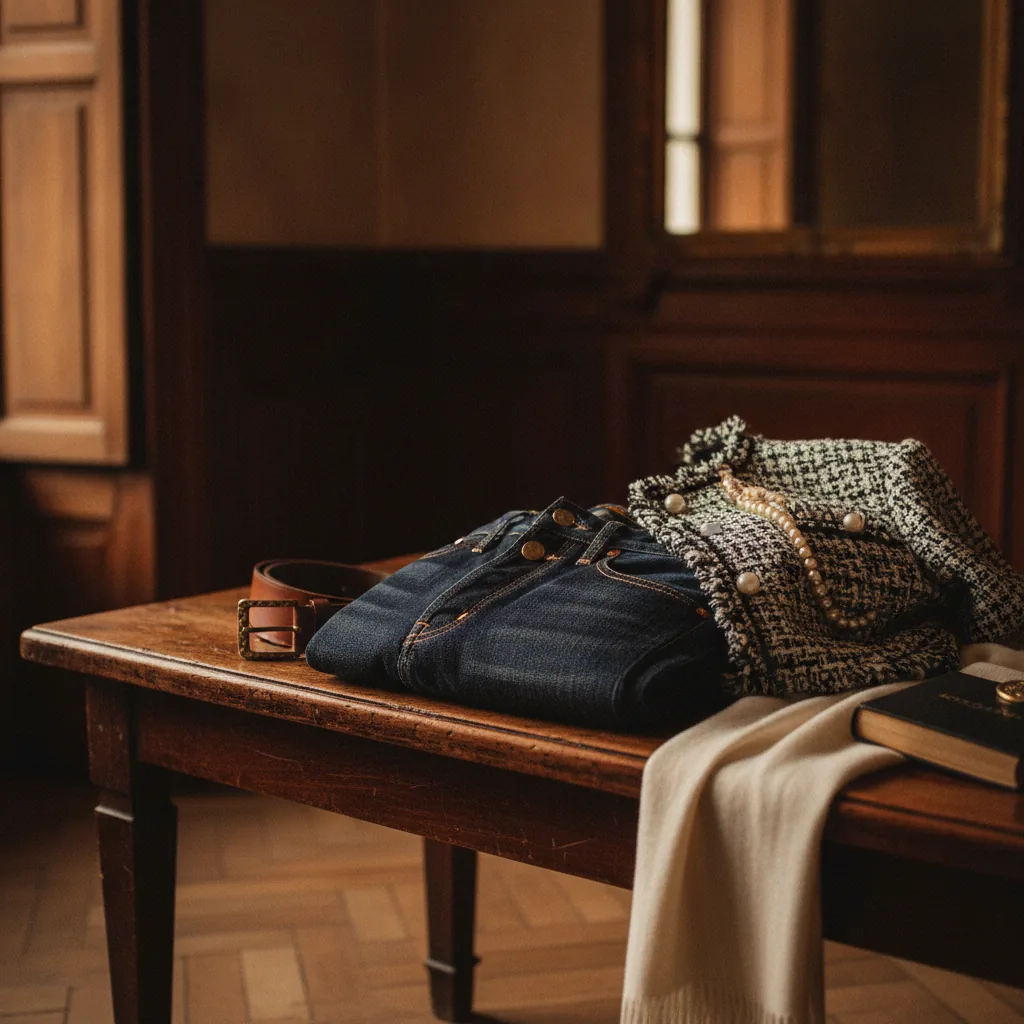
Why Denim Matters Now
Vintage denim fits differently because it was cut differently. Higher waists, straighter legs, heavier cotton that holds its shape all day. And the fade is real, earned by somebody else's decade of wearing.
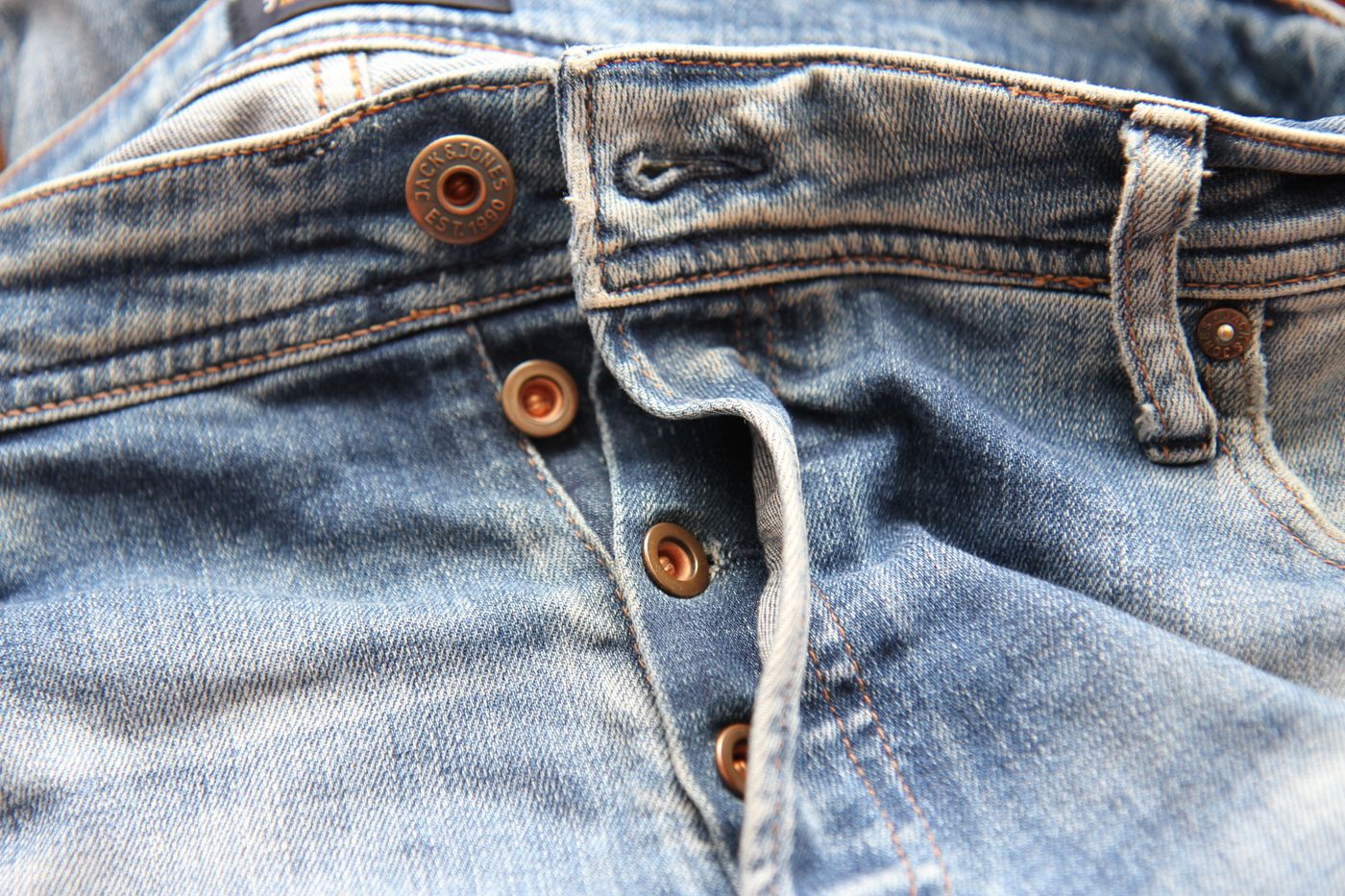
Foto: Dragan Tomić · Pexels
But the city's relationship with denim goes deeper than that. In the 1950s, Marlon Brando and James Dean made jeans a symbol of rebellion, and New York was where that rebellion took to the streets. By the 1970s, the city's punk scene had adopted denim as armor, and by the 1990s, designers like Helmut Lang and Calvin Klein were redefining it for the runway. Vintage denim carries that history in its fibers. When you put on a pair of 1970s Levi's, you're not just wearing pants; you're wearing the memory of a city that never stops moving.
How to Wear It
Let them sit at the natural waist. That is where the cut was designed to land. The high rise might feel unfamiliar at first, but it's the secret to the flattering silhouette that vintage jeans are famous for. It lengthens the leg, defines the waist, and gives you that effortless, retro-cool look that modern low-rise jeans can't replicate.

Foto: Cherry’s POV · Pexels
Hem them yourself and leave the raw edge. A clean chop looks better than a factory finish. Use sharp fabric scissors and cut carefully; the raw edge will fray slightly after a wash, softening the line and adding to the lived-in feel. If you're nervous about the length, cut them a bit longer at first. You can always take off more, but you can't add it back.
Pair heavy denim with something soft. Fine knitwear, a silk shirt. Anything to keep the balance right. A chunky cashmere sweater or a flowing blouse softens the ruggedness of the denim and creates a contrast that's both elegant and relaxed. In New York, where the weather swings from blustery to balmy in a day, a vintage denim jacket over a silk slip dress is a classic combination that works from the office to an evening out.
Where to Find Yours in New York
- L Train Vintage (204 Bedford Avenue, Brooklyn): volume shopping, low prices, be thorough, from around $20. This is the place to dig. The bins are packed, and the good stuff is often buried. Go with time on your hands and a willingness to dig through piles. You'll find everything from 1970s bell-bottoms to 1990s baggy jeans. Check every pair. The gems are there, but they're not wearing a sign.
- What Goes Around Comes Around (351 West Broadway): the grail room, priced accordingly, from around $45. This is the SoHo institution where celebrities and stylists shop. The curated selection features museum-quality pieces: original 1940s workwear, perfectly faded 1960s Levis, rare Japanese repros. The prices reflect the provenance, but if you're looking for a pair of jeans that will become an heirloom, this is worth the splurge. Ask the staff to show you the vault. It's an experience.
- Beacon's Closet (74 Guernsey Street, Brooklyn): resale done properly, good turnover, from around $60. This is the workhorse of the Brooklyn vintage scene. The stock changes daily, and the turnover is fast. Go on a Tuesday morning and you'll find the best selection before the weekend crowds strip the rails. They have a wide range of denim, from 1980s Levi's 501s to 2000s Diesel. The staff are knowledgeable and happy to help.
- Chelsea Flea Market (West 25th Street): weekends, bring cash and haggle politely, from around $90. The flea market is a New York institution. On a sunny Saturday, you'll find dozens of vendors selling everything from antique furniture to vintage band tees. The denim selection varies, but you can find exceptional pieces if you're patient. Bring cash (many vendors don't take cards) and don't be afraid to haggle. A polite offer of 20% off is often accepted.
Go on a weekday morning if you can. The rails are fullest before the weekend crowd arrives, and staff have time to show you what came in overnight. The best time is between 10 am and noon, when the shops have just restocked and the pace is still calm.
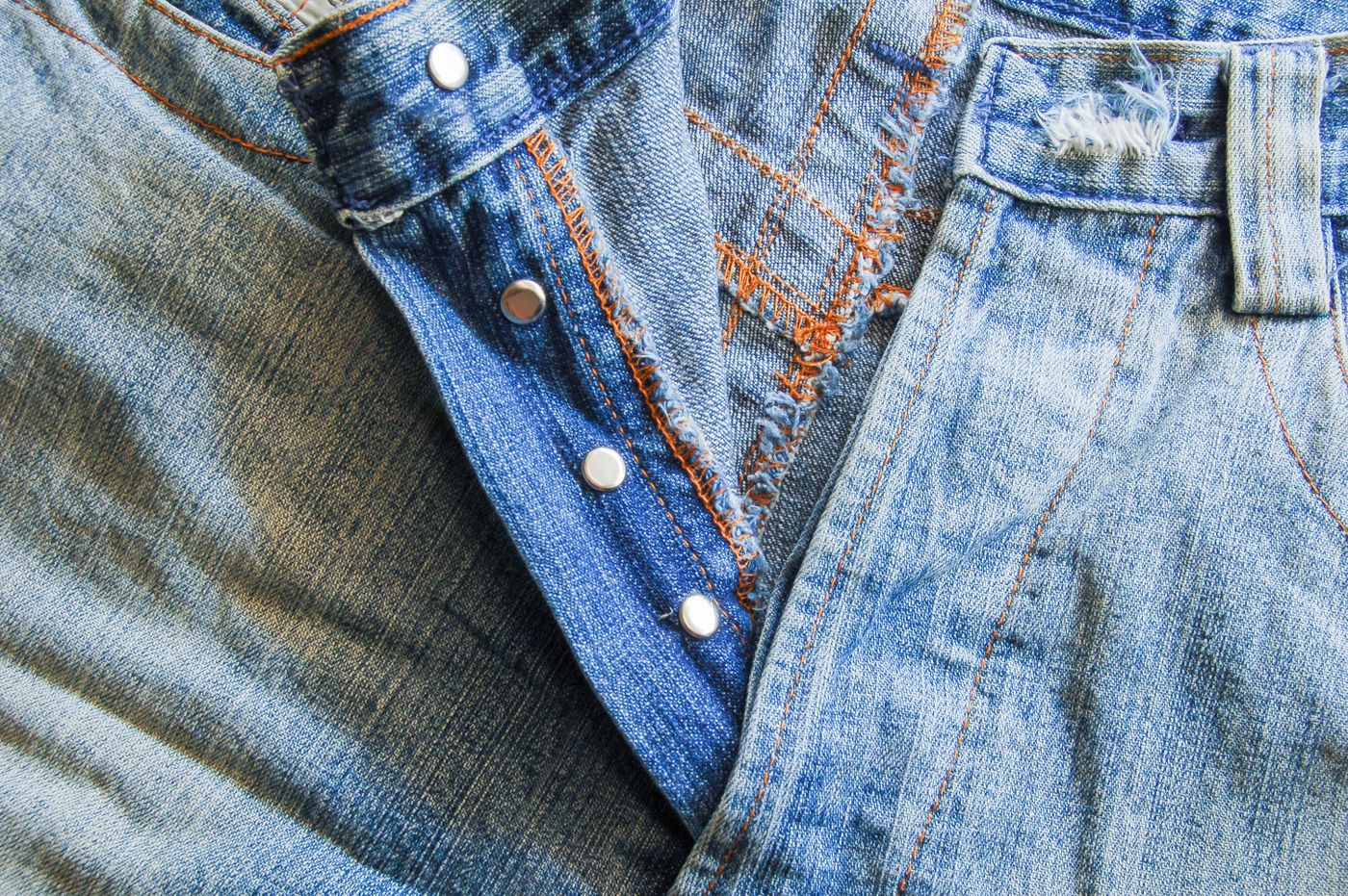
Foto: Srattha Nualsate · Pexels
What to Look For
Check the back patch and the button stamp for a number that dates the pair. A Levi's tag with a number like 501 or 505 tells you the style, but the back patch and the button stamp can reveal the decade. For example, the Levi's two-horse patch with a red tab was introduced in the 1930s, and the big E on the red tab was changed to lowercase in 1971. Knowing these small details can help you identify the era and the value.

Selvedge is a clean white line inside the outseam, and it means older, better cotton. Selvedge denim was woven on shuttle looms, which produced a narrow fabric with a self-finished edge. This method is more expensive and slower, so it was abandoned by most manufacturers in favor of mass-produced denim. Today, selvedge is prized by denim heads for its durability and its ability to fade beautifully. If you find a pair of selvedge jeans, you've found a treasure.
Try them on: vintage sizing runs small, so ignore the number on the tag and trust the waistband. A pair of 1960s Levis might be labeled a size 30, but it will fit like a modern 28. Sizes have changed over the decades, so don't get hung up on the number. Instead, pay attention to how the jeans feel. They should be snug but not tight, with room to move. The fabric will stretch a little with wear, so if they're slightly snug at first, they'll likely become perfect.
Fraying at the crotch is the one repair that is rarely worth it. The crotch is the highest-stress area of any pair of jeans, and once the fabric has worn thin, it's likely to tear again even after repair. Unless you're willing to spend on a professional restoration, skip any pair with visible crotch damage. Similarly, check for stains that won't come out, like oil or paint, and inspect the seams for any puckering that indicates poor construction.
One last thing: try it on properly, walk around in it, and sit down. A pair of vintage jeans that only works standing still is not going to survive your actual life. You'll be running for the subway, climbing stairs, bending over to pick up a bagel. Make sure the jeans move with you, not against you. And remember, a good pair of vintage jeans is an investment. With proper care, they'll last for decades. Wash them sparingly, in cold water, and hang them to dry. The fades are yours to make.
In New York, vintage denim is more than a trend; it's a way of life. It's a nod to the past, a statement of individuality, and a practical choice for a city that demands durability. So next time you're out hunting, remember: the perfect pair is out there. It might take some digging, but when you find it, you'll know.
The names
The designers behind the look
The minds behind this story — each with a piece currently on the market.
Levi's
USA · 1850s
The 501 & Americana denim
The 501 & Americana denim
Calvin Klein
USA · 1960s
Minimalism & the 90s slip
Minimalism & the 90s slip
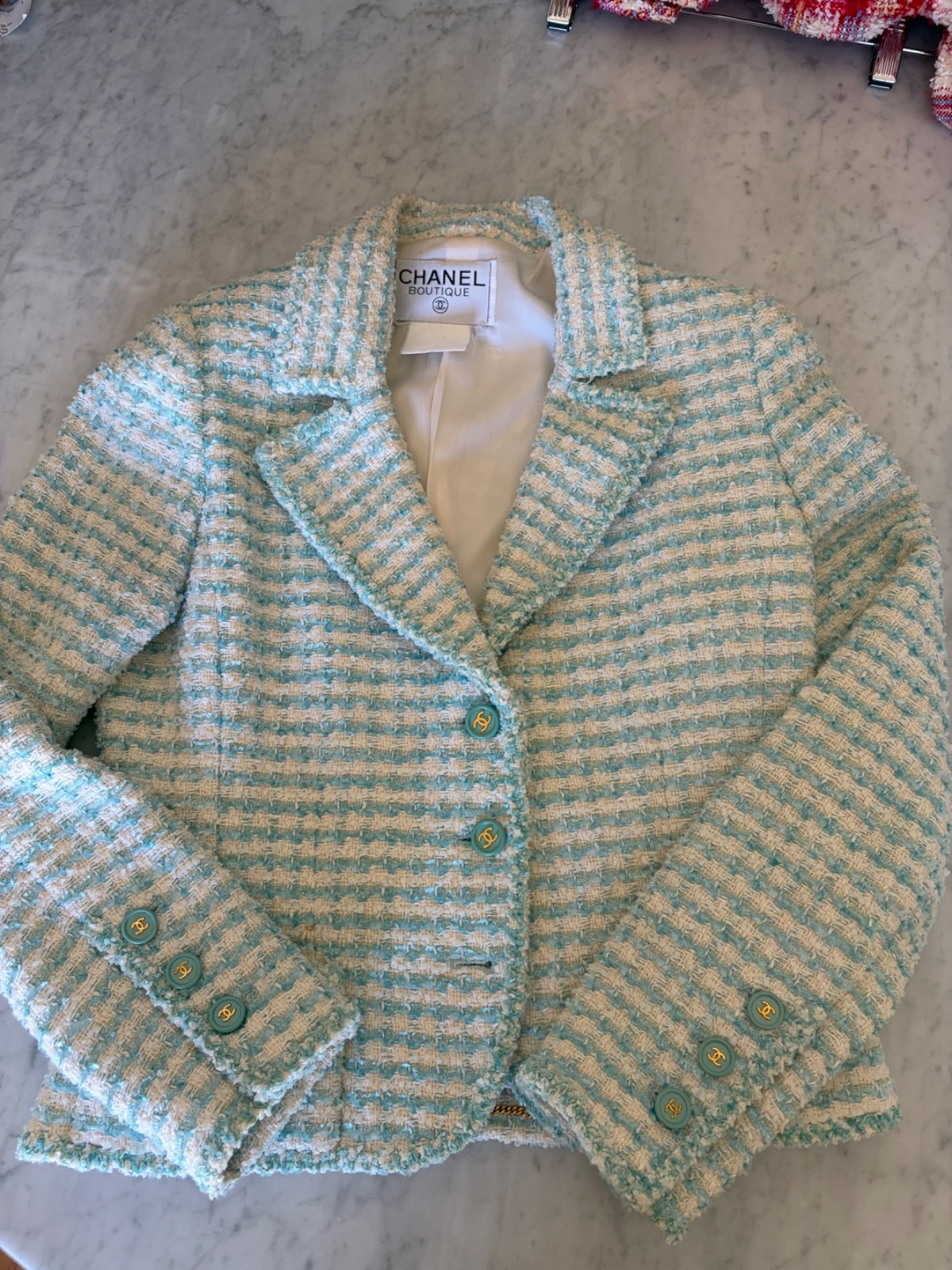
Chanel
France · 1910s
The little black dress & the 2.55
The little black dress & the 2.55
Top piece
View →
Diesel
Italy · 1970s
Washed denim & streetwear
Washed denim & streetwear
Continue the edit
Further stories from the same world
Three more walks through the same vintage universe.

The Weight of a Band Tee
A vintage band tee isn't a souvenir. It's a relic of a specific summer, a specific tour, a specific decade. Here's how to wear one with the respect it deserves, and how to spot a genuine artifact from the fakes.
Read the story →
Where to Find Authenticated Bags in New York
The small shoulder bag is back, and the originals are still out there. A nylon bag from 1999 or a mini baguette from the same year carries a specific kind of confidence: it was designed to be carried, not photographed.
Read →
Styling a Patinated Dial in New York
A vintage watch is the one accessory that never shouts. A patinated dial, a slightly yellowed lume, a bracelet that has softened to the wrist.
Read →