
 Sign in
✦ Culture · New York
Styling a Patinated Dial in New York
A vintage watch is the one accessory that never shouts. A patinated dial, a slightly yellowed lume, a bracelet that has softened to the wrist.
 By Louis Trash·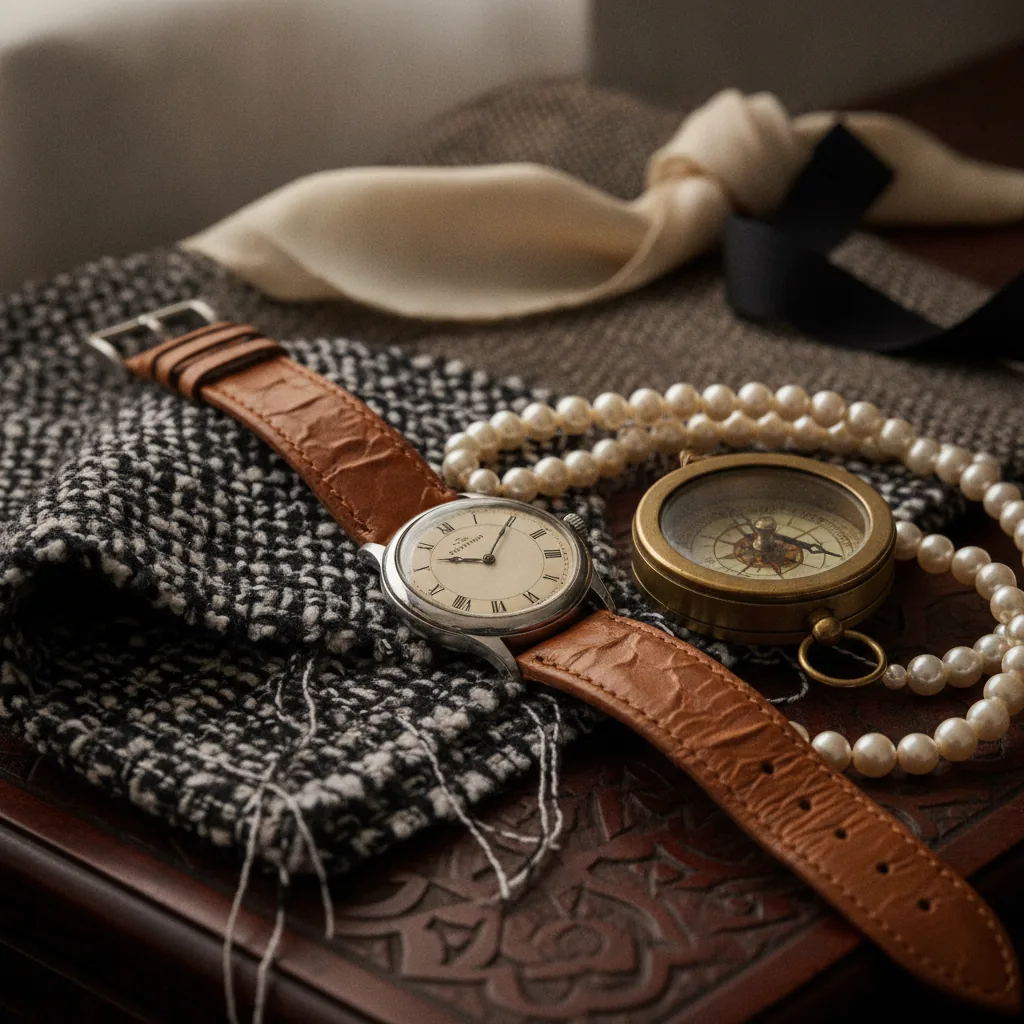
Why Watches Matter Now
A vintage watch is the one accessory that never shouts. A patinated dial, a slightly yellowed lume, a bracelet that has softened to the wrist. These are the details that make people ask, quietly, what it is. In a city where everyone is checking their phone, a small, aged circle of steel on your wrist says something else: I have time, and I have taste.
But a watch is different. It is not a throwaway trend. It is a piece of engineering and design that has survived decades of life, and it will survive yours if you treat it right. That is the appeal. You are not buying an object; you are buying a story that you get to continue.
How to Wear It
Keep the case small. A 34-36mm dial looks far more elegant than anything oversized. The big watches of the last twenty years are already dated; the small ones are timeless. On a man's wrist, a 36mm watch wears like a well-cut suit: it does not announce itself, but it fits perfectly. On a woman's wrist, the same size has a quiet authority, a nod to the era when women wore men's watches as a statement of independence.
Swap the strap. A cheap leather band on a good watch undoes the whole thing. If the original bracelet is gone, find a good aftermarket leather strap. In New York, go to the jewelers on 47th Street, the Diamond District. They have bins of loose straps, and a $50 strap can make a $500 watch look like $2,000. Or, for a more casual look, a nylon NATO strap in a muted color like olive or navy. It costs $20 and changes the whole character of the watch.
Wear it slightly loose so it sits just past the wrist bone, half under the cuff. This is the way James Bond wore his Submariner, and it is the way you should wear yours. It keeps the watch from banging on your desk, and it looks effortless. The watch should move a little, but not slide over your hand. If it does, it is too loose. If it leaves a mark on your skin, it is too tight.
Where to Find Yours in New York
- L Train Vintage (204 Bedford Avenue, Brooklyn): volume shopping, low prices, be thorough, from around $20. This is the place to start if you are new to vintage. The selection is chaotic, but the prices are right. I found a 1960s Timex with a cracked dial for $15 there. It was not a collector's piece, but it had character, and it ran perfectly after a $40 service.
- What Goes Around Comes Around (351 West Broadway): the grail room, priced accordingly, from around $45. This is the store for serious collectors. The staff know their stuff, and the pieces are curated. The prices are higher, but you are paying for authenticity and peace of mind. I once saw a 1967 Rolex Datejust with a rare blue dial there. It was $18,000, and it was worth every penny.
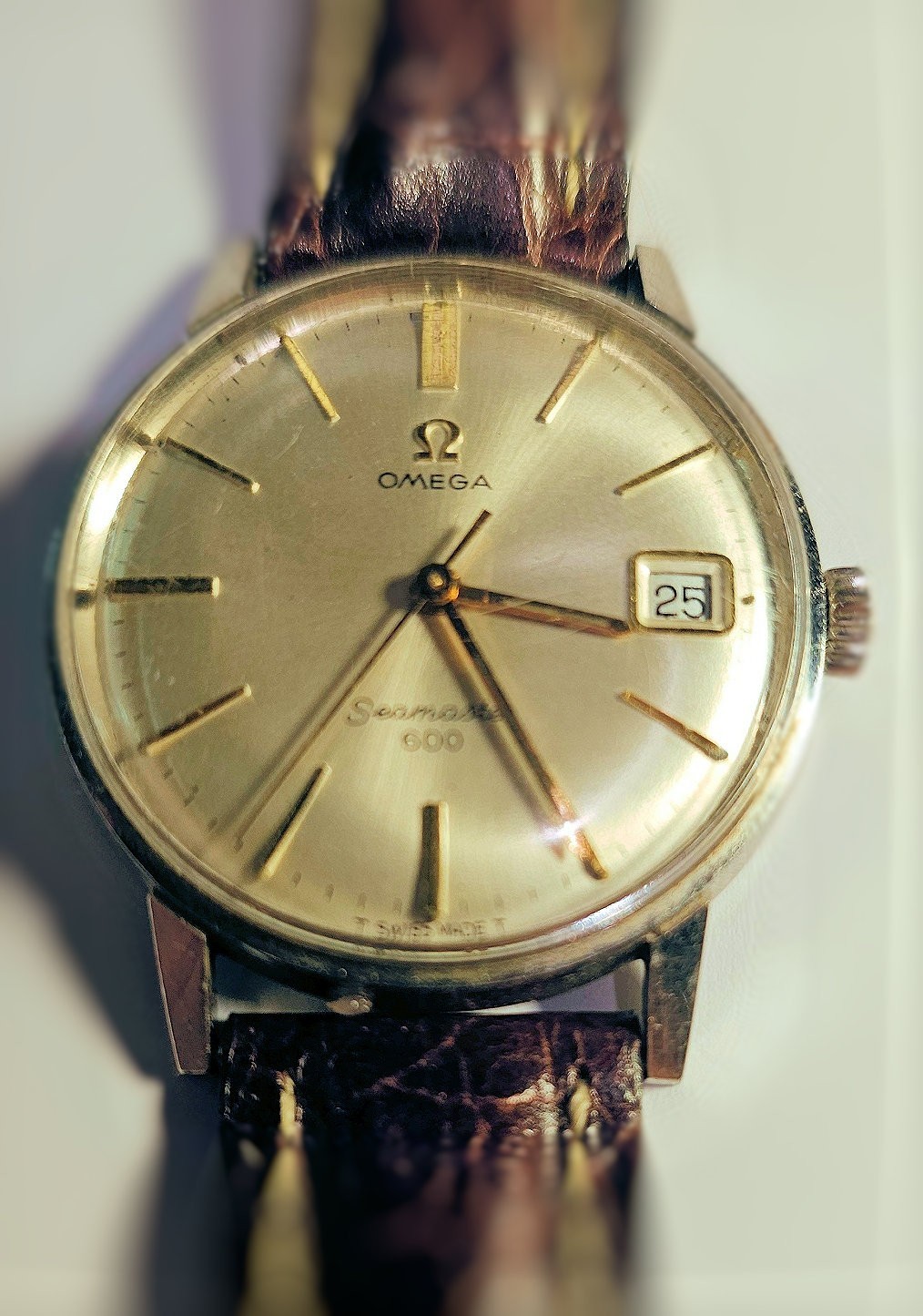
- Beacon's Closet (74 Guernsey Street, Brooklyn): resale done properly, good turnover, from around $60. This is a consignment shop, so you never know what will come in. The turnover is high, and the staff are not watch experts, so you can find bargains. I once found a 1970s Omega Seamaster with a faded bezel for $200. It needed a service, but I got it for a fraction of what it was worth.
- Chelsea Flea Market (West 25th Street): weekends, bring cash and haggle politely, from around $90. The flea market is the purest form of vintage shopping. You are dealing with people who buy and sell watches as a living, and they know their stuff. But they also love to talk, and if you know your stuff, you can negotiate. I once got a 1960s Bulova with a perfect dial for $150 by offering $120 in cash.
Go on a weekday morning if you can. The rails are fullest before the weekend crowd arrives, and staff have time to show you what came in overnight. On a Tuesday at 10am, you will have the store to yourself. You can take your time, try on ten watches, and leave without buying anything. That is the best way to learn.
What to Look For
Ask when it was last serviced. A movement that has run dry is the expensive part. A full service on a mechanical watch in New York costs between $200 and $500, depending on the brand and the complexity. If the seller does not know when it was last serviced, assume it was never serviced, and factor that into the price.
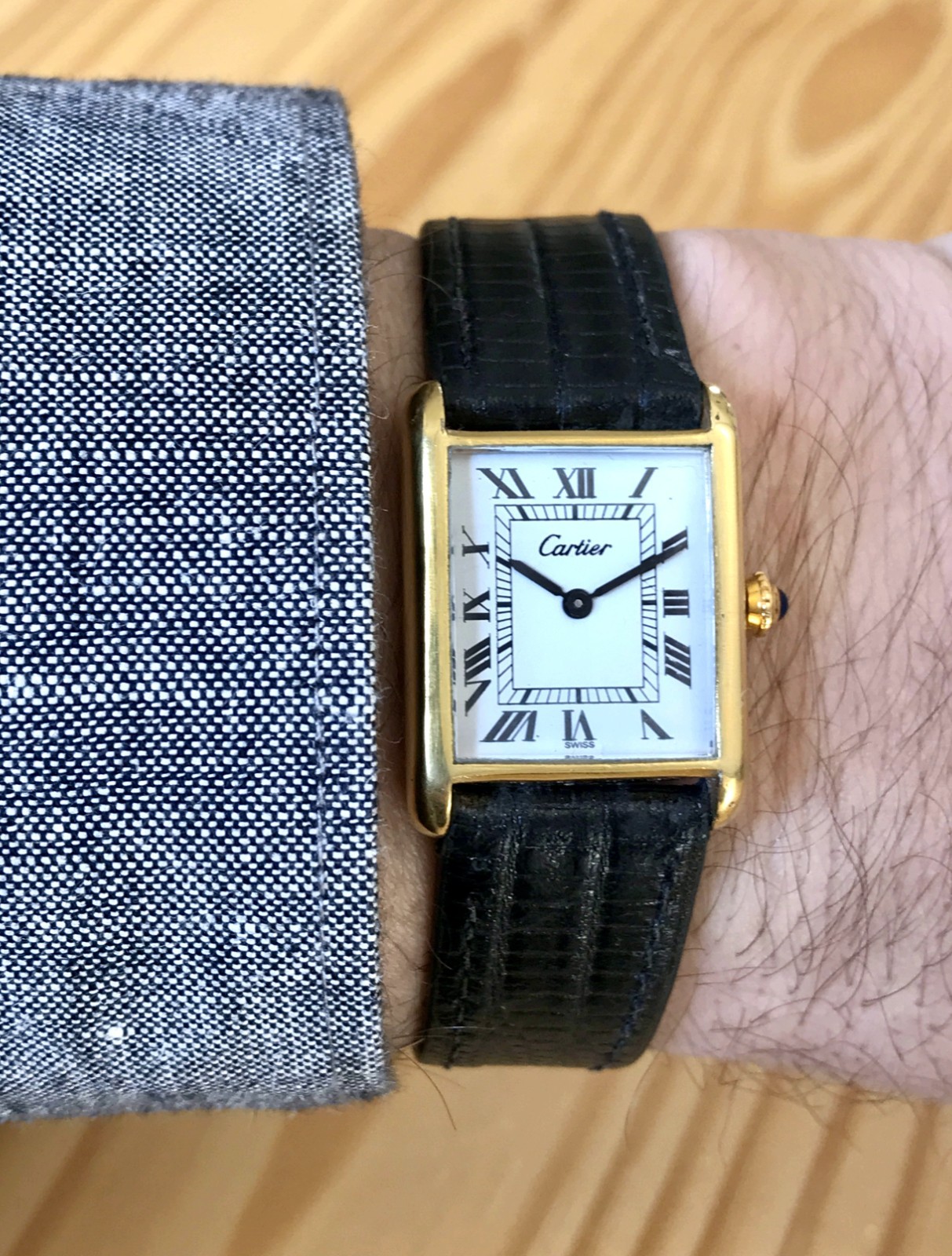
Check the dial under light for redialing: fonts that sit unevenly or print that looks too crisp for its age are warnings. A redial is a dial that has been repainted or refinished. It destroys the value of a vintage watch. If the numbers look like they were printed yesterday, they probably were. Look for lume that has aged to a yellow or cream color. If it is bright white, it has been replaced.
Original bracelets add real value, and a boxed set with papers is always worth the premium. A watch with its original bracelet, even if it is stretched, is worth 20-30% more than one with a new strap. And if it comes with the original box and papers, the value goes up even more. But be careful: there are fake boxes and papers out there. Ask for provenance, and if it seems too good to be true, it probably is.
One last thing: try it on properly, walk around in it, and sit down. A vintage watch that only works standing still is not going to survive your actual life. If the crown is hard to wind, if the date does not change at midnight, if the second hand stutters, put it back. There are plenty of others.
The History in Your Hands
Every vintage watch has a story, and the story is not just about the watch. It is about the era it was made in, the people who wore it, and the city it was bought in. In New York, that story is always close to the surface. The 1950s and 1960s were the golden age of American watchmaking, and New York was the center of it. The old watchmakers on Canal Street, the jewelers on 47th Street, the department stores like Macy's and Gimbels: they all sold watches that are now vintage.
Take a 1960s Hamilton, for example. Hamilton was an American brand, and in the 1960s, they were making some of the most innovative watches in the world. They were the first to use electric movements, and their designs were bold and modern. A Hamilton from that era is a piece of American history, and it is still affordable.
Or a 1970s Seiko. Seiko was the brand that changed the watch world. They introduced the first quartz watch in 1969, and they made mechanical watches that were just as good as the Swiss, at a fraction of the price. A 1970s Seiko automatic is a reliable, everyday watch that you can wear without worrying about it. And it has a story: it was made in a time when Japan was becoming the center of the watch world, and it was sold in the watch shops of New York alongside the Swiss brands.
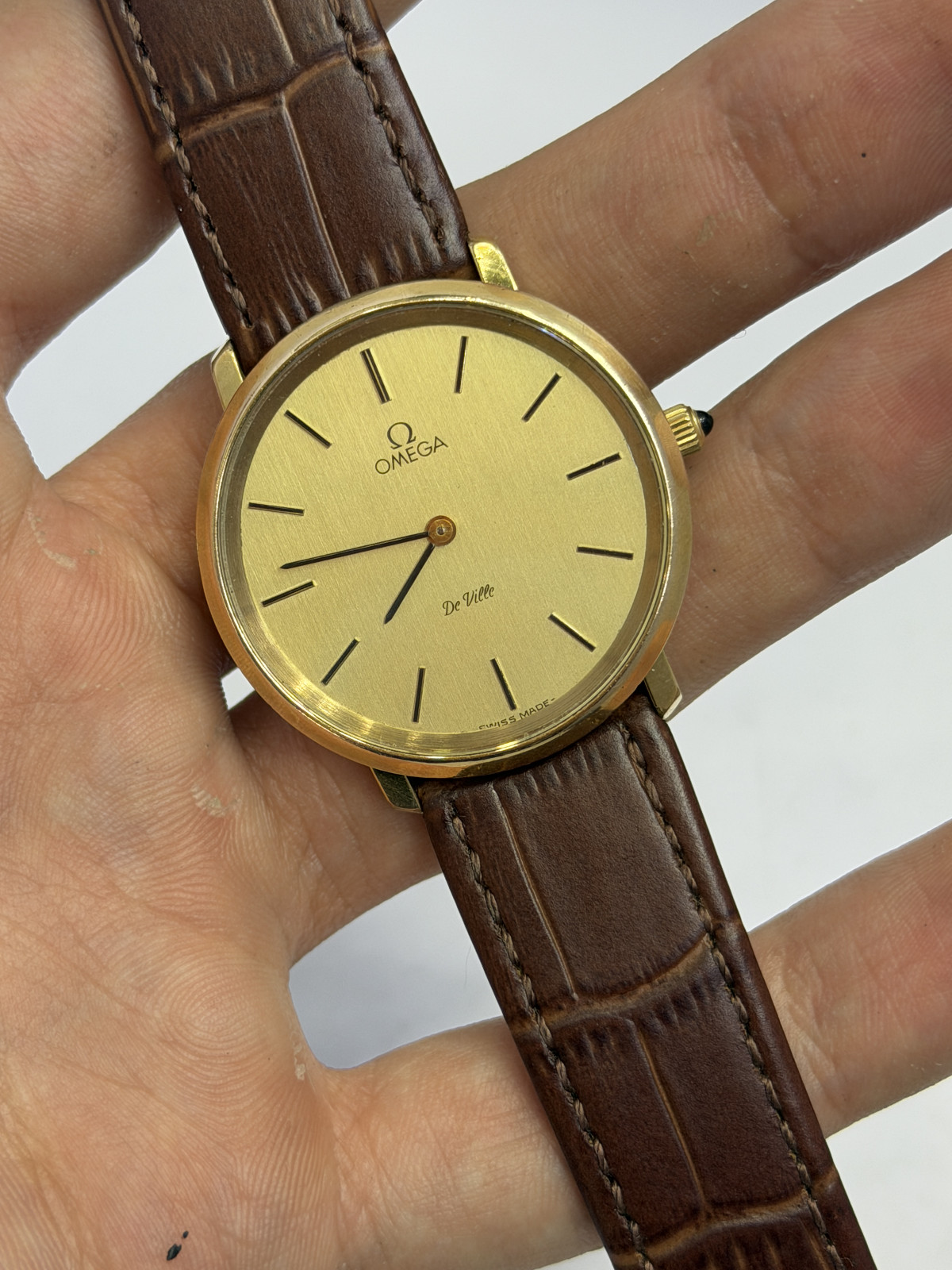
And then there are the Swiss brands: Rolex, Omega, Longines, Jaeger-LeCoultre. These are the watches that were advertised in the windows of Tiffany's and Cartier on Fifth Avenue. They were worn by bankers and artists, by the people who ran the city and the people who painted it. A vintage Rolex is not just a status symbol; it is a piece of New York history.
The Deal
In the end, buying a vintage watch in New York is a negotiation. You are negotiating with the seller, but you are also negotiating with yourself. How much is the story worth? How much is the patina worth? How much is the feeling of wearing a piece of history worth? The answer is different for everyone, and that is okay.
The best advice I can give you is to buy what you love. Do not buy a watch because it is a good investment, because it will appreciate in value, because it is a grail. Buy it because you want to wear it, because it speaks to you, because you cannot stop thinking about it. That is the watch that will last. That is the watch that will become part of your story.
So go out there. Go to the flea market, go to the consignment shops, go to the fancy stores. Try on watches, ask questions, learn the history. And when you find the one, the one that makes your heart beat a little faster, hand over the cash and walk out with it on your wrist. That is the New York way.
Get the look
Get the look
The pieces that make this story wearable, live from the market.
horloges
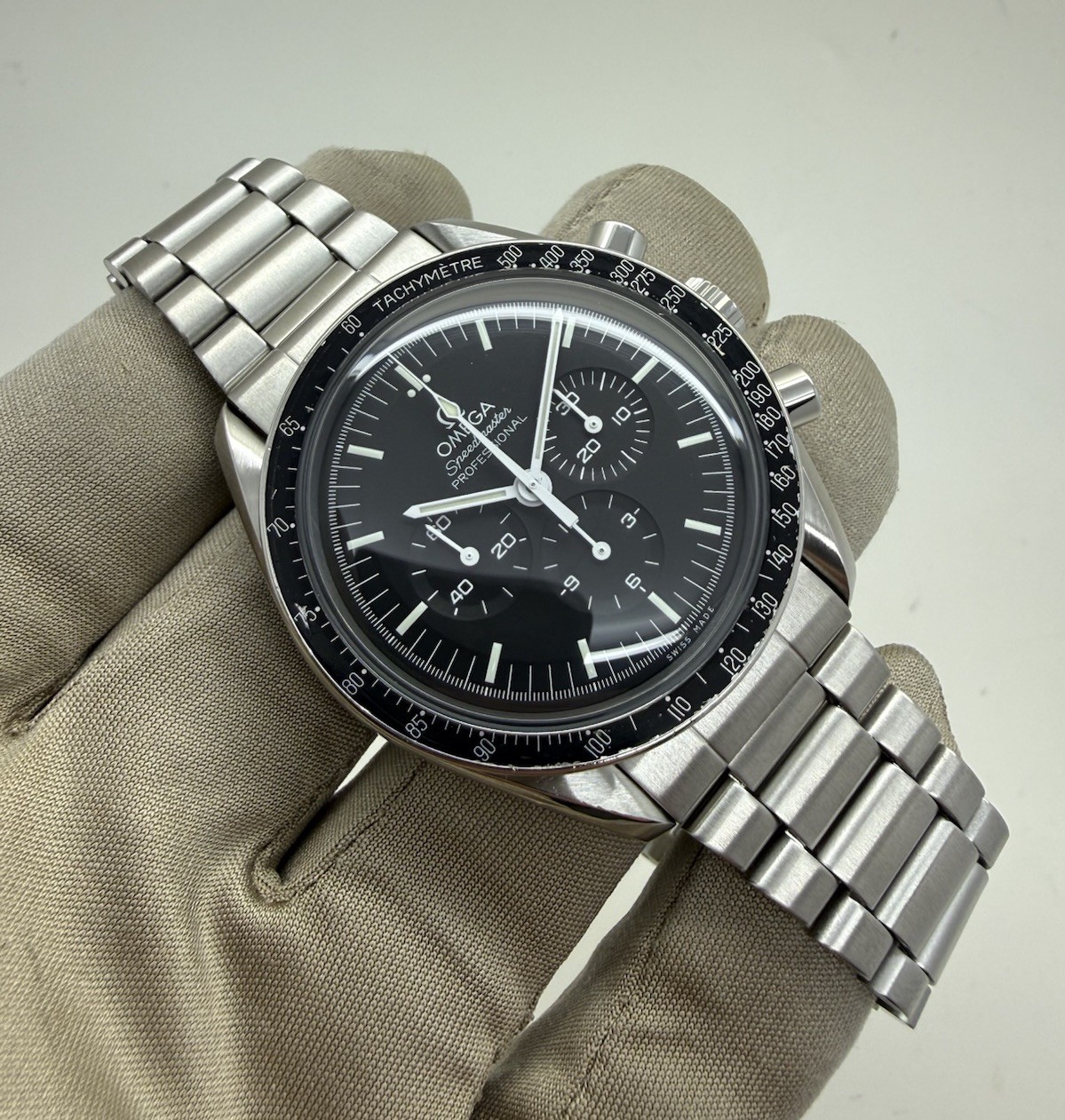
Omega Speedmaster Vintage Black Dial 42mm Steel Manual Wind Watch 145.022-69ST
horloges
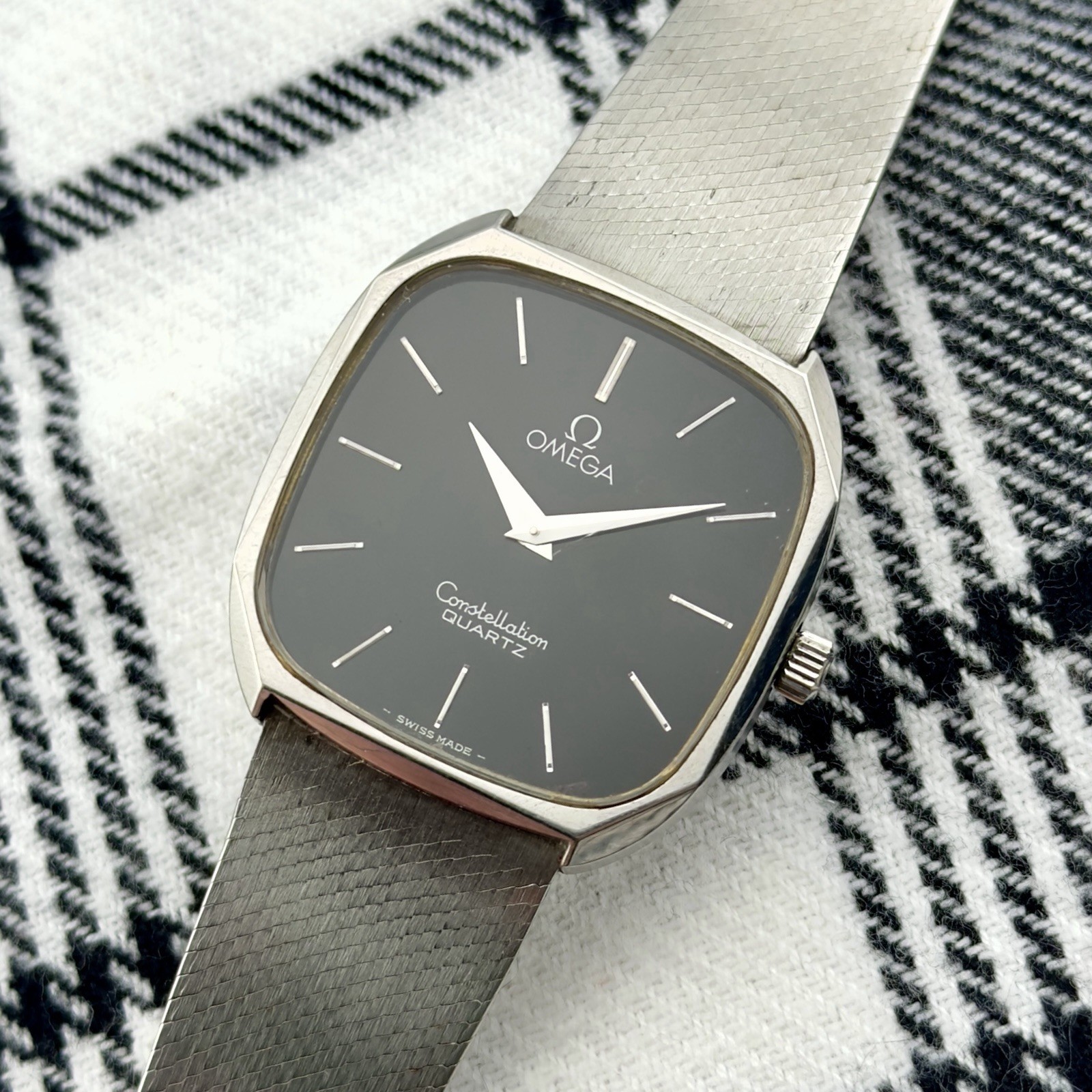
Vintage 1976 Omega Constellation Quartz - Black Dial - Ref 191.0014 - Mens Watch
horloges
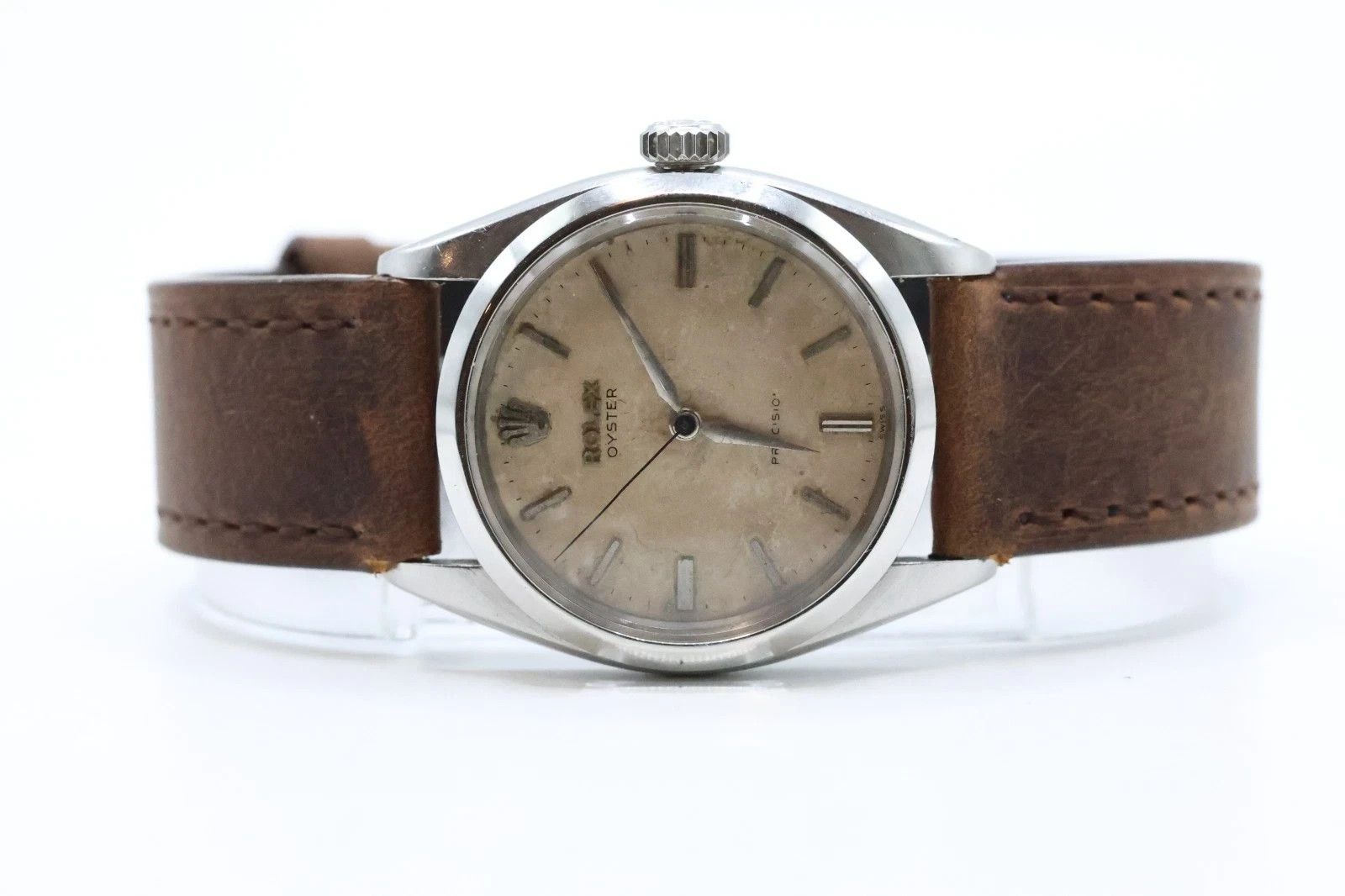
Rare Vintage Rolex Oyster Precision Ref. 6422 Manual Wind 34mm Watch Head #708
horloges
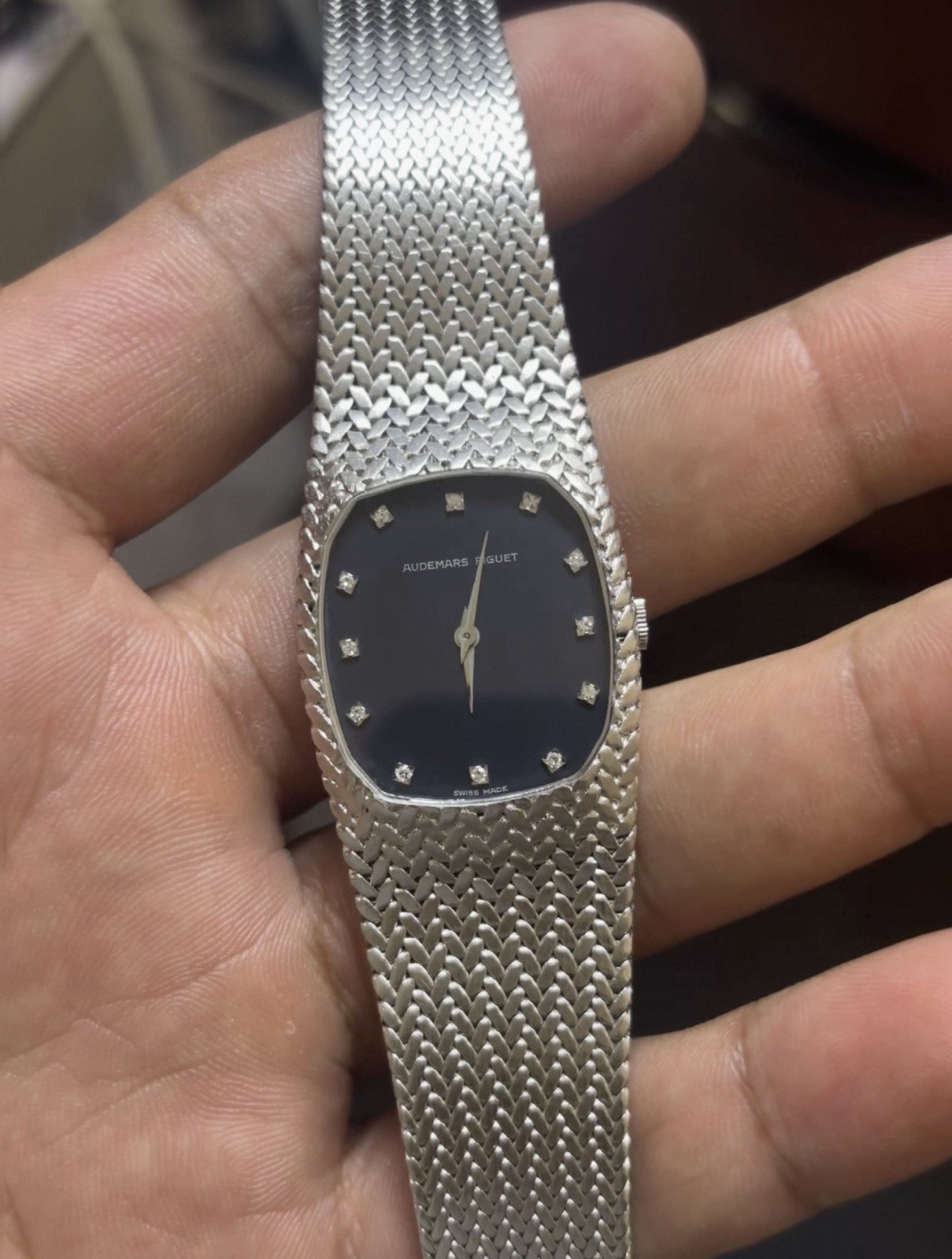
1970's Audemars Piguet Vintage Cobra Watch Diamond Dial
horloges
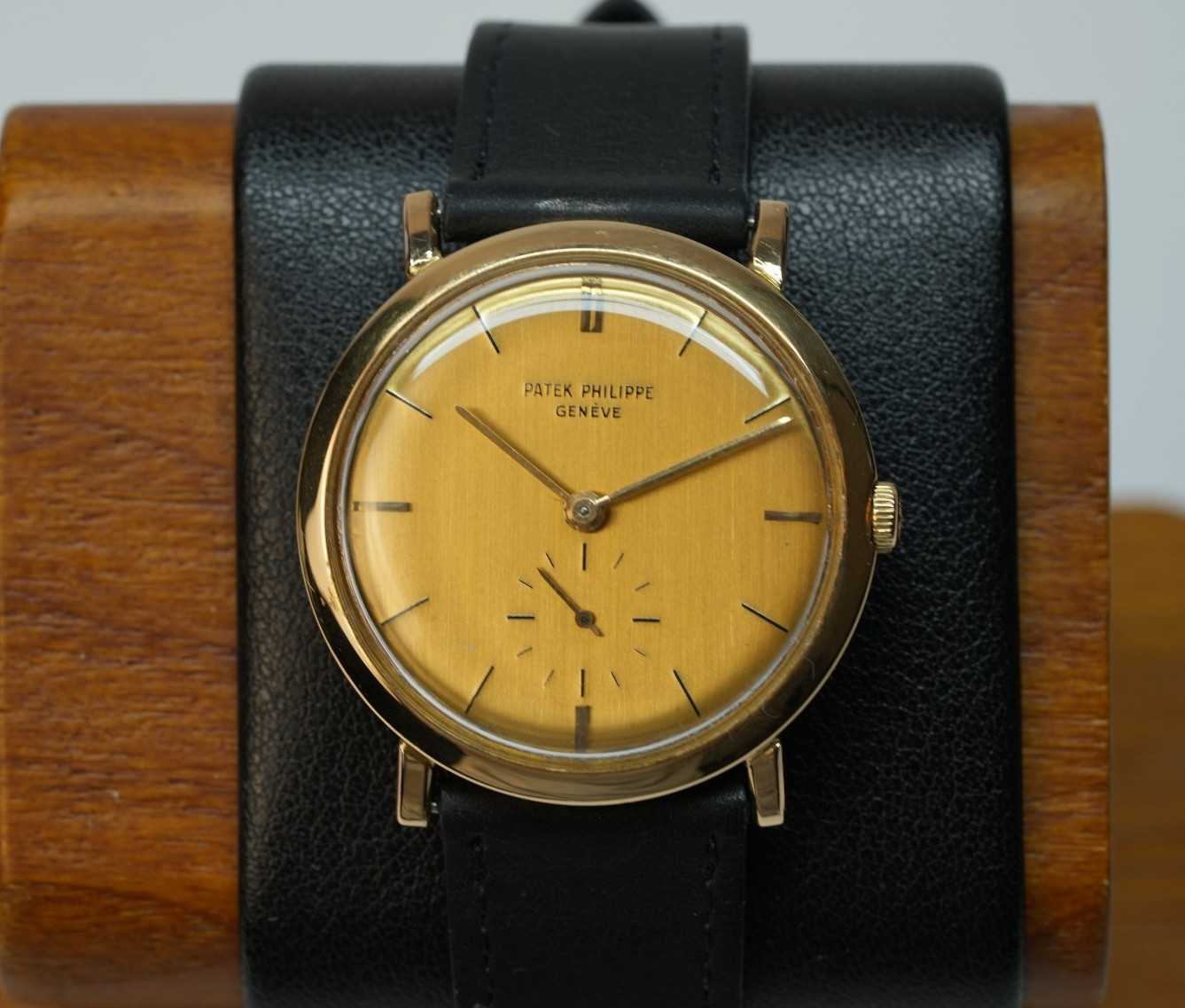
Patek Philippe Calatrava 2581 33mm 18k Gold Manual Wind Vintage Watch
horloges
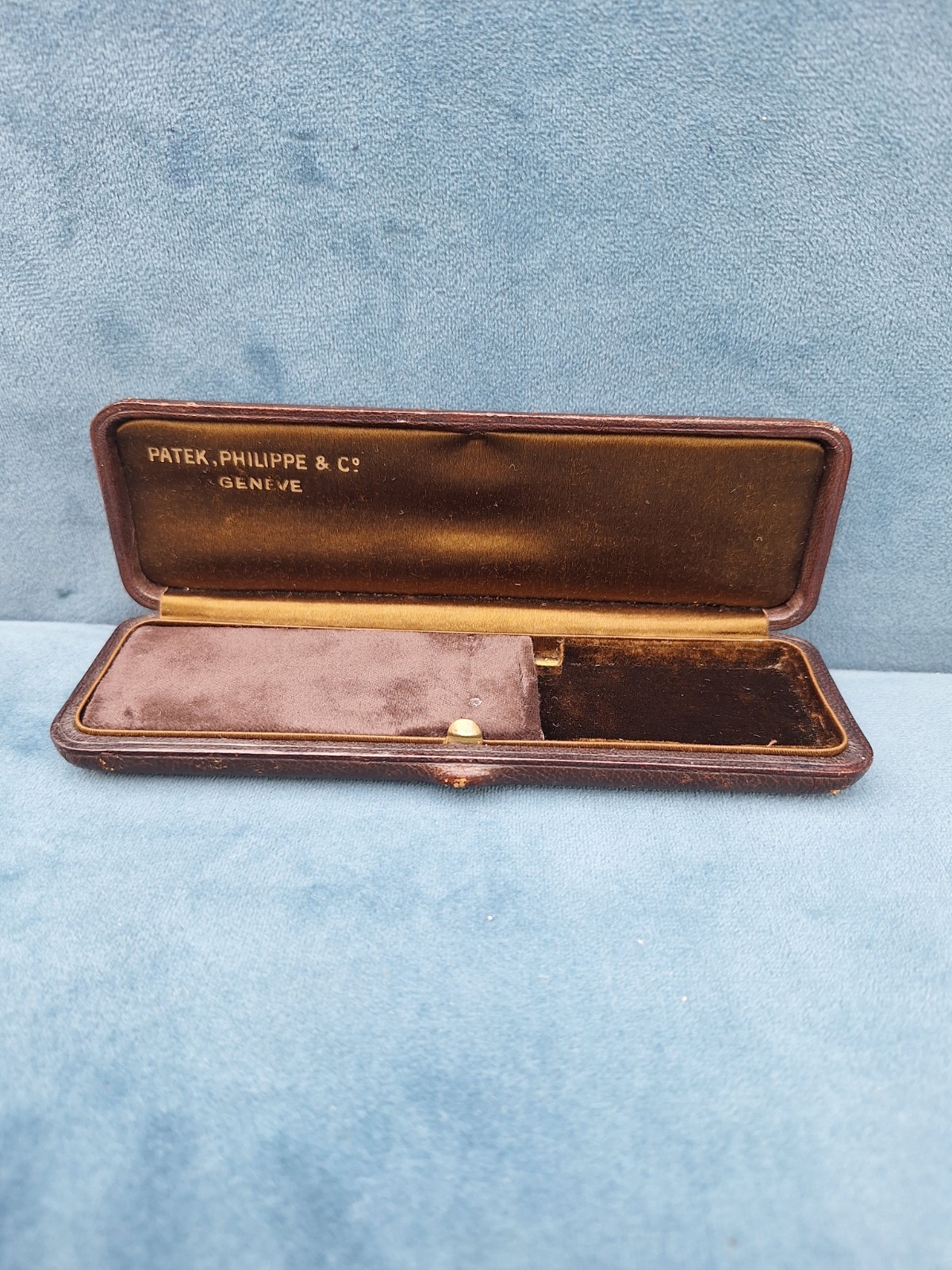
Patek philippe Vintage Very Rare Wirst Watch 1940's 1950's Box
horloges
VINTAGE 1975 CARTIER TANK PRE-MUST 23MM GENTS 18K GOLD PLATED HAND-WIND!
horloges
Vintage OMEGA SEAMASTER 600 with date
The names
The designers behind the look
The minds behind this story — each with a piece currently on the market.
Rolex
CH · 1900s
The Submariner & the Datejust
The Submariner & the Datejust
Top piece
View →
Omega
CH · 1840s
The Speedmaster & the Moonwatch
The Speedmaster & the Moonwatch
Top piece
View →
Dior
France · 1940s
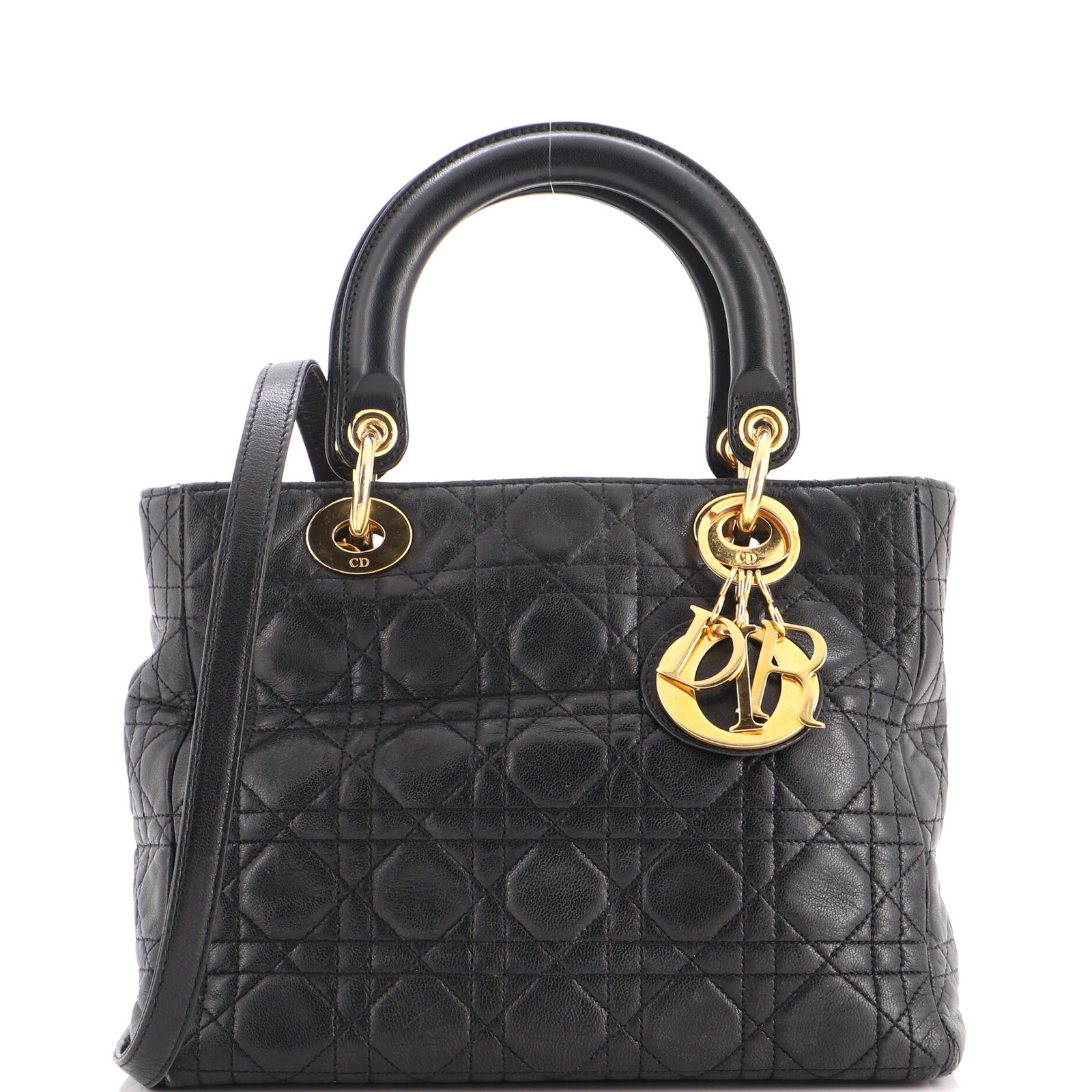
The New Look & the Lady Dior
The New Look & the Lady Dior
Top piece
View →
Ann Demeulemeester
Belgium · 1980s
Romantic goth, asymmetric leather
Romantic goth, asymmetric leather
Top piece
View →
Continue the edit
Further stories from the same world
Three more walks through the same vintage universe.

The Weight of a Band Tee
A vintage band tee isn't a souvenir. It's a relic of a specific summer, a specific tour, a specific decade. Here's how to wear one with the respect it deserves, and how to spot a genuine artifact from the fakes.
Read the story →
Where to Find Authenticated Bags in New York
The small shoulder bag is back, and the originals are still out there. A nylon bag from 1999 or a mini baguette from the same year carries a specific kind of confidence: it was designed to be carried, not photographed.
Read →
Styling a Cameo Brooch in New York
Chunky gold chains and Victorian cameos are having the same moment for the same reason. Both look handmade. Nothing on a vintage jewellery tray was designed by committee, and that shows the second you put it on.
Read →