
 Sign in
✦ Culture · New York
Styling One Old Piece in New York
Mid-century furniture survives because it was made from solid wood by people who expected it to be repaired. A teak sideboard from 1962 will outlive anything flat-packed, and it already has the patina.
 By Louis Trash·
Why Furniture Matter Now
Mid-century furniture survives because it was made from solid wood by people who expected it to be repaired. A teak sideboard from 1962 will outlive anything flat-packed, and it already has the patina. That patina is a map of a life lived: a faint ring from a coffee cup, a scratch from a dog's claw, a sun-faded rectangle where a lamp once stood. You cannot fake that, and you cannot buy it new.
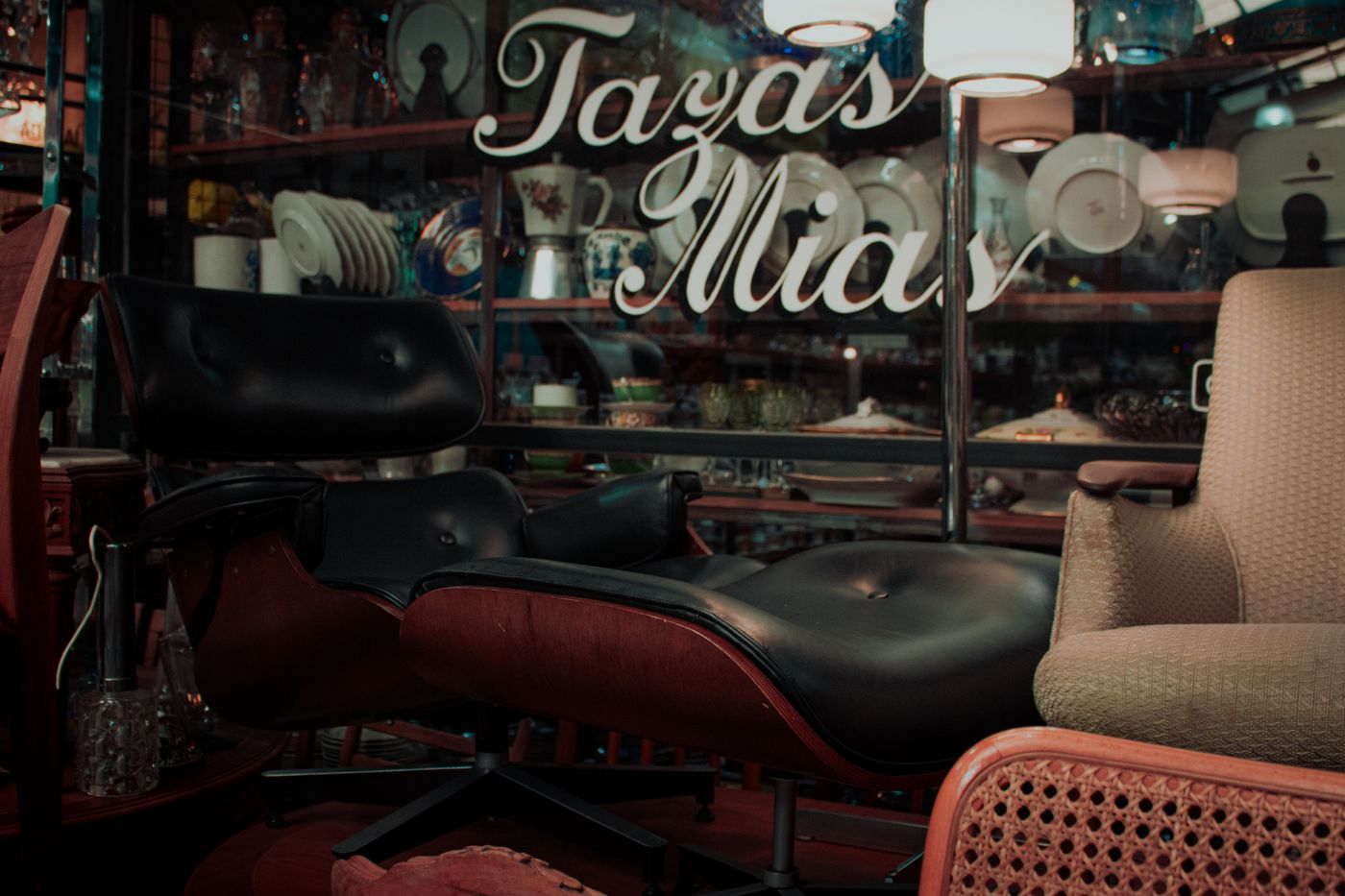
Foto: Mariano Di Luch · Pexels
I have watched a woman in SoHo negotiate the price of a 1950s Danish armchair while her driver double-parked outside. I have seen a man in Brooklyn carry a walnut dresser onto the subway at 8 a.m. because the seller would not hold it until noon. There is no time for deliberation here. You spot it, you claim it, you haul it home in a cab that costs more than the piece itself.
But that urgency is exactly why vintage furniture works in this city. It is not about hoarding or investment. It is about having one thing that is solid, honest, and built to last, in an apartment that might be 400 square feet and have a radiator that clanks all winter. A good vintage piece gives you something to anchor the room, a piece of quiet history in the middle of the noise.
How to Wear It
One strong vintage piece in a plain room does more than a whole matching set. The trick is to let it breathe. You do not need a full suite of mid-century everything. You need one piece that makes a statement, and everything else can be quiet, modern, and inexpensive.
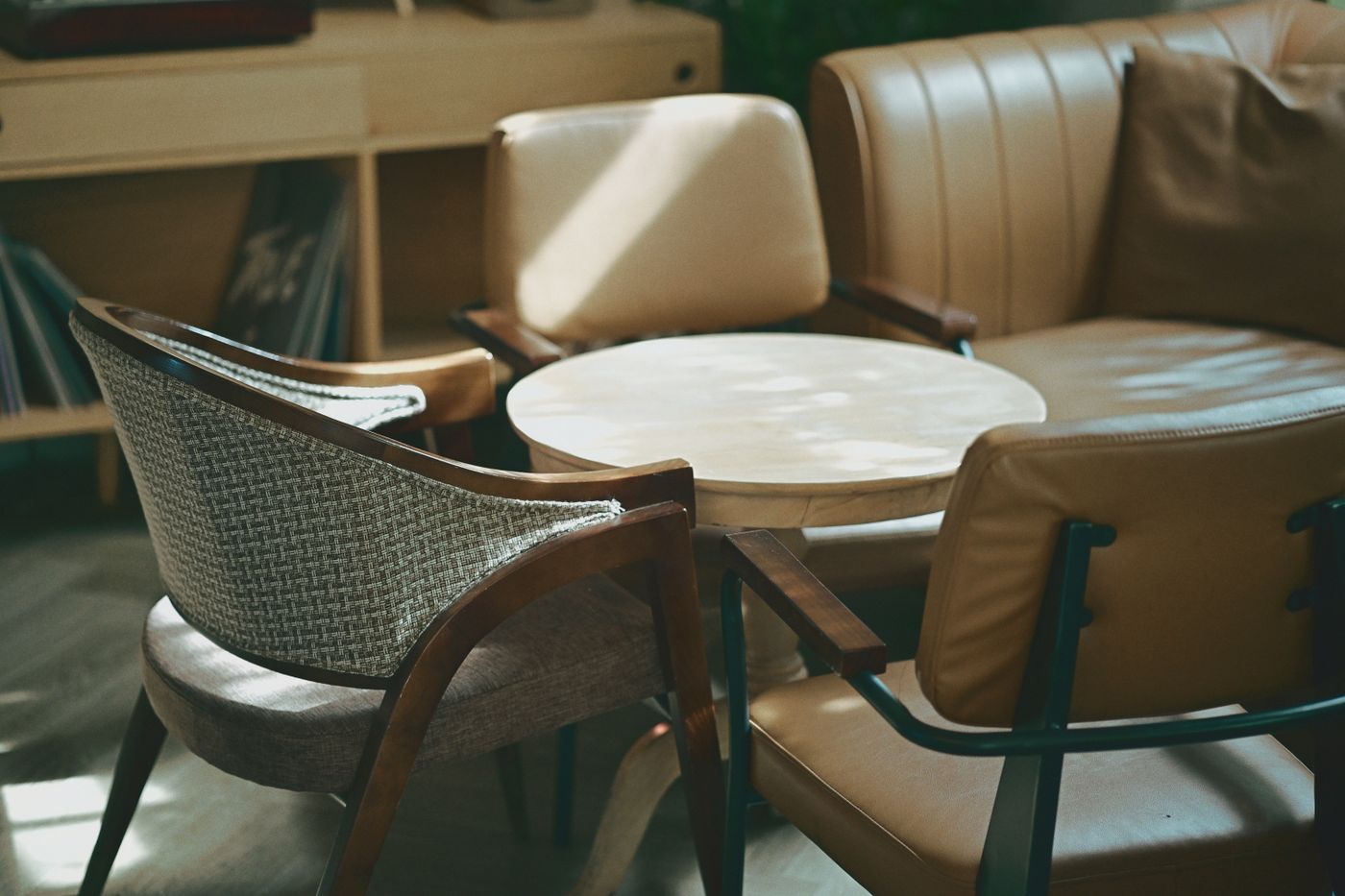
Foto: Việt Anh Nguyễn · Pexels
Mix eras deliberately. A sculptural old chair against a simple modern table. A 1960s rosewood chair with clean lines looks even better next to a plain white IKEA table than it would next to another antique. The contrast makes both pieces stand out. Do not try to recreate a period room. That is a museum, not a home.
Do not over-restore. A soft oil finish beats a fresh coat of lacquer every time. I have seen people strip a beautiful teak sideboard down to bare wood and then wonder why it looks dead. The original finish is part of the piece's character. A little wear is fine. Actually, it is desirable. It tells the story. Just clean it gently, oil it occasionally, and let it age gracefully.
Think about proportion. A massive dresser will overwhelm a tiny studio. A delicate occasional table will get lost in a large loft. Measure your space before you fall in love with something. That sounds obvious, but I have bought a chair that was too big for my apartment, and I have seen other people do the same. It ends with the chair in the hallway, tripping you every time you come home.
Where to Find Yours in New York
- L Train Vintage (204 Bedford Avenue, Brooklyn) - volume shopping, low prices, be thorough, from around 20 euros. This is the place to start. It is a maze of clothing and furniture, and you have to dig. But the prices are unbeatable, and you never know what you will find. I once found a 1960s Danish coffee table there for 40 dollars. It needed some work, but it was solid.
- What Goes Around Comes Around (351 West Broadway) - the grail room, priced accordingly, from around 45 euros. This is the showroom. Everything is curated, pristine, and expensive. You come here to see what is possible, to touch the best of the best. If you have a budget, ask the staff what they have in your range. They are surprisingly helpful.
- Beacon's Closet (74 Guernsey Street, Brooklyn) - resale done properly, good turnover, from around 60 euros. This is the reliable middle ground. The stock changes constantly, and the furniture section is usually well curated. You can find decent quality pieces here without the Chelsea markup.
- Chelsea Flea Market (West 25th Street) - weekends, bring cash and haggle politely, from around 90 euros. This is the wild card. The dealers are a mix of professionals and amateurs, so you can find gems and junk. Arrive early, walk the whole market before you buy anything, and be ready to negotiate. A polite "Can you do better?" goes a long way.
Go on a weekday morning if you can. The rails are fullest before the weekend crowd arrives, and staff have time to show you what came in overnight. On a Saturday, the good stuff is gone by noon, and the staff are too frazzled to help. Weekday mornings are when you can take your time, ask questions, and maybe even get a better price because the seller has not had a rush of customers yet.
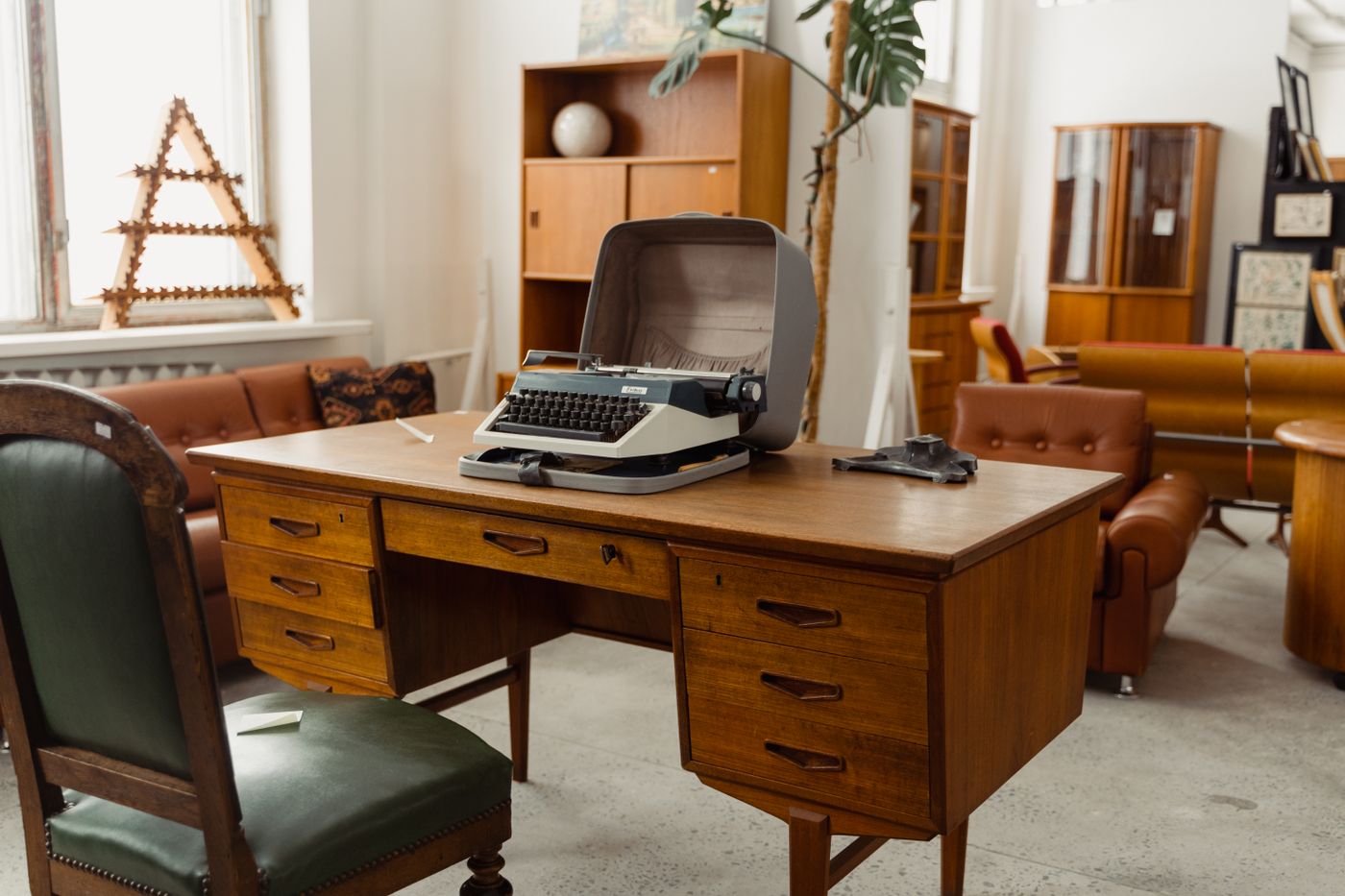
Foto: Tima Miroshnichenko · Pexels
What to Look For
Pull out a drawer and look at the joints: dovetails mean solid construction, staples mean skip it. Dovetail joints are those interlocking fingers you see at the corners of old drawers. They are a sign that a craftsman built the piece by hand, not a machine. Staples are a sign of modern mass production. If you see staples, walk away.

Check underneath for a maker's stamp or a Danish Control mark. That is a small stamp that certifies the piece was made in Denmark and meets certain quality standards. It is a mark of authenticity and quality. If you see it, you know you have found something good. Look for names like Hans Wegner, Finn Juhl, or Arne Jacobsen. Those are the big names, and their pieces are worth a lot. But even without a famous name, a well-made piece from the 1950s or 1960s is an investment.
Veneer lifting at the edges is a cheap repair; a warped or split top is not. Veneer is a thin layer of wood glued onto a base. If it is peeling, you can glue it back down. But if the top is warped, that means the wood has been exposed to moisture, and it will never be flat again. A split top is even worse. That is a structural problem. It is not worth the hassle.
Always sit in a chair before you commit. Old joints announce themselves quickly. A chair might look perfect, but when you sit down, you hear a creak or a crack, and you feel the legs wobble. That is a sign that the joints are loose. It is not a deal-breaker, but it is something you need to know about. If you can fix it, great. If not, you have just bought a chair that will fall apart under you.
One last thing: try it on properly, walk around in it, and sit down. A piece of vintage furniture that only works standing still is not going to survive your actual life. You need to open the drawers, close them, pull them out, lean on the table, put your feet up on the coffee table. Furniture is meant to be used. If a piece cannot handle a little bit of life, it is not worth the space in your apartment.
The Last Word
I have a 1960s teak sideboard in my living room. It has scratches, a few water rings, and a drawer that sticks in the summer. It is not perfect. But it is solid, it is beautiful, and it has outlived three cheap bookcases that I bought in the last decade. That is what vintage furniture gives you: a piece of the past that is built for the future. In a city that is always moving, it is a little piece of permanence. And that is worth the cab fare.
Get the look
Get the look
The pieces that make this story wearable, live from the market.
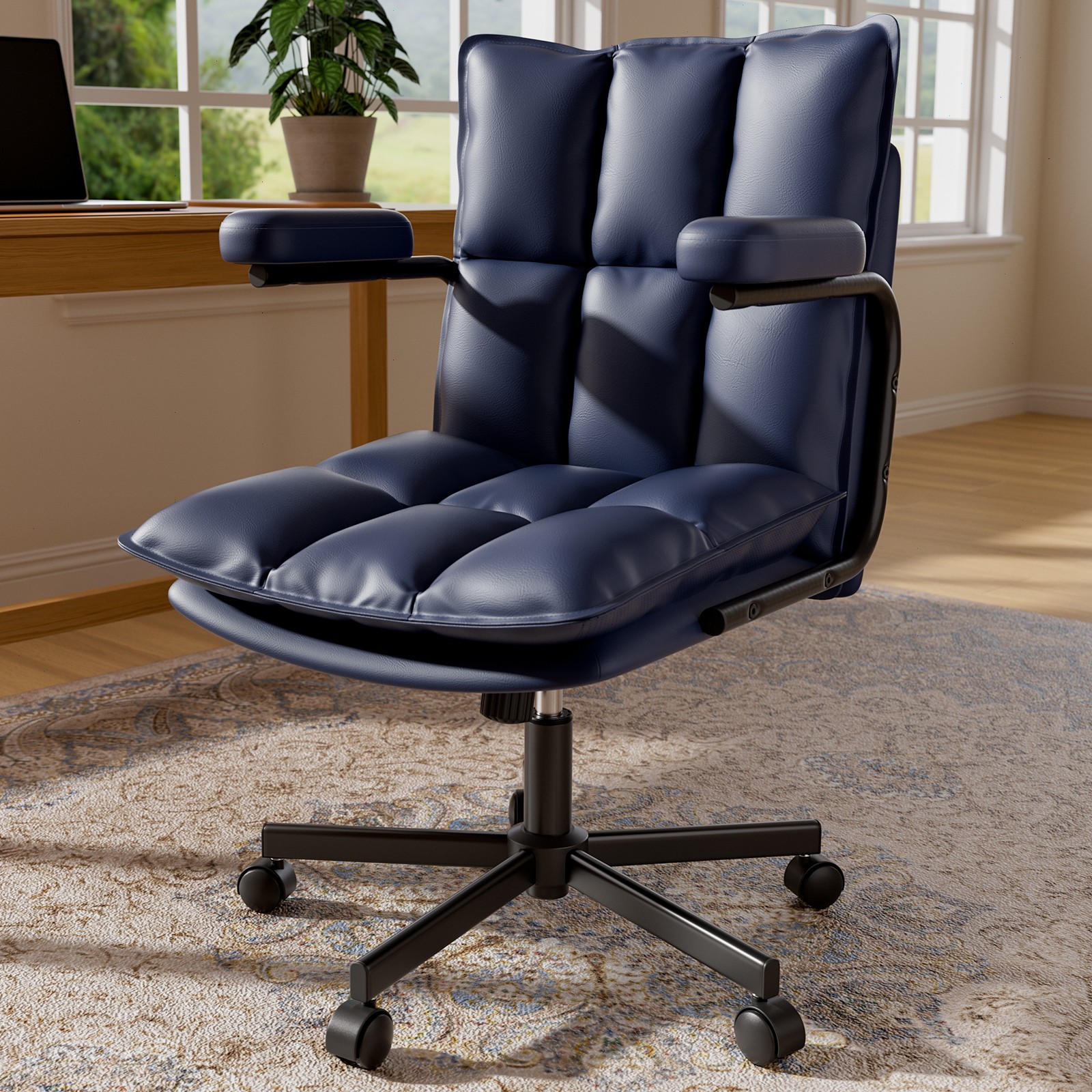
stoelen
Small Office Chair Mid Century Modern Desk Chair Vintage Leather Computer Chair
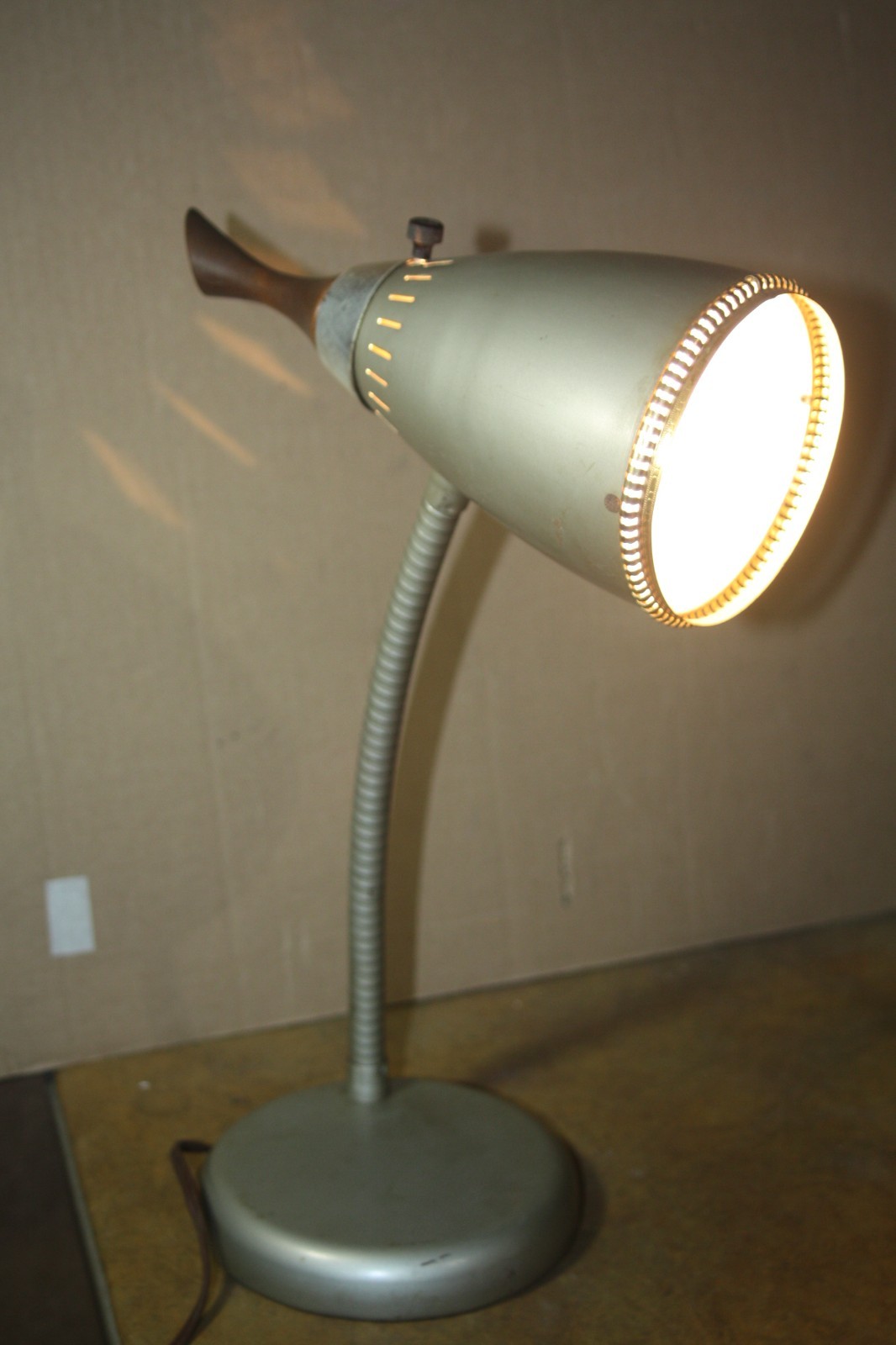
meubels
Vintage Mid Century Metal Gooseneck Desk Lamp w/ Brass & Wood Accents - Works
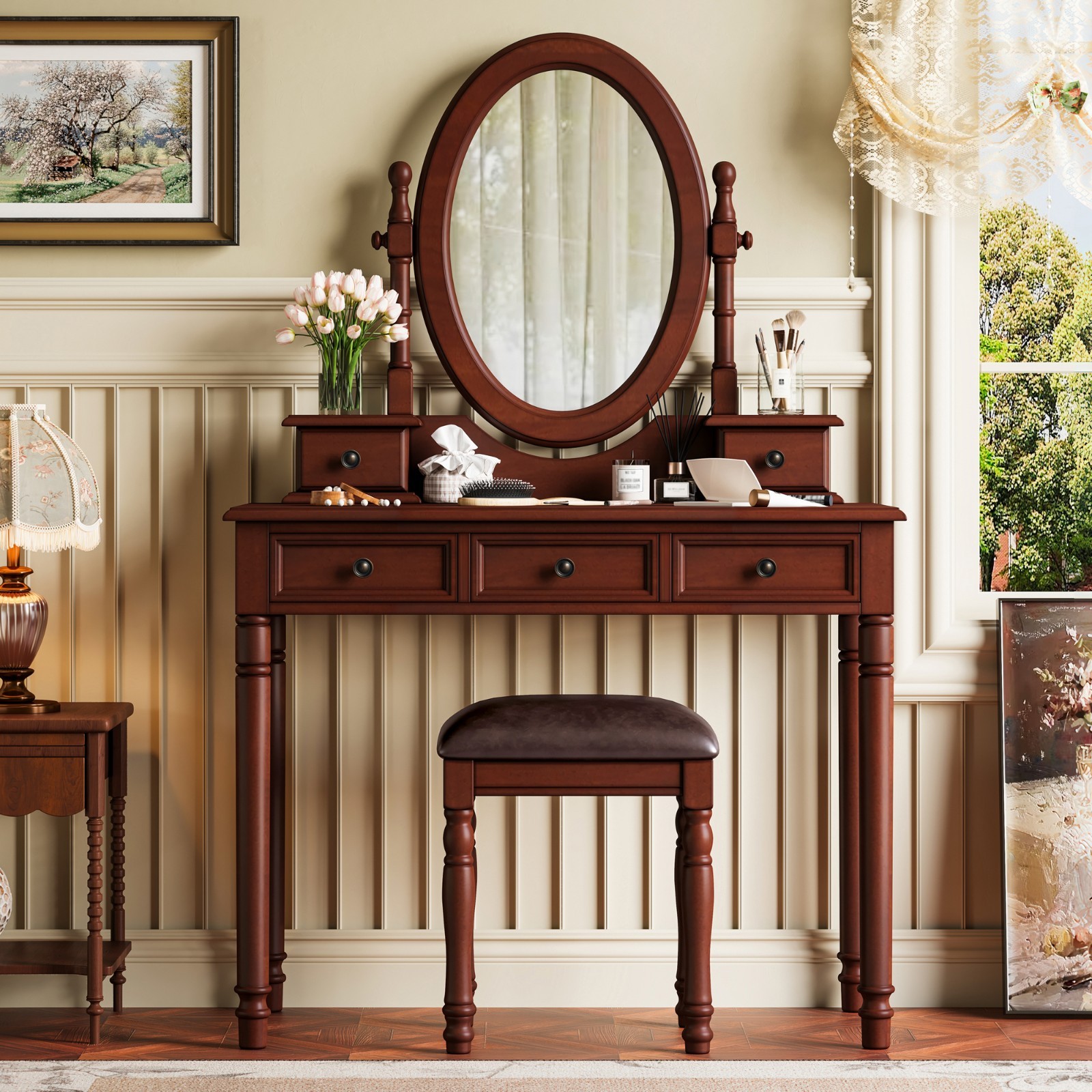
stoelen
Vanity Desk w/Adjustable Angle Mirror,Vintage Vanity Makeup Table w/Stool Walnut
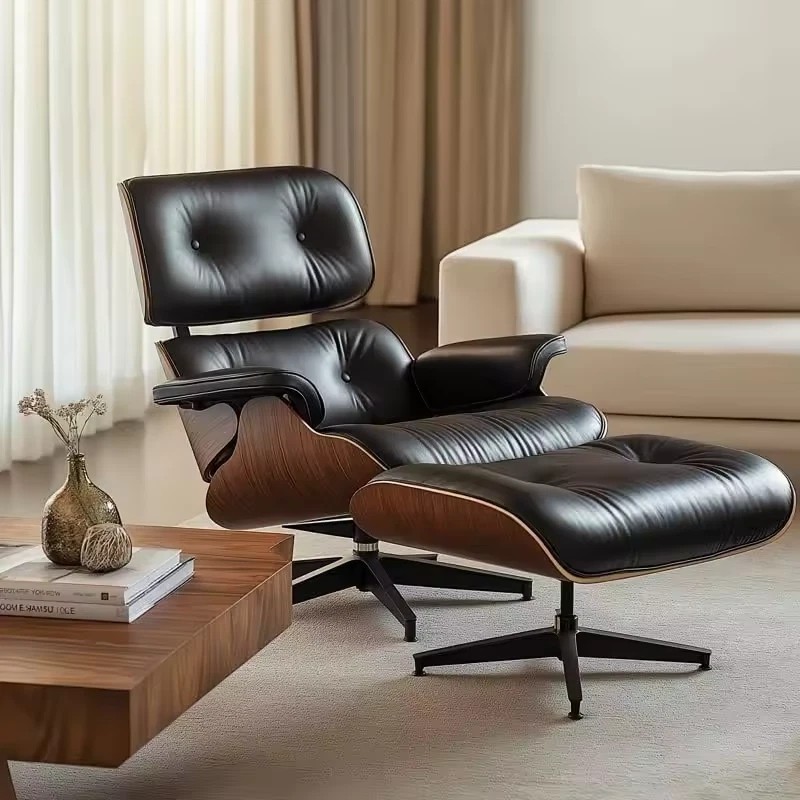
stoelen
Vintage Pro Tall Eames Lounge Chair With Ottoman Cowhide Leather Armchair Swivel
meubels
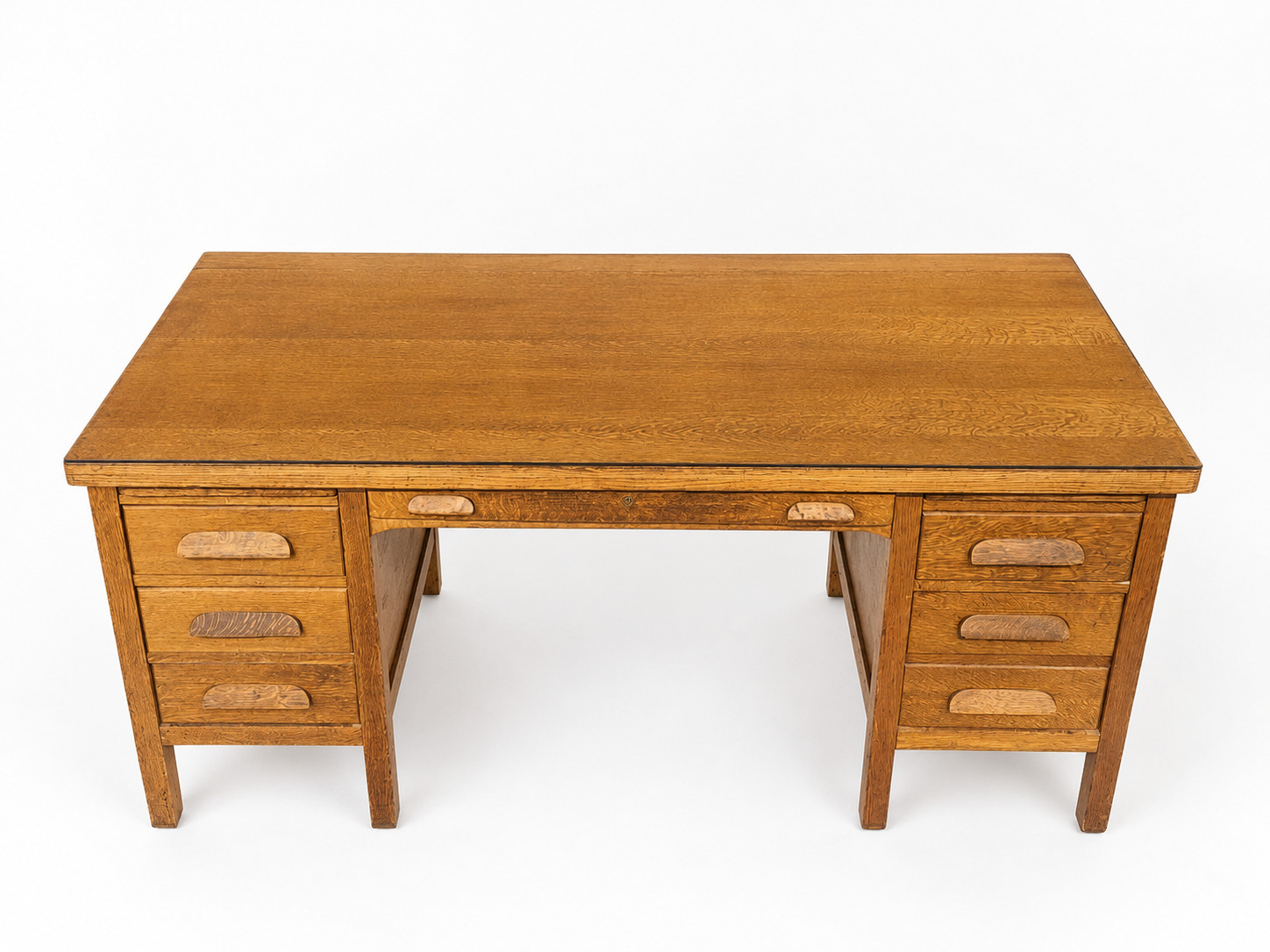
Antique Oak Executive Desk Tiger Oak Wood Pedestal Writing Desk Vintage Office
meubels
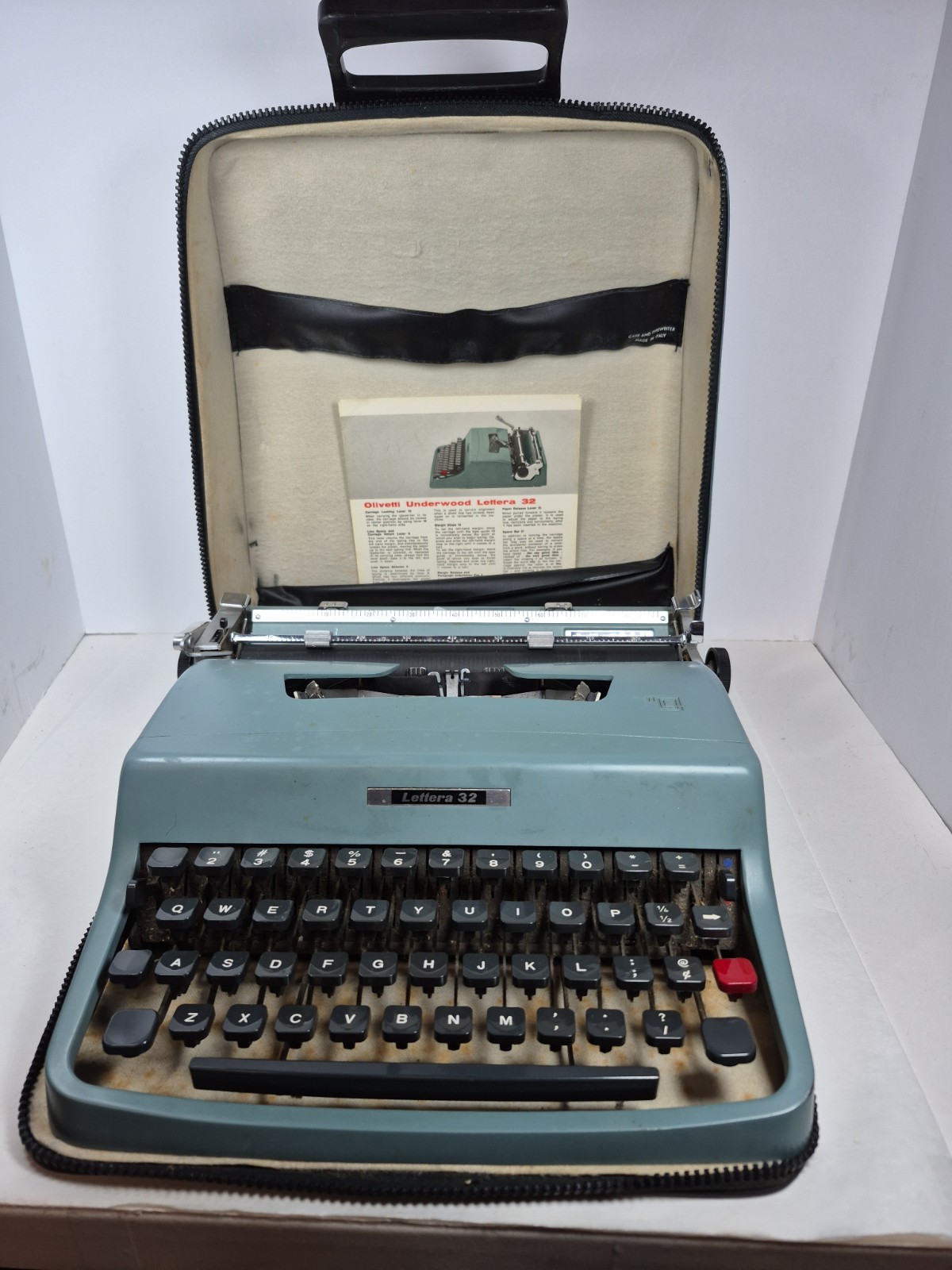
Vintage Olivetti Underwood Lettera 32 Typewriter UNTESTED With Zippered Case
meubels
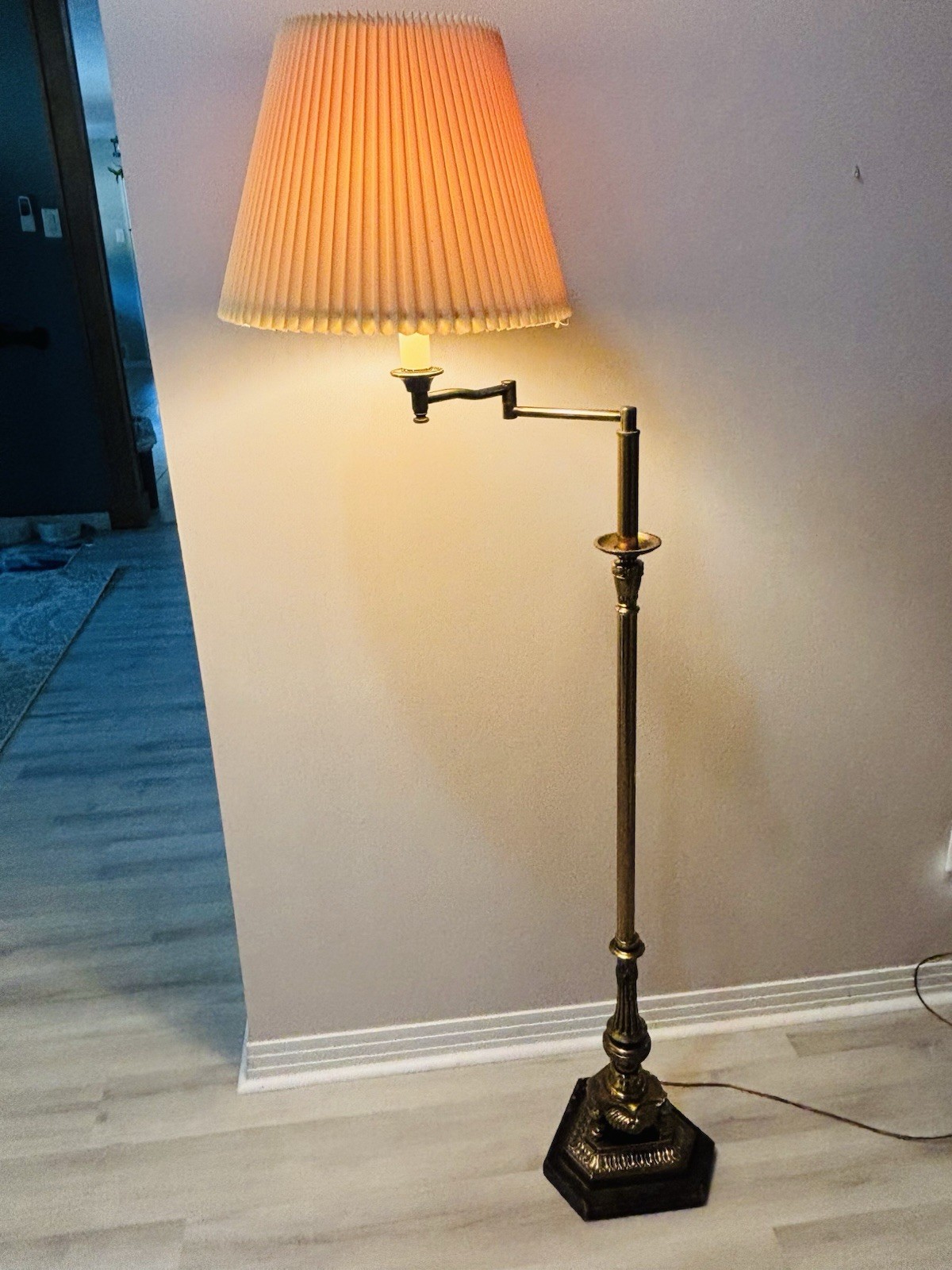
Vintage Brass Floor Lamp Swing Arm Ornate 61” Tall Tested Works
meubels
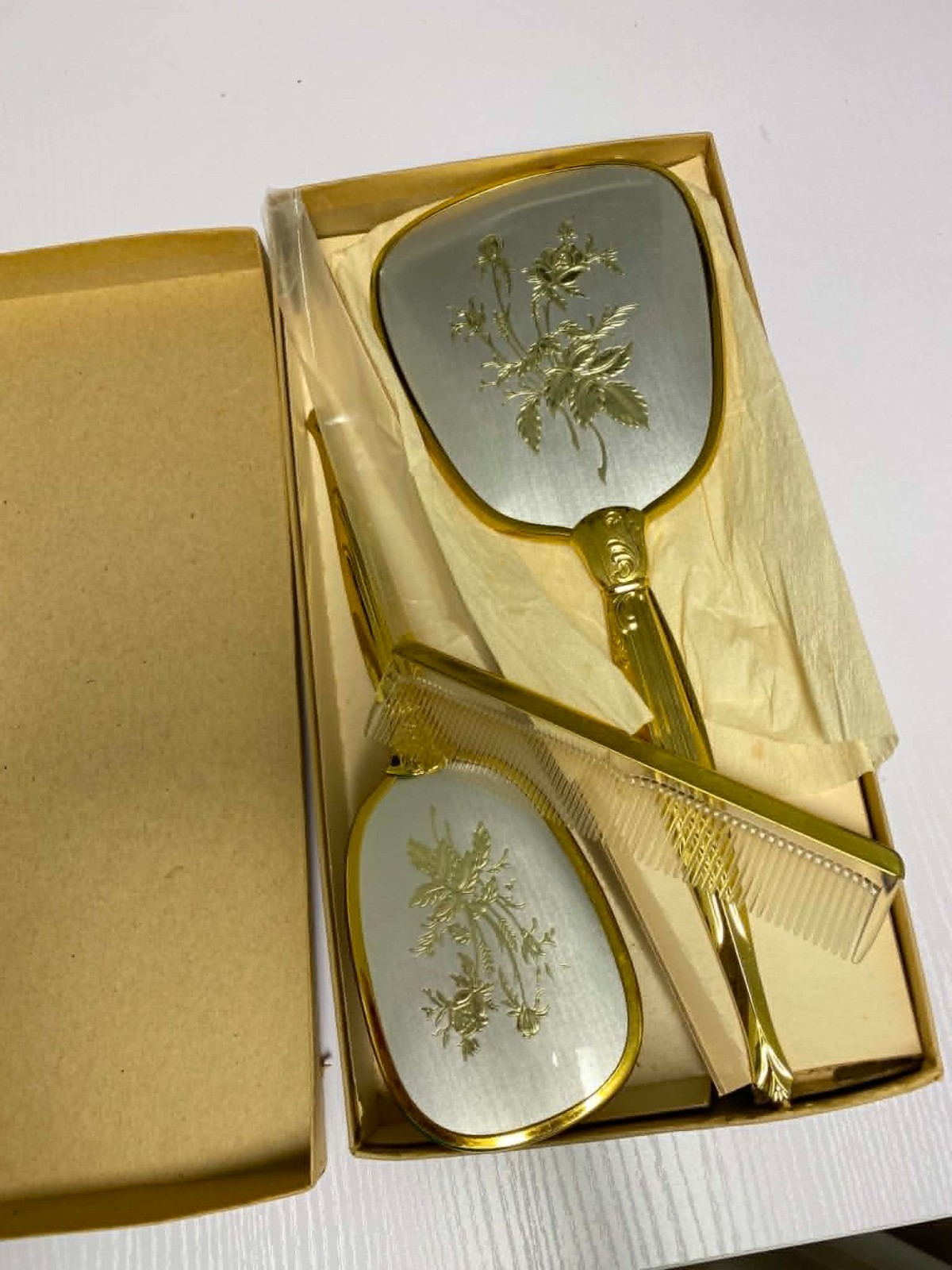
Vintage Handheld Vanity Mirror and Hairbrush Comb Set (NIB)
The names
The designers behind the look
The minds behind this story — each with a piece currently on the market.
Hans J. Wegner
Denmark · 1940s
The Wishbone & 500 chairs — joinery so pure it needs no ornament.
The Wishbone & 500 chairs — joinery so pure it needs no ornament.
Top piece
View →
Arne Jacobsen
Denmark · 1950s
The Egg & the Series 7 — chairs turned into quiet sculpture.
The Egg & the Series 7 — chairs turned into quiet sculpture.
Top piece
View →
Børge Mogensen
Denmark · 1940s
The Spanish chair — honest, functional furniture for everyday life.
The Spanish chair — honest, functional furniture for everyday life.
Top piece
View →
Jean Prouvé
France · 1930s
Structural steel & the Standard chair — an engineer of furniture.
Structural steel & the Standard chair — an engineer of furniture.
Top piece
View →
Continue the edit
Further stories from the same world
Three more walks through the same vintage universe.

The Weight of a Band Tee
A vintage band tee isn't a souvenir. It's a relic of a specific summer, a specific tour, a specific decade. Here's how to wear one with the respect it deserves, and how to spot a genuine artifact from the fakes.
Read the story →
Where to Find Authenticated Bags in New York
The small shoulder bag is back, and the originals are still out there. A nylon bag from 1999 or a mini baguette from the same year carries a specific kind of confidence: it was designed to be carried, not photographed.
Read →
Styling a Patinated Dial in New York
A vintage watch is the one accessory that never shouts. A patinated dial, a slightly yellowed lume, a bracelet that has softened to the wrist.
Read →