
 Sign in
✦ Culture · London
London's Best Watch Counters
A vintage watch is the one accessory that never shouts. A patinated dial, a slightly yellowed lume, a bracelet that has softened to the wrist.
 By Louis Trash·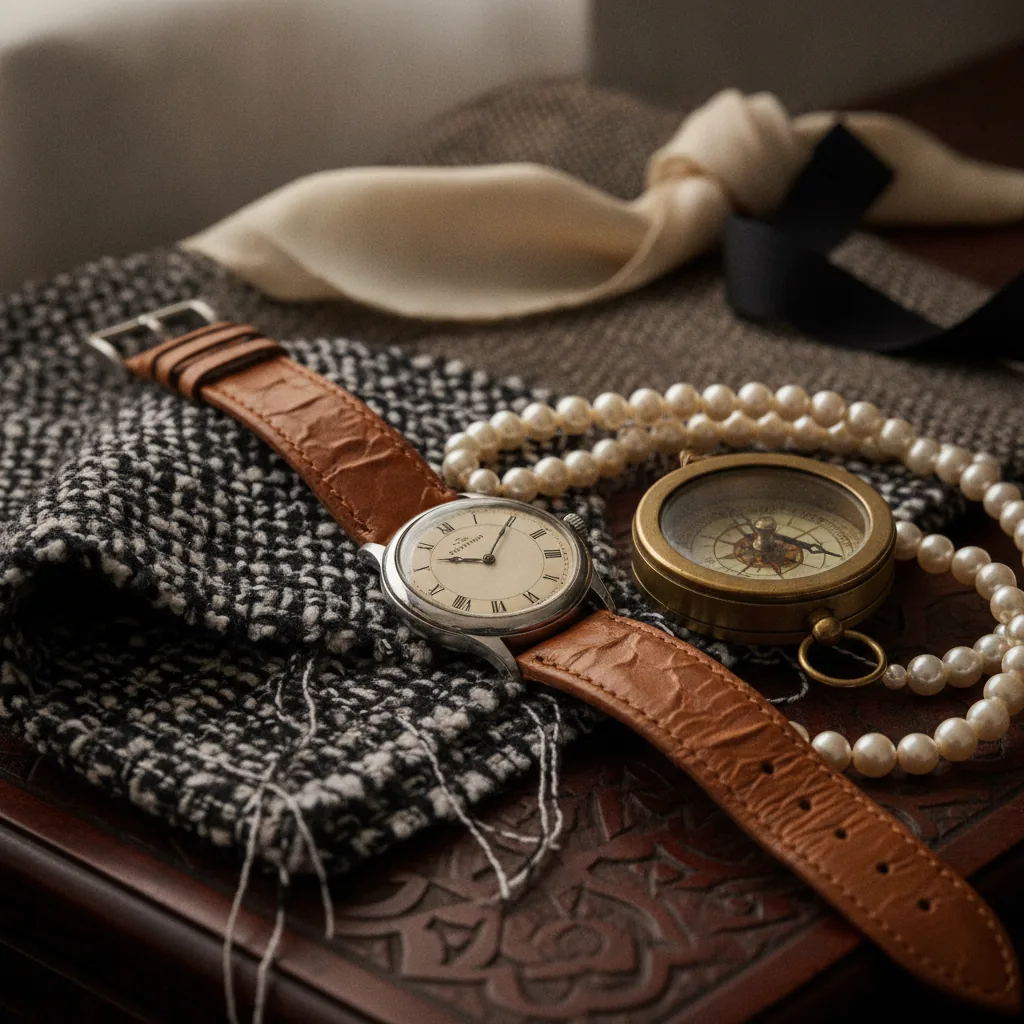
Why Watches Matter Now
A vintage watch is the one accessory that never shouts. A patinated dial, a slightly yellowed lume, a bracelet that has softened to the wrist. These are the details that make people ask, quietly, what it is.
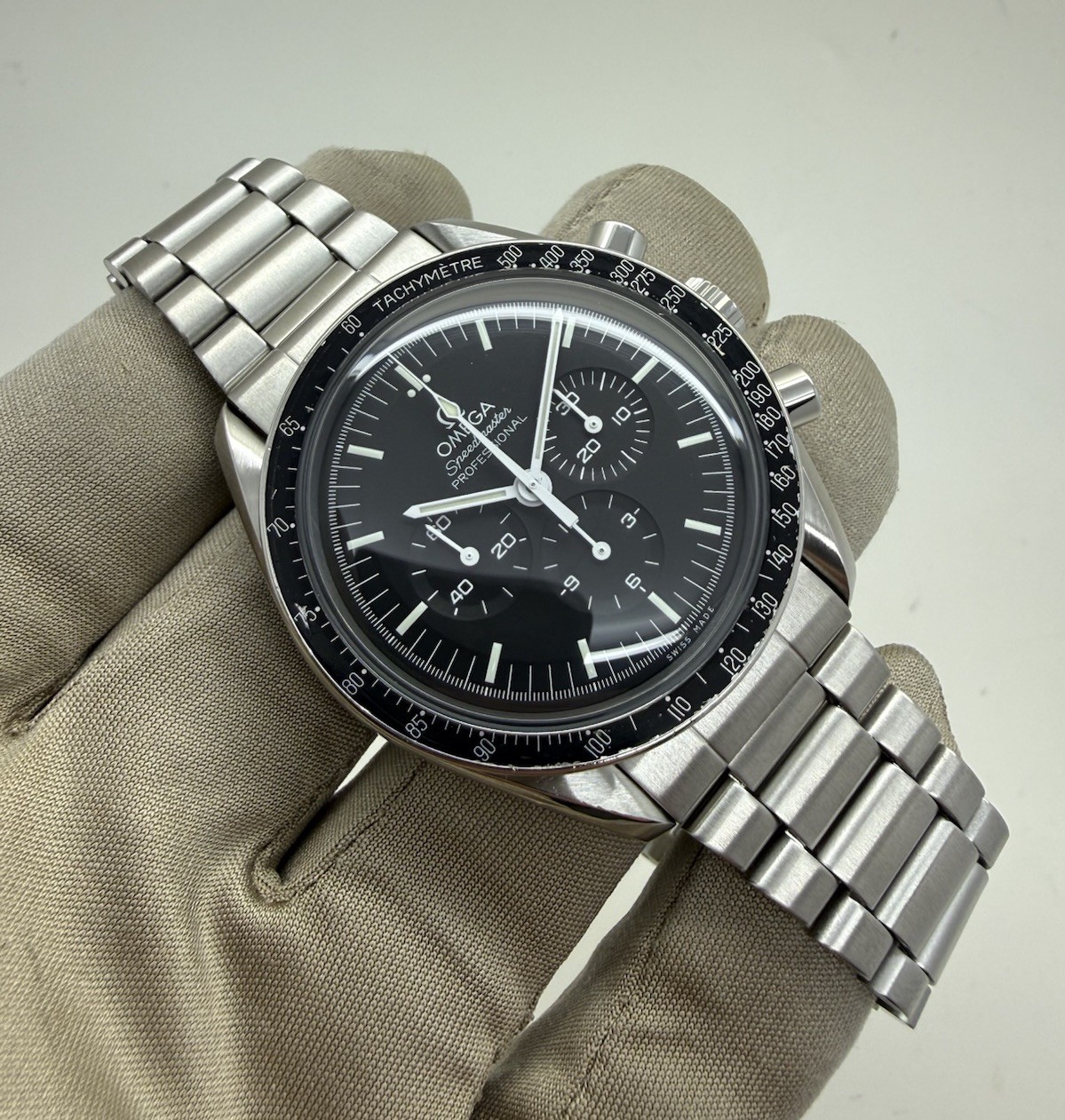
That means a 1960s Omega on a worn leather strap, not a gleaming Rolex Submariner. It means a watch that has lived a little, with scratches that tell stories, not a safe queen.
The current obsession with vintage watches started around 2017, when auction prices for steel sports watches went stratospheric. But the real charm is not investment. It is the quiet thrill of wearing a piece of history that still ticks. A watch from the 1940s might have been worn by a soldier, a doctor, a clerk. It has seen things. That is the appeal.
How to Wear It
Keep the case small. A 34-36mm dial looks far more elegant than anything oversized. A 40mm diver might suit a giant, but most of us look better with something that sits discreetly on the wrist. Think of Steve McQueen in Le Mans. He wore a 38mm Heuer Monaco, and it looked perfect.
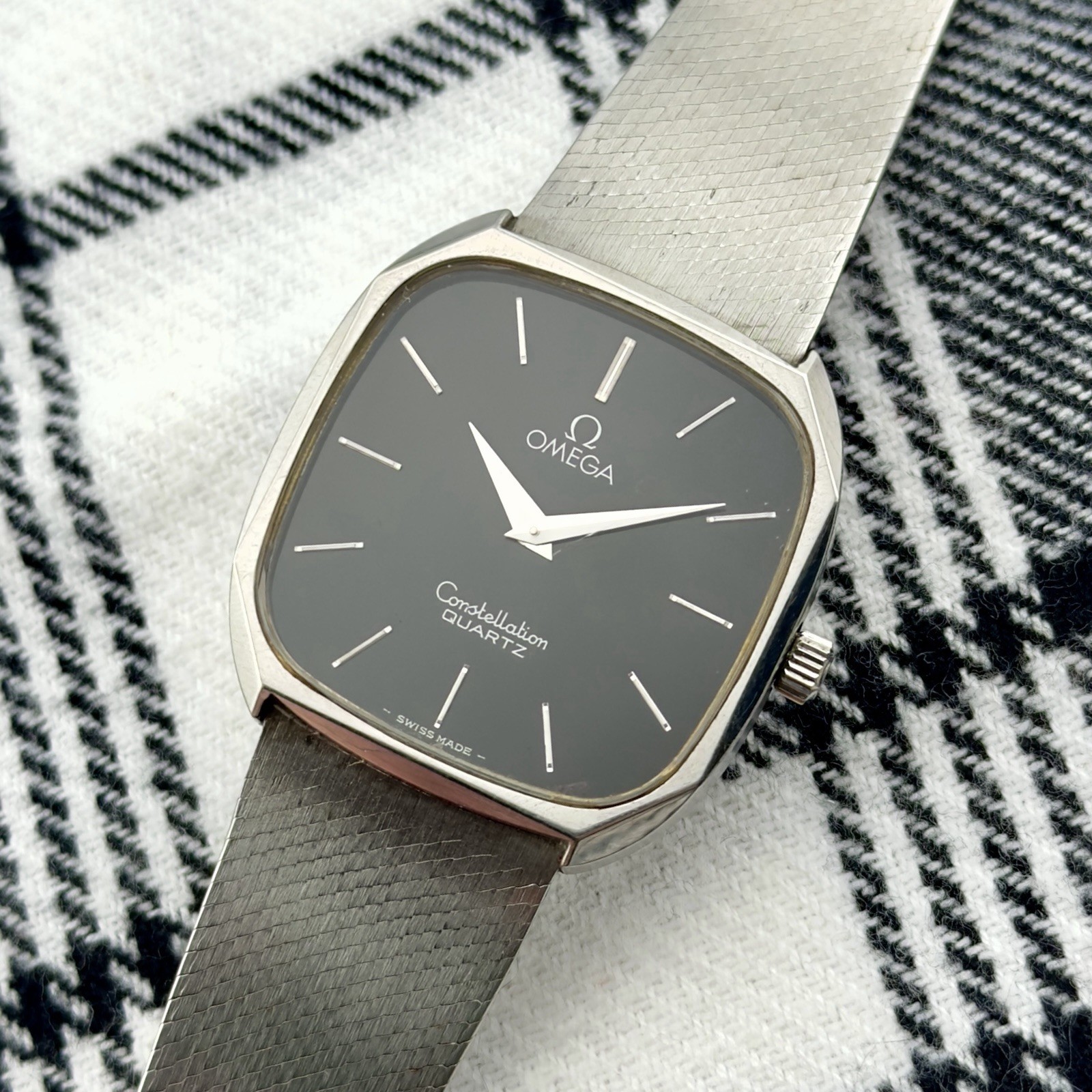
Swap the strap. A cheap leather band on a good watch undoes the whole thing. A worn ostrich or lizard strap adds character, but a fresh, quality leather strap from a place like The Strap Tailor in Camden will transform a tired piece. Budget £20-50 for a decent strap.
Wear it slightly loose so it sits just past the wrist bone, half under the cuff. That way it peeks out when you gesture, but does not bang on tables. It also protects the crystal from scratches.
Where to Find Yours in London
- Rokit Brick Lane (101 Brick Lane) — dependable, huge, strong on denim and outerwear, from around £20. The watch section is a treasure trove of forgotten quartz pieces from the 1980s and 1990s. I once found a 1970s Seiko 5 with a sunburst dial for £25. It ran perfectly after a new battery.
- Blitz London (55-59 Hanbury Street) — department-store scale, everything properly sorted, from around £45. Blitz has a dedicated counter for vintage watches, with a knowledgeable staffer who can tell you the difference between a 1960s manual wind and a 1970s automatic. Prices are higher, but you pay for the curation.
- Portobello Road Market (Portobello Road, Notting Hill) — Friday and Saturday for the serious dealers, from around £60. Arrive early, before 8am, to see the best stock. Dealers set up their stalls with trays of watches, and they know their stuff. Ask about service history; they will usually be honest.
- Retromania (6 Upper Tachbrook Street) — charity-shop prices, genuinely good finds, from around £90. This is a tiny shop near Victoria Station, crammed with vintage everything. The watch cabinet is often overlooked, so you can find a 1970s manual wind for a steal. I once saw a 1960s Jaeger-LeCoultre for £300, but I was too slow.
Go on a weekday morning if you can. The rails are fullest before the weekend crowd arrives, and staff have time to show you what came in overnight. Tuesday or Wednesday is ideal.
What to Look For
Ask when it was last serviced. A movement that has run dry is the expensive part. A full service on a mechanical watch costs £150-300, so factor that into the price. If the seller does not know, assume it needs one.
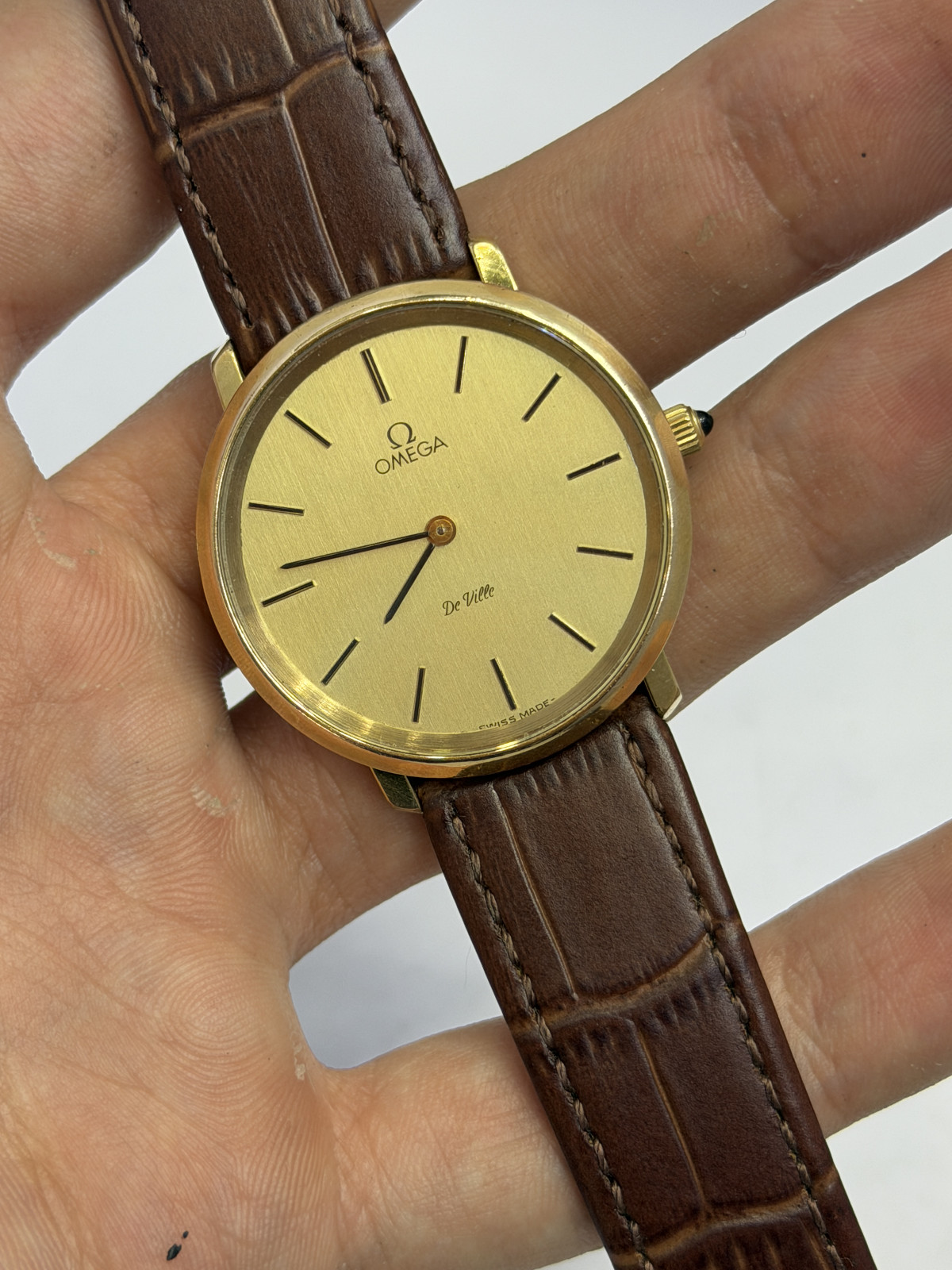
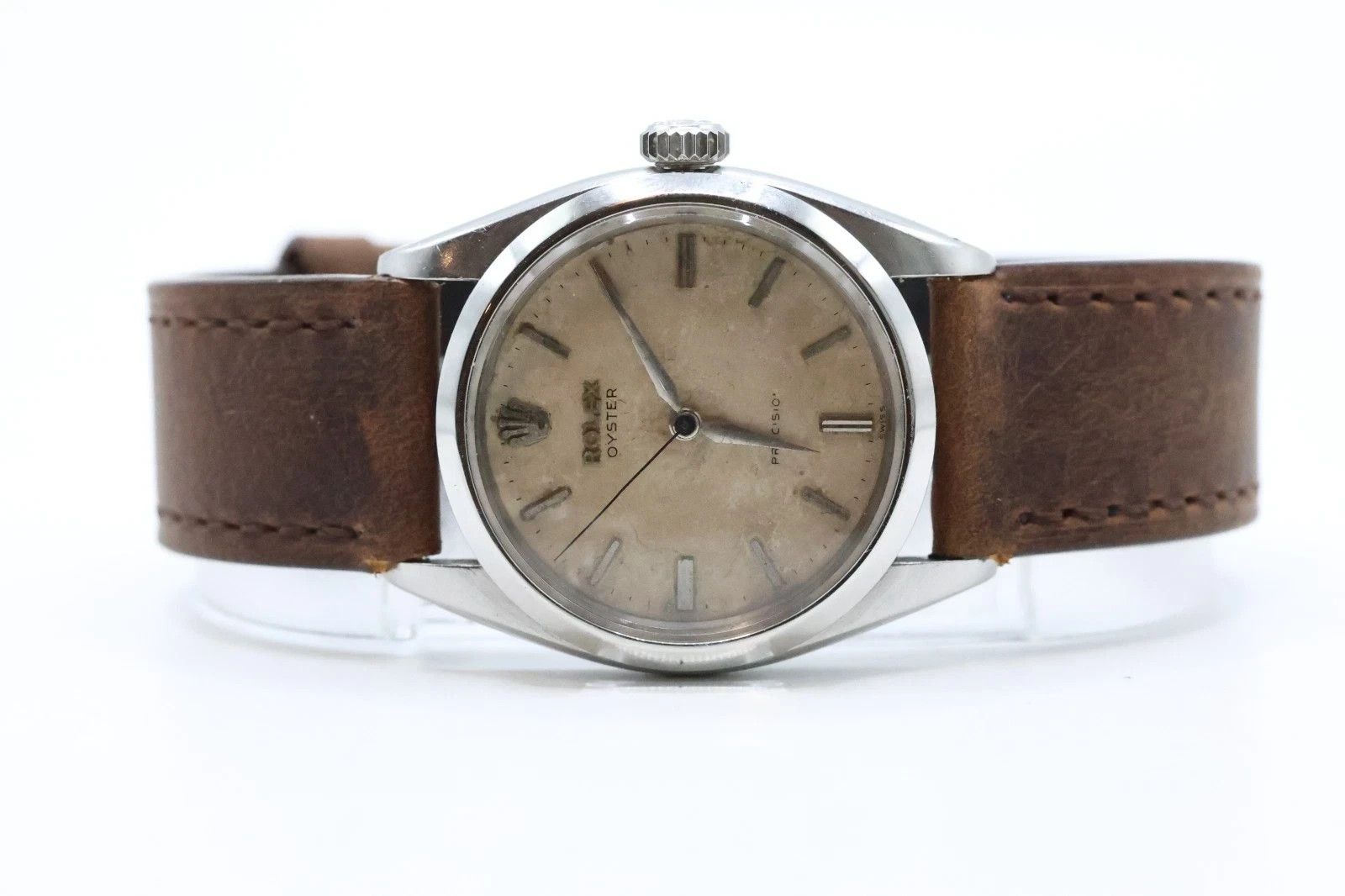
Check the dial under light for redialing: fonts that sit unevenly or print that looks too crisp for its age are warnings. A redial kills value and authenticity. Look for the original patina. A slight yellowing of the luminous material is a good sign.
Original bracelets add real value, and a boxed set with papers is always worth the premium. A watch with its original box and papers can be worth 20-30% more than a bare watch. But for everyday wear, a good condition movement and a clean dial matter more.
One last thing: try it on properly, walk around in it, and sit down. A vintage watch that only works standing still is not going to survive your actual life. Wind it, set the time, and wear it for an hour if you can. The right one will feel like it was made for you.
A Brief History of the London Watch Trade
London was the center of the watch world in the 18th century. John Harrison, the clockmaker who solved the longitude problem, worked in London. George Graham, inventor of the chronograph, had his workshop in Fleet Street. The trade moved to Switzerland in the 19th century, but London remained a hub for retail and repair.
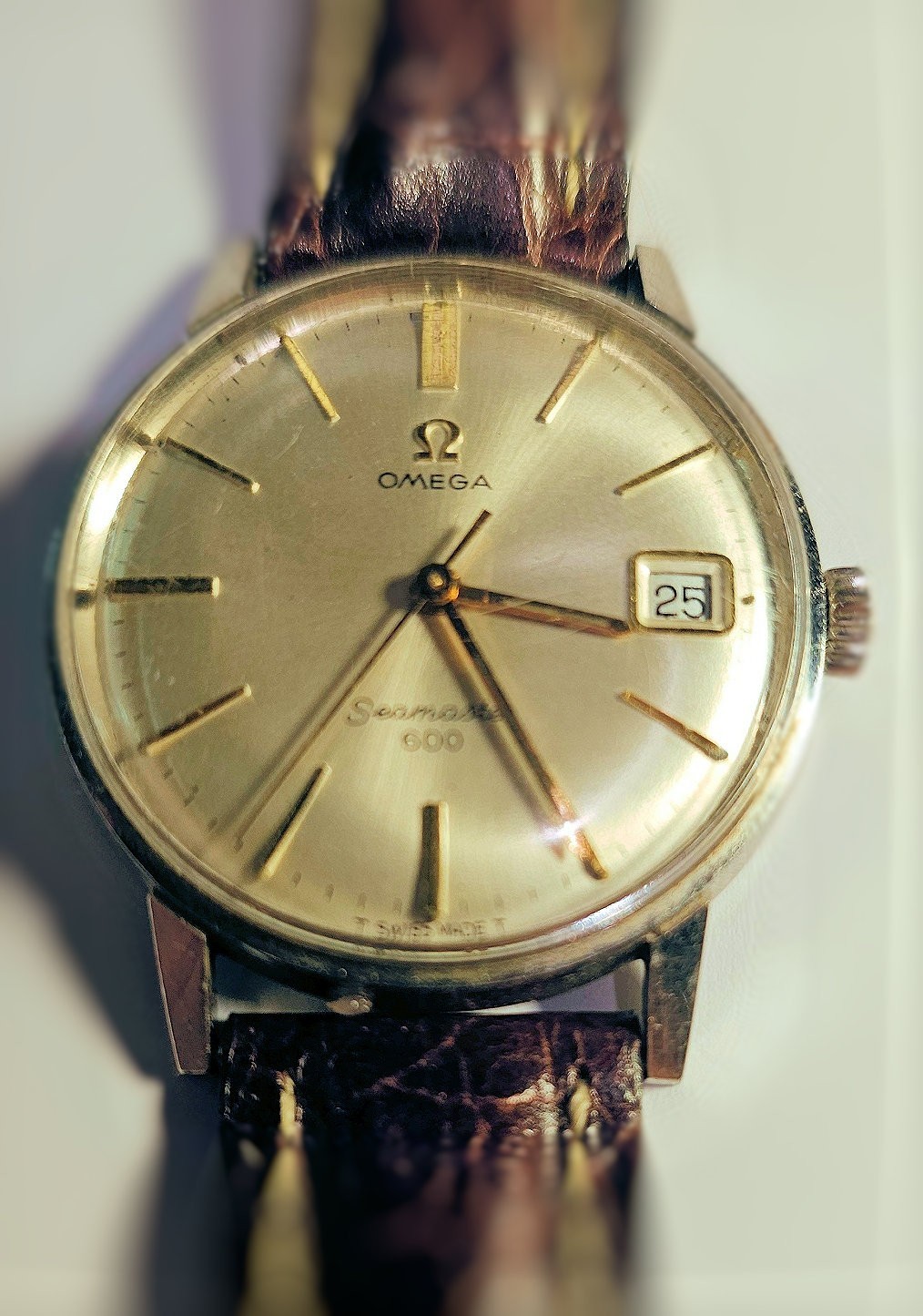
After World War II, the British watch industry collapsed under the weight of Swiss imports. But London's dealers kept the vintage trade alive. In the 1960s, a young man could buy a pre-war Omega for a few pounds in a junk shop. Now, the same watch might cost £1,000.
The charm of buying in London is the history. You might find a watch from the Blitz, or one that was worn by a commuter on the Tube in the 1950s. That connection to the past is what makes it special.
Final Thoughts
A vintage watch is not a status symbol. It is a quiet companion. In a city that moves fast, it reminds you to slow down and appreciate the moment. The right watch will outlast you, and that is a beautiful thing.
✦ The EditOne to watch
Omega Speedmaster Vintage Black Dial 42mm Steel Manual Wind Watch 145.022-69ST
The watch that went to the moon. This honestly worn watch in steel and black carries exactly the quality that made Omega worth collecting in the first place. This is the kind of thing that only improves the longer you live with it.
On the market now
The names
Meet the designers
The minds behind this story — each with a piece currently on the market.
Rolex
CH · 1900s
The Submariner & the Datejust
The Submariner & the Datejust
Top piece
View →
Tag Heuer
CH · 1860s
The chronograph & racing heritage
The chronograph & racing heritage
Top piece
View →
Børge Mogensen
Denmark · 1940s
The Spanish chair — honest, functional furniture for everyday life.
The Spanish chair — honest, functional furniture for everyday life.
Top piece
View →
Calvin Klein
USA · 1960s
Minimalism & the 90s slip
Minimalism & the 90s slip
Top piece
View →
Continue the edit
Further stories from the same world
Three more walks through the same vintage universe.

The Band Tee Guide for London
A band tee is a souvenir somebody else brought home. The faded print, the softened cotton, the fact that it survived thirty years of washing.
Read the story →
London's Best Bag Hunting, Shop by Shop
The small shoulder bag is back, and the originals are still out there. A nylon bag from 1999 or a mini baguette from the same year carries a specific kind of confidence.
Read →
The Leather Jacket That Earns Its Scars
A good vintage leather jacket is not a costume. It is a second skin with a past, and the trick is learning to wear the story without letting it wear you.
Read →