
 Sign in
✦ Culture · London
The Band Tee Guide for London
A band tee is a souvenir somebody else brought home. The faded print, the softened cotton, the fact that it survived thirty years of washing.
 By Louis Trash·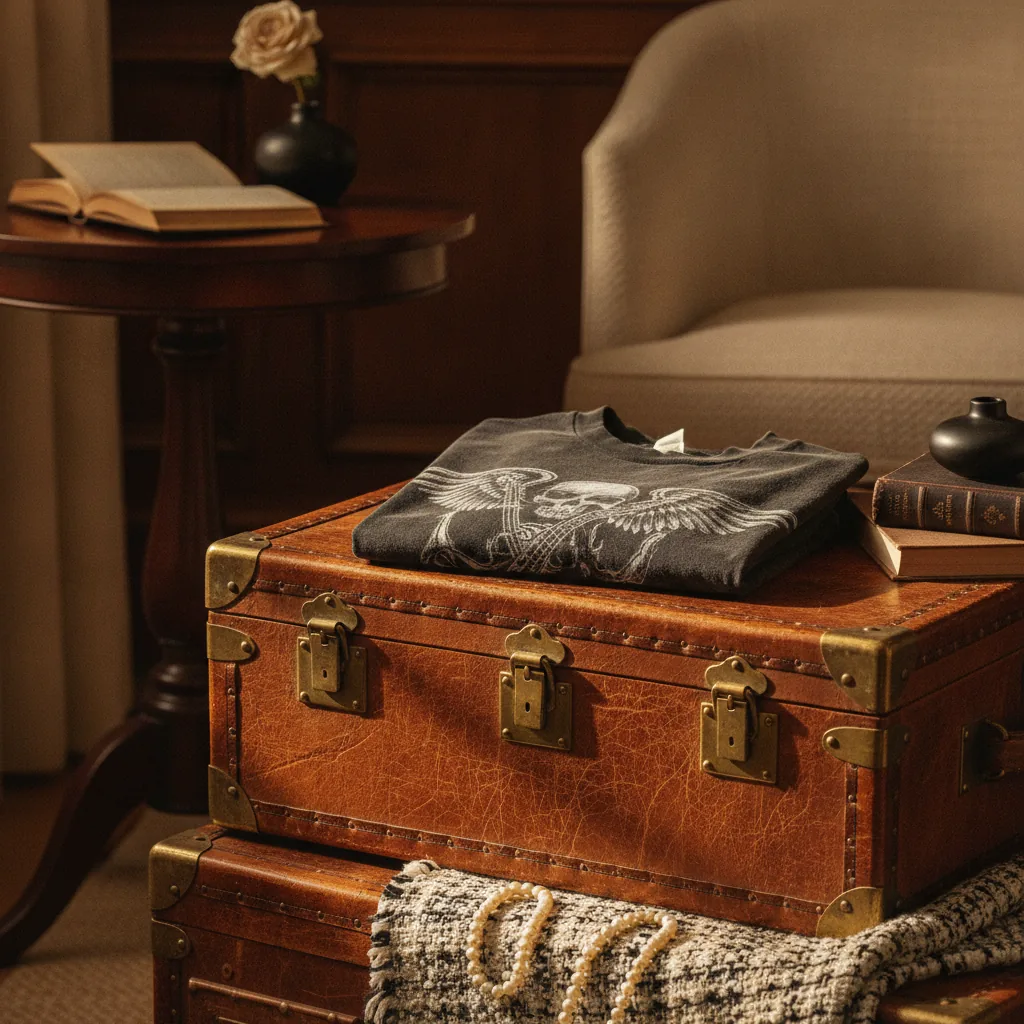
Why Band Tees Matter Now
A band tee is a souvenir somebody else brought home. The faded print, the softened cotton, the fact that it survived thirty years of washing. That is the appeal. Reprints never get the drape right. They hang stiff, the fabric feels wrong, and the print sits on top like a sticker. A vintage tee has been through something. It has been worn to gigs, slept in, washed a hundred times in cheap detergent. That history shows in the way it moves with you.
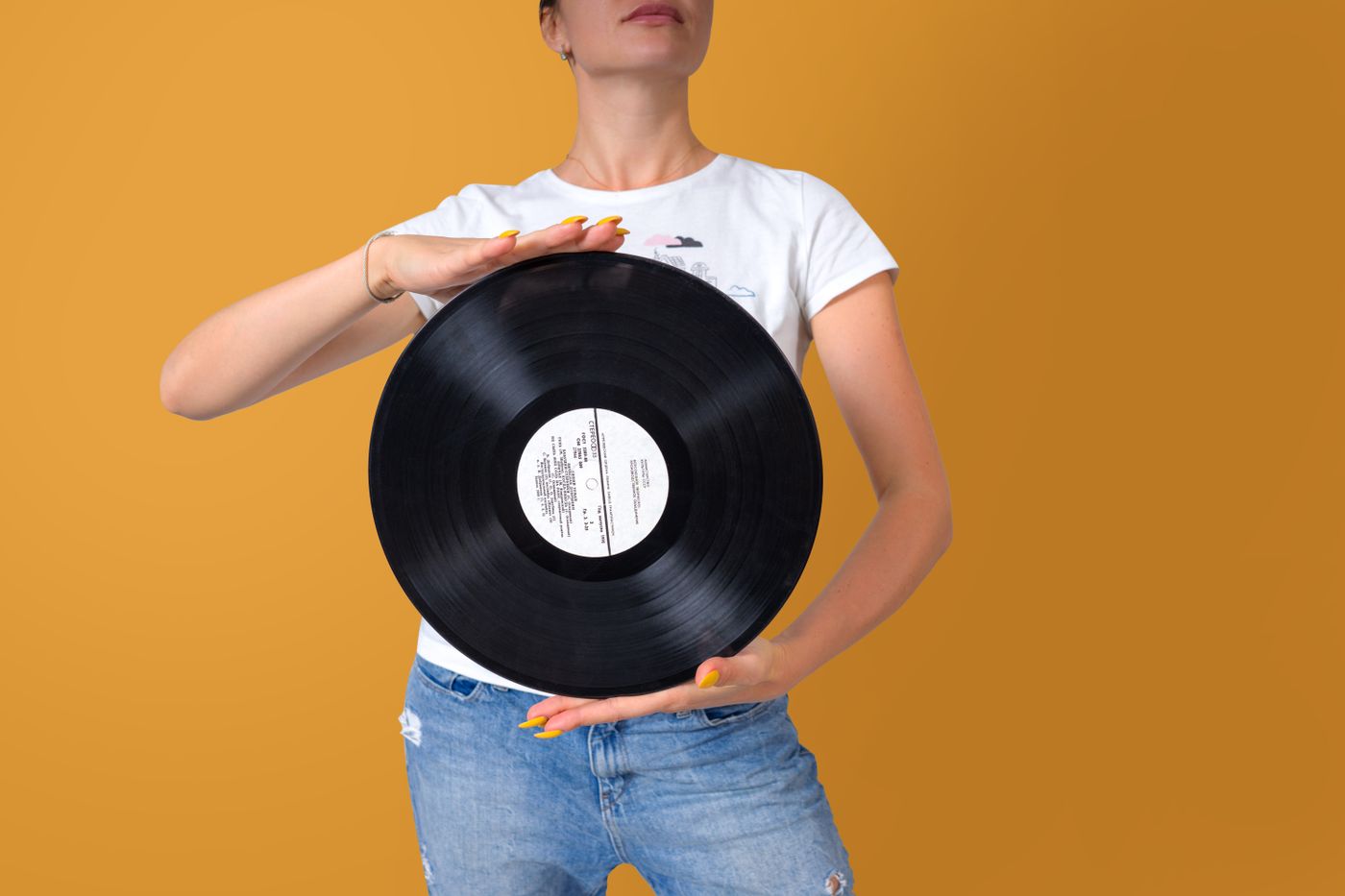
Foto: Atlantic Ambience · Pexels
A band tee fits that ethos perfectly. It is not a costume. It is a piece of lived-in clothing that happens to have a story. In a city where the streets are grey and the weather is unpredictable, a faded tee adds colour without trying too hard.
The band tee's moment is now. The fashion cycle has turned away from pristine minimalism towards authenticity and individual expression. Young designers reference the 90s, but they cannot replicate the softness of a tee that has been washed a hundred times. That is why vintage is the only real option.
How to Wear It
Tuck the front into high-waisted denim and leave the rest loose. That simple move defines the silhouette: a clean waistline, a relaxed torso, and the tee's hem breaking the line just below the belt. It works with vintage Levi's 501s or a modern pair of high-rise trousers. The tuck also shows off the graphic, especially if the print is partially worn.

Foto: Svetlana Tumina · Pexels
Layer it under a blazer. The clash of a tour print and tailoring is the whole point. A black blazer, a white tee, and a pair of worn-in boots is a classic London look. It is the uniform of the rock journalist, the gallery opener, the night bus. The key is to keep the blazer unstructured, no padded shoulders, no shiny buttons. A vintage tweed or a soft cotton jacket works best.
If it is oversized, own it. Wide shoulders with slim trousers reads intentional. That is the 90s grunge revival look, but done properly. The tee should be genuinely baggy, not just a size up. Look for boxy cuts from the 80s and 90s. Pair with straight-leg jeans or a pencil skirt. The contrast between volume and slimness is what makes it work.
Do not be afraid to cut the sleeves off. A classic rock tee with the sleeves removed is a summer staple. Just make sure the armholes are cut high enough to avoid a sloppy look. Alternatively, roll the sleeves for a more polished feel.
For colder months, layer a hoodie underneath the tee. That is a streetwear staple, but a vintage tee over a plain grey hoodie has a casual, lived-in vibe that is very London. It is practical too: the hoodie adds warmth, the tee adds personality.
Where to Find Yours in London
- Rokit Brick Lane (101 Brick Lane) - dependable, huge, strong on denim and outerwear, from around 20 euros. Rokit has been a staple since the 80s. It is a treasure trove of band tees, but you have to dig. The sheer volume means you will find something, but it might be buried under a pile of leather jackets. Go early in the day, when the stock is still fresh.
- Blitz London (55-59 Hanbury Street) - department-store scale, everything properly sorted, from around 45 euros. Blitz is the vintage emporium that grew from a small stall. It is vast, clean, and well-organised. The band tees are in a dedicated section, usually near the back. They are often in better condition than at Rokit, but you pay for it. Still, the curation is worth the extra cost.
- Portobello Road Market (Portobello Road, Notting Hill) - Friday and Saturday for the serious dealers, from around 60 euros. Portobello is an institution. The antique market stretches for miles, and among the silver and furniture, you will find vintage clothing stalls. The band tees here tend to be the real deal, original tour shirts from the 70s and 80s. Dealers know their stock, and they price accordingly. Negotiation is possible, especially if you are buying multiple items.
- Retromania (6 Upper Tachbrook Street) - charity-shop prices, genuinely good finds, from around 90 euros. Tucked away near Victoria Station, Retromania is a hidden gem. It is small, crammed with everything from military surplus to 80s sportswear. The band tees are often in a bin at the back, and you have to root around. But the prices are unbeatable, and the gems are there if you are patient. One of the best finds I ever made was a 1978 Sex Pistols tee for £15.
Go on a weekday morning if you can. The rails are fullest before the weekend crowd arrives, and staff have time to show you what came in overnight. On a Tuesday at 10am, you will have the place to yourself. By Saturday afternoon, you will be fighting for space.

Foto: Jefferson Rosier · Pexels
What to Look For
Single-stitch hems at the sleeve and bottom usually mean pre-1995. Double-stitching became the norm in the mid-90s, so that is a quick indicator of age. But be aware: some modern tees use single-stitch as a retro detail. Check the tag.

Foto: Muhammad Dzaki Zaidan · Pexels
Check the tag: a Screen Stars, Brockum or Giant label is a good era marker. Screen Stars was the go-to for band merch in the 80s. Brockum took over in the late 80s and 90s. Giant was another major player. If you find a tag with a copyright date, even better. But remember, tags can be cut out, so do not rely on them alone.
Cracking in the print is fine and often desirable; holes in the armpit are not. Print cracking is a sign of age and authenticity. It adds character. But holes under the arms are a sign of wear that will only get worse. Also check for colour fading, some fade is natural, but a completely washed-out tee might be too far gone.
Hold it up to the light to check how thin the cotton has really gone. If you can see through it easily, it is not going to last. A good vintage tee should have a soft, worn feel but still have structural integrity. The fabric should be thin but not threadbare.
One last thing: try it on properly, walk around in it, and sit down. A band tee that only works standing still is not going to survive your actual life. Move your arms, bend over, sit down. Check that the sleeves do not ride up, that the neck does not stretch out too much, that the hem sits where you want it. If it feels right, it is right.
The History in the Fabric
The band tee is a relatively recent invention. Before the 1960s, bands sold programmes and posters, not clothing. The first rock t-shirts appeared in the mid-60s, when the Beatles and the Rolling Stones started selling them at concerts. Those early tees were simple, a band name and a graphic, screen-printed on a white cotton tee. They were cheap to make and cheap to buy, and they became a way for fans to show allegiance.
By the 1970s, the band tee was a staple of rock culture. Bands like Led Zeppelin, Pink Floyd, and the Who made them an essential part of their merchandise. The designs became more elaborate, with album artwork and tour dates. These were the tees that would become the holy grails of vintage collectors.
The 1980s saw the rise of the big-merch companies like Brockum and Screen Stars. They mass-produced tees for stadium tours, and the quality varied. But the best ones had a soft, heavy cotton that has never been replicated. The prints were often multi-coloured and detailed, and they held up well to washing.
In the 1990s, the band tee went mainstream. Grunge bands like Nirvana and Pearl Jam made them fashion items, not just fan merch. The ironic, faded, worn-in look became trendy. That is when the vintage market for band tees started to grow. People began hunting for original 70s and 80s tees, paying premium prices for rare designs.
Today, the band tee is a fashion staple. High-end designers have ripped them off, but they cannot capture the authenticity of a genuine vintage piece. When you wear a vintage band tee, you are wearing a piece of music history. It might be a band you love or a band you have never heard of. Either way, it has a story.
The London Connection
London has always been a music city. From the Beatles to the Sex Pistols, from Britpop to grime, the city's streets have been soundtracked by revolutionary sounds. Wearing a band tee in London is a nod to that heritage. It is a way of connecting with the city's musical past.
There is a certain nonchalance to the way Londoners wear band tees. It is not a statement; it is just part of the uniform. Pair it with a parka, a pair of Dr. Martens, and a scarf, and you have got a look that is both practical and cool. It is about comfort and attitude, not about showing off.
The vintage shops in London understand this. They curate their band tees with an eye for the genuine article, not just any old shirt. They know that a 1977 Sex Pistols tee is a different beast from a 1995 Oasis tee, and they price accordingly. But they also know that a 1985 Iron Maiden tee for £30 is a steal.
So, when you are in London, take the time to hunt. You might find a gem that will last you another thirty years. And when you wear it, remember: you are not just wearing a piece of clothing. You are wearing a piece of history.
Practical Tips for the Hunt
- Bring cash. Some of the smaller stalls and shops do not take cards.
- Be prepared to haggle, but be respectful. If a dealer asks £50, offer £40.
- Check the shoulders for stretching. If the tee has been hung on a hanger for years, the shoulders might be permanently stretched out.
- Do not be put off by a musty smell. A good wash will sort that out.
- If you find a tee you love, buy it. Vintage is finite, and the good ones go fast.
Caring for Your Vintage Tee
- Wash inside out in cold water, on a gentle cycle.
- Hang to dry, never tumble dry.
- Iron inside out on a low heat if necessary.
- Store flat or folded, not on hangers, to avoid stretching.
- Accept that it will continue to fade and crack. That is part of its charm.
The Last Word
A band tee is not just a piece of clothing. It is a time machine. It connects you to a moment in music history, to a concert you never attended, to a culture that shaped the world. In London, where the streets are steeped in rock and roll history, wearing a vintage band tee is a way of honouring that legacy.
So go out there. Dig through the rails, haggle with the dealers, and find a tee that speaks to you. It might be a band you love, a band you have never heard of, or a band that your parents listened to. It does not matter. What matters is that it feels right. And when you put it on, you will know.
Because the best band tees are the ones that look like they have been lived in. They are the ones with the faded print and the soft cotton, the ones that have seen a few things. They are the ones that have a story to tell. And when you wear them, you become part of that story.
That is the magic of a vintage band tee. And in London, it is everywhere.
The names
The designers behind the look
The minds behind this story — each with a piece currently on the market.
Avirex
USA · 1970s
The vintage bomber
The vintage bomber
Børge Mogensen
Denmark · 1940s
The Spanish chair — honest, functional furniture for everyday life.
The Spanish chair — honest, functional furniture for everyday life.
Diesel
Italy · 1970s
Washed denim & streetwear
Washed denim & streetwear
Jean Prouvé
France · 1930s
Structural steel & the Standard chair — an engineer of furniture.
Structural steel & the Standard chair — an engineer of furniture.
Continue the edit
Further stories from the same world
Three more walks through the same vintage universe.

London's Best Bag Hunting, Shop by Shop
The small shoulder bag is back, and the originals are still out there. A nylon bag from 1999 or a mini baguette from the same year carries a specific kind of confidence.
Read the story →
The Leather Jacket That Earns Its Scars
A good vintage leather jacket is not a costume. It is a second skin with a past, and the trick is learning to wear the story without letting it wear you.
Read →
The Weight of a Good Fade
A vintage band tee is not a costume. It is a document of a night in 1972, a tour shirt worn thin by someone who was there. Here is how to wear it now, what to look for, and the stories stitched into the cotton.
Read →