
 Sign in
✦ Culture · New York
Knotting It Right: Scarves in New York
A silk scarf is the cheapest way into a serious label. The prints are small paintings, the hand-rolled edges are proper craft, and a good one costs less than a mediocre dinner.
 By Louis Trash·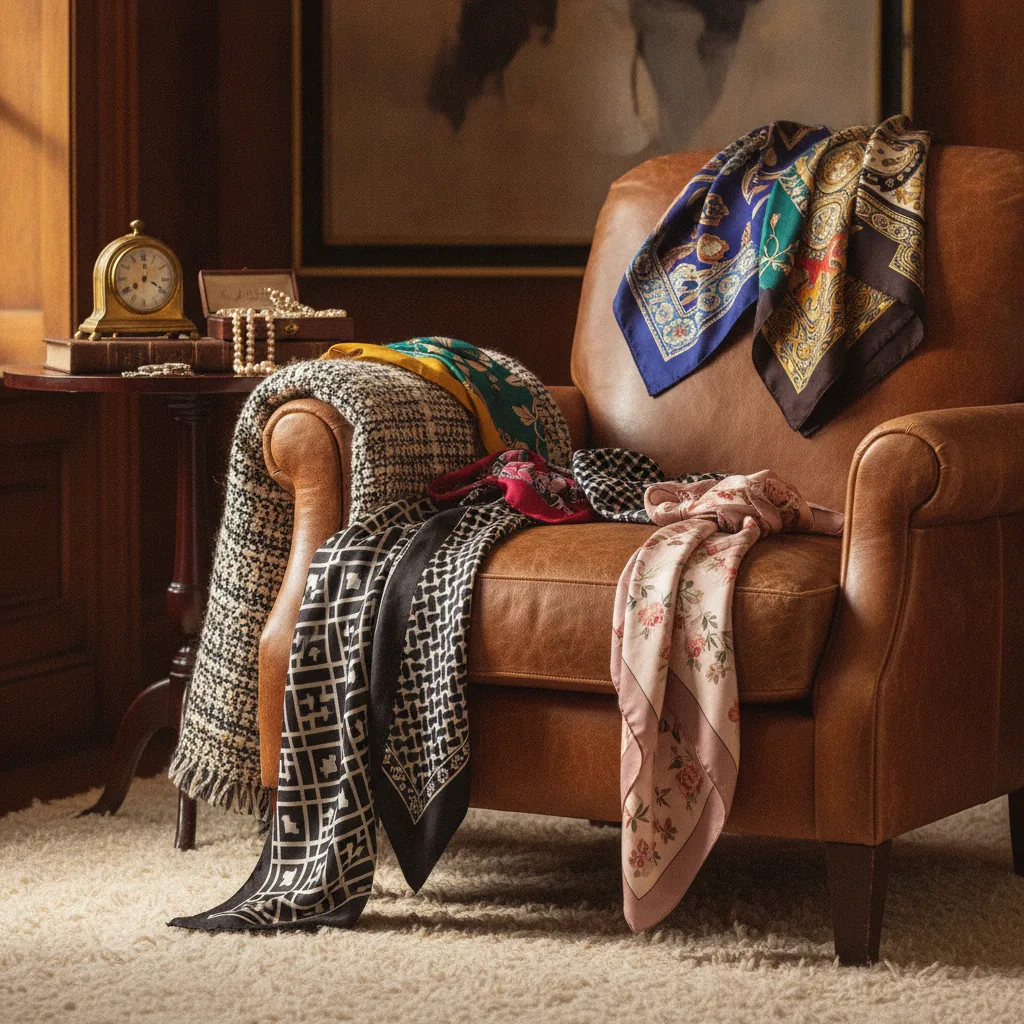
The Case for Silk
A silk scarf is the cheapest way into a serious label. The prints are small paintings, the hand-rolled edges are proper craft, and a good one costs less than a mediocre dinner. It is also the one accessory that works in every season. In New York, where the weather swings from icy gusts to sticky subway platforms in the same week, a scarf is the only constant. And We don't have time for a slow burn. We see it, we try it, we buy it. A scarf, though, rewards a little patience. It's a small object with a big history, and the right one can transform a plain coat or a tired handbag in seconds.
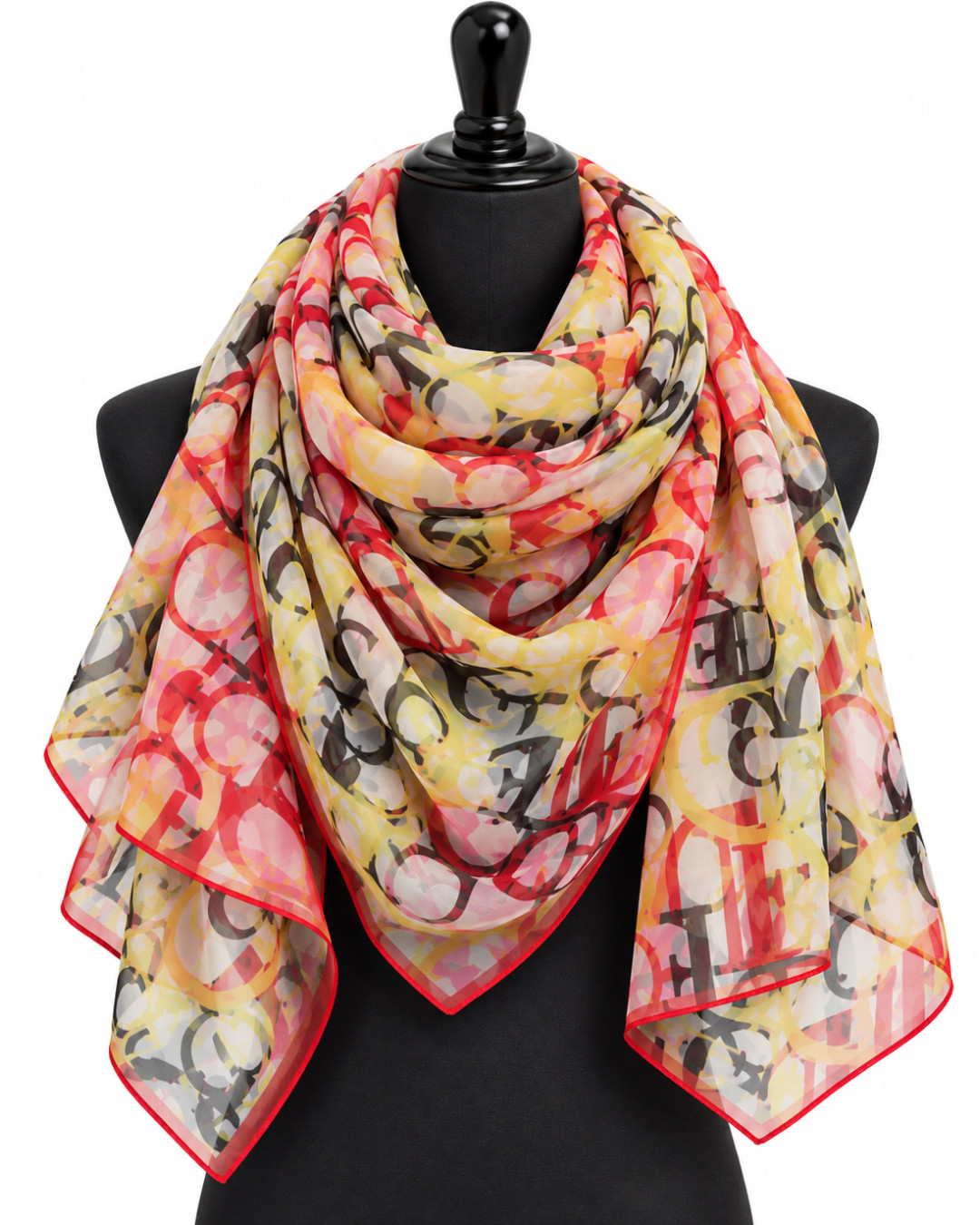
The appeal isn't just aesthetic. It's practical. A silk scarf takes up almost no space, can be stuffed in a pocket, and survives decades if treated well. It's a gateway into the world of vintage luxury: the craftsmanship, the stories, the labels that once defined an era. And in a city where rent eats half your paycheck, a $40 scarf from a bygone designer feels like a victory.
How to Wear It
Knot it at the neck, loose, over a crew neck or an open shirt. Nothing fussy. The French tuck of accessories: a simple knot at the collarbone, ends trailing. It works with a blazer, a denim jacket, even a trench. Don't overthink it. If you're in a rush, tie it around your ponytail or wrist. But the classic neck knot is timeless.
Tie one to a bag handle. It dresses up a plain tote instantly. I have a black leather tote that I've owned for years. A silk scarf in a bold geometric print transforms it into something I'd have paid triple for. It's a way to make your accessories feel new without buying new.
Use it as a belt through denim loops, or fold it into a headscarf for wind and sun. In the summer, a knot at the nape of the neck keeps hair off your face and adds a retro touch. In winter, it's a chic alternative to a beanie. I've also used a scarf as a neck warmer on a freezing day. Just wrap it twice and tuck the ends. It's versatile, and that's the point.
Where to Find Yours in New York
- L Train Vintage (204 Bedford Avenue, Brooklyn): volume shopping, low prices, be thorough. You'll find bins of scarves, mostly from the 80s and 90s, some from the 70s. Prices start around $20. I once found a Yves Saint Laurent scarf there for $15, though it had a small stain. I took it to a dry cleaner, and it came out perfect. Don't be afraid of a little imperfection. It's part of the story.
- What Goes Around Comes Around (351 West Broadway): the grail room. This is where stylists and collectors go for pristine pieces. Prices start around $45, but you'll pay for condition and provenance. They have a curated selection of vintage Hermès, Gucci, and Pucci. If you're looking for a specific design, this is the place.
- Beacon's Closet (74 Guernsey Street, Brooklyn): resale done properly. Good turnover, fair prices. I've seen Hermès scarves here for $60, but they go fast. They have a policy of buying and selling on commission, so the stock changes daily. Go on a Tuesday or Wednesday morning, right after they process the weekend donations.
- Chelsea Flea Market (West 25th Street): weekends, bring cash and haggle politely. This is the wild card. Dealers from all over the East Coast set up tables with boxes of scarves. You'll find everything from vintage silk squares to polyester fakes. Prices start around $90, but you can negotiate. A polite "Would you take $70?" often works, especially if you're buying two or three. I've bought a 1960s Pucci for $80 and a vintage Dior for $50. The thrill of the hunt is real.
Go on a weekday morning if you can. The rails are fullest before the weekend crowd arrives, and staff have time to show you what came in overnight. On weekends, especially at the flea market, you're competing with tourists and resellers. Weekday mornings are quieter, and you can take your time.
What to Look For
Hand-rolled edges are the tell. Run a finger along the hem and feel for a small rolled ridge rather than a flat machine stitch. This is a sign of quality. The edges are rolled and sewn by hand, a labor-intensive process that was standard for luxury scarves until the 1980s. Machine-stitched edges are fine for a $5 scarf, but if you're paying more than $50, you want hand-rolling.
Check the signature in the print corner. Designers like Hermès, Pucci, and Gucci often signed their names in the design, sometimes with a copyright symbol. A signature can increase the value, but more importantly, it authenticates the piece. If you see a signature that's misspelled or blurry, it might be fake. That said, some vintage scarves were made for department stores or as promotional items, and they don't have signatures. That's fine. The quality of the silk and the print matter more.
Hold the silk to the light. A fine, even weave with saturated colour on both sides means it was printed properly. Silk should feel smooth and slightly cool to the touch, not stiff or plasticky. If the color is only on one side, it's likely a cheaper print. True silk prints are saturated through the fabric. Also, check for pulling or snags. A small pull can be repaired, but a tear might not be worth it.
One last thing: try it on properly, walk around in it, and sit down. A silk scarf that only works standing still is not going to survive your actual life. I once bought a scarf that looked beautiful in the mirror, but after an hour of wear, it kept slipping. I had to re-tie it constantly. That's a deal-breaker. The right scarf stays put, drapes well, and doesn't feel like it's choking you.
The History in Your Hands
A silk scarf is a piece of history you can wear. In the 1950s, women wore them to church and to lunch at Bergdorf's. In the 1960s, Pucci's bold psychedelic prints echoed the times. In the 1970s, a Hermès scarf was a status symbol, a gift from a lover or a reward for a promotion. When you buy vintage, you're not just buying a piece of fabric. You're buying a slice of that story.
I remember once finding a scarf at L Train that had a small label inside reading "Made in Italy for Saks Fifth Avenue, 1968." It was a geometric pattern in mustard and brown, very of its era. I wore it to a birthday dinner, and a woman at the next table asked if it was vintage. We got to talking, and she told me she had a similar one from her mother. We ended up trading tips on care and cleaning. That's the thing about scarves. They connect people. They're small, but they carry memories.
Care and Keeping
Once you've found your scarf, treat it well. Silk is delicate, but it's also durable if you handle it right. Dry cleaning is safe, but you can also hand wash with a gentle detergent and cold water. Don't wring it. Roll it in a towel to absorb excess water, then lay it flat to dry. Press on low heat with a cloth between the iron and the silk. Store it flat, not folded, to prevent creases. If you're short on space, roll it and store in a drawer. Avoid hanging. It can stretch the fabric.
If you're using it as a bag accessory, be prepared for it to get dirty. That's okay. A scarf is meant to be used, not just admired. I have one that I've tied to my tote for three years, and it's faded a bit, but it still looks great. That's the beauty of silk. It ages gracefully.
The Bottom Line
In New York, fashion is a language. A silk scarf is a fluent sentence. It says you know your labels, you appreciate craftsmanship, and you're not afraid to spend a little but not too much. It's the smartest accessory in your wardrobe. So next time you're walking down Bedford Avenue or West Broadway, pop into a vintage shop and take a look. You might find your new favorite thing for less than your lunch. And that's the kind of deal New Yorkers love.
Get the look
Get the look
The pieces that make this story wearable, live from the market.
zijde-sjaals
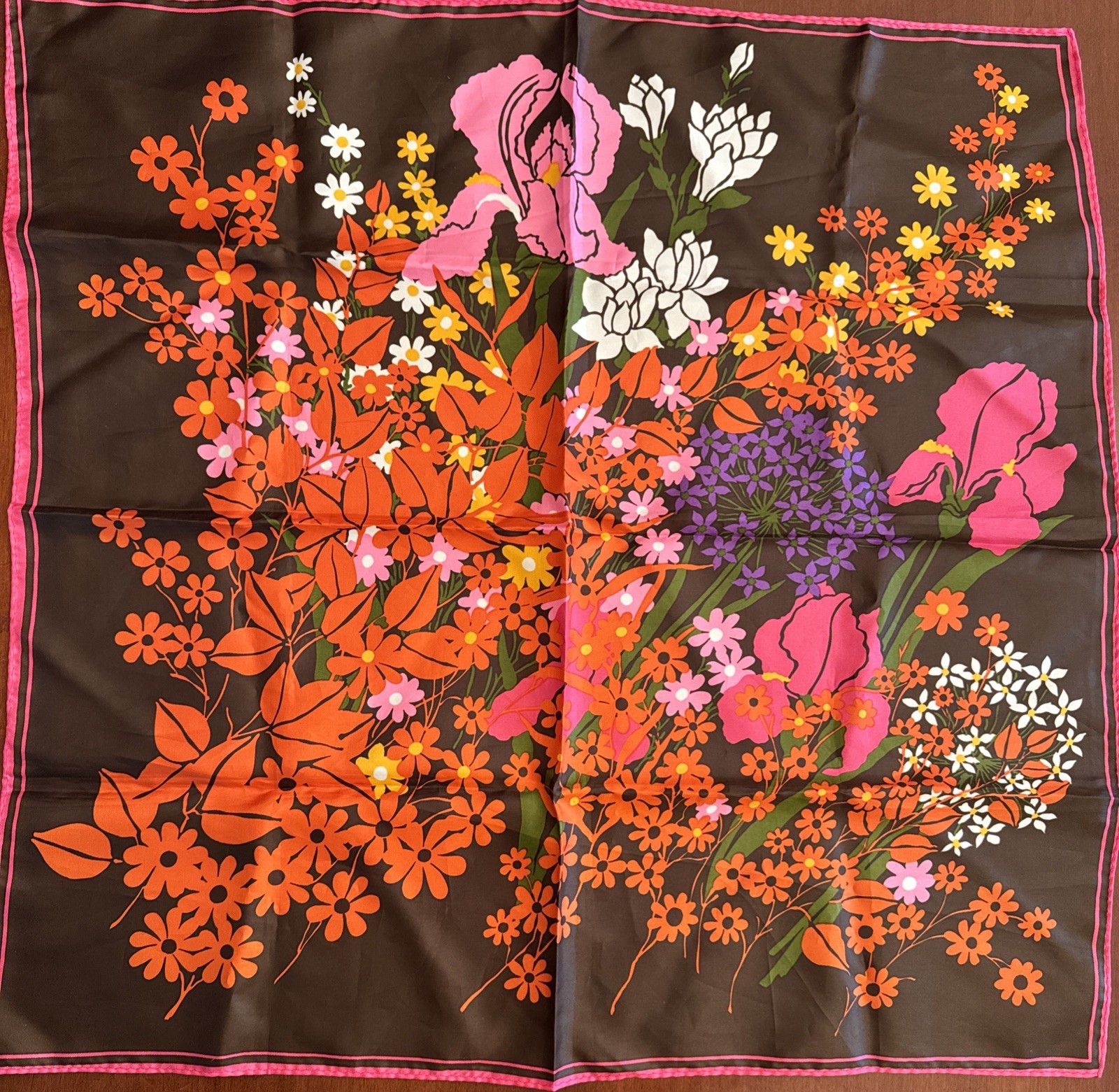
Vtg Silk Twill Scarf Fall Colors Brown Orange Gold Floral 22x22” Hand Rolled 105
zijde-sjaals
Christian Dior Silk Scarf Stole Shawl DD Trotter for women made in Italy Vintage
zijde-sjaals
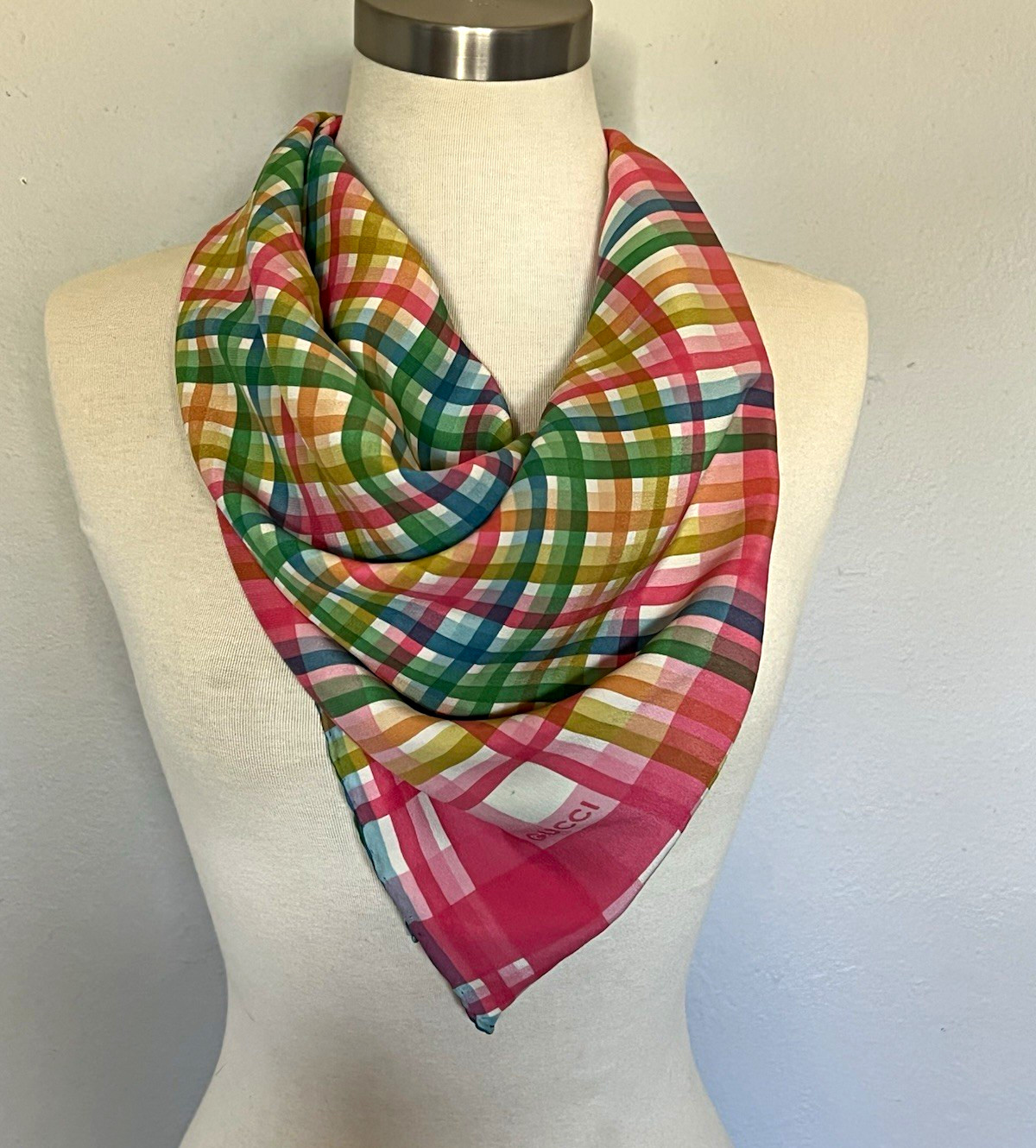
Vintage Gucci Women’s Multicolor Plaid 100% Silk Satin Square Scarf 32”x32”
zijde-sjaals
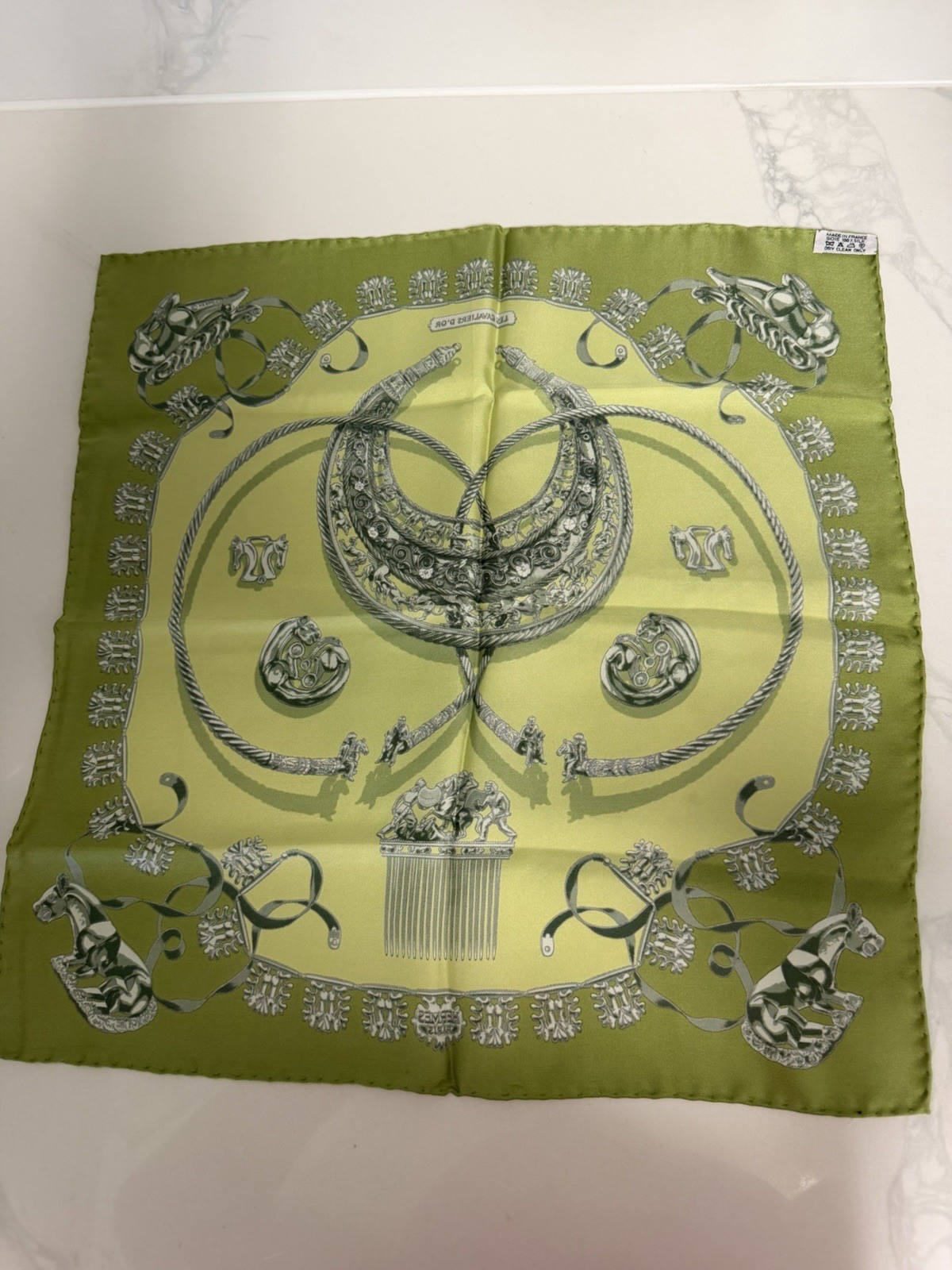
HERMES Les Cavaliers d’Or Carre 90 Silk Scarf Green Vintage Made in France
zijde-sjaals
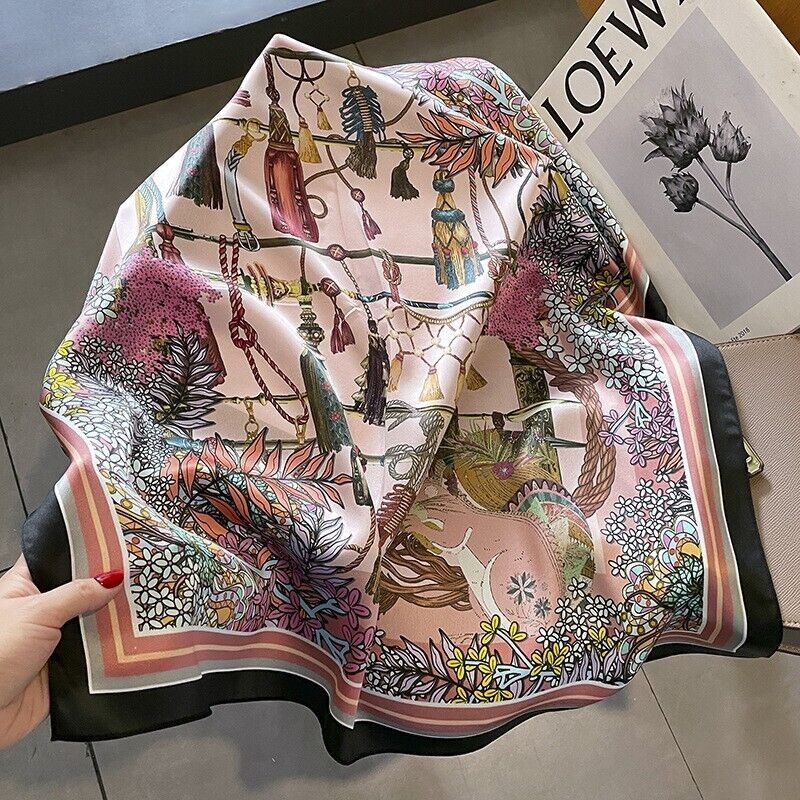
100% Silk Square Scarf Women Vintage Pink Black Kerchief Headscarf Wrap 68*68cm
zijde-sjaals
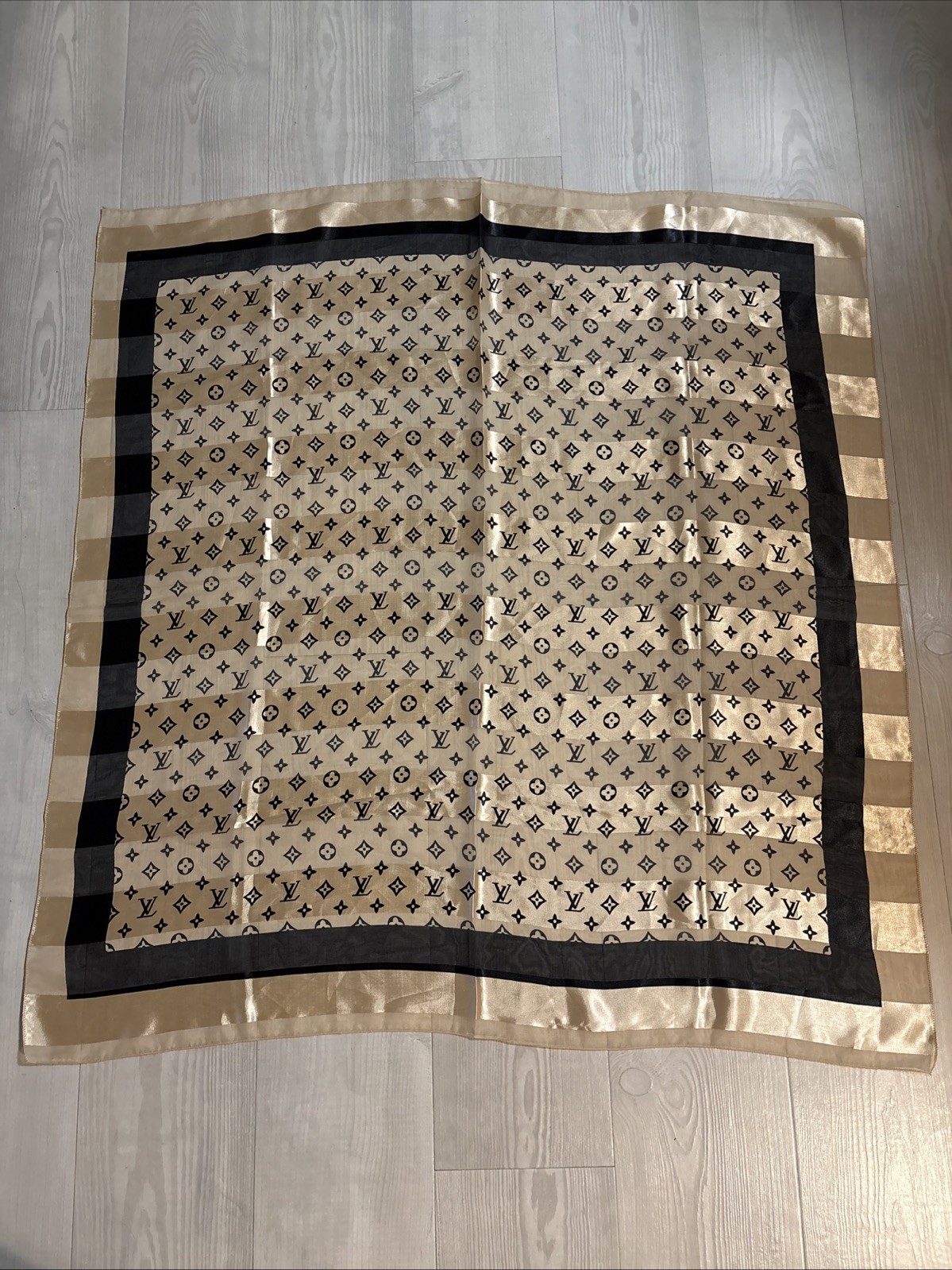
Louis Vuitton Monogram Silk Scarf 38”x 40.5” Thick Stripe Sheer LARGE Wrap VTG
zijde-sjaals
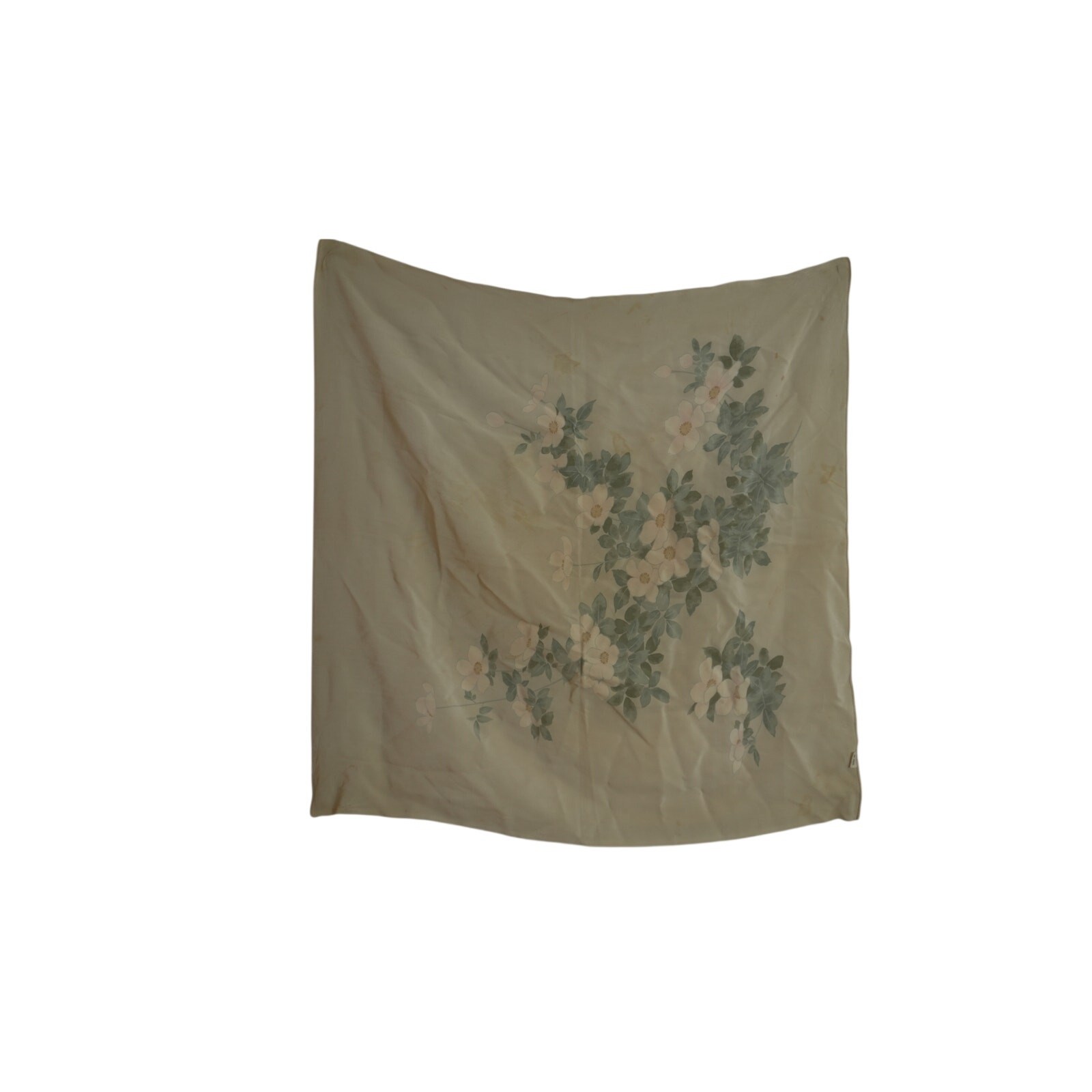
Vintage Cream Silk Scarf Pink Rose Floral Botanical Square Head Scarf 28x28
The names
The designers behind the look
The minds behind this story — each with a piece currently on the market.
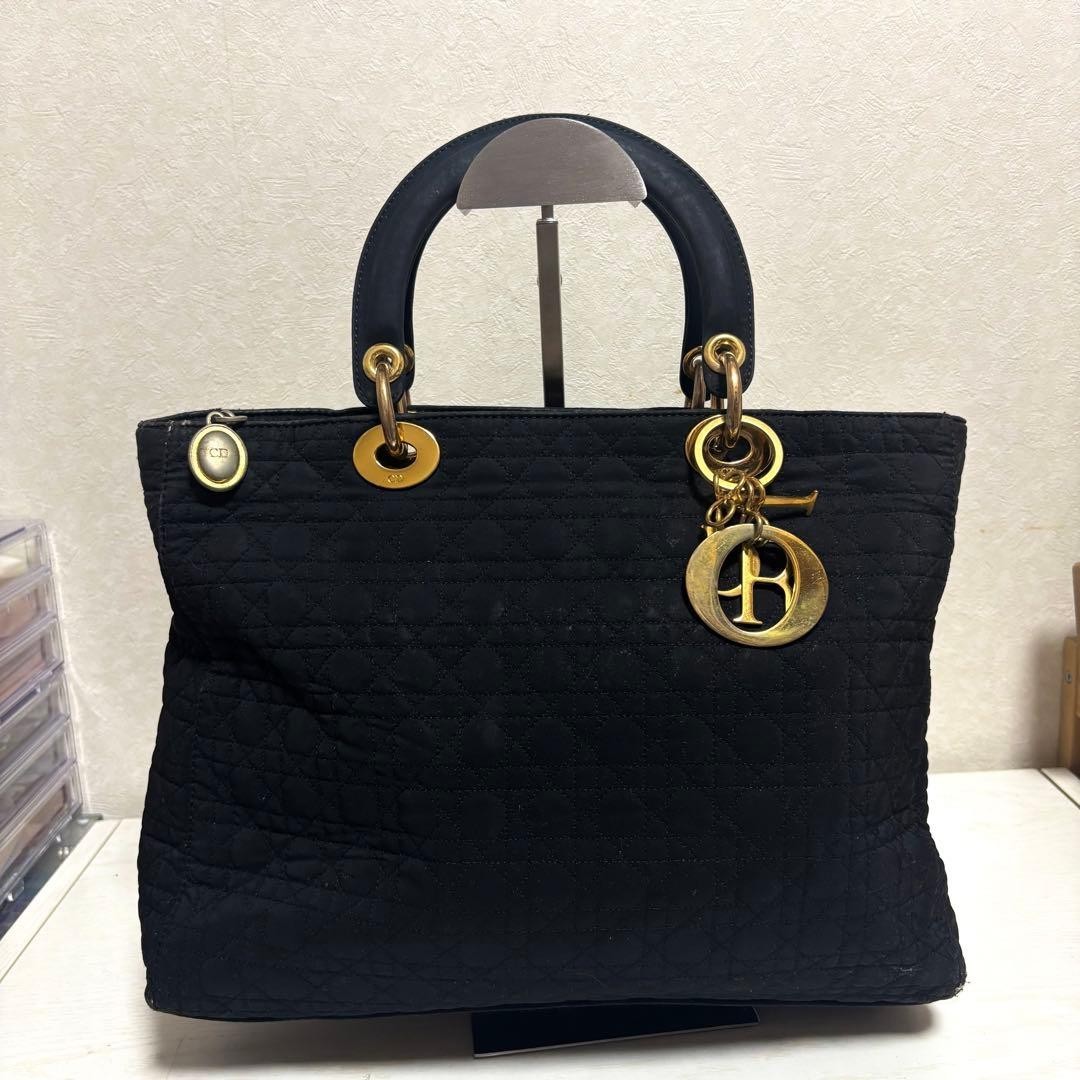
Dior
France · 1940s
The New Look & the Lady Dior
The New Look & the Lady Dior
Top piece
View →
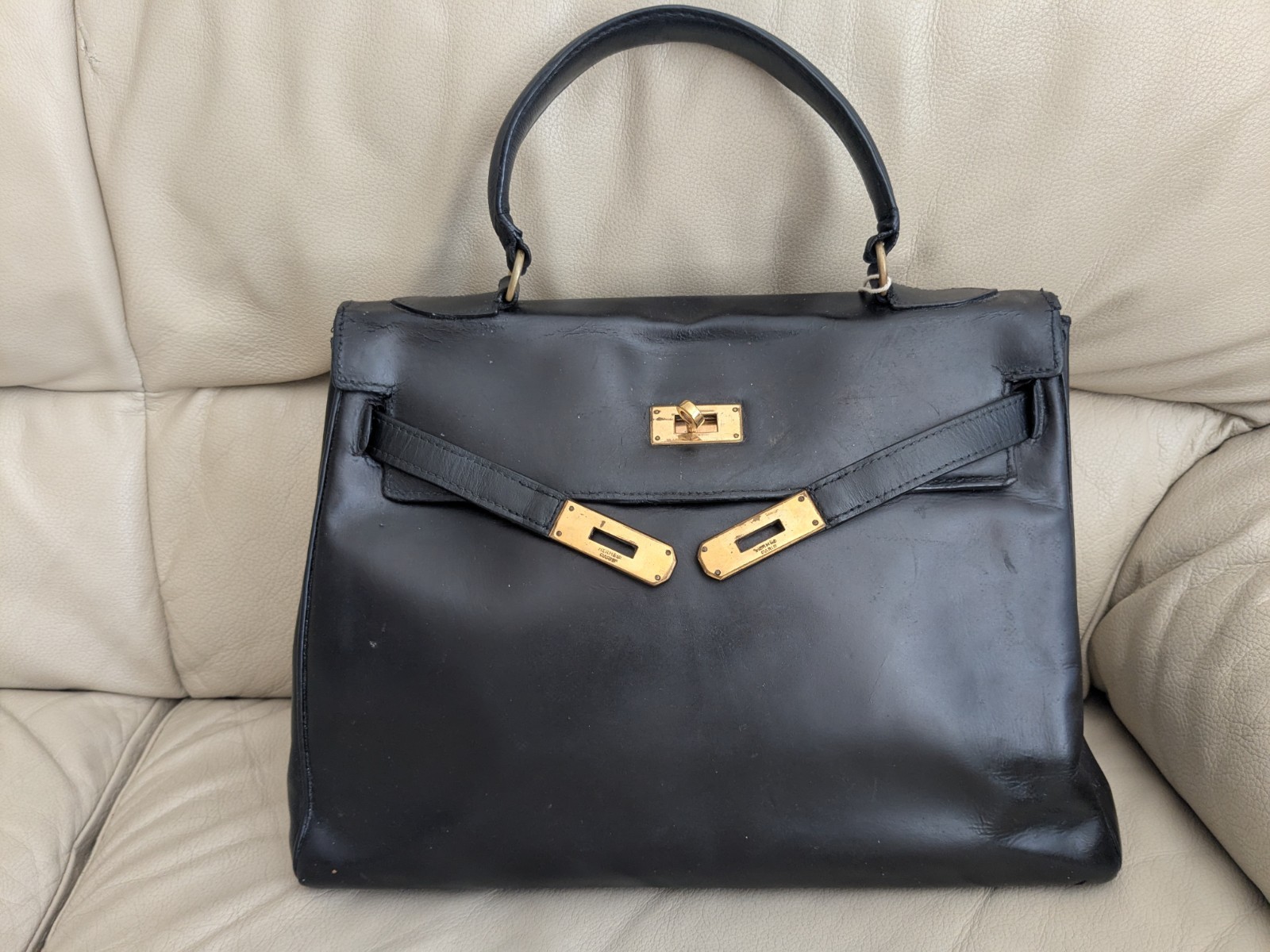
Hermès
France · 1830s
The Birkin, the Kelly & the silk carré
The Birkin, the Kelly & the silk carré
Top piece
View →
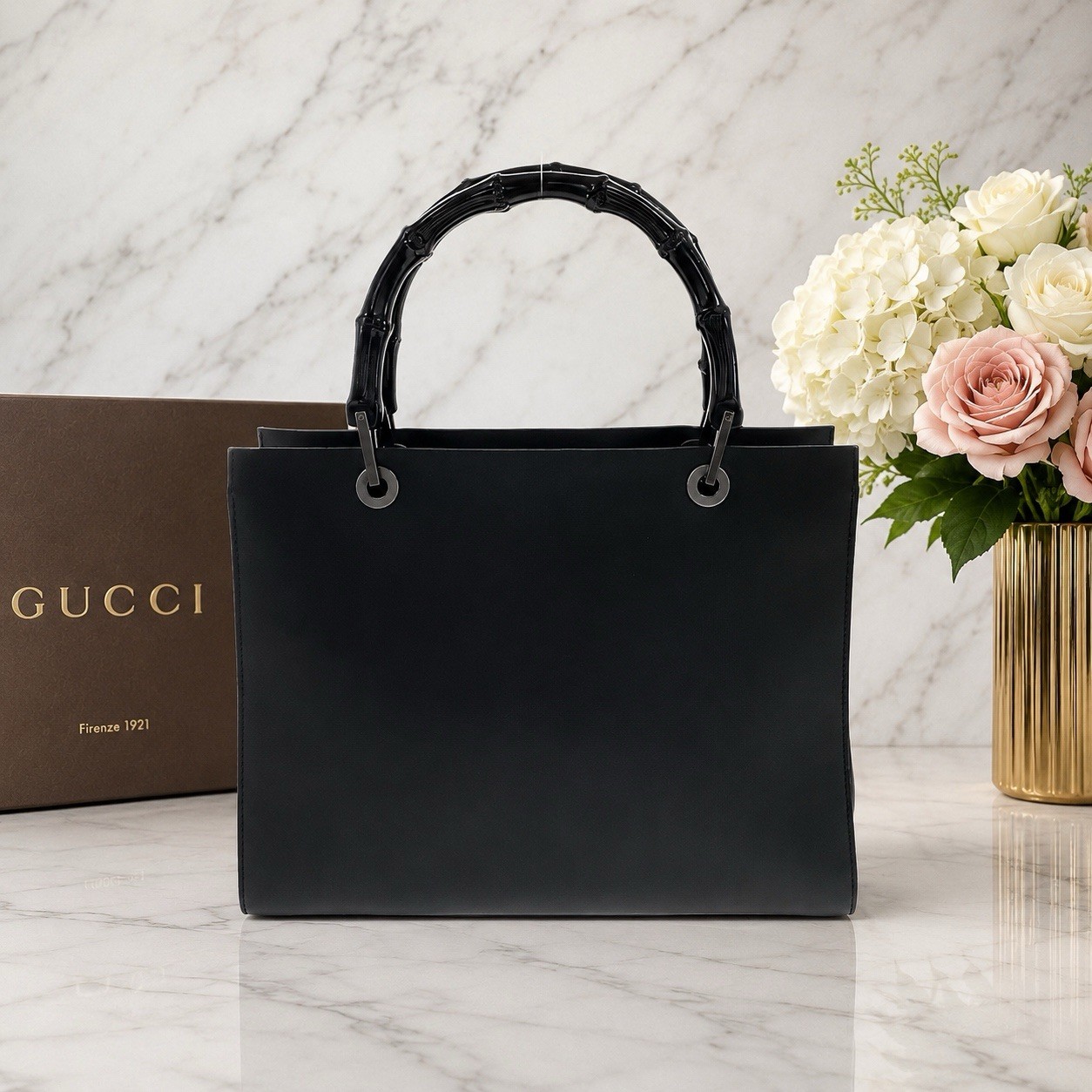
Gucci
Italy · 1920s
The bamboo handle & the double-G
The bamboo handle & the double-G
Top piece
View →
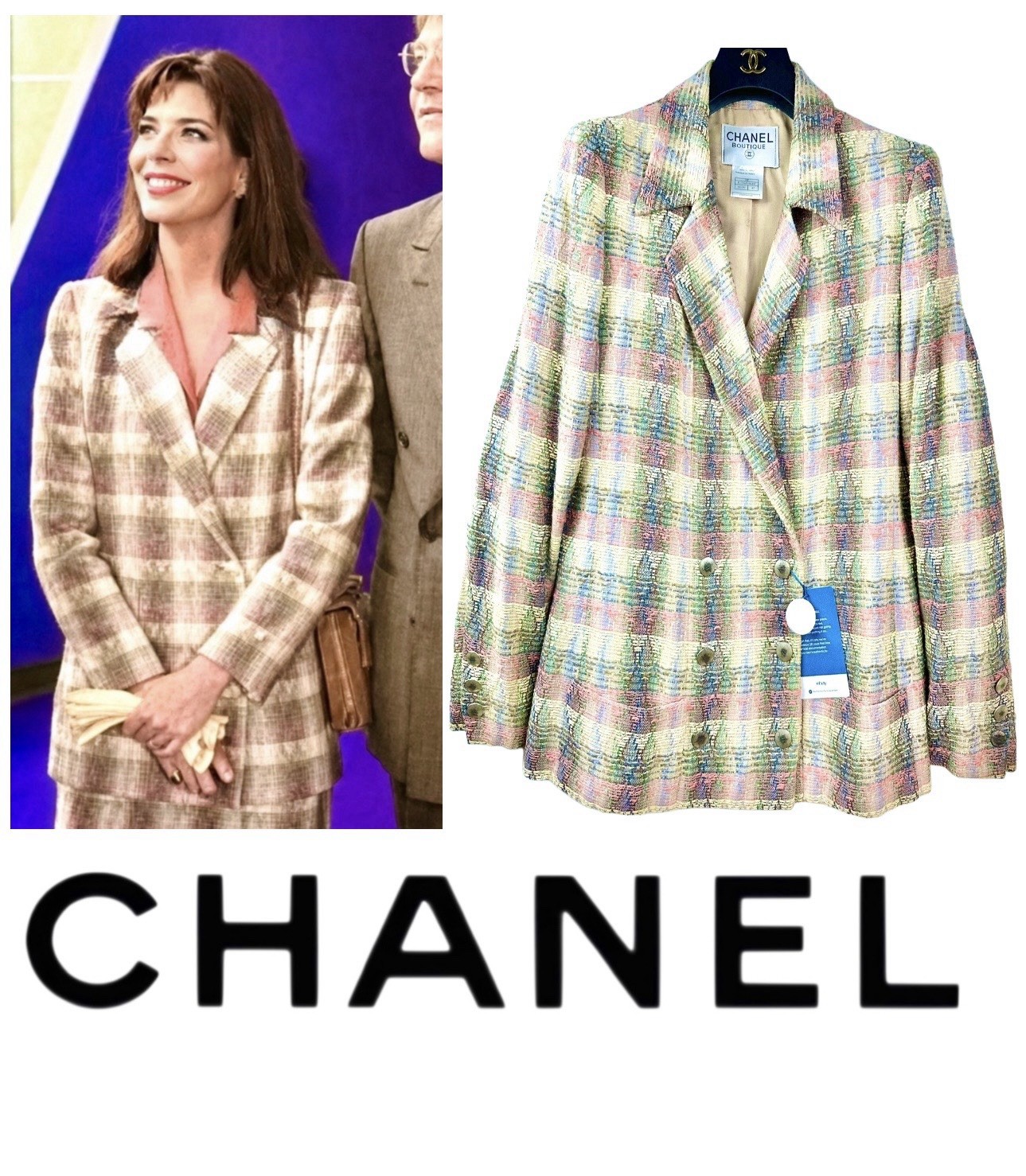
Chanel
France · 1910s
The little black dress & the 2.55
The little black dress & the 2.55
Top piece
View →
Continue the edit
Further stories from the same world
Three more walks through the same vintage universe.

The Weight of a Band Tee
A vintage band tee isn't a souvenir. It's a relic of a specific summer, a specific tour, a specific decade. Here's how to wear one with the respect it deserves, and how to spot a genuine artifact from the fakes.
Read the story →
Where to Find Authenticated Bags in New York
The small shoulder bag is back, and the originals are still out there. A nylon bag from 1999 or a mini baguette from the same year carries a specific kind of confidence: it was designed to be carried, not photographed.
Read →
Styling a Patinated Dial in New York
A vintage watch is the one accessory that never shouts. A patinated dial, a slightly yellowed lume, a bracelet that has softened to the wrist.
Read →