
 Sign in
✦ Culture · Paris
How to Buy Vintage Furniture in Paris
Mid-century furniture survives because it was made from solid wood by people who expected it to be repaired. A teak sideboard from 1962 will outlive anything flat-packed, and it already has the patina.
 By Louis Trash·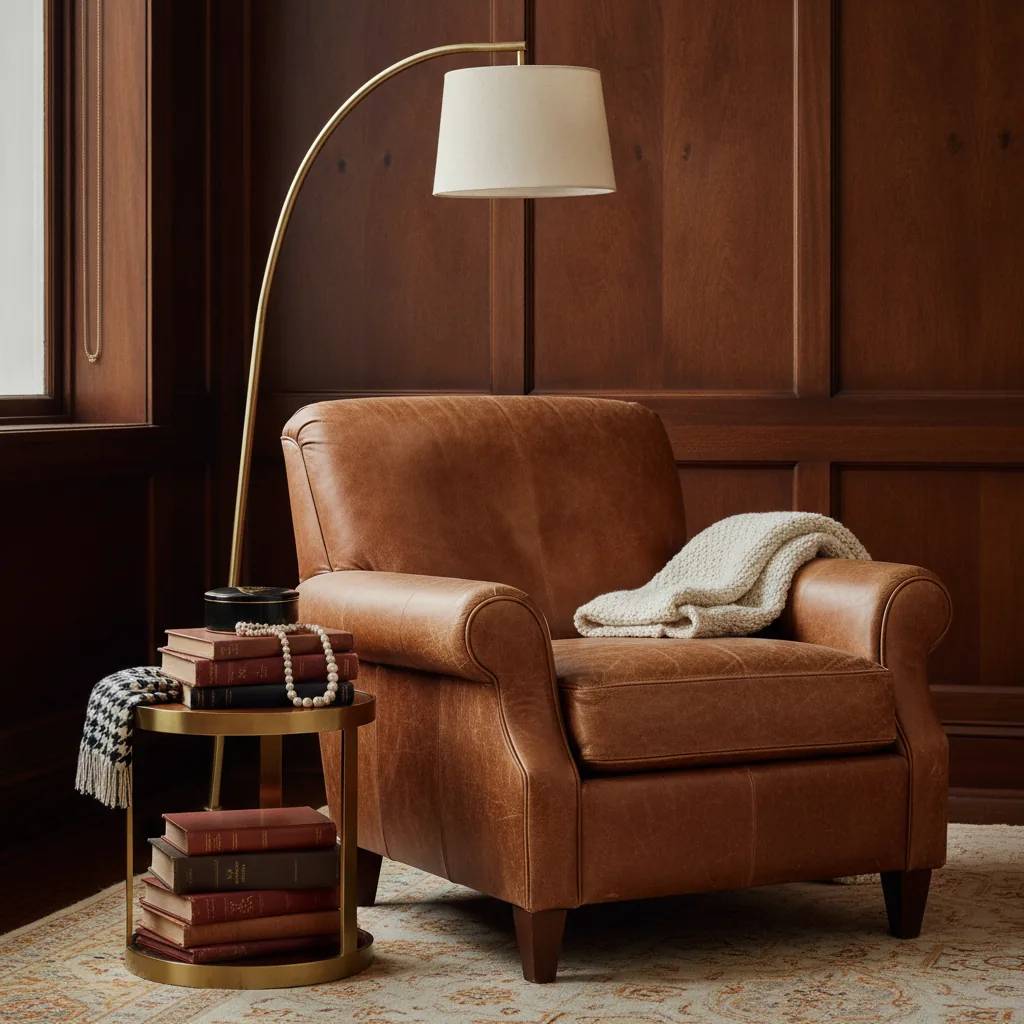
Why Furniture Matter Now
Mid-century furniture survives because it was made from solid wood by people who expected it to be repaired. A teak sideboard from 1962 will outlive anything flat-packed, and it already has the patina. The grain has darkened to honey, the handles have worn smooth from decades of pulls. That is not wear; that is memory. And memory is exactly what a room needs when everything else is new.

Foto: Mariano Di Luch · Pexels
That is the whole trick. The French have known this since the salons of the 18th century, when a single commode by Riesener dominated a room. Today, an apartment in the Marais or the 7th arrondissement does not need a full Louis XV suite. It needs one thing that stops your eye, and the rest fades to background.
I have walked into a friend's flat in the 11th where the only vintage piece was a 1950s Jacques Adnet leather-and-chrome armchair. The sofa was IKEA, the rug was a faded kilim from a market in Istanbul. But that chair, with its cracked cognac leather and patinated brass, made the entire room feel curated. That is the power of one good piece.
How to Wear It
One strong vintage piece in a plain room does more than a whole matching set. A Danish rosewood desk against a white wall, a single Art Deco mirror above a modern console. The contrast is what gives it life. When everything is vintage, the eye gets tired; when one piece stands alone, it becomes a conversation.
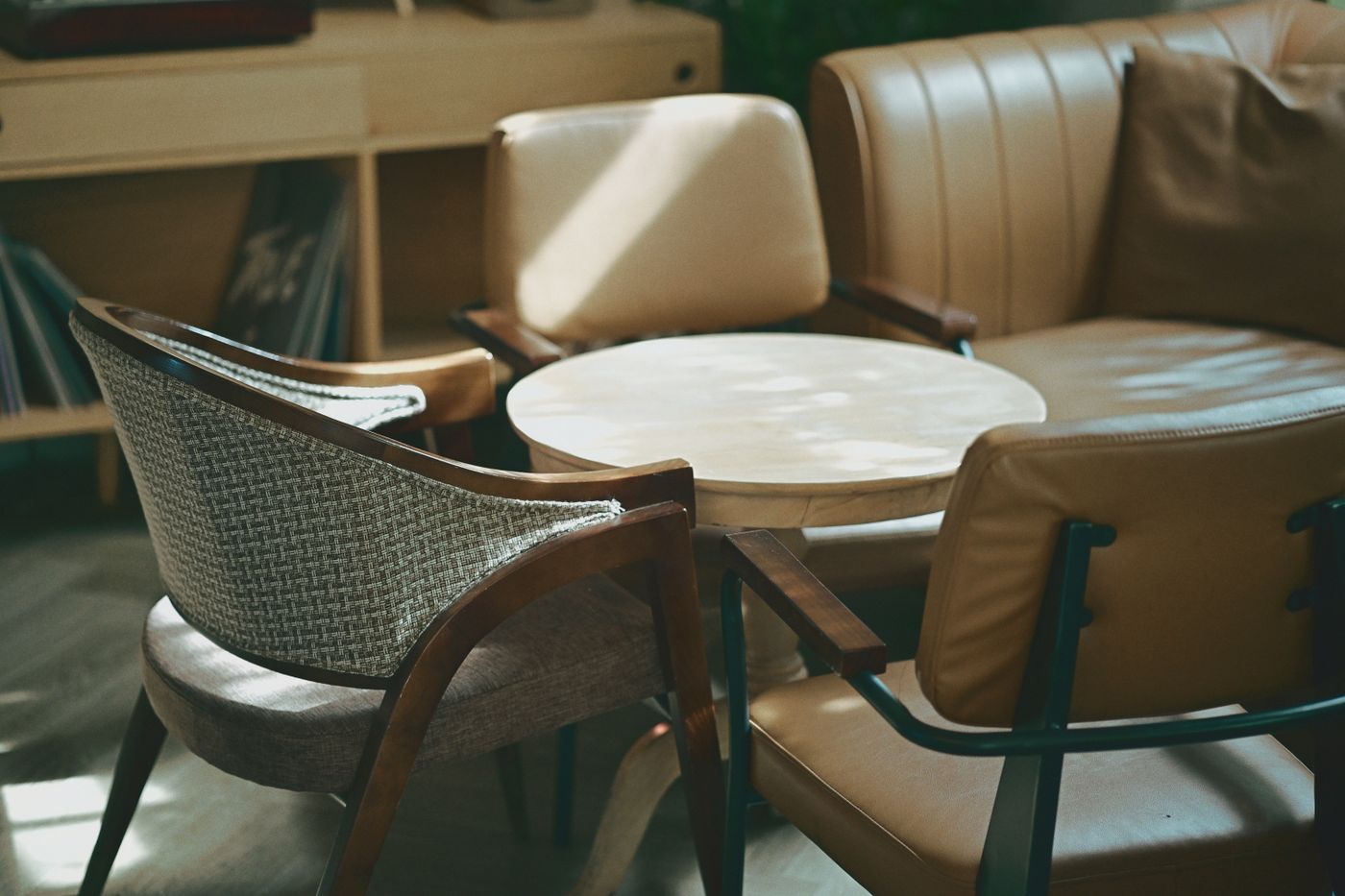
Foto: Việt Anh Nguyễn · Pexels
Mix eras deliberately. A sculptural old chair against a simple modern table. A 1970s Italian travertine dining table with a set of new oak chairs works because the materials talk to each other. Do not try to match periods. The best interiors are those where each piece has its own story, and the stories do not have to agree.
Do not over-restore. A soft oil finish beats a fresh coat of lacquer every time. The French have a phrase, "patine du temps," the patina of time. They respect it. They do not sand it away. If a surface has scratches or water rings, that is history. Oil it, let it breathe, and live with it. If you must repair, do it invisibly: glue a loose joint, tighten a screw, but leave the finish alone.
Where to Find Yours in Paris
- Kilo Shop Marais (69 Rue de la Verrerie) — priced by weight, dig properly and you win, from around 20 euros. This is the thrift store that started the weight-selling trend. You pay per kilo, so a heavy solid-wood chair costs more than a flimsy one, but you can still find bargains if you look. The stock changes daily, and the staff are too busy to curate. Go early, on a Tuesday, when the new lots arrive.
- Free'P'Star (8 Rue Sainte-Croix de la Bretonnerie) — the basement bins reward patience, from around 45 euros. This is the place for smaller pieces: a brass lamp, a set of ceramic vases, a stack of vintage linens. The basement is chaotic, everything piled in bins, but that is where the treasures hide. You have to be willing to dig.
- Thanx God I'm a V.I.P. (12 Rue de Lancry) — sorted by colour, designer rails near the front, from around 60 euros. The name is a joke, but the stock is serious. They sort by colour, which is a gimmick, but it works. You can spot a piece from across the room because the colour pops. Designer pieces are near the front, priced higher, but the back racks have lesser-known names at better prices.
- Marche aux Puces de Saint-Ouen (142 Rue des Rosiers, Saint-Ouen) — weekend only, Vernaison for the rare things, from around 90 euros. This is the granddaddy of flea markets, 7 hectares of stalls. Vernaison is the original section, dating from 1920, and it is where you find the serious dealers. They know what they have, and they price accordingly. But you can still negotiate, especially late on a Sunday afternoon when they would rather sell than pack up.
Go on a weekday morning if you can. The rails are fullest before the weekend crowd arrives, and staff have time to show you what came in overnight. On weekends, the Marche aux Puces is a zoo. On Tuesday at 10am, it is a conversation between you and a dealer who has not had a customer in an hour.
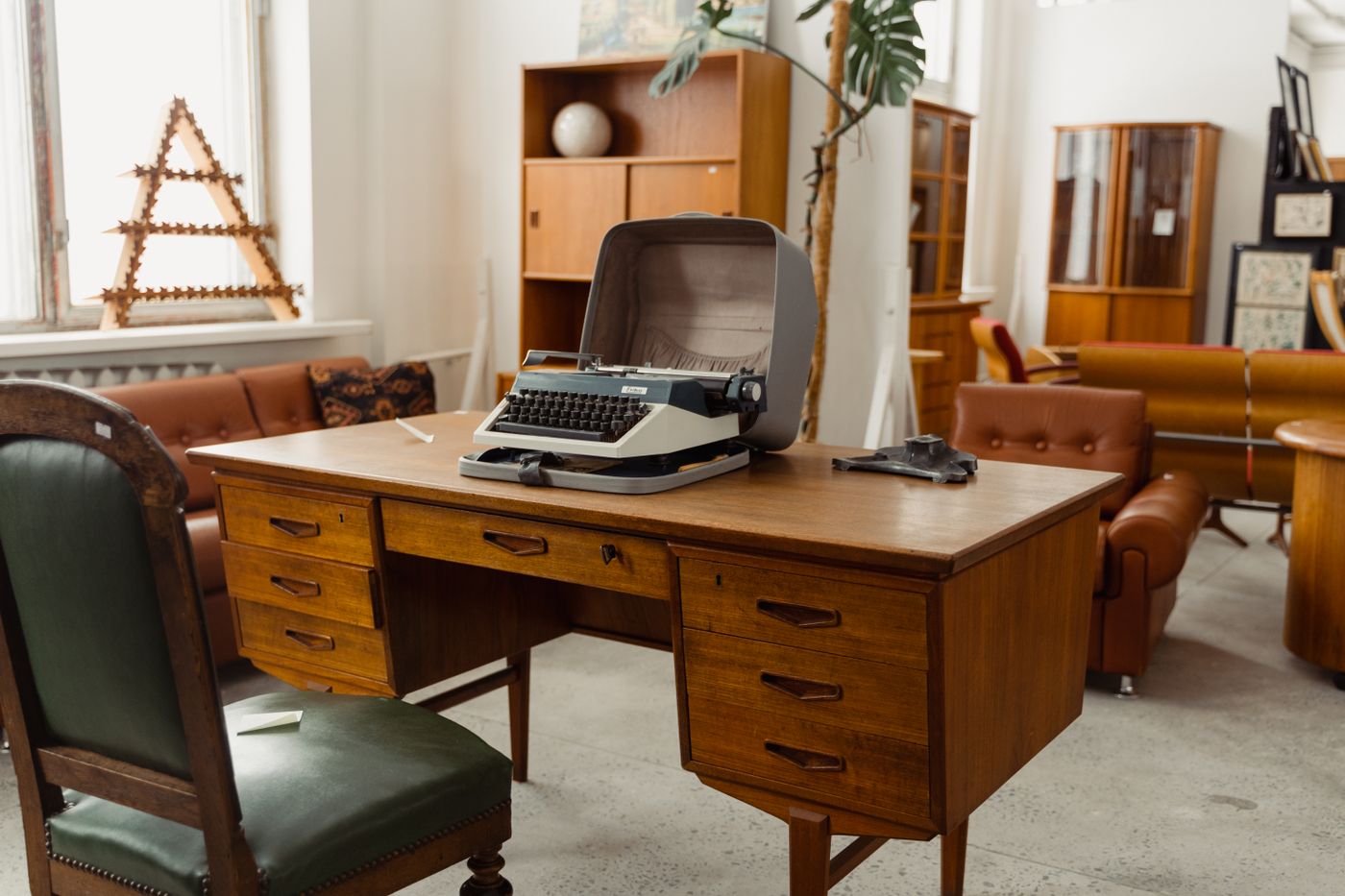
Foto: Tima Miroshnichenko · Pexels
What to Look For
Pull out a drawer and look at the joints: dovetails mean solid construction, staples mean skip it. Dovetails are those interlocking finger-like joints that hold the sides of a drawer together. They have been used since the 18th century because they are strong and beautiful. Staples are a sign of cheap mass production, and they will fail. Also check the drawer bottom: if it is solid wood, good; if it is cardboard, walk away.

Check underneath for a maker's stamp or a Danish Control mark. Danish furniture from the 1950s and 60s often has a stamp from the Danish Furnituremakers' Control, a small circle with a crown and the letters "DFC." That mark means the piece was inspected for quality. French pieces may have a stamp from the manufacturer, like "Ligne Roset" or "Airborne." If you see a name, you can look it up later and confirm the value.
Veneer lifting at the edges is a cheap repair; a warped or split top is not. Veneer is a thin layer of wood glued over a cheaper core. If it is lifting, you can glue it back with wood glue and clamp it. But a warp means the core is compromised, and a split top is structural. That is a job for a professional, and it will cost more than the piece is worth. Unless the piece is exceptional, skip it.
Always sit in a chair before you commit. Old joints announce themselves quickly. A creak or a wobble means the glue is drying out. Sometimes that is a simple fix, but sometimes it means the frame is broken. Sit, lean back, shift your weight. If it feels solid, it probably is.
One last thing: try it on properly, walk around in it, and sit down. A piece of vintage furniture that only works standing still is not going to survive your actual life. You will rest your coffee cup on that table, drop your bag on that chair, lean against that sideboard. It needs to be functional, not just beautiful. And if it is both, you have found a keeper.
City
Paris
Category
vintage furniture
Published
8 August 2026
Where to find it
Shop the signals
What the market is offering right now on this exact subject.
meubels
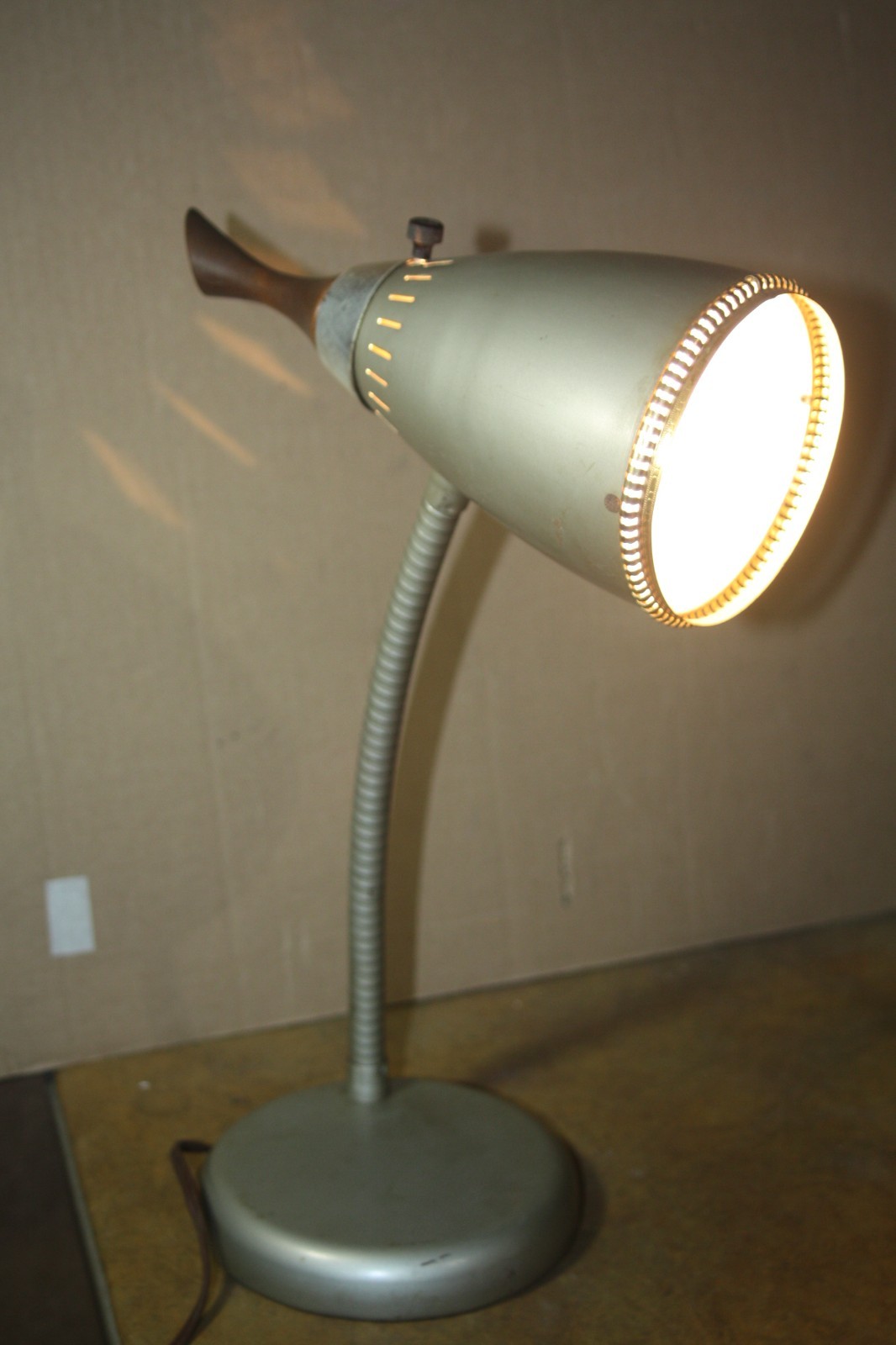
Vintage Mid Century Metal Gooseneck Desk Lamp w/ Brass & Wood Accents - Works
stoelen
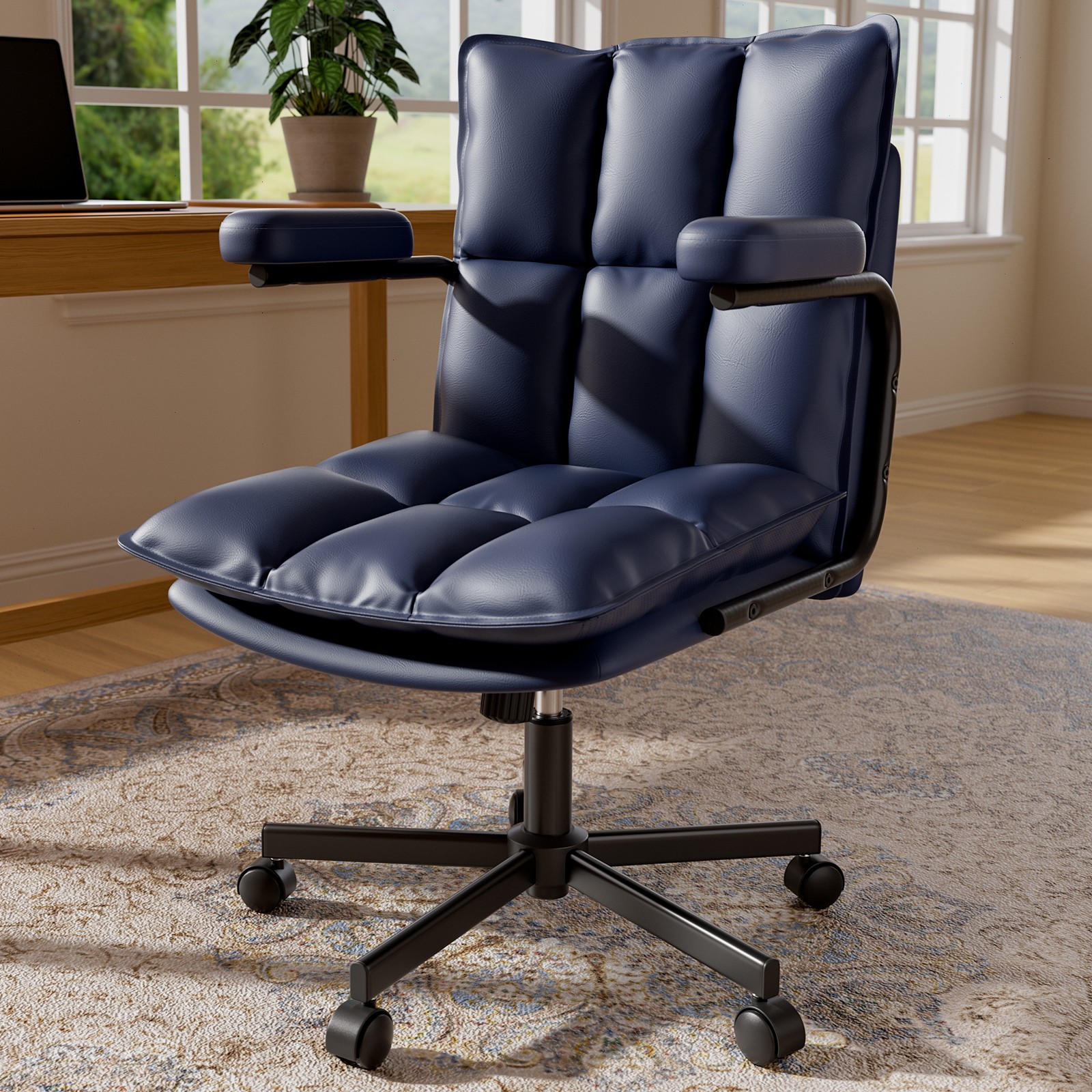
Small Office Chair Mid Century Modern Desk Chair Vintage Leather Computer Chair
stoelen
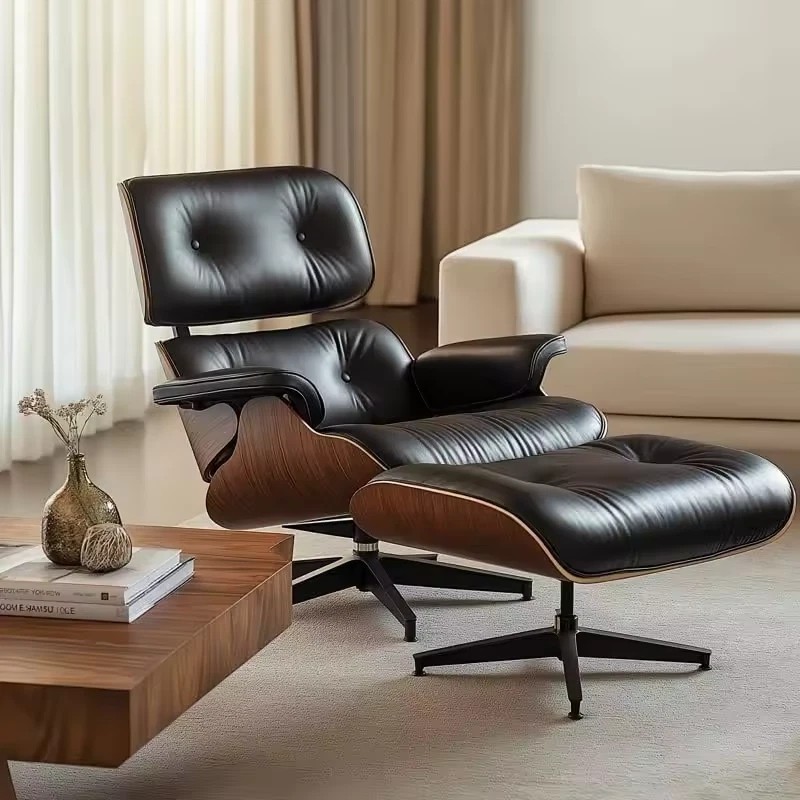
Vintage Pro Tall Eames Lounge Chair With Ottoman Cowhide Leather Armchair Swivel
meubels
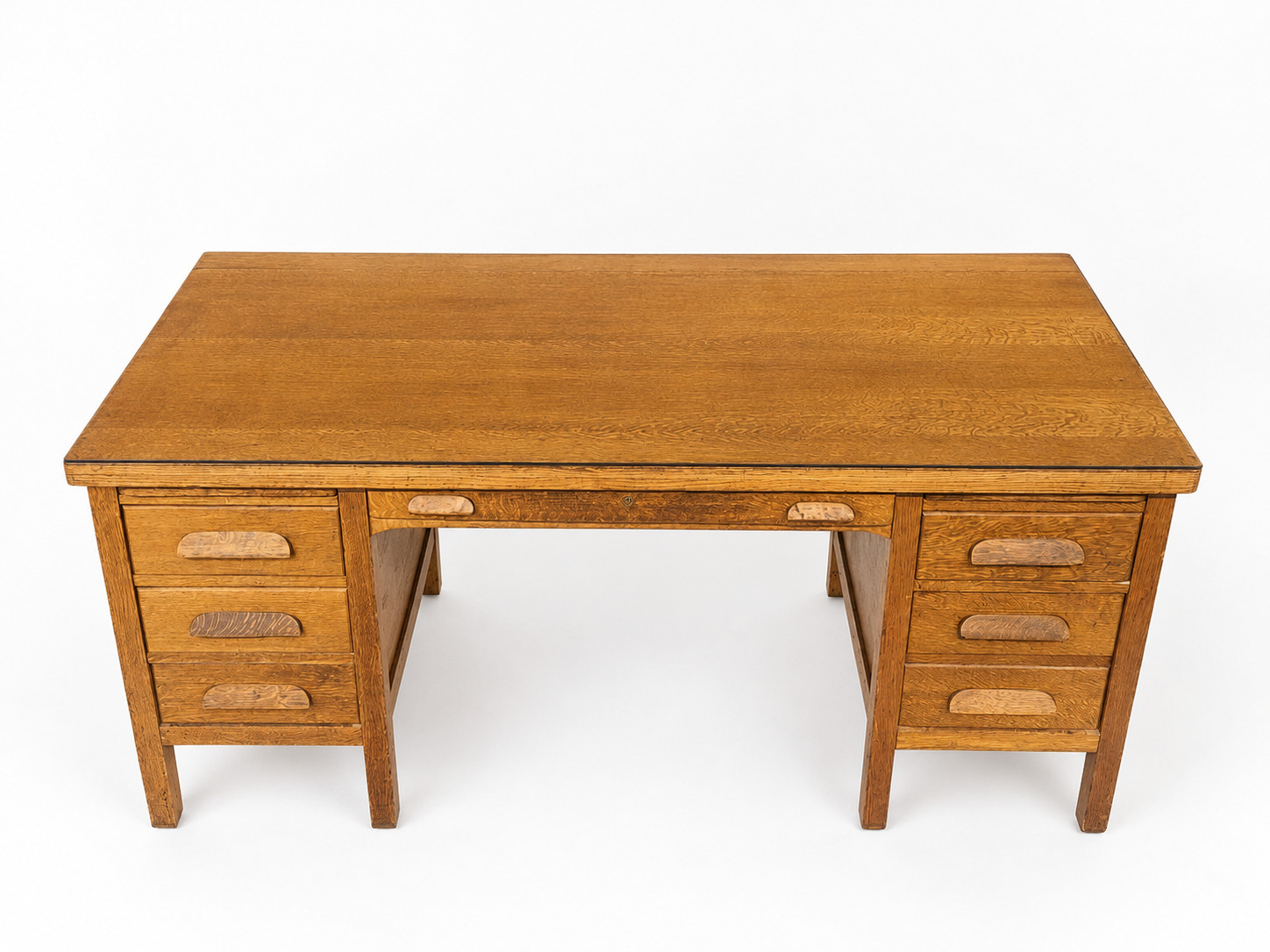
Antique Oak Executive Desk Tiger Oak Wood Pedestal Writing Desk Vintage Office
meubels
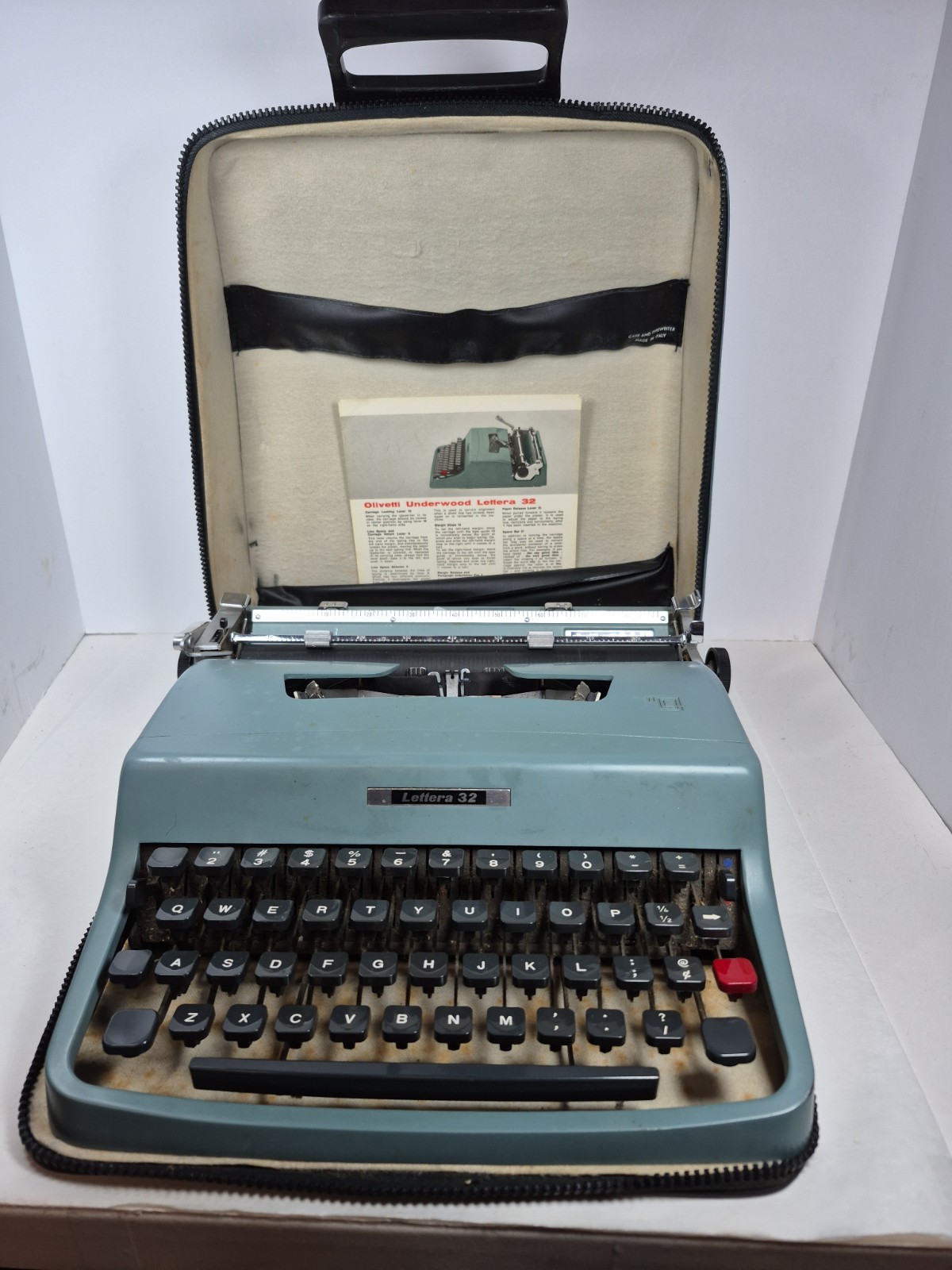
Vintage Olivetti Underwood Lettera 32 Typewriter UNTESTED With Zippered Case
stoelen
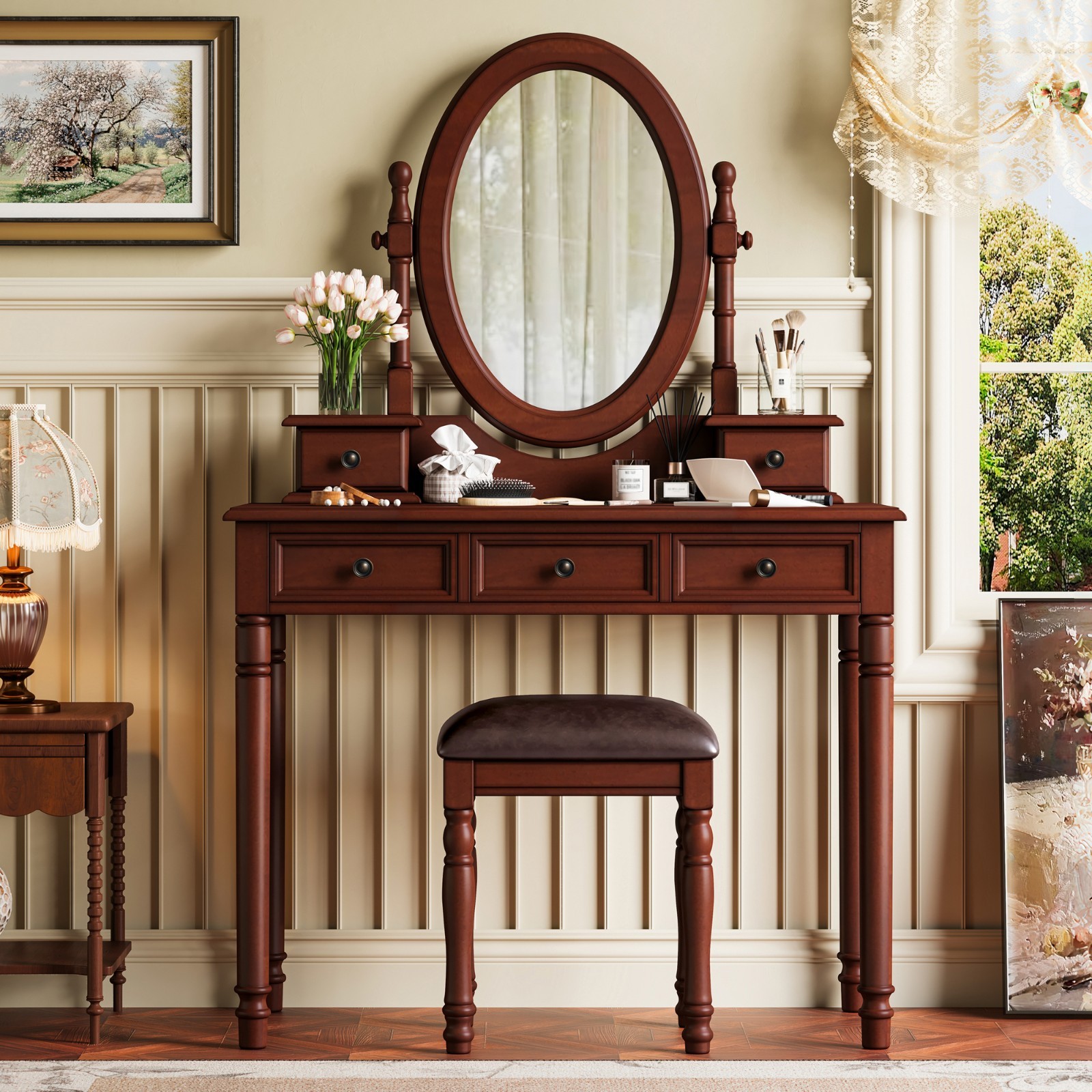
Vanity Desk w/Adjustable Angle Mirror,Vintage Vanity Makeup Table w/Stool Walnut
meubels
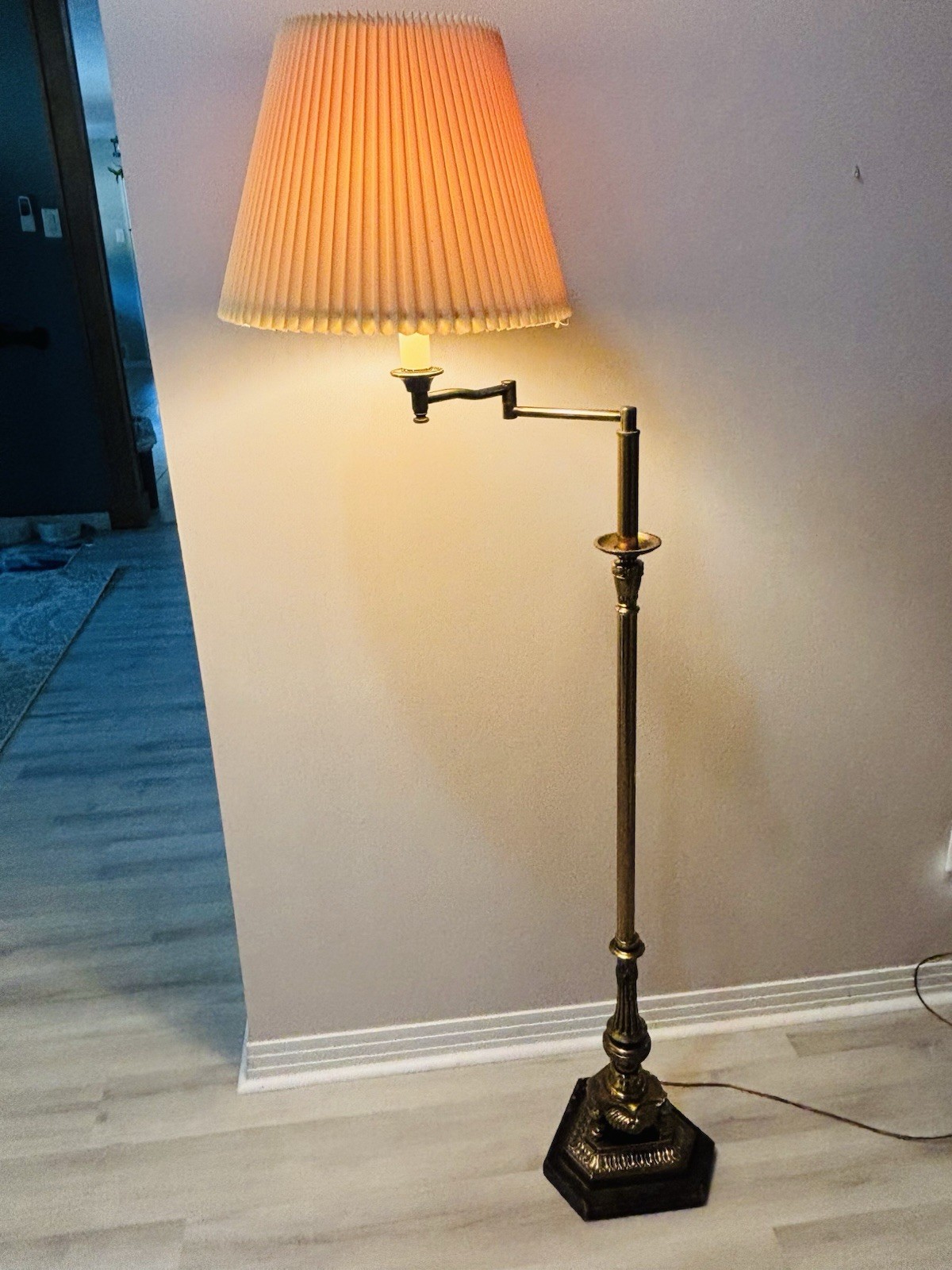
Vintage Brass Floor Lamp Swing Arm Ornate 61” Tall Tested Works

meubels
Lot of 5 GREEN / Shades of Green Old Vintage Antique Rare Hardcover Random Books
The names
Meet the designers
The minds behind this story — each with a piece currently on the market.
Børge Mogensen
Denmark · 1940s
The Spanish chair — honest, functional furniture for everyday life.
The Spanish chair — honest, functional furniture for everyday life.
Top piece
View →
Arne Jacobsen
Denmark · 1950s
The Egg & the Series 7 — chairs turned into quiet sculpture.
The Egg & the Series 7 — chairs turned into quiet sculpture.
Top piece
View →
Hans J. Wegner
Denmark · 1940s
The Wishbone & 500 chairs — joinery so pure it needs no ornament.
The Wishbone & 500 chairs — joinery so pure it needs no ornament.
Top piece
View →
Jean Prouvé
France · 1930s
Structural steel & the Standard chair — an engineer of furniture.
Structural steel & the Standard chair — an engineer of furniture.
Top piece
View →
Continue the edit
Further stories from the same world
Three more walks through the same vintage universe.

How to Find Jeans That Actually Fit in Paris
Vintage denim fits differently because it was cut differently. Higher waists, straight legs, heavier cotton that holds its shape all day.
Read the story →
The Quiet Authority of Vintage Italian Furniture
How to wear Gio Ponti's legacy without looking like a museum piece.
Read →The Gio Ponti Chair You Can Wear
Forget the auction paddles. A 1950s Gio Ponti chair is a silhouette that will sharpen everything you already own. Here's how to live with one, and how to spot a real one.
Read →