
 Sign in
🔥 Fashion · Paris
How to Find Jeans That Actually Fit in Paris
Vintage denim fits differently because it was cut differently. Higher waists, straight legs, heavier cotton that holds its shape all day.
 By Louis Trash·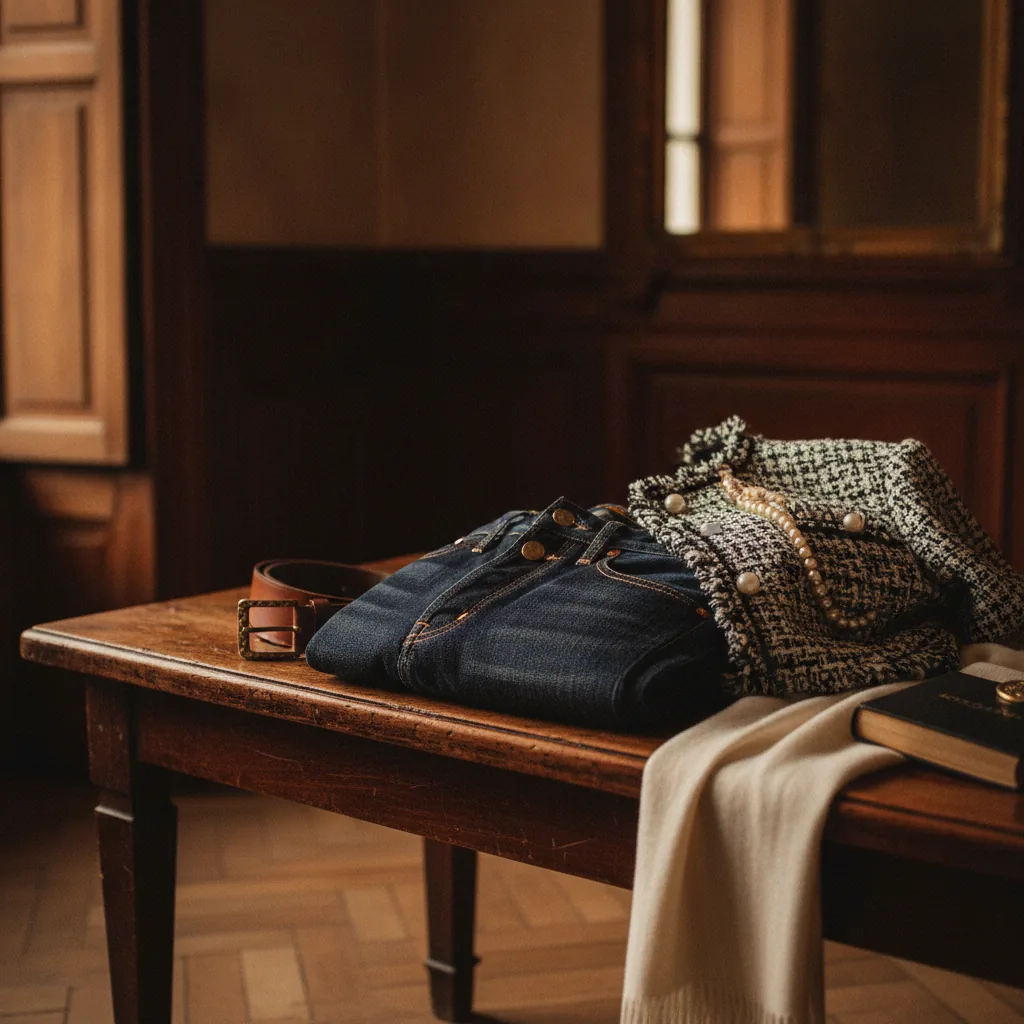
Why Denim Matters Now
Vintage denim fits differently because it was cut differently. Higher waists, straight legs, heavier cotton that holds its shape all day. The fade is real, earned by somebody else's decade of wearing. That is the whole trick.
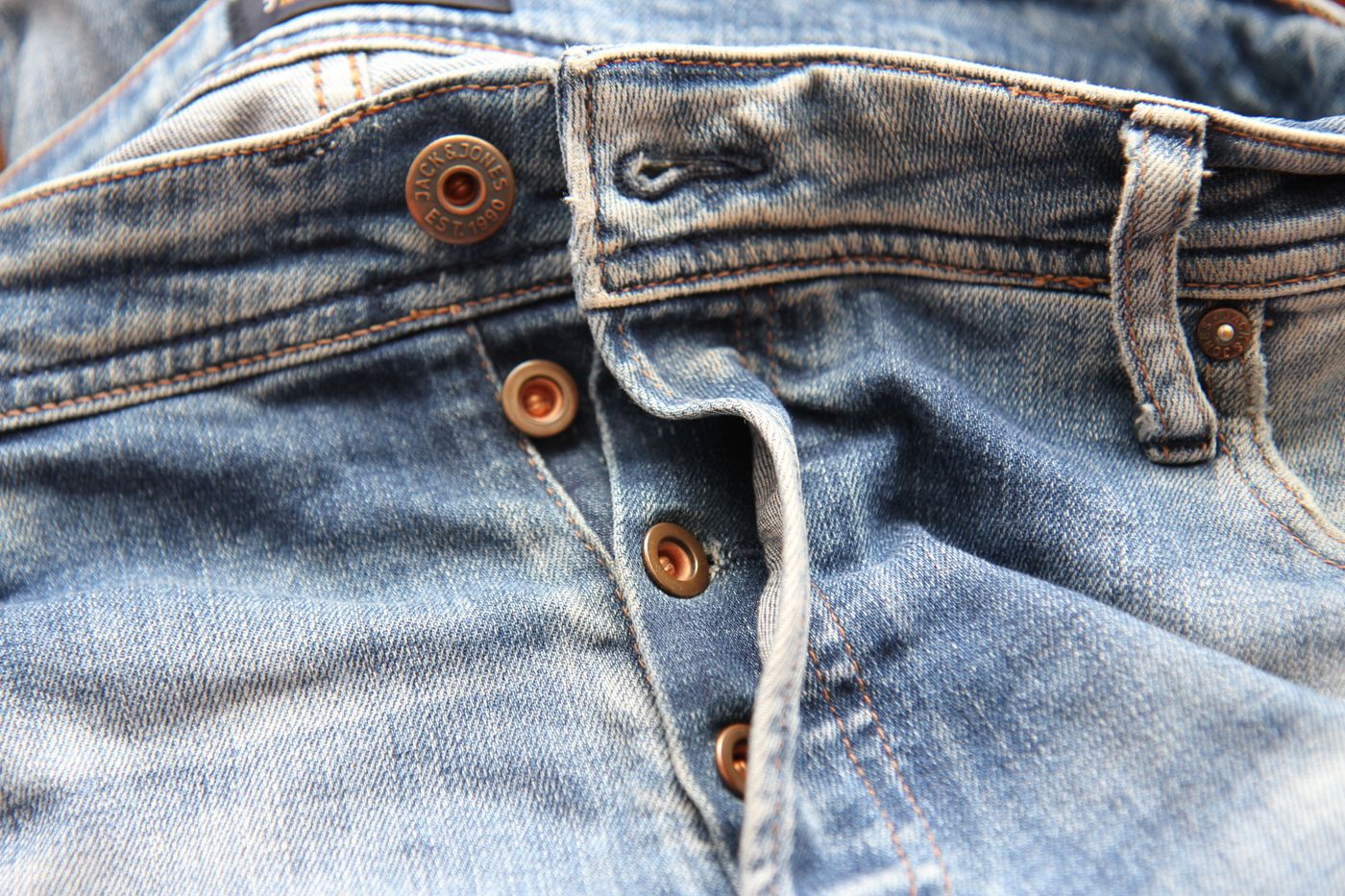
Foto: Dragan Tomić · Pexels
That is the whole trick.
How to Wear It
Let them sit at the natural waist. That is where the cut was designed to land. The 501 from the 1970s, for example, had a rise that sat just below the navel. That is not a suggestion. It is a blueprint.

Foto: Cherry’s POV · Pexels
Hem them yourself and leave the raw edge. A clean chop looks better than a factory finish. Take a sharp pair of scissors, measure twice, cut once. The raw edge will fray slightly, and that is exactly what you want. It tells the world you did not buy these off a rail yesterday.
Pair heavy denim with something soft. Fine knitwear or a silk shirt keeps the balance right. The contrast is the point. A chunky fisherman's sweater with a pair of 1970s Levis is a look that has never failed. A crisp white shirt, tucked in, with a pair of 1960s Wranglers is another. The denim does the talking. Everything else listens.
Where to Find Yours in Paris
Paris has a handful of places where the denim is good and the prices are fair. Here is where I go, and what I expect to pay.
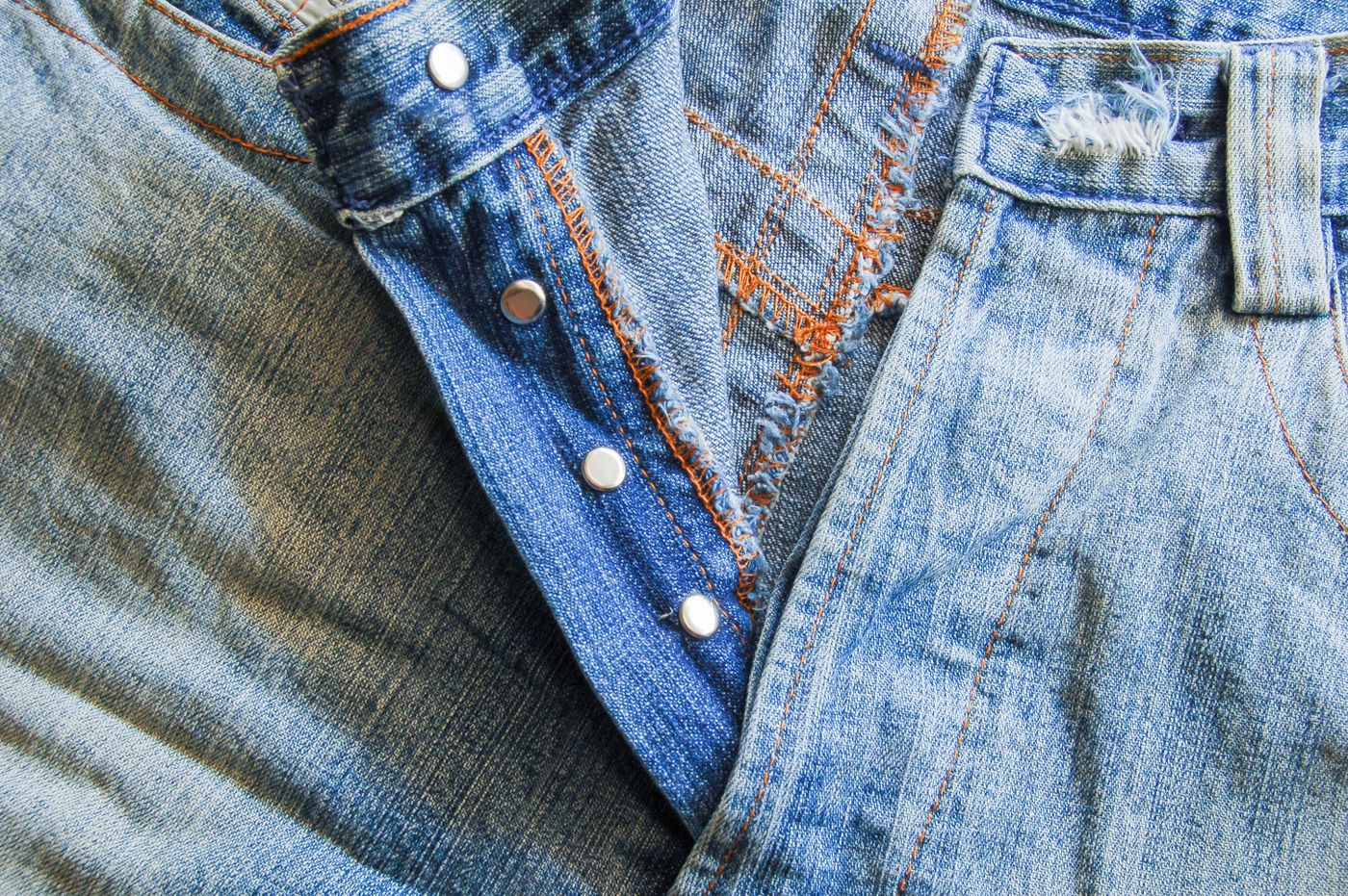
Foto: Srattha Nualsate · Pexels
Kilo Shop Marais (69 Rue de la Verrerie) is the first stop. Priced by weight, so the heavier the denim, the more you pay. But dig properly and you win. I have found a pair of 1970s Lee Riders for under 20 euros. The trick is to go early. The new stock comes out in the morning, and the best pieces are gone by noon.
Free'P'Star (8 Rue Sainte-Croix de la Bretonnerie) is a basement. The bins are chaos. But chaos rewards patience. I have spent an hour elbow-deep in denim and come out with a pair of 1980s Levi's that fit like they were made for me. Around 45 euros, if you are lucky.
Thanx God I'm a V.I.P. (12 Rue de Lancry) is more curated. Sorted by colour, with designer rails near the front. You will pay more, from around 60 euros, but the quality is consistent. I once found a pair of 1960s Levi's 606s here, in a deep indigo that looked like a midnight sky. The staff know what they have, and they will tell you the story if you ask.
Marche aux Puces de Saint-Ouen (142 Rue des Rosiers, Saint-Ouen) is the weekend pilgrimage. The market is vast, but Vernaison is the alley for rare things. I have seen a pair of 1940s 501s with the original button stamp and a patch that had faded to a whisper. The price was high, around 90 euros, but the condition was museum-grade.
Go on a weekday morning if you can. The rails are fullest before the weekend crowd arrives, and staff have time to show you what came in overnight. Tuesday is the best day in my experience. The weekend has been cleared, the new deliveries have arrived, and the mood is calm.
What to Look For
Check the back patch and the button stamp for a number that dates the pair. A two-digit number on the button, like 42 or 47, means pre-1970s. Care labels started appearing in the early 1970s, so their absence is a good sign. Selvedge, a clean white line inside the outseam, means older, better cotton. The fabric was woven on a narrow loom, and the edge is finished, not frayed. That is the mark of quality.

Try them on. Vintage sizing runs small. The number on the tag is a starting point, not a fact. I have a pair of 1970s Levis that say 32, but they fit like a modern 30. Trust the waistband, not the label. And sit down. Bend over. Walk around the shop. A pair of vintage jeans that only works standing still is not going to survive your actual life.
Fraying at the crotch is the one repair that is rarely worth it. The fabric is thin, and the repair will not hold. Look for fraying at the hem or the pocket edges instead. That is character. Crotch fraying is a problem.
Check the condition of the zipper or buttons. A broken zipper on a 1960s pair is a nightmare to replace, because the original parts are hard to find. Buttons are easier, but check that they are all there. A missing button is a negotiation point, not a dealbreaker.
The History on Your Legs
The story of vintage denim in Paris is a story of American imports finding a second home. After the Second World War, American jeans flooded into Europe. The French took to them with a passion that has never faded. In the 1950s, a pair of Levis was a symbol of rebellion, worn by the youth who had seen American films and wanted a piece of that freedom. In the 1960s, the hippies adopted them, and the faded, worn look became a badge of authenticity.
In the 1970s, Parisian boutiques began to import vintage jeans from the United States, and a market was born. The first vintage denim shops opened in the Marais, and the trend has never stopped. Today, you can find a pair of 1960s 501s in a Paris flea market, and you are holding a piece of history that has crossed an ocean and survived half a century.
The quality of that history is the reason vintage denim matters. The cotton was heavier. The weave was tighter. The denim was made to last, not to be thrown away after a season. A pair of 1970s Levis has a weight that a modern pair cannot match. You feel it when you put them on. They hold their shape. They do not sag. They become yours.
The Final Fit
One last thing: try it on properly. Walk around in it. Sit down. A pair of vintage jeans that only works standing still is not going to survive your actual life. The waist should sit at your natural waist, not your hips. The legs should be straight, not tapered. The length should be just right, or you will hem them yourself.
When you find the right pair, you will know. The denim will feel like it was made for you. The fade will tell a story you did not write, but you will add to it. And in Paris, that is the whole point. That is the trick.
City
Paris
Category
vintage denim
Published
8 August 2026
The names
Meet the designers
The minds behind this story — each with a piece currently on the market.
Levi's
USA · 1850s
The 501 & Americana denim
The 501 & Americana denim
Calvin Klein
USA · 1960s
Minimalism & the 90s slip
Minimalism & the 90s slip
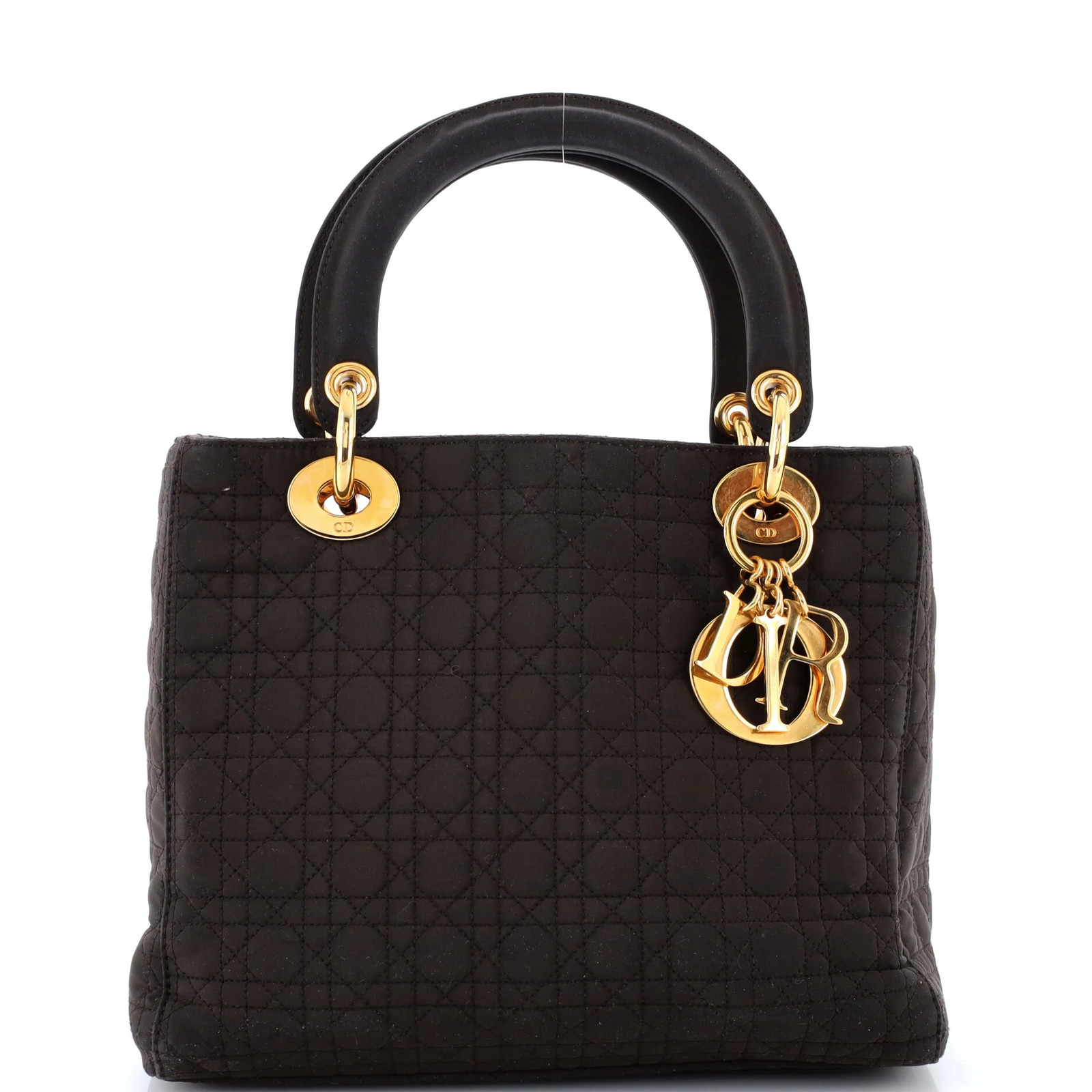
Dior
France · 1940s
The New Look & the Lady Dior
The New Look & the Lady Dior
Top piece
View →
New Balance
USA · 1900s
The 550 & dad-shoe comfort
The 550 & dad-shoe comfort
Top piece
View →
Continue the edit
Further stories from the same world
Three more walks through the same vintage universe.

The Quiet Authority of Vintage Italian Furniture
How to wear Gio Ponti's legacy without looking like a museum piece.
Read the story →The Gio Ponti Chair You Can Wear
Forget the auction paddles. A 1950s Gio Ponti chair is a silhouette that will sharpen everything you already own. Here's how to live with one, and how to spot a real one.
Read →
The Teak Set: Dressing Like the Men Who Made the Furniture
Mid-century furniture's enduring appeal isn't about investment. It's about a way of sitting, and a way of dressing, that still feels modern. Here's how to wear the look, spot a real Eames, and why that Danish teak credenza matters more than your stock portfolio.
Read →