
 Sign in
✦ Culture · New York
Why We Love a Worn-Out Band Tee in New York
A band tee is a souvenir somebody else brought home. That is the whole romance of it. The faded print, the softened cotton, the fact that it survived thirty years of washing: that is the appeal.
 By Louis Trash·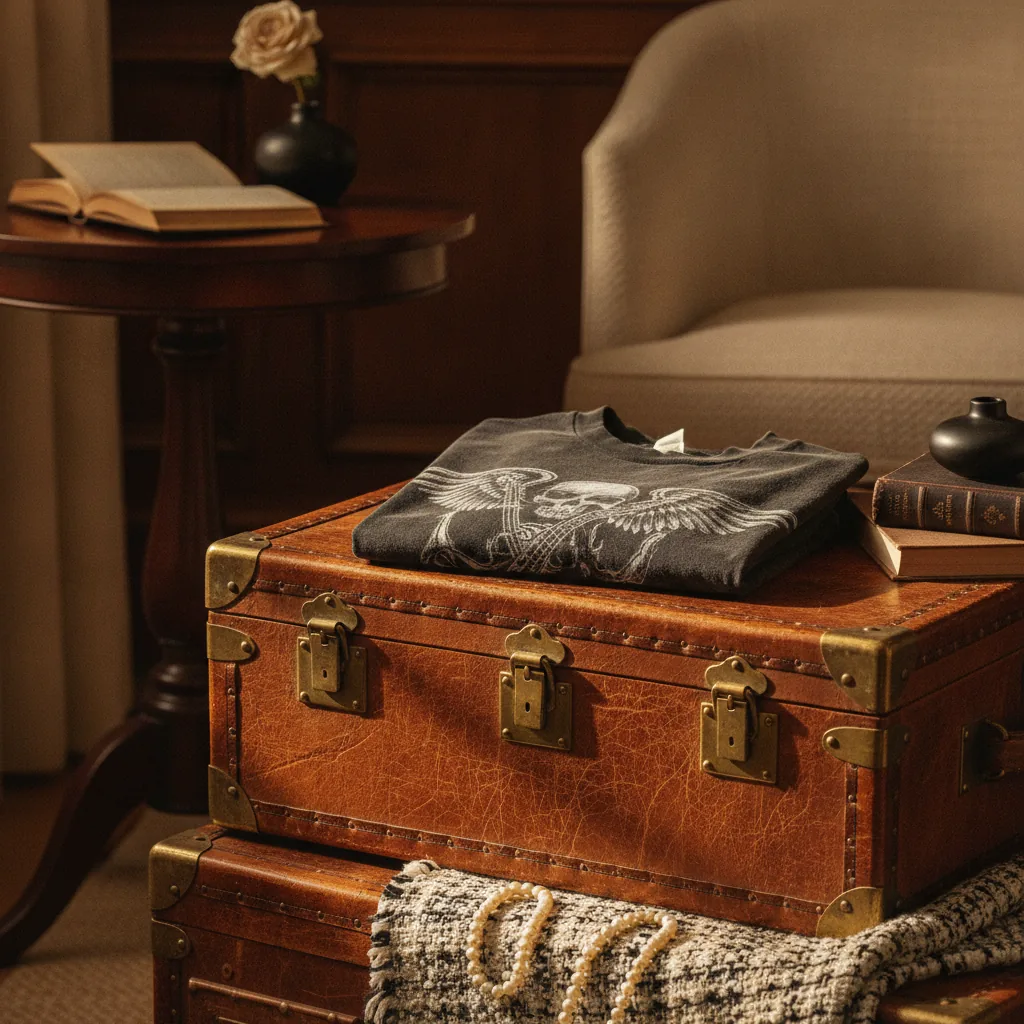
Why Band Tees Matter Now
A band tee is a souvenir somebody else brought home. That is the whole romance of it. The faded print, the softened cotton, the fact that it survived thirty years of washing: that is the appeal. Reprints never get the drape right. They hang stiff, the ink sits on top like paint, and the collar collapses after three washes. A vintage tee has been lived in. It has been through someone else's laundry cycles, someone else's bar bathrooms, someone else's summer festivals. You are borrowing a memory.
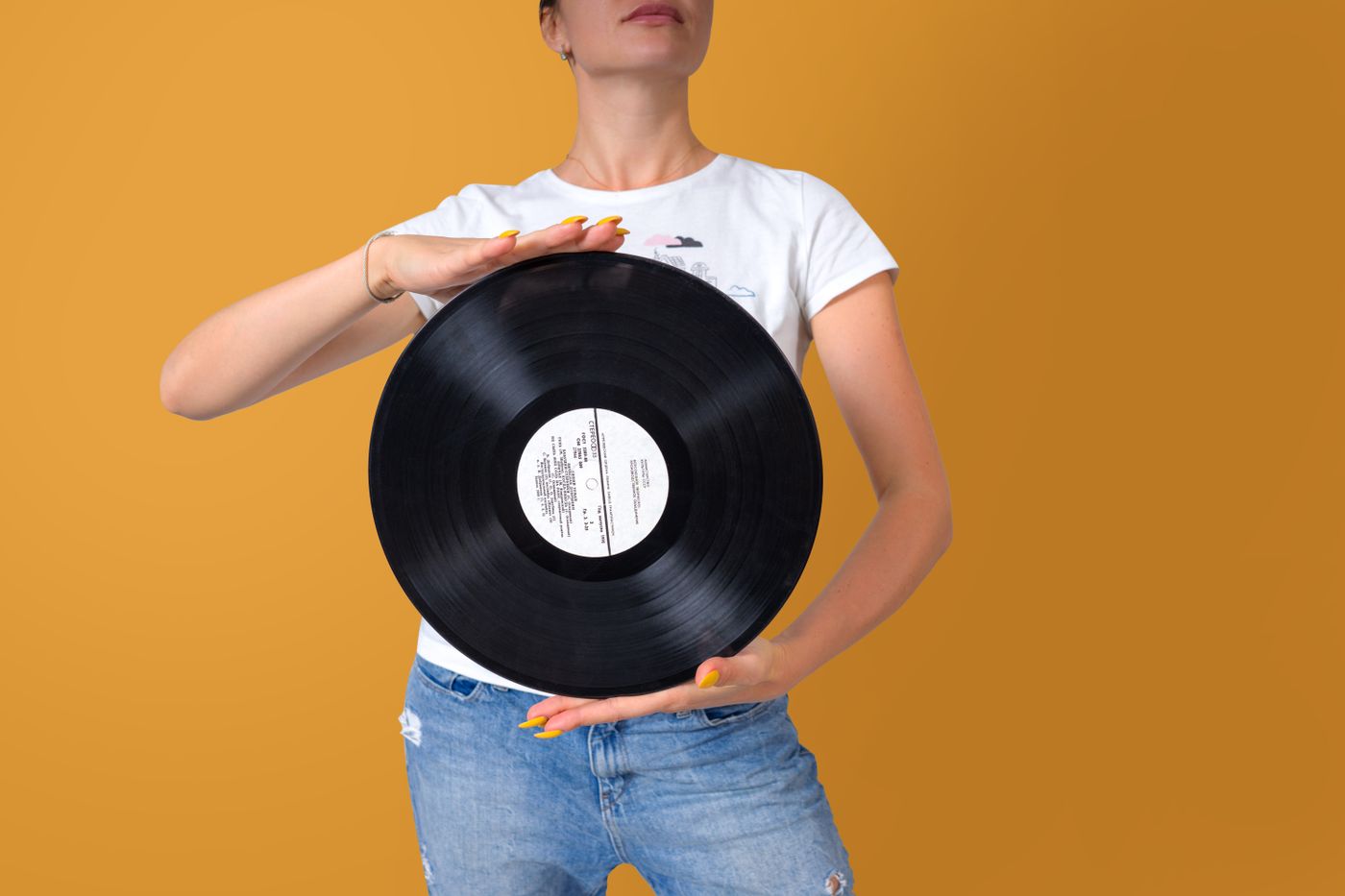
Foto: Atlantic Ambience · Pexels
We are not a city of careful curation. We are a city of impulse and urgency. A band tee fits that energy. It is a quick hit of nostalgia, a cheap ticket to an era you might not have lived through. And because the city moves so fast, the good stuff cycles through constantly. What you see on a Tuesday is gone by Thursday.
The history of the band tee is a New York story, too. In the 1970s, the Ramones sold shirts at CBGB for a few dollars. In the 1980s, hip-hop acts like Run-DMC printed their own tees on Canal Street. By the 1990s, every major tour stopped in Madison Square Garden, and the merch table was as important as the encore. Those shirts ended up in thrift stores, in basements, in the back of closets. Now they are here, waiting for you.
How to Wear It
Tuck the front into high-waisted denim and leave the rest loose. That is the simplest move, and it works. It gives you shape without sacrificing the slouch. If you are wearing straight-leg jeans and a tucked tee, you have a classic New York uniform. Think Debbie Harry in 1979, but with better shoes.
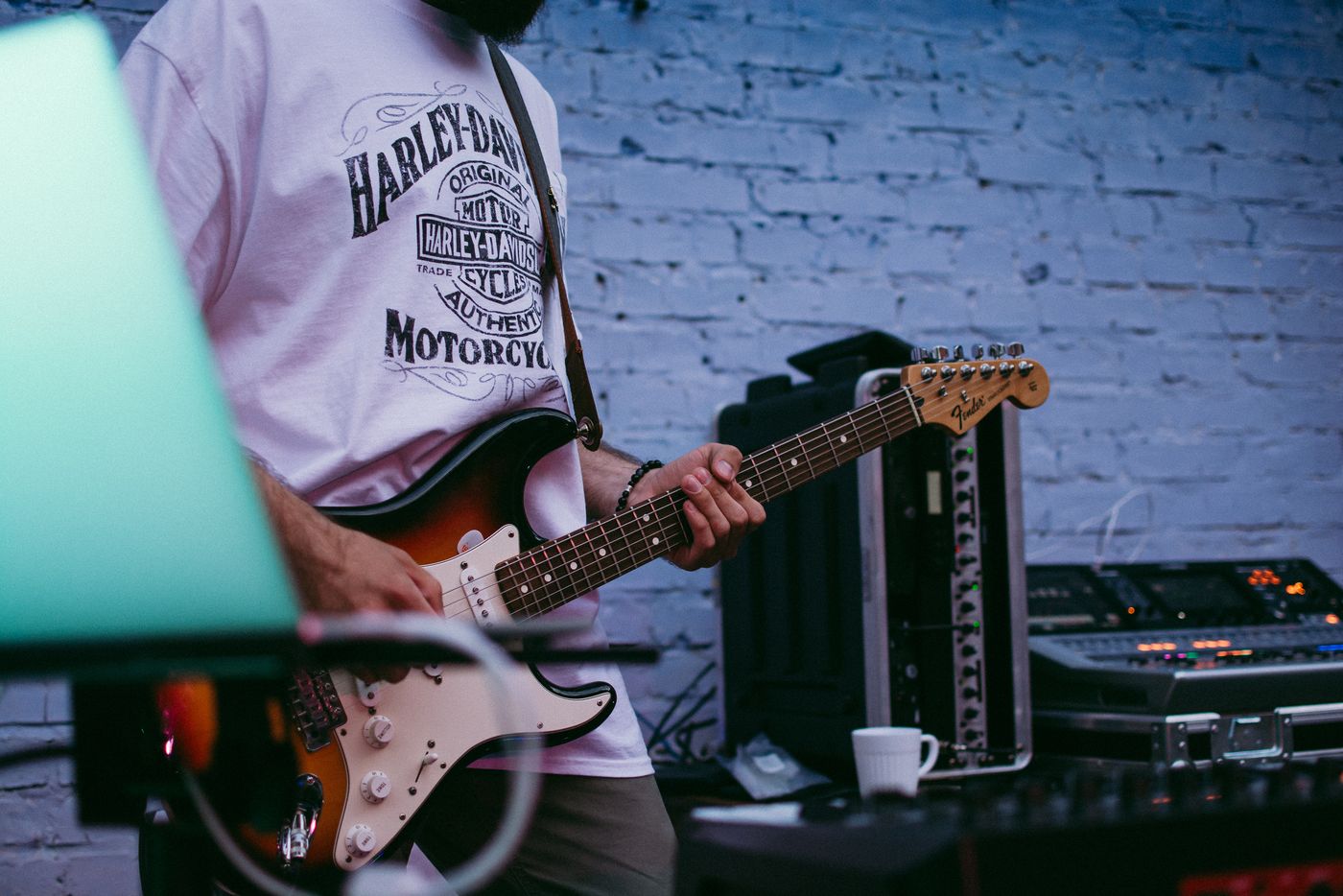
Foto: Svetlana Tumina · Pexels
Layer it under a blazer. The clash of a tour print and tailoring is the whole point. A black blazer, a faded Stones shirt, and a pair of cigarette pants is a look that says you have somewhere to be, but you are not in a hurry. It works for dinner, for a gallery opening, for a job interview at a cool magazine. The blazer does not have to be expensive. A vintage one from a thrift store will do.
If it is oversized, own it. Wide shoulders with slim trousers reads intentional. Do not be afraid of a shirt that swallows you. Pair it with leather pants or a pencil skirt. The contrast is the style. And for the love of all that is holy, do not cut the sleeves off. That is a different decade, and it is not coming back.
Accessories matter. A silver chain, a vintage watch, a pair of sunglasses pushed up on your head. Keep the rest of the outfit simple. The tee is the statement. Let it speak.
Where to Find Yours in New York
- L Train Vintage (204 Bedford Avenue, Brooklyn): volume shopping, low prices, be thorough. The racks are dense, and you have to dig. But the payoff is real. From around $20, you can find a genuine 1980s tour shirt if you are patient. Go on a Tuesday morning when the new stock drops.
- What Goes Around Comes Around (351 West Broadway): the grail room. This is where the collectors go, and the prices reflect it. You will find mint-condition shirts from the 1970s, rare prints, and pieces that have been preserved like artifacts. From around $45, but do not expect change. If you want a specific band and a specific year, this is the place.
- Beacon's Closet (74 Guernsey Street, Brooklyn): resale done properly. Good turnover, fair prices, and a staff that actually sorts through everything. From around $60. Check the band section first, but also look in the general vintage rack. Sometimes a gem hides next to a plain white tee.
- Chelsea Flea Market (West 25th Street): weekends only, bring cash and haggle politely. The vendors know what they have, but they also know that a polite customer returns. From around $90, but you can negotiate. Look for the guys who have boxes of shirts under the table. That is where the deals are.
Go on a weekday morning if you can. The rails are fullest before the weekend crowd arrives, and staff have time to show you what came in overnight. Weekends are chaos. Weekdays are your chance to browse without elbowing anyone.

Foto: Jefferson Rosier · Pexels
What to Look For
Single-stitch hems at the sleeve and bottom usually mean pre-1995. That is the easiest test. In the mid-1990s, manufacturers switched to double-stitching for durability. A single stitch is a sign of age, and age is what you want.
Foto: Muhammad Dzaki Zaidan · Pexels
Check the tag. A Screen Stars, Brockum or Giant label is a good era marker. Screen Stars was the standard for tour shirts in the 1980s. Brockum handled most of the big rock tours in the late 1980s and early 1990s. Giant was the budget brand, but it still made great shirts. If you see one of those tags, you are on the right track.
Cracking in the print is fine and often desirable. That is the patina of a shirt that has been worn and washed and loved. But holes in the armpit are not. That is a deal-breaker. The fabric is too thin there to repair properly. Hold it up to the light to check how thin the cotton has really gone. If you can see through it, walk away. It will fall apart in a year.
One last thing: try it on properly, walk around in it, and sit down. A band tee that only works standing still is not going to survive your actual life. You are going to wear this on the subway, to dinner, to a friend's apartment. It has to move with you. It has to feel right. If it is too tight in the shoulders or too short in the body, it is not the one.
The New York Way
A band tee is a souvenir somebody else brought home. But in New York, it becomes yours. You find it in a crowded store in Brooklyn, you haggle for it in a flea market, you pull it out of a bin that has not been touched in weeks. That is the thrill. That is why we love a worn-out band tee. It is not about the band, not really. It is about the hunt, and the story you get to tell when someone asks you where you got it.
City
New York
Category
vintage band tee
Published
8 August 2026
The names
Meet the designers
The minds behind this story — each with a piece currently on the market.
Yohji Yamamoto
Japan · 1970s
Black, drape & poetic deconstruction
Black, drape & poetic deconstruction
Børge Mogensen
Denmark · 1940s
The Spanish chair — honest, functional furniture for everyday life.
The Spanish chair — honest, functional furniture for everyday life.
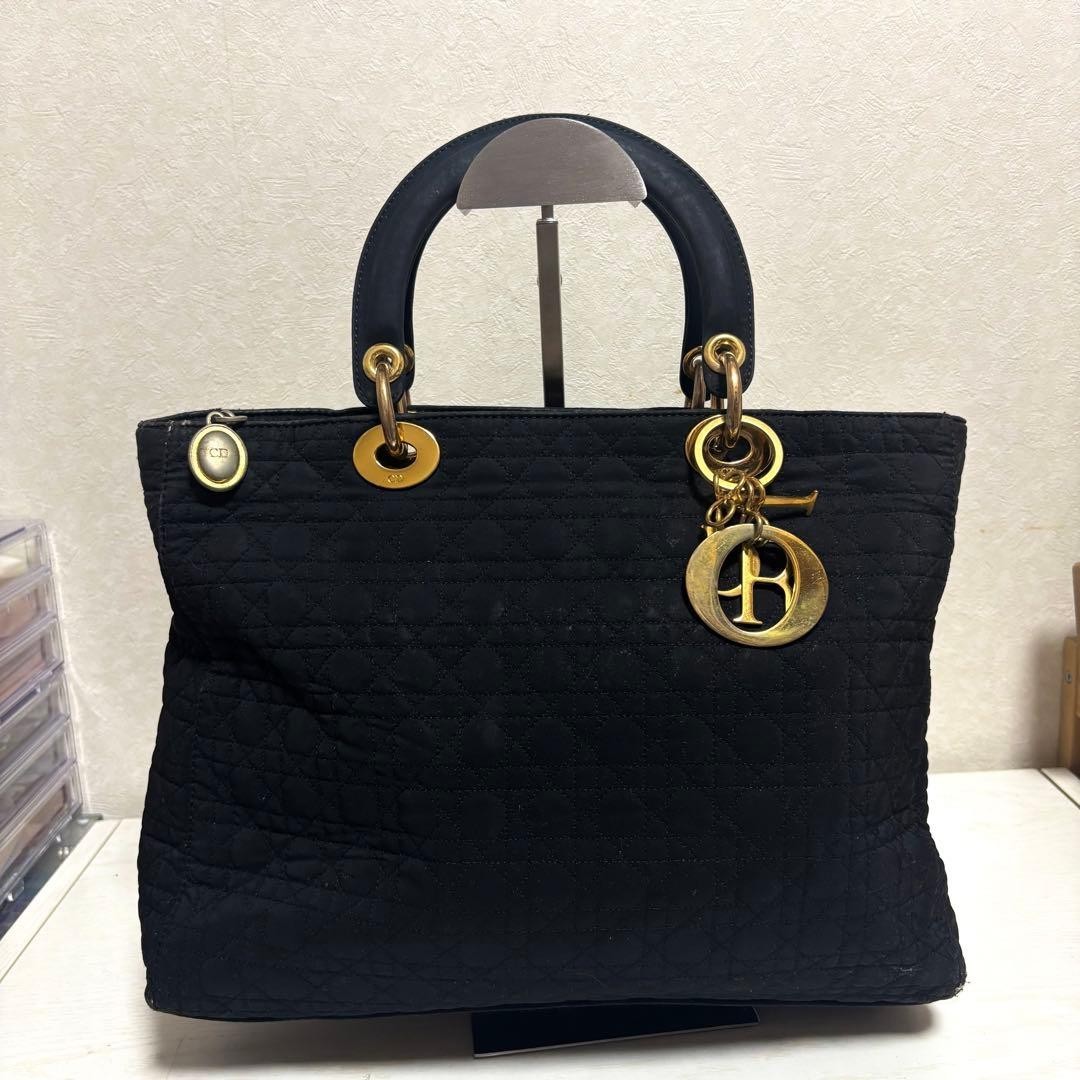
Dior
France · 1940s
The New Look & the Lady Dior
The New Look & the Lady Dior
Top piece
View →
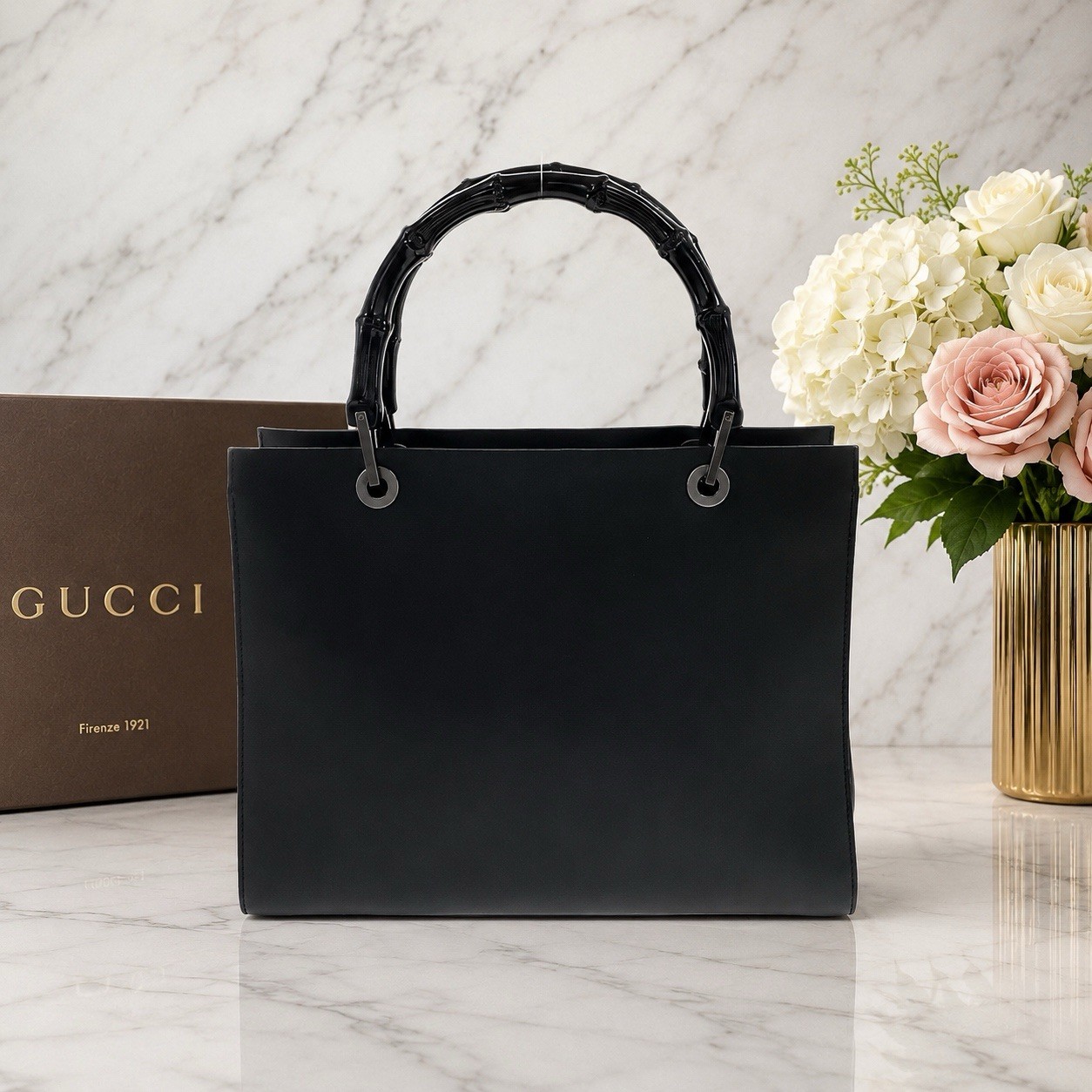
Gucci
Italy · 1920s
The bamboo handle & the double-G
The bamboo handle & the double-G
Top piece
View →
Continue the edit
Further stories from the same world
Three more walks through the same vintage universe.

The Weight of a Band Tee
A vintage band tee isn't a souvenir. It's a relic of a specific summer, a specific tour, a specific decade. Here's how to wear one with the respect it deserves, and how to spot a genuine artifact from the fakes.
Read the story →
Where to Find Authenticated Bags in New York
The small shoulder bag is back, and the originals are still out there. A nylon bag from 1999 or a mini baguette from the same year carries a specific kind of confidence: it was designed to be carried, not photographed.
Read →
Styling a Patinated Dial in New York
A vintage watch is the one accessory that never shouts. A patinated dial, a slightly yellowed lume, a bracelet that has softened to the wrist.
Read →