
 Sign in
✦ The City Edition
Barcelona
Where to Find Real Wood in Barcelona
Mid-century furniture survives because it was made from solid wood by people who expected it to be repaired. A teak sideboard from 1962 will outlive anything flat-packed, and it already has the patina.
 By Louis Trash·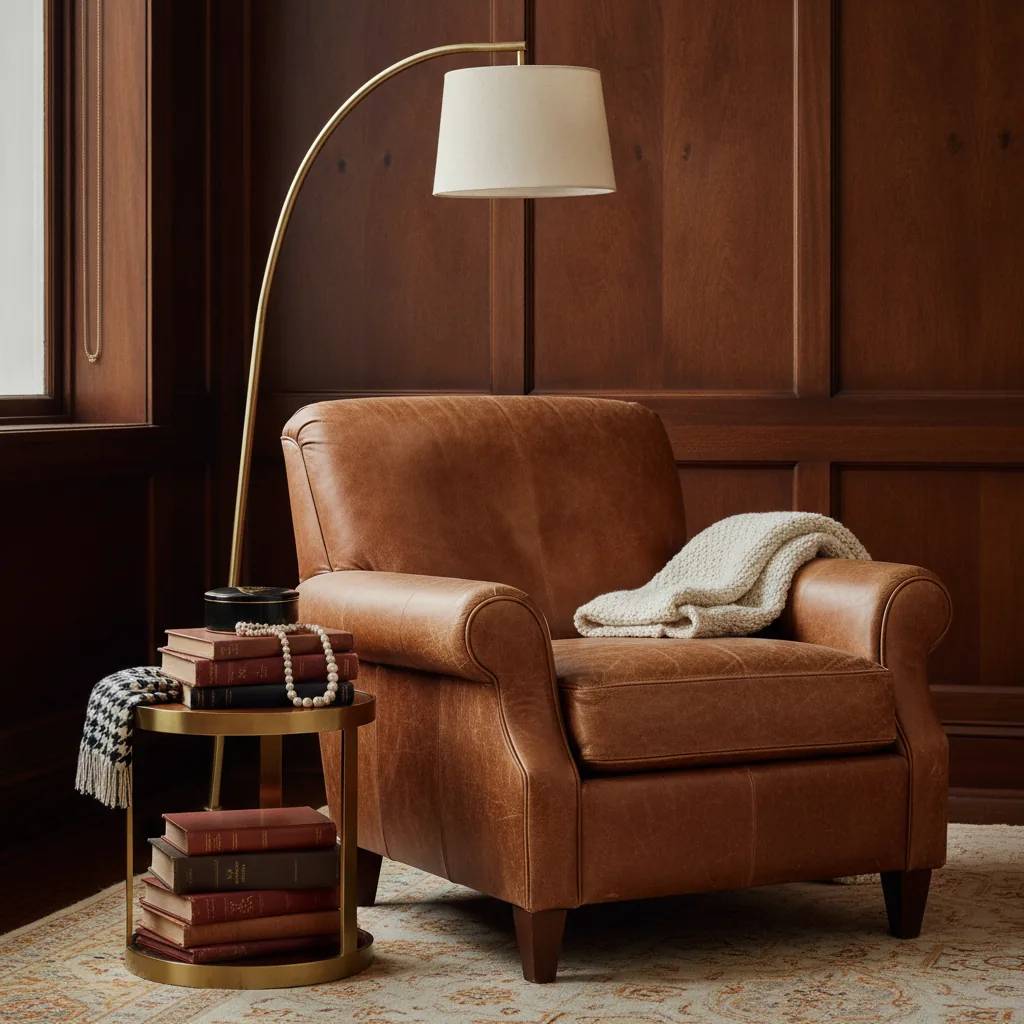
Why Furniture Matter Now
Mid-century furniture survives because it was made from solid wood by people who expected it to be repaired. A teak sideboard from 1962 will outlive anything flat-packed, and it already has the patina. That sideboard was built when a carpenter’s name was stamped underneath, when a dovetail joint was a point of pride, not a cost-cutting measure. The Danish design boom of the 1950s and 60s sent thousands of such pieces across Europe, and Barcelona absorbed them like a sponge. The city’s modernist architecture, with its clean lines and Mediterranean light, has always been a natural setting for mid-century forms. But Barcelona keeps it light; vintage here is worn in the sun, not stored in tissue paper. It’s a city of open balconies, of life spilling onto the street, and the furniture reflects that. A Barcelona flat doesn’t want a museum piece under glass; it wants a chair you can drag to the table, a cabinet that holds the good china and the bills.
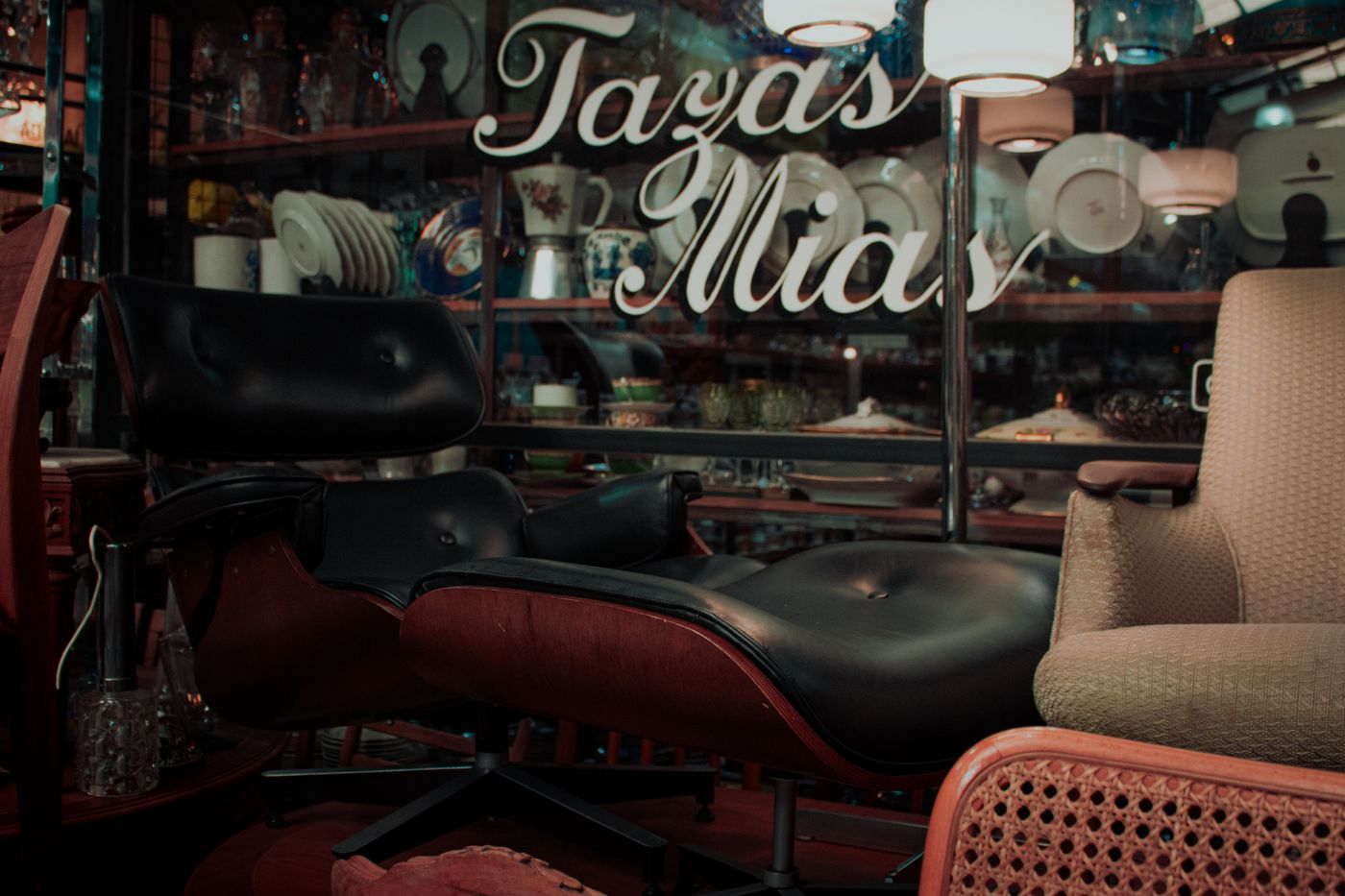
Foto: Mariano Di Luch · Pexels
How to Wear It
One strong vintage piece in a plain room does more than a whole matching set. A single rosewood desk against a white wall changes the entire temperature of the room. It’s the same principle as a good leather jacket with a simple white tee; the piece does the talking, the rest stays quiet. Mix eras deliberately; a sculptural old chair against a simple modern table. A 1970s fibreglass chair next to a raw oak table is a conversation, not a clash. The key is to let the vintage piece lead, and the modern pieces follow. Do not over-restore. A soft oil finish beats a fresh coat of lacquer every time. Lacquer seals the wood under a plastic-like layer, hiding the grain and the history. Oil feeds the wood, brings out the depth of the grain, and lets the piece breathe. If a scratch is shallow, leave it. That scratch is a story, and in Barcelona, stories are currency.
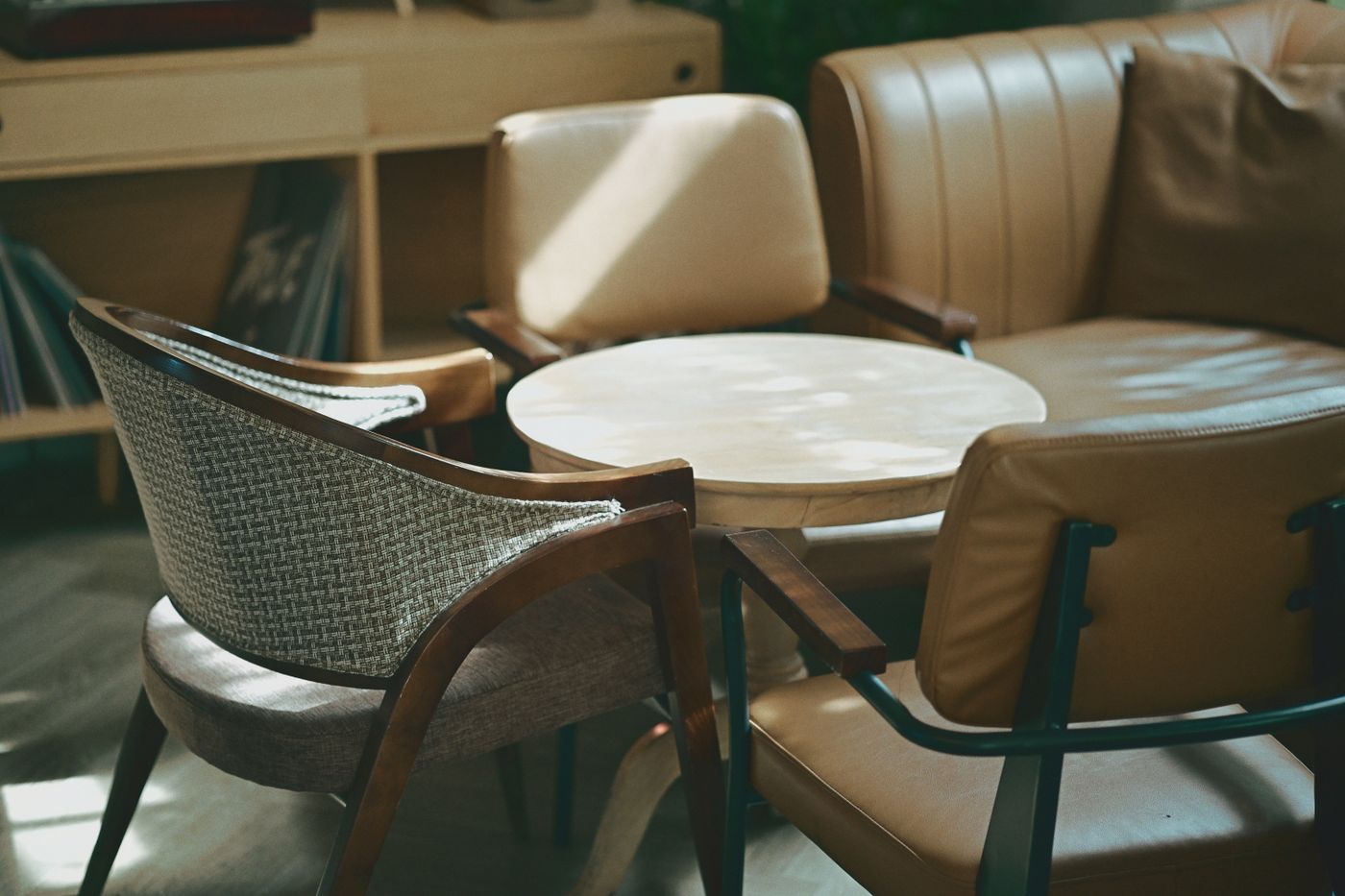
Foto: Việt Anh Nguyễn · Pexels
Where to Find Yours in Barcelona
- Flamingos Vintage Kilo (Carrer del Tallers 31) — by the kilo, endless, chaotic in a good way, from around 20 euros. This is the place for the hunt. You’ll dig through racks of shirts and jackets, but in the back, there’s a corner for small furniture; lamps, side tables, the occasional chair. The kilo price means you can afford to take a risk on something that needs a little love.
- Holala! Plaza (Placa Castella 2) — the city's vintage institution, from around 45 euros. Holala! has been around for over a decade, and it’s the place where stylists and set designers go when they need a specific piece. The furniture section is curated, but not precious. You’ll find teak sideboards, cane chairs, and the odd industrial piece. The staff know their stock and will tell you if a piece is a good buy.
- Lullaby Vintage (Carrer de la Riera Baixa 22) — small, sharp, well edited, from around 60 euros. This is the shop for the connoisseur. Everything has been chosen with an eye for quality and character. You won’t find a single piece here that isn’t worth taking home. The prices are higher because the pieces are better; think original Danish teak, not mass-market reproductions.
- Els Encants Market (Carrer dels Castillejos 158) — early mornings, everything under the sun, from around 90 euros. Els Encants is Barcelona’s oldest flea market, and it’s a maze of stalls selling everything from doorknobs to armoires. The furniture section is on the upper floors, and the real finds are gone by 9am. Go early, wear comfortable shoes, and be ready to negotiate. The vendors are professionals, but they’re not heartless; a fair price is a fair price.
Go on a weekday morning if you can. The rails are fullest before the weekend crowd arrives, and staff have time to show you what came in overnight. A Tuesday at 10am is prime time. You’ll have the place to yourself, and you can take your time pulling out drawers, testing hinges, and sitting in chairs without someone hovering.
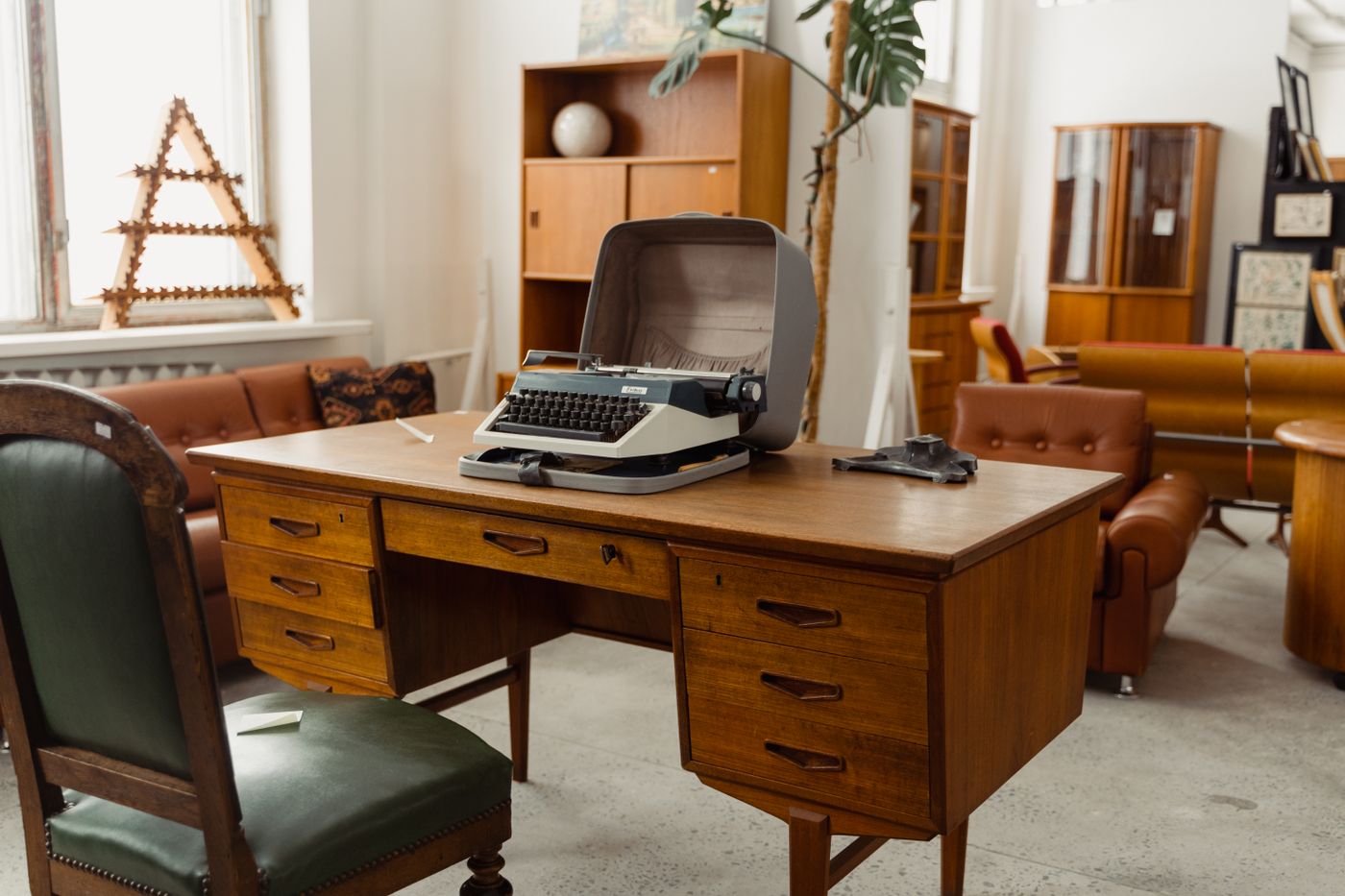
Foto: Tima Miroshnichenko · Pexels
What to Look For
Pull out a drawer and look at the joints: dovetails mean solid construction, staples mean skip it. Dovetails are those interlocking fan-shaped joints that lock the drawer front to the sides. They’ve been used for centuries because they work. If you see them, you’re looking at a piece that was built to last. Staples are the sign of a repair job or a cheaply made piece; they’ll pull out under weight, and the drawer will fall apart. Check underneath for a maker's stamp or a Danish Control mark. The Danish Control mark is a small stamp that was applied to furniture that met the Danish Furnituremakers’ Control standards; it’s a sign of quality that you can trust. If you find a stamp, do a quick search on your phone right there. A piece by a known designer can be worth ten times what the vendor is asking. Veneer lifting at the edges is a cheap repair; a warped or split top is not. Veneer is a thin layer of wood glued over a cheaper core. If it’s lifting, it can be re-glued and clamped; a simple fix. But a warp in the top means the wood has been exposed to moisture and has expanded unevenly. That’s a structural problem that will only get worse. Always sit in a chair before you commit; old joints announce themselves quickly. A chair might look solid, but the moment you put your weight in it, you’ll feel the wobble, hear the creak, or worse, feel the seat give. It’s better to know before you hand over cash.

One last thing: try it on properly, walk around in it, and sit down. A piece of vintage furniture that only works standing still is not going to survive your actual life. Put a glass of water on the sideboard, open the drawer, pull up the chair. Live with it for a few minutes. If it feels right, it is right. If it doesn’t, walk away. There’s always another piece, another market, another morning.
Sourced from the region
Found in Barcelona
Pieces on the market from sellers in and around Barcelona.
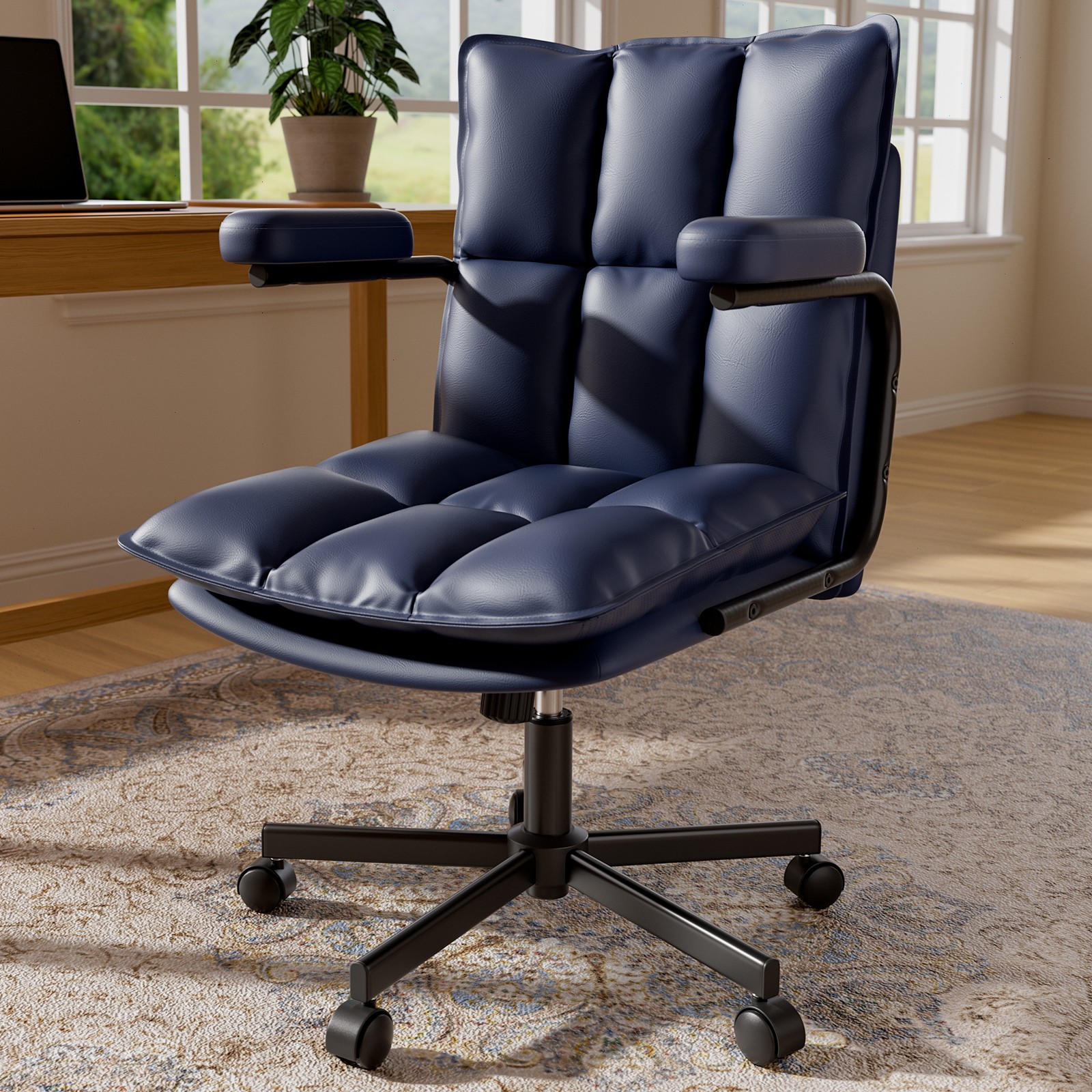
stoelen
Small Office Chair Mid Century Modern Desk Chair Vintage Leather Computer Chair
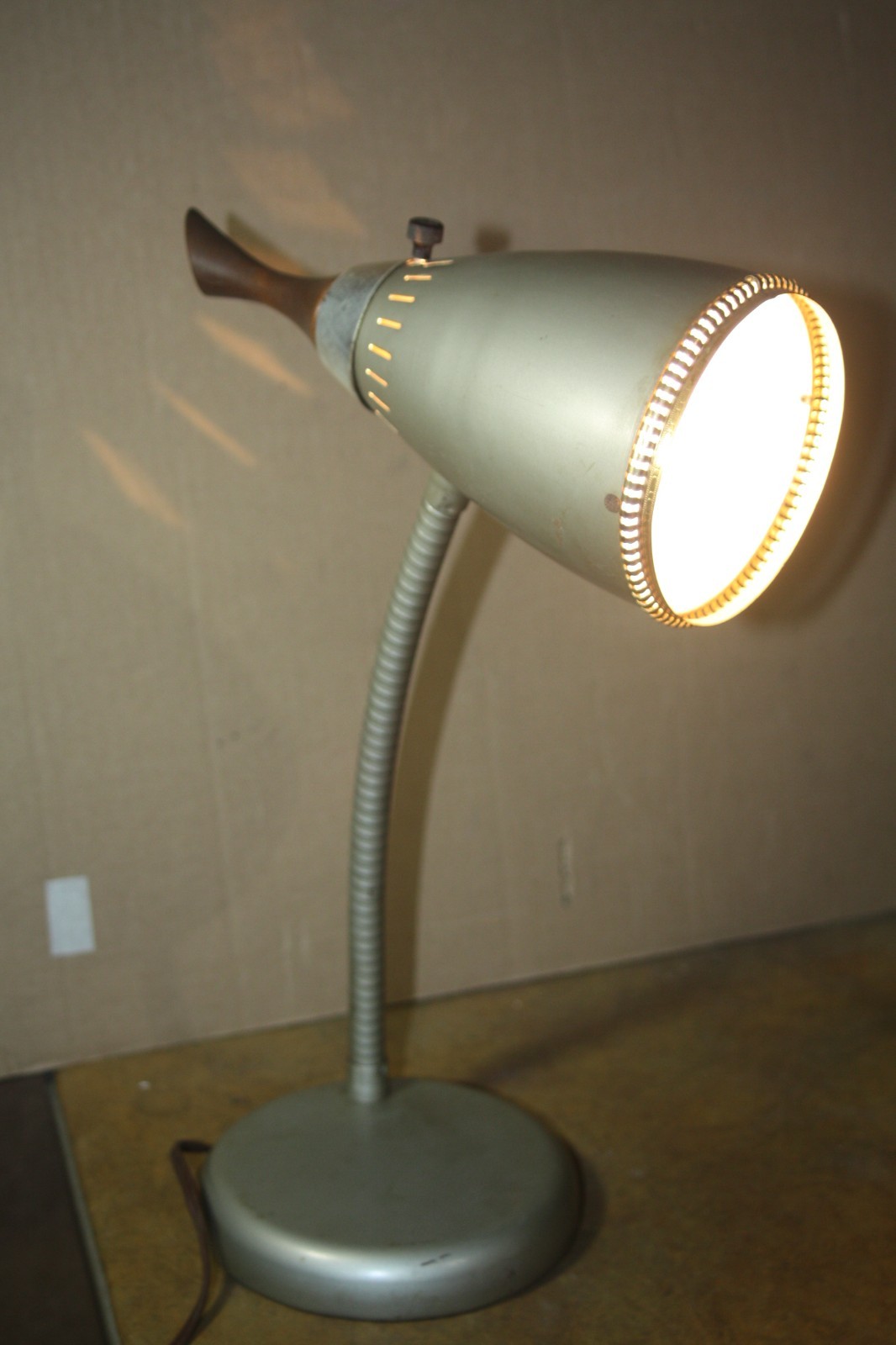
meubels
Vintage Mid Century Metal Gooseneck Desk Lamp w/ Brass & Wood Accents - Works
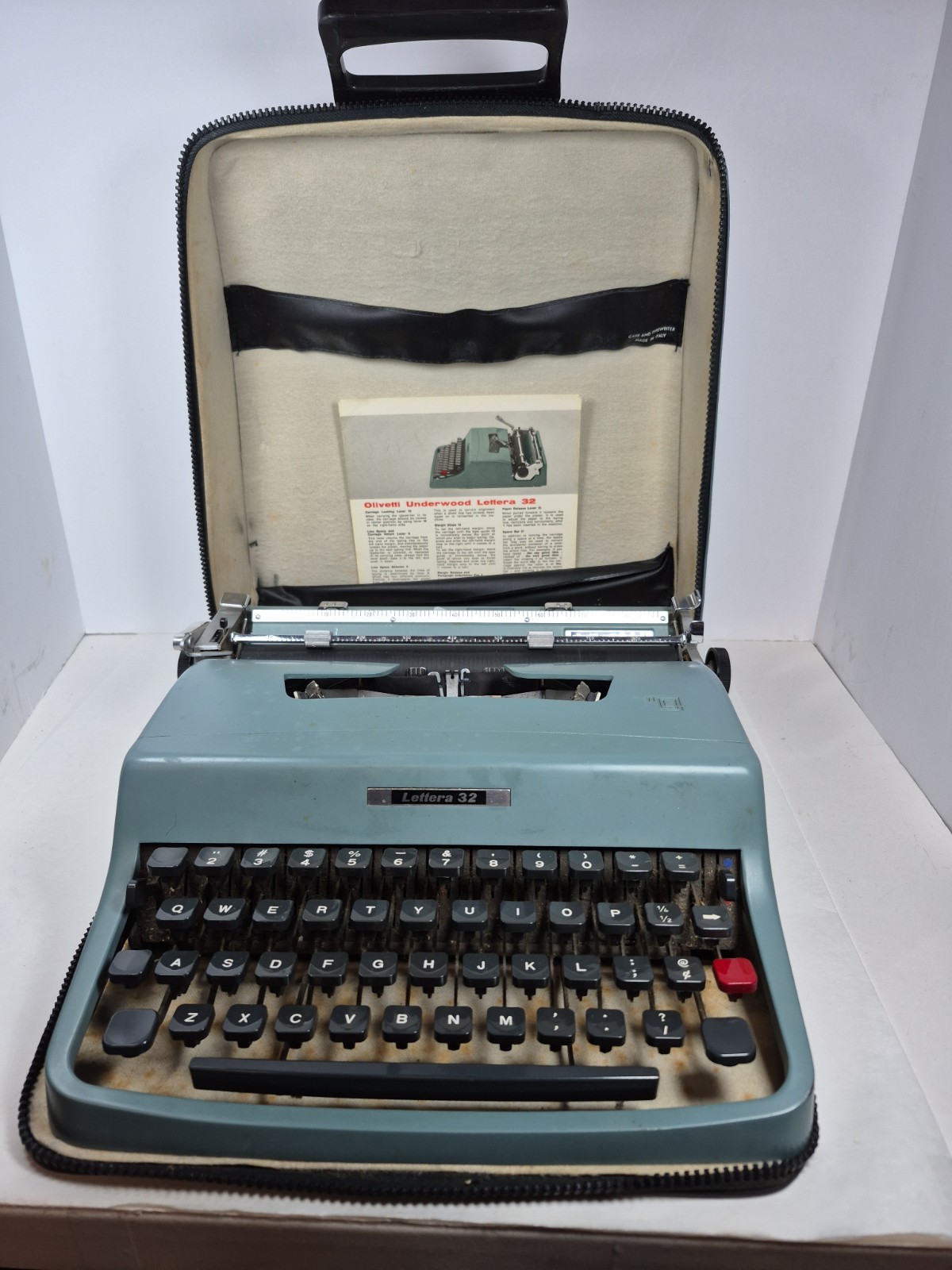
meubels
Vintage Olivetti Underwood Lettera 32 Typewriter UNTESTED With Zippered Case
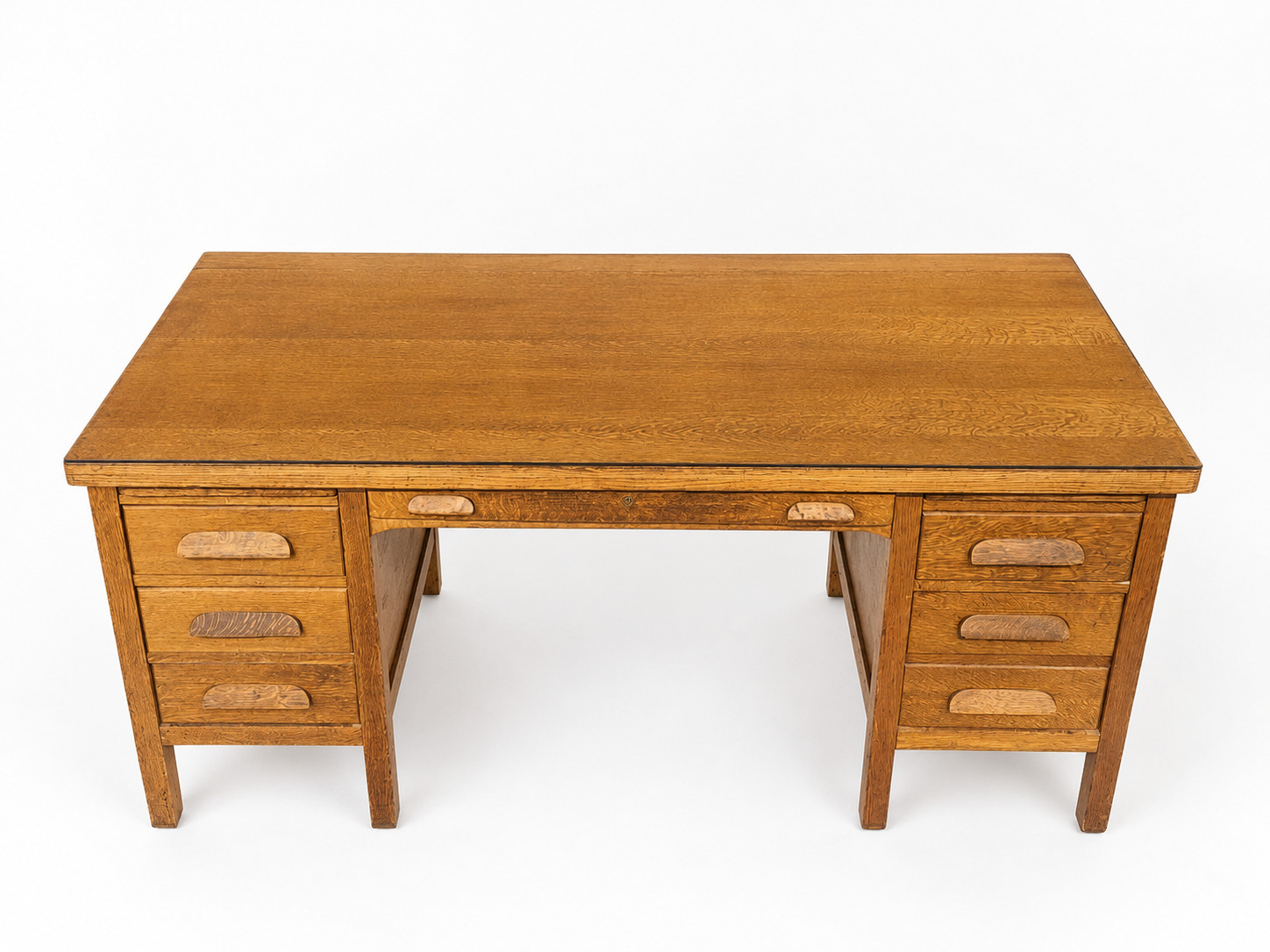
meubels
Antique Oak Executive Desk Tiger Oak Wood Pedestal Writing Desk Vintage Office
stoelen
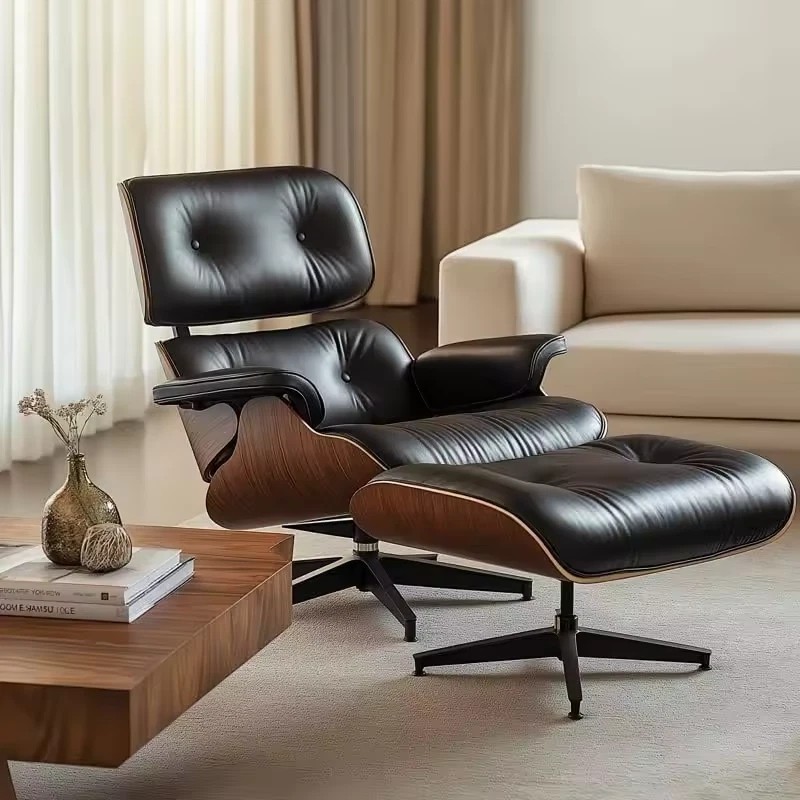
Vintage Pro Tall Eames Lounge Chair With Ottoman Cowhide Leather Armchair Swivel
meubels
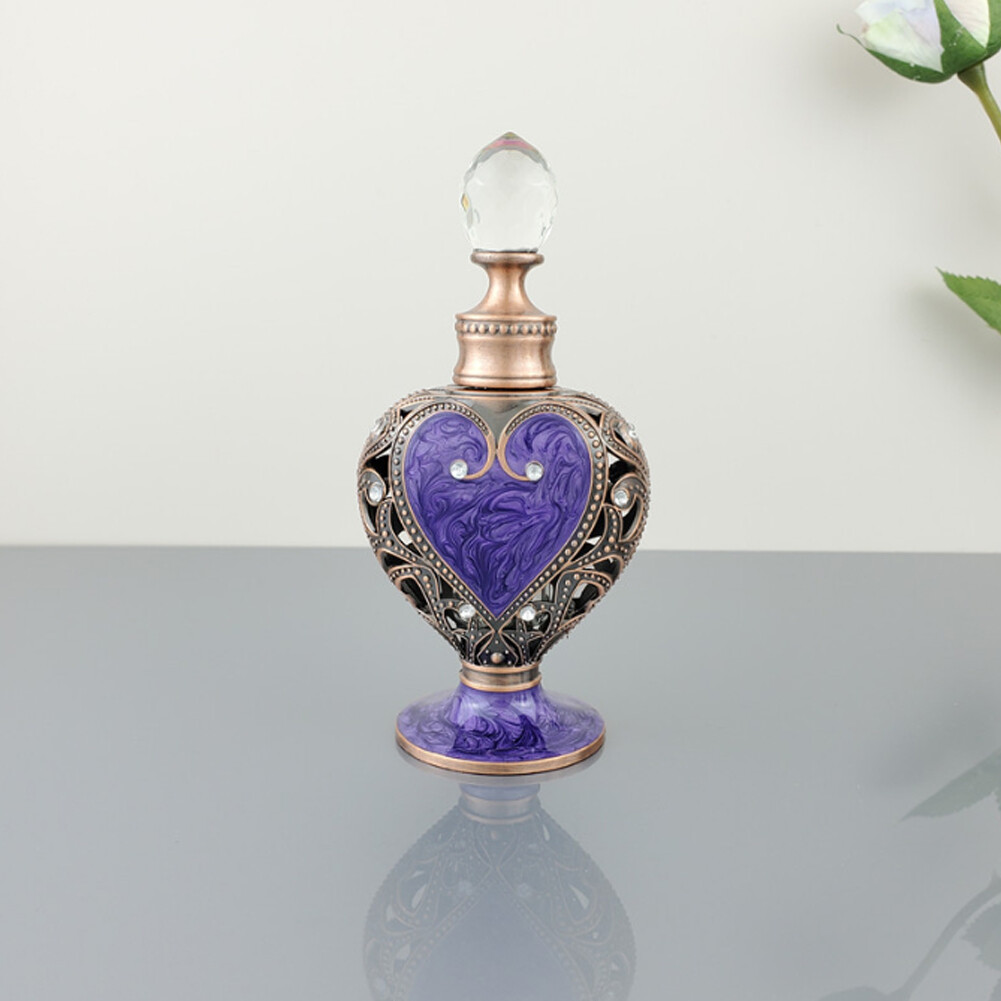
Vintage Purple Perfume Glass bottle Crystal Openwork Refillable Metal Empty Gift
stoelen
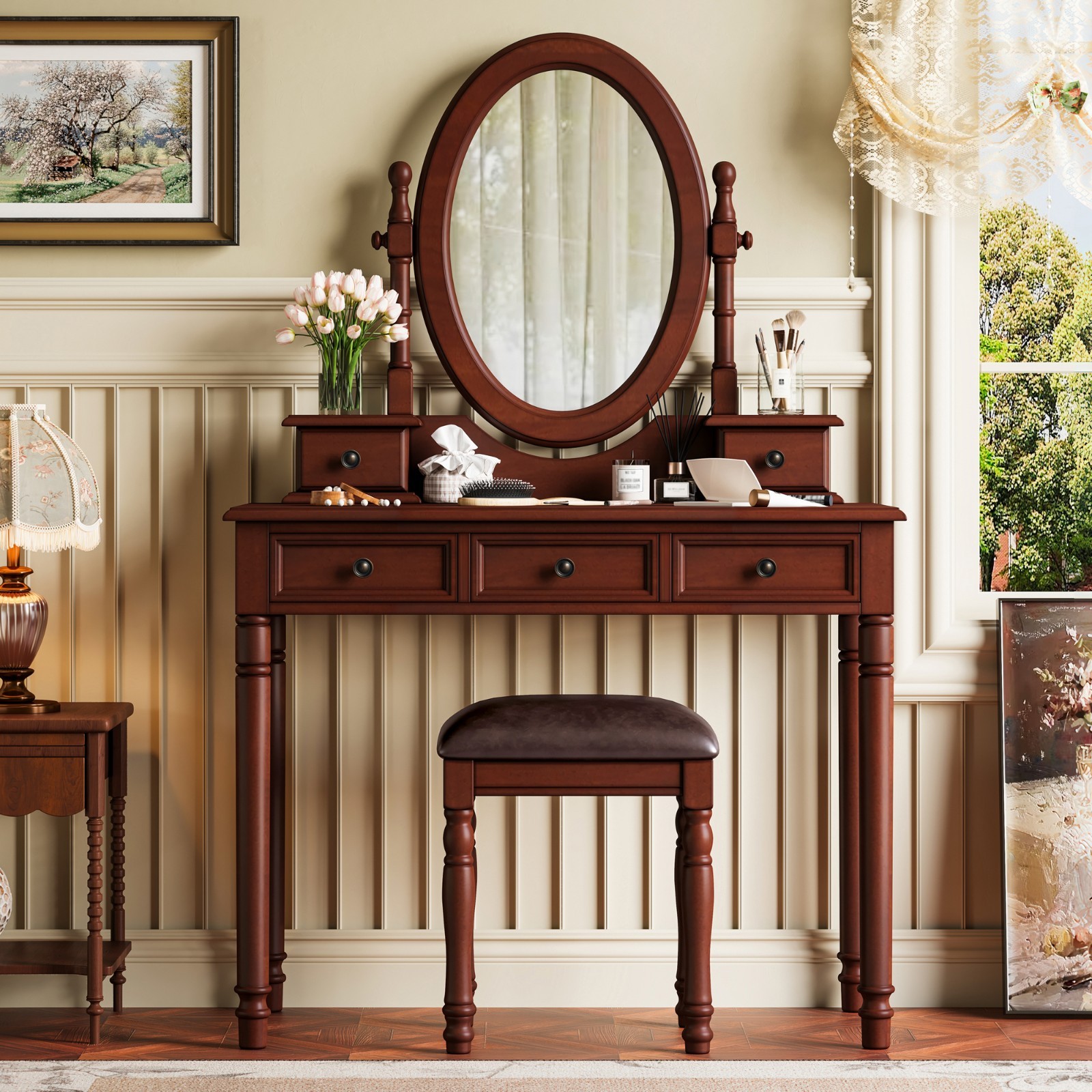
Vanity Desk w/Adjustable Angle Mirror,Vintage Vanity Makeup Table w/Stool Walnut

meubels
Lot of 5 GREEN / Shades of Green Old Vintage Antique Rare Hardcover Random Books
The names
Meet the designers
The minds behind this story — each with a piece currently on the market.
Børge Mogensen
Denmark · 1940s
The Spanish chair — honest, functional furniture for everyday life.
The Spanish chair — honest, functional furniture for everyday life.
Top piece
View →
Hans J. Wegner
Denmark · 1940s
The Wishbone & 500 chairs — joinery so pure it needs no ornament.
The Wishbone & 500 chairs — joinery so pure it needs no ornament.
Top piece
View →
Arne Jacobsen
Denmark · 1950s
The Egg & the Series 7 — chairs turned into quiet sculpture.
The Egg & the Series 7 — chairs turned into quiet sculpture.
Top piece
View →
Jean Prouvé
France · 1930s
Structural steel & the Standard chair — an engineer of furniture.
Structural steel & the Standard chair — an engineer of furniture.
Top piece
View →
Continue the edit
Further stories from the same world
Three more walks through the same vintage universe.

The Vintage Band Tee: Wear It Like You Were There
A 1979 Rolling Stones tee from the Some Girls tour is a shirt, not a collectible. Here is how to wear one without looking like you are curating a museum.
Read the story →
The Perfect Worn-In: A Guide to Vintage Leather Jackets
A vintage leather jacket is not a trend. It's a commitment. Here's how to find one that fits your life, style it with intention, and let it age into something truly yours.
Read →Where to Find Real Leather in Barcelona
A leather jacket is the rare piece that looks better the longer you own it. Vintage ones arrive already broken in. The collar softened, the cuffs scuffed, the lining a little tired in the best way.
Read →