
 Sign in
✦ The City Edition
Amsterdam
Vintage Watches in Amsterdam: Where to Start
A vintage watch is the one accessory that never shouts. A patinated dial, a slightly yellowed lume, a bracelet that has softened to the wrist.
 By Louis Trash·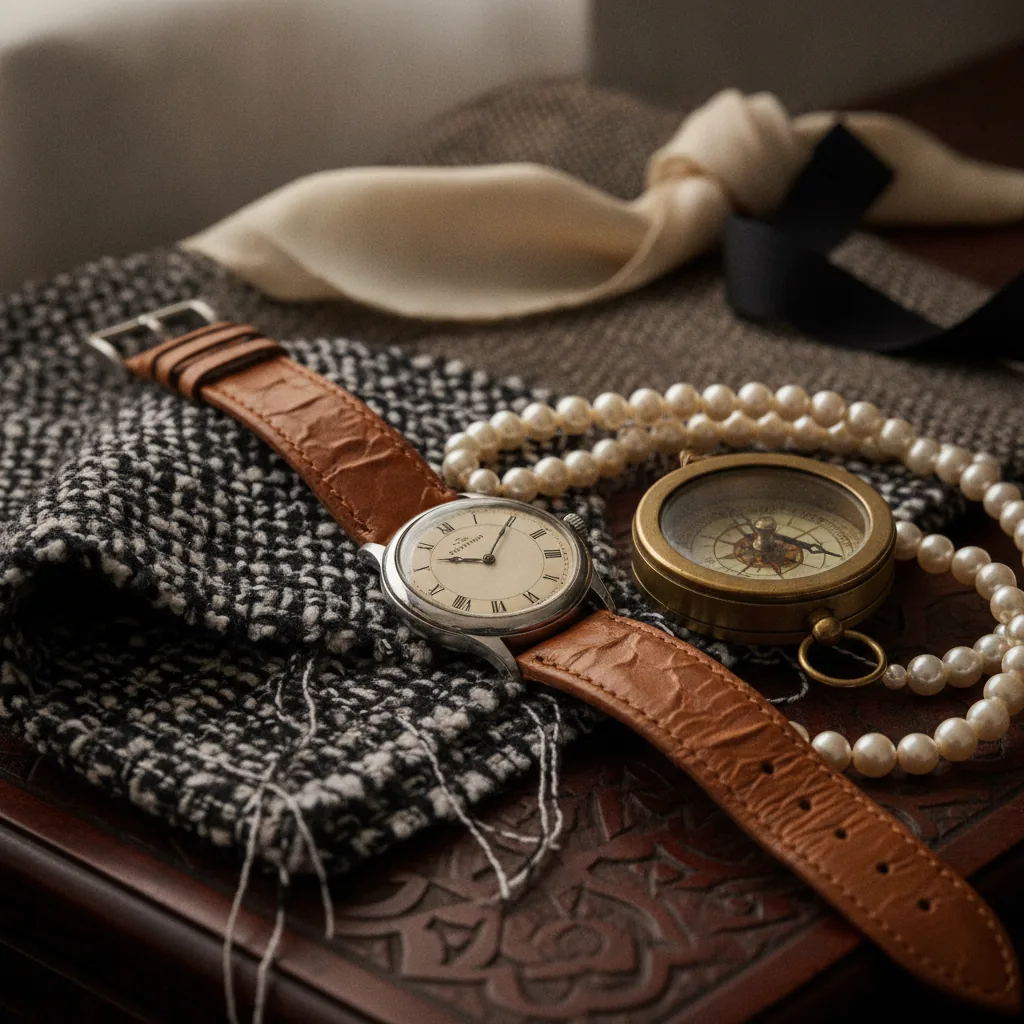
Why Watches Matter Now
A vintage watch is the one accessory that never shouts. A patinated dial, a slightly yellowed lume, a bracelet that has softened to the wrist. These are the details that make people ask, quietly, what it is. In a city where everyone cycles, where the wind off the canals can rearrange your hair and your plans, a watch that has lived a little fits right in. It doesn't compete with your coat or your bike. It just sits there, ticking, with decades of quiet confidence.
That means layers, sturdy fabrics, and accessories that don't flap or clatter. A vintage watch, especially one with a steel case and a well-worn leather strap, is the perfect companion. It's not flashy. It's not new. It's simply there, telling you the time and a hundred other stories if you care to listen.
How to Wear It
Keep the case small. A 34-36mm dial looks far more elegant than anything oversized. It slips under a shirt cuff, doesn't catch on a jacket sleeve, and suits the proportions of most wrists better than a dinner plate. Think 1960s Omega Seamaster or a 1970s Jaeger-LeCoultre Memovox. Those were made for people who actually used them, not for Instagram close-ups.
Swap the strap. A cheap leather band on a good watch undoes the whole thing. A scratched crystal can be polished, but a cracked, flaking strap screams neglect. Spend 30 euros on a decent suede or shell cordovan strap from a place like Van der Ven Leather on Wolvenstraat. It will transform the watch. If you can, keep the original bracelet in a drawer. Even if you don't wear it, it adds resale value and provenance.
Wear it slightly loose so it sits just past the wrist bone, half under the cuff. That way it doesn't dig in when you're steering a bike with one hand and holding an umbrella with the other. It should feel like part of your arm, not a shackle. And if you're cycling along the Herengracht, the glint of the crystal catching the light as you turn is a small, private joy.
Where to Find Yours in Amsterdam
Amsterdam has no shortage of vintage shops, but a few stand out for watches. Episode De Pijp (Gerard Doustraat 63) is a good starting point. Big racks, honest prices, restocked most mornings. You'll find quartz pieces from the 1980s and the odd mechanical Seiko or Timex. From around 20 euros, it's the place to learn what you like without breaking the bank. The staff are friendly but not pushy. Ask if they have anything in the back they haven't put out yet.
Concrete Matter (Huidenstraat 13) is a different beast. Menswear with real provenance, the good stuff is at the back. They have a glass case with vintage Heuers and Omegas, often with original boxes and papers. Prices start around 45 euros for a simple piece, but expect to pay more for something special. The owner knows his stuff. He'll tell you the service history without being asked.
Bij Ons Vintage (Nieuwezijds Voorburgwal 150) is curated designer, with a focus on Dutch and European labels. Ask about the pieces behind the counter. They keep a small selection of vintage watches there, usually from the 1960s and 70s, with a preference for understated models. From around 60 euros, it's worth a look if you want something with a bit of style and a story.
Waterlooplein Market (Waterlooplein 2) is the wild card. Unsorted and cheap. Go early, bring cash. You'll find a jumble of old watches in trays, some working, some not. The thrill is in the hunt. I once found a 1970s Citizen automatic with a scratched crystal for 90 euros. A bit of Polywatch and it looked like a million bucks. The dealers know what they have, but they also want to move stock. Haggling is expected. Start at half the asking price and go from there.
Go on a weekday morning if you can. The rails are fullest before the weekend crowd arrives, and staff have time to show you what came in overnight. Tuesday and Thursday are the best days at Waterlooplein. The rest of the week, the pickings are thinner.
What to Look For
Ask when it was last serviced. A movement that has run dry is the expensive part. A full service on a mechanical watch costs 150-300 euros, depending on the brand and complexity. If the seller can't tell you, factor that into the price. A watch that runs but hasn't been serviced in ten years is a ticking time bomb. Not in a romantic way. In a "you'll be at the watchmaker's for a month" way.
Check the dial under light for redialing. Fonts that sit unevenly or print that looks too crisp for its age are warnings. A true vintage dial has a certain softness to the printing, a slight off-register alignment that comes from hand application. If the lume plots look too clean, or the hour markers seem too white, it's been redone. That's not necessarily a deal-breaker, but it should lower the price.
Original bracelets add real value. A watch on its original bracelet, even if it's a bit stretched, is worth more than one on a replacement strap. The same goes for a boxed set with papers. That's provenance. It tells you the watch hasn't been bounced around from pawn shop to pawn shop. It's been looked after. Pay the premium.
Check the crown. Does it screw down properly? If it's a diver, does the bezel turn with a satisfying click? Look for signs of water damage. A slight discoloration under the crystal or a cloudy dial. That's a bad sign. And listen. A good mechanical watch has a steady tick, not a stutter. If it's a quartz, make sure the second hand hits the markers cleanly. A sloppy tick on a quartz means a dying motor.
One last thing: try it on properly, walk around in it, and sit down. A vintage watch that only works standing still is not going to survive your actual life. You'll be reaching for a lock, leaning over a canal, shaking someone's hand. It should feel like it's part of you, not a museum piece you're borrowing. If it feels fragile, put it back. There are plenty more.
The History Lesson
Amsterdam has a long love affair with watches. The Dutch East India Company brought back timepieces from Asia in the 17th century, and the city became a hub for clockmaking. The first Dutch wristwatches appeared in the early 1900s, often made by Swiss movements housed in local cases. By the 1950s, Dutch jewellers like Schaap en Citroen were selling some of the finest Swiss pieces to the city's merchants and bankers.
The 1960s and 70s were the golden age. Brands like Omega, Rolex, and Jaeger-LeCoultre were competing for the attention of the affluent Dutch. The Omega Speedmaster was a favourite among pilots and racing enthusiasts. The Rolex Submariner became a status symbol for those who could afford it. And the Jaeger-LeCoultre Memovox, with its alarm function, was a practical tool for a city where you might need to remember to catch a train or meet a friend at a canal-side cafe.
But the quartz crisis of the late 1970s changed everything. Swiss mechanical watches were suddenly seen as obsolete. Thousands were sold off, pawned, or simply forgotten in drawers. That's why you can still find affordable vintage pieces today. They're not rare. They're just unloved. And that's the opportunity.
The Final Word
A vintage watch in Amsterdam is not about status. It's about character. It's a piece of history that you can wear on your wrist, a reminder that things were made to last. It's the opposite of a smartwatch, which buzzes and tracks and demands your attention. A vintage watch just tells the time. Quietly. Elegantly. And that's exactly what this city needs.
So take your time. Try on a few. Ask questions. And when you find the one that feels right, you'll know. It'll be the one you don't want to take off when you get home.
Sourced from the region
Found in Amsterdam
Pieces on the market from sellers in and around Amsterdam.
horloges
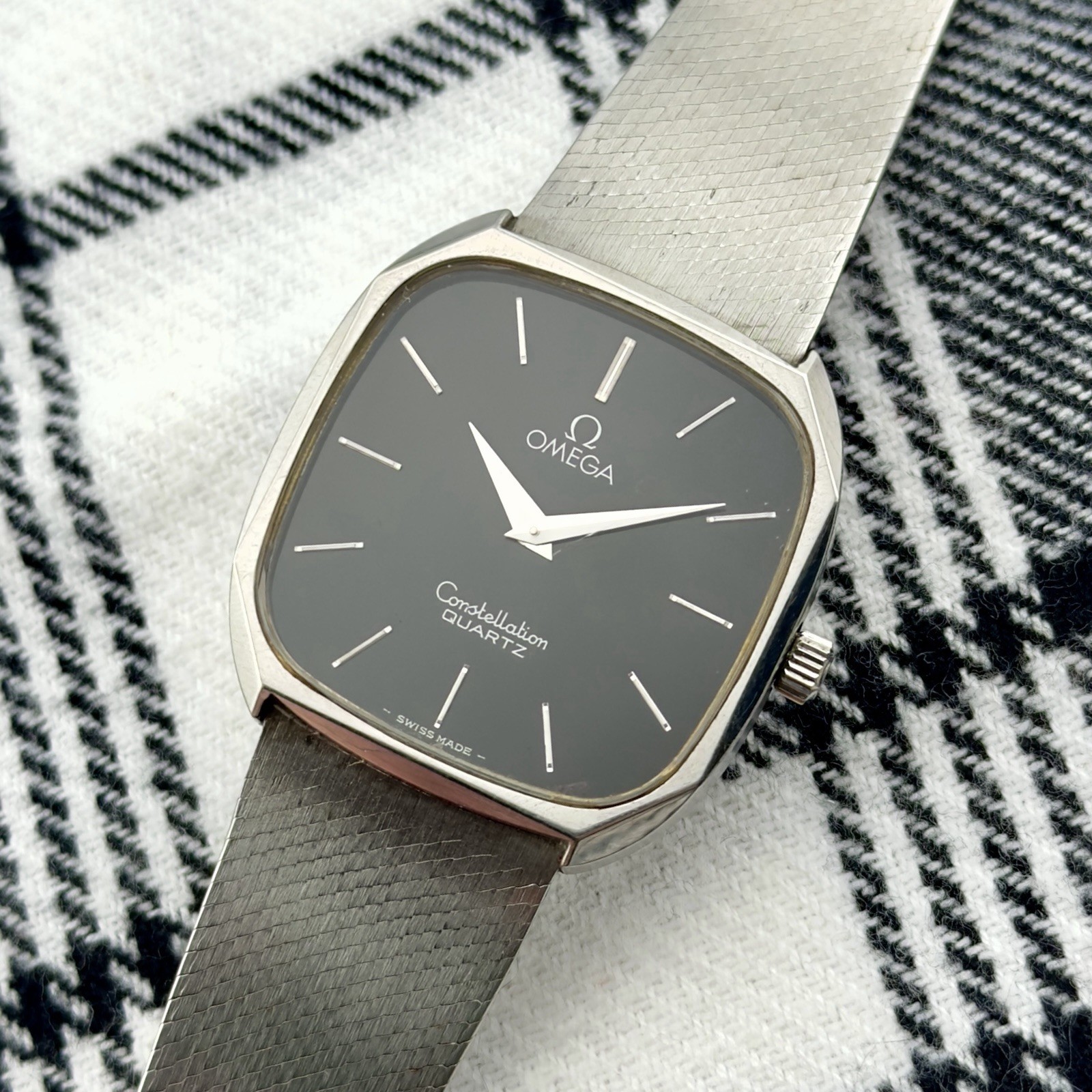
Vintage 1976 Omega Constellation Quartz - Black Dial - Ref 191.0014 - Mens Watch
horloges
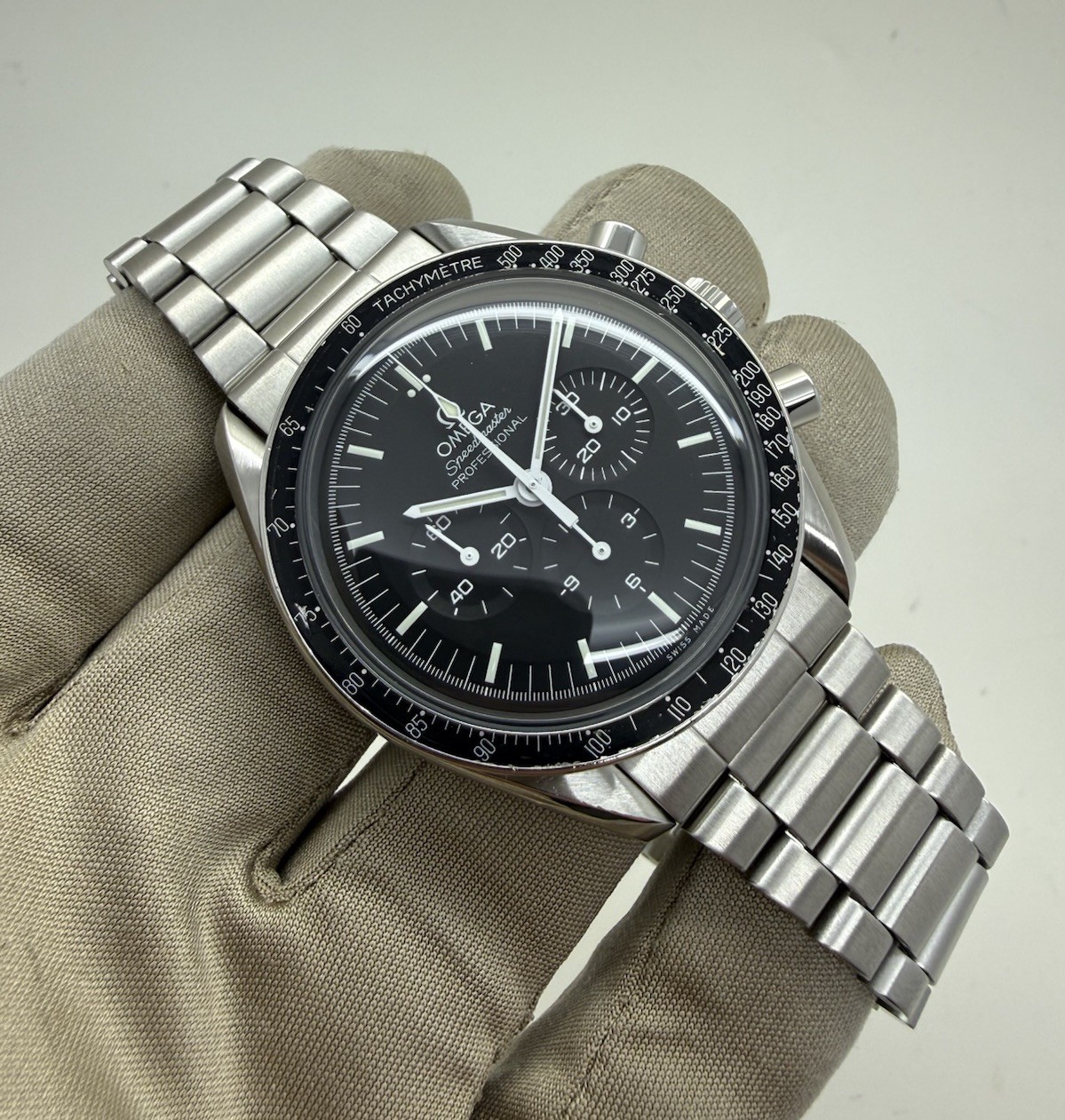
Omega Speedmaster Vintage Black Dial 42mm Steel Manual Wind Watch 145.022-69ST
horloges
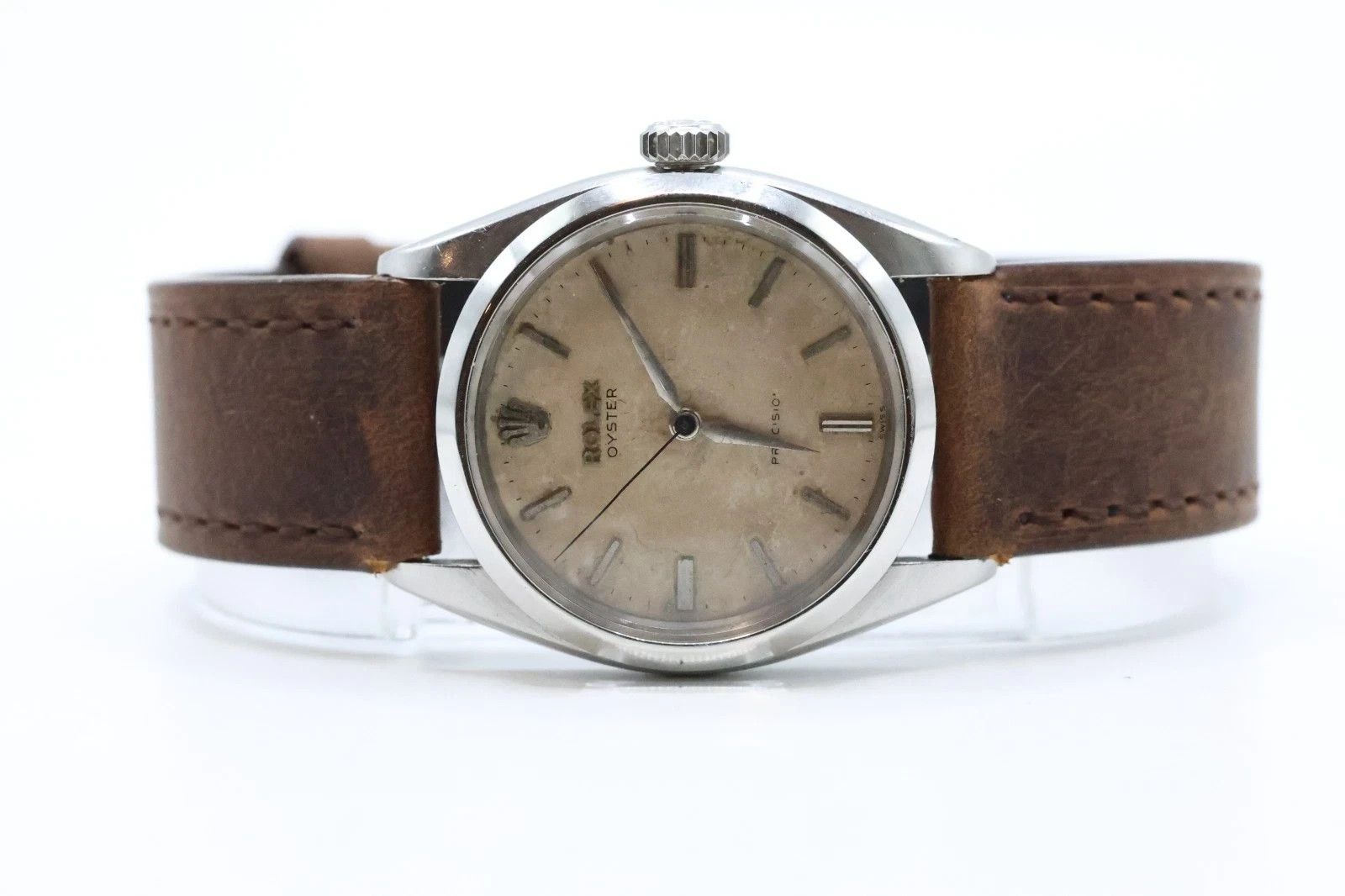
Rare Vintage Rolex Oyster Precision Ref. 6422 Manual Wind 34mm Watch Head #708
horloges
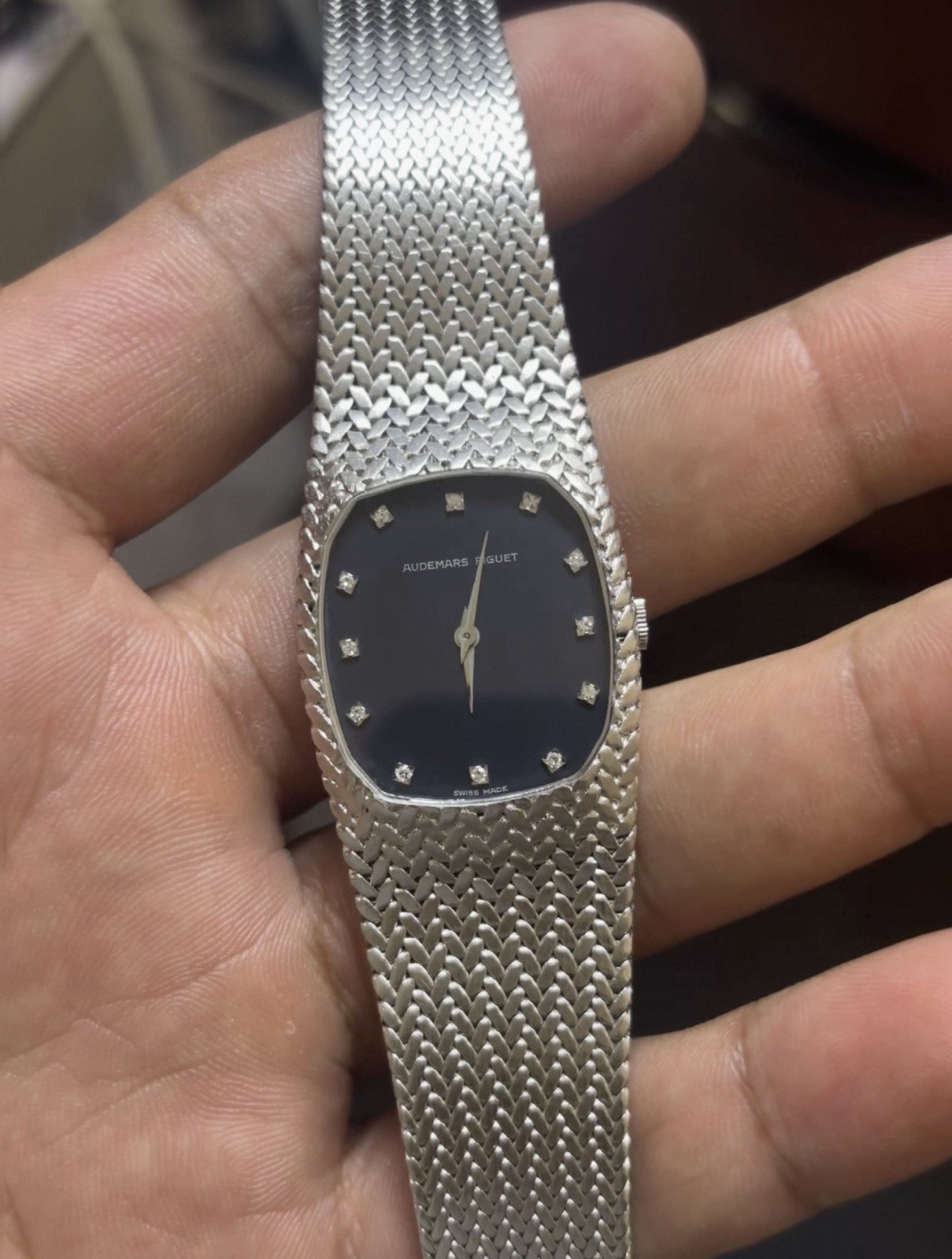
1970's Audemars Piguet Vintage Cobra Watch Diamond Dial
horloges
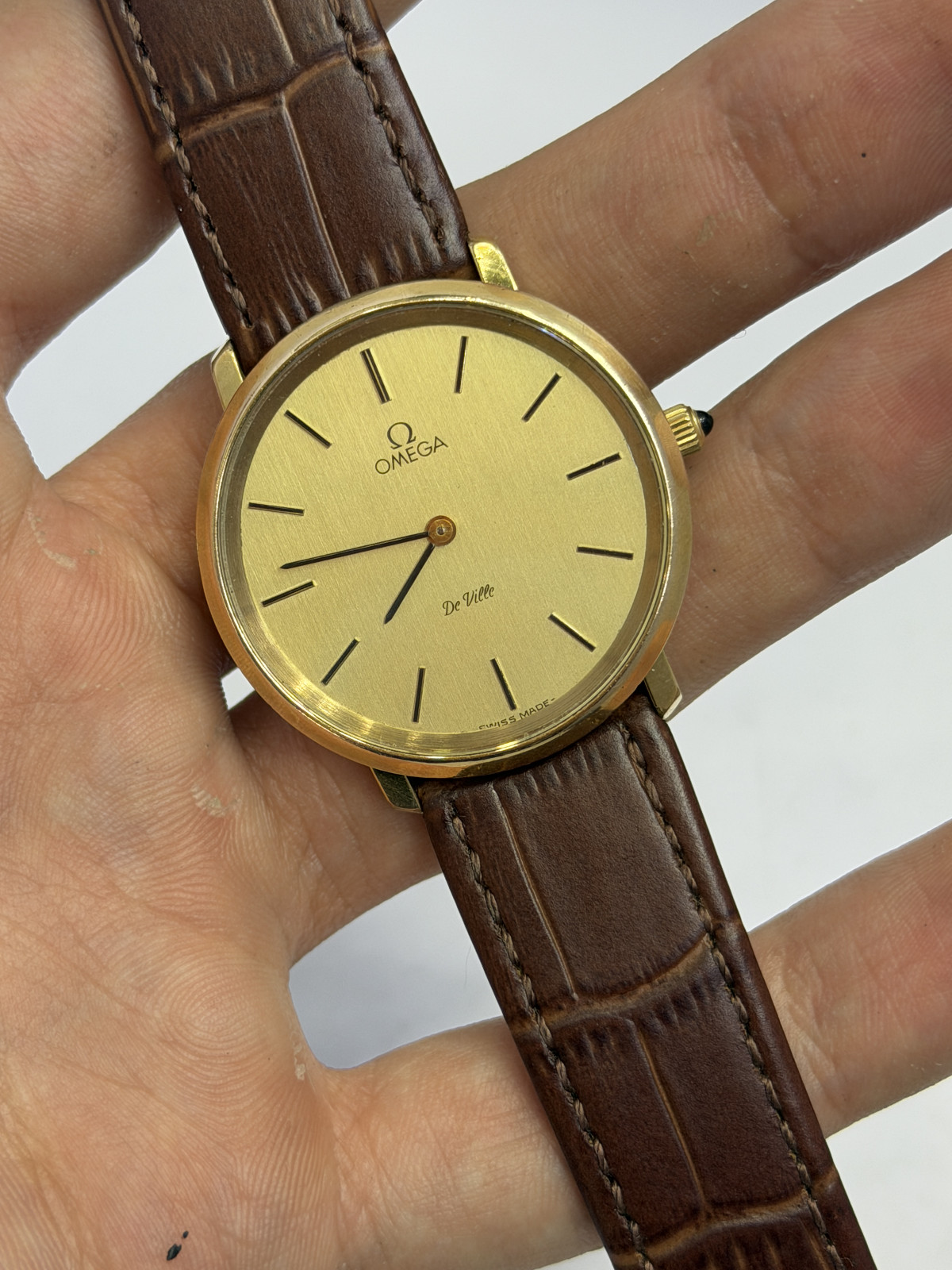
Vintage near mint Omega De Ville manual winding gold-plated.
horloges
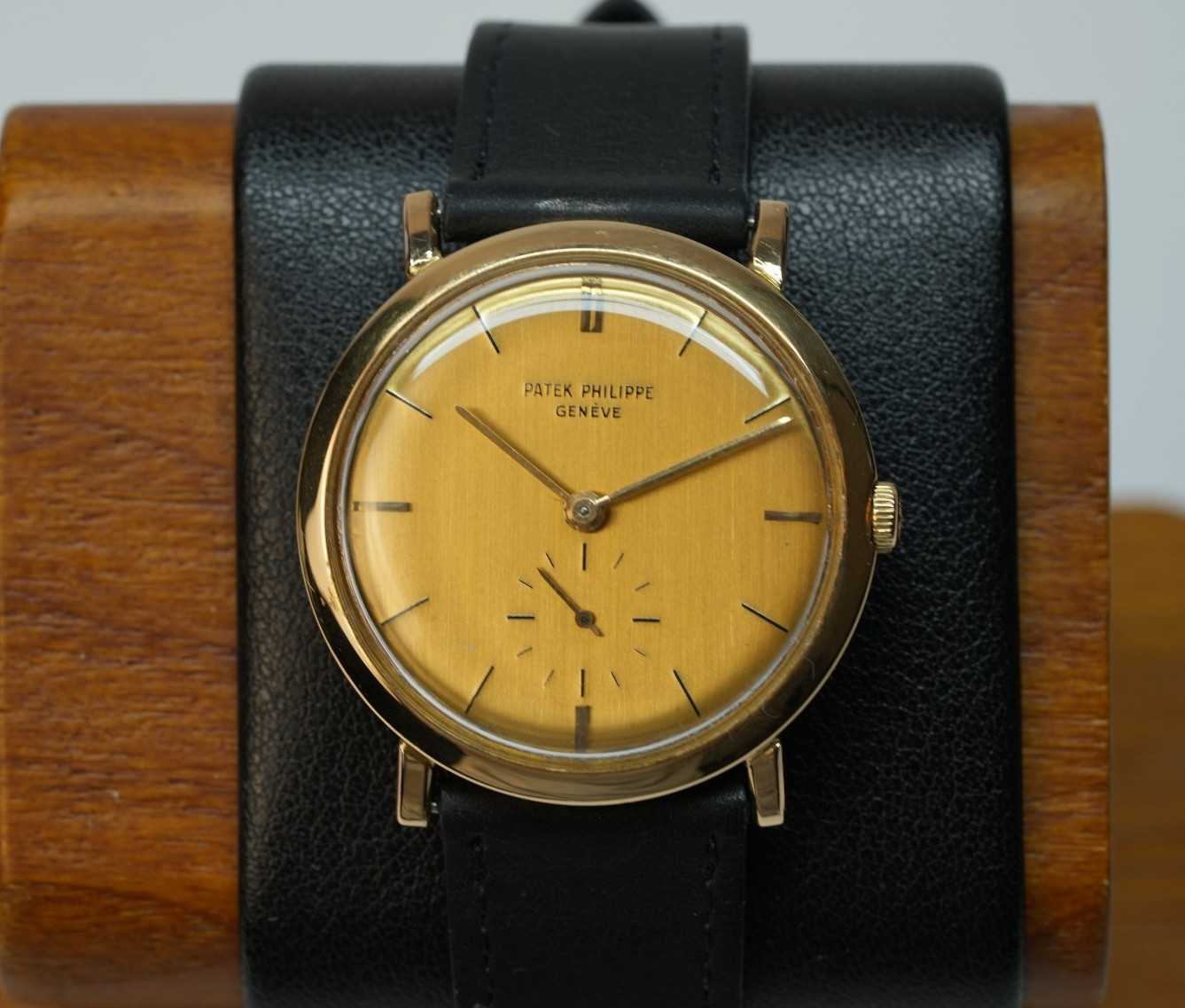
Patek Philippe Calatrava 2581 33mm 18k Gold Manual Wind Vintage Watch
horloges
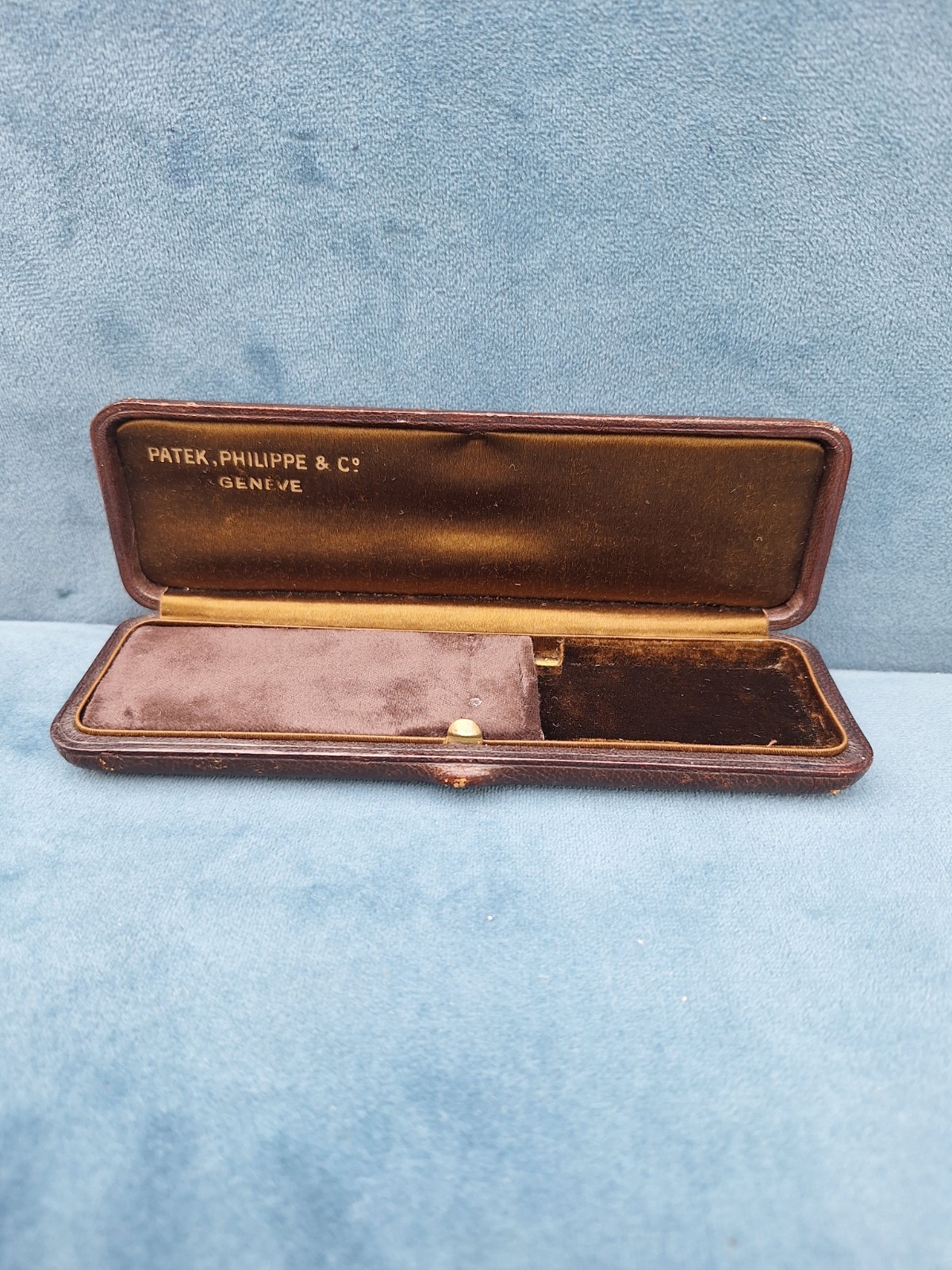
Patek philippe Vintage Very Rare Wirst Watch 1940's 1950's Box
horloges
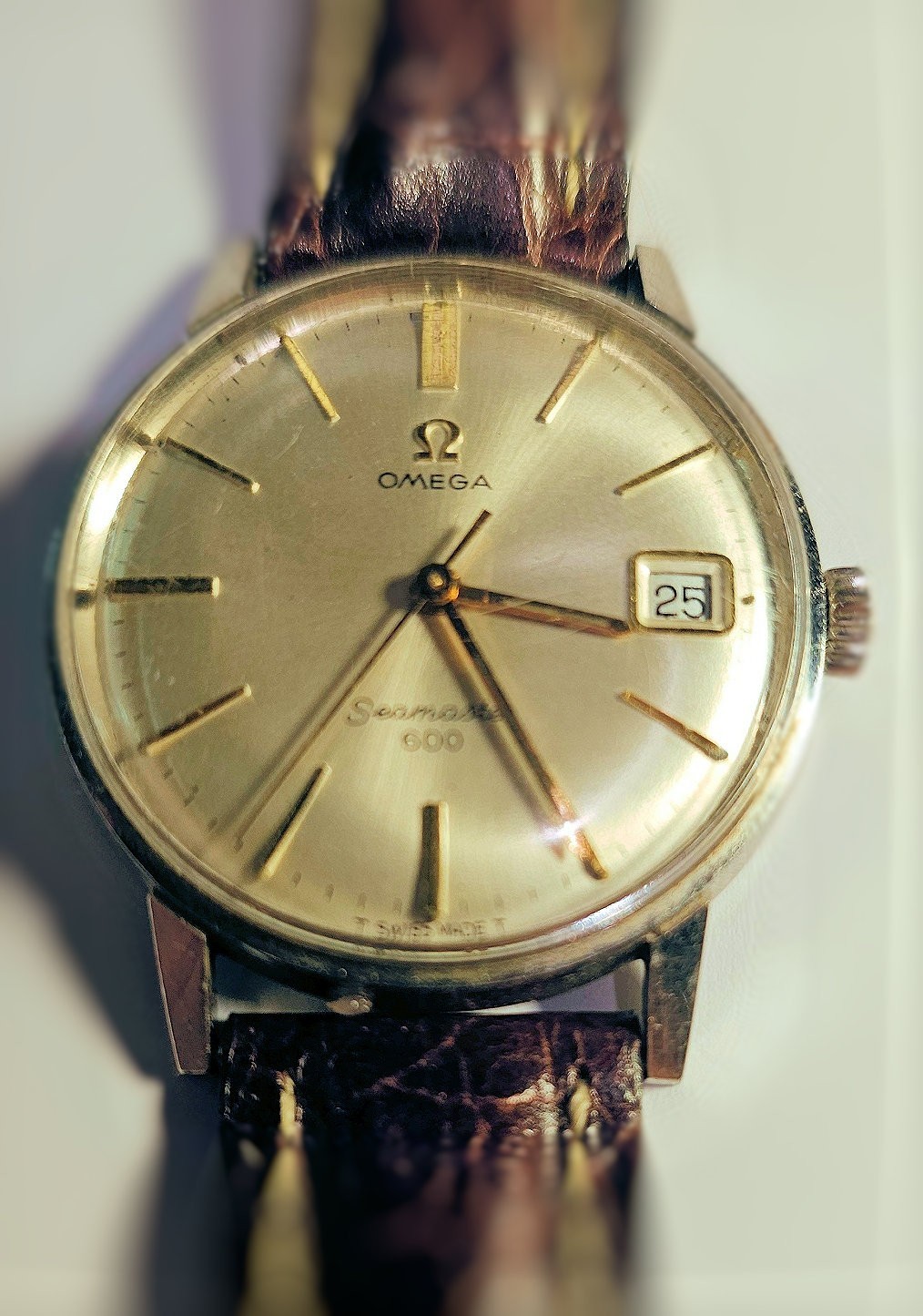
Vintage OMEGA SEAMASTER 600 with date
The names
Meet the designers
The minds behind this story — each with a piece currently on the market.
Omega
CH · 1840s
The Speedmaster & the Moonwatch
The Speedmaster & the Moonwatch
Top piece
View →
Rolex
CH · 1900s
The Submariner & the Datejust
The Submariner & the Datejust
Top piece
View →
Børge Mogensen
Denmark · 1940s
The Spanish chair — honest, functional furniture for everyday life.
The Spanish chair — honest, functional furniture for everyday life.
Top piece
View →
Dior
France · 1940s
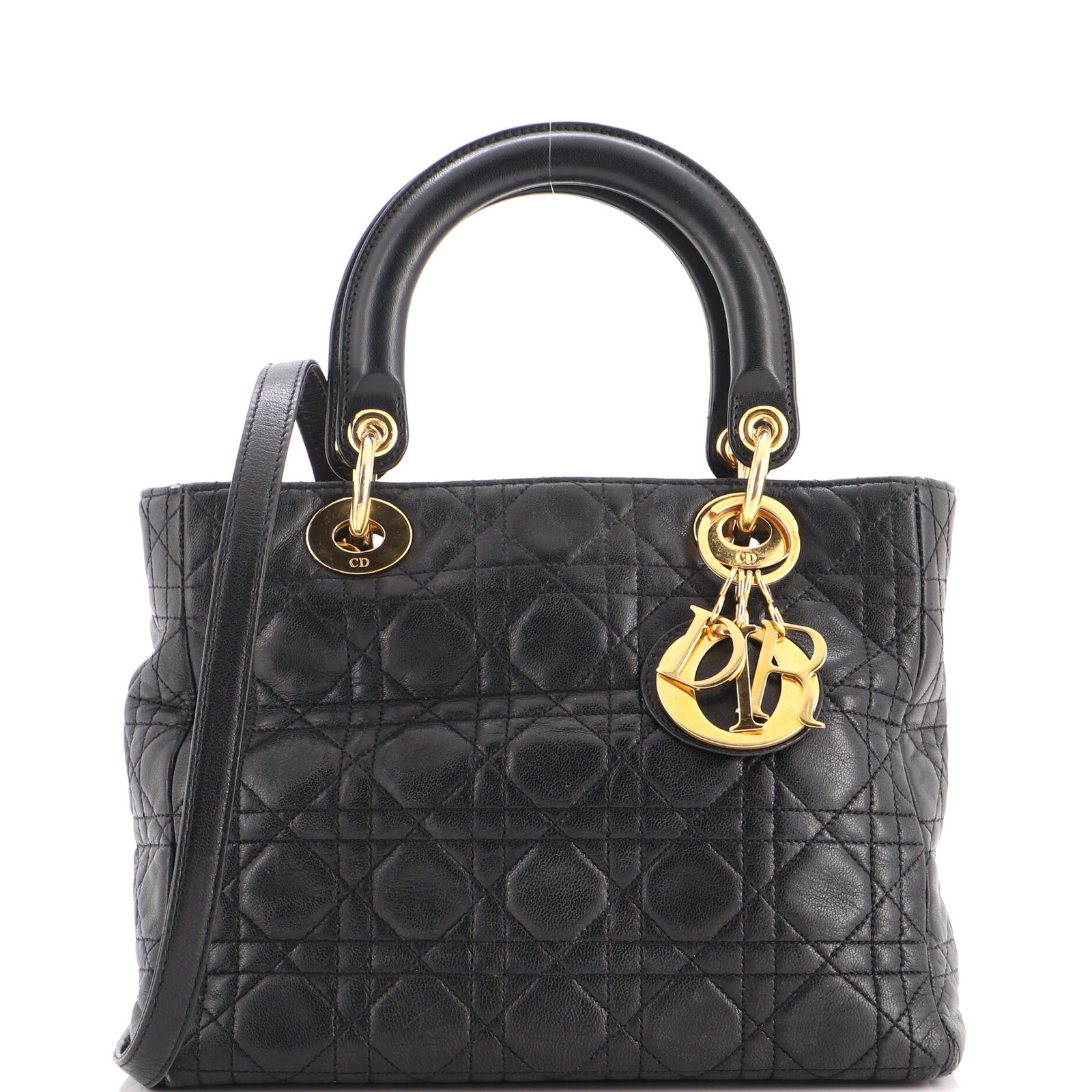
The New Look & the Lady Dior
The New Look & the Lady Dior
Top piece
View →
Continue the edit
Further stories from the same world
Three more walks through the same vintage universe.

The Silk Scarf Is the Quiet Flex of Amsterdam
A silk scarf is the cheapest way into a serious label. The prints are small paintings, the hand-rolled edges are proper craft, and a good one costs less than a mediocre dinner.
Read the story →
The Leather Jacket Is Back, and Amsterdam Wears It Best
A leather jacket is the rare piece that looks better the longer you own it. Vintage ones arrive already broken in. The collar softened, the cuffs scuffed, the lining a little tired in the best way.
Read →
The Art Deco Furniture You Can Wear: A Styling Guide for Grown-Ups
Art Deco furniture is not just for your living room. Here is how to wear its geometry, materials, and glamour without looking like a costume.
Read →