
 Sign in
✦ Culture · Amsterdam
Vintage Jewellery in Amsterdam: What to Buy
Chunky gold chains and Victorian cameos are having the same moment for the same reason. Both look handmade. Nothing on a vintage jewellery tray was designed by committee, and that shows the second you put it on.
 By Louis Trash·
Why Jewellery Matter Now
Chunky gold chains and Victorian cameos are having the same moment for the same reason. Both look handmade. Nothing on a vintage jewellery tray was designed by committee, and that shows the second you put it on. In a city where everyone cycles, a piece that clinks or catches the light differently each time you move becomes part of your daily uniform. The Dutch have a word for it: gezellig. Cosy, convivial, a bit worn-in. That is what vintage jewellery adds to a raincoat and a pair of sturdy boots.
You are not accessorising for a meeting. You are accessorising for a ride along the Herengracht, a stop at the market, an evening in a brown café. Jewellery that is too delicate disappears. Jewellery that is too shiny screams tourist. The sweet spot is something with a history, a slight imperfection, a weight that says it has been somewhere before.
How to Wear It
One heavy piece beats three delicate ones. Let a single chain sit against bare skin. A thick gold link, a chunky silver cuff, or a Victorian brooch pinned high on a lapel. Choose one and let it carry the outfit. Layering delicate pieces only works if you are built like a model and standing still. On a bike, they tangle and catch. Save the stacking for the jewellery box.
Pin a cameo or brooch to a blazer lapel, slightly higher than feels natural. That is where it catches the eye without getting lost in the lapel's roll. If you are wearing a scarf, pin it through the scarf and the jacket both. It keeps the scarf in place and the brooch visible. A cameo on a velvet ribbon at the throat is another Amsterdam classic, especially with a trench coat.
Mix metals deliberately. Gold with silver reads collected, not confused. The old rule about never mixing is dead. A Victorian gold locket on a modern silver chain works because the styles are different enough to look intentional. Same with a chunky gold chain paired with a slim silver bangle. The key is contrast: thick with thin, ornate with plain, old with new. If both pieces are the same weight and finish, they fight.
Where to Find Yours in Amsterdam
- Episode De Pijp (Gerard Doustraat 63). Big racks, honest prices, restocked most mornings, from around 20 euros. This is the place for everyday pieces: a silver ring with a worn band, a 1970s enamel brooch, a single pearl earring that you can wear as a pendant. The staff are young and know their stuff, but they let you browse. Go early on a Tuesday or Wednesday, before the weekend crowds strip the best trays.
- Concrete Matter (Huidenstraat 13). Menswear with real provenance, the good stuff is at the back, from around 45 euros. They specialise in mid-century men's accessories: signet rings, cufflinks, tie pins, and the occasional heavy chain. The owner, a man named Jan who has been in the trade for thirty years, will tell you the story behind each piece if you ask. He has a soft spot for Art Deco platinum work, which is rarer than you think.
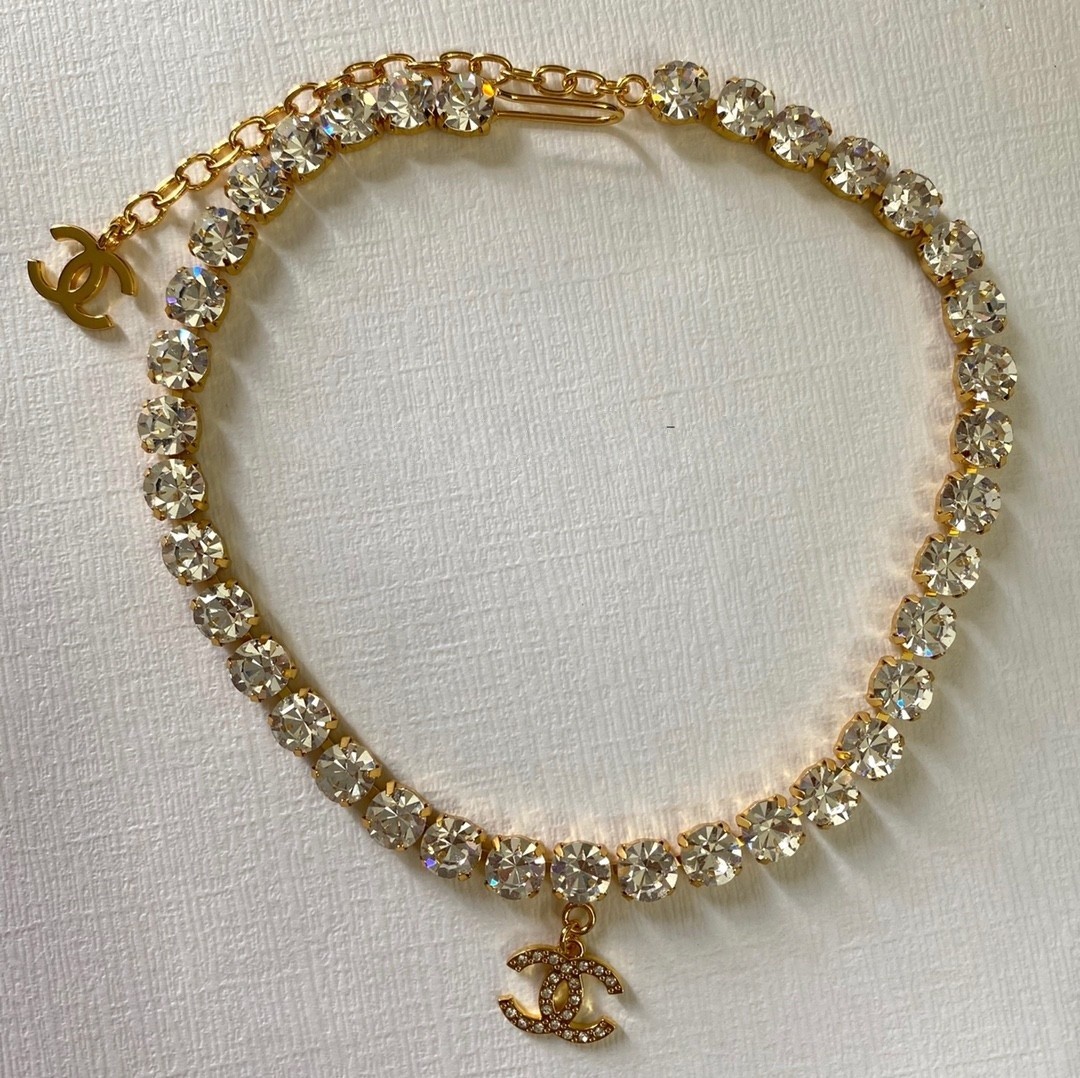
- Bij Ons Vintage (Nieuwezijds Voorburgwal 150). Curated designer, ask about the pieces behind the counter, from around 60 euros. This is the place for a statement piece: a 1960s Chanel-style gold chain, a Lalique glass brooch, a 1940s cocktail ring with a real stone. The owner, a woman named Liesbeth, buys from estate sales and private collectors. She keeps the best pieces in a velvet-lined drawer behind the till. Ask to see it. She will bring out a tray of things she has not even priced yet.
- Waterlooplein Market (Waterlooplein 2). Unsorted and cheap. Go early, bring cash, from around 90 euros. This is the flea market that has been running since 1885. You will find everything from broken pocket watches to 1970s Mexican silver. The trick is to go on a Monday morning, when the dealers have cleared out the weekend leftovers and the new stock is still in boxes. Bring a jeweller's loupe if you have one. Haggle politely. The dealers expect it, and a smile gets you further than a hard bargain.
Go on a weekday morning if you can. The rails are fullest before the weekend crowd arrives, and staff have time to show you what came in overnight. Tuesday is the best day in Amsterdam. The markets have been restocked, the shops are quiet, and you can have a coffee afterwards without queuing.
What to Look For
Look for hallmarks inside the band or on the clasp. A stamped 9ct, 14k or 925 is your proof. Dutch hallmarks are particularly good. They have been regulated since 1814, so a piece from the 19th century will have a clear mark. A crown and a number means gold. A lion and a number means silver. If you see a mark you do not recognise, ask. A reputable dealer will explain it. If they cannot, walk away.
Cameos should be carved shell or stone, which feels cool and slightly translucent at the edges. Moulded resin does not. Hold it up to the light. A real cameo will show a slight variation in colour where the carving is deepest. Resin is uniform and dull. Also, check the back. A genuine cameo is often mounted in a closed-back bezel, because the shell is delicate. If the back is open and the carving is crude, it is likely plastic.
Test a clasp before buying. A worn spring ring is a cheap fix, but a broken hinge on an old brooch rarely is. The spring ring is the little loop that closes a chain. You can replace it for a few euros at any jeweller. A hinge on a brooch, however, is part of the mechanism and often impossible to repair without damaging the piece. Check that the pin is straight and that it clicks into place. If it does not, put it back.
One last thing: try it on properly, walk around in it, and sit down. A piece of vintage jewellery that only works standing still is not going to survive your actual life. You will be cycling, carrying groceries, pulling a jumper over your head. If it catches on everything, it will either break or you will stop wearing it. The best pieces are the ones you forget you have on.
A Brief History of Dutch Vintage Jewellery
Amsterdam has been a jewellery town since the 17th century, when the diamond trade made the city one of the richest in Europe. The Dutch East India Company brought gemstones from the East, and local goldsmiths turned them into rings, brooches, and pendants that were worn by merchants' wives and painted by Rembrandt. The tradition continued through the 19th century, when Amsterdam's jewellers were known for their intricate silver work and bold use of coloured stones. That style stands out against the more delicate French and English pieces of the same period.
The 1920s and 1930s saw a boom in Art Deco jewellery, with geometric shapes and platinum settings. Amsterdam's workshops were slower to adopt the style than Paris, but they added their own touches: more enamel, more asymmetry, a fondness for moonstones and coral. The 1970s brought a wave of chunky gold chains and modernist silver, inspired by the Amsterdam hippie scene and the city's thriving art schools. That is why you see so many heavy links and geometric pendants in the vintage shops. They are the legacy of a generation that rejected the formality of their parents and embraced the handmade.
Today, the city's vintage trade is a mix of old families and new entrepreneurs. The old ones know the history. The new ones know the trends. Both are worth listening to, but trust the ones who show you the hallmarks before you ask.
 ✦ The Edit
One to watch
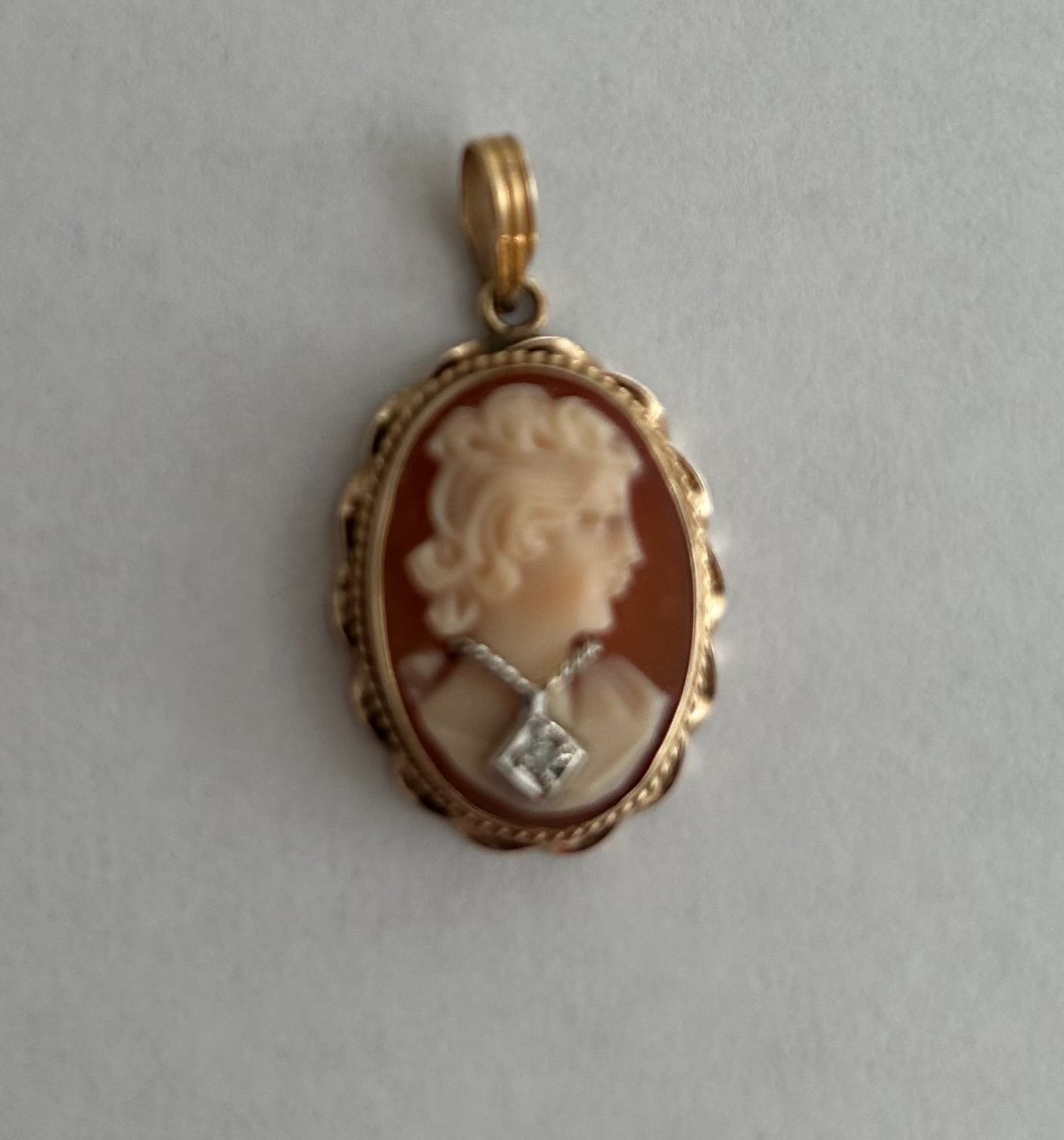
Vintage Shell Cameo Brooch Pendent. 14k Gold With A Diamond. Beautiful.
A piece like this is the fastest way to add a little history to anything you own. This honestly worn piece in gold and diamond is the kind of piece that tells a story before you have said a word. A piece like this is not really bought, it is kept.
On the market now
The names
Meet the designers
The minds behind this story — each with a piece currently on the market.
Arne Jacobsen
Denmark · 1950s
The Egg & the Series 7 — chairs turned into quiet sculpture.
The Egg & the Series 7 — chairs turned into quiet sculpture.
Top piece
View →
Børge Mogensen
Denmark · 1940s
The Spanish chair — honest, functional furniture for everyday life.
The Spanish chair — honest, functional furniture for everyday life.
Top piece
View →
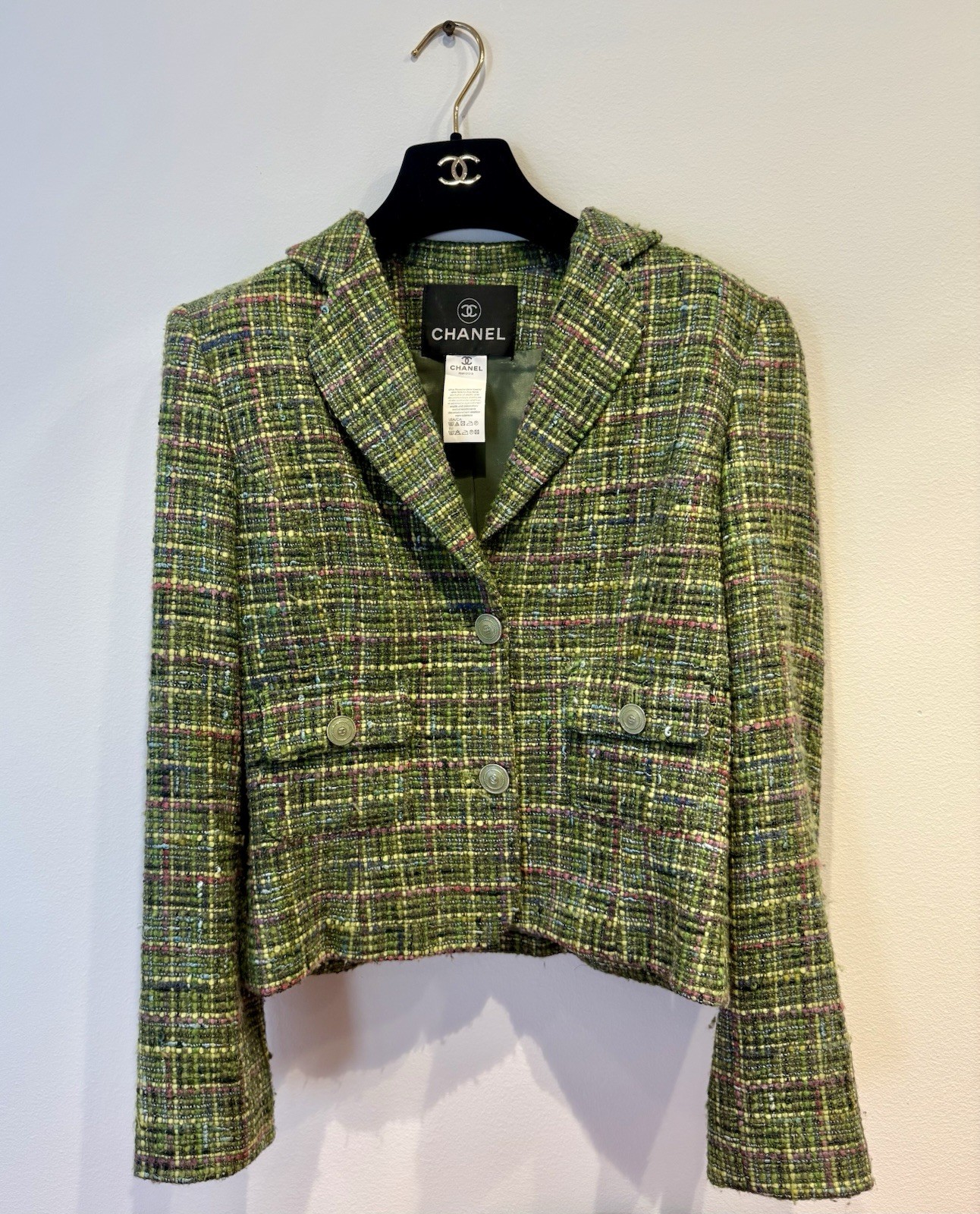
Chanel
France · 1910s
The little black dress & the 2.55
The little black dress & the 2.55
Top piece
View →
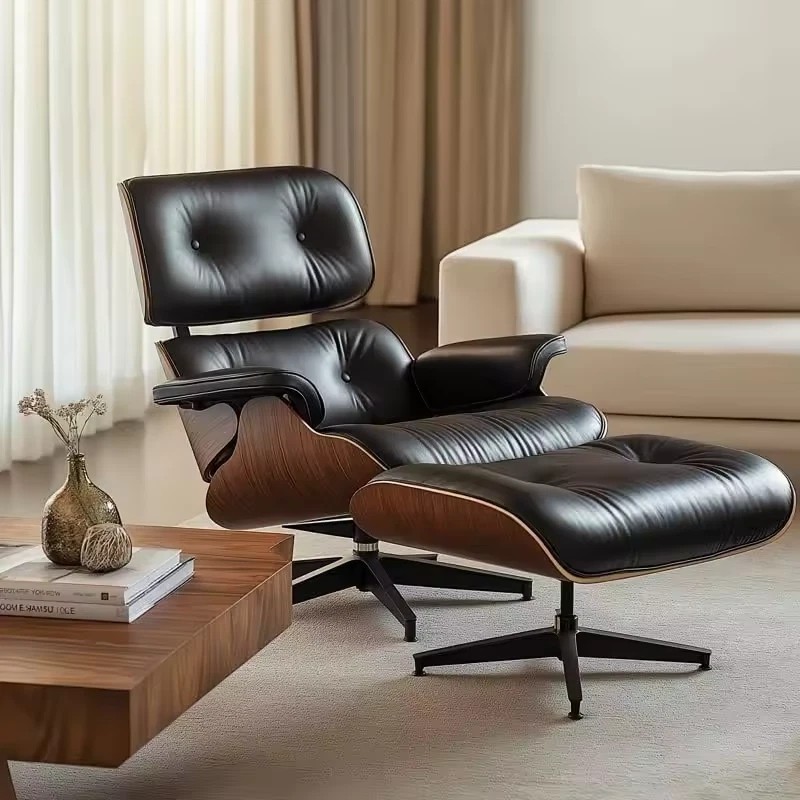
Charles & Ray Eames
USA · 1940s
Moulded plywood & the Lounge Chair — the couple who made modern furniture feel human.
Moulded plywood & the Lounge Chair — the couple who made modern furniture feel human.
Top piece
View →
Continue the edit
Further stories from the same world
Three more walks through the same vintage universe.

The Silk Scarf Is the Quiet Flex of Amsterdam
A silk scarf is the cheapest way into a serious label. The prints are small paintings, the hand-rolled edges are proper craft, and a good one costs less than a mediocre dinner.
Read the story →
The Leather Jacket Is Back, and Amsterdam Wears It Best
A leather jacket is the rare piece that looks better the longer you own it. Vintage ones arrive already broken in. The collar softened, the cuffs scuffed, the lining a little tired in the best way.
Read →
The Art Deco Furniture You Can Wear: A Styling Guide for Grown-Ups
Art Deco furniture is not just for your living room. Here is how to wear its geometry, materials, and glamour without looking like a costume.
Read →