
 Sign in
✦ Culture · Milan
Trench Coat Hunting in Milan
Nobody makes coats the way they used to. Vintage wool is denser, trench cottons are heavier, and the linings were built to be replaced rather than thrown away.
 By Louis Trash·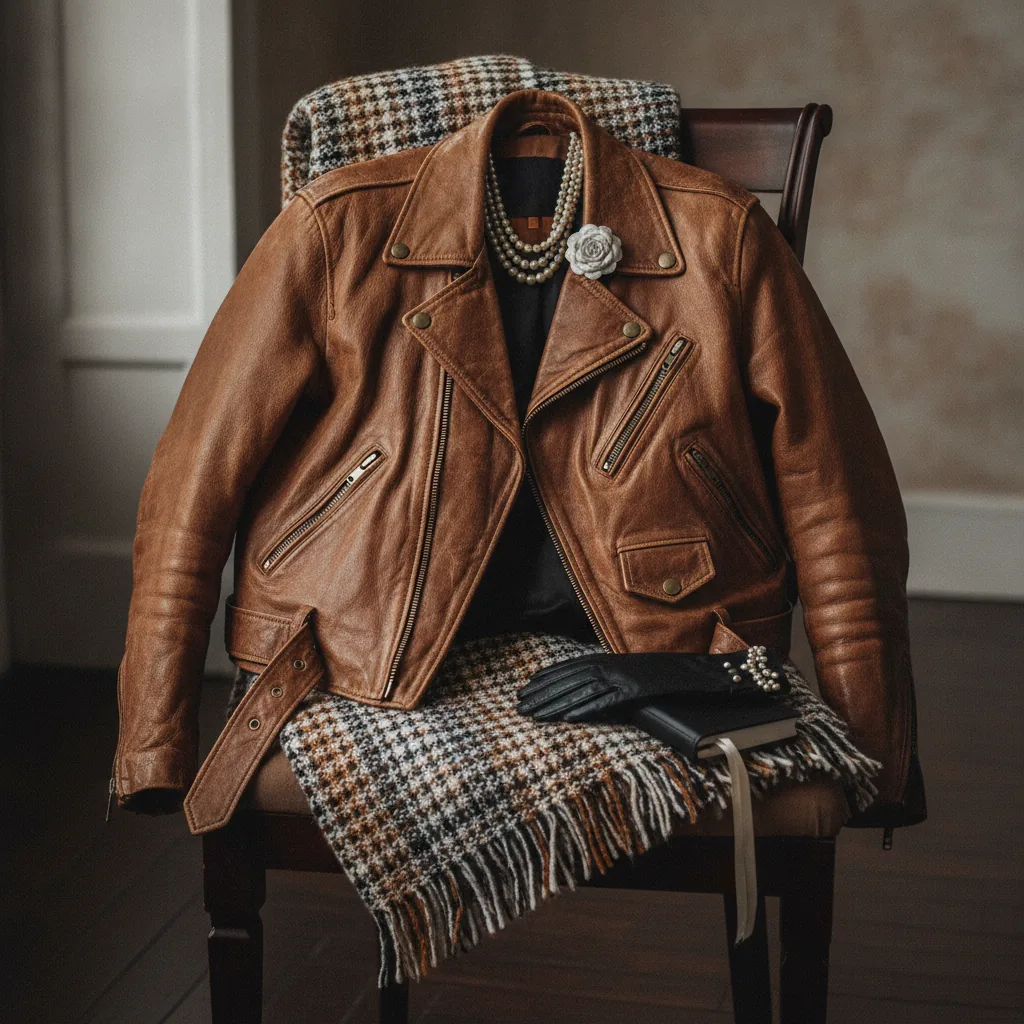
Why Coats Matter Now
Nobody makes coats the way they used to. Vintage wool is denser, trench cottons are heavier, and the linings were built to be replaced rather than thrown away. A good old coat outlasts three new ones. I have a 1970s Max Mara in camel that has seen me through two decades of Milanese winters, and it still turns heads. The new ones? They pill, they thin at the elbows, they lose their shape after a season. The old ones had substance. They were cut from cloth that weighed a kilo per meter, sewn with seams that could be let out, and lined with silk that breathed. Walk down Via Montenapoleone and you will see tourists in shiny new puffers. The locals, the ones who know, wear a faded trench with a story.
How to Wear It
Buy one size up and wear it open over knitwear. Coats should skim, not squeeze. A 42 fits like a 40 if it is from the 1980s, when shoulders were padded and cuts were generous. Try a 44 from the 1960s and it will hang like a 42. The trick is to find one that falls past your hip, with sleeves that end at your wrist bone, and then let it move. A long trench over jeans and boots is still unbeatable. I wear mine with a roll-neck sweater, straight-leg Levi's, and a pair of lace-up boots that have seen better days. The coat does the work. Belt it at the back rather than the front for a cleaner line. Pull the belt through the loops, cross it behind you, and tie it loosely at the small of your back. It cinches the waist without adding bulk at the front. If the belt is missing, do not panic. A leather belt from a second-hand shop works just as well.
Where to Find Yours in Milan
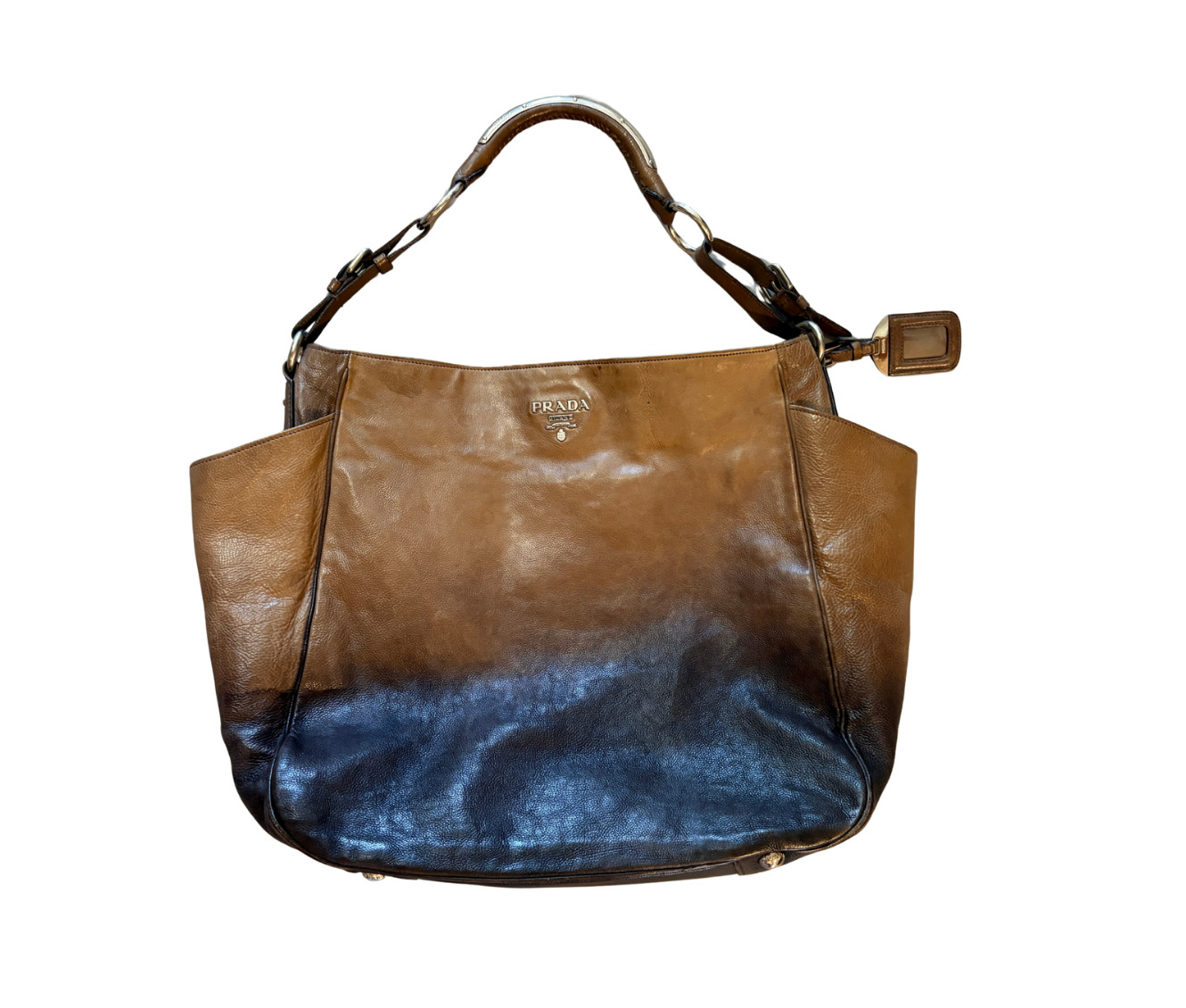
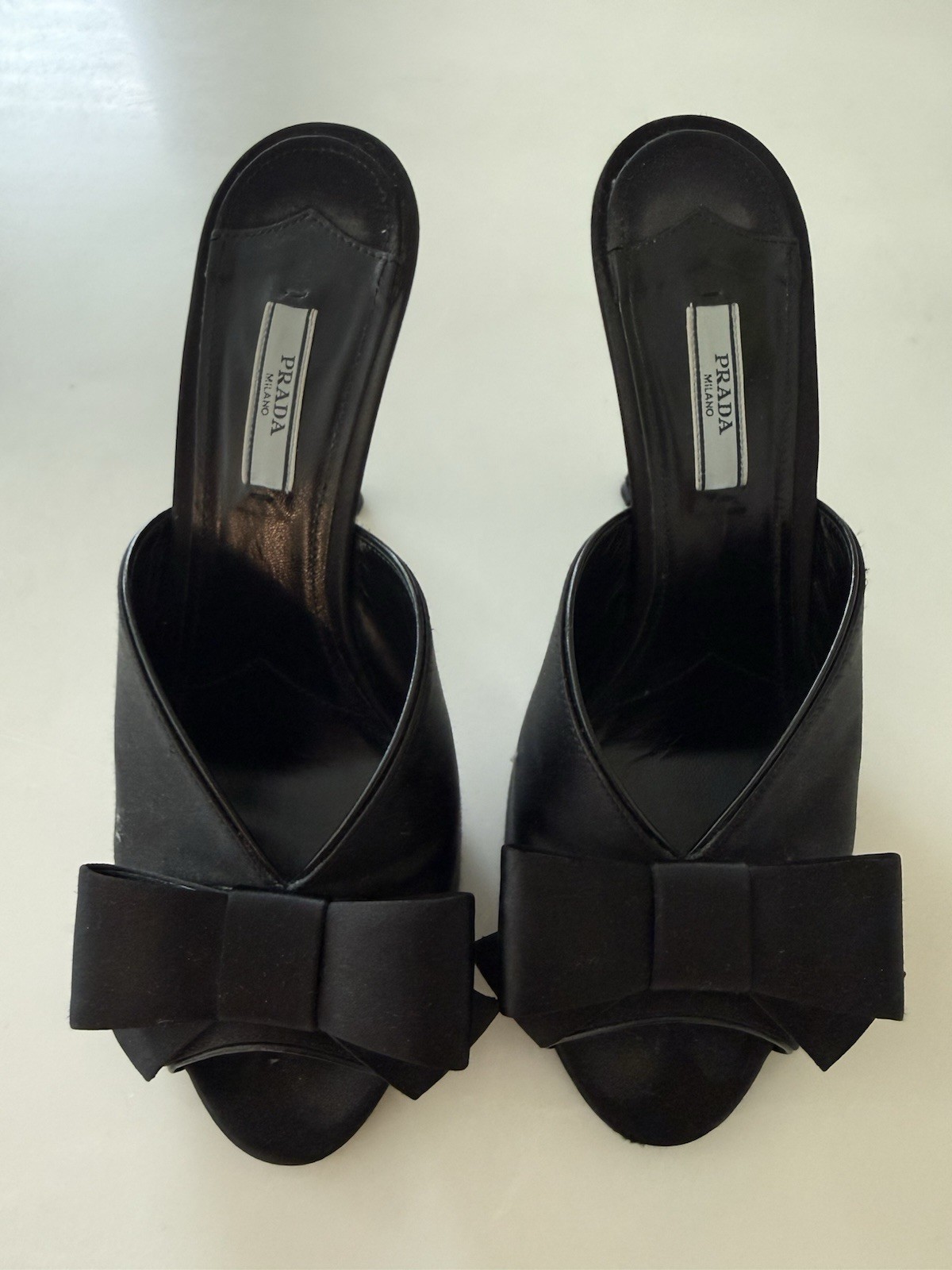
- Cavalli e Nastri (Via Brera 2) — the archive shop — Prada, Ferragamo, Versace, from around 20 euros. This is a treasure cave. The ground floor has rails of jackets and coats, many from the 1980s and 1990s. Go upstairs for the older stuff, the 1960s and 1970s pieces that smell of mothballs and money. The staff know their stock. Ask for the Prada section and they will point you to a corner that looks like a convent's lost and found. I once found a black wool Prada coat with a velvet collar for 180 euros. It had a small tear in the lining, but the wool was perfect.
- Humana Vintage (Via Cappellari 3) — bargain rails, worth two passes, from around 45 euros. This is a charity shop, so the stock is a lottery. But the lottery pays off. Go on a Tuesday morning, when they put out the weekend donations. I found a 1980s Gianfranco Ferré coat for 50 euros, slightly faded at the shoulders, but the cut was impeccable. You have to dig. The rails are packed tight, and you will pull out polyester abominations before you find the wool. Do not be discouraged. Two passes: one to scan, one to pull. The second pass is where you find the gems.
- Bivio Milano (Via Colonnetta 5) — curated resale, refreshed weekly, from around 60 euros. This is a step up from Humana. The owner, a woman in her sixties who dresses like a beatnik countess, selects everything herself. She has a weakness for 1970s Italian tailoring. The coats are hung with space between them, and the prices are fair. I bought a brown suede coat there for 120 euros. It needed a new lining, but the leather was buttery. She will tell you the story of each piece if you ask.
- Madame Pauline Vintage (Foro Buonaparte 74) — high-end, appointment-friendly, from around 90 euros. This is the place for a special occasion. The collection is museum-quality: Dior, Chanel, Balenciaga, all from the 1950s and 1960s. Prices start at 90 euros and climb into the thousands. But you can find a 1960s wool coat by a lesser-known Italian house for under 200. Madame Pauline herself is a character, a tiny woman with a sharp eye. She will measure you and tell you exactly what suits your frame. Go with an appointment, and bring cash. She prefers it.
Go on a weekday morning if you can. The rails are fullest before the weekend crowd arrives, and staff have time to show you what came in overnight. Tuesday and Wednesday are the best days. Mondays are for deliveries, and by Thursday the good stuff is gone. I have a rule: if I see a coat that fits, I buy it immediately. Vintage does not wait.
What to Look For
Feel the weight — real wool coats are heavy and stay warm when damp. A 1970s coat will feel like a blanket; a new one feels like a shrug. Check the shoulders for sun-fading. If the color is lighter on the top of the sleeves, it has been hanging in a window for decades. That is not a dealbreaker, but it should lower the price. Check the lining for splits. A small tear at the hem is fixable. A lining that is shredded means you will pay 100 euros to replace it. Check the cuffs for shine, which is the first place wear shows. The sleeves rub against desks and tables, and the fabric becomes smooth and shiny. A little shine is okay. A lot means the coat has been worn every day for years, and the wool is weak. Replacing buttons is easy and transforms a coat; replacing a lining costs more than most vintage coats are worth. Buttons are the first thing to go. A missing button is not a problem. A missing lining is.
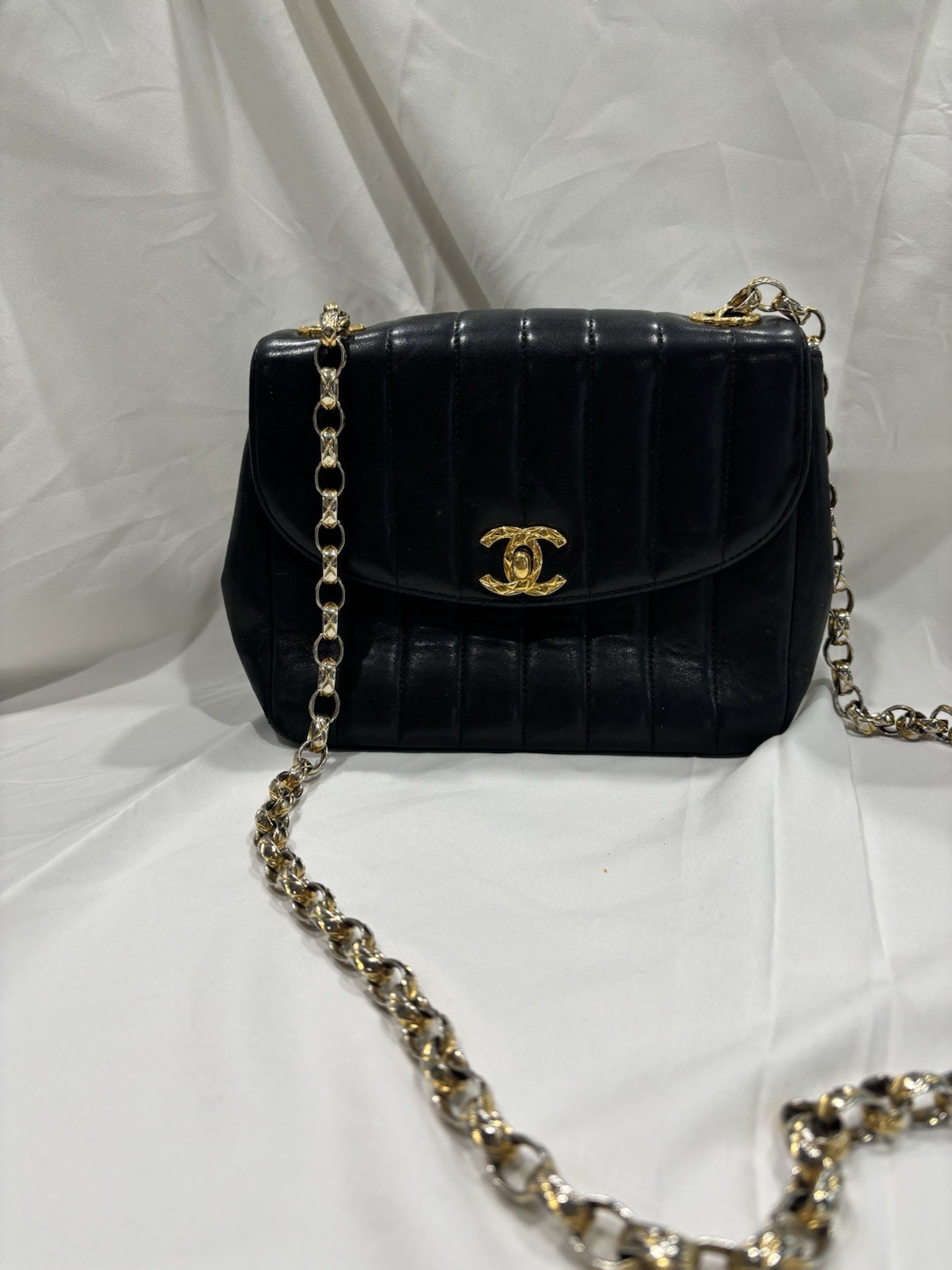
One last thing: try it on properly, walk around in it, and sit down. A vintage coat that only works standing still is not going to survive your actual life. Raise your arms. Bend over. Pretend to pick up a dropped glove. If the shoulders pull, it is too small. If the hem rides up, it is too short. Move in it. The coat should move with you, not against you. I have seen women buy coats that looked perfect on the hanger and then spent the whole winter fighting them. Do not be that woman.
And when you find the right one, wear it. Do not save it for good. Milanese winters are long and gray, and a beautiful coat deserves to be rained on, to get coffee spilled on it, to be thrown over a chair in a trattoria. That is what it was made for. The old coats know this. They have been waiting for you.
✦ The EditOne to watch
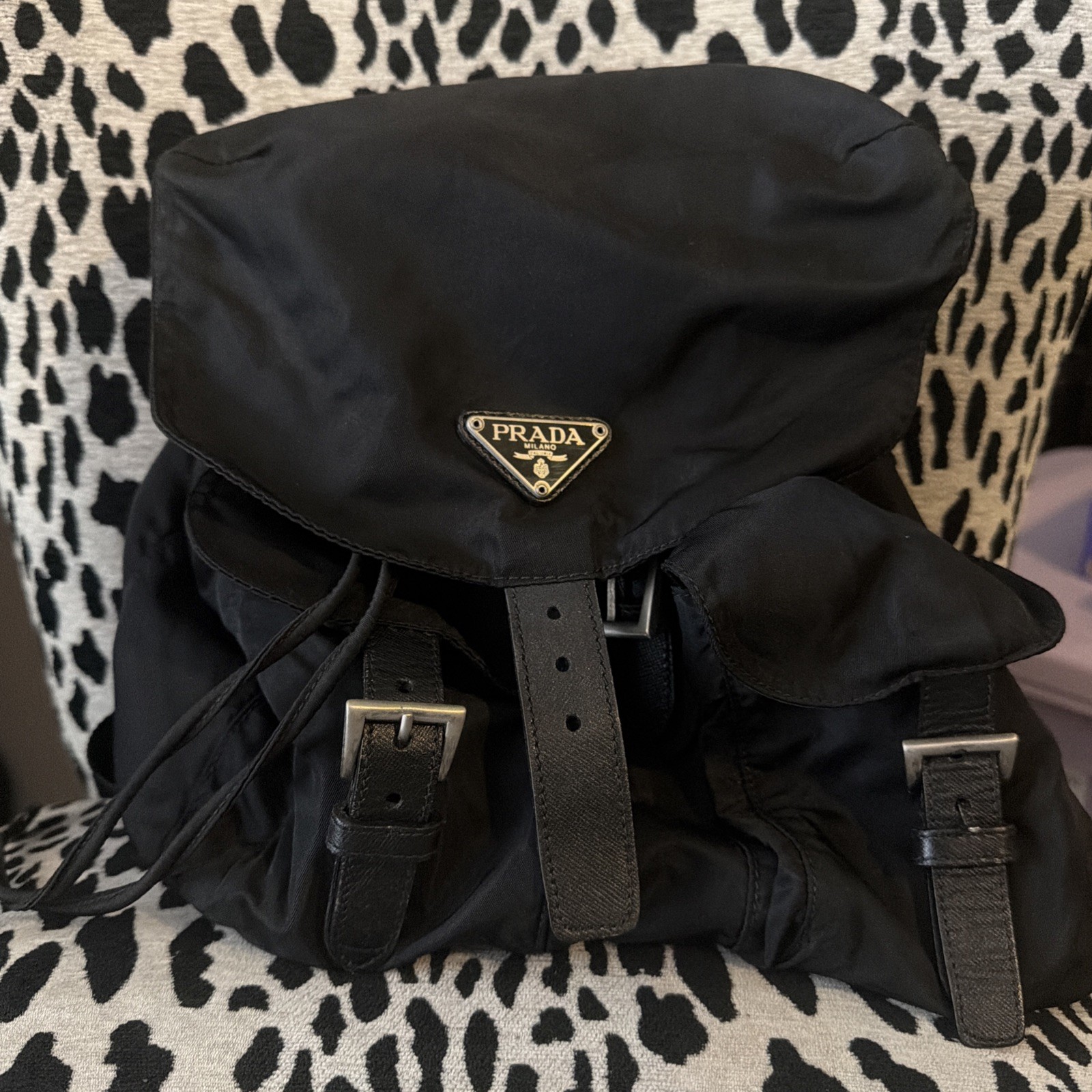
PRADA Backpack Triangle Logo Nylon Black Small Rucksack Vintage Bag
A bag like this is the fastest way to add a little history to anything you own. This honestly worn bag in black is the kind of piece that tells a story before you have said a word. Buy the story, and the object comes along with it.
On the market now
The names
Meet the designers
The minds behind this story — each with a piece currently on the market.
Dior
France · 1940s
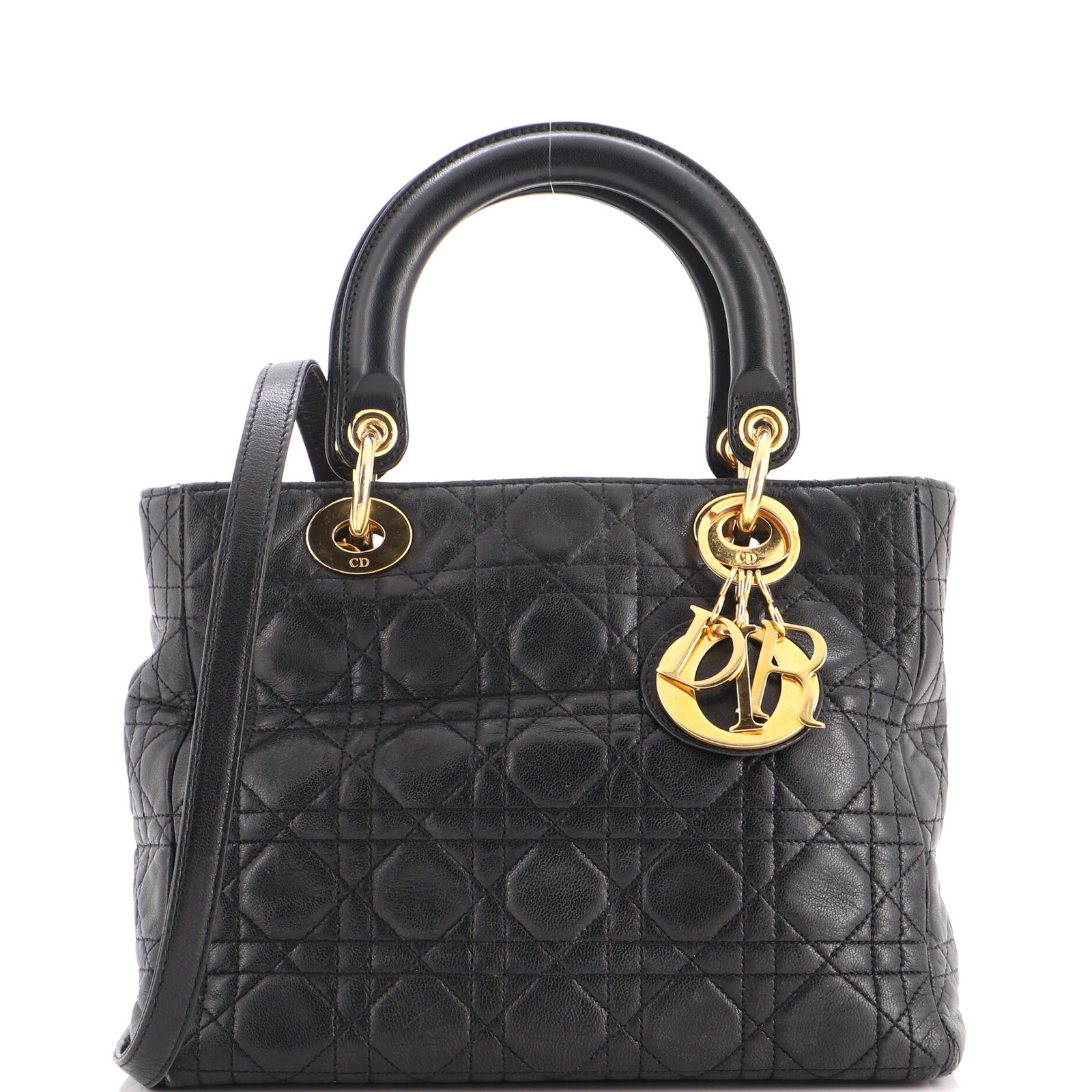
The New Look & the Lady Dior
The New Look & the Lady Dior
Top piece
View →
Chanel
France · 1910s
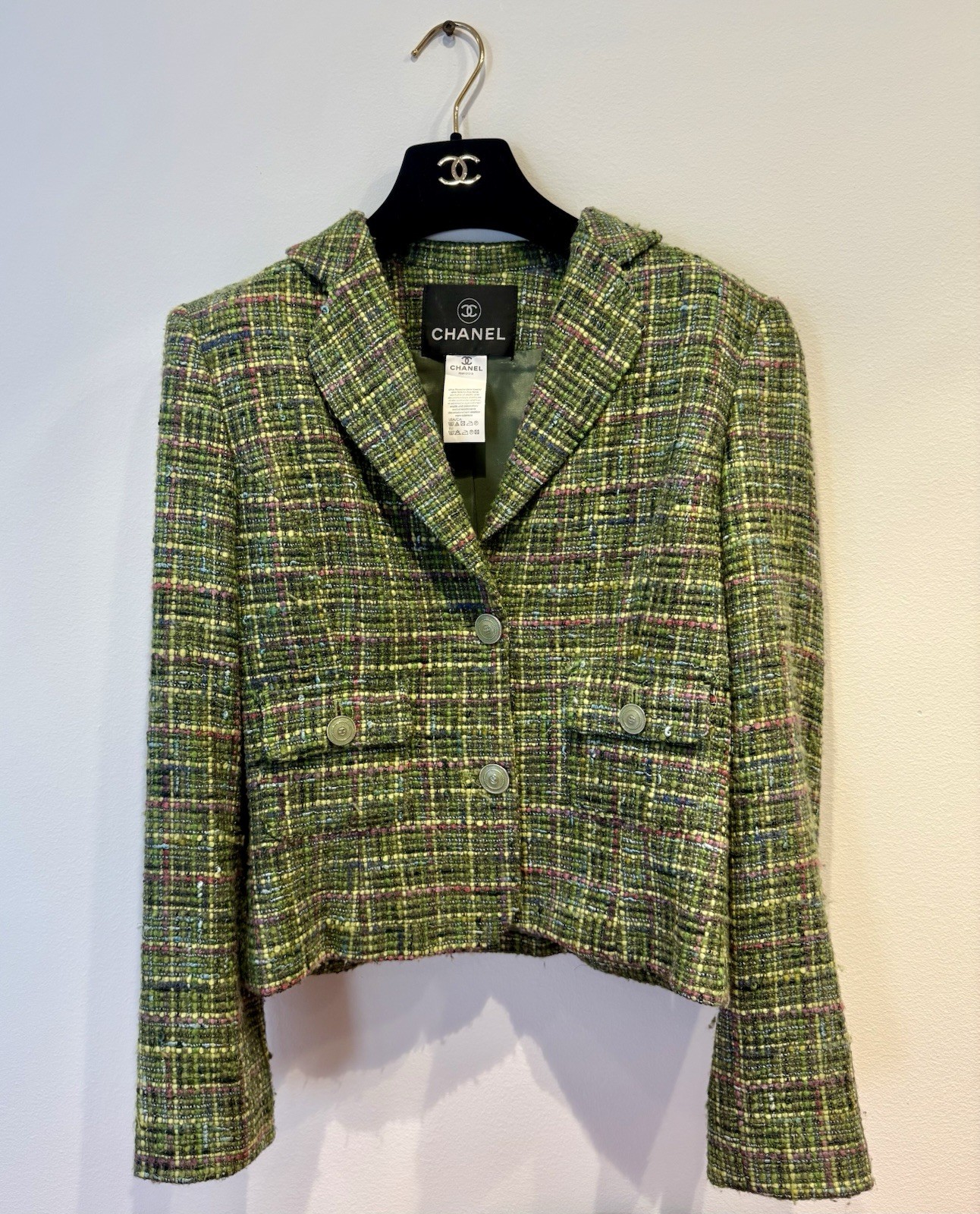
The little black dress & the 2.55
The little black dress & the 2.55
Top piece
View →
Armani
Italy · 1970s
The power suit & soft tailoring
The power suit & soft tailoring
Top piece
View →
Børge Mogensen
Denmark · 1940s
The Spanish chair — honest, functional furniture for everyday life.
The Spanish chair — honest, functional furniture for everyday life.
Top piece
View →
Continue the edit
Further stories from the same world
Three more walks through the same vintage universe.

Milan's Best Racks for Vintage Tees
A band tee is a souvenir somebody else brought home. The faded print, the softened cotton, the fact that it survived thirty years of washing.
Read the story →
The Denim Guide for Milan
Vintage denim fits differently because it was cut differently. Higher waists, straighter legs, heavier cotton that holds its shape all day.
Read →
Why We Love a Nineties Shoulder Bag in Milan
The small shoulder bag is back, and the originals are still out there. A nylon bag from 1999 or a mini baguette from the same year carries a specific kind of confidence.
Read →