
 Sign in
🔥 Fashion · Milan
The Denim Guide for Milan
Vintage denim fits differently because it was cut differently. Higher waists, straighter legs, heavier cotton that holds its shape all day.
 By Louis Trash·
Why Denim Matters Now
Vintage denim fits differently because it was cut differently. Higher waists, straighter legs, heavier cotton that holds its shape all day. And the fade is real, earned by somebody else's decade of wearing.
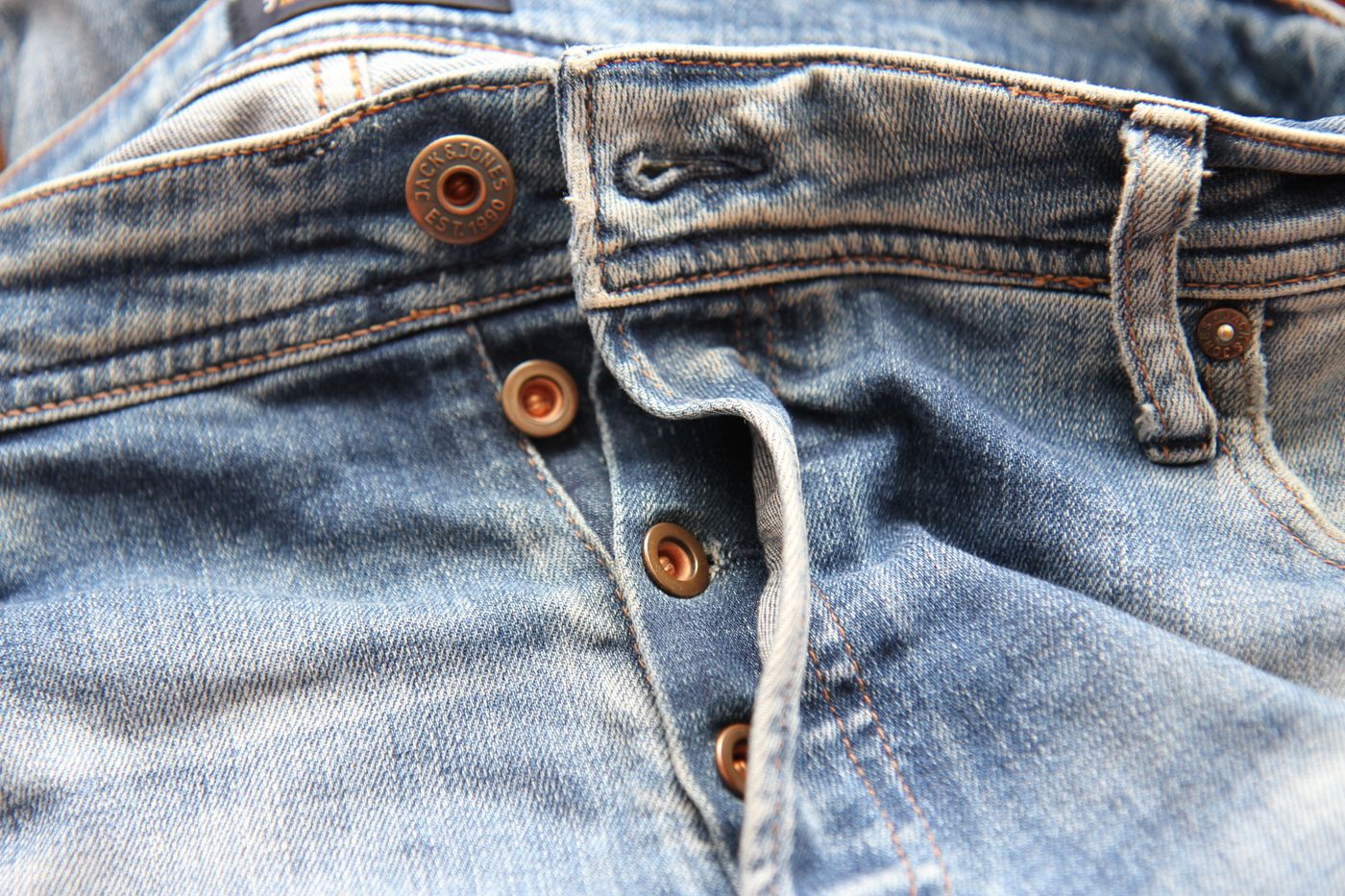
Foto: Dragan Tomić · Pexels
On the tram, in the office, at aperitivo, a pair of 1980s Levi's 501s with a faded crease down the thigh says more than a fresh pair of designer jeans ever will. The Italians have always understood this. They know that denim is not a uniform. It is a second skin, and the best one has already been lived in.
The history of denim in Italy is a story of postwar ingenuity. In the 1950s, American GIs left behind their jeans, and Italian tailors began to copy them, using heavier cotton and a tighter weave. By the 1970s, brands like Rifle and Fiorucci were making jeans that fit like a glove, with a rise that sat just below the navel and a leg that tapered gently to the ankle. These were not the baggy, sagging cuts of later decades. They were precise, architectural, and they flattered the body.
Today, that heritage is still visible in the vintage shops of Milan. You can find a pair of 1980s Rifle jeans with the original label, the cotton still thick and sturdy, the stitching intact. Or a pair of 1990s Diesel jeans, made before the brand went global, with a waistband that actually fits. These are not relics. They are the best-made jeans you will ever own.
How to Wear It
Let them sit at the natural waist. That is where the cut was designed to land. Not on the hips, not slung low. The natural waist is the narrowest part of your torso, just above the hip bones. When you pull a vintage pair up to that point, you will feel the difference immediately. The jeans support you, they do not hang off you.

Foto: Cherry’s POV · Pexels
Pair heavy denim with something soft. A fine knit sweater in cashmere or merino, or a silk shirt with a slightly relaxed collar. The contrast is what makes the outfit work. The denim is sturdy and lived-in; the top is delicate and refined. That tension is the essence of Milanese style. It is how you see it done in the Galleria, on the women who have been dressing well for decades.
Hem them yourself and leave the raw edge. A clean chop looks better than a factory finish. Buy a pair that is too long, take a pair of sharp scissors, and cut the hem straight across. The frayed edge will soften with wear, and it will look like you have had the jeans forever. Do not roll them. Rolling is a shortcut, and in Milan, shortcuts are visible.
Where to Find Yours in Milan
Cavalli e Nastri (Via Brera 2) is the archive shop. It is a small, curated space in the Brera district, and the staff treat vintage like a museum collection. They have Prada, Ferragamo, Versace, and they price them from around 20 euros. You will not find bargains here, but you will find quality. I once found a pair of 1980s Versace jeans with a gold button and a perfect fade. They cost 120 euros and were worth every lira.
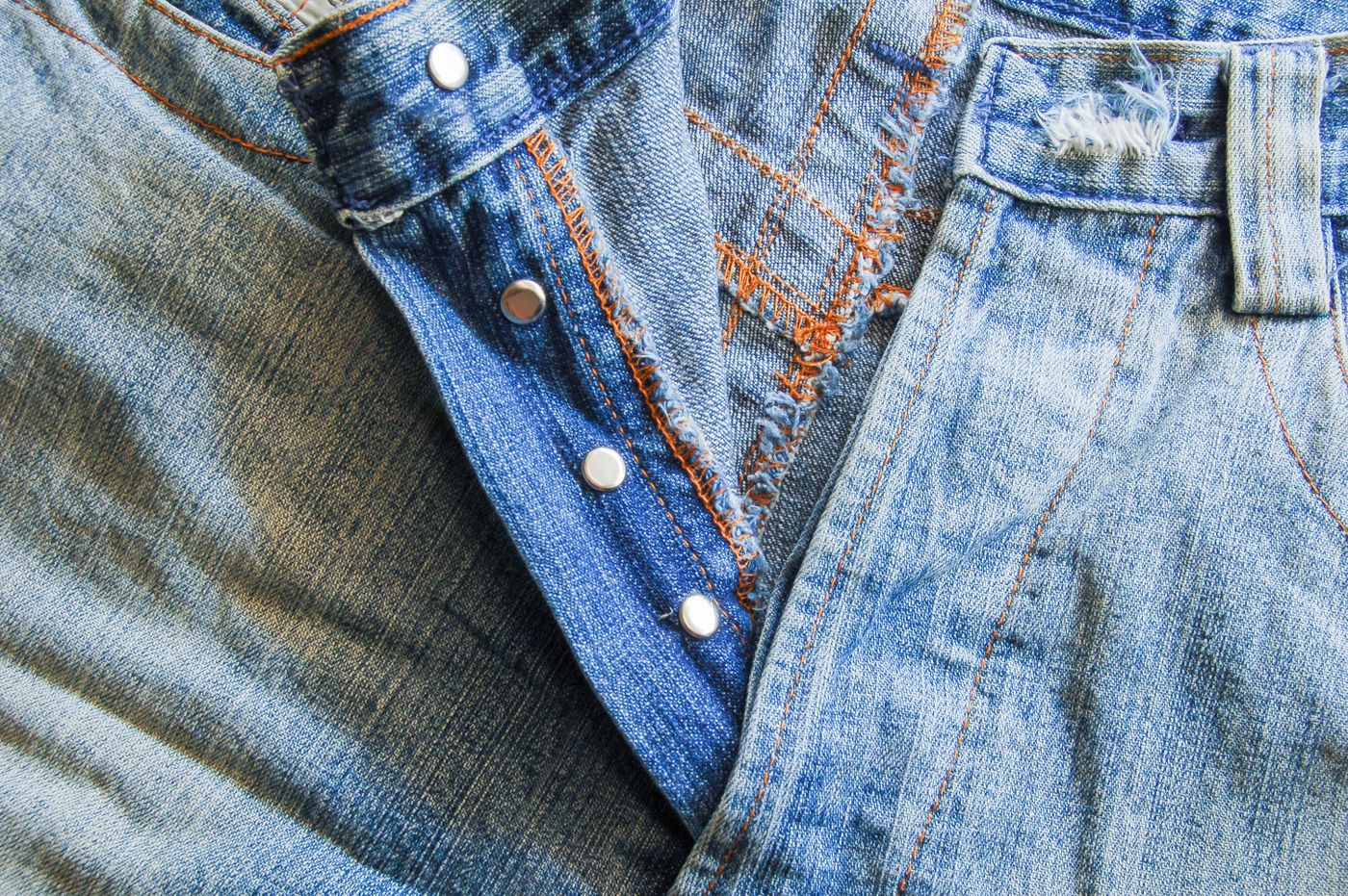
Foto: Srattha Nualsate · Pexels
Humana Vintage (Via Cappellari 3) is the opposite. It is a charity shop with rails and rails of denim, and you have to dig. The prices start at around 45 euros, and the stock changes daily. Go twice. The first pass to get a sense of what is there, the second to find the hidden gem. I have found 1970s Levi's and Italian workwear there, and I have also walked out empty-handed. That is the game.
Bivio Milano (Via Colonnetta 5) is a curated resale shop. They refresh the racks weekly, and they have a good eye for Japanese and American selvedge. Prices start at around 60 euros. The staff are knowledgeable, and they will tell you the history of a pair if you ask. I bought a pair of 1950s Lee overalls there, and they helped me size them correctly.
Madame Pauline Vintage (Foro Buonaparte 74) is the high-end option. It is appointment-friendly, which means you can book a private session. The selection is smaller but impeccable. Prices start at around 90 euros, and you are paying for the curation. If you want a pair of 1940s denim with a perfect patina, this is the place.
Go on a weekday morning if you can. The rails are fullest before the weekend crowd arrives, and staff have time to show you what came in overnight. Tuesday is the best day. The Monday deliveries have been sorted, and the shop is quiet.
What to Look For
Check the back patch and the button stamp for a number that dates the pair. Levi's has used a code on the back patch since the 1940s. A number like 501, 505, or 606 tells you the model. The button stamp on the inside of the fly often has a date or a factory code. If you see a number like 555, it means made in the USA. If you see a letter like S, it could be from the 1960s. Do not be afraid to ask the staff. They know more than the internet.

Selvedge, a clean white line inside the outseam, means older, better cotton. Selvedge denim is woven on old shuttle looms, and the fabric is denser and more durable. The white line is the edge of the fabric, and it is a sign that the jeans were made from a single piece of cloth. In the 1980s, most jeans switched to wider looms, and selvedge became rare. If you find a pair with selvedge, you have found something special.
Try them on. Vintage sizing runs small, so ignore the number on the tag and trust the waistband. A pair of 1980s jeans labeled 32 might fit like a modern 34. The waist should be snug, not tight, and you should be able to button them without sucking in your stomach. The legs should be straight or slightly tapered, never baggy. The length should be long enough to break at the top of your shoe, not drag on the ground.
Fraying at the crotch is the one repair that is rarely worth it. A small hole can be patched, but if the seam is coming apart, it is a sign that the fabric is worn through. The crotch takes the most stress, and once it starts to fray, it will not stop. Skip those pairs.
One last thing: try it on properly, walk around in it, and sit down. A pair of vintage jeans that only works standing still is not going to survive your actual life. You will walk to the tram, sit at a café, lean against a bar. The jeans need to move with you. If they pinch or pull, they are not the right pair.
The Milanese Way
In Milan, vintage denim is not a costume. It is a statement of taste. The city has a long history of craftsmanship, and the people here notice details. A pair of vintage jeans with a perfect fade and a clean hem is a sign that you understand quality. It is not about the brand name. It is about the way the cotton feels, the way the cut flatters, the way it has aged.
I remember a woman in her sixties at a café in Brera, wearing a pair of 1970s Levi's with a white linen shirt. She looked effortless. She had probably worn those jeans for decades, and they had molded to her body. That is the beauty of vintage denim. It is not a piece of clothing. It is a relationship.
So take your time. Find a pair that feels right. Wear them until they are yours. That is the Milanese way.
The names
The designers behind the look
The minds behind this story — each with a piece currently on the market.
Levi's
USA · 1850s
The 501 & Americana denim
The 501 & Americana denim
Diesel
Italy · 1970s
Washed denim & streetwear
Washed denim & streetwear
Calvin Klein
USA · 1960s
Minimalism & the 90s slip
Minimalism & the 90s slip
Issey Miyake
Japan · 1970s
Pleats Please & techno-fabric
Pleats Please & techno-fabric
Continue the edit
Further stories from the same world
Three more walks through the same vintage universe.

Milan's Best Racks for Vintage Tees
A band tee is a souvenir somebody else brought home. The faded print, the softened cotton, the fact that it survived thirty years of washing.
Read the story →
Why We Love a Nineties Shoulder Bag in Milan
The small shoulder bag is back, and the originals are still out there. A nylon bag from 1999 or a mini baguette from the same year carries a specific kind of confidence.
Read →
The Art of Wearing Time: Vintage Watches for the Modern Wardrobe
Art Deco and mid-century Omega watches are more than collectibles. They are wearable history. Here's how to style them, what to look for, and the stories they carry.
Read →