
 Sign in
✦ Culture · Milan
The Vintage Dress Guide for Milan
Vintage dresses were cut for a body, not a size chart. Darts sit where they should, hems fall where they were meant to, and the fabrics (real silk, heavy crepe, proper cotton) move in a way that modern jersey never will.
 By Louis Trash·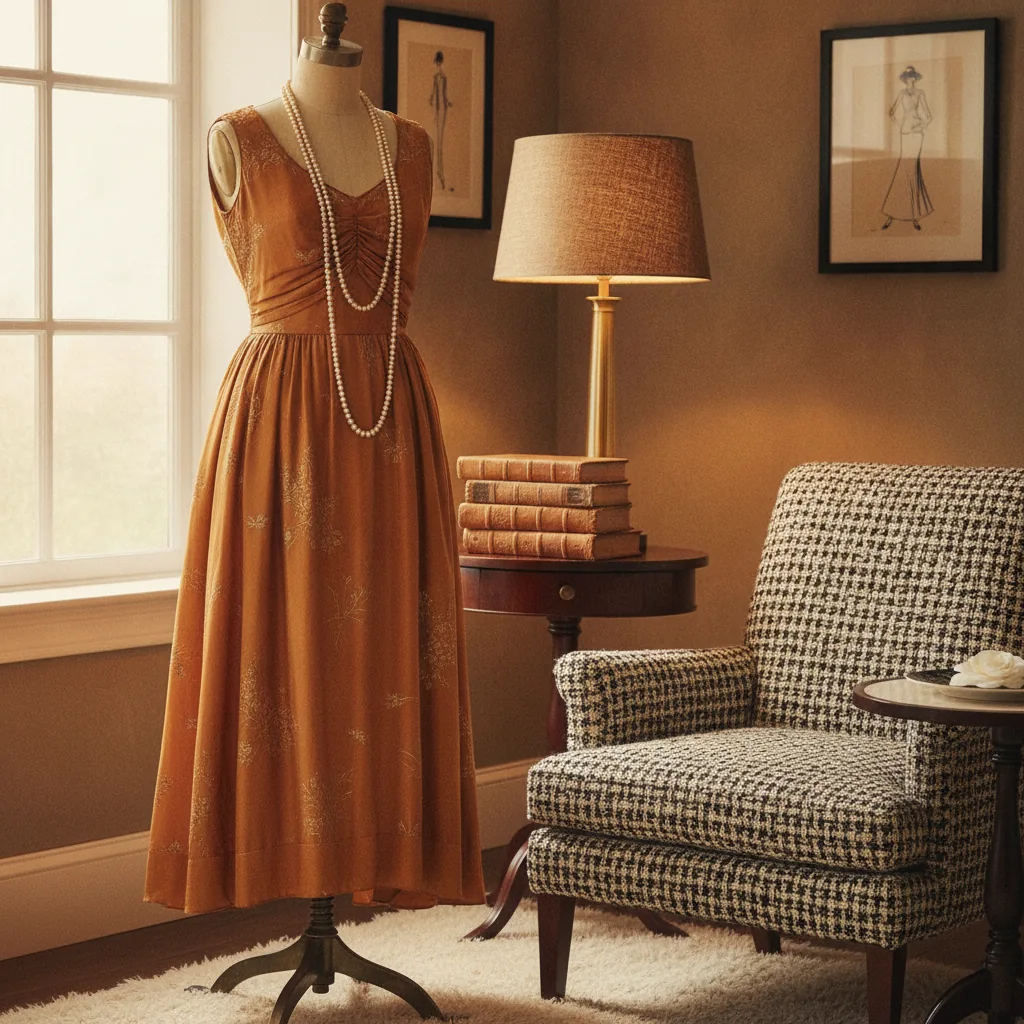
Why Dresses Matter Now
Vintage dresses were cut for a body, not a size chart. Darts sit where they should, hems fall where they were meant to, and the fabrics (real silk, heavy crepe, proper cotton) move in a way that modern jersey never will. When you slip into a 1960s shift, you feel the difference immediately. The cloth has a weight, a drape, a memory of the woman who wore it before. It's not about nostalgia; it's about quality that has survived decades and still outperforms what's hanging in high-street stores today.
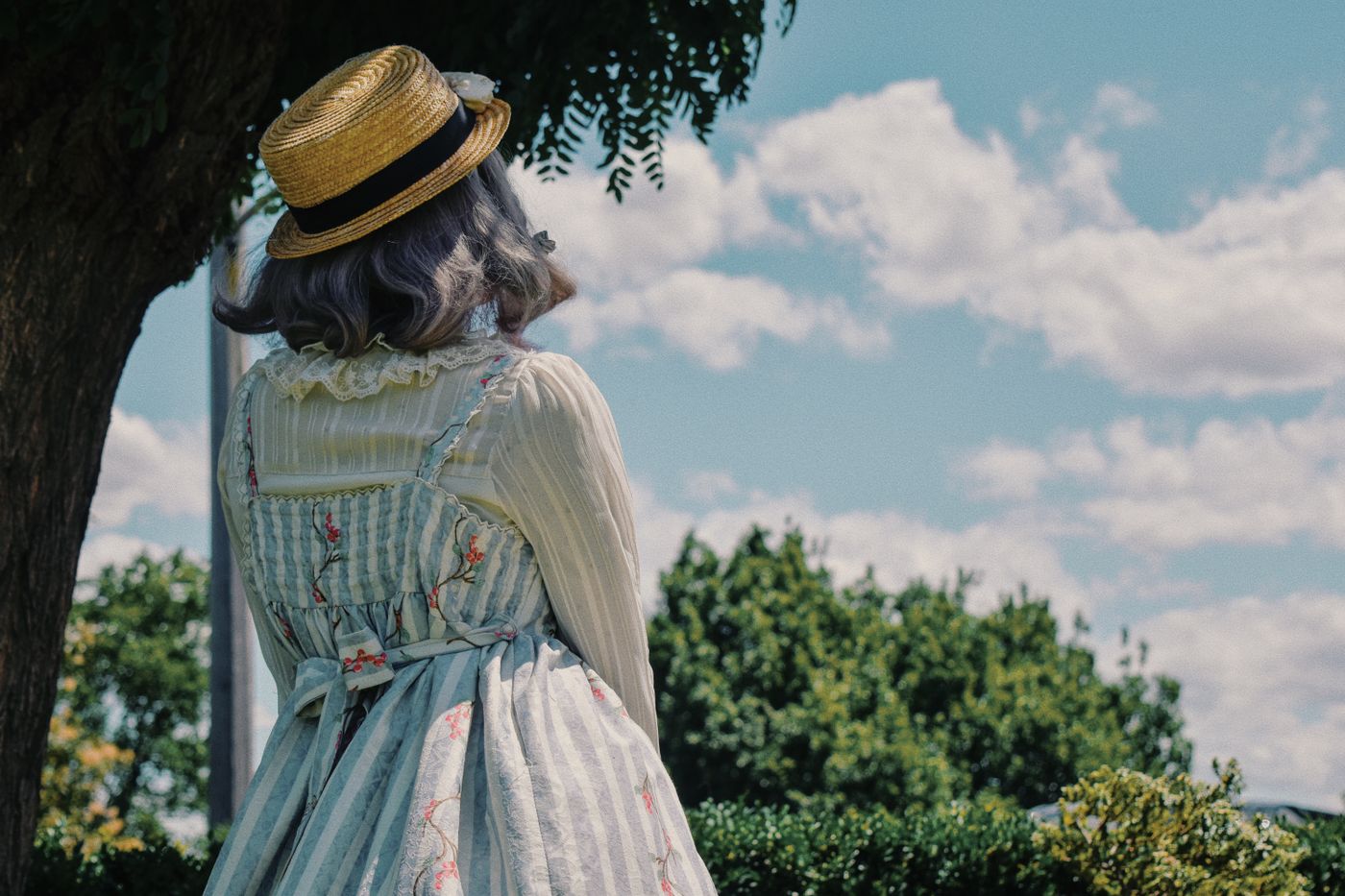
Foto: ΘSWΛLD · Pexels
A faded Gucci tag or a discreet Ferragamo label carries a cachet that no logo-heavy contemporary piece can match. Here, fashion is history, and a vintage dress is a wearable piece of it. The Milanese know this. They queue outside vintage shops on Saturday mornings, not for bargains, but for provenance. They understand that a dress from 1975 wasn't just made; it was engineered. The shoulders were padded, the waist was nipped, and the skirt was cut to swing. It was designed for a woman who moved, who danced, who lived.
How to Wear It
Take the shoulders in rather than the waist. That single alteration fixes most old dresses. A skilled tailor can reshape the shoulder line in under an hour, and it instantly updates the silhouette. The waist, however, is a different story. Altering it properly requires taking apart the entire bodice, which is costly and risky. So, buy for the waist and adjust the shoulders. That's the rule I've learned after years of collecting vintage in Milan.
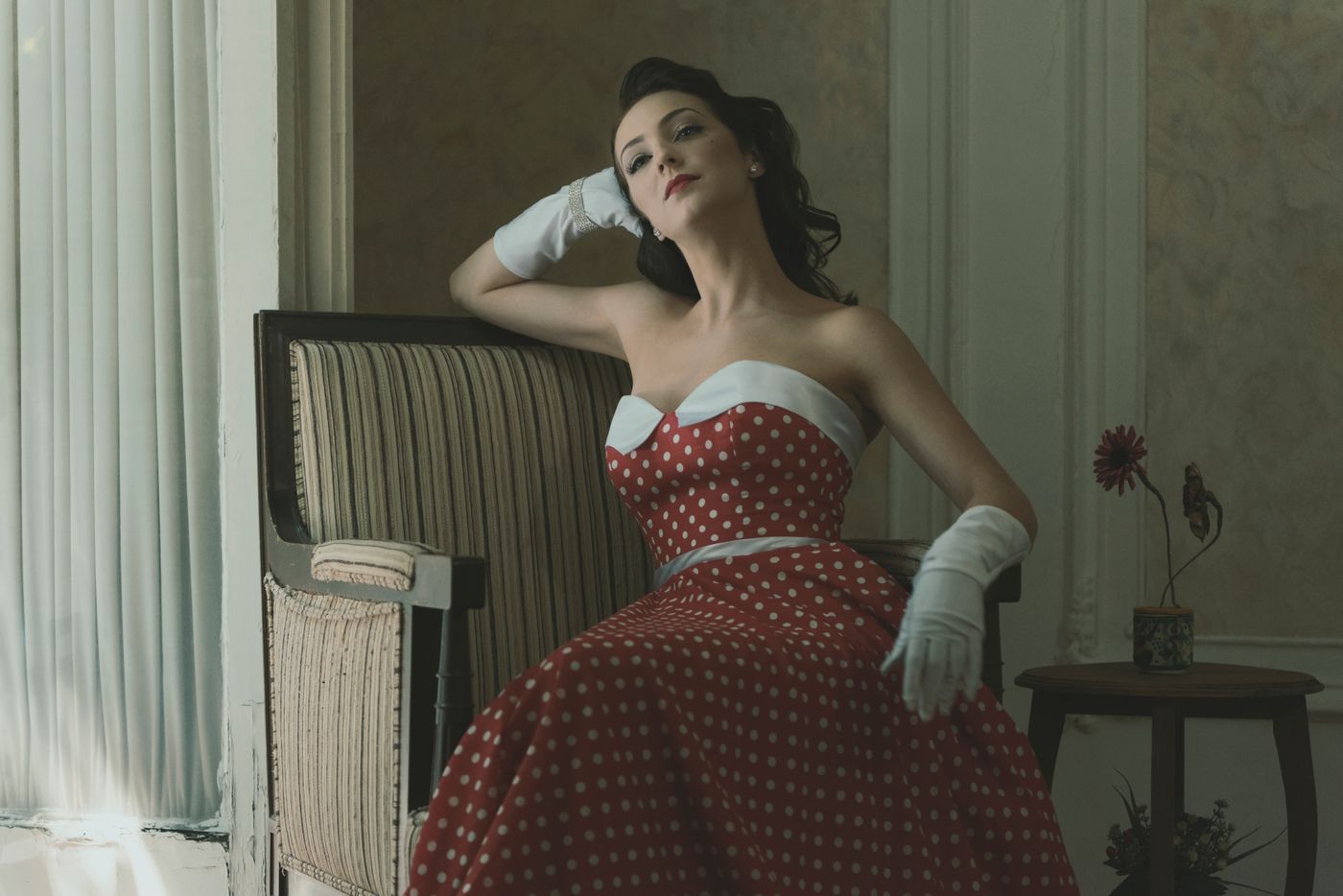
Foto: Odin Reyna · Pexels
Wear a cocktail dress in daylight with flat shoes. It stops it looking like a costume. A beaded 1950s sheath with ballerinas and a straw bag is a summer uniform in the Brera district. The trick is to treat it as you would any other dress. Don't save it for special occasions. Wear it to the market, to lunch, to a gallery opening. The more casually you wear it, the more modern it looks.
Layer a fine knit over a slip dress and let the hem show. This is a Milanese trick I picked up from a stylist friend. A silk slip dress from the 1990s, worn under a cashmere cardigan, with the lace hem peeking out, is elegant and practical. It works from day to night, and it keeps you warm when the tram is late. The layering also adds depth to the outfit, making it look intentional rather than costume-y.
Where to Find Yours in Milan
- Cavalli e Nastri (Via Brera 2) — the archive shop — Prada, Ferragamo, Versace, from around 20 euros. This is the place to start. It's a treasure trove of Italian fashion history, with rails that go back to the 1950s. The staff are knowledgeable and patient. Ask to see the back room; that's where the real finds are.
- Humana Vintage (Via Cappellari 3) — bargain rails, worth two passes, from around 45 euros. This is a charity shop with a curated eye. The stock changes daily, and you have to dig. But the payoff is a genuine 1970s Pucci for under €50. I've done it. It's possible.
- Bivio Milano (Via Colonnetta 5) — curated resale, refreshed weekly, from around 60 euros. This is a smaller shop, but the selection is sharp. They focus on wearable pieces from the 1980s and 1990s, with a good mix of Italian and French labels. The owner, a former stylist, has a keen eye for cut and condition.
- Madame Pauline Vintage (Foro Buonaparte 74) — high-end, appointment-friendly, from around 90 euros. If you're looking for a showstopper, this is the place. They carry museum-quality pieces, but also more accessible dresses. The service is impeccable. You can book a private viewing and take your time.
Go on a weekday morning if you can. The rails are fullest before the weekend crowd arrives, and staff have time to show you what came in overnight. I've found my best pieces on Tuesday mornings, when the rest of the city is at work. The shops are quieter, and the staff are more relaxed. They'll tell you the story of a dress, where it came from, who wore it. That's part of the pleasure.
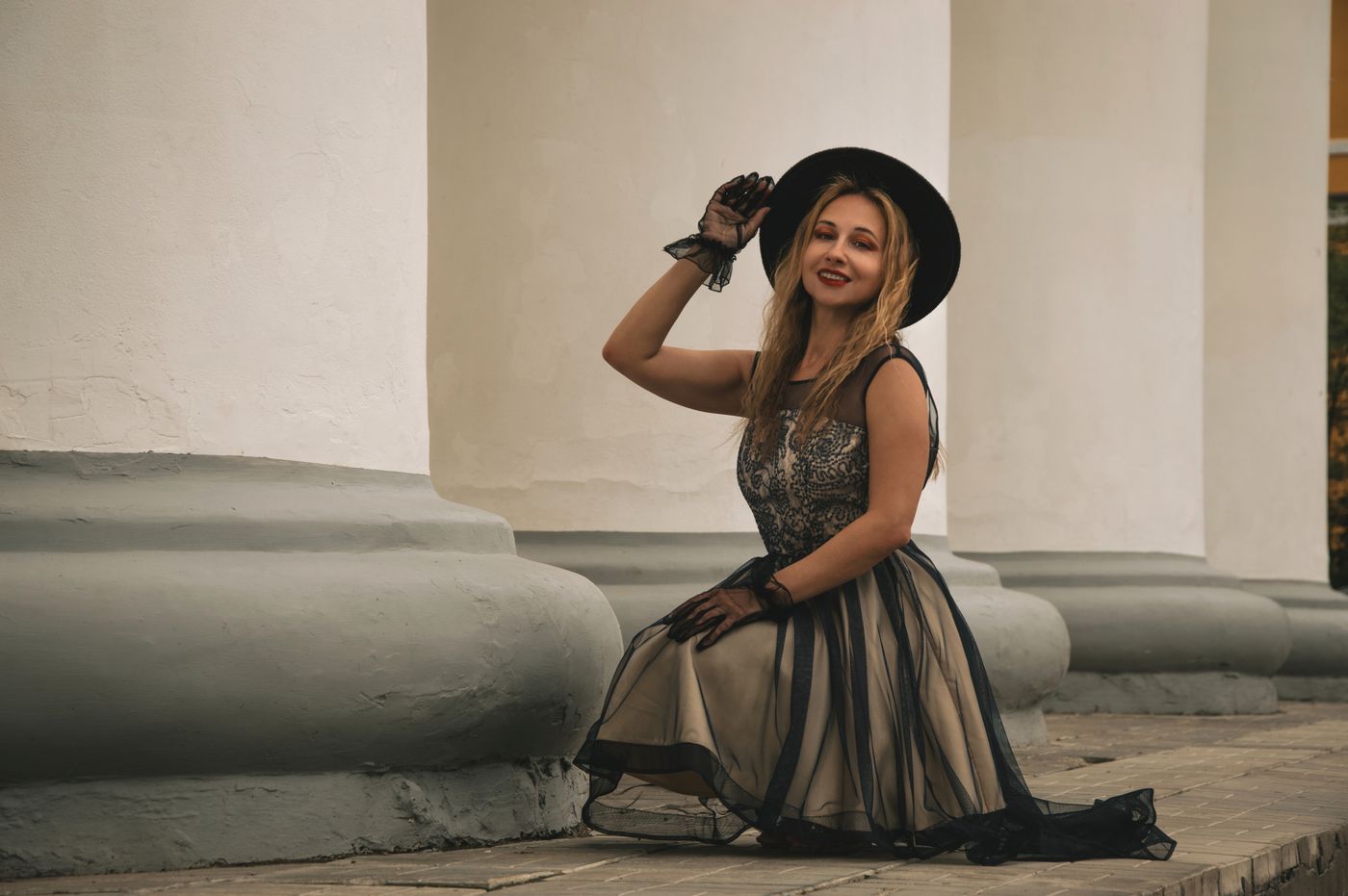
Foto: Vika Glitter · Pexels
What to Look For
Check the zip: a metal one usually means pre-1970s. Plastic zips started appearing in the late 1960s, so a metal zip is a good sign of age. But also check if it works smoothly. A stuck zip can be replaced, but it's a hassle. Look at the seam allowance inside: generous fabric means it can be let out. A dress from the 1960s often has a two-centimeter seam allowance, which gives you room to breathe. Hold the underarms to the light for thinning and old deodorant damage, which is permanent. The acids in deodorant can eat through silk and rayon, leaving dark, weakened patches that no cleaning can restore. Small tears along a seam are an easy fix; tears through the fabric itself are not. A tear in the middle of the skirt is a deal-breaker, unless you're prepared to patch it creatively.

One last thing: try it on properly, walk around in it, and sit down. A vintage dress that only works standing still is not going to survive your actual life. I once bought a stunning 1950s cocktail dress that looked perfect in the mirror. But when I sat down, the seam under the arm split. The seller had pinned it up for the hanger, and it hadn't been worn in decades. So, move in it. Lift your arms. Bend over. Twirl. If it feels fragile, it probably is. A vintage dress should feel like it's been waiting for you, not like it's about to fall apart.
The History in the Seams
When you buy a vintage dress in Milan, you're not just buying a garment. You're buying a piece of the city's history. Milan was the heart of Italian fashion long before the Milan Fashion Week existed. In the 1950s, the city's ateliers were producing some of the finest dresses in the world, often for the wives of industrialists and actresses who came for the opera. These dresses were made by hand, with intricate beading, precise pleats, and fabrics imported from France and England. They were investments, meant to be worn for years and then passed down.
The 1970s brought a new energy. Designers like Giorgio Armani and Gianni Versace were challenging the old rules, and their early pieces are now highly collectible. A 1978 Armani jacket or a 1980 Versace dress is a piece of fashion history. In the 1990s, Milan was the epicenter of minimalism, with designers like Prada and Jil Sander redefining luxury. Those dresses are now vintage, and they're some of the most wearable pieces you can find. The quality is exceptional, and the silhouettes still look modern.
The Milanese Attitude
The Milanese approach to vintage is different from Paris or London. Here, vintage is not a statement; it's a secret. A woman might wear a 1960s Valentino dress with a modern coat and worn-in boots. She doesn't announce it; she just looks impeccable. That's the Milanese way. It's about understatement, about quality over quantity, about knowing that a dress with a history has more character than anything you can buy off the rack.
So, when you're in Milan, don't just shop. Learn to look. That's the difference between buying a dress and finding your dress. And when you find it, wear it. Wear it to the opera, to the market, to work. Let it live again. That's what vintage is for.
Get the look
Get the look
The pieces that make this story wearable, live from the market.
The names
The designers behind the look
The minds behind this story — each with a piece currently on the market.
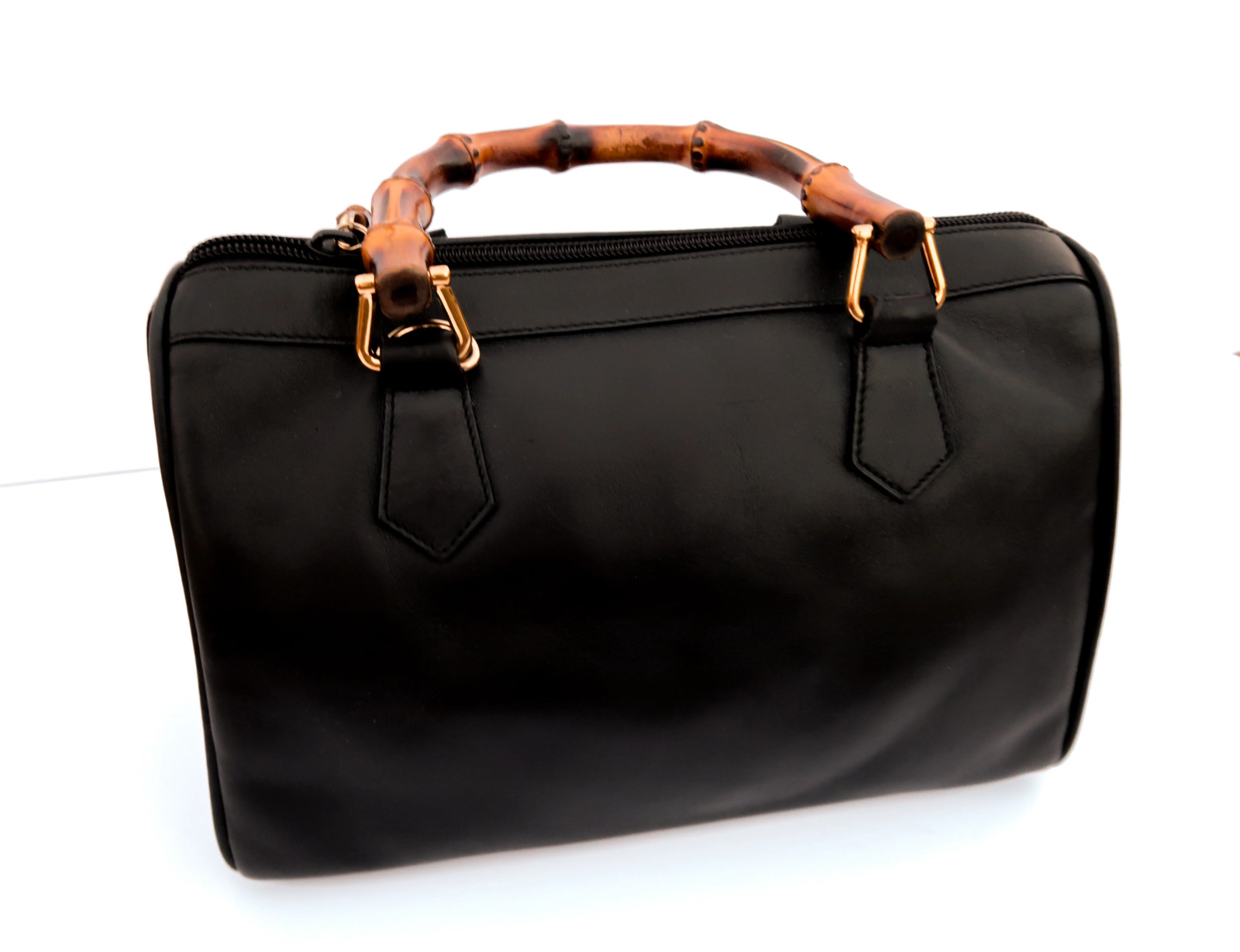
Gucci
Italy · 1920s
The bamboo handle & the double-G
The bamboo handle & the double-G
Top piece
View →
Armani
Italy · 1970s
The power suit & soft tailoring
The power suit & soft tailoring
Top piece
View →
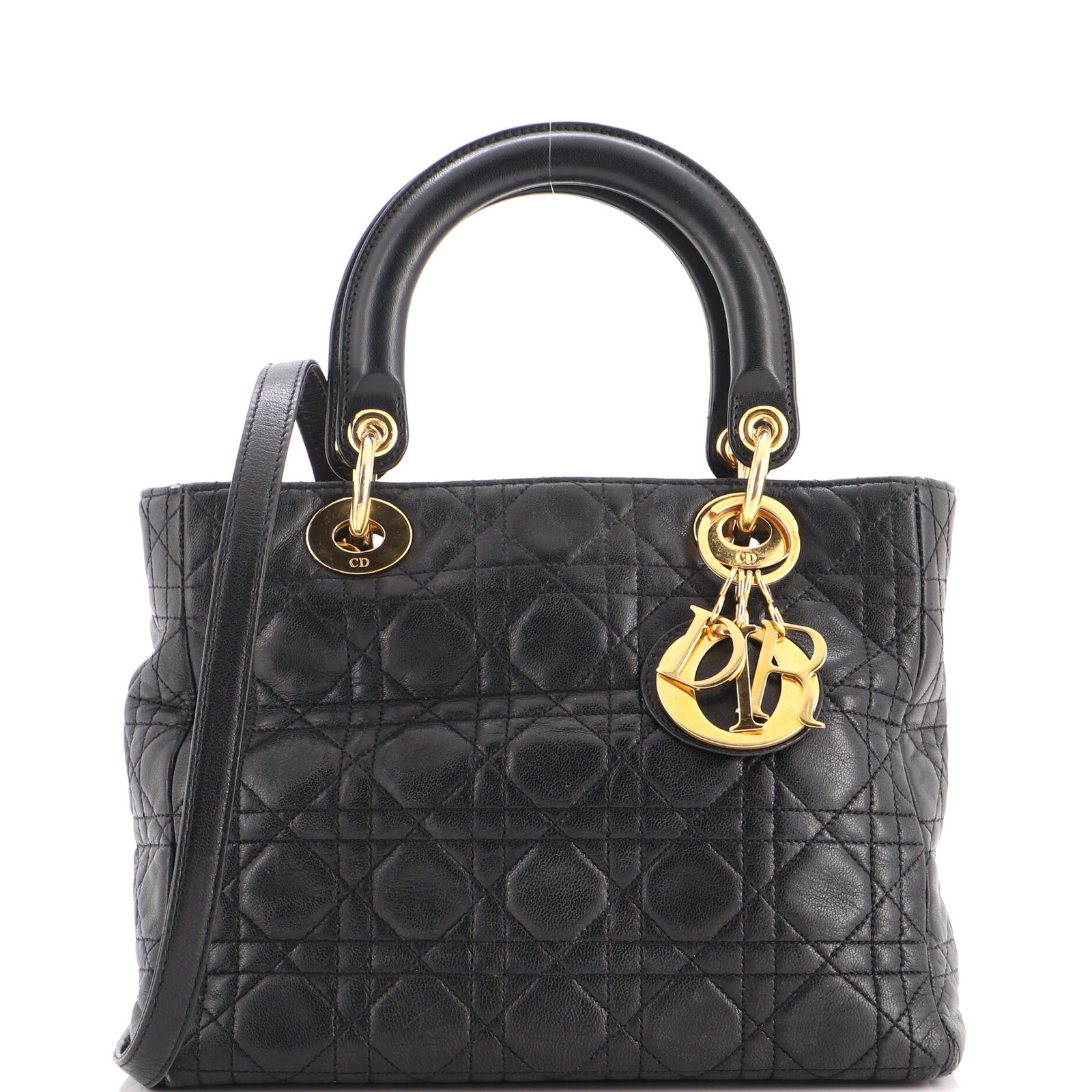
Dior
France · 1940s
The New Look & the Lady Dior
The New Look & the Lady Dior
Top piece
View →
Fendi
Italy · 1920s
The Baguette & the FF logo
The Baguette & the FF logo
Continue the edit
Further stories from the same world
Three more walks through the same vintage universe.

Milan's Best Racks for Vintage Tees
A band tee is a souvenir somebody else brought home. The faded print, the softened cotton, the fact that it survived thirty years of washing.
Read the story →
The Denim Guide for Milan
Vintage denim fits differently because it was cut differently. Higher waists, straighter legs, heavier cotton that holds its shape all day.
Read →
Why We Love a Nineties Shoulder Bag in Milan
The small shoulder bag is back, and the originals are still out there. A nylon bag from 1999 or a mini baguette from the same year carries a specific kind of confidence.
Read →