
 Sign in
✦ Culture · Amsterdam
The Vintage Coat Guide for Amsterdam
Nobody makes coats the way they used to. Vintage wool is denser, trench cottons are heavier, and the linings were built to be replaced rather than thrown away.
 By Louis Trash·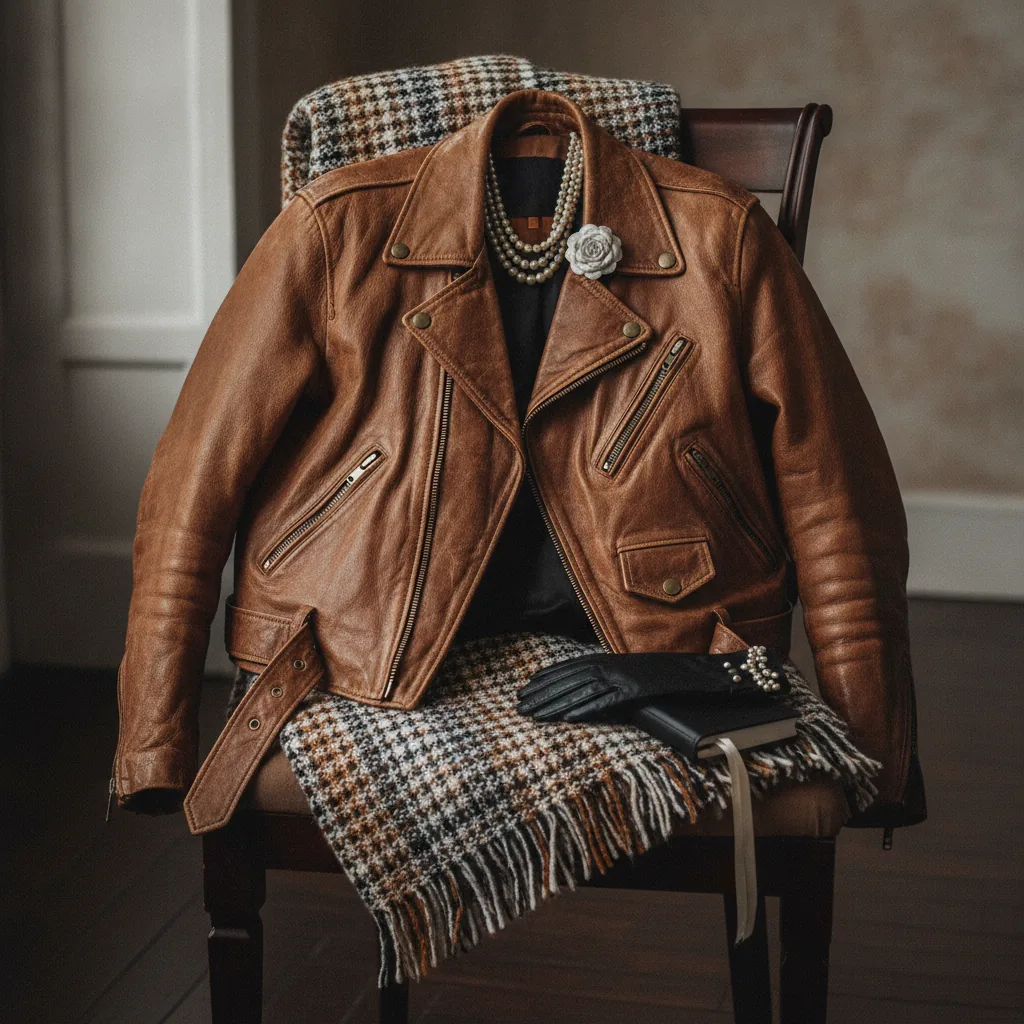
Why Coats Matter Now
Nobody makes coats the way they used to. Vintage wool is denser, trench cottons are heavier, and the linings were built to be replaced rather than thrown away. A good old coat outlasts three new ones. I've had my 1970s Burberry trench for twelve years. It's been re-lined twice, re-buttoned once, and it still turns heads on the Damrak. My friend bought a new designer coat last winter; by March the seams were fraying. That's the difference.

Foto: Mâide Arslan · Pexels
You're not walking from a chauffeur-driven car to a revolving door. You're cycling against a headwind, then locking your bike to a bridge and walking into a cafe. A vintage coat, cut from cloth that was woven when quality was the baseline, handles that. It has presence. It has history. It has a story that starts long before you.
How to Wear It
Buy one size up and wear it open over knitwear. Coats should skim, not squeeze. A coat that's too tight will pull at the shoulders and make you look like you're wearing a child's clothes. A size up gives you room for a chunky sweater, and it hangs better when you're moving.
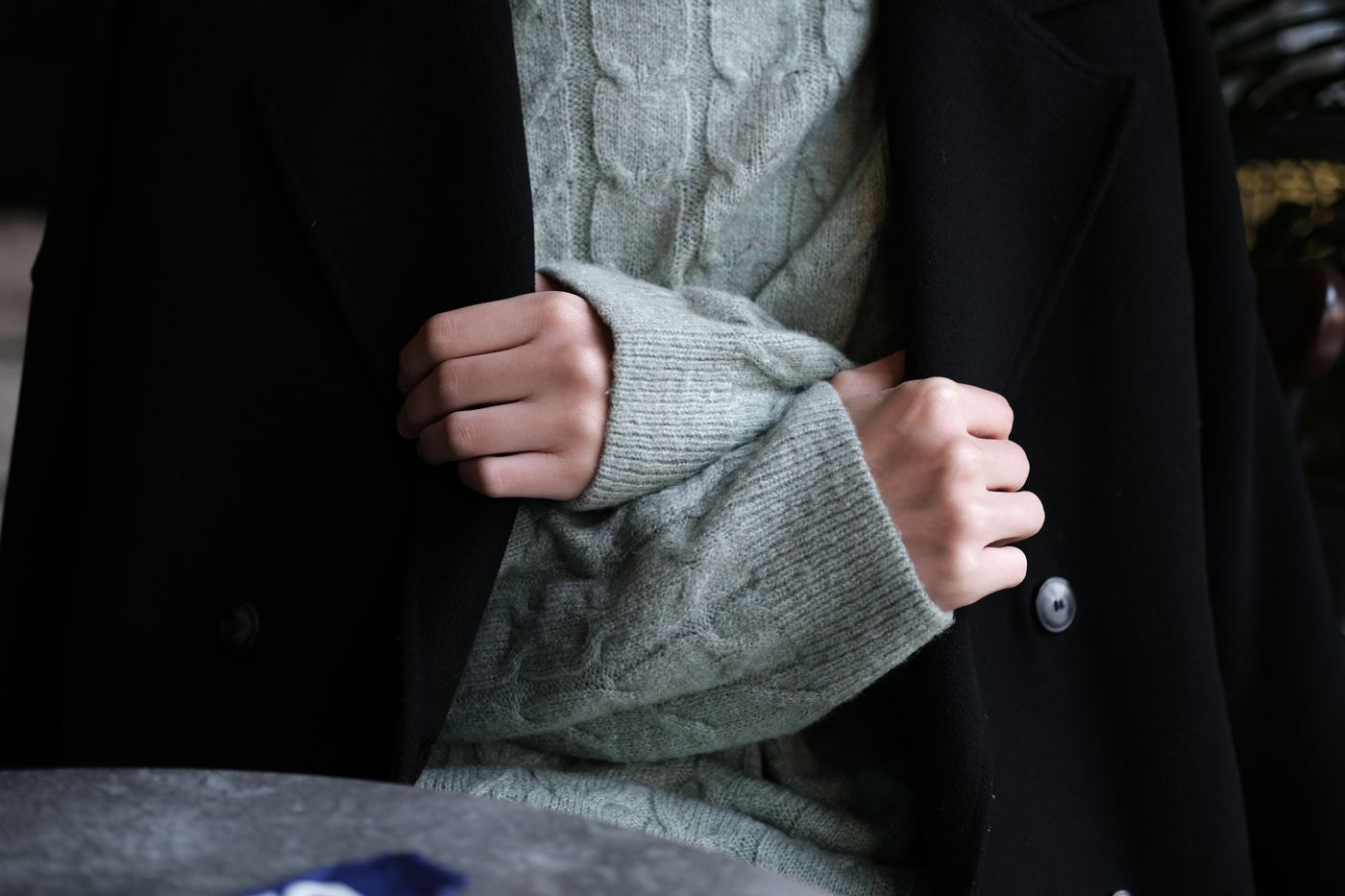
Foto: Esra Afşar · Pexels
A long trench over jeans and boots is still unbeatable. That's the uniform of Amsterdam in autumn. Pair it with a roll-neck and you're set. For a more polished look, try a 1960s wool coat with a nipped waist over a dress. But the key is to keep the rest simple. Let the coat do the talking.
Belt it at the back rather than the front for a cleaner line. That's a trick I learned from a stylist who worked on Dutch films. If the coat has a belt, cinch it at the back to define your waist without adding bulk at the front. It also keeps the front flaps flat, so you don't look like you're wearing a bathrobe.
Don't be afraid of colour. Amsterdam's grey skies need a pop of mustard or rust. A 1970s camel coat is classic, but a bottle-green one from the same era will stand out in a crowd. And pay attention to length. A coat that ends mid-calf is versatile; anything longer can be hard to bike in unless it's split at the back.
Where to Find Yours in Amsterdam
- Episode De Pijp (Gerard Doustraat 63) — big racks, honest prices, restocked most mornings, from around 20 euros. This is the place to start if you're on a budget. The selection is vast, but you have to dig. I once found a 1980s Italian wool coat there for 25 euros. It had a broken zip, but a tailor fixed it for 15.
- Concrete Matter (Huidenstraat 13) — menswear with real provenance, the good stuff is at the back, from around 45 euros. This is a small shop that curates carefully. The owner is a former vintage dealer who knows his labels. Ask to see the back room; that's where he keeps the heavier coats, the ones with labels like Aquascutum and Jaeger.
- Bij Ons Vintage (Nieuwezijds Voorburgwal 150) — curated designer, ask about the pieces behind the counter, from around 60 euros. This is where you go when you want something special. They have a section with 1960s and 1970s coats from Dutch and French designers. The staff are knowledgeable, and they're happy to show you pieces that aren't on the floor.
- Waterlooplein Market (Waterlooplein 2) — unsorted and cheap — go early, bring cash, from around 90 euros. The market is a mixed bag, but the vintage stalls at the back often have coats in bulk. You have to be willing to rummage. I've seen a 1960s Crombie for 50 euros, but also a lot of stained polyester. Go early, before the tourists arrive, and bring cash. Some stalls don't take cards.
Go on a weekday morning if you can. The rails are fullest before the weekend crowd arrives, and staff have time to show you what came in overnight. I always go on a Tuesday. The stock that came in over the weekend is still there, and the shops are quiet.
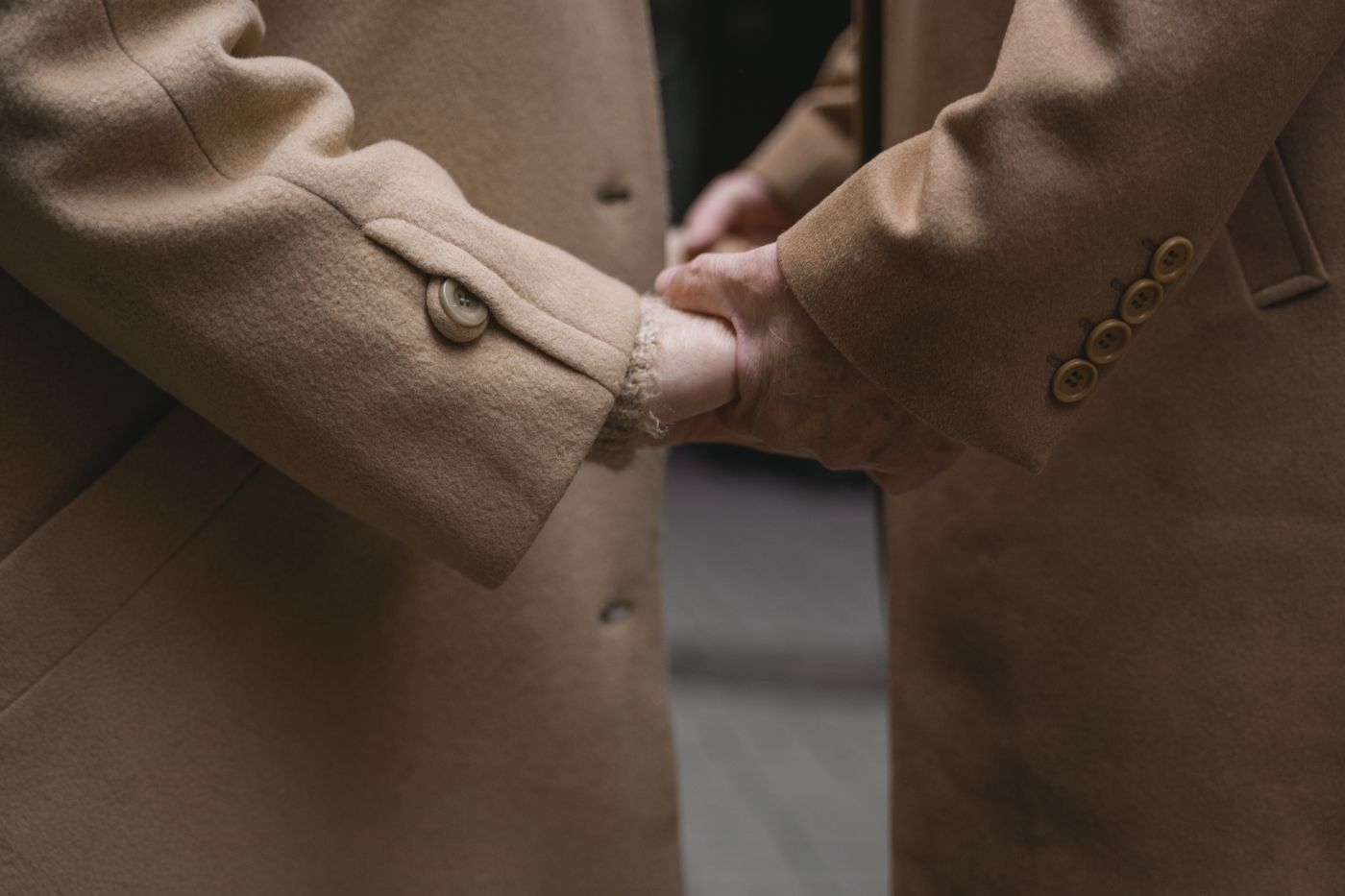
Foto: Tima Miroshnichenko · Pexels
What to Look For
Feel the weight — real wool coats are heavy and stay warm when damp. That's a test I do immediately. If it feels like it could double as a blanket, it's probably good. Wool is naturally water-resistant, and a dense weave will keep out the canal wind.

Foto: Pavel Danilyuk · Pexels
Check the shoulders for sun-fading, the lining for splits, and the cuffs for shine, which is the first place wear shows. Sun-fading is a deal-breaker if it's severe, but a slight fade can be charming. Lining splits are common but fixable if they're along the seams. Cuff shine is a sign of heavy wear, but it can be covered with elbow patches or a good tailor.
Replacing buttons is easy and transforms a coat; replacing a lining costs more than most vintage coats are worth. I always budget for new buttons. A 1970s coat with cheap plastic buttons can look amazing with a set of vintage horn ones. But if the lining is in shreds, walk away. It's not worth the cost.
Check the pockets. Are they intact? Do they have the original ticket? That's a nice touch. And smell it. Musty coats can be aired out, but a strong chemical smell might be from a bad dry-cleaning job. That's hard to get rid of.
The History in the Cloth
The 1960s and 1970s were the golden age of coat-making. That's when Dutch and British factories were still producing in Europe, and the quality was high. A 1968 coat from a Dutch department store like De Bijenkorf would have been made from wool that was woven in Yorkshire or Italy. The linings were silk or viscose, and the buttons were often real horn or bakelite.
In the 1980s, things changed. Production moved to Asia, and synthetic blends became common. That's not to say there aren't good 1980s coats, but you have to check the fabric. A 1980s coat that's 70% wool and 30% polyamide can be great, but a 100% acrylic one will pill and lose its shape.
Designer vintage is worth seeking out if you know what to look for. A 1970s coat by a Dutch designer like Frans Molenaar is a collector's piece. Molenaar was known for his clean lines and use of bold colours. A coat like that will cost more, but it's an investment. I've seen his pieces at Bij Ons for around 200 euros.
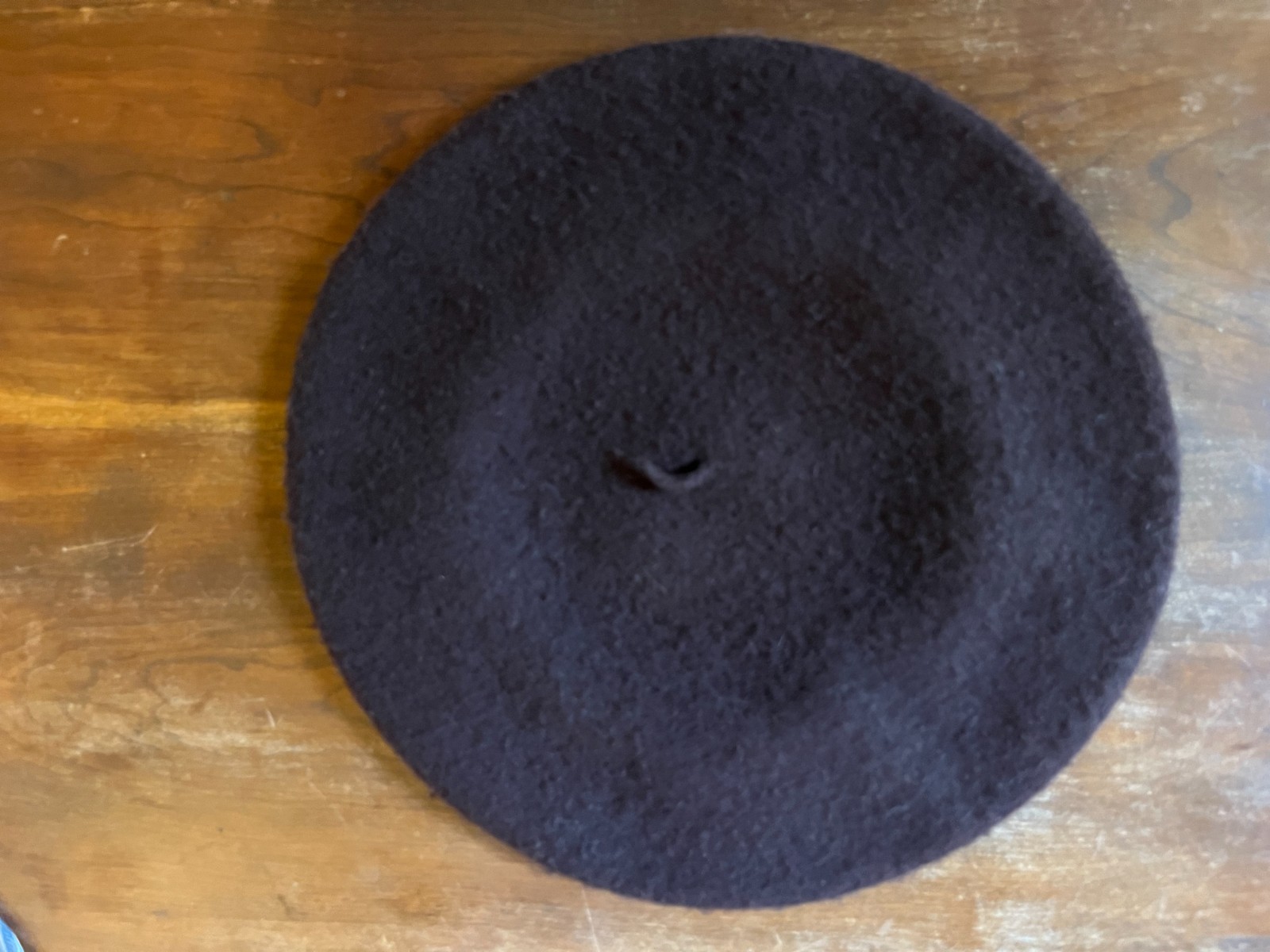
One more thing: don't overlook menswear. A men's coat in a smaller size can work beautifully on a woman. I have a 1970s men's herringbone coat that I wear with jeans and a beret. It's boxy, but that's the point. It's a statement.
The Real Test
One last thing: try it on properly, walk around in it, and sit down. A vintage coat that only works standing still is not going to survive your actual life. I always do a little walk around the shop, pretend to cycle, and sit in a chair. If the shoulders pull or the buttons strain, it's not the one.
And remember, a vintage coat is not a museum piece. It's meant to be worn in the rain, cycled in, and spilled on. The beauty of a good vintage coat is that it looks better with age. The wool softens, the colour deepens, and the buttons get a patina. That's what you're paying for: a piece that has lived and will live with you.
So go out there. Feel the weight. Check the cuffs. Try it on. And when you find the one, you'll know. It will feel like it was made for you, because in a way, it was. It was made for a life like yours.
 ✦ The Edit
One to watch
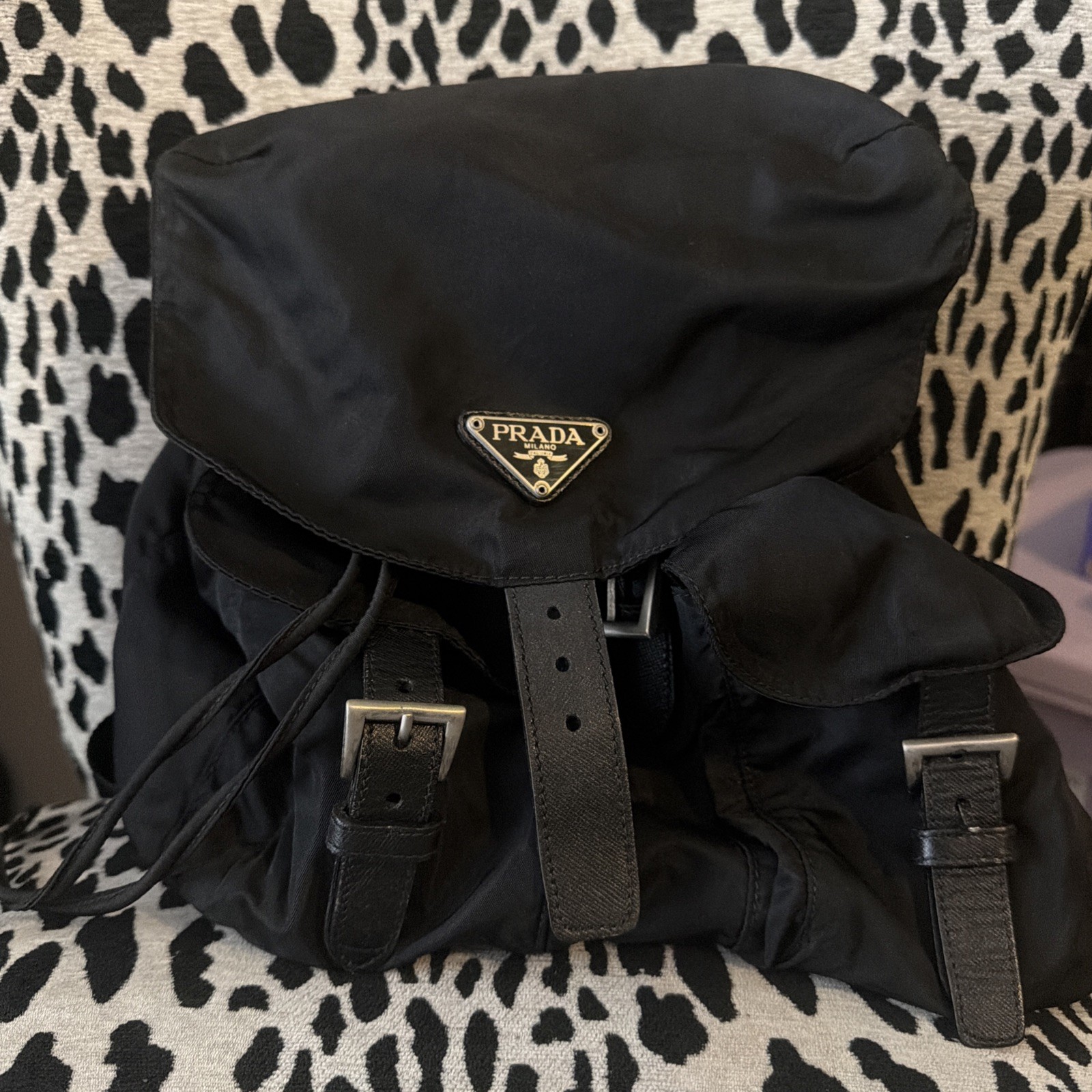
PRADA Backpack Triangle Logo Nylon Black Small Rucksack Vintage Bag
A bag like this is the fastest way to add a little history to anything you own. This honestly worn bag in black is the kind of piece that tells a story before you have said a word. Buy the story, and the object comes along with it.
On the market now
The names
Meet the designers
The minds behind this story — each with a piece currently on the market.
Arne Jacobsen
Denmark · 1950s
The Egg & the Series 7 — chairs turned into quiet sculpture.
The Egg & the Series 7 — chairs turned into quiet sculpture.
Top piece
View →
Børge Mogensen
Denmark · 1940s
The Spanish chair — honest, functional furniture for everyday life.
The Spanish chair — honest, functional furniture for everyday life.
Top piece
View →
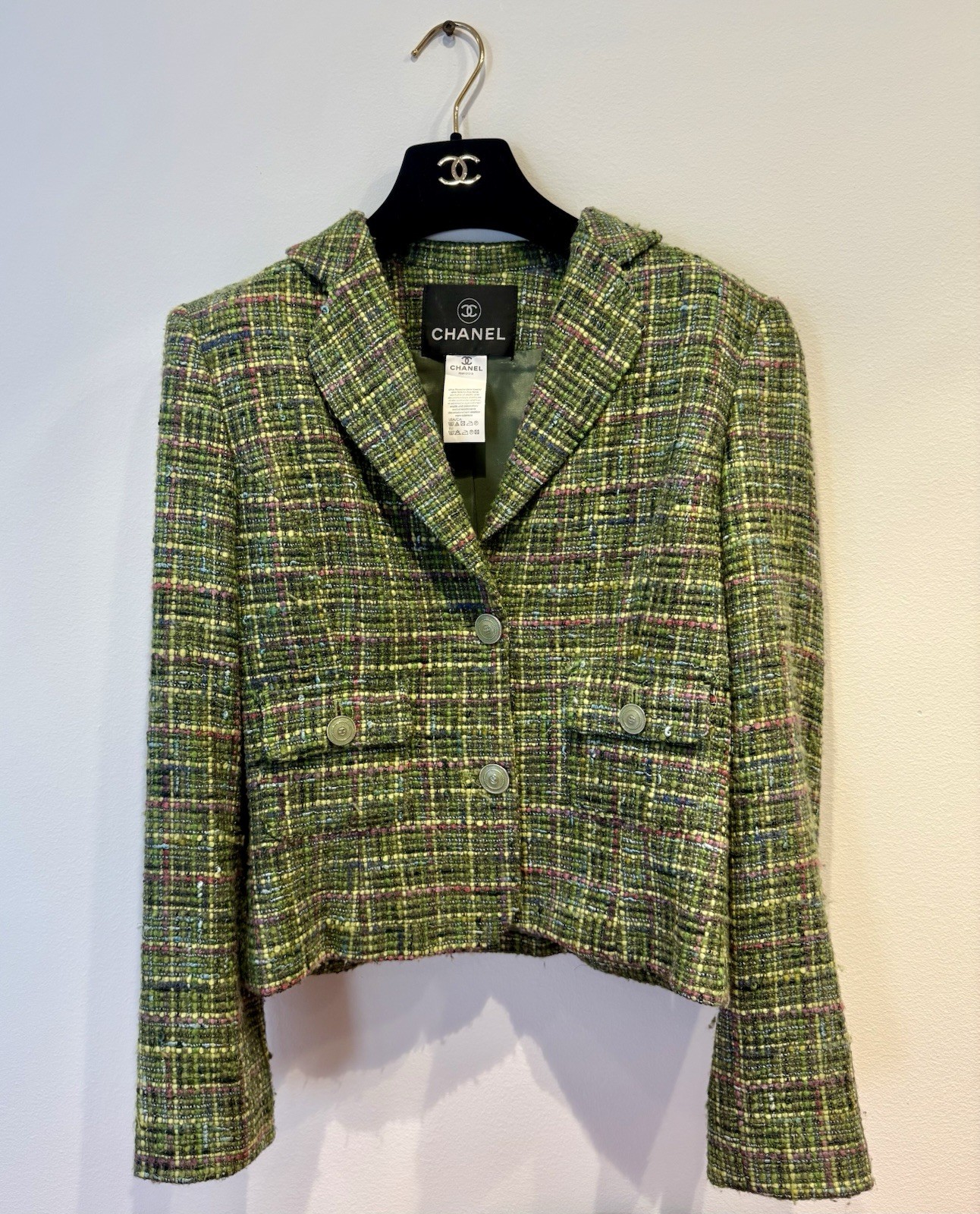
Chanel
France · 1910s
The little black dress & the 2.55
The little black dress & the 2.55
Top piece
View →
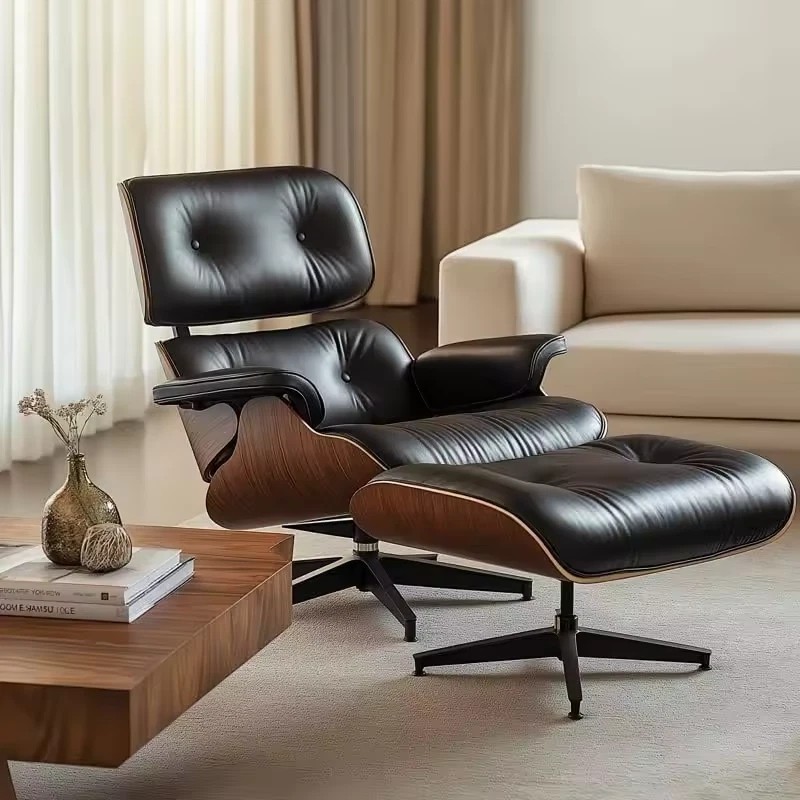
Charles & Ray Eames
USA · 1940s
Moulded plywood & the Lounge Chair — the couple who made modern furniture feel human.
Moulded plywood & the Lounge Chair — the couple who made modern furniture feel human.
Top piece
View →
Continue the edit
Further stories from the same world
Three more walks through the same vintage universe.

The Silk Scarf Is the Quiet Flex of Amsterdam
A silk scarf is the cheapest way into a serious label. The prints are small paintings, the hand-rolled edges are proper craft, and a good one costs less than a mediocre dinner.
Read the story →
The Leather Jacket Is Back, and Amsterdam Wears It Best
A leather jacket is the rare piece that looks better the longer you own it. Vintage ones arrive already broken in. The collar softened, the cuffs scuffed, the lining a little tired in the best way.
Read →
The Art Deco Furniture You Can Wear: A Styling Guide for Grown-Ups
Art Deco furniture is not just for your living room. Here is how to wear its geometry, materials, and glamour without looking like a costume.
Read →