
 Sign in
✦ Culture · Milan
The Vintage Bridal Guide for Milan
Vintage bridal is where the real craft hides. Hand-worked lace, silk that actually hangs, veils edged by somebody's grandmother.
 By Louis Trash·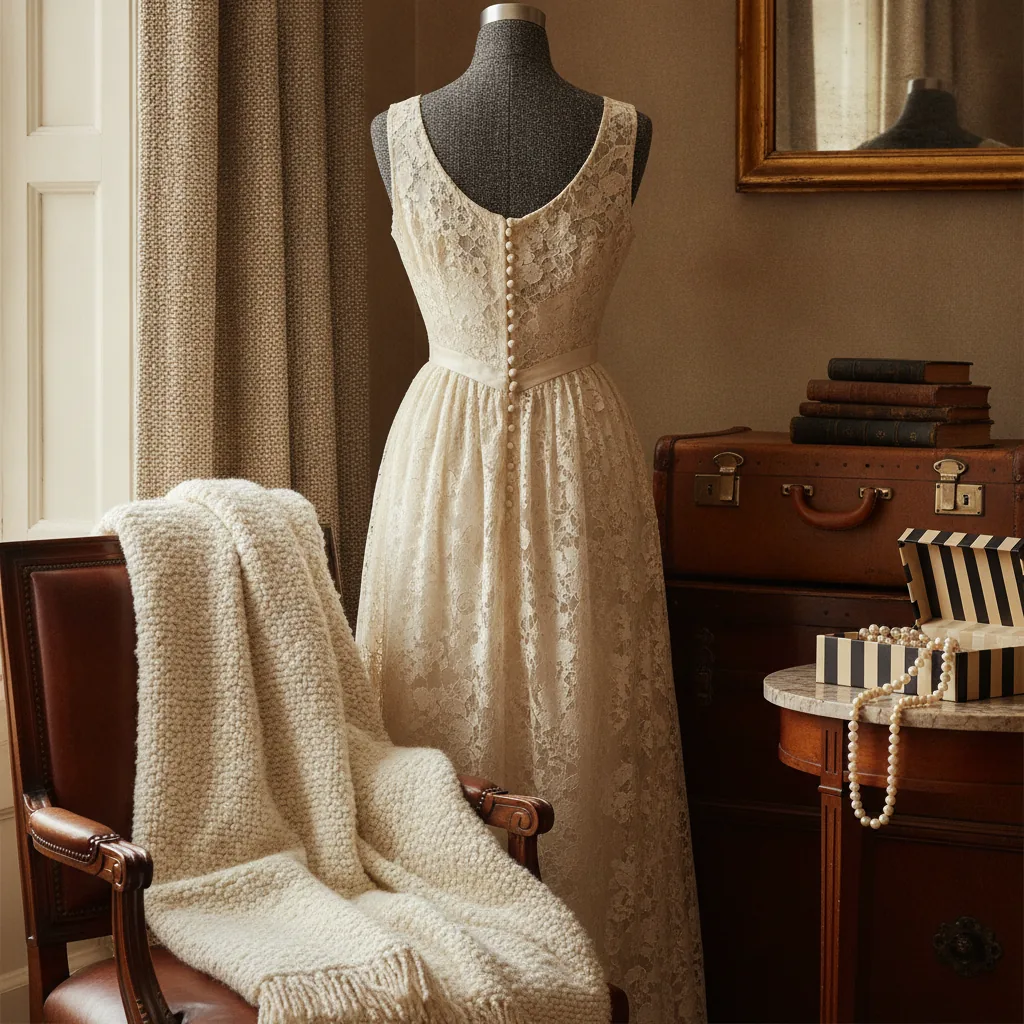
The Real Craft of Vintage Bridal
Vintage bridal is where the real craft hides. Hand-worked lace, silk that actually hangs, veils edged by somebody's grandmother. It also costs a fraction of a new gown, and no one else will be wearing it. You can feel it in the ateliers of Via Montenapoleone, where tailors who once worked for Sorelle Fontana now quietly repair hems for a fraction of their former wages. That history is stitched into every piece.
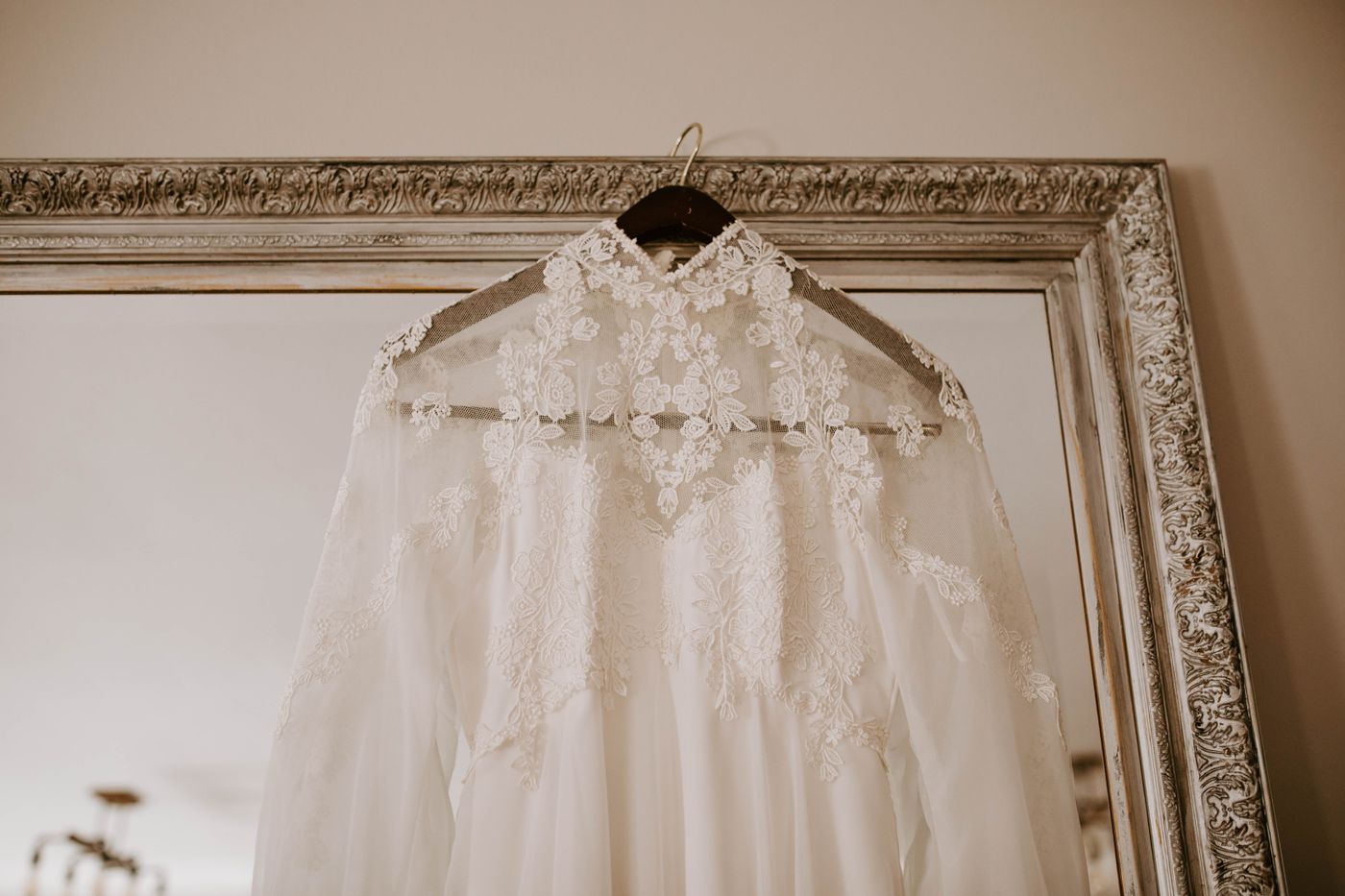
Foto: Tara Winstead · Pexels
Take the Fontana sisters. In the 1950s, their atelier on Via San Sebastian produced gowns for Ava Gardner and Audrey Hepburn. Their signature was a sculpted bodice that required no bones, just layers of silk organza cut on the bias. A Fontana gown from 1958 still holds its shape today, because the craftsmanship was built to last. That kind of longevity is rare in modern bridal, where most dresses are made to be worn once and discarded. Vintage, by contrast, was made to be kept.
The irony is that vintage bridal is now more practical than new. A 1970s Valentino gown, with its clean lines and heavy crepe, costs about €300 at a Milan resale shop. A new designer gown starts at €2,000 and up. The vintage piece has already proven it can survive decades. The new one is a gamble. For a bride who wants quality without the waste, vintage is the obvious choice.
How to Wear It
One vintage element is often enough. A borrowed-era veil with a simple modern dress. Or a vintage slip under a sheer contemporary gown. The mistake is to go full vintage head-to-toe, which can look like a costume. Instead, let one piece carry the history.
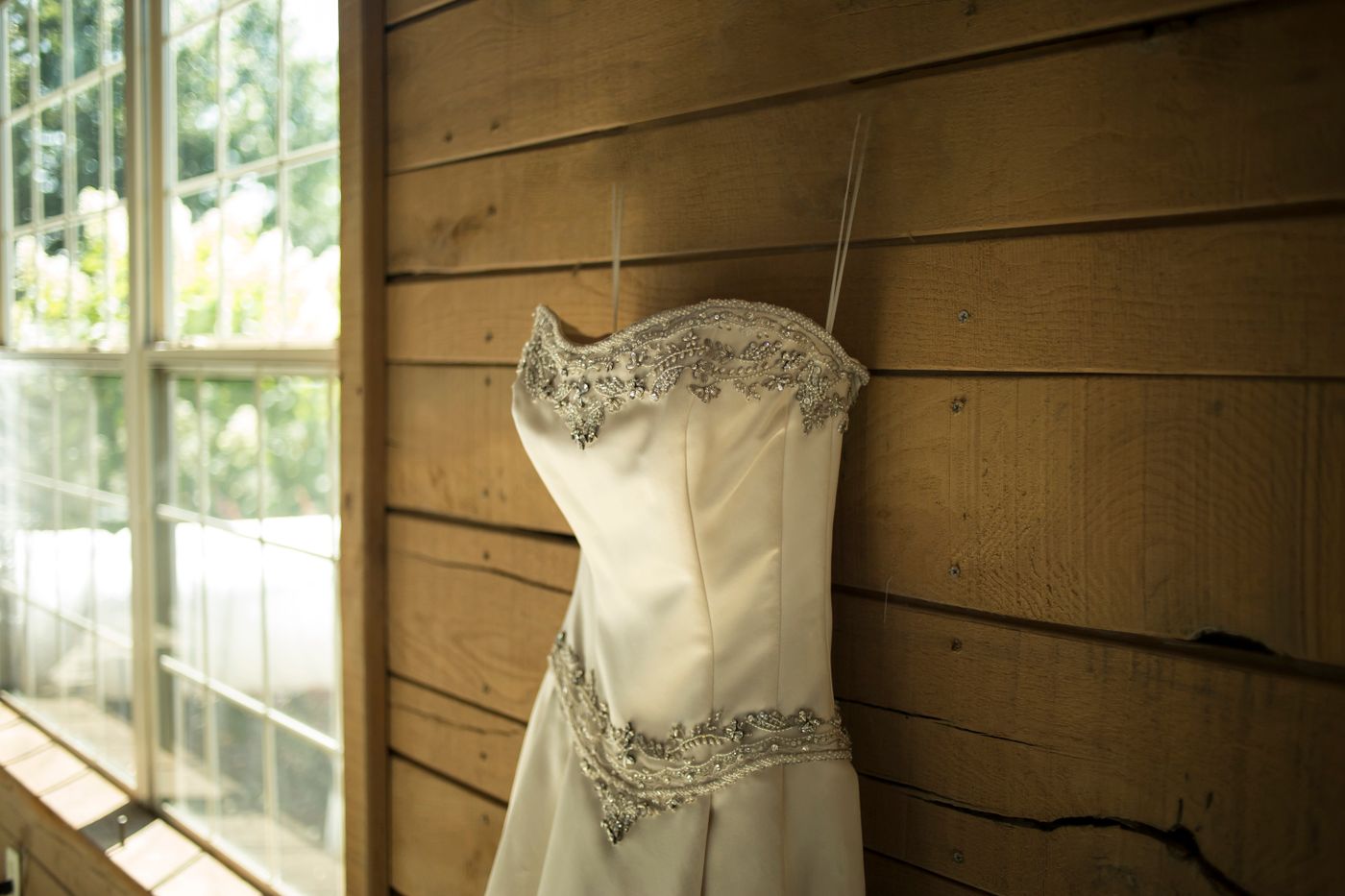
Foto: Stephen Leonardi · Pexels
Have the lace altered rather than the silhouette. A good seamstress can move almost anything. If the sleeves are too tight, take them off. If the train is too long, shorten it. But don't try to change the waistline or the neckline unless you know what you're doing. Vintage cuts are different. A 1950s waist sits higher, a 1970s one lower. Respect the original proportions.
Wear old lace with bare skin and minimal jewellery. It does not need help. A single strand of pearls, maybe. Or nothing. The lace itself is the ornament. And forget the veil if you're wearing a vintage dress with a high neck. The eye needs a place to rest.
Think about the undergarments. Vintage gowns were worn with girdles and bullet bras. Modern underwear will change the line. If you want the dress to look as it did originally, invest in proper vintage shapewear. A longline bra from What Katie Did or a waist cincher from Rago will give you the silhouette the dress was designed for. It's worth the effort.
Where to Find Yours in Milan
Start at Cavalli e Nastri (Via Brera 2). This is the archive shop, the one with the glass cases and the hushed atmosphere. They have Prada, Ferragamo, Versace, from around 20 euros for a scarf to thousands for a gown. The bridal section is upstairs, behind a curtain. The staff are knowledgeable and patient. They'll bring out gown after gown without judgment. Go on a weekday morning if you can. The rails are fullest before the weekend crowd arrives, and staff have time to show you what came in overnight.
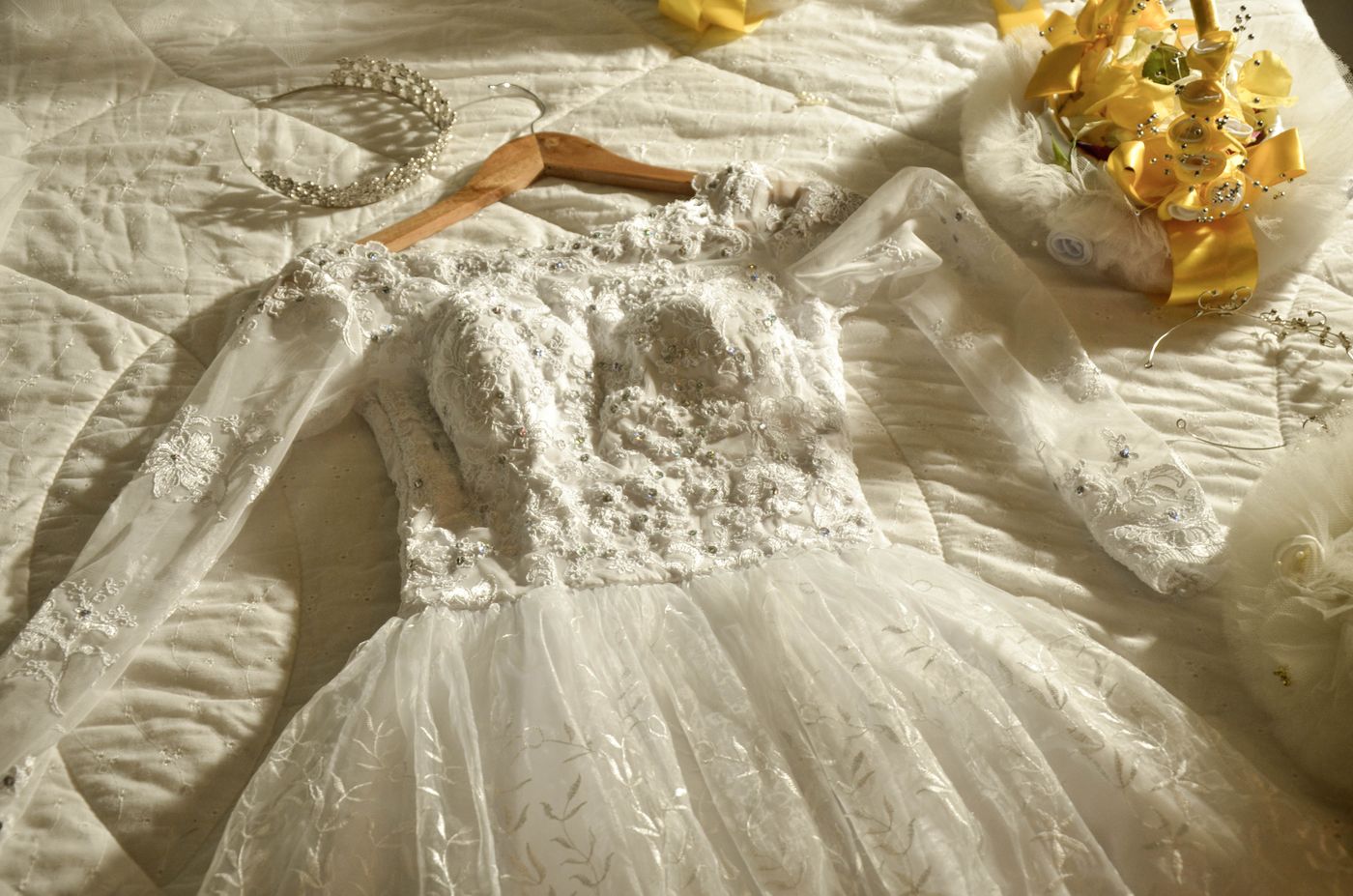
Foto: Gustavo Santana · Pexels
Then move to Humana Vintage (Via Cappellari 3). This is the bargain rail. Nothing is curated, everything is chaotic. You'll need to dig. But there are gems. I once found a 1980s Gianfranco Ferré silk taffeta gown for €45. It needed €200 of alterations, but still, a bargain. The trick is to go twice. The first pass, you get overwhelmed. The second, you start to see what's actually good. And check the men's section for vintage shirts that can be repurposed as a bolero or a cover-up.
Bivio Milano (Via Colonnetta 5) is the curated resale shop, refreshed weekly. They have a smaller selection but higher quality. Prices start around 60 euros. The owner, a former stylist, knows her stock. She'll tell you the provenance of each piece, which is invaluable. I once bought a 1960s Emilio Pucci silk shift here for a friend's wedding. It was perfect for a civil ceremony.
Finally, Madame Pauline Vintage (Foro Buonaparte 74) for high-end, appointment-friendly service. This is where you go if you have a specific designer in mind. They have a network of private sellers, so they can source pieces on request. Prices start around 90 euros and go up. But you're paying for the search, and sometimes that's worth it.
What to Look For
Hold lace to the light and look for hand-worked irregularity. Perfectly even repeats mean machine-made. Hand-worked lace will have slight variations in the pattern, a kind of organic rhythm. Also check the edge. Hand-rolled hems are a sign of quality. Machine-rolled ones are uniform and flat.
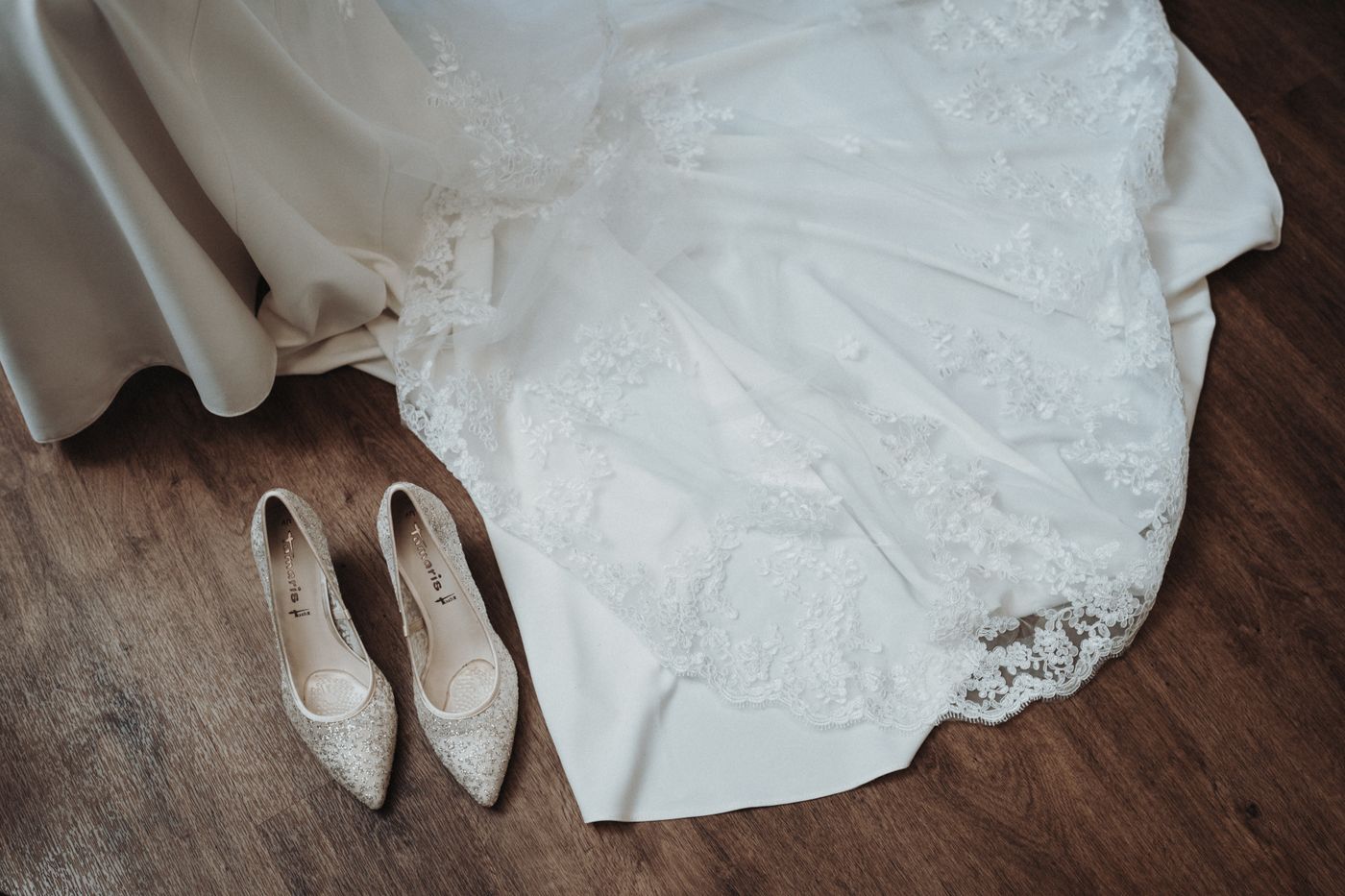
Foto: Masood Aslami · Pexels
Check under the arms and along the zip for yellowing. Sometimes it lifts with cleaning, sometimes it doesn't. Test a small area with a damp cloth. If the yellowing comes off on the cloth, it's surface dirt. If it stays, it's oxidation, which is permanent. Silk that feels papery has gone brittle. It will tear easily. Bend a small corner. If it cracks, walk away.
Look at the seams. Vintage seams were often finished by hand or with a French seam, which encloses the raw edge. If you see overlocking, it's probably from the 1970s or later, which isn't bad, but it's not the same quality. And check the zipper. A metal zipper from the 1950s can be replaced, but a plastic one from the 1980s might be stuck forever.
Always budget for cleaning and alterations before you fall in love with the price. A €100 gown might cost €300 to clean and alter. That's still a bargain compared to new, but it's not €100. And get a written estimate from a good seamstress before you buy. That way, you know the true cost.
The Fitting
One last thing: try it on properly. Not just stand in front of a mirror, but walk around in it, sit down, raise your arms. A vintage bridal piece that only works standing still is not going to survive your actual life. You need to be able to dance in it, eat in it, hug people in it. If it's too tight to sit, it's not the dress. Move on.
And bring the shoes you plan to wear. The length of a vintage hem was calculated for the heel height of its era. A 1950s dress was made for a 2-inch heel. A 1970s dress for a 1-inch. If you wear different shoes, the hem will be wrong. Also bring the undergarments you'll wear. That will change the fit dramatically.
Take your time. A vintage gown is a commitment. You're not just buying a dress, you're adopting a piece of history. It deserves a proper fitting, with a friend to help you zip it up and a camera to capture the moment. And when you find the one, you'll know. It will feel like it was made for you, because in a way, it was.
 ✦ The Edit
One to watch
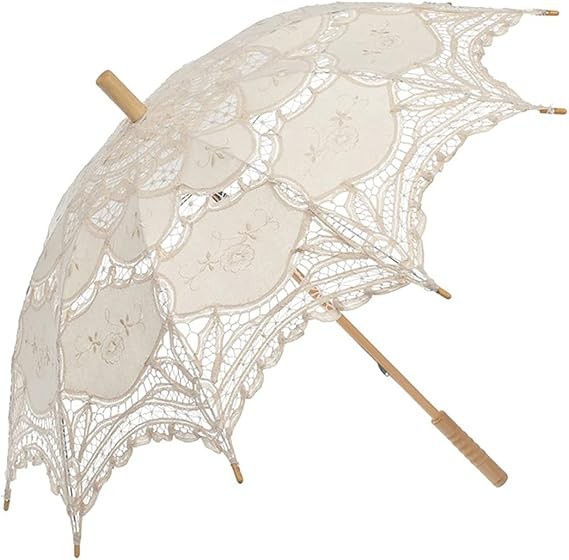
Ivory Lace Parasol Umbrella Vintage Wedding Bridal
A gown like this is the fastest way to add a little history to anything you own. This honestly worn gown in ivory is the kind of piece that tells a story before you have said a word. A piece like this is not really bought, it is kept.
On the market now
The names
Meet the designers
The minds behind this story — each with a piece currently on the market.
Calvin Klein
USA · 1960s
Minimalism & the 90s slip
Minimalism & the 90s slip
Top piece
View →
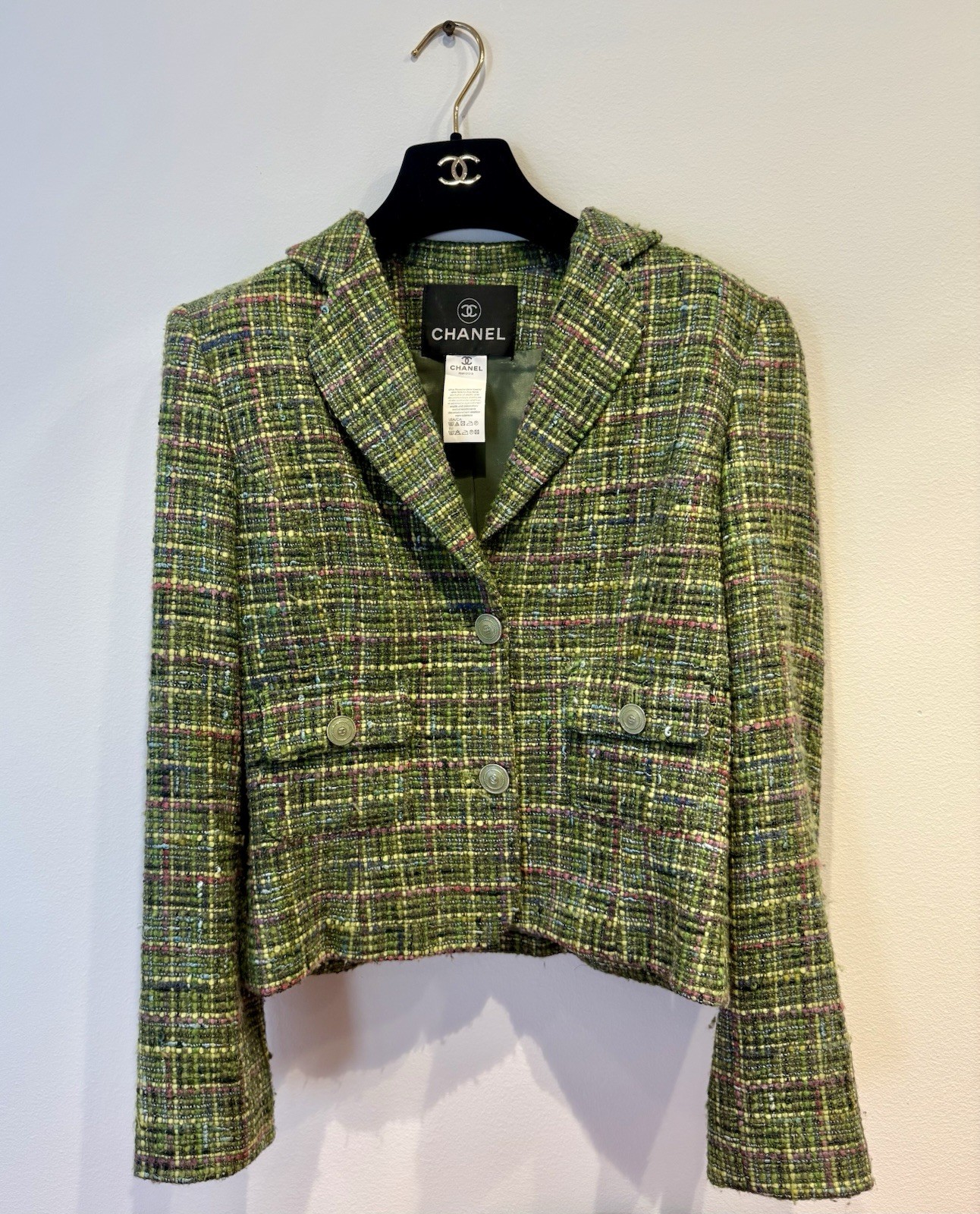
Chanel
France · 1910s
The little black dress & the 2.55
The little black dress & the 2.55
Top piece
View →
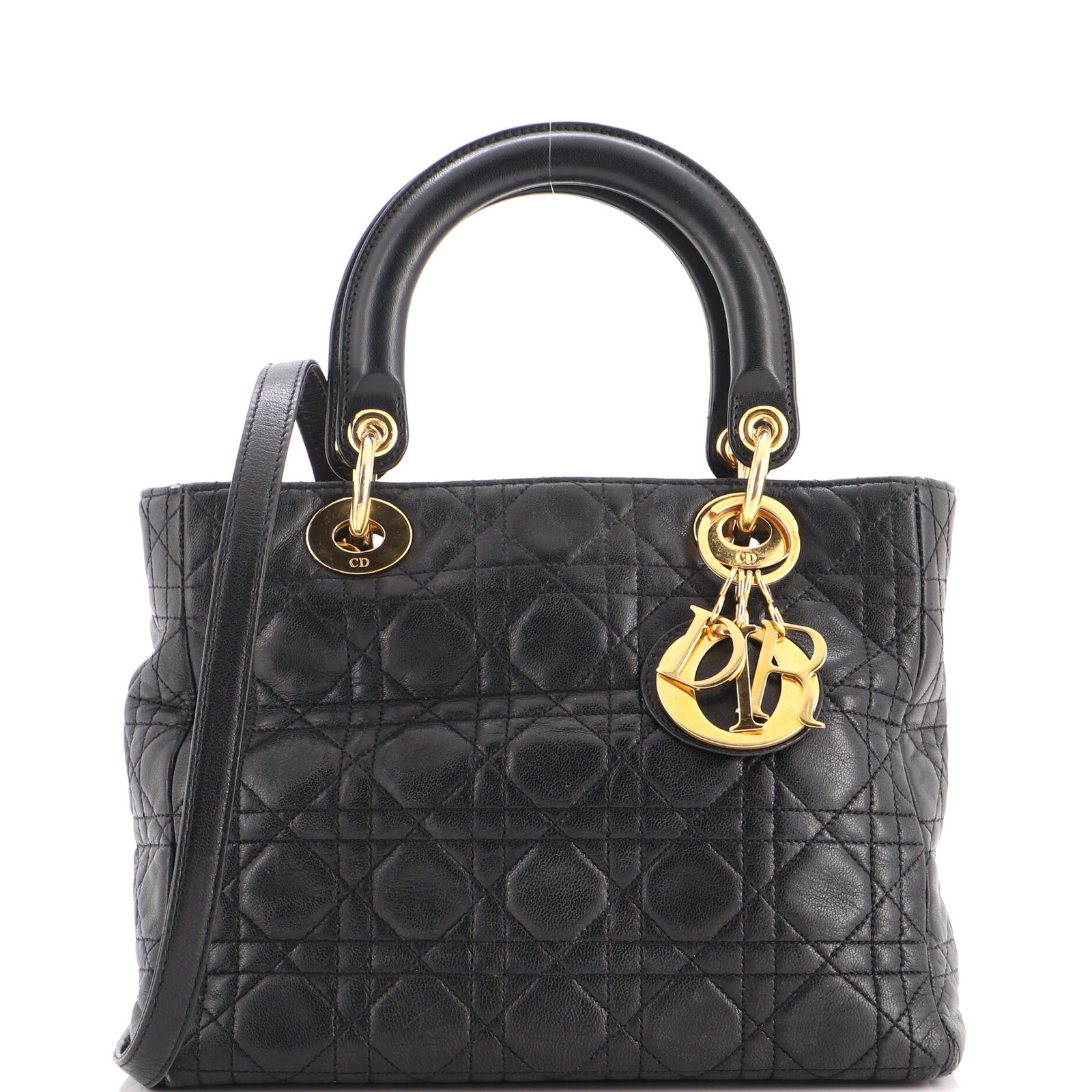
Dior
France · 1940s
The New Look & the Lady Dior
The New Look & the Lady Dior
Top piece
View →
Alpha Industries
USA · 1950s
The MA-1 flight jacket
The MA-1 flight jacket
Continue the edit
Further stories from the same world
Three more walks through the same vintage universe.

Milan's Best Racks for Vintage Tees
A band tee is a souvenir somebody else brought home. The faded print, the softened cotton, the fact that it survived thirty years of washing.
Read the story →
The Denim Guide for Milan
Vintage denim fits differently because it was cut differently. Higher waists, straighter legs, heavier cotton that holds its shape all day.
Read →
Why We Love a Nineties Shoulder Bag in Milan
The small shoulder bag is back, and the originals are still out there. A nylon bag from 1999 or a mini baguette from the same year carries a specific kind of confidence.
Read →