
 Sign in
✦ Culture · Milan
The Vintage Blazer Guide for Milan
An oversized blazer from the eighties or nineties has a shoulder line nothing on the high street can match. The wool is heavier, the canvas inside is real, and the cut was made to be worn open and loose.
 By Louis Trash·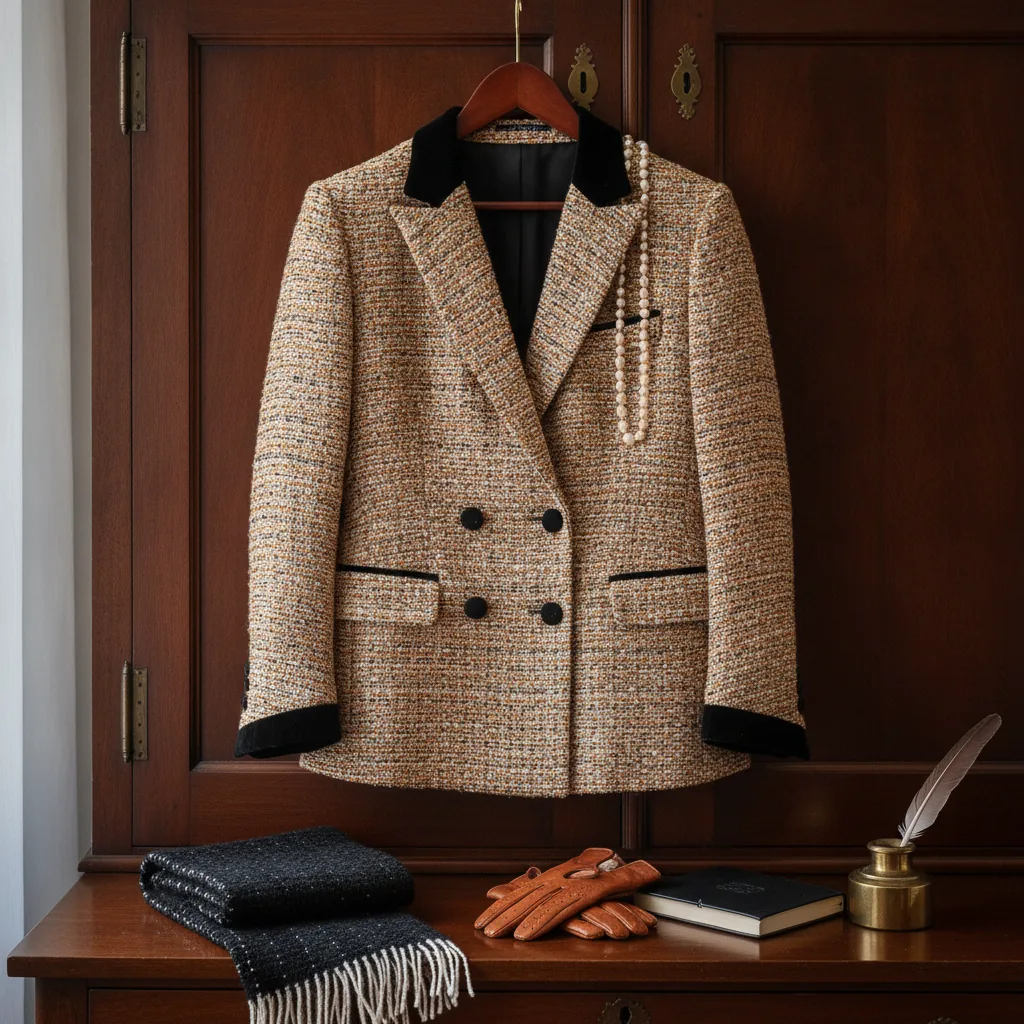
Why Blazers Matter Now
An oversized blazer from the eighties or nineties has a shoulder line nothing on the high street can match. The wool is heavier, the canvas inside is real, and the cut was made to be worn open and loose.
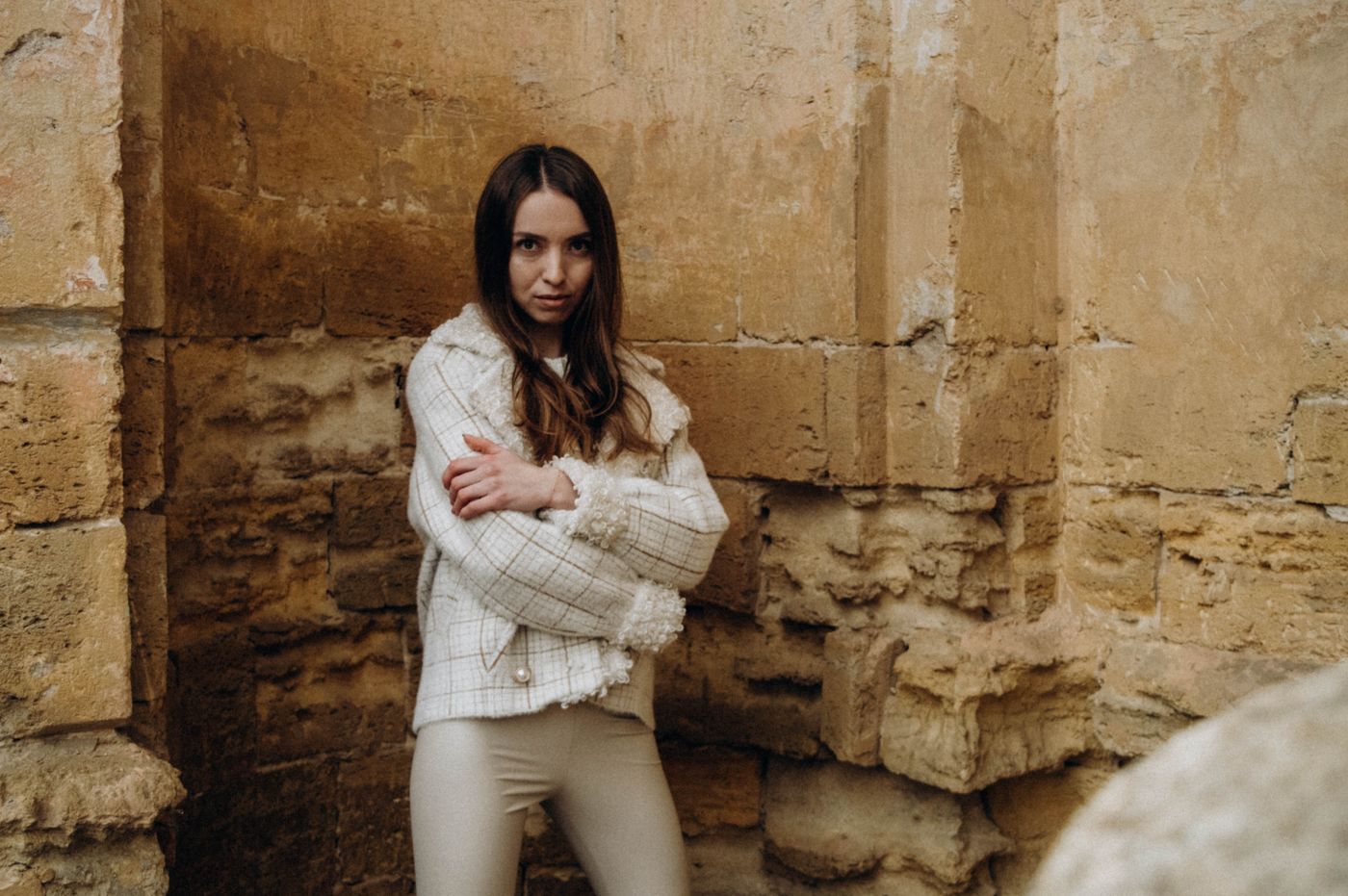
Foto: Liudmyla Shalimova · Pexels
I remember the first time I put on a 1987 Armani jacket from Cavalli e Nastri. The shoulder rolled just so, the lapel fell in a perfect arc. It felt like wearing architecture. That is what you are paying for: not a brand name, but a construction method that has all but vanished. Fast fashion fuses everything together with glue and hope. A real blazer from that era is canvassed, which means there is a floating layer of horsehair or wool between the outer fabric and the lining. That layer gives the jacket its drape and its memory. It molds to your body over time, and it can be re-pressed, re-stitched, and re-loved for decades.
The high street simply cannot replicate this. They use fusible interlinings that bubble and collapse after a few washes. The shoulder pads are foam, not felt. The wool is thin, often blended with polyester to cut cost. So when you find a blazer from 1989 with a label like Ferragamo or Versace, you are holding something that was made to last, and it will outlast anything you can buy new today.
How to Wear It
Push the sleeves up. It instantly stops a big blazer looking borrowed. Roll them once or twice, depending on the length, so that a hint of forearm shows. This is the first rule of wearing an oversized blazer in Milan: do not let it wear you.
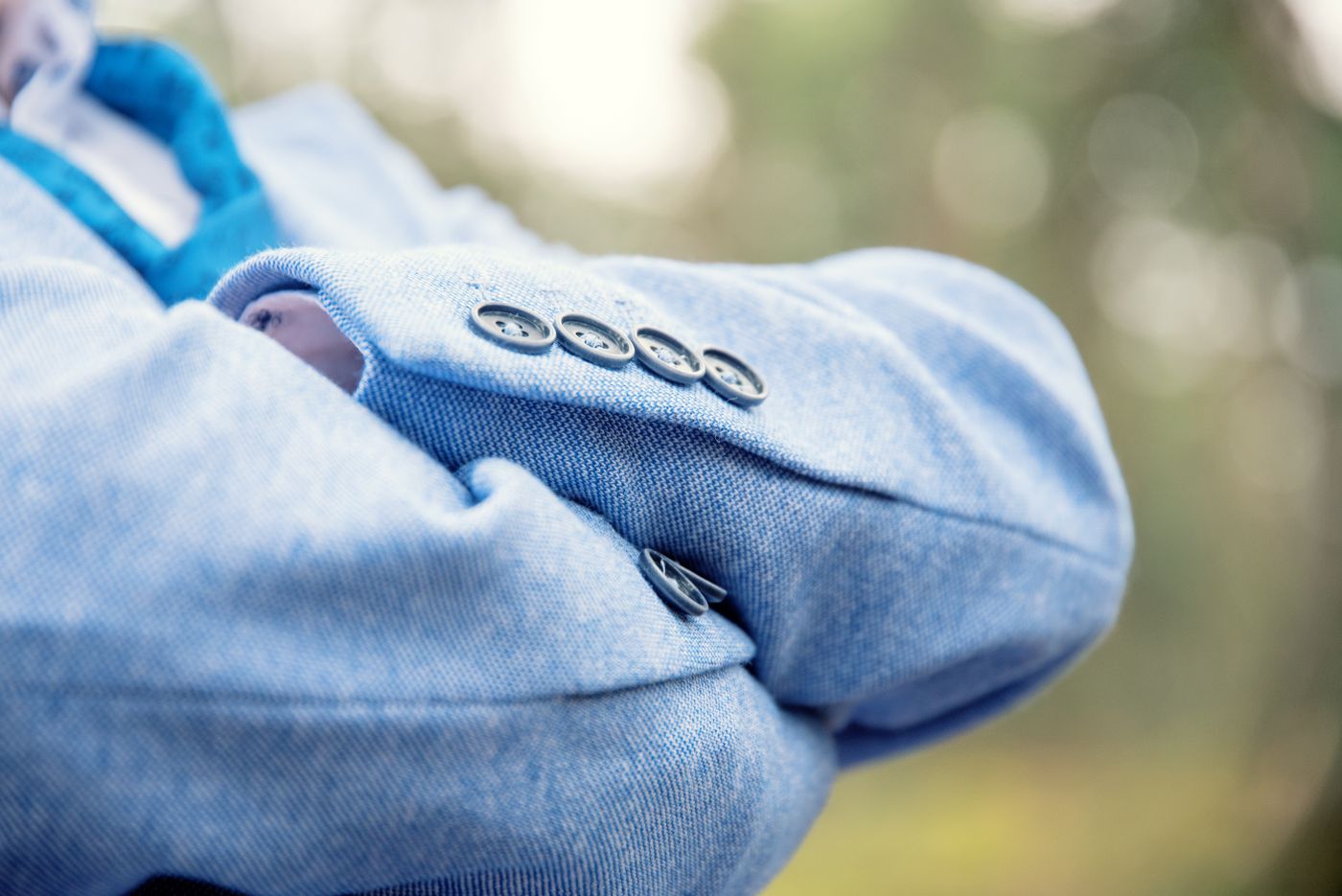
Foto: Robin Godefridi · Pexels
Wear it with denim and a plain tee before you ever wear it with matching trousers. A vintage blazer over a white t-shirt and straight-leg jeans is the uniform of the stylish Milanese woman over 35. It says you have taste, but you are not trying too hard. Add a pair of low-heeled ankle boots or clean white sneakers, and you are set for the day. If you want a more dressed-up look, swap the tee for a fine-knit turtleneck in black or cream. But start with denim. It is the easiest way to make a vintage piece feel modern.
If the shoulder fits, everything else can be tailored. If it does not, walk away. This is the golden rule. The shoulder seam should sit exactly at the edge of your own shoulder, not drooping off or digging in. If the shoulder is right, a tailor can take in the waist, shorten the sleeves, or adjust the length for a reasonable fee (expect to pay 30-50 euros in Milan for basic alterations). But if the shoulder is wrong, no amount of tailoring will save it. You will always look like you are wearing a costume.
Where to Find Yours in Milan
- Cavalli e Nastri (Via Brera 2) — the archive shop — Prada, Ferragamo, Versace, from around 20 euros. This is the place to start. It is small, curated, and the staff know their stock. They have a rotating selection of Italian labels from the 1980s and 1990s, often in excellent condition. Go early on a Tuesday morning, and you might find a gem that has just been put out.
- Humana Vintage (Via Cappellari 3) — bargain rails, worth two passes, from around 45 euros. This is a charity shop with a vintage section. You have to dig, but the prices are unbeatable. I found a 1990s Max Mara blazer there for 40 euros once. It needed a new lining, but it was worth it. Go twice: once to see what is there, and once to check the back racks where the staff put new arrivals.
- Bivio Milano (Via Colonnetta 5) — curated resale, refreshed weekly, from around 60 euros. This is a step up from Humana. The pieces are pre-selected for quality, and the prices are still reasonable. They have a good mix of Italian and French labels. I have seen beautiful Saint Laurent jackets there for under 100 euros.
- Madame Pauline Vintage (Foro Buonaparte 74) — high-end, appointment-friendly, from around 90 euros. If you want something special, this is the place. They have a curated selection of designer pieces, often in pristine condition. You can book an appointment to have a private viewing. The staff are knowledgeable and will tell you the history of each piece. Prices are higher, but you are paying for the curation and the condition.
Go on a weekday morning if you can. The rails are fullest before the weekend crowd arrives, and staff have time to show you what came in overnight. Avoid Saturday afternoons, when the shops are packed and the best pieces are already gone.
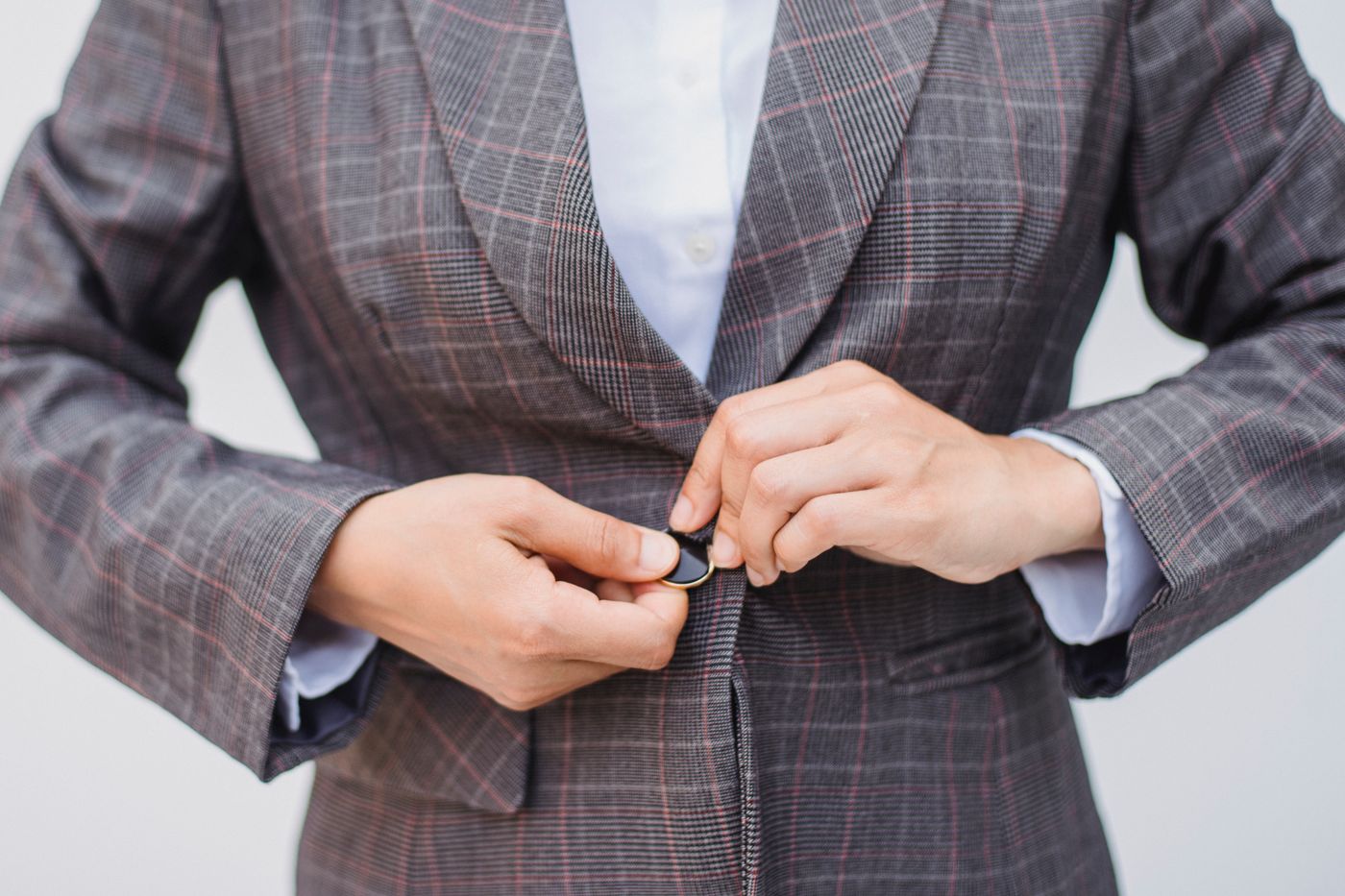
Foto: Ketut Subiyanto · Pexels
What to Look For
Pinch the lapel: if you can feel a separate floating layer between the wool and the lining, it is canvassed and worth the money. This is the most important test. If you feel only a single layer of fabric, it is fused, and it will not drape well or last long. Canvas is what gives a jacket its shape and its ability to mold to your body. It is also a sign of quality construction, something you will not find in modern fast fashion.
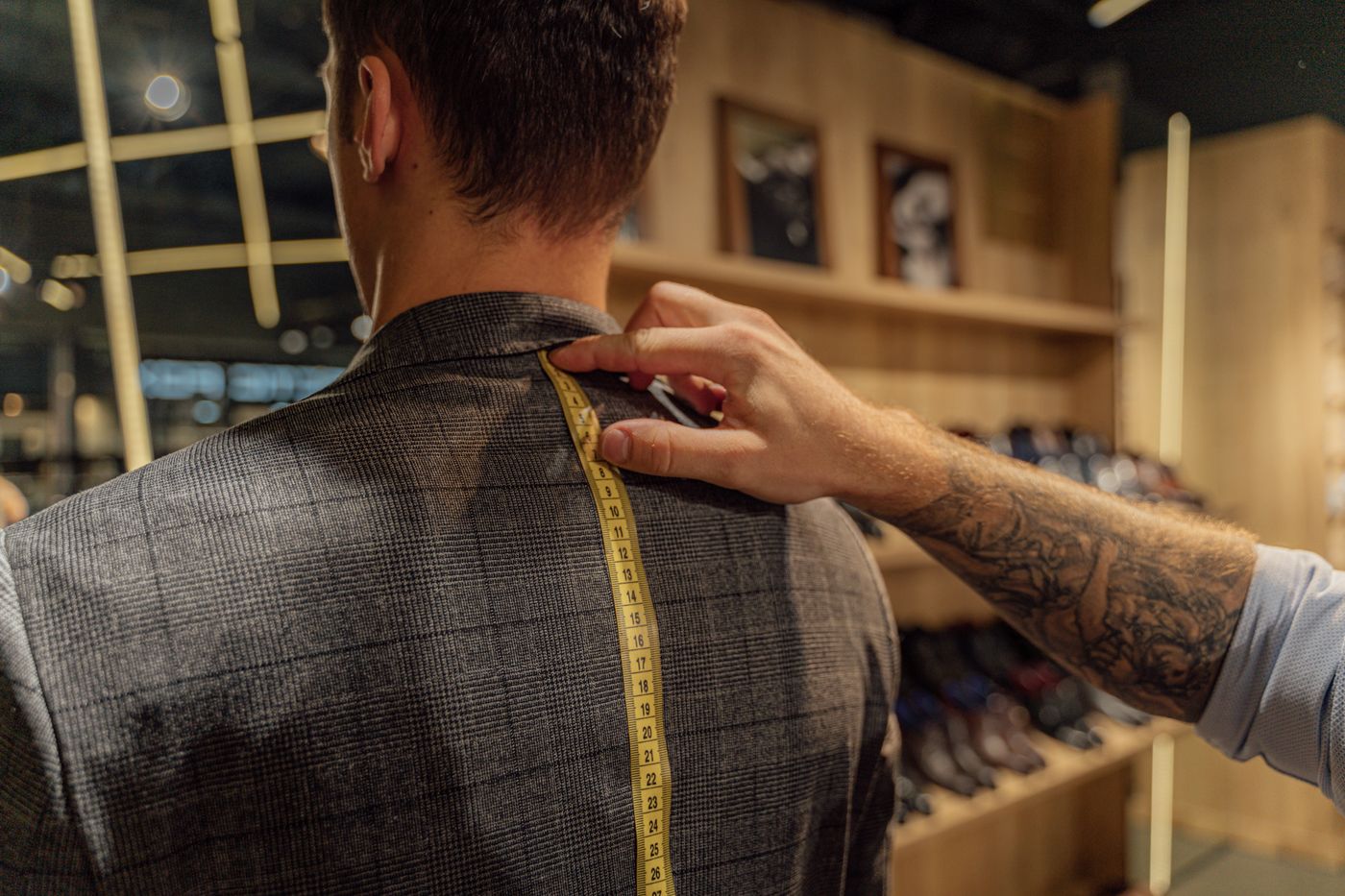
Foto: Antoni Shkraba · Pexels
Check the lining under the arms for splits. The underarm is the first place to go, because of friction and sweat. A small split can be repaired, but if the lining is shredded, you will have to replace it entirely, which can cost 50 euros or more. Also, check the seams for any pulling or gaps. Run your fingers along the inside of the jacket, feeling for any roughness that might indicate a repair.
Look at the buttons — horn and metal beat plastic. Horn buttons have a natural grain and are a sign of a well-made jacket. Metal buttons, like those on a blazer, add weight and elegance. Plastic buttons are fine if they are well-made, but they tend to crack and look cheap. If the buttons are missing or mismatched, you can replace them, but that is an extra cost.
Give the wool a sniff, because heavy smoke never fully leaves an old jacket. Cigarette smoke and cooking odors can be embedded in the fibers, and dry cleaning may not get them out. If it smells, put it back. You do not want to be stuck with a jacket that stinks every time you wear it.
One last thing: try it on properly, walk around in it, and sit down. A vintage blazer that only works standing still is not going to survive your actual life. Raise your arms, bend over, sit in a chair. See how it feels. The right blazer will move with you, not fight you.
The History Lesson
Giorgio Armani changed the shape of the blazer in the 1980s. He removed the stiff padding and the tight waist, creating a softer, more fluid silhouette that draped over the body. That was a revolution. Women had been wearing menswear-inspired tailoring for decades, but Armani made it feel effortless. His jackets were cut to be worn open, with the sleeves pushed up, revealing the lining. That was a style statement in itself.
Versace, on the other hand, went for power. His blazers were sharp, with broad shoulders and a nipped waist, often in bold colors and patterns. They were designed to make a statement, and they did. When you wear a vintage Versace blazer, you are wearing a piece of fashion history. The same goes for Ferragamo, who was known for his impeccable craftsmanship and attention to detail. A Ferragamo blazer from the 1990s feels like a piece of art.
Milan has always been the epicenter of Italian tailoring. The city's streets are full of ateliers that have been making suits for generations. When you buy a vintage blazer in Milan, you are not just buying a piece of clothing. You are buying a piece of that heritage. And in a city where style is everything, that matters.
Final Thoughts
A vintage blazer is an investment. It takes time to find the right one, and it may need some work to make it perfect. But when you find it, you will have a piece that is uniquely yours, with a story to tell. And in Milan, where fashion is a language, that story is worth more than any new purchase.
So go out there. Hit the shops on a weekday morning. Try on a dozen jackets. Look for the canvas, the buttons, the smell. And when you find the one, you will know. It will sit on your shoulders like it was made for you, and you will wonder how you ever lived without it.
Get the look
Get the look
The pieces that make this story wearable, live from the market.
The names
The designers behind the look
The minds behind this story — each with a piece currently on the market.
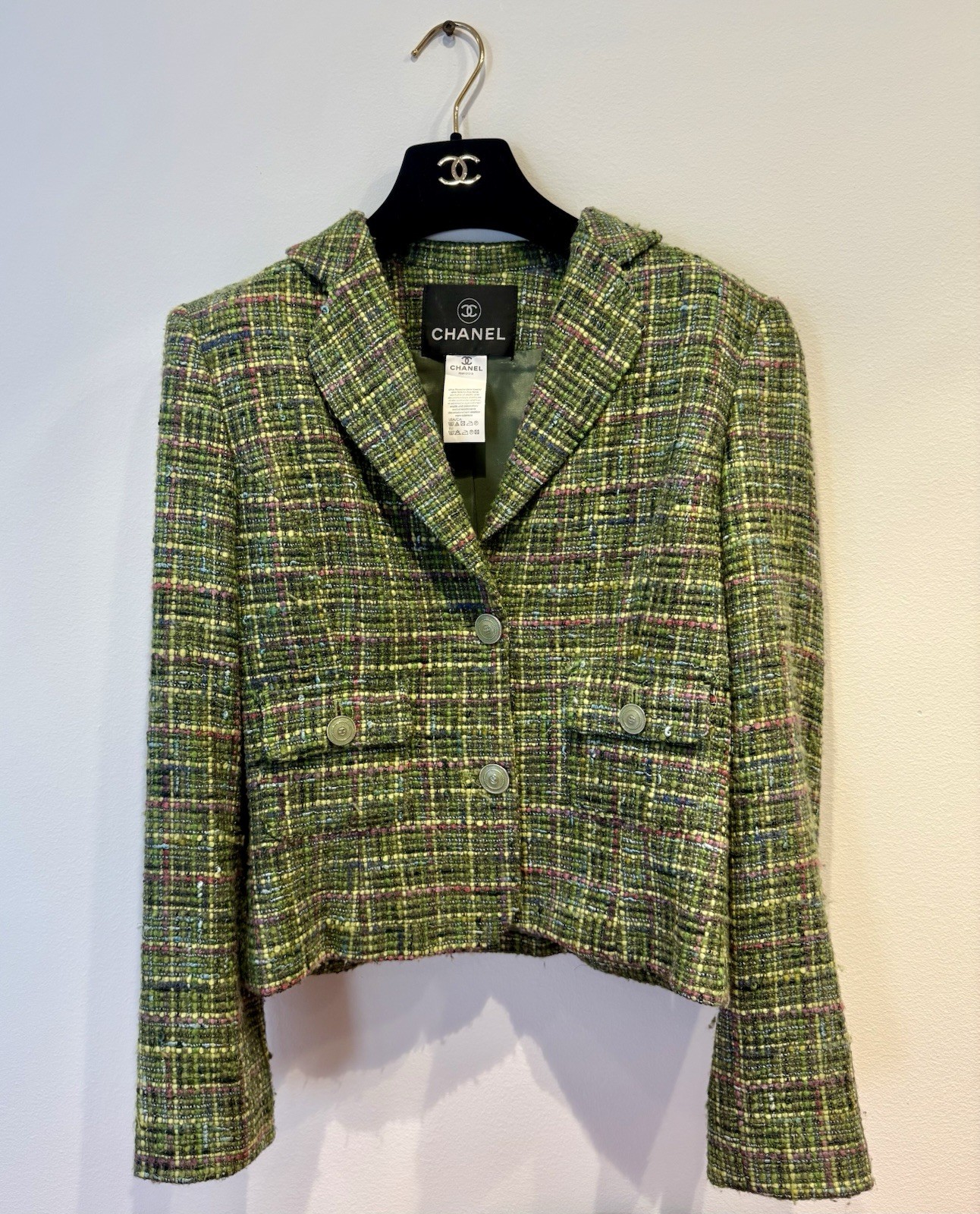
Armani
Italy · 1970s
The power suit & soft tailoring
The power suit & soft tailoring
Top piece
View →
Yohji Yamamoto
Japan · 1970s
Black, drape & poetic deconstruction
Black, drape & poetic deconstruction
Top piece
View →
Calvin Klein
USA · 1960s
Minimalism & the 90s slip
Minimalism & the 90s slip
Diesel
Italy · 1970s
Washed denim & streetwear
Washed denim & streetwear
Continue the edit
Further stories from the same world
Three more walks through the same vintage universe.

Milan's Best Racks for Vintage Tees
A band tee is a souvenir somebody else brought home. The faded print, the softened cotton, the fact that it survived thirty years of washing.
Read the story →
The Denim Guide for Milan
Vintage denim fits differently because it was cut differently. Higher waists, straighter legs, heavier cotton that holds its shape all day.
Read →
Why We Love a Nineties Shoulder Bag in Milan
The small shoulder bag is back, and the originals are still out there. A nylon bag from 1999 or a mini baguette from the same year carries a specific kind of confidence.
Read →