
 Sign in
✦ Culture · Tokyo
The Vintage Band Tee Is Not a Costume
A 1979 Ramones shirt should look like you stole it from your older brother, not like you bought it at a gallery opening. Here is how to wear the real thing without looking like you are trying too hard.
 By Louis Trash·
The Shirt That Refuses to Be Precious
A 1979 Ramones shirt should look like you stole it from your older brother. Not like you bought it at a gallery opening. That is the first rule of wearing a vintage band tee in 2024. The pieces floating around right now, mostly mixed labels and often priced around $157, are not fragile relics. They are cotton survivors. Treat them accordingly.
I found a 1980 Blondie Eat to the Beat tee at a flea market in Los Angeles two summers ago. It had a pinhole near the collar and a faded print that looked like a photocopy of a photocopy. I paid $40. I wore it that night with a silk slip skirt and leather sandals. A woman at the bar asked if it was from a recent reissue. I said no. She looked disappointed. I did not care. The shirt was doing exactly what it was supposed to do: making me feel like I was in on a secret.
Styling: Proportion Is Everything
A vintage band tee is a boxy, high-necked, short-sleeved rectangle. Your job is to break that rectangle without hiding it. The most reliable move is a high-waisted wide-leg trouser. Think 1970s Levi's 501s or a pair of pleated wool pants from the 1980s. Tuck the front hem. Leave the back loose. Add a belt with a solid brass buckle. The tee should not be the only thing people see. It should be the anchor.
Foto: Atlantic Ambience · Pexels
For a softer look, layer it under a slip dress. A 1990s silk slip in champagne or black works best. The tee peeks out at the neckline and sleeves. This is a trick stolen from the 1990s themselves, when Courtney Love wore a Sonic Youth tee under a lace nightgown to the 1995 Vanity Fair Oscar party. She looked like she had just rolled out of bed and into a limousine. That is the goal.
In cooler months, wear it under a tailored blazer. A 1980s Armani blazer with soft shoulders and a loose cut. Leave the blazer unbuttoned. Push the sleeves up. The contrast between the formal jacket and the scuffed cotton is the whole point. Do not iron the tee. Wrinkles are part of the texture.
Avoid: skinny jeans, tight pencil skirts, and anything that makes the tee look like a costume. The shirt should feel like it belongs to you. If you have to adjust it every five minutes, it is not the right shirt.
What to Look For: Era Tells and Quality Clues
A real vintage band tee from the 1970s or 1980s has a few tells. The cotton is heavier than modern tees. It feels almost like canvas. The print is usually a single-color screen print, often cracked or faded. The tag is a dead giveaway. Look for names like Screen Stars, Hanes, Fruit of the Loom, or Anvil. These were the blanks used by concert merchandisers. A 1978 Rolling Stones tee with a Screen Stars tag is more likely to be authentic than one with a modern Gildan tag.
Foto: Svetlana Tumina · Pexels
Check the stitching. Single-stitch hems and sleeves indicate a pre-1990s garment. Double-stitch came later. Check the neckline. A ribbed crew neck that has stretched but not torn is a good sign. A neckline that has been resewn is a red flag. Check the print. A print that is perfectly centered and glossy is probably a reprint. A print that is slightly off-center and matte is probably original.
Sizing is tricky. Vintage tees run small. A 1970s large fits like a modern medium. A 1980s medium fits like a modern small. Try before you buy if you can. If you are shopping online, ask for pit-to-pit measurements. A 20-inch pit-to-pit is roughly a modern medium. A 22-inch is a large. Do not trust the tag size.
Prices vary. You can still find a decent 1980s tee for under $100 at a flea market or a vintage store in a smaller city. A 1970s tee with a rare print can go for several hundred. The $157 price point is common for a mid-range piece: a 1980s band tee in good condition with a recognizable name. That is not a bargain, but it is not a rip-off either. If the shirt fits and you love it, buy it.
The History: From Merch Table to Museum
The vintage band tee as we know it started in the late 1960s. Before that, band merchandise was mostly buttons and posters. In 1967, the Grateful Dead hired a young artist named Rick Griffin to design a poster for a show at the Avalon Ballroom in San Francisco. Griffin's psychedelic style defined the era. But it was a different artist, Stanley Mouse, who put the first Grateful Dead logo on a T-shirt in 1968. The shirt was a simple skull and roses. It sold for $3 at shows. Today, an original sells for thousands.

Foto: Jefferson Rosier · Pexels
The 1970s was the golden age. Bands like Led Zeppelin, The Who, and Pink Floyd toured constantly. They needed merchandise. Screen printers in Los Angeles and New York churned out thousands of tees. The blanks came from companies like Hanes and Screen Stars. The prints were often done in small batches. A 1975 Led Zeppelin tee with a Swan Song logo is a grail for collectors. But you do not have to be a collector to wear one.
The 1980s brought punk and hardcore. Bands like Black Flag and Minor Threat sold tees at shows for $5. The designs were stark and political. The shirts were often stolen from thrift stores and screen-printed in basements. That DIY ethos is part of the appeal. A 1982 Black Flag tee with a Raymond Pettibon illustration is a piece of art. But you can still find them for reasonable prices if you know where to look.
The 1990s changed everything. Nirvana's Nevermind turned band tees into fashion. Kurt Cobain wore a Daniel Johnston tee to the 1992 MTV Video Music Awards. Suddenly, everyone wanted a vintage tee. The grunge movement made it acceptable to wear a shirt that looked worn out. That is the legacy we are still living with.
The Closing Thought: Wear It Like You Mean It
A vintage band tee is not a trophy. It is a shirt. The best ones have holes, stains, and a story. They smell like a concert. They feel like a memory. If you buy one, wear it. Do not frame it. Do not save it for a special occasion. Wear it to the grocery store. Wear it to a dinner party. Wear it until it falls apart. Then wear it some more. The only way to honor a shirt that has survived forty years is to give it a few more.

Foto: Muhammad Dzaki Zaidan · Pexels
The names
The designers behind the look
The minds behind this story — each with a piece currently on the market.
Børge Mogensen
Denmark · 1940s
The Spanish chair — honest, functional furniture for everyday life.
The Spanish chair — honest, functional furniture for everyday life.
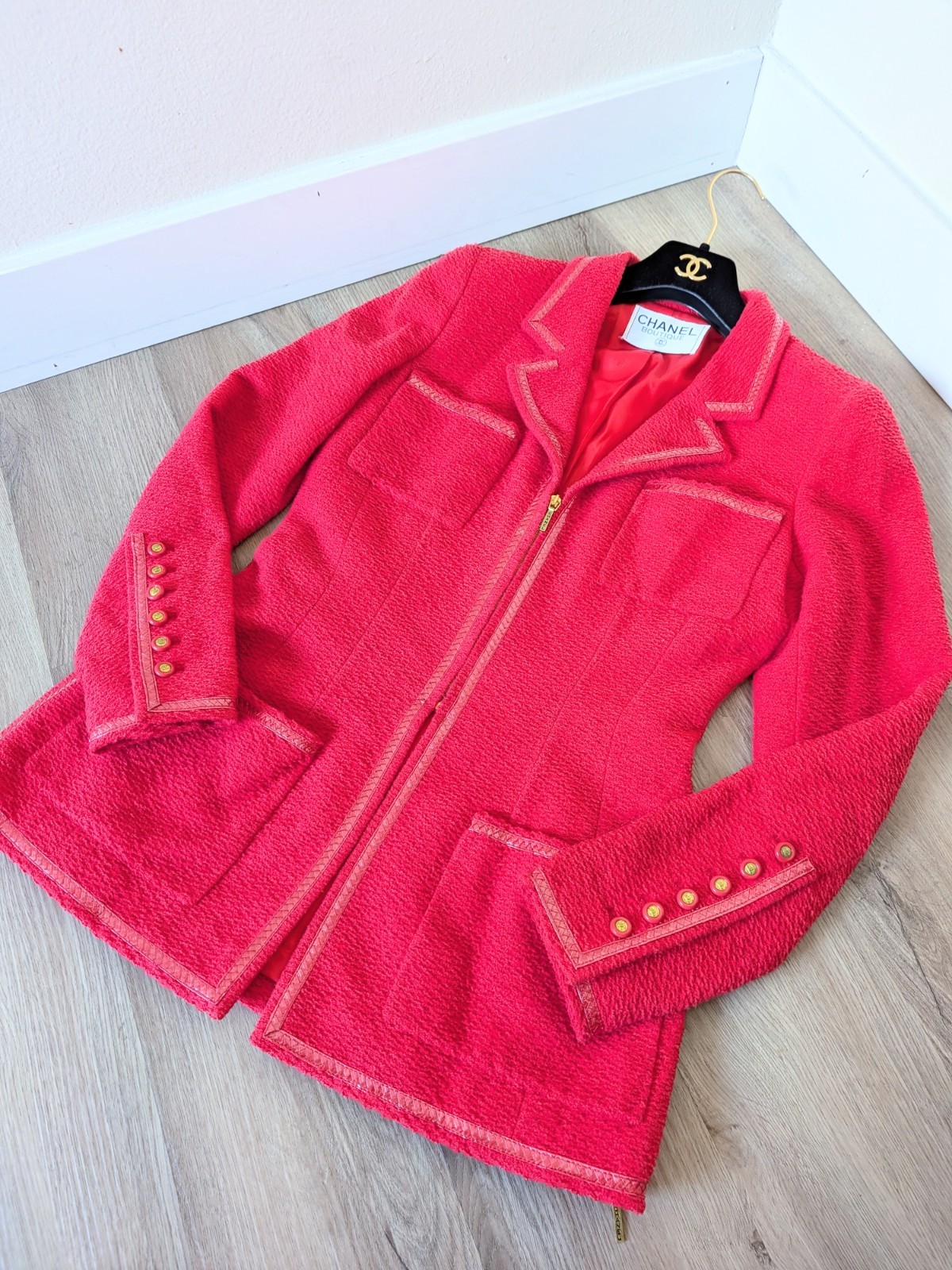
Chanel
France · 1910s
The little black dress & the 2.55
The little black dress & the 2.55
Top piece
View →
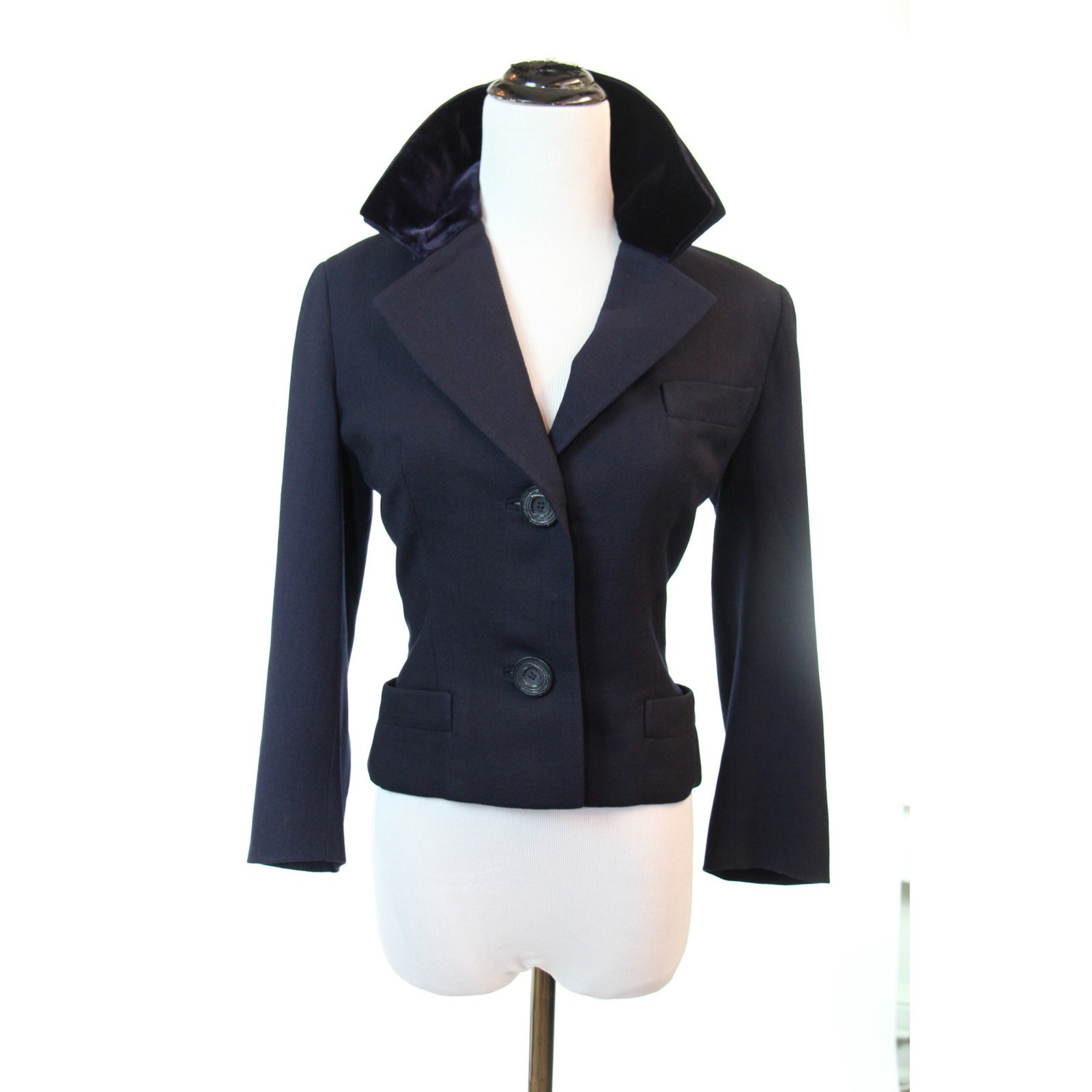
Dior
France · 1940s
The New Look & the Lady Dior
The New Look & the Lady Dior
Top piece
View →
Dries Van Noten
Belgium · 1980s
Eclectic prints & color
Eclectic prints & color
Continue the edit
Further stories from the same world
Three more walks through the same vintage universe.
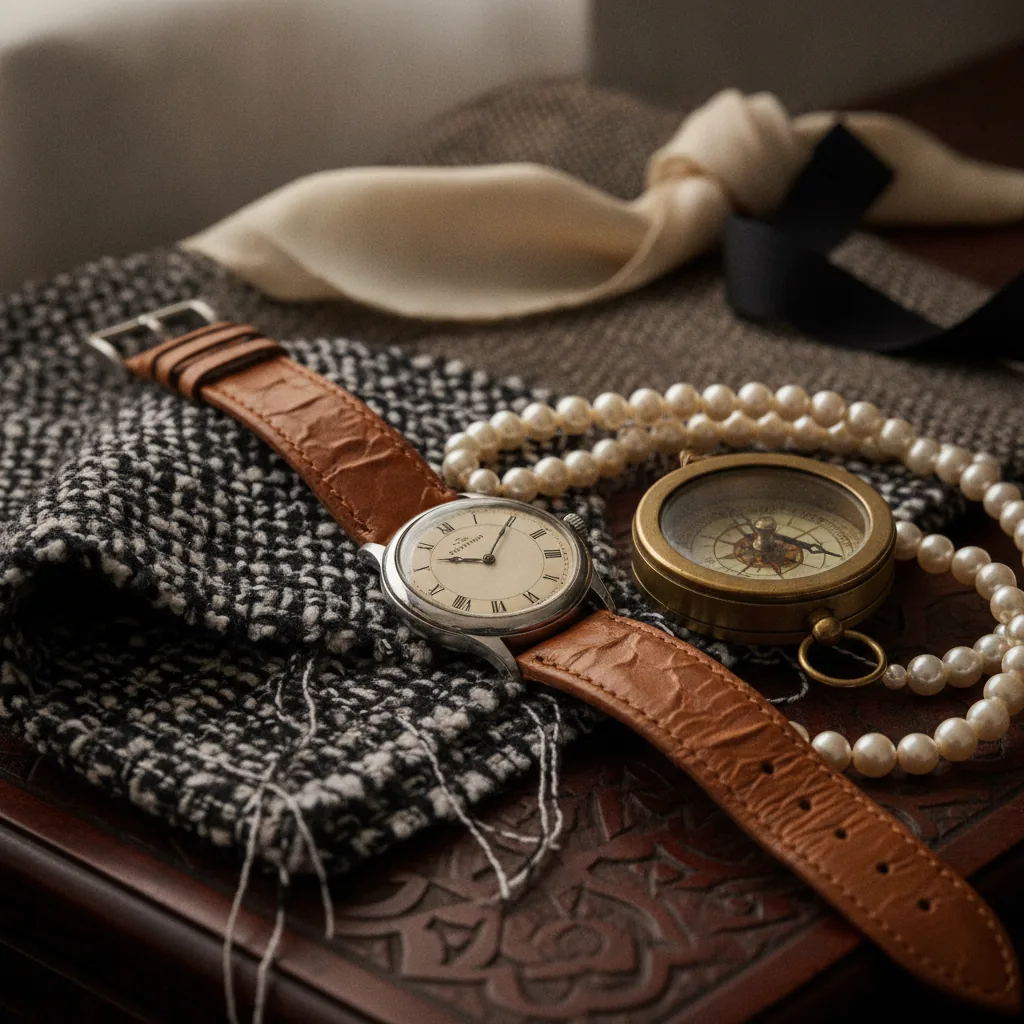
The Omega You'll Actually Wear: A Vintage Watch for the Modern Wardrobe
Forget the safe queens. A vintage Omega, often under two hundred dollars, is the most versatile accessory you're not wearing yet. Here's how to find one, style it, and make it yours.
Read the story →The Art of Wearing a Vintage Band Tee
How to style a vintage band tee without looking like you raided a museum, what to look for in a genuine piece, and the stories behind the shirts that defined eras.
Read the story →The Quiet Allure of Vintage Watches: Wearing History on Your Wrist
A vintage watch is more than a timepiece. It is a wearable story. Here is how to find one that speaks to you, style it with confidence, and let its history become part of yours.
Read the story →