
 Sign in
✦ Culture · Tokyo
The Omega You'll Actually Wear: A Vintage Watch for the Modern Wardrobe
Forget the safe queens. A vintage Omega, often under two hundred dollars, is the most versatile accessory you're not wearing yet. Here's how to find one, style it, and make it yours.
 By Louis Trash·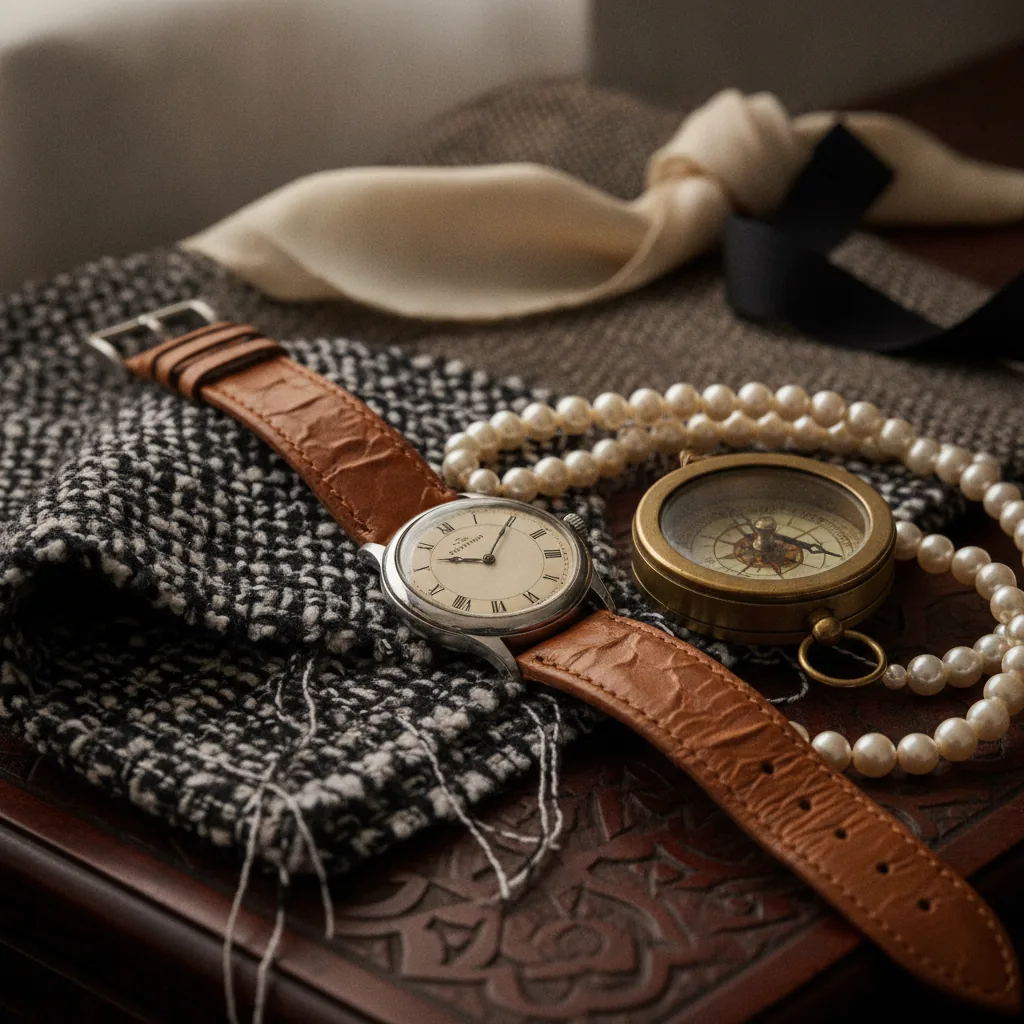
A Watch That Works as Hard as You Do
A vintage Omega is the quiet flex. It doesn't shout. It doesn't need to. You'll find them at flea markets in Amsterdam, dusty jewelers in Buenos Aires, and estate sales in Ohio. Most are mechanical, many are gold-plated, and a good number are priced like a nice dinner for two. Around $164.59, if you're lucky. That's not a typo. The watch world has spent a decade chasing steel sports Rolexes, leaving dress Omegas from the 1950s through the 1970s sitting in trays, unloved. That's your opening.
I bought my first Omega, a 1966 Seamaster De Ville, from a retired watchmaker in Portland. He'd serviced it himself, replaced the crystal, and put it on a tan leather strap that smelled like the inside of his shop. I paid $140. It keeps time to within a minute a day. I wear it with everything from a navy suit to a faded denim jacket. It has never once felt wrong.
How to Wear It Without Looking Like a Collector
The mistake people make with vintage watches is treating them like precious objects. They baby them. They pair them only with suits. That's boring. A vintage Omega, especially a simple three-hand model with a clean dial, is a tool. Wear it like one.
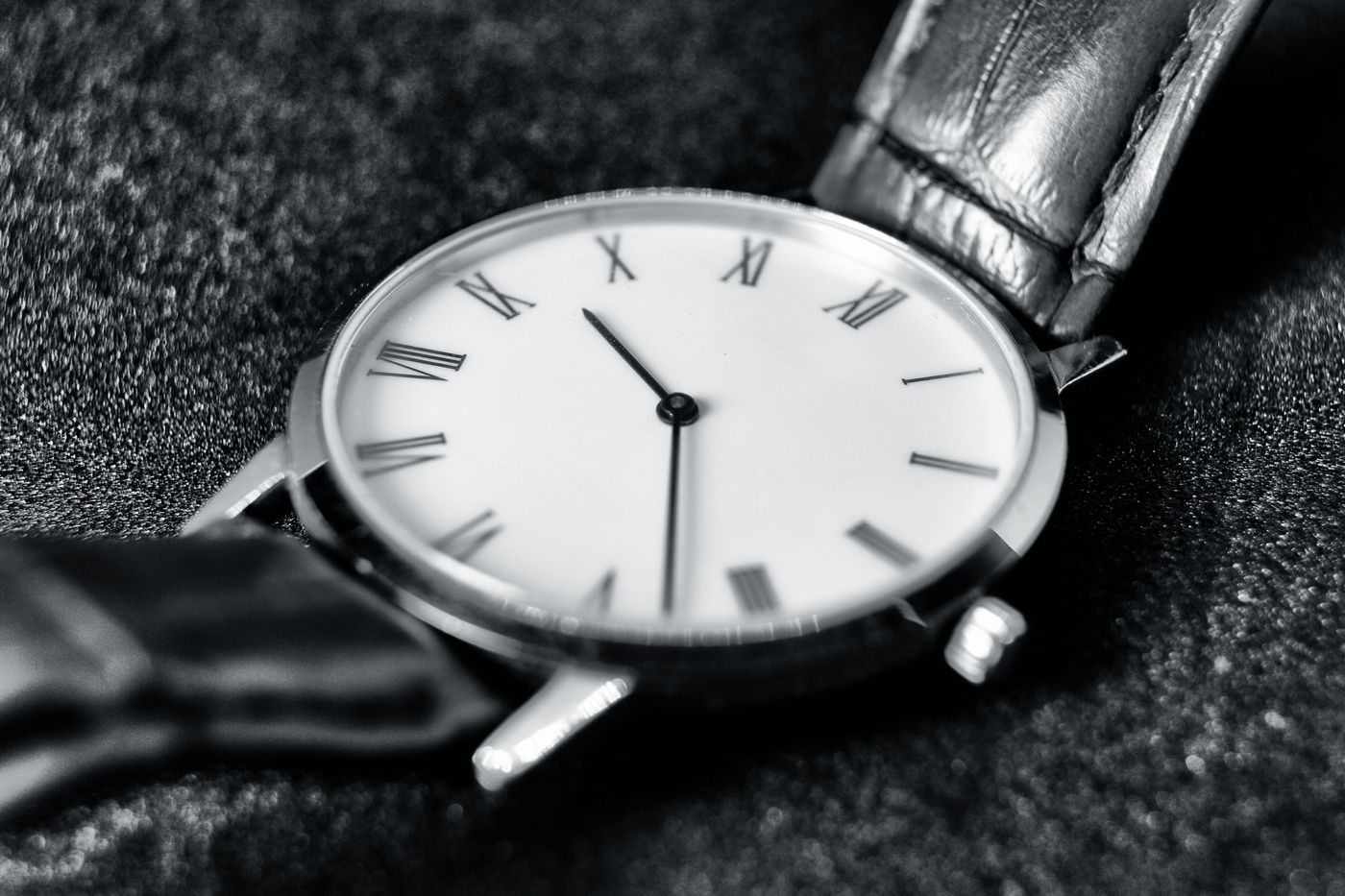
Foto: Mat Brown · Pexels
Start with proportion. Vintage Omegas tend to run small by modern standards. A 34mm or 35mm case was standard in 1962. On a 7-inch wrist, that reads as elegant, not dainty. If you're used to a 42mm diver, give it a week. You'll adjust. The smaller case slips under a shirt cuff, which is the whole point. It doesn't snag on a sweater. It doesn't knock against a doorframe.
Pair it with a tailored jacket in a textured fabric: tweed, linen, heavy cotton. The watch adds a glint of metal without competing. For casual, try a crewneck sweatshirt in oatmeal or grey. Roll the sleeves once. The watch sits on the wrist like a piece of jewelry, but a masculine one. Leather straps work best: tan, burgundy, or dark brown. Avoid black unless you're wearing black shoes and a black belt. A steel mesh bracelet, common on 1960s Seamasters, reads more formal. Swap it for leather if you want versatility.
What about gold? Many vintage Omegas are gold-plated, not solid. That's fine. The plating wears thin on the lugs, which gives it character. If you're worried about looking flashy, stick to yellow gold with a white or silver dial. It's warmer than steel and less common on modern wrists. I wear mine with a charcoal flannel suit and brown suede loafers. The gold picks up the warmth of the suede. It's a small thing. It matters.
What to Look For: Era Tells and Quality Cues
Omega made millions of watches. Not all are equal. The good ones share a few traits.
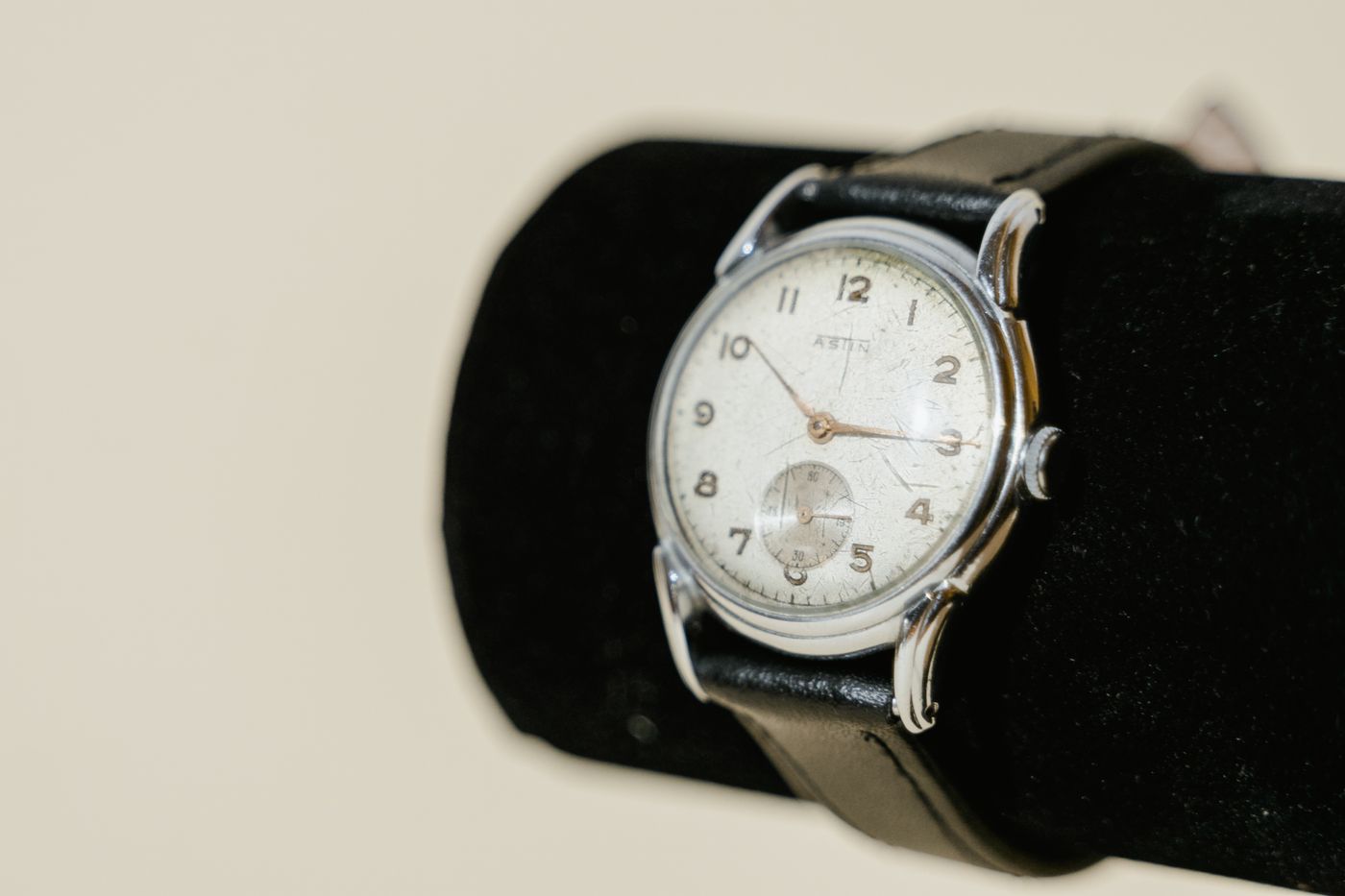
Foto: Tima Miroshnichenko · Pexels
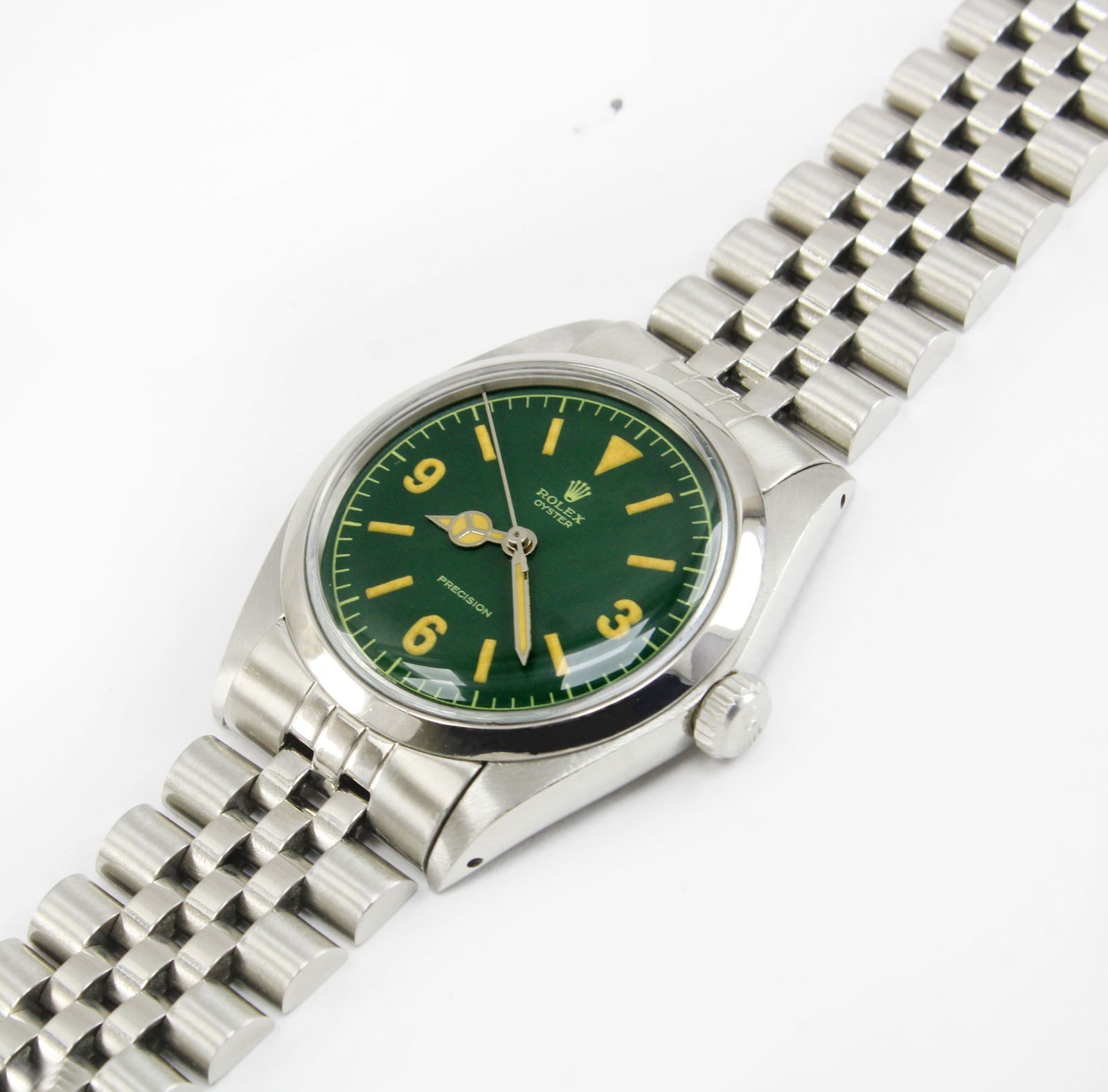
First, the movement. Look for a bumper automatic or a manual-wind caliber like the 30T2 or the 500 series. These are robust, serviceable, and parts are still available. Avoid anything with a quartz movement from the 1970s unless you love the case design. Quartz Omegas are fine, but they lack the soul of a mechanical watch. You want to feel the rotor spin when you move your wrist. That's the point.
Second, the dial. Original dials have a matte finish, not glossy. They show patina: tiny specks, a warm cream color instead of stark white. That's good. A refinished dial is easy to spot: it looks too perfect, too shiny, and the printing is often slightly off. If the seller says "professionally restored," ask for before photos. If they don't have them, walk.
Third, the case. Stainless steel is more durable than gold plate. Look for sharp lugs. If they're polished round, the case has been over-buffed. That's a sign of a hard life. A few scratches are fine. Deep gouges are not. Check the crown: it should be signed with the Omega symbol. Unsigned crowns are common replacements, but original is better.
Era tells: 1950s Omegas often have applied logos and dauphine hands. 1960s models have baton hands and a date window at 3 o'clock. 1970s pieces get thicker, with cushion-shaped cases and integrated bracelets. My favorite is the Seamaster De Ville from 1962 to 1967. It's a monocoque case, meaning the movement comes out through the crystal. That's a clever bit of engineering. It also means you need a watchmaker who knows what they're doing. Find one before you buy.
The History You're Wearing
Omega didn't become a household name by accident. In 1932, they timed the Los Angeles Olympics. In 1948, they released the Seamaster, a civilian version of a military watch. But the real turning point was 1957, when they launched the Speedmaster. NASA bought a few in 1965 for testing. By 1969, Buzz Aldrin wore one on the moon. That's the watch everyone knows.
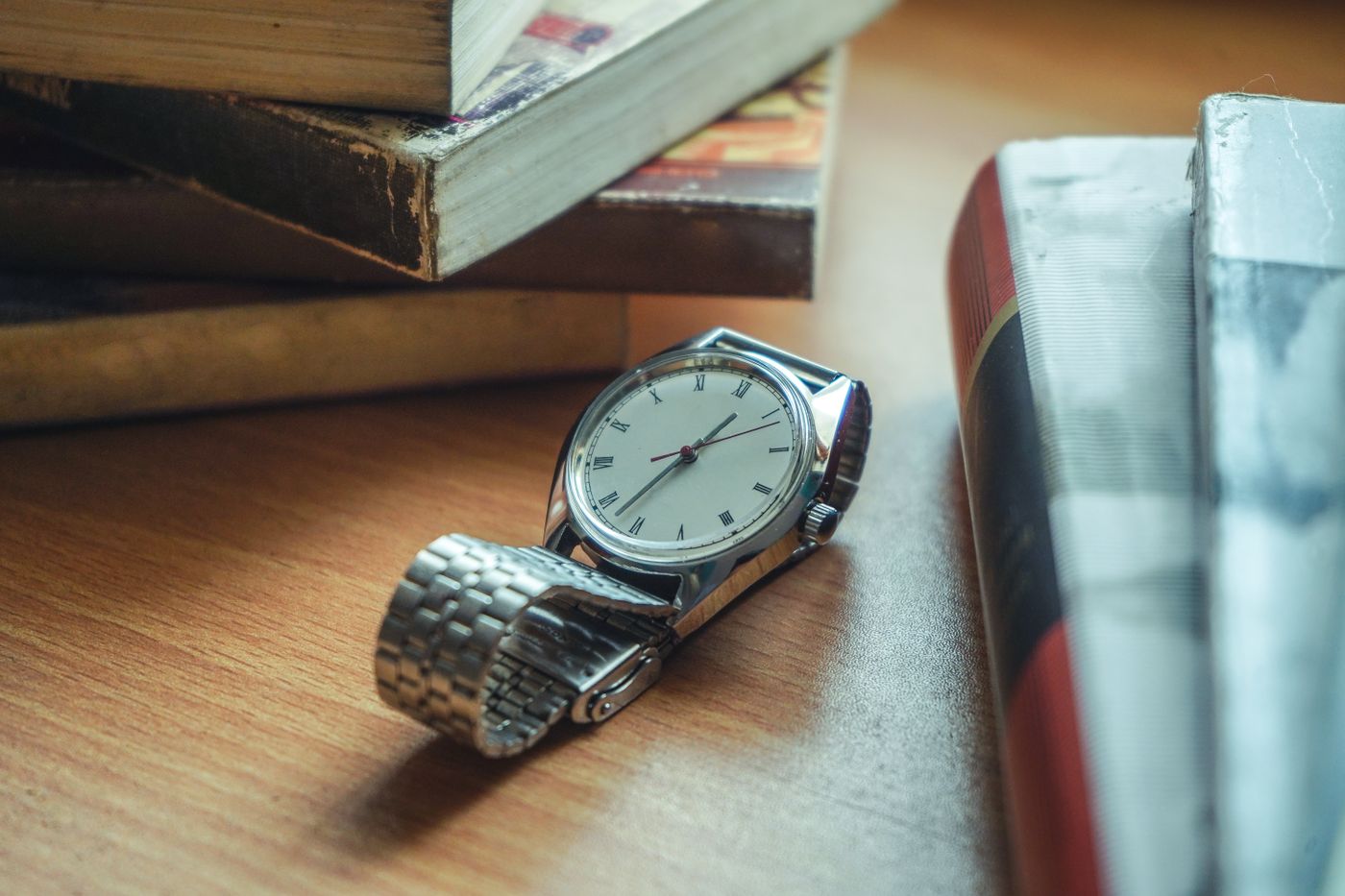
Foto: Yogendra Singh · Pexels
The dress Omegas are the quieter story. In the 1950s, Omega was the official timekeeper for the Olympic Games and supplied watches to the British Royal Air Force. The Seamaster De Ville was introduced in 1962 as a dressier version of the Seamaster. It was an instant hit with businessmen and celebrities. Frank Sinatra wore one. So did John F. Kennedy, though his was a gift from a friend. The watch became a symbol of understated success. You didn't need a Rolex to signal you'd made it. You needed an Omega.
By the 1970s, the quartz crisis hit. Omega, like every Swiss maker, scrambled. They made cheaper watches, some with plastic cases. The golden era ended. That's why the 1950s and 1960s pieces are the ones to hunt. They were made when Omega was still family-owned, when watchmakers finished movements by hand, when a dial was printed with care. You can feel it when you wind the crown. It's smooth, not gritty.
The Closing Thought: Wear It Until It's Yours
A vintage Omega is not an investment. It's a companion. The scratches on the caseback are from the person who wore it before you. The stretched bracelet is from years of daily use. The patina on the dial is from sunlight and air. You're not buying a perfect object. You're buying a history. Put it on. Wear it to the grocery store. Wear it to a wedding. Let it get wet. Let it get scratched. In ten years, it will look even better. And you'll have a story to tell. That's the point of a watch. It marks time. Your time. Not the market's.

Get the look
Get the look
The pieces that make this story wearable, live from the market.
horloges
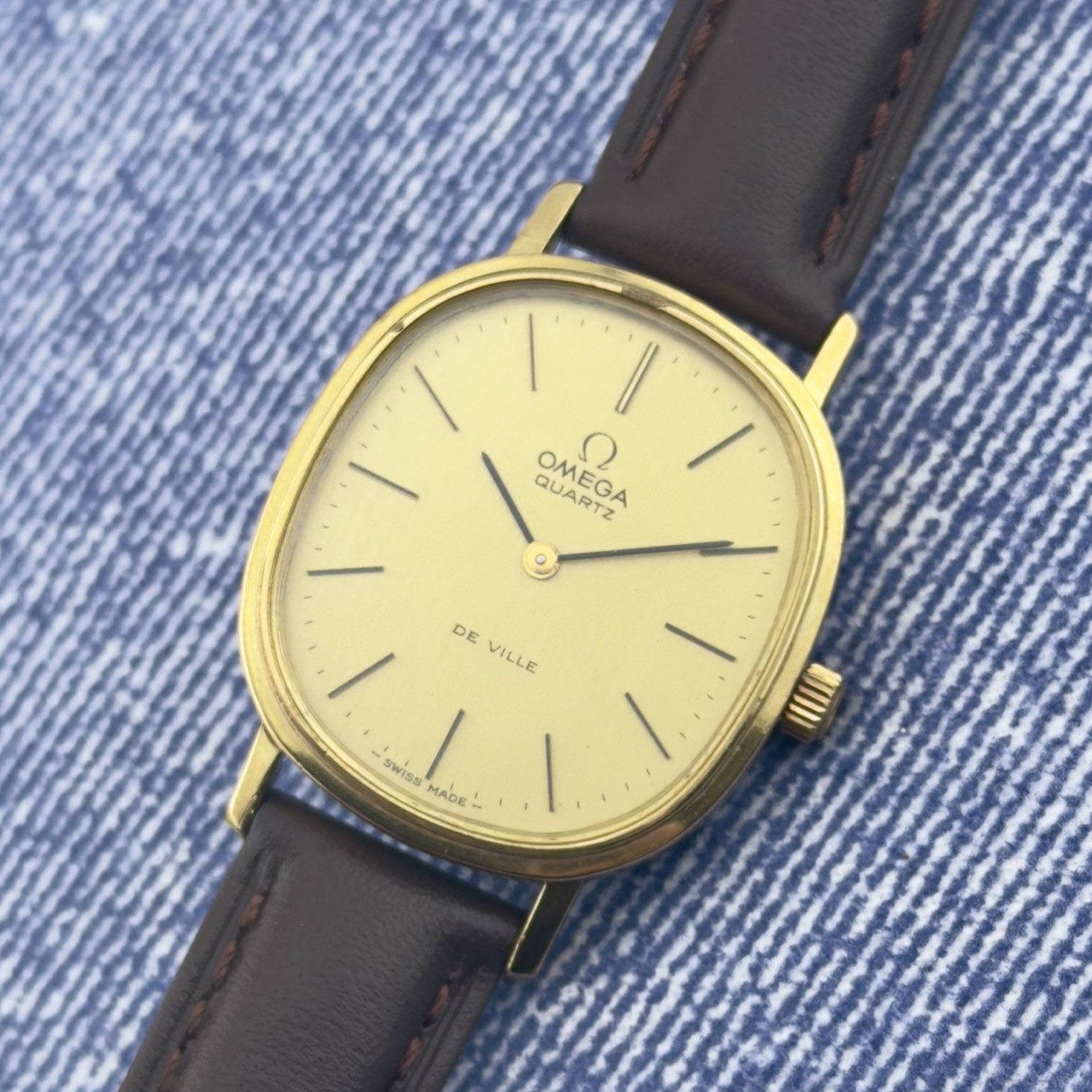
Vintage 1980s Omega De Ville - Gold Dial - Quartz - Ref 191.0046 - Men’s Watch
horloges
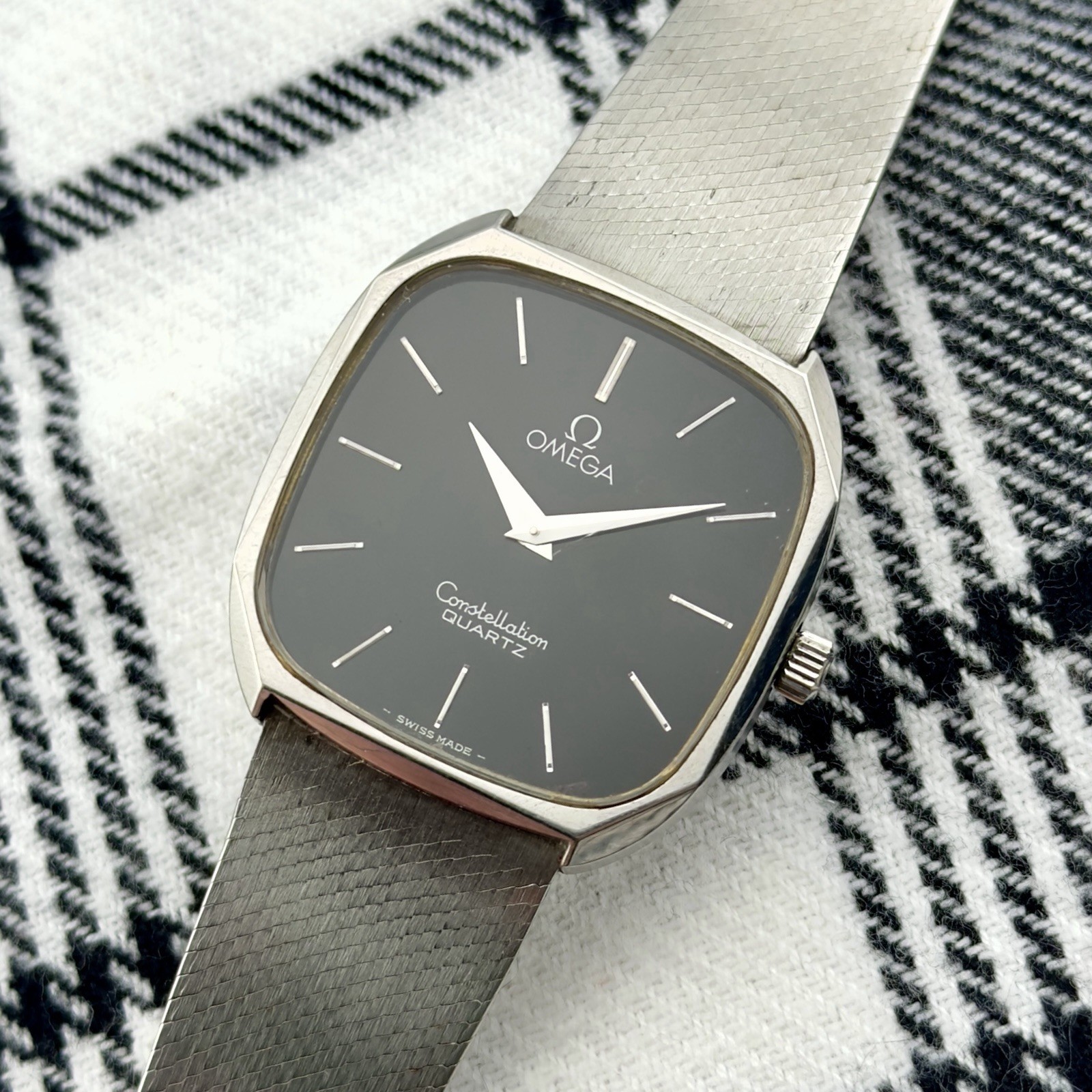
Vintage 1976 Omega Constellation Quartz - Black Dial - Ref 191.0014 - Mens Watch
horloges
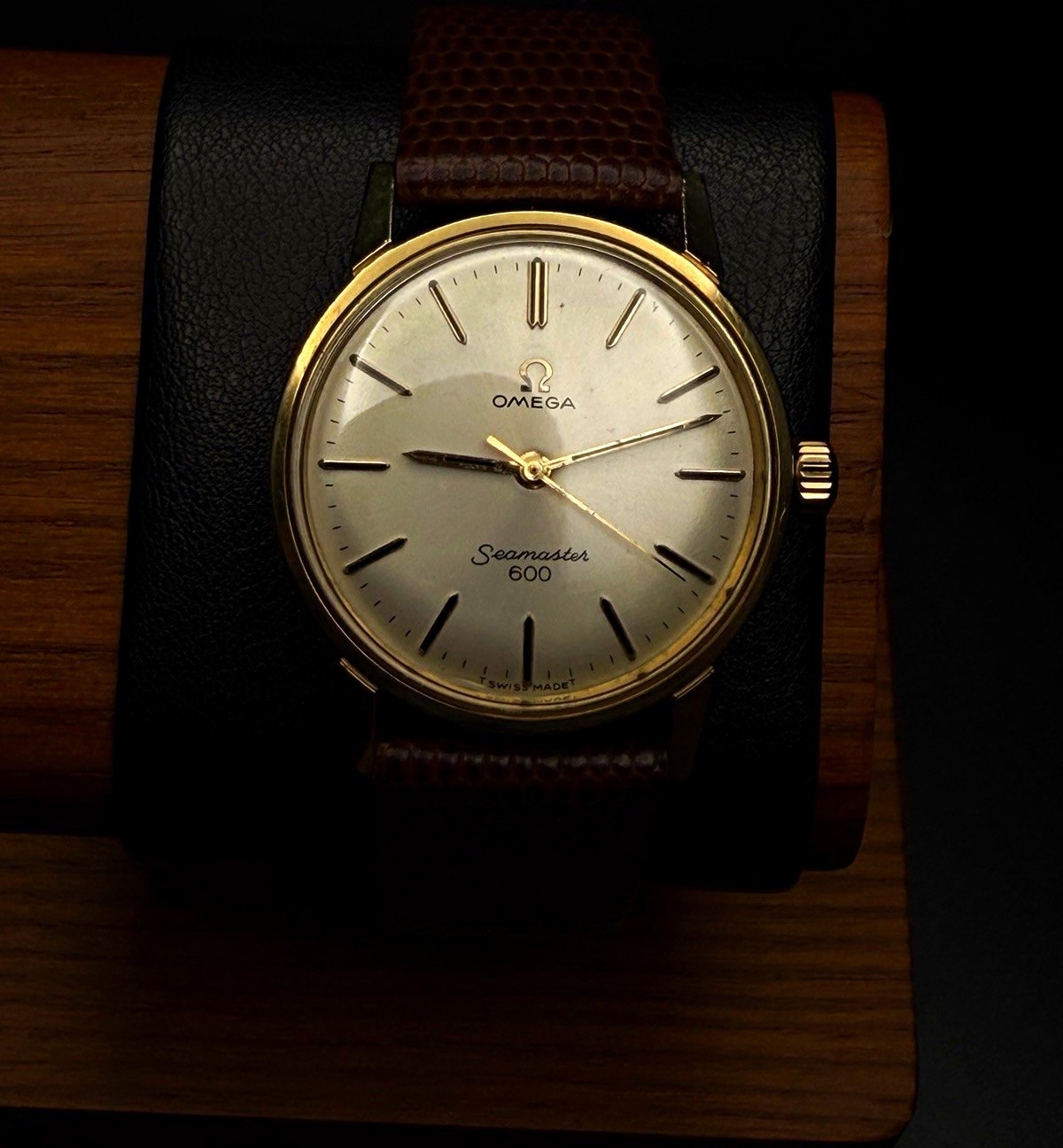
Omega Seamaster 600 Vintage 135.012 Cal 601 Serviced Original Crown Buckle 34mm
horloges
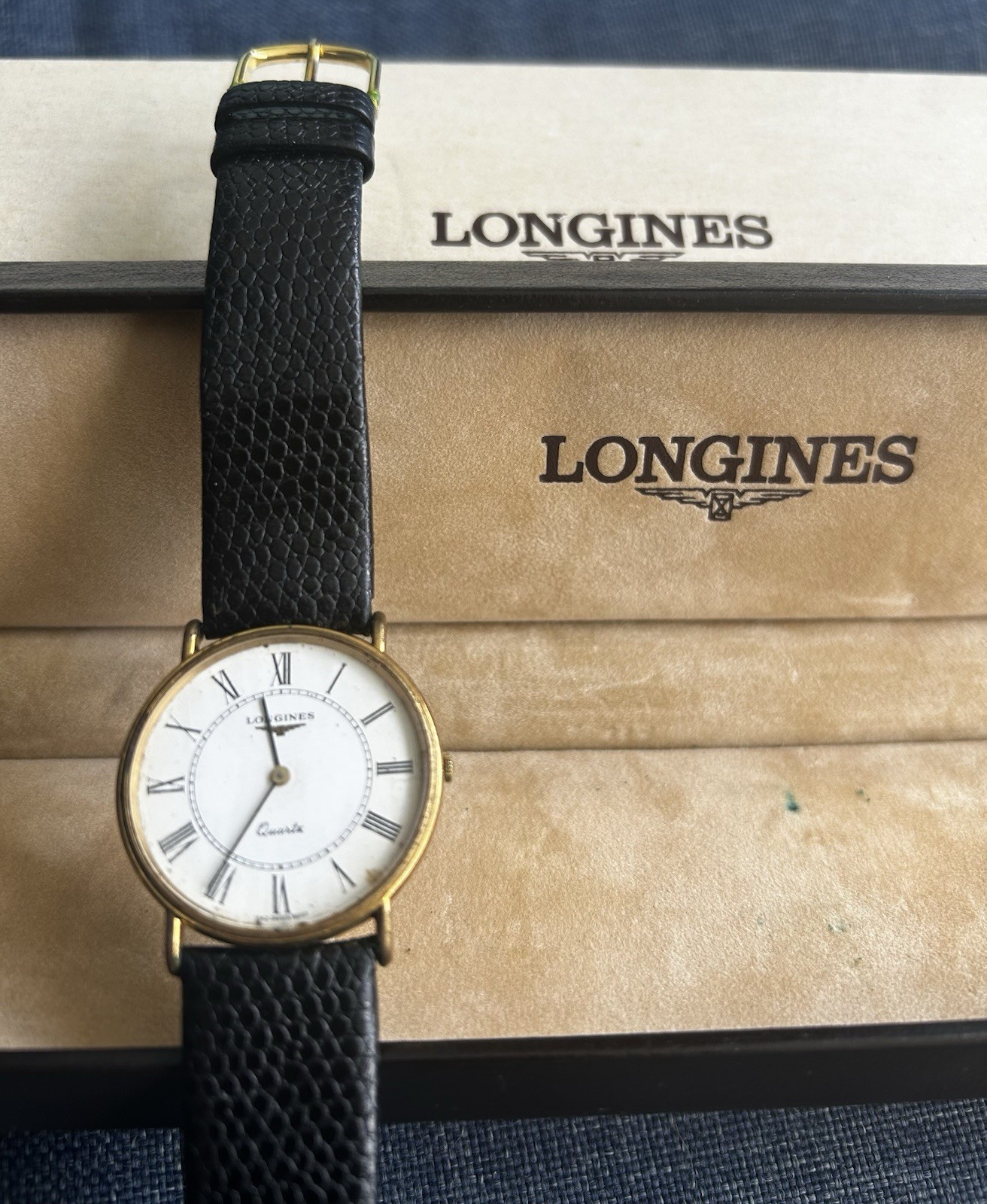
Vintage 1986 Longines Presence Quartz Dress Watch Gold Plated Roman 24263611 Box
horloges
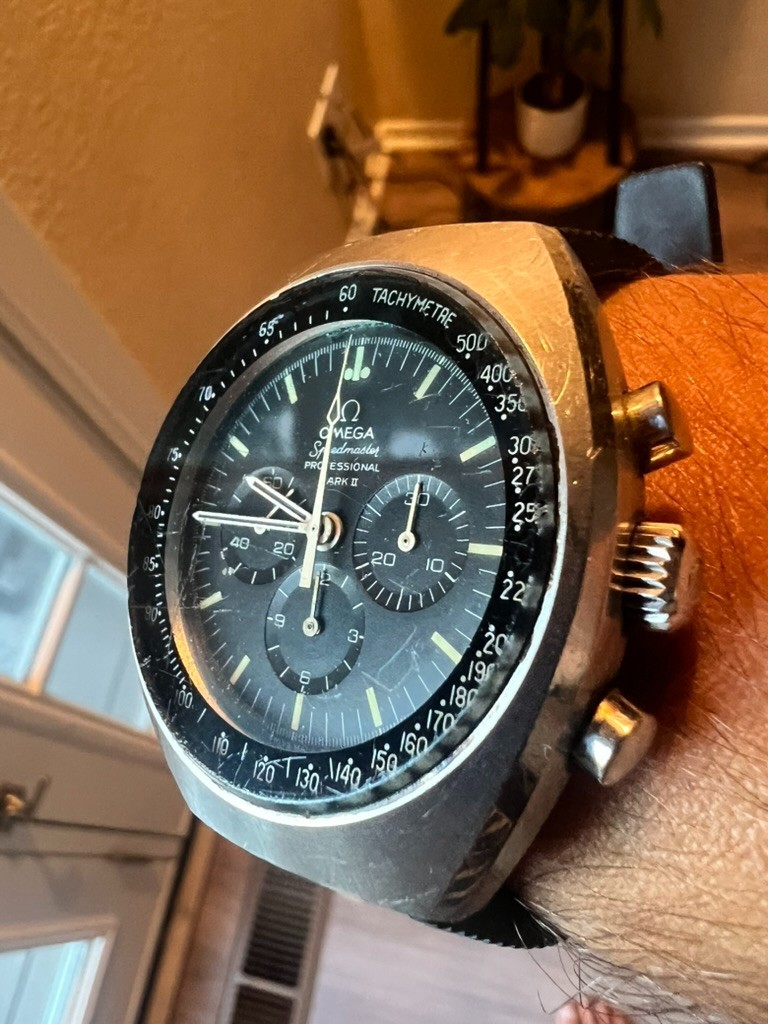
Vintage Omega Speedmaster Professional Mark II 145.014 Cal 861 – Project
horloges
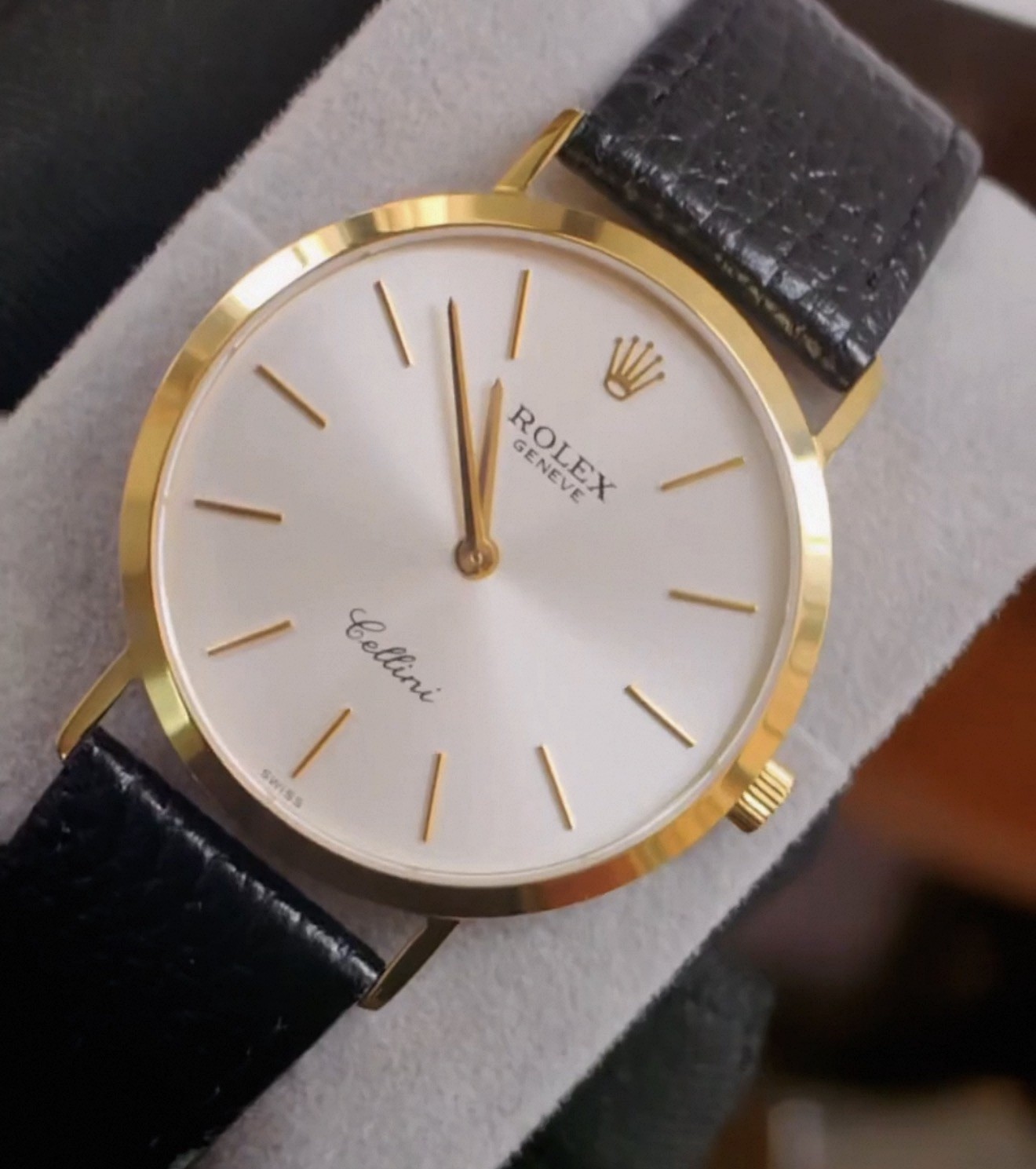
Vintage Rolex Cellini 39MM 18K Watch
horloges
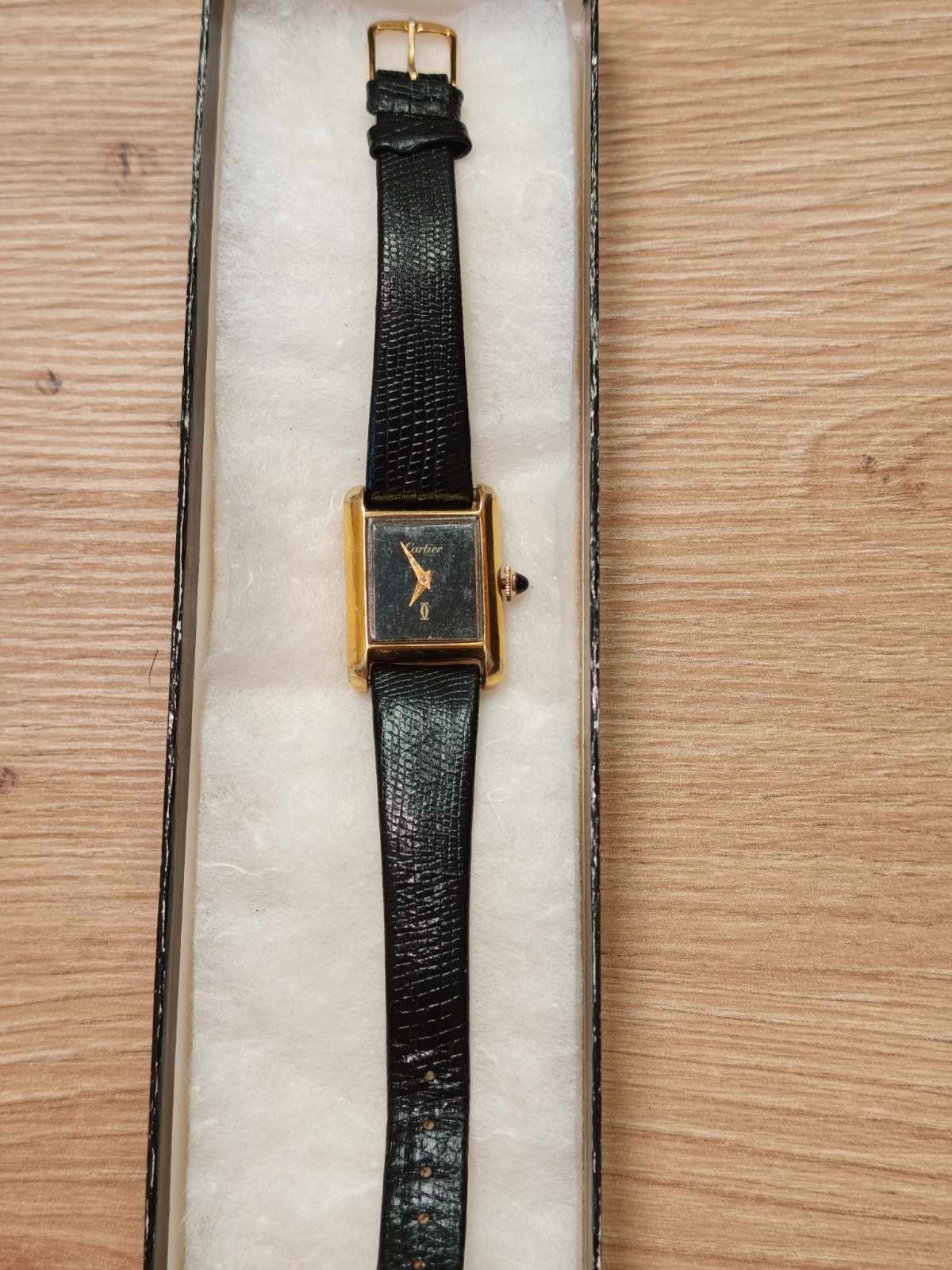
Must de Tank Cartier Vintage watch
horloges
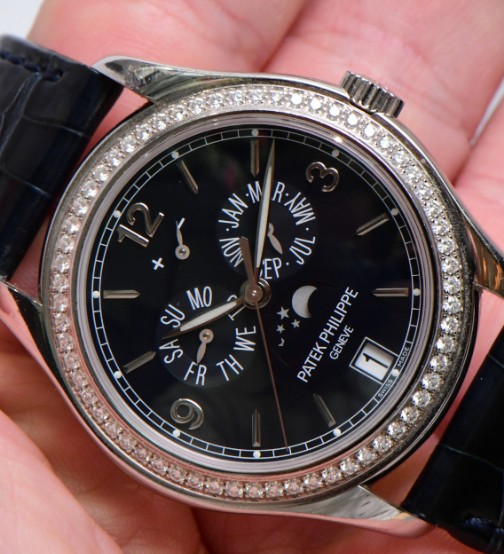
PATEK PHILIPPE - 5147G ANNUAL CALENDAR MOON PHASE IN WHITE GOLD
The names
The designers behind the look
The minds behind this story — each with a piece currently on the market.
Omega
CH · 1840s
The Speedmaster & the Moonwatch
The Speedmaster & the Moonwatch
Top piece
View →
Chanel
France · 1910s
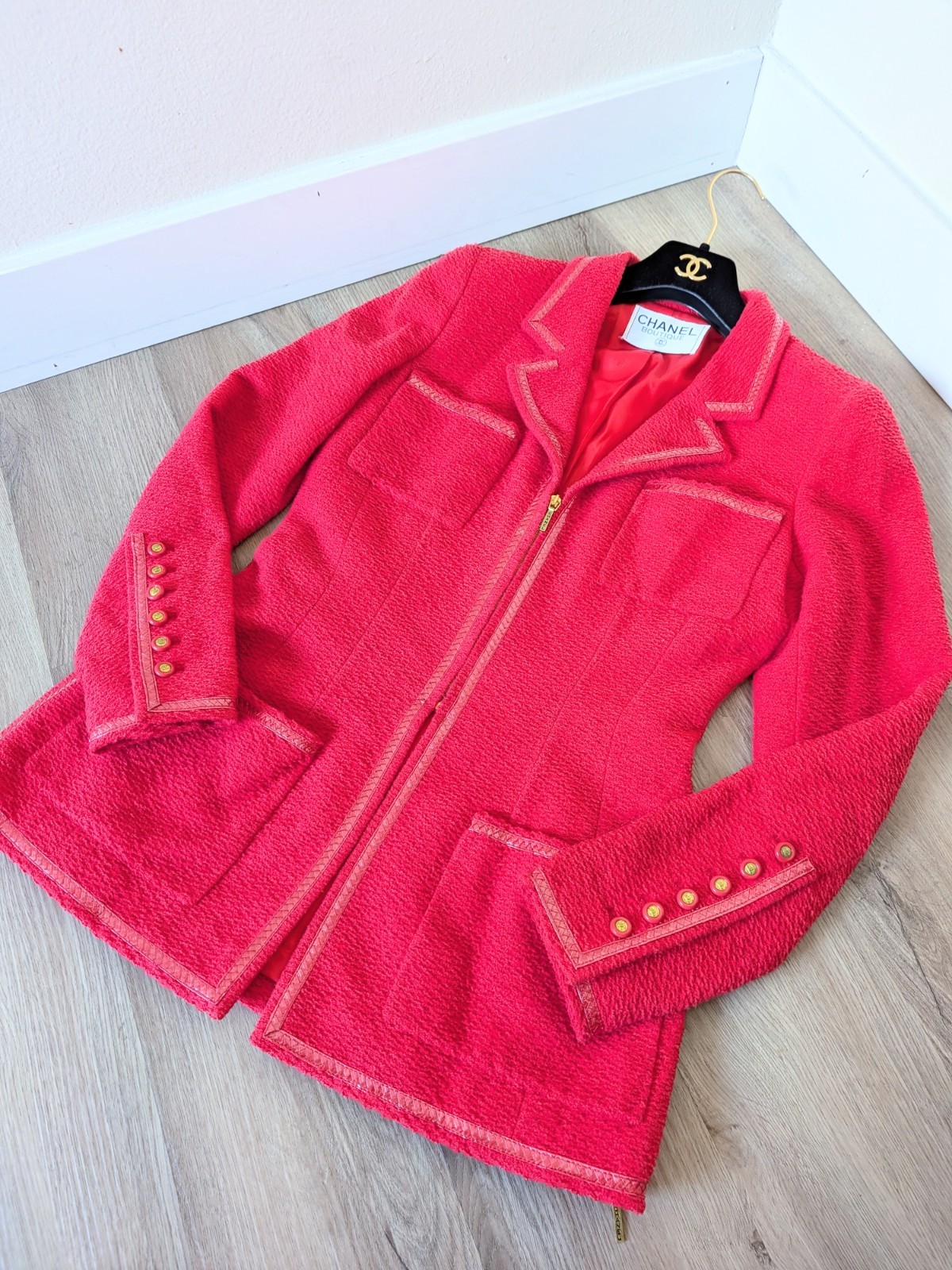
The little black dress & the 2.55
The little black dress & the 2.55
Top piece
View →
Alpha Industries
USA · 1950s
The MA-1 flight jacket
The MA-1 flight jacket
Top piece
View →
Arne Jacobsen
Denmark · 1950s
The Egg & the Series 7 — chairs turned into quiet sculpture.
The Egg & the Series 7 — chairs turned into quiet sculpture.
Top piece
View →
Continue the edit
Further stories from the same world
Three more walks through the same vintage universe.
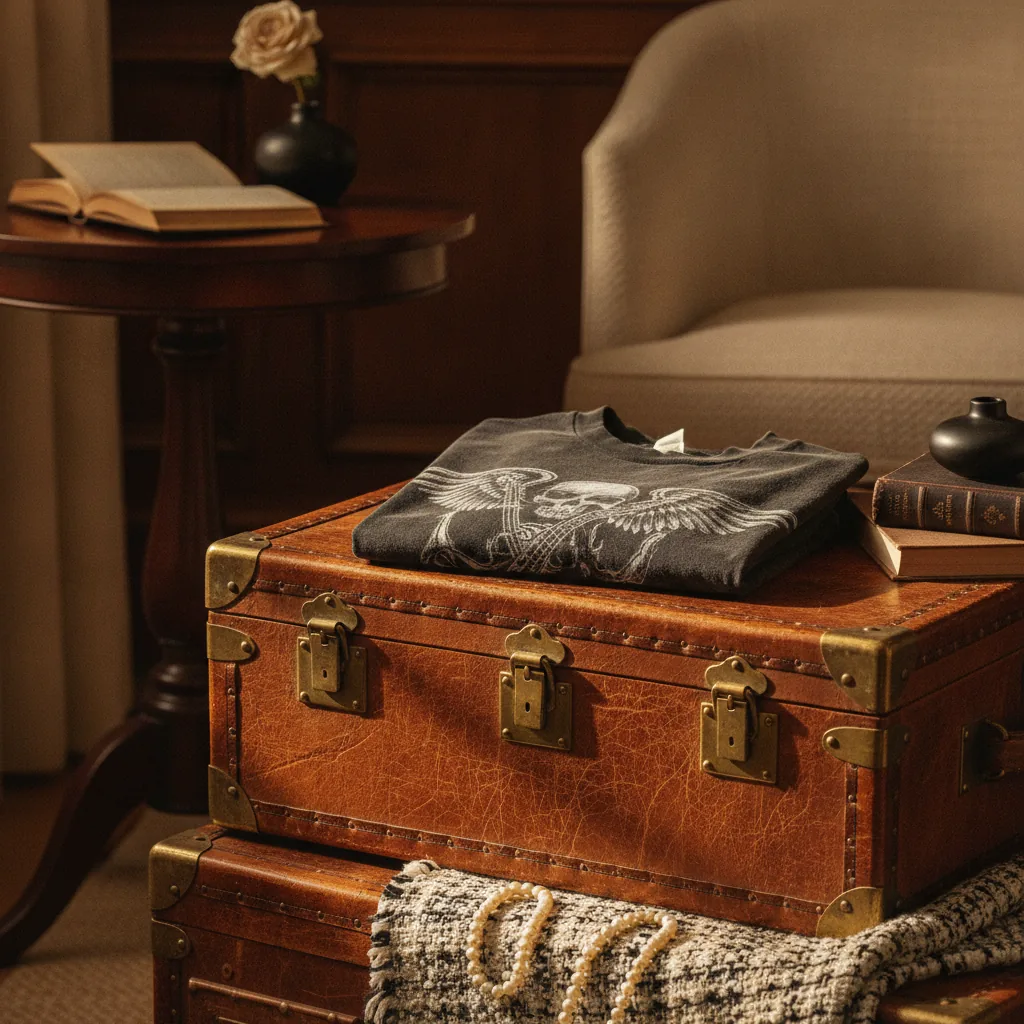
The Vintage Band Tee Is Not a Costume
A 1979 Ramones shirt should look like you stole it from your older brother, not like you bought it at a gallery opening. Here is how to wear the real thing without looking like you are trying too hard.
Read the story →The Art of Wearing a Vintage Band Tee
How to style a vintage band tee without looking like you raided a museum, what to look for in a genuine piece, and the stories behind the shirts that defined eras.
Read the story →The Quiet Allure of Vintage Watches: Wearing History on Your Wrist
A vintage watch is more than a timepiece. It is a wearable story. Here is how to find one that speaks to you, style it with confidence, and let its history become part of yours.
Read the story →