
 Sign in
✦ Culture · London
The Sculptural Earring: Wear Your Architecture
There is a certain thrill in finding a pair of vintage earrings that feel like tiny sculptures. They catch the light, move with you, and turn a simple outfit into a deliberate composition.
 By Louis Trash·
The Sculptural Earring: Wear Your Architecture
There is a certain thrill in finding a pair of vintage earrings that feel like tiny sculptures. They catch the light, move with you, and turn a simple outfit into a deliberate composition. Right now, the pieces that catch our eye are the bold, geometric forms from the 1960s and '70s: chunky hoops, abstract twists, and modernist shapes in gold-tone metal, often with a bit of texture or enamel. These are not delicate whisperings; they are statements, but they are also surprisingly easy to wear.
The Architecture of an Era
The roots of these sculptural earrings lie in the space-age optimism of the 1960s. Designers like Pierre Cardin and Paco Rabanne were creating garments from metal discs and plastic rings, and their vision trickled down into the costume jewelry market. In London, the boutique Biba on Kensington Church Street sold affordable, bold accessories that captured the mood. The 1970s took the look further: disco demanded shine and movement, and jewelry responded with oversized hoops and geometric forms. Cher and Diana Ross wore pieces that seemed to defy gravity, their earrings swinging as they moved under the lights. These were objects made to be seen, and they still are.
Styling the Statement
The secret to wearing sculptural earrings is to let them own the stage. Pull your hair back into a sleek low bun or a slicked-back ponytail; the earrings become the focal point. A simple white shirt, a black turtleneck, or a slip dress in a solid color provides the perfect backdrop. If the earrings are large and architectural, keep your neckline simple and your hair away from your face. If they are long and linear, they elongate the neck, working beautifully with a crew neck or a collared blouse. For a modern twist, pair them with a tailored blazer and jeans, or with a silk camisole and wide-leg trousers. The contrast of vintage metal with contemporary fabrics is what makes the look feel current. I wore a pair of gilt hoops with a sharp white shirt and a charcoal suit to a gallery opening last week, and the earrings drew more comments than my jacket.
A Buyer's Guide to Vintage Treasures
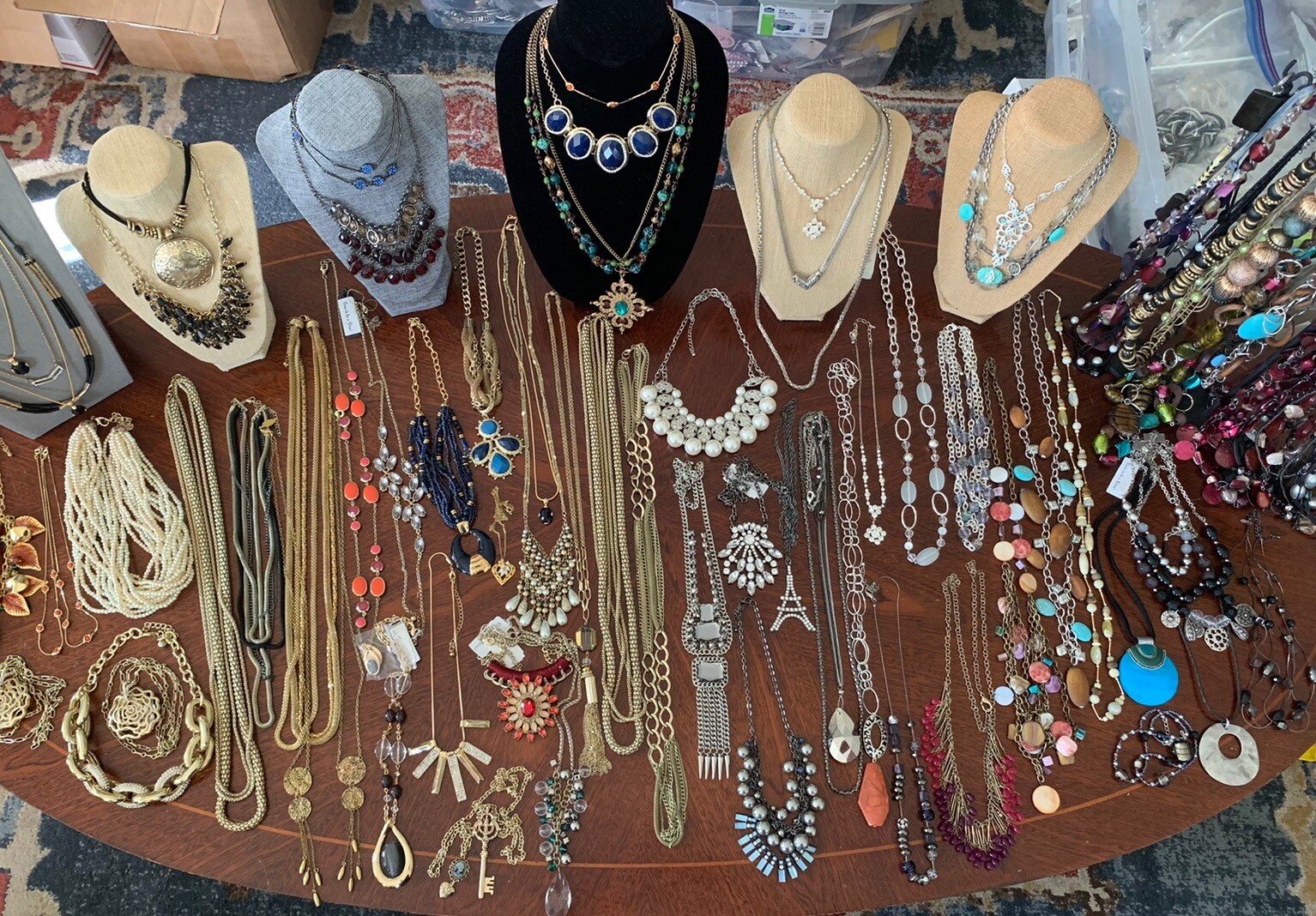
When hunting for these treasures, start with weight. Substantial pieces were often made with heavy brass or base metal, then plated. The plating should be intact, with a warm patina rather than flaking or green discoloration. Check the clasps and hinges; they should be sturdy and close firmly. Clip-ons from this era are common and can be converted to pierced, but make sure the clip spring is strong. If you find a pair with a maker's mark, do a quick search. Designers like Kenneth Jay Lane, Trifari, and Miriam Haskell are prized for their quality and design. But even unmarked pieces can be excellent; trust your eye and the feel of the metal. In London, try Portobello Road Market on a Saturday, or the vintage stalls in Camden Passage in Islington. You might also find treasures in charity shops in affluent areas like Chelsea or Hampstead, where original owners have donated their wardrobes. Prices range from £20 at a market to £150 for a signed piece in excellent condition.
The Designers and Icons
These sculptural earrings owe much to the space-age designs of the 1960s. Designers like Pierre Cardin and Paco Rabanne were pushing boundaries with geometric metal and plastic, and their influence trickled down to the costume jewelry market. On screen, actresses like Audrey Hepburn in Charade (1963) and Faye Dunaway in Bonnie and Clyde (1967) wore oversized earrings that became iconic. But it was in the 1970s that the look truly flourished, with the disco era embracing bold, shiny jewelry. Diana Ross and Cher were often seen in large, sculptural pieces that moved with them on stage. These earrings were made to be seen, and they still are.
Kenneth Jay Lane, an American designer who worked with the Duchess of Windsor and Elizabeth Taylor, created pieces that mixed faux pearls, crystals, and gilt metal in bold shapes. Trifari, an American firm, produced high-quality costume jewelry from the 1920s through the 1970s, and their sculptural earrings from the '60s are particularly collectible. Miriam Haskell, known for her intricate beadwork, also made striking metal pieces that are now highly sought after. In London, look for pieces by Butler & Wilson, a British brand that has been making statement jewelry since 1969; their designs often draw on Art Deco and glam rock influences.
The Modern Wardrobe Staple
So the next time you spot a pair of vintage sculptural earrings, think of them as wearable art. They are an easy way to add a touch of history and individuality to your daily style. And at around $50, they are a small investment with a big impact. Wear them with confidence, and let your ears do the talking.
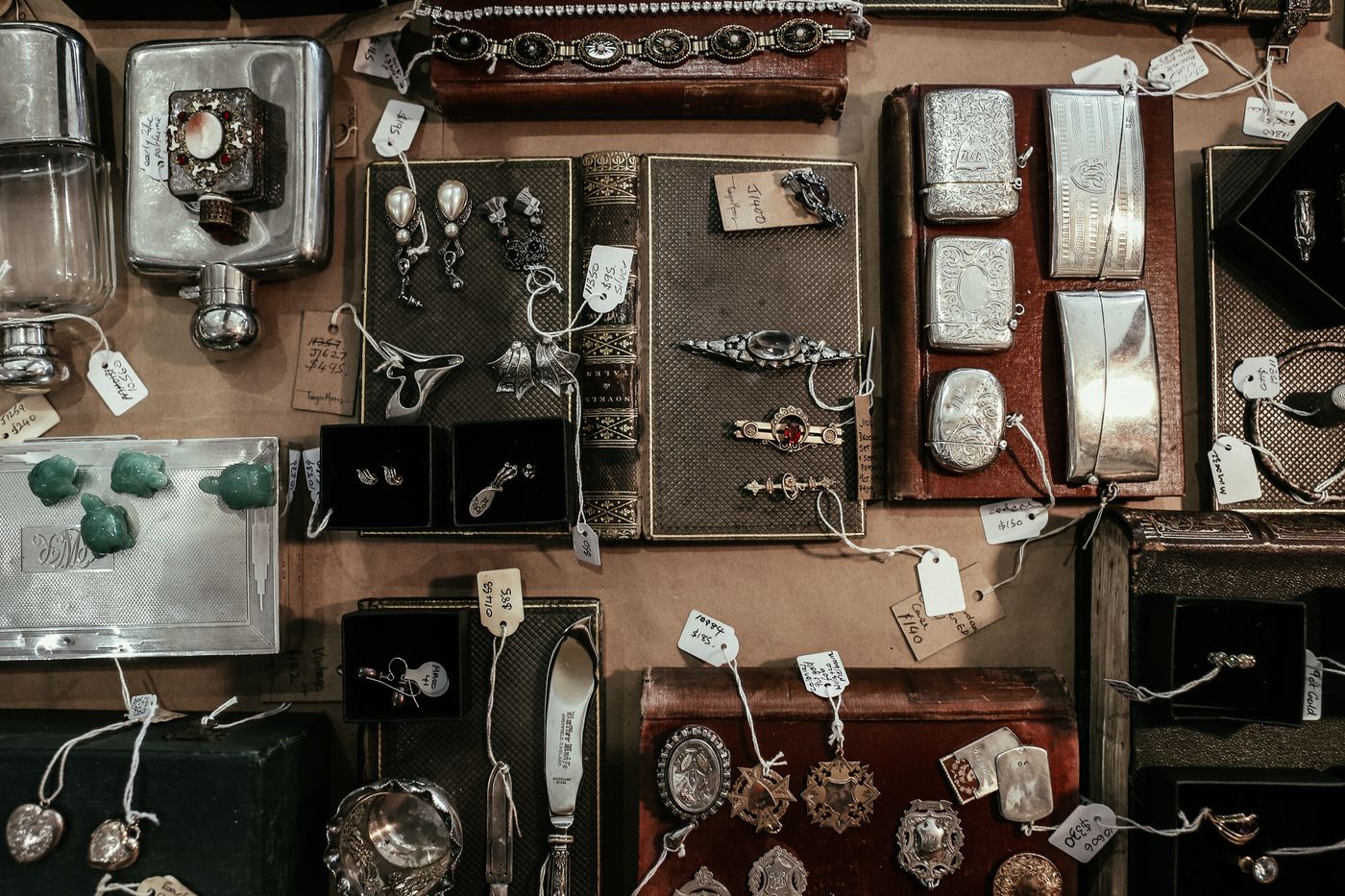
Foto: Rachel Claire · Pexels
I remember finding a pair of large, textured gold hoops at a flea market in Notting Hill for £30. They were unmarked, but the weight and the patina told me they were from the '70s. I wore them to a dinner party, and a woman across the table asked if they were by a famous designer. I shrugged and said, "They're just vintage." But they made me feel like I was wearing a piece of art. That's the power of these earrings: they transform an ordinary outfit into a composition. They are a nod to an era of bold experimentation, and they still have the power to make a statement today.
Get the look
Get the look
The pieces that make this story wearable, live from the market.
sieraden
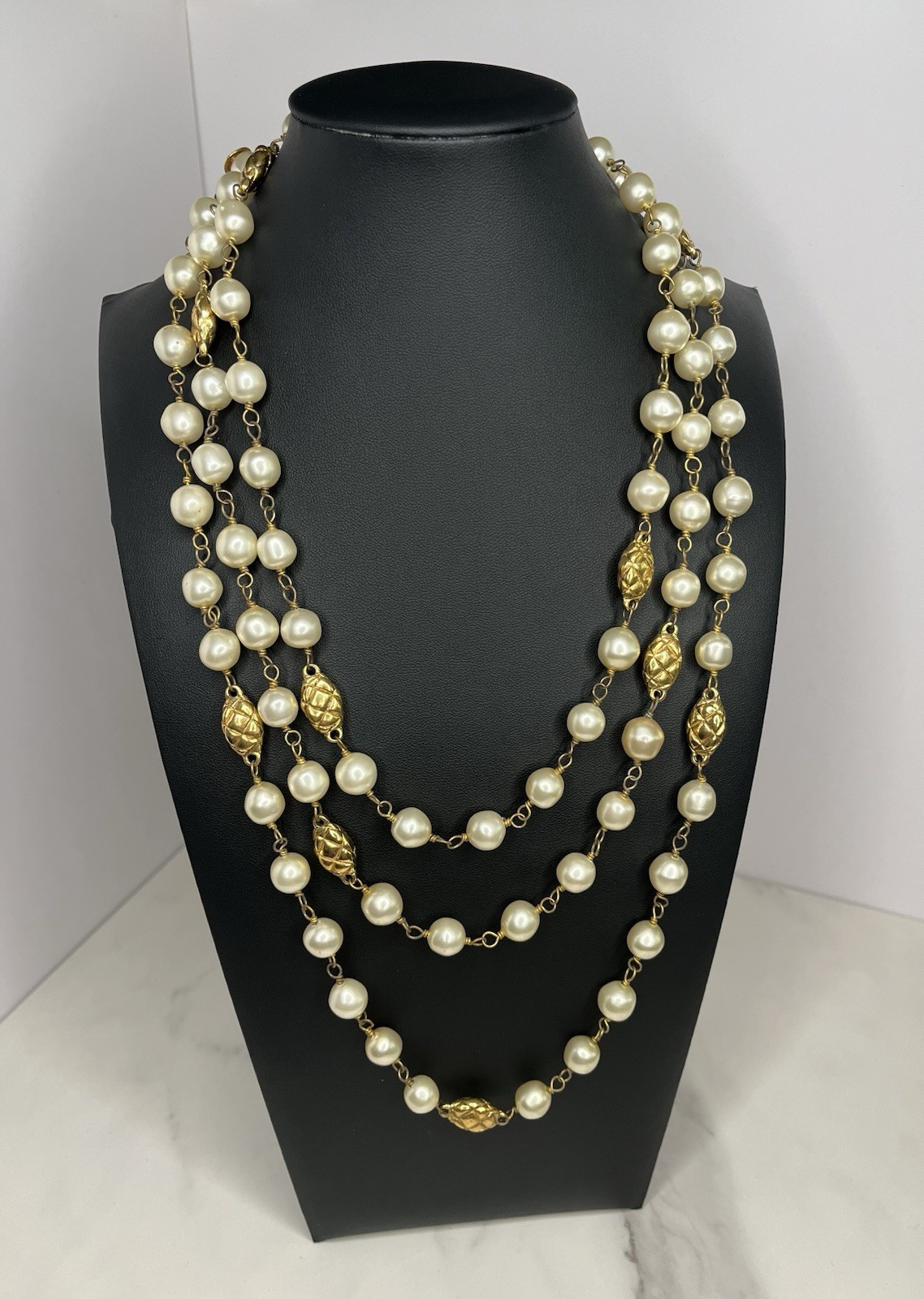
Vintage 72in LONG Signed Chanel Faux Pearl Gold Toned Necklace
sieraden
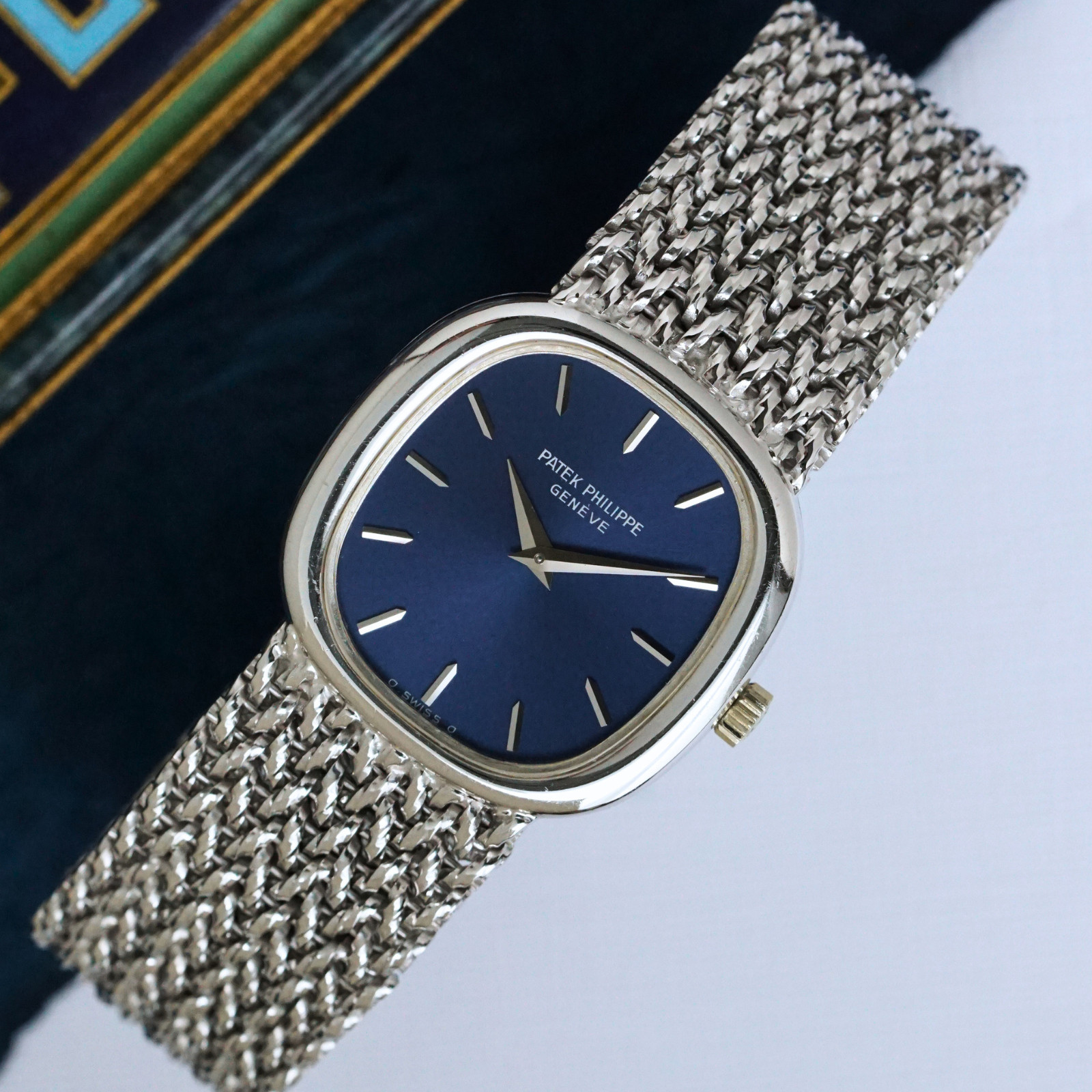
Vintage Patek Philippe Ellipse 4223/1 18k White Gold Bracelet Manual Wind 1970s
sieraden
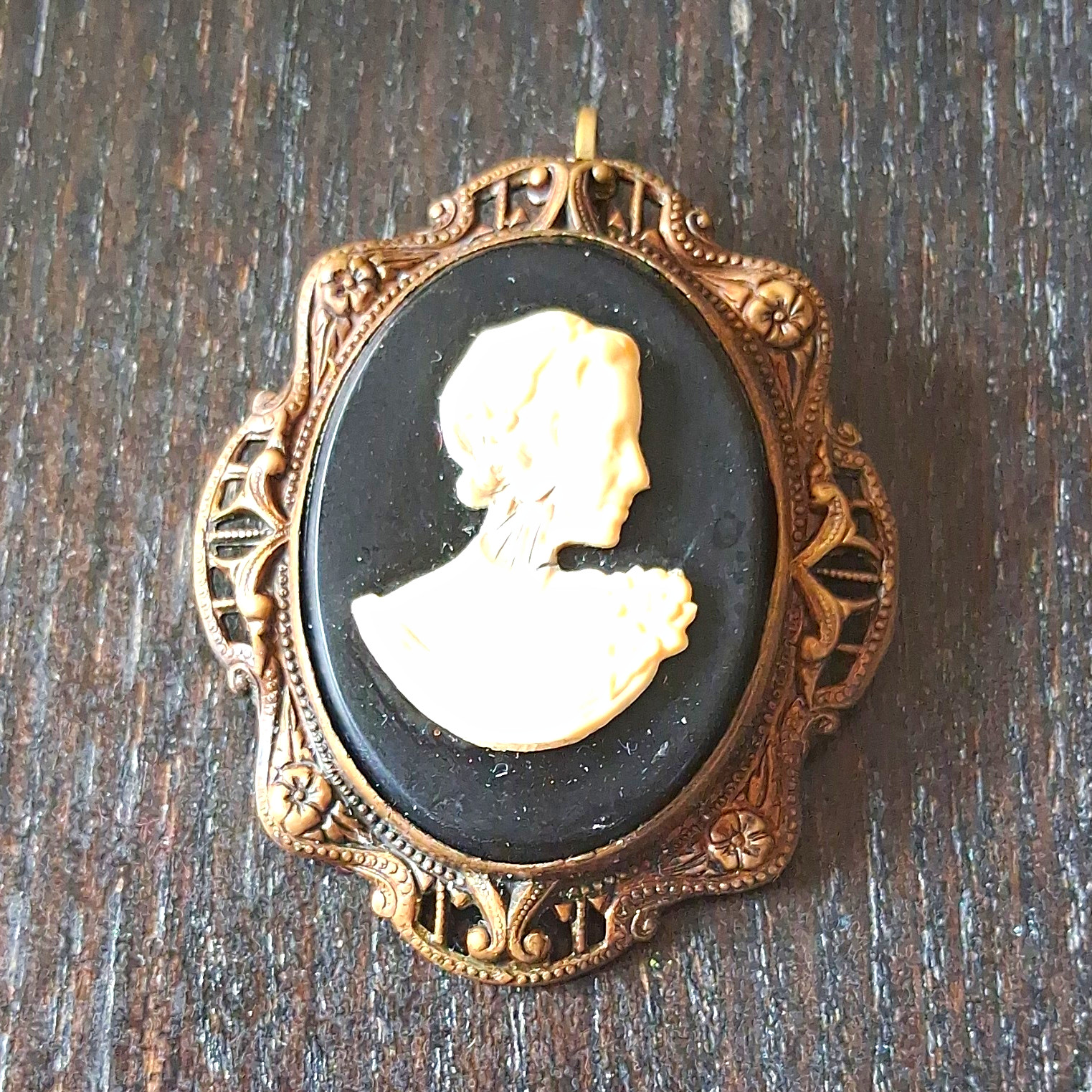
Vintage Cameo Portrait Oval Brooch Pendant, Black Cream, Gold Tone Beauty
sieraden
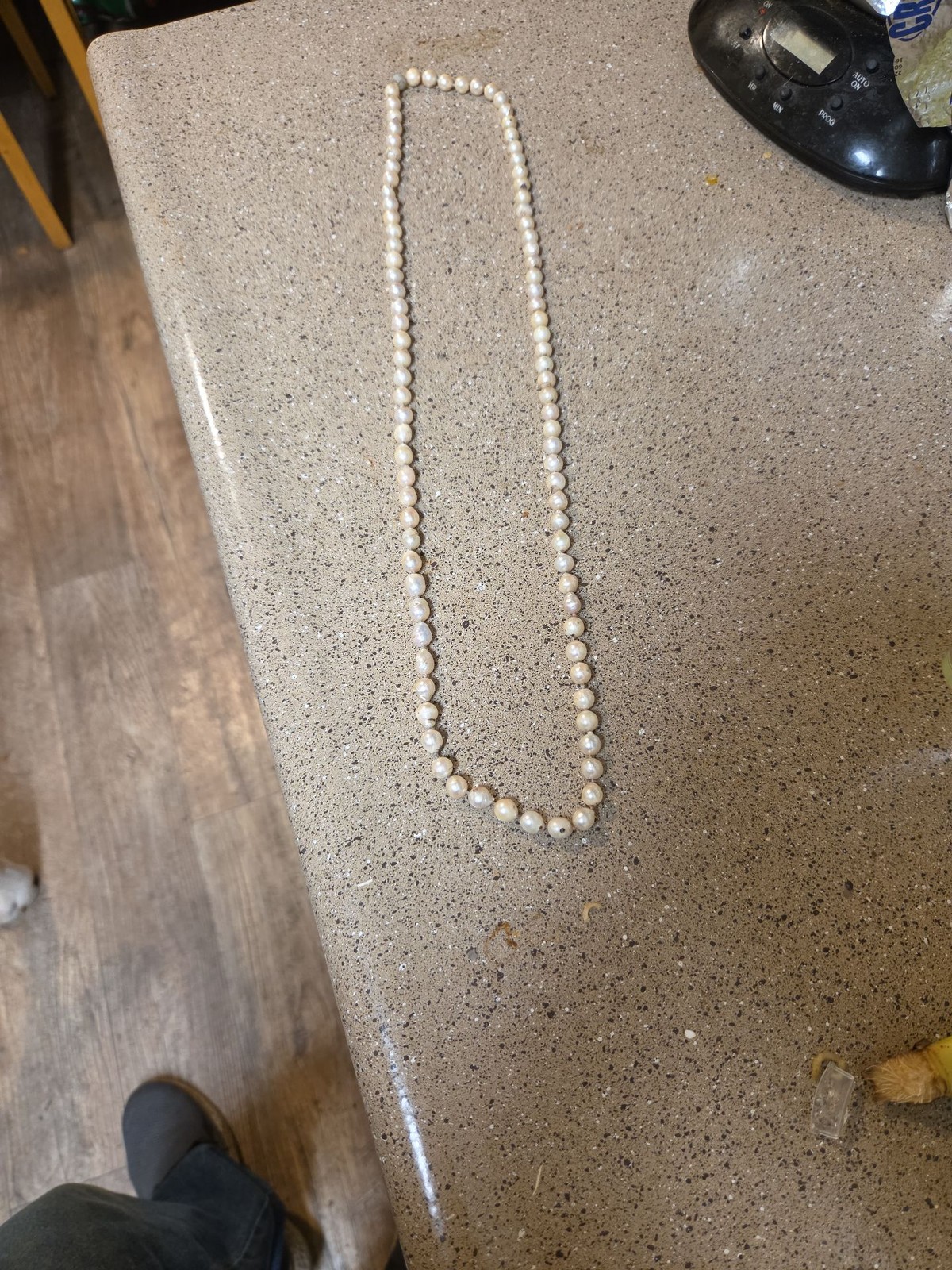
Vintage Hand-Knotted Freshwater Cultured Pearl Strand Necklace
sieraden
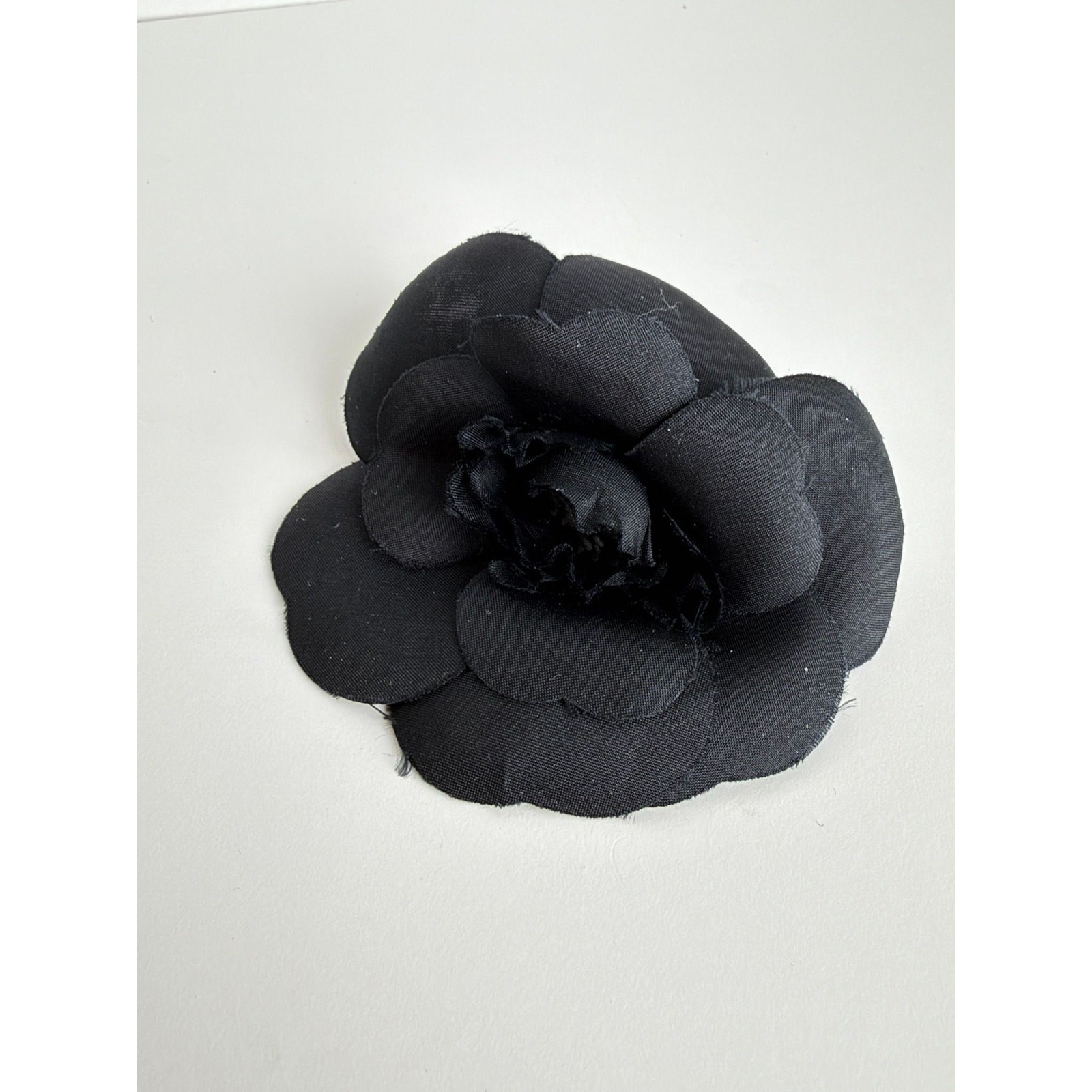
Chanel Black Silk Vintage Camellia Flower Brooch #110006
sieraden
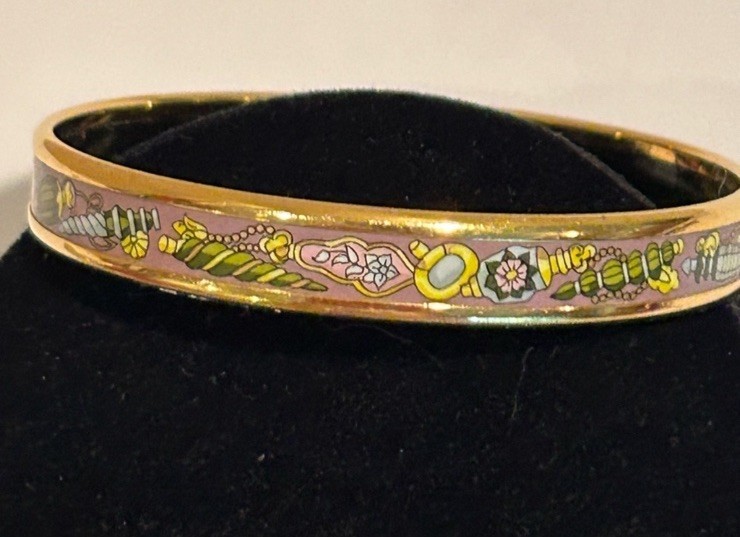
Vintage Hermes Enamel Bangle PM
The names
The designers behind the look
The minds behind this story — each with a piece currently on the market.
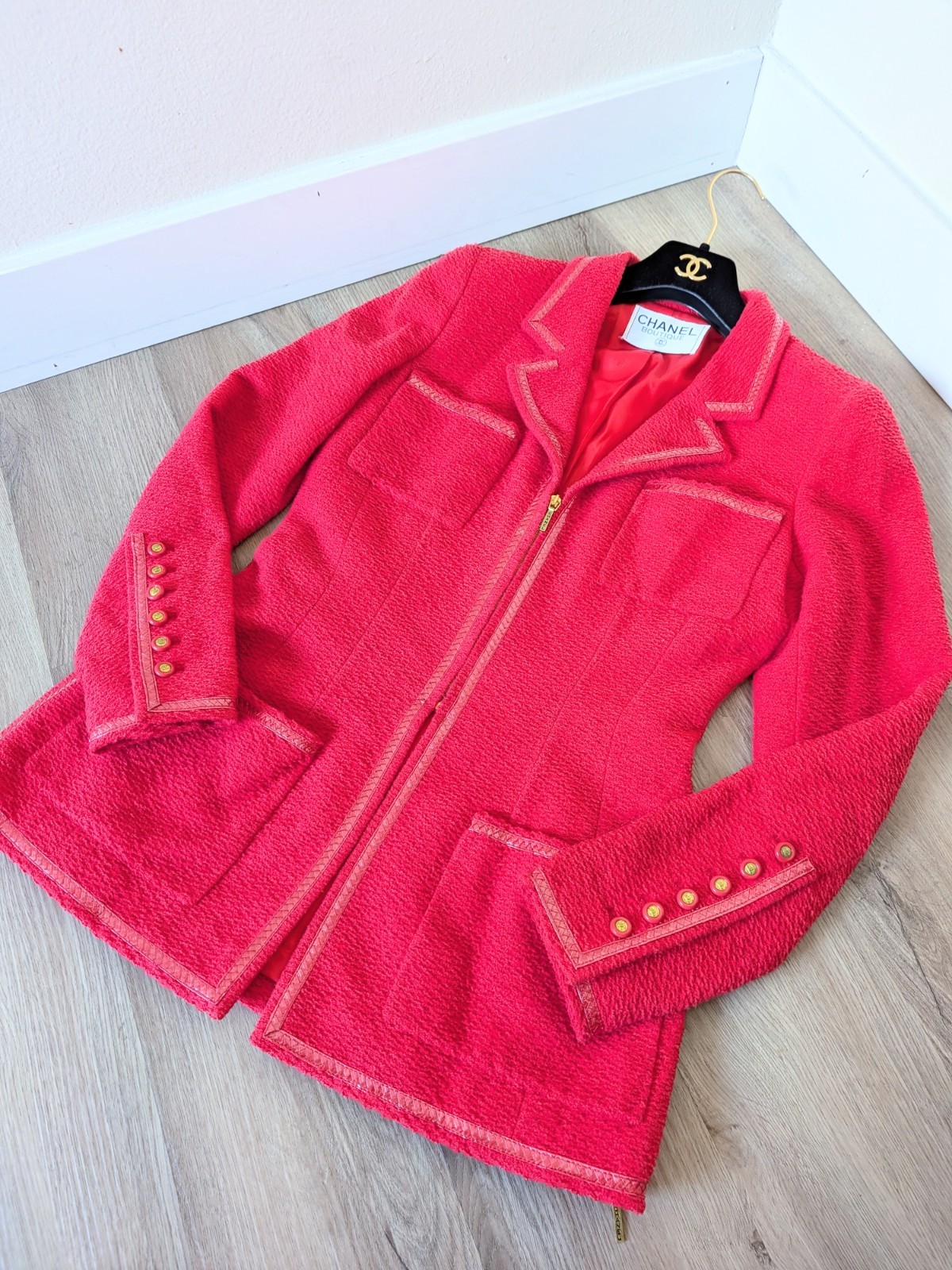
Chanel
France · 1910s
The little black dress & the 2.55
The little black dress & the 2.55
Top piece
View →
Armani
Italy · 1970s
The power suit & soft tailoring
The power suit & soft tailoring
Top piece
View →
Yohji Yamamoto
Japan · 1970s
Black, drape & poetic deconstruction
Black, drape & poetic deconstruction
Top piece
View →
Comme des Garçons
Japan · 1960s
Deconstruction & anti-fashion
Deconstruction & anti-fashion
Top piece
View →
Continue the edit
Further stories from the same world
Three more walks through the same vintage universe.
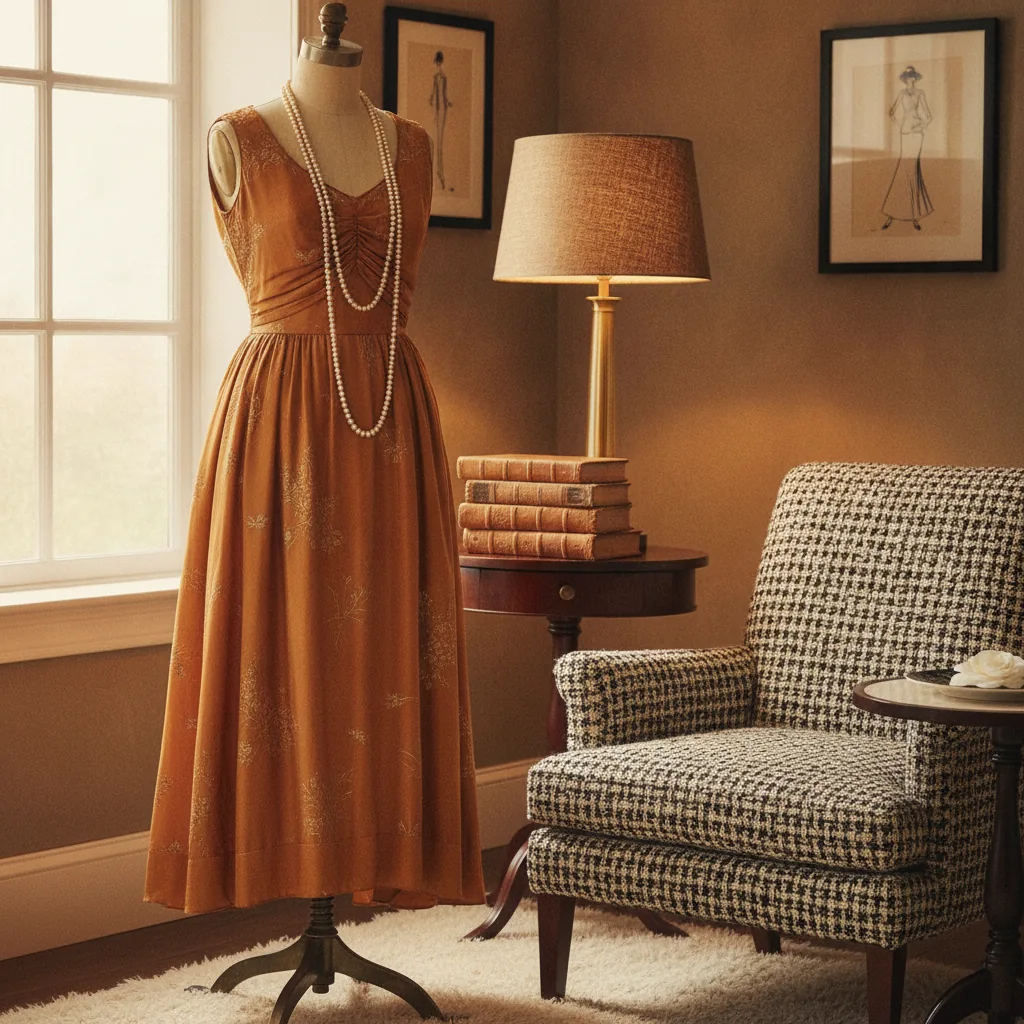
The Dress That Does the Work: Wearing Vintage Dresses in 2024
A vintage dress is not a costume. It is a shortcut to a silhouette you cannot buy new. Here is how to find one that fits your life, your body, and the way you actually get dressed in the morning.
Read the story →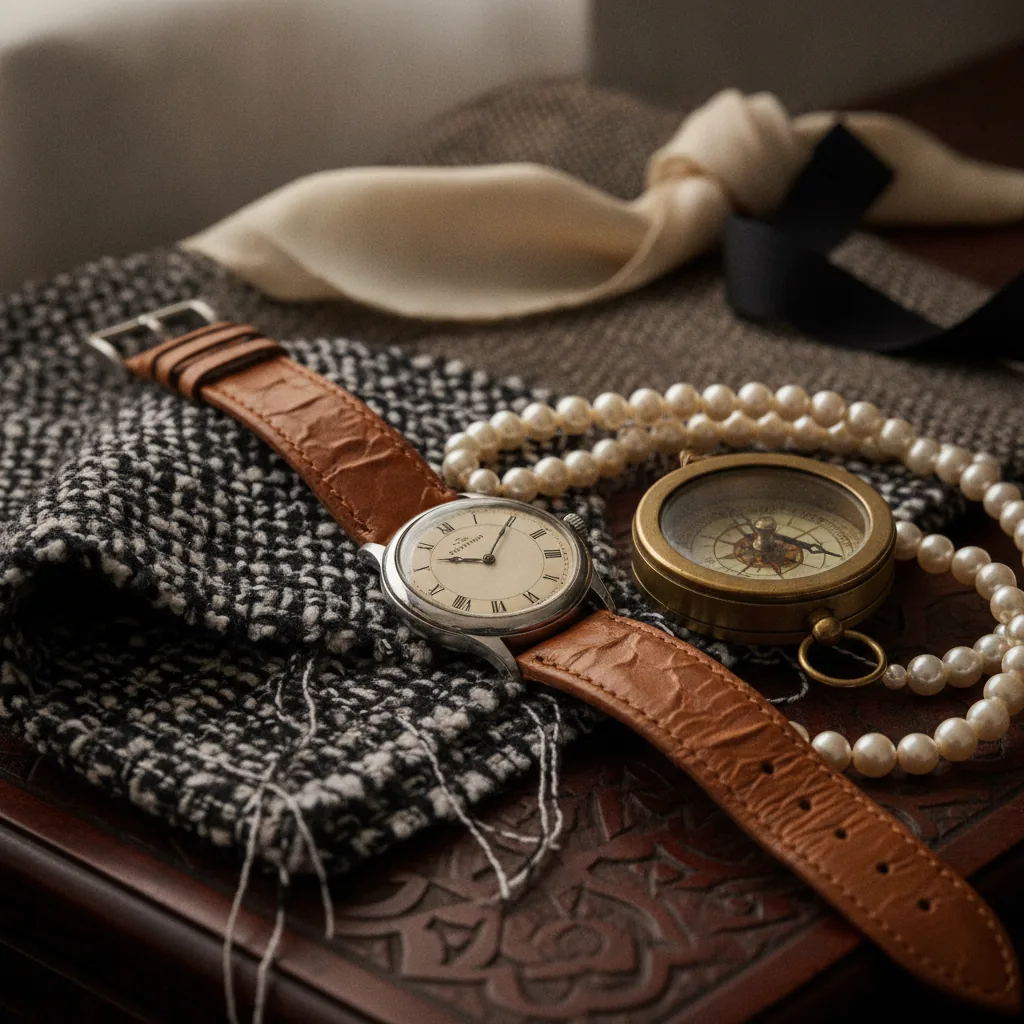
The Case for Wearing a Vintage Watch Like You Mean It
A vintage watch is a tool with a past. It looks best when you treat it that way.
Read the story →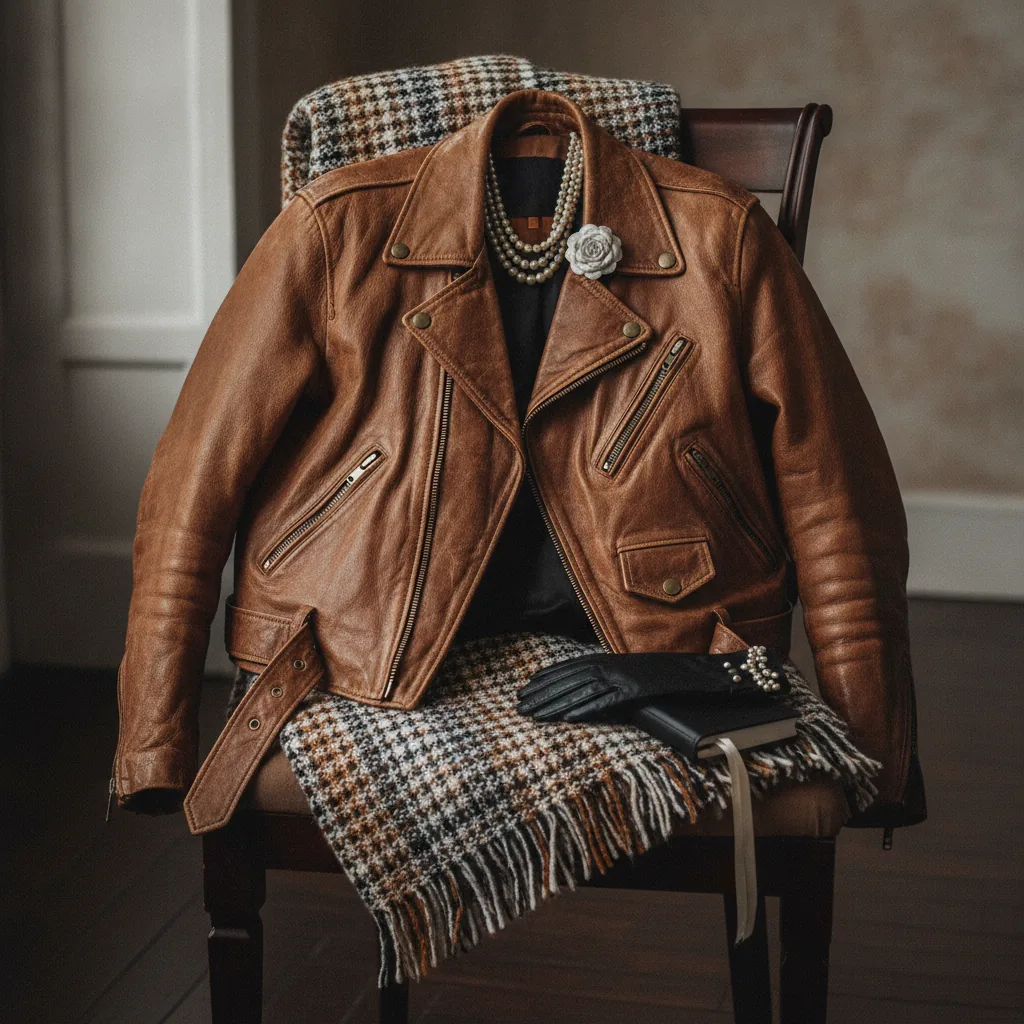
The Leather Jacket That Earns Its Scars
A good vintage leather jacket is not a costume. It is a second skin with a past, and the trick is learning to wear the story without letting it wear you.
Read the story →