
 Sign in
✦ The Icon Story · London
The Dress That Does the Work: Wearing Vintage Dresses in 2024
A vintage dress is not a costume. It is a shortcut to a silhouette you cannot buy new. Here is how to find one that fits your life, your body, and the way you actually get dressed in the morning.
 By Louis Trash·
The silhouette you cannot buy new
Walk into any department store and try to find a dress with a defined waist, a natural shoulder, and a hem that falls below the knee. You will fail. The contemporary rack is built for a different body: oversized, drop-shouldered, cut for layering over leggings. A vintage dress from 1954 or 1972 does something else. It assumes you have a waist. It assumes you have hips. It assumes you are going somewhere.
That is the appeal. Not nostalgia. Architecture. A good vintage dress is a piece of engineering that flatters because it was drafted on a real body, not a fit model who is 5'10" and a size 2. The average price I see for a solid piece in mixed labels hovers around $97. If you spend that on a new dress, you get polyester and a loose cut. Spend it on vintage and you get wool crepe, a metal zipper, and a seam that runs straight.
What to look for before you try it on
Start with the zipper. A metal zipper with a brand name on the pull (Talon, YKK before 1980, Serval) tells you the dress predates the cost-cutting of the 1980s. A plastic zipper with a nylon coil is a later piece, probably 1990s or newer. That is fine, but it changes the price you should pay.
Check the seams. French seams inside a lightweight dress mean the maker cared. Pinked seams with no finishing mean it was mass-produced, which is not a dealbreaker, but it tells you the dress was never meant to last 50 years. It has lasted anyway. Respect that.
Look at the label. Union-made garments in the US carry an ILGWU tag with a union bug. The color of the bug dates the piece: red and blue, 1955 to 1963; red, white, and blue, 1964 to 1974. That is a free dating tool. If the label says "Made in Hong Kong" or "Made in Korea," you are likely in the 1970s or 1980s. If it says "Made in Italy" with a designer name, you are in a different tax bracket, but the construction should show it.
Fabric matters more than label. A 1960s shift in heavy silk shantung will outlast you. A 1970s wrap dress in Qiana nylon will pill and snag. Qiana was a DuPont invention, marketed in 1968 as a luxury synthetic. It feels slippery and cool, and it photographs well. It also holds odor and does not breathe. Buy it if you love the print. Do not buy it thinking you are getting silk.
How to wear it now without looking like a costume
The fastest way to ruin a vintage dress is to style it with vintage everything. You are not reenacting a period. You are wearing a dress.
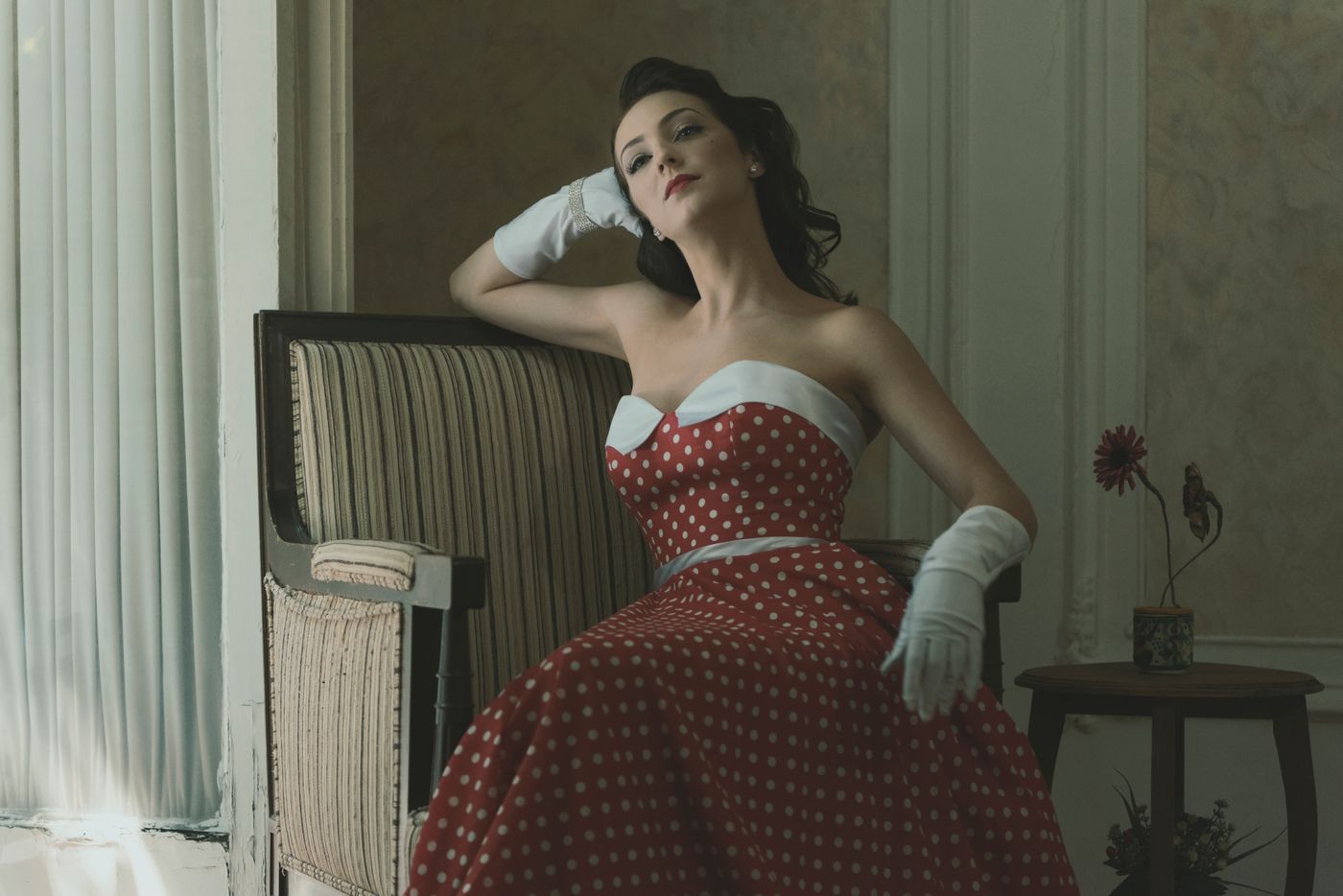
Foto: Odin Reyna · Pexels
Start with shoes that are aggressively modern. A 1950s shirtwaist dress with a pair of chunky loafers or a flat Chelsea boot reads as deliberate. The same dress with a kitten heel and a pillbox hat reads as a theme party. The difference is one modern element that says you got dressed this morning, not in 1957.
Outerwear is your best tool. A 1960s A-line dress in wool bouclé under a modern oversized trench coat looks like something a stylist pulled. The coat does the heavy lifting. The dress becomes the quiet part. Same with a cropped leather jacket over a 1970s prairie dress. The contrast in proportion (fitted over voluminous, hard over soft) is what makes it work.
Pay attention to hem length. A midi dress from 1975 that hits mid-calf can look frumpy if you are short. Take it to a tailor and have it hemmed to just below the knee. That is a $30 alteration that changes the entire line. Do not be afraid to cut vintage. A dress that does not fit your body is not doing its job.
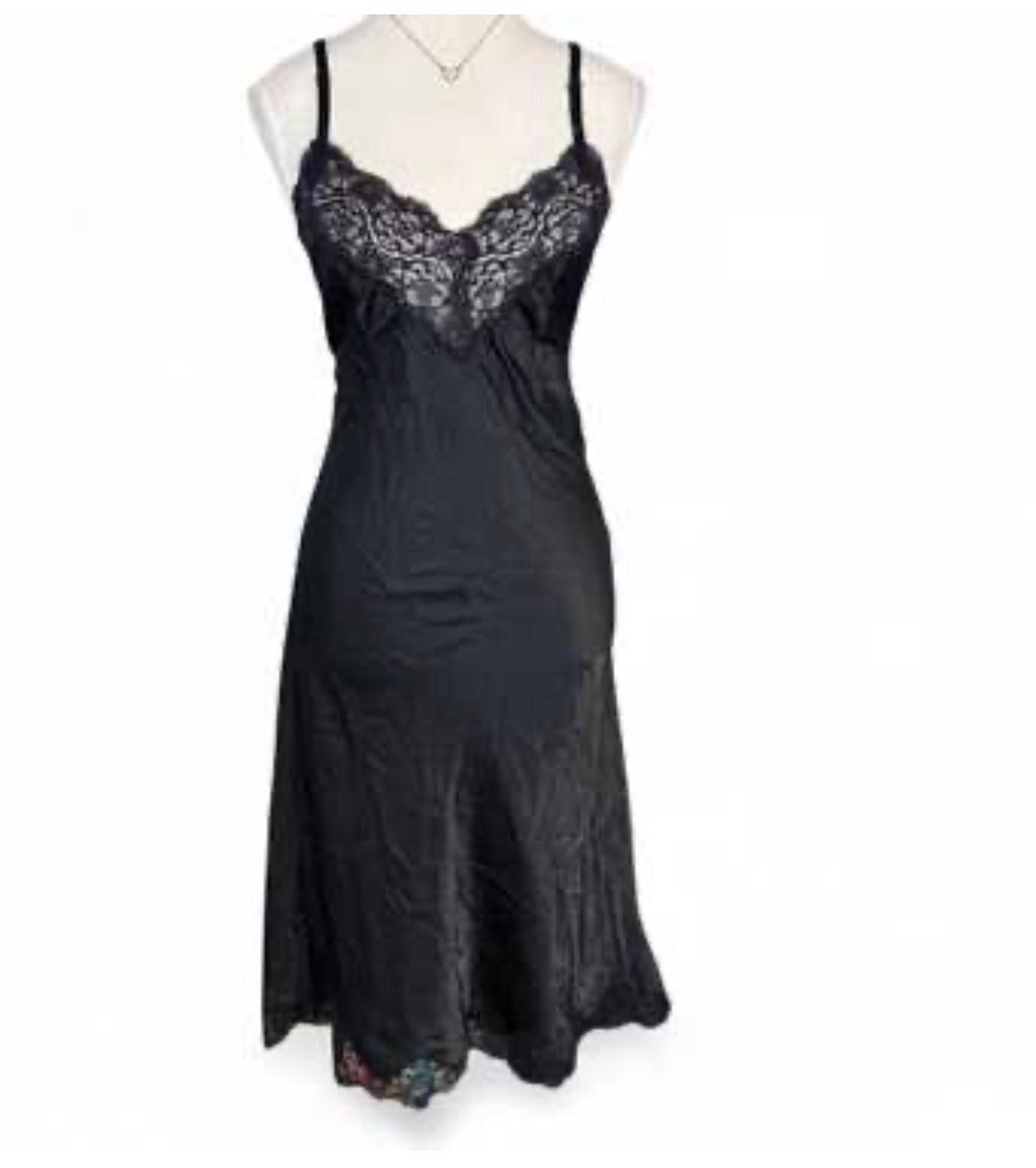
Layer with purpose. A 1990s slip dress in bias-cut silk is not just lingerie. Wear it over a thin turtleneck and under a chunky cardigan. Add a belt at the waist if the dress is shapeless. The belt does not have to be vintage. A plain leather belt from Everlane works better than a 1980s concho belt because it does not compete.
The history that made the look
The dress that defined the 1950s was not Dior's New Look, though that is the one everyone cites. It was the shirtwaist. Claire McCardell, an American designer working in New York, popularized it in the 1940s and 1950s. She hated corsets. She put pockets on dresses. She used denim and calico when other designers used satin. Her "Popover" dress, sold by Townley in 1942, was a wrap dress with a built-in oven mitt. It cost $6.95. Women wore it to clean the house and to cocktail parties. That is the spirit you want.

Foto: Eduard Perez · Pexels
In 1972, Diane von Furstenberg introduced the wrap dress. She was not the first to make one, but she was the first to make it in jersey and sell it to a generation of women who wanted to look powerful without wearing a suit. The dress cost $80 in 1974. By 1976, she had sold five million of them. The wrap dress worked because it tied at the waist and did not require a zipper. It flattered every body. That is still true.
Then there is the slip dress. It started as lingerie in the 1930s, became evening wear in the 1950s, and then Kate Moss wore a sheer silver one to a party in 1993 and the whole thing came back. The 1990s slip dress is bias-cut, which means the fabric is cut on a diagonal so it drapes instead of clinging. Bias cut is harder to sew. It also moves better. If you find a 1990s slip dress in silk charmeuse, buy it. If you find one in polyester satin, leave it.
The one rule that matters
Do not buy a vintage dress because it is old. Buy it because it fits. The era is not the point. The fabric, the cut, and the way it makes you stand are the point. I have a 1962 wool shift that I wear to meetings and a 1978 cotton sundress that I wear to the grocery store. Neither is precious. Both get worn. That is the only test that counts. If you are afraid to sit down in it, put it back on the rack. Someone else will wear it.

 ✦ The Edit
One to watch
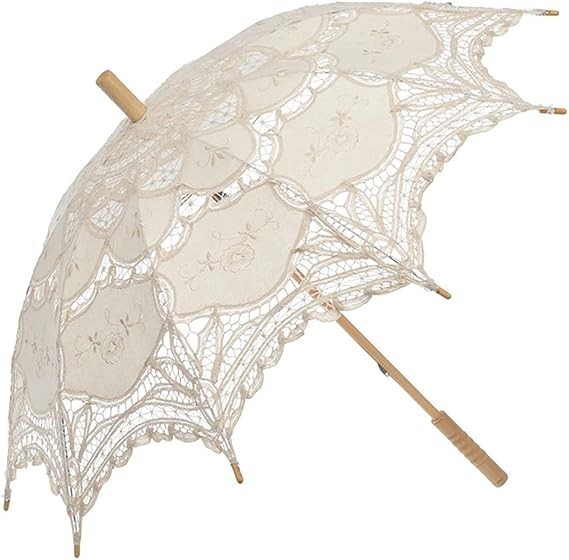
Ivory Lace Parasol Umbrella Vintage Wedding Bridal
A gown like this is the fastest way to add a little history to anything you own. This honestly worn gown in ivory is the kind of piece that tells a story before you have said a word. Some things you wear until they wear you out; this one wears you in.
On the market now
The names
The names in this story
The minds behind this story — each with a piece currently on the market.
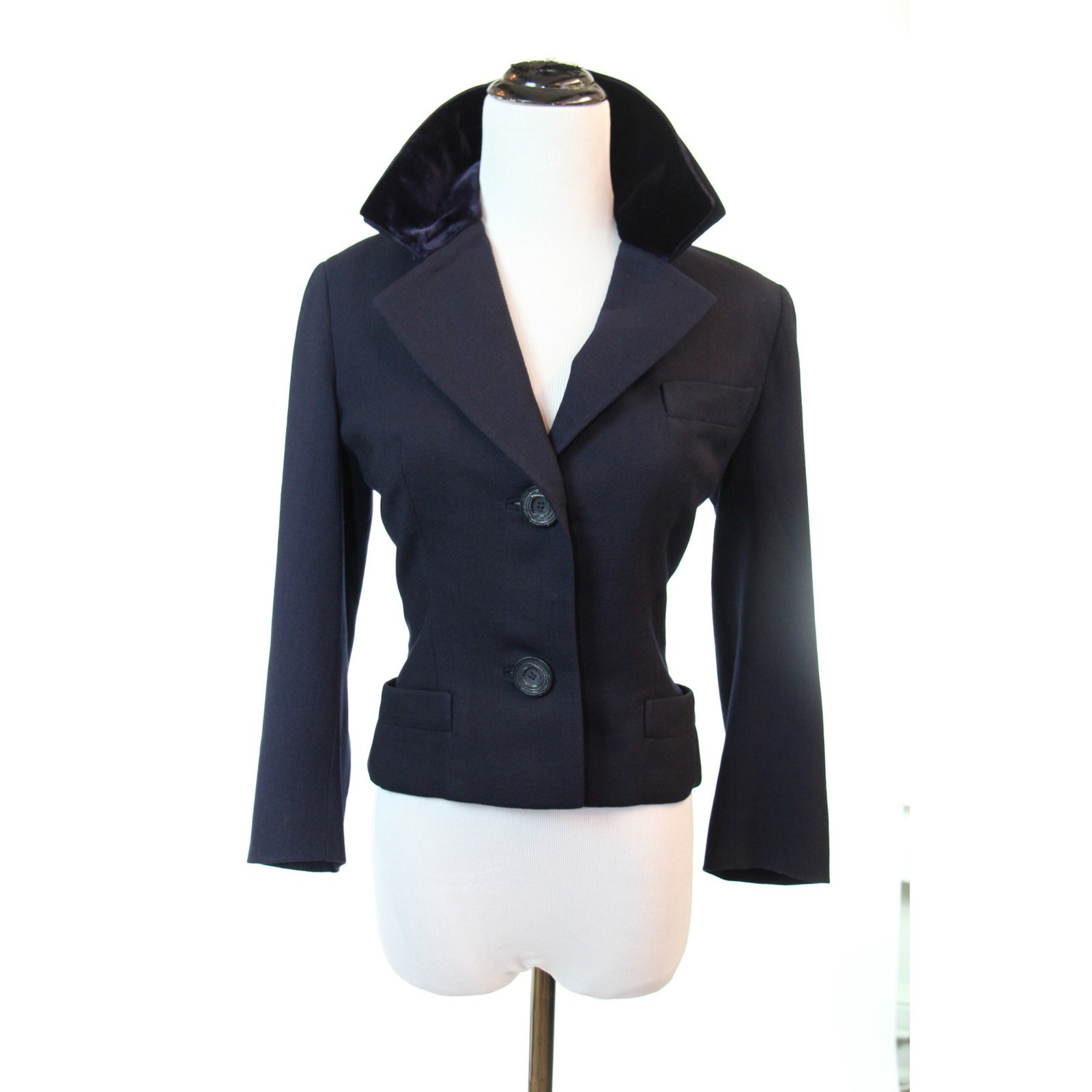
Dior
France · 1940s
The New Look & the Lady Dior
The New Look & the Lady Dior
Top piece
View →
Børge Mogensen
Denmark · 1940s
The Spanish chair — honest, functional furniture for everyday life.
The Spanish chair — honest, functional furniture for everyday life.
Top piece
View →
Calvin Klein
USA · 1960s
Minimalism & the 90s slip
Minimalism & the 90s slip
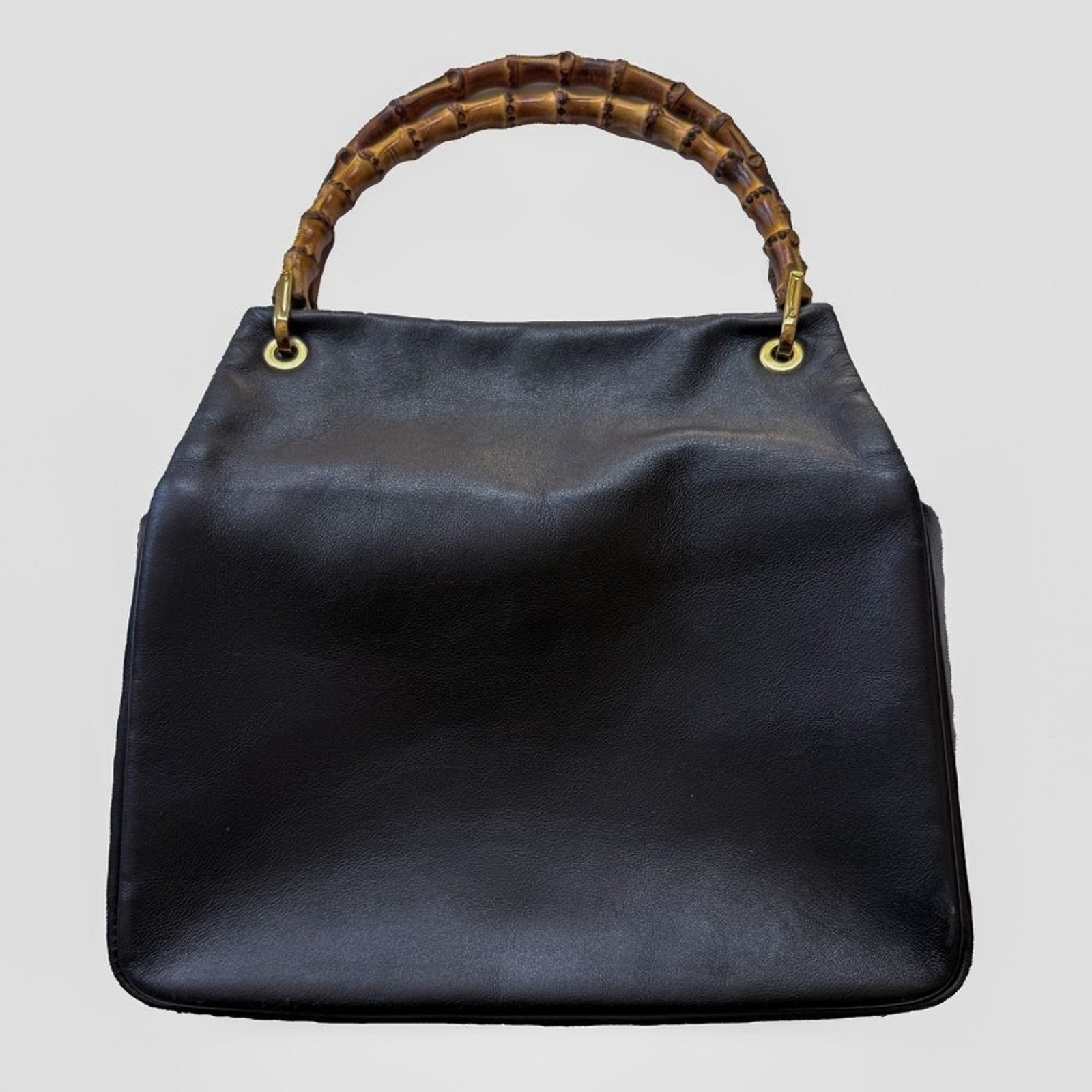
Gucci
Italy · 1920s
The bamboo handle & the double-G
The bamboo handle & the double-G
Top piece
View →
Continue the edit
Further stories from the same world
Three more walks through the same vintage universe.
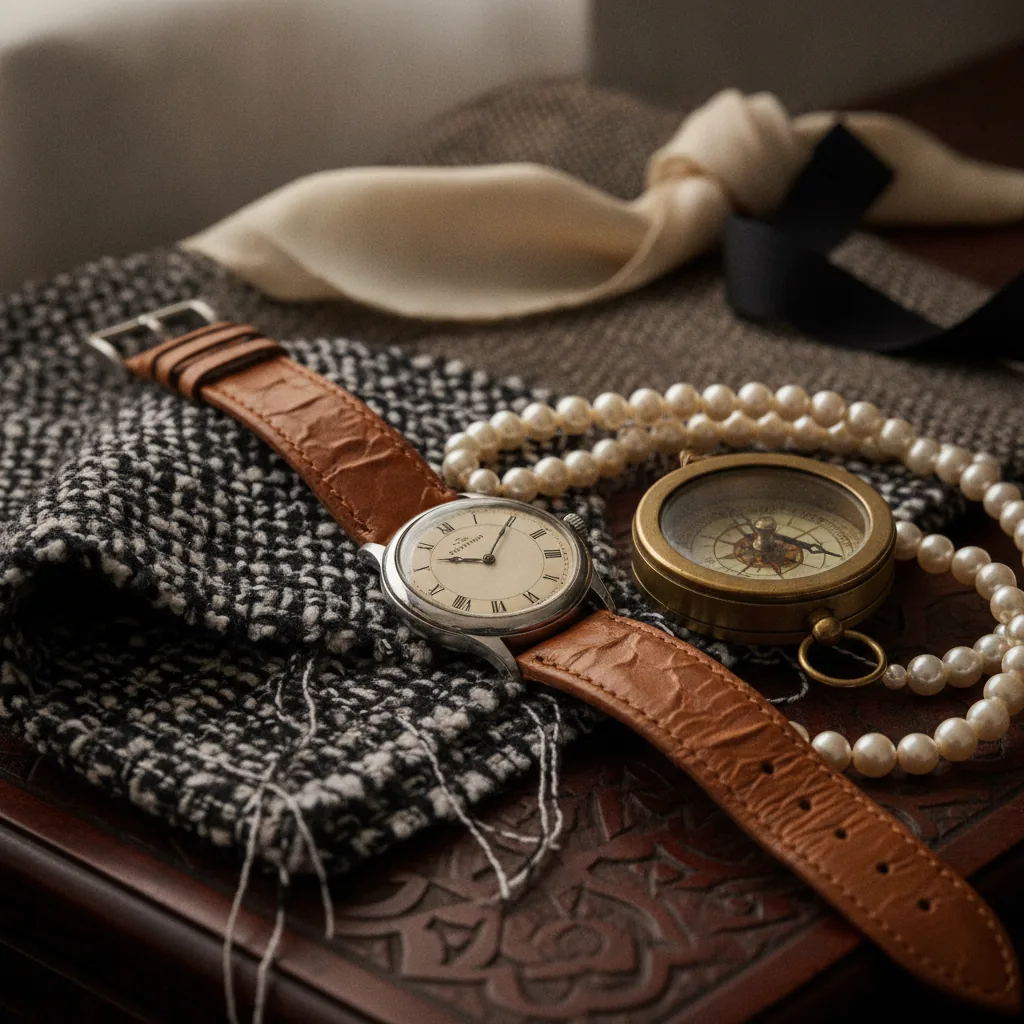
The Case for Wearing a Vintage Watch Like You Mean It
A vintage watch is a tool with a past. It looks best when you treat it that way.
Read the story →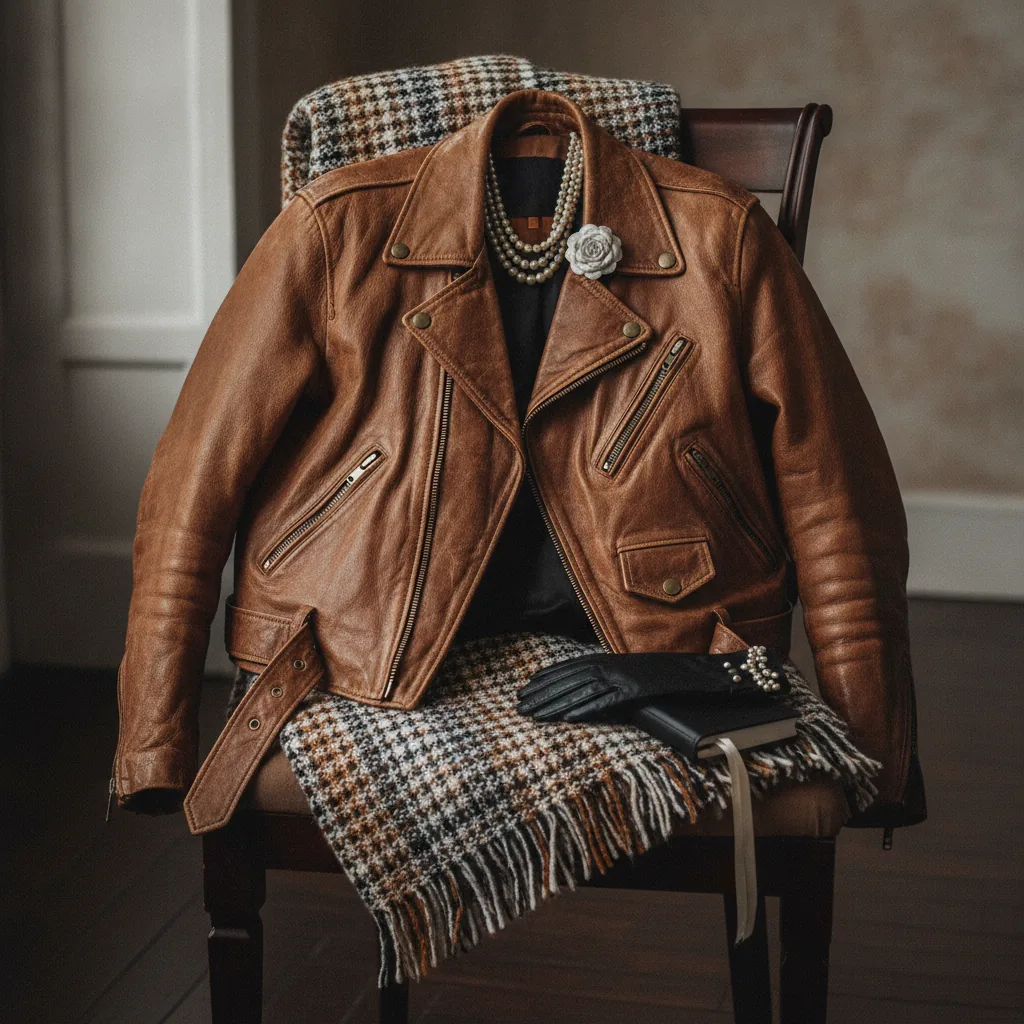
The Leather Jacket That Earns Its Scars
A good vintage leather jacket is not a costume. It is a second skin with a past, and the trick is learning to wear the story without letting it wear you.
Read the story →The Art Deco Wristwatch: A Modern Wearing Guide
Art Deco watches are not relics. They are the original minimalist accessory, and they pair perfectly with a 2024 wardrobe. Here is how to wear one, what to look for, and the story behind the dials.
Read the story →