
 Sign in
✦ Culture · London
The Art Deco Wristwatch: A Modern Wearing Guide
Art Deco watches are not relics. They are the original minimalist accessory, and they pair perfectly with a 2024 wardrobe. Here is how to wear one, what to look for, and the story behind the dials.
 By Louis Trash·
The Case for a Watch That's Older Than Your Grandmother
A 1930s rectangular watch on a leather strap is the quietest statement you can make. It says you know exactly what time it is, but you're not in a hurry. In a world of smartwatches and oversized steel divers, a 18mm by 30mm gold-filled case feels almost rebellious. I wear mine to meetings, to the market, with a t-shirt and jeans. It works because it doesn't try to work. The proportions are small, so it slides under a cuff. The dial is silvered, so it catches light without shouting. If you're over 35 and want to look like you've been somewhere, this is the watch.
How to Wear It: Proportions and Pairings
Forget matching metals. The Art Deco watch is a neutral. Pair it with a navy blazer, a white oxford, and chinos. Or with a black turtleneck and a wool overcoat. The key is to treat it like a piece of jewelry, not a tool. Wear it on the left wrist, slightly loose, so it moves an inch up your arm. Let the strap be the color anchor: dark brown alligator for autumn, tan calfskin for summer. If you're wearing a suit, the watch should be the only thing on your wrist. No bracelets. No fitness band. The dial is small, so avoid busy patterns on your shirt. A fine stripe or a solid works. For women, the same rules apply. A 1934 Hamilton Tonneau on a black satin strap looks incredible with a crisp white shirt and high-waisted trousers. The watch is not a man's thing. It's a human thing.
What to Look For: The Telltale Signs of a Good One
You want a watch from the late 1920s to the early 1940s. That's the heart of Art Deco. The case should be geometric, not round. Think square, tonneau (barrel), or rectangular. The dial should have a distinct pattern: sector lines, a stepped design, or a two-tone finish. Arabic numerals in a sleek font, or baton markers. Radium hands are a plus for authenticity, but be careful with the lume. If it's radium, the paint may be brown and cracked. That's fine. It means it's original. If it's been relumed, the hands may look too bright. Pass on that. Look at the case back. It should be solid, not see-through. The movement should be clean, but you need a jeweler to check that. What you can check: the crown. It should wind smoothly, with resistance, not grinding. The dial should have no cracks or chips. A hairline is okay, but a missing numeral is a deal-breaker. The hands should match the era. For example, a 1931 Gruen has distinctive 'spade' hands. If they've been replaced with stick hands, the watch loses half its value. Also, check the size. Original cases are small. If it's over 34mm wide, it's likely a later reissue. The best makers from this period: Gruen, Hamilton, Elgin, Waltham, and Longines. Gruen is my favorite. They made the 'Techni-Quadron', a curved rectangular watch that hugged the wrist. The curvature is a sign of quality. A flat case is easier to make, but a curved one shows skill. And look for the 'Veri-Thin' models, which are remarkably thin for the era.
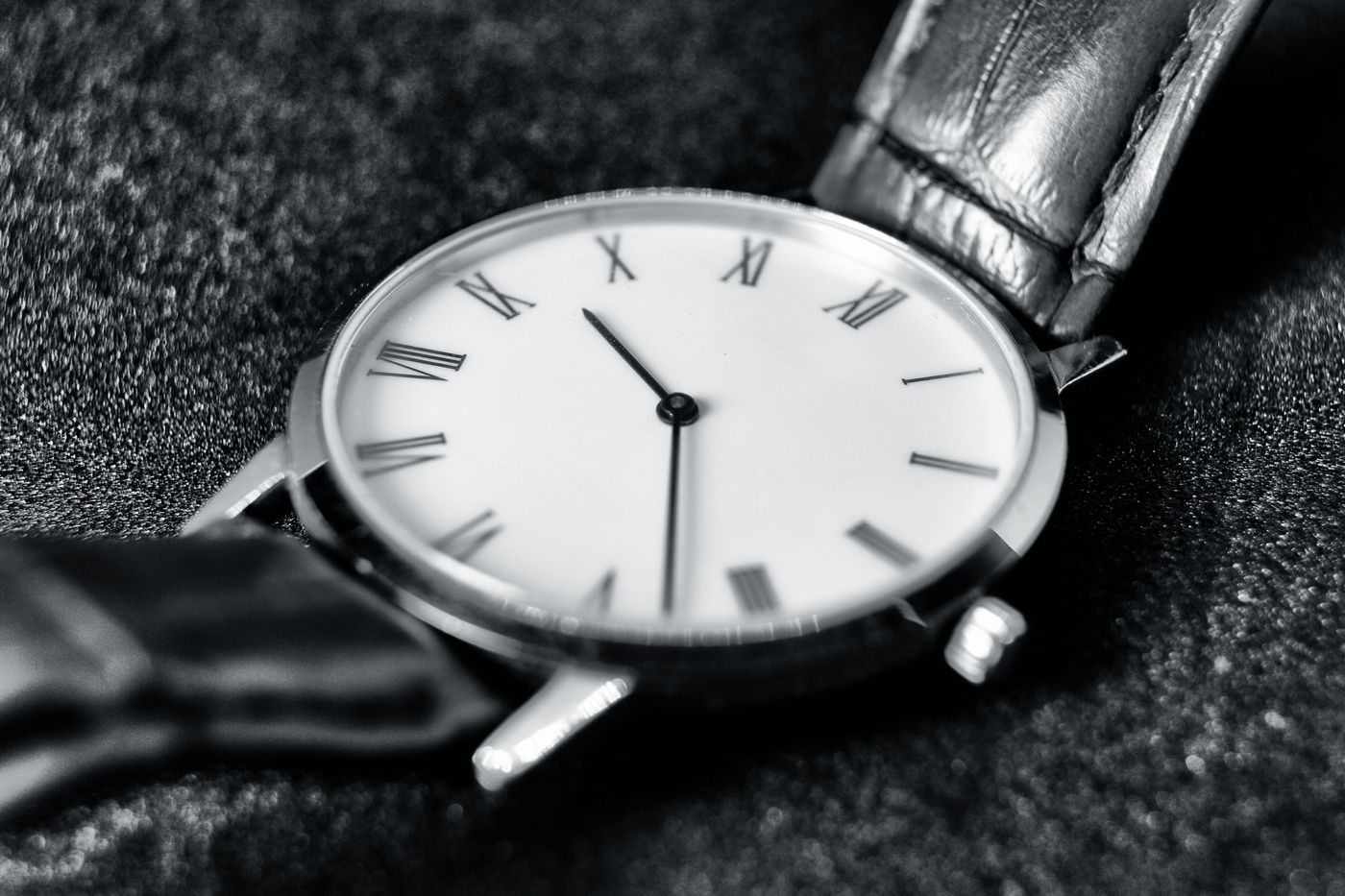
Foto: Mat Brown · Pexels
The History: A Watch for a New Age
The Art Deco watch was born from the 1925 Exposition Internationale des Arts Décoratifs in Paris. That's where the style got its name. But the real catalyst was the Great War. Soldiers returned with a new sense of time, and the wristwatch replaced the pocket watch for men. The 1920s were a decade of geometry, of speed, of skyscrapers. Watchmakers responded. In 1928, the American Watch Company (later Hamilton) introduced the 'Piping Rock', named after a swanky New York Country Club. It was a square watch with a curved case, and it sold for $35. That's about $600 today. The Gruen Watch Company, founded in 1874 by German immigrants, was the first to mass-produce the 'baguette' movement, a tiny rectangular caliber that allowed for thin, elongated cases. By 1935, Gruen was advertising in Vogue and Esquire. The watch was a prop in films like 'The Thin Man' (1934), where William Powell wore a Gruen on a leather strap, looking effortlessly sophisticated. Myrna Loy, his co-star, wore a small gold watch on a ribbon bracelet. That image is still the template for how to wear one today. The style peaked in 1936, with the introduction of the 'Doctor's Watch' – a rectangular watch with a small seconds dial at 6 o'clock, designed for physicians to take pulses. It was a practical tool, but it had a dressy look. By 1940, the war in Europe shifted production to military pieces. The Art Deco era ended, but the watches remained.
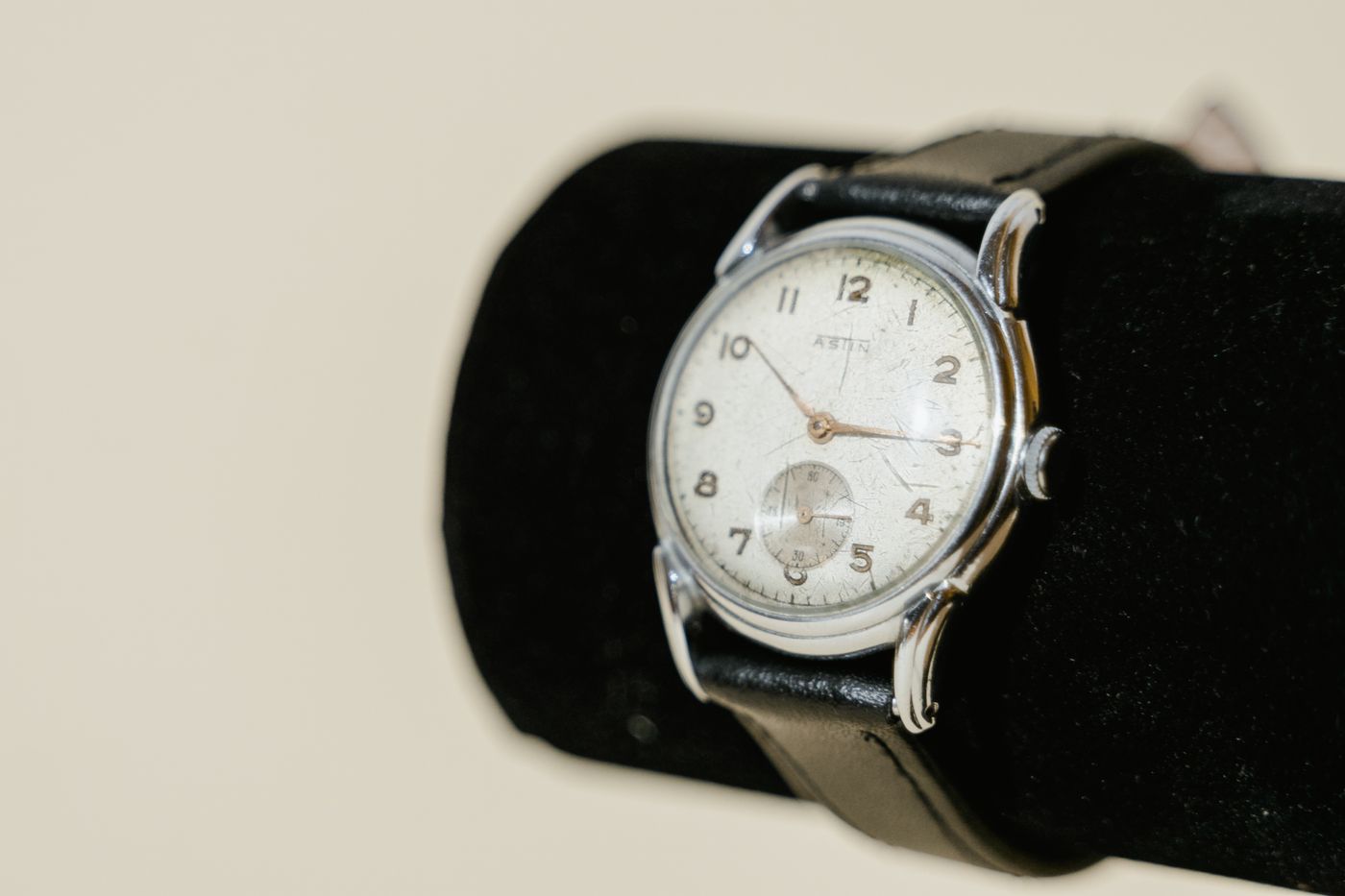
Foto: Tima Miroshnichenko · Pexels
The Practical Side: What It Costs and Where to Find It
You can find a good Art Deco watch for around $330. I've seen them at estate sales, pawn shops, and online auctions. The key is to buy one that runs, or budget for a service. A basic cleaning and oiling costs about $150 from a watchmaker who knows vintage pieces. If the watch doesn't run, you can negotiate down. But don't buy a mechanical watch that's been sitting for decades without a service. The old oil has turned to glue, and the pivots may be worn. A good seller will tell you the last service date. If they don't know, assume it needs one. Look for a watch with an original dial. A redialed watch (paint has been redone) is worth half of an original. The case should have sharp edges, not rounded from overpolishing. The bezel should be crisp. The lugs should be symmetrical. If you're buying online, ask for a photo of the movement. Or better, ask for a video of the watch running. A genuine watch will have a smooth tick, not a jerky one. If the seller is vague about the year, check the serial number. For American watches, the Pocket Watch Database has a lookup. For Swiss, you'll have to rely on the maker's marks. I once bought a 1932 Hamilton from a dealer in Ohio. He thought it was from the 1950s. I paid $200. It's worth five times that now, but I don't care. I wear it every day. It's a piece of history, but it's also a tool. It tells me the time, and it tells me that I value craft over novelty.
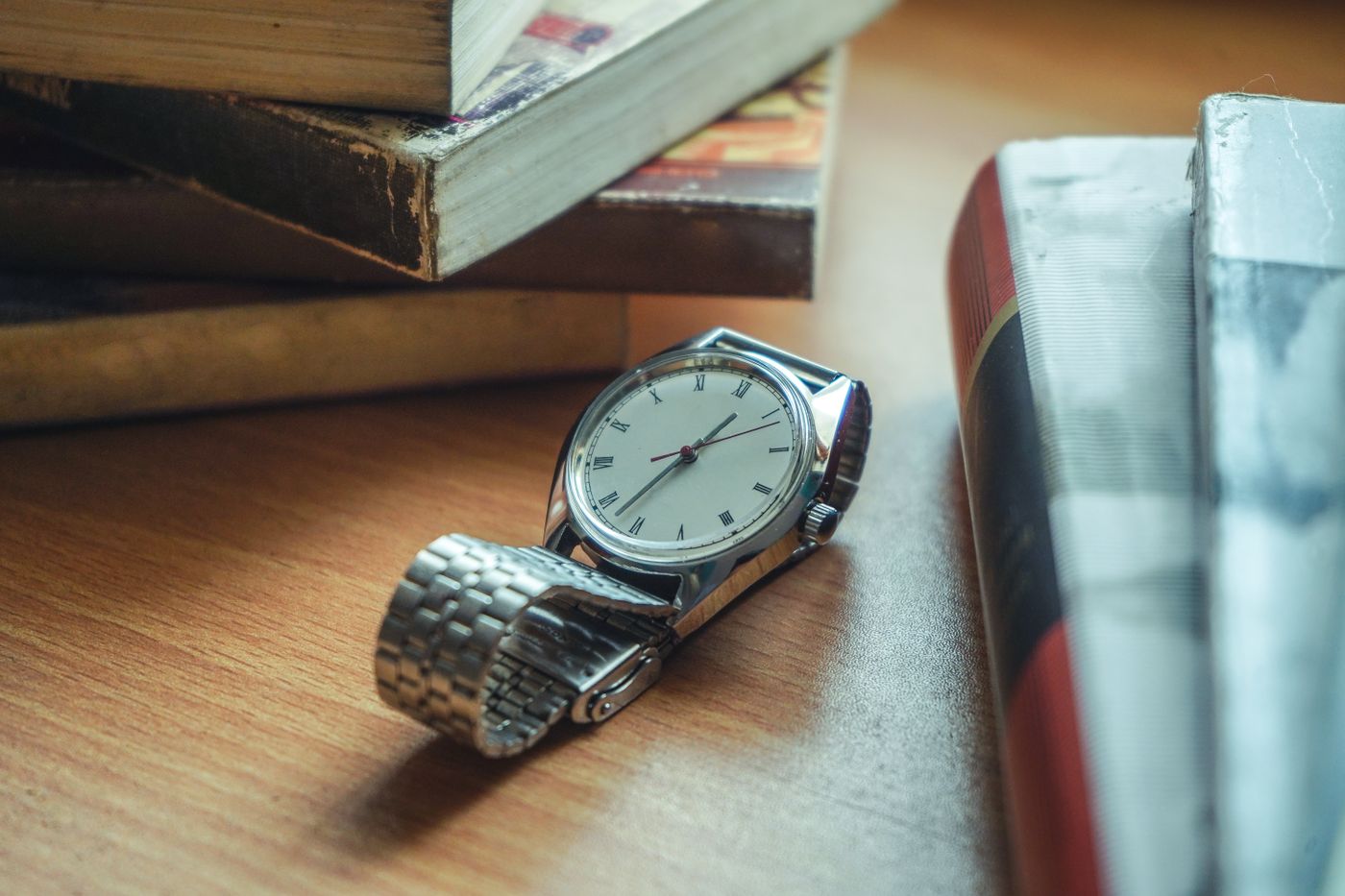
Foto: Yogendra Singh · Pexels
The Final Word: Wear It, Don't Bury It
A vintage watch is not an investment. It's a companion. The Art Deco style was a brief moment in time, but it was a perfect one. The designers understood that a watch is the only piece of jewelry a man wears every day. So they made it count. The dials are like miniature cityscapes. The cases are like tiny skyscrapers. When you wear one, you're carrying a piece of that optimism. The 1920s were a time when people believed in the future. They believed in precision, in style, in the idea that a machine could be beautiful. That belief is still alive on your wrist. So wear it. Let the leather strap soften. Let the case acquire a patina. Don't keep it in a safe. A watch that isn't worn is just a broken clock. Take it out. Wind it. Listen to the tick. That sound is a century old, and it's still telling you to pay attention to the present. That's the whole point.

 ✦ The Edit
One to watch
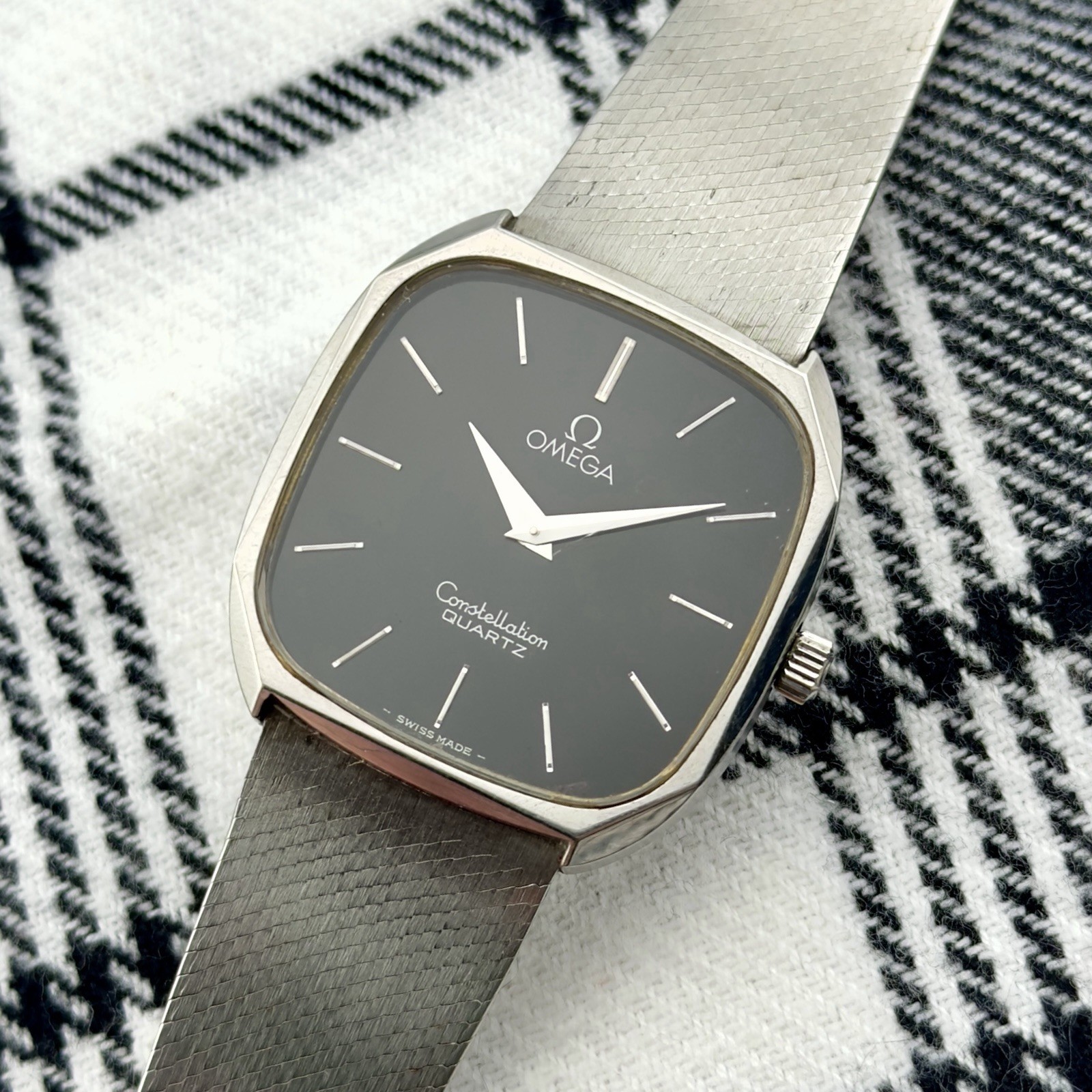
Vintage 1976 Omega Constellation Quartz - Black Dial - Ref 191.0014 - Mens Watch
The watch that went to the moon. This honestly worn watch in black carries exactly the quality that made Omega worth collecting in the first place. It is the sort of thing you will still be glad you kept in twenty years.
On the market now
The names
Meet the designers
The minds behind this story — each with a piece currently on the market.
Børge Mogensen
Denmark · 1940s
The Spanish chair — honest, functional furniture for everyday life.
The Spanish chair — honest, functional furniture for everyday life.
Top piece
View →
Calvin Klein
USA · 1960s
Minimalism & the 90s slip
Minimalism & the 90s slip
Top piece
View →
Comme des Garçons
Japan · 1960s
Deconstruction & anti-fashion
Deconstruction & anti-fashion
Top piece
View →
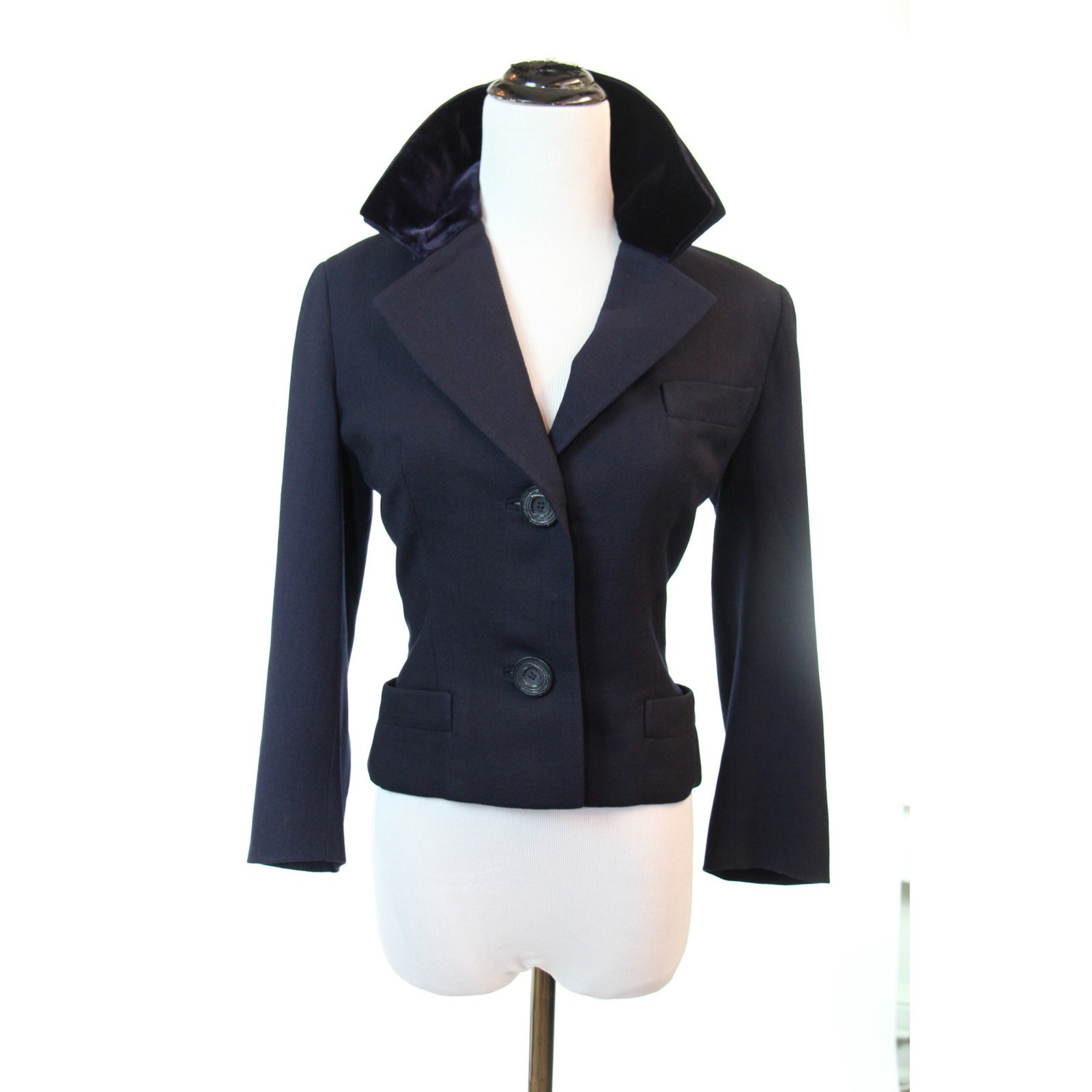
Dior
France · 1940s
The New Look & the Lady Dior
The New Look & the Lady Dior
Top piece
View →
Continue the edit
Further stories from the same world
Three more walks through the same vintage universe.
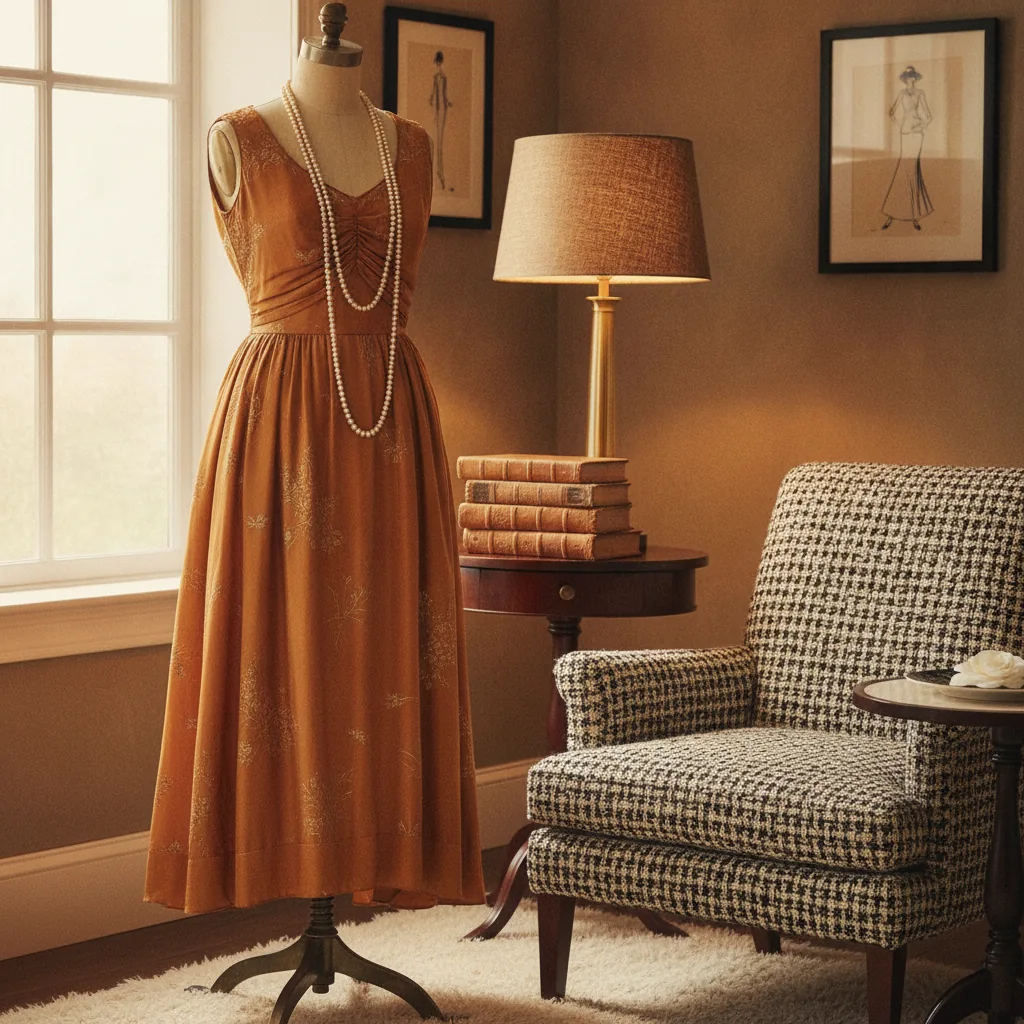
The Dress That Does the Work: Wearing Vintage Dresses in 2024
A vintage dress is not a costume. It is a shortcut to a silhouette you cannot buy new. Here is how to find one that fits your life, your body, and the way you actually get dressed in the morning.
Read the story →The Case for Wearing a Vintage Watch Like You Mean It
A vintage watch is a tool with a past. It looks best when you treat it that way.
Read the story →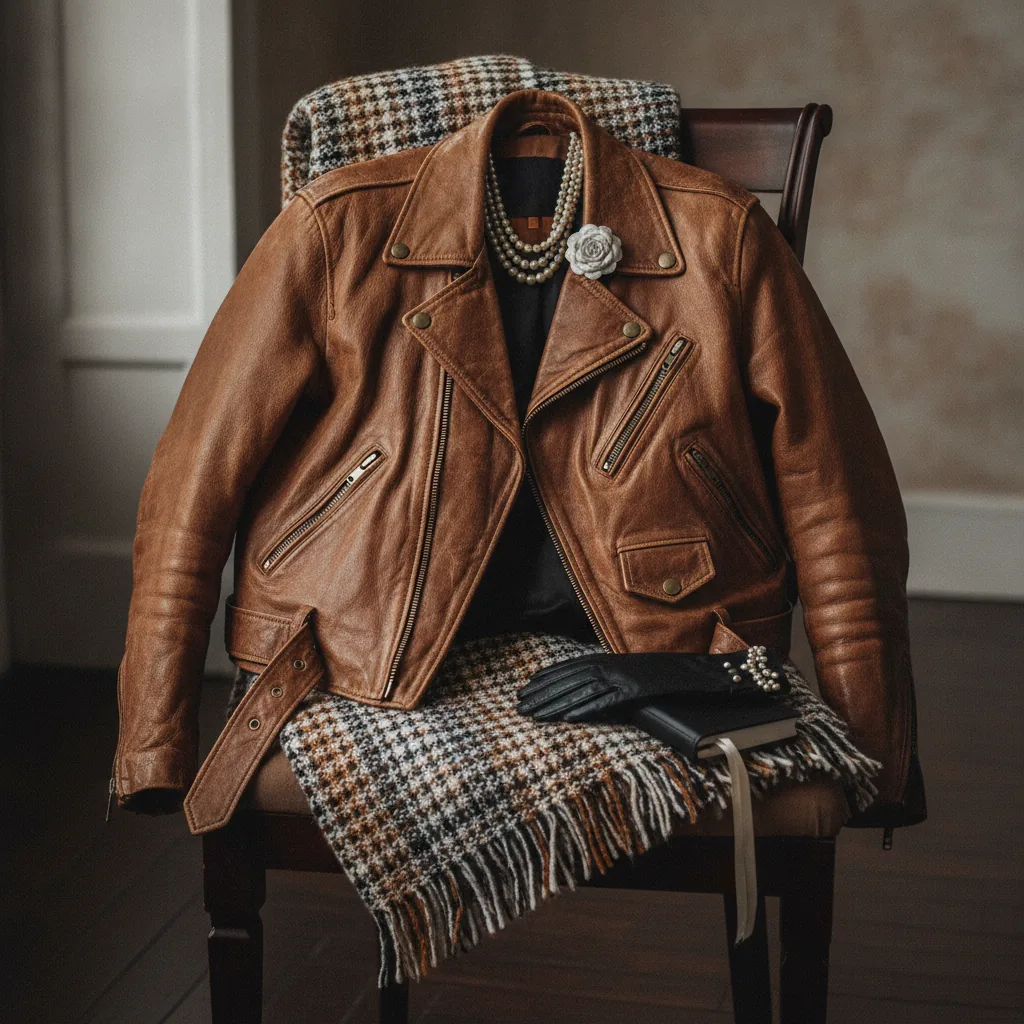
The Leather Jacket That Earns Its Scars
A good vintage leather jacket is not a costume. It is a second skin with a past, and the trick is learning to wear the story without letting it wear you.
Read the story →