
 Sign in
✦ Culture · New York
Styling a Cocktail Dress by Day in New York
Vintage dresses were cut for a body, not a size chart. Darts sit where they should, hems fall where they were meant to, and the fabrics (real silk, heavy crepe, proper cotton) move in a way that modern jersey never will.
 By Louis Trash·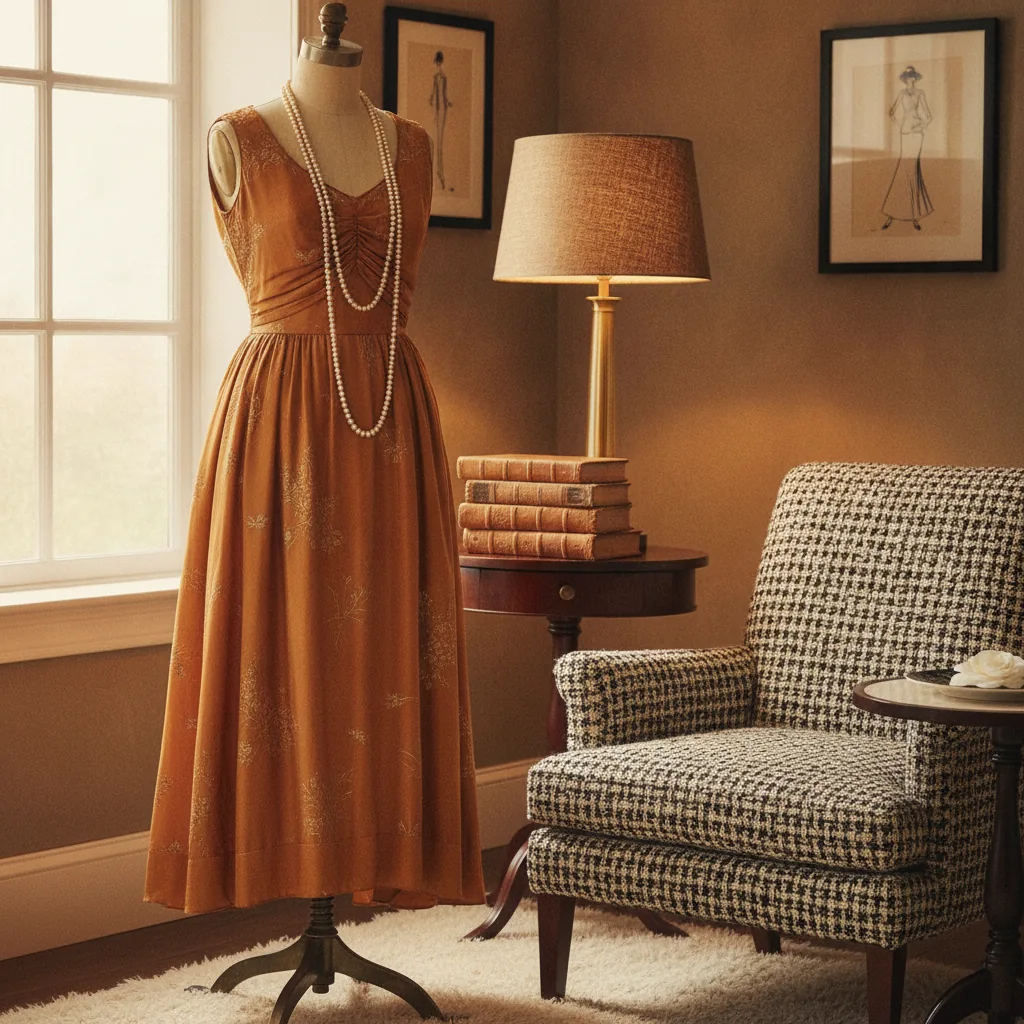
Why Dresses Matter Now
Vintage dresses were cut for a body, not a size chart. Darts sit where they should, hems fall where they were meant to, and the fabrics (real silk, heavy crepe, proper cotton) move in a way that modern jersey never will.

Foto: ΘSWΛLD · Pexels
That's the thing about a city that runs on espresso and ambition. You learn to spot quality in a glance, to know the difference between a 1960s Givenchy and a 1970s knockoff without touching the label. The dresses that survive here are the ones that fit a life of subway stairs and gallery openings, of late dinners and early meetings.
I've been wearing vintage in New York for fifteen years. I've bought dresses from flea markets in Chelsea and from shops in Brooklyn that smell like cedar and old perfume. I've made mistakes. A beaded flapper dress shed sequins like a snake sheds skin. A 1950s Dior was two sizes too small but I bought it anyway because it was Dior. I've learned to check zippers before I check price tags.
How to Wear It
Take the shoulders in rather than the waist. That single alteration fixes most old dresses. A good tailor charges $30 for shoulder adjustments, and it changes everything. The waist is where vintage dresses often need to be taken out, not in, because we eat differently now, and we sit differently, and our bodies have changed. But shoulders? Shoulders are eternal.
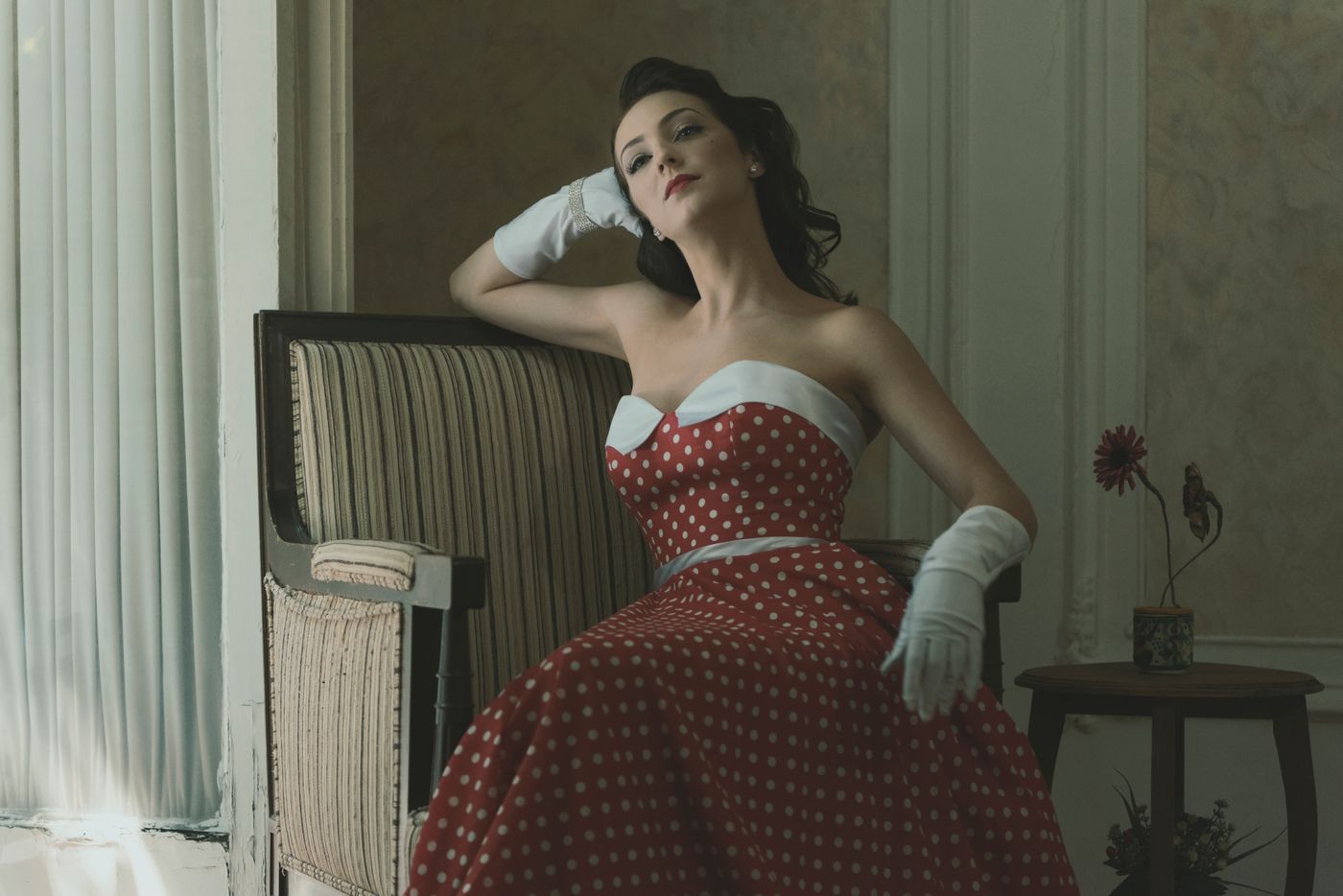
Foto: Odin Reyna · Pexels
Wear a cocktail dress in daylight with flat shoes. It stops it looking like a costume. I wore a black velvet 1960s cocktail dress to a baby shower in January, with scuffed black loafers and a wool coat. No one said a word about the dress. They said, "That coat is beautiful." The dress just worked.
Layer a fine knit over a slip dress and let the hem show. A 1940s rayon slip in champagne, worn under a black cashmere crewneck, with the slip's lace edge peeking out two inches below the sweater. That's a look that says you understand proportion, not that you're wearing a costume.
For evening, don't be afraid to go all out. A 1960s sequin sheath with a slit up the back, worn with strappy heels and a clutch. But for day, keep it grounded. Add a denim jacket, a belt that's not vintage, a pair of modern sunglasses. The contrast is what makes it modern.
Where to Find Yours in New York
L Train Vintage (204 Bedford Avenue, Brooklyn): volume shopping, low prices, be thorough, from around $20. The racks are crowded, the lighting is harsh, and you'll have to dig. But there are gems. I once found a 1970s Yves Saint Laurent blouse for $18. It was slightly stained under the arms, but I had it cleaned and it came out perfect. You need time and patience here.

Foto: Vika Glitter · Pexels
What Goes Around Comes Around (351 West Broadway): the grail room, priced accordingly, from around $45. This is where the serious collectors go. The staff knows every piece, and they'll tell you the provenance if you ask. I bought a 1960s Courrèges dress here for $600, which was a steal. It's not cheap, but it's curated. You're paying for the editing.
Beacon's Closet (74 Guernsey Street, Brooklyn): resale done properly, good turnover, from around $60. This is a consignment shop, so the stock changes daily. I've had good luck with 1970s silk dresses here, the kind with tiny buttons and flared skirts. The staff is knowledgeable, and they don't pressure you.
Chelsea Flea Market (West 25th Street): weekends, bring cash and haggle politely, from around $90. This is where you go for the thrill of the hunt. The dealers have everything from Victorian corsets to 1980s power suits. I once found a 1950s Christian Dior cocktail dress in a pile of old linens. The dealer didn't know what it was. I paid $80. It was worth $1,200.
Go on a weekday morning if you can. The rails are fullest before the weekend crowd arrives, and staff have time to show you what came in overnight. The best finds go fast. I've seen a woman snatch a 1960s Pucci dress off the rack before I could even reach for it. She didn't even try it on. She just paid and left. That's New York.
What to Look For
Check the zip. A metal one usually means pre-1970s. Plastic zippers were introduced in the 1960s, but they didn't become common until the 1970s. If the zip is metal, the dress is likely from the 1940s, 1950s, or 1960s. That's a good sign.

Look at the seam allowance inside: generous fabric means it can be let out. If there's a half-inch or more of fabric inside the seam, you have room to work. If it's cut right to the edge, you're stuck with what you've got.
Hold the underarms to the light for thinning and old deodorant damage, which is permanent. That's the one thing you can't fix. I've seen beautiful silk dresses with holes at the underarms that looked like they'd been eaten by moths. They were ruined by deodorant.
Small tears along a seam are an easy fix; tears through the fabric itself are not. A seam can be re-sewn, but a tear in the middle of the fabric is a deal-breaker. Unless you're buying it for parts.
One last thing: try it on properly, walk around in it, and sit down. A vintage dress that only works standing still is not going to survive your actual life. I learned that the hard way with a 1950s taffeta ball gown that was beautiful standing up but impossible to sit in. The skirt was so wide it didn't fit in a taxi. I sold it two years later.
The New York Way
New Yorkers don't buy vintage to preserve it. We buy it to wear it, to make it part of our lives. That's what makes vintage fashion here so alive. A 1960s dress worn to a dinner in SoHo, a 1940s slip under a cardigan on the subway, a 1970s caftan on a rooftop in July. That's the New York way.
The best vintage is the kind you don't think about. You put it on, and it feels right. It's not about the label, though labels help. It's about the cut, the fabric, the way it moves with you. A vintage dress that fits well is better than any modern dress, because it was made for a real person, not a mannequin.
I have a 1960s black wool crepe dress that I've worn to funerals, to job interviews, to a wedding. It's simple, with a boat neck and three-quarter sleeves. It cost me $40 at Beacon's Closet. I've had it for eight years, and it still gets compliments. That's what vintage does. It earns its keep.
So go out there. Hit the shops, the markets, the racks. Check the zippers, hold the seams, try it on. And when you find that dress that fits like it was made for you, don't hesitate. Buy it. Wear it. Make it yours.
Get the look
Get the look
The pieces that make this story wearable, live from the market.
The names
The designers behind the look
The minds behind this story — each with a piece currently on the market.
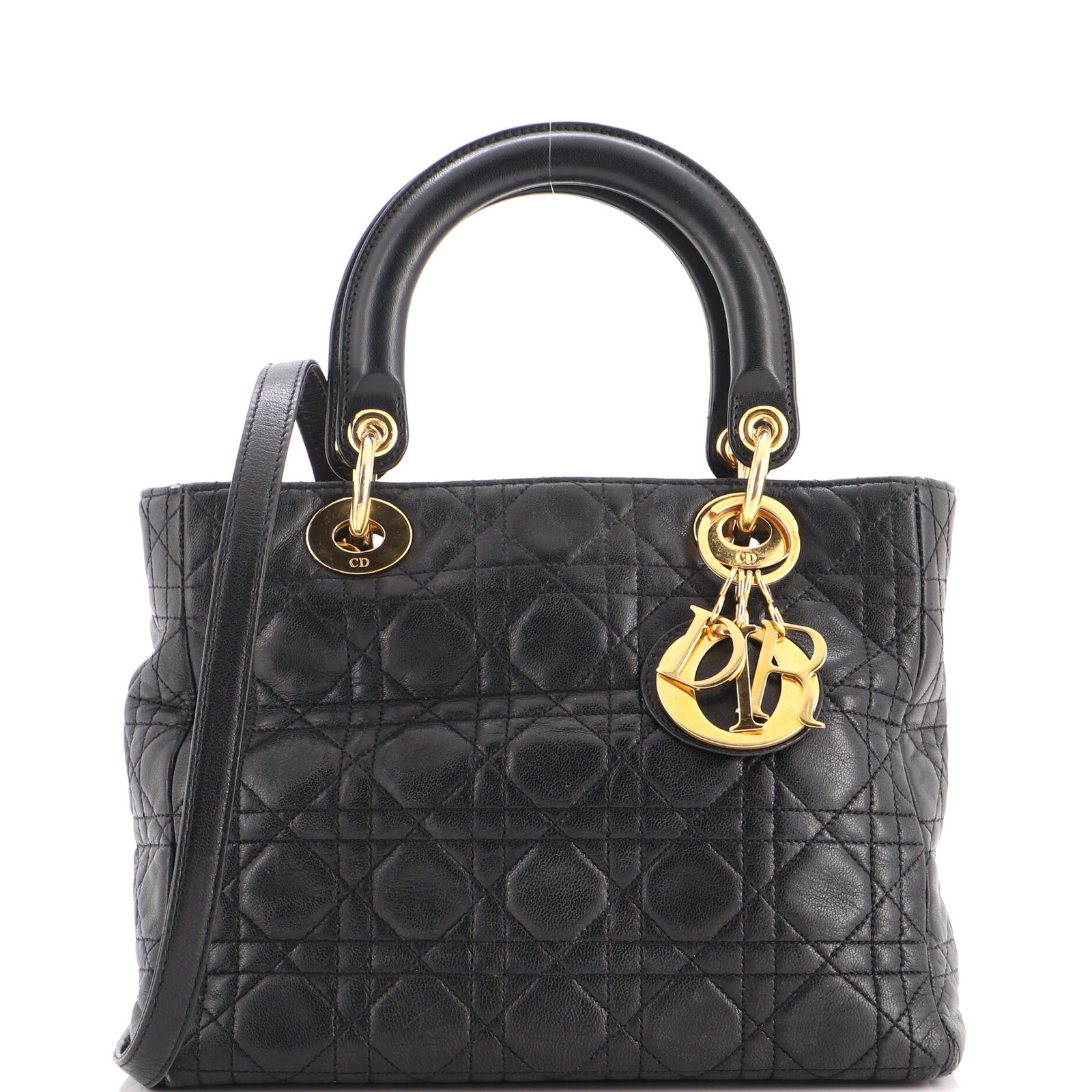
Dior
France · 1940s
The New Look & the Lady Dior
The New Look & the Lady Dior
Top piece
View →
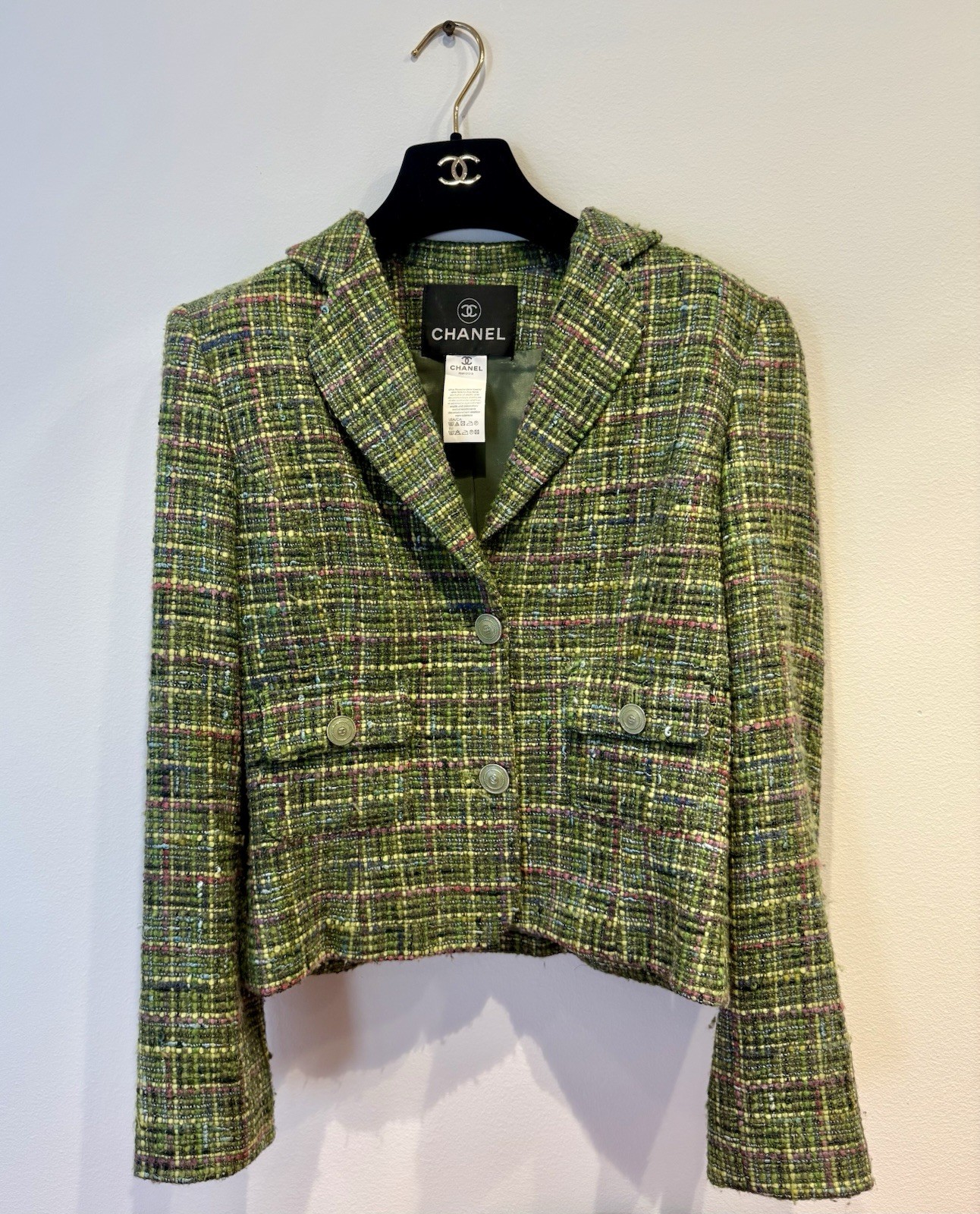
Chanel
France · 1910s
The little black dress & the 2.55
The little black dress & the 2.55
Top piece
View →
Levi's
USA · 1850s
The 501 & Americana denim
The 501 & Americana denim
Top piece
View →
Adidas
Germany · 1940s
The three stripes & the Samba
The three stripes & the Samba
Continue the edit
Further stories from the same world
Three more walks through the same vintage universe.

The Weight of a Band Tee
A vintage band tee isn't a souvenir. It's a relic of a specific summer, a specific tour, a specific decade. Here's how to wear one with the respect it deserves, and how to spot a genuine artifact from the fakes.
Read the story →
Where to Find Authenticated Bags in New York
The small shoulder bag is back, and the originals are still out there. A nylon bag from 1999 or a mini baguette from the same year carries a specific kind of confidence: it was designed to be carried, not photographed.
Read →
Styling a Patinated Dial in New York
A vintage watch is the one accessory that never shouts. A patinated dial, a slightly yellowed lume, a bracelet that has softened to the wrist.
Read →