
 Sign in
✦ Culture · New York
Styling a Borrowed-Era Veil in New York
Vintage bridal is where the real craft hides. Hand-worked lace, silk that actually hangs, veils edged by somebody's grandmother.
 By Louis Trash·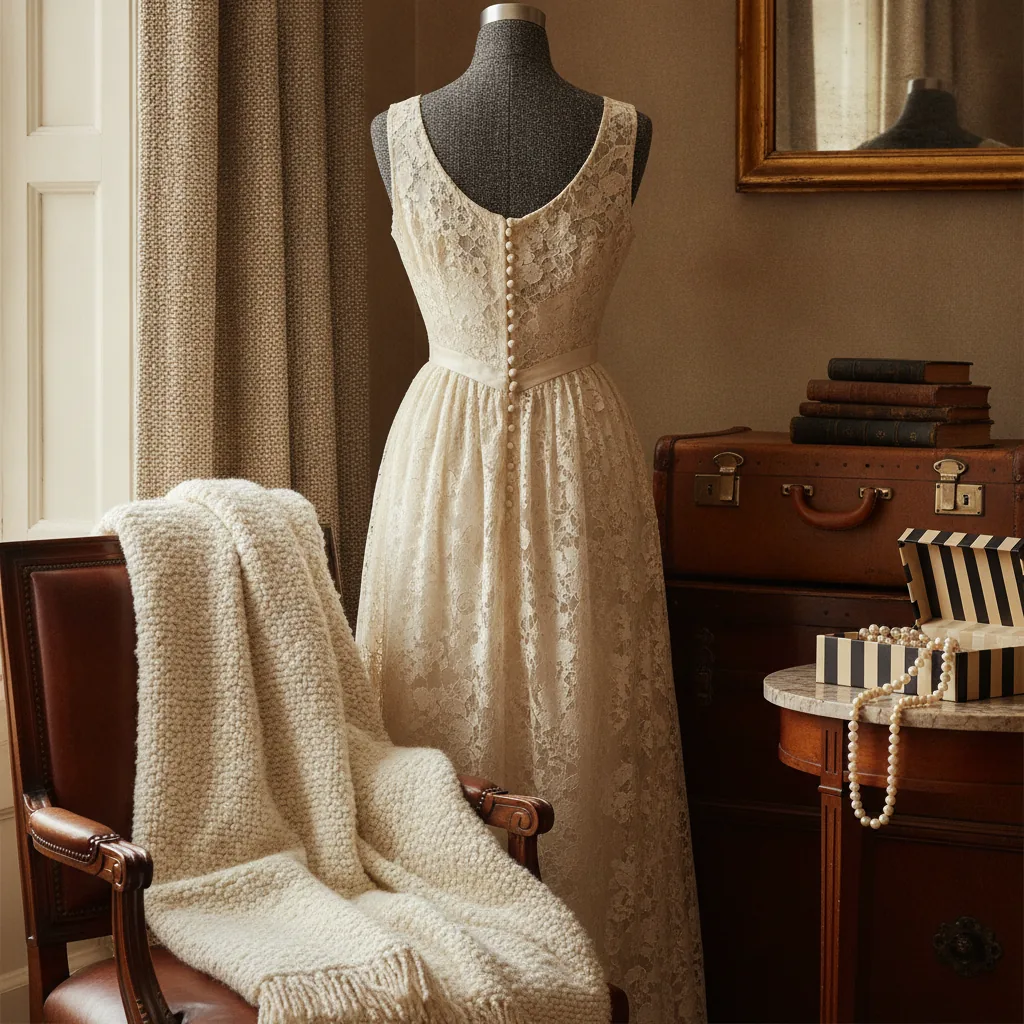
The Revival of Handcraft
Vintage bridal is where the real craft hides. Hand-worked lace, silk that actually hangs, veils edged by somebody's grandmother. It also costs a fraction of a new gown, and no one else will be wearing it. In an era of fast fashion and disposable trends, a vintage veil carries the weight of hours of human labor. The 1920s and 1930s were the golden age of lace-making; French Chantilly and English Carrickmacross were stitched by hand in convents and small workshops. The irregularity of those stitches is the signature of a human hand, not a machine. That is what you are paying for when you choose vintage.
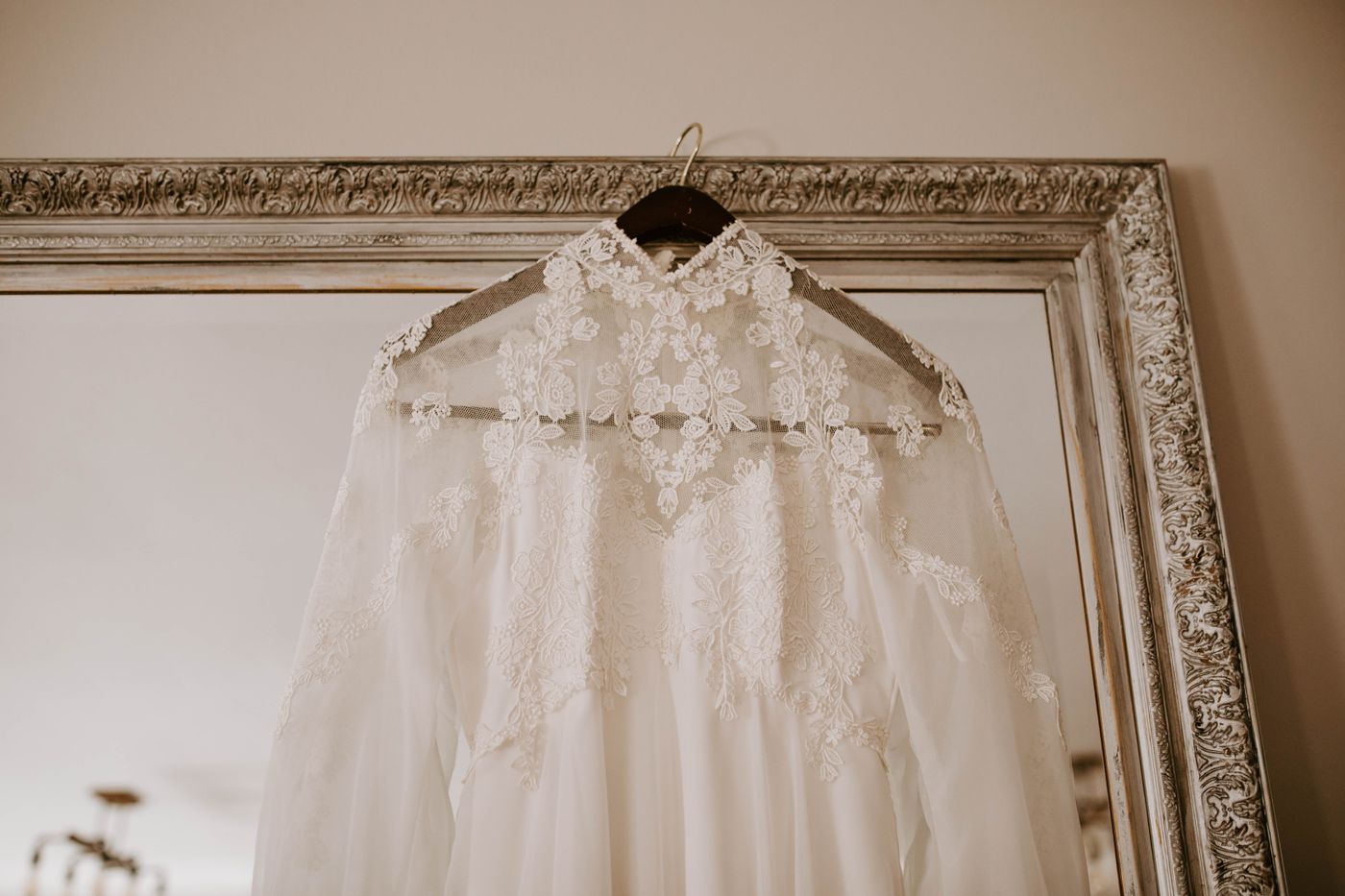
Foto: Tara Winstead · Pexels
But the city also rewards those who know where to look and what to look for. A vintage veil is a choice for character, history, and a kind of beauty that cannot be replicated.
How to Wear It
One vintage element is often enough. A borrowed-era veil with a simple modern dress creates a powerful contrast. The veil becomes the story, the dress a quiet backdrop. Think of a silk slip dress from the 1990s or a clean crepe sheath; the lace then does the talking.
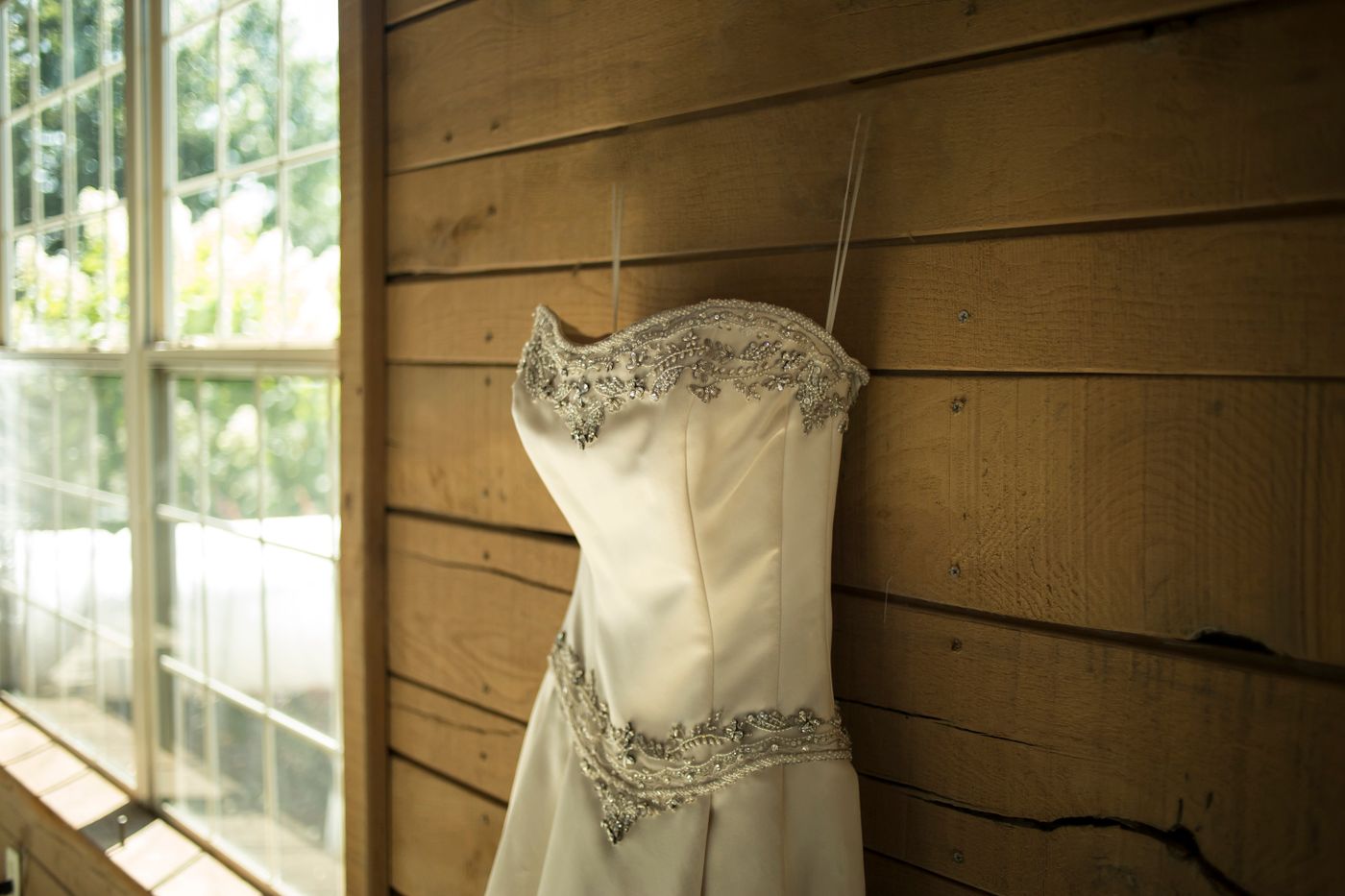
Foto: Stephen Leonardi · Pexels
Have the lace altered rather than the silhouette. A good seamstress can move almost anything. The veil's length can be adjusted, the comb reattached, even the lace re-edged if necessary. But do not ask a seamstress to reshape a vintage bodice; that risks destroying the original construction. Trust the dress to fit you, and let the veil be altered to suit your height and hairstyle.
Wear old lace with bare skin and minimal jewellery. It does not need help. A simple updo, a pair of pearl studs, and you are done. The lace is the ornament. If you choose a veil with a blusher, consider how it falls over your face; it should frame, not smother.
Where to Find Yours in New York
- L Train Vintage (204 Bedford Avenue, Brooklyn): volume shopping, low prices, be thorough, from around $25. This is a treasure hunt. You may have to dig through racks of polyester, but the occasional silk scarf or 1950s cocktail veil is worth the effort. Go on a weekday morning when the new stock has just been put out.
- What Goes Around Comes Around (351 West Broadway): the grail room, priced accordingly, from around $450. This is where stylists and collectors go for pristine pieces. The staff is knowledgeable, and the selection is curated. Expect to pay for the name and the condition, but you will find exceptional 1920s and 1930s veils here.
- Beacon's Closet (74 Guernsey Street, Brooklyn): resale done properly, good turnover, from around $75. This is a reliable source for decent-quality vintage at reasonable prices. The bridal section is small but worth a browse. They rotate stock frequently, so check back often.
- Chelsea Flea Market (West 25th Street): weekends, bring cash and haggle politely, from around $100. The market is a mix of dealers and collectors. You can find everything from Victorian lace to 1960s tulle. Haggle with charm, not aggression. Cash is king here; many dealers do not take cards.
Go on a weekday morning if you can. The rails are fullest before the weekend crowd arrives, and staff have time to show you what came in overnight. On weekends, the best pieces are snapped up early.
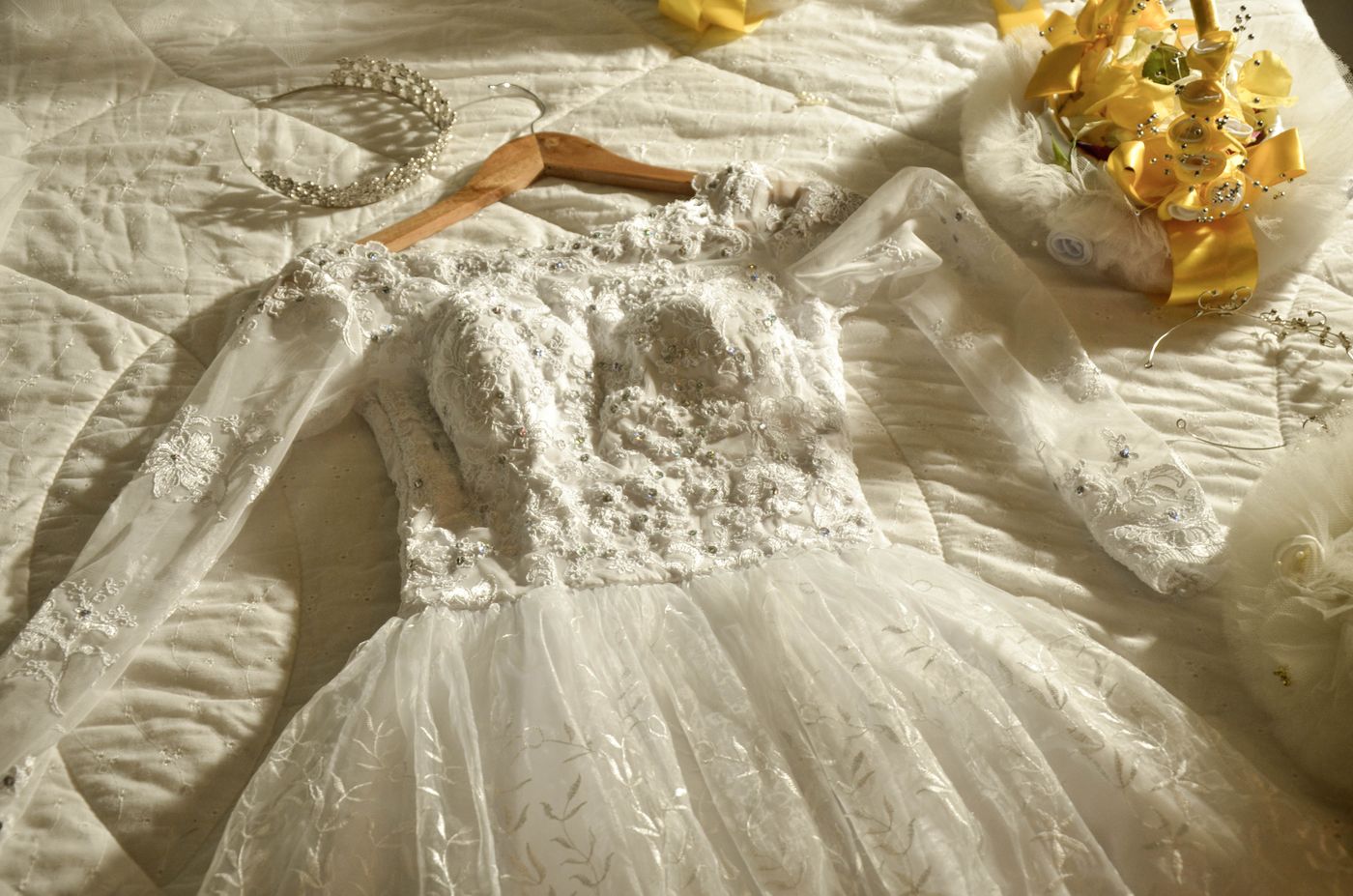
Foto: Gustavo Santana · Pexels
What to Look For
Hold lace to the light and look for hand-worked irregularity. Perfectly even repeats mean machine-made. The beauty of handwork is in the slight variations in stitch tension and pattern alignment. Run your fingers over the fabric; handmade lace has a subtle texture that machine lace lacks.
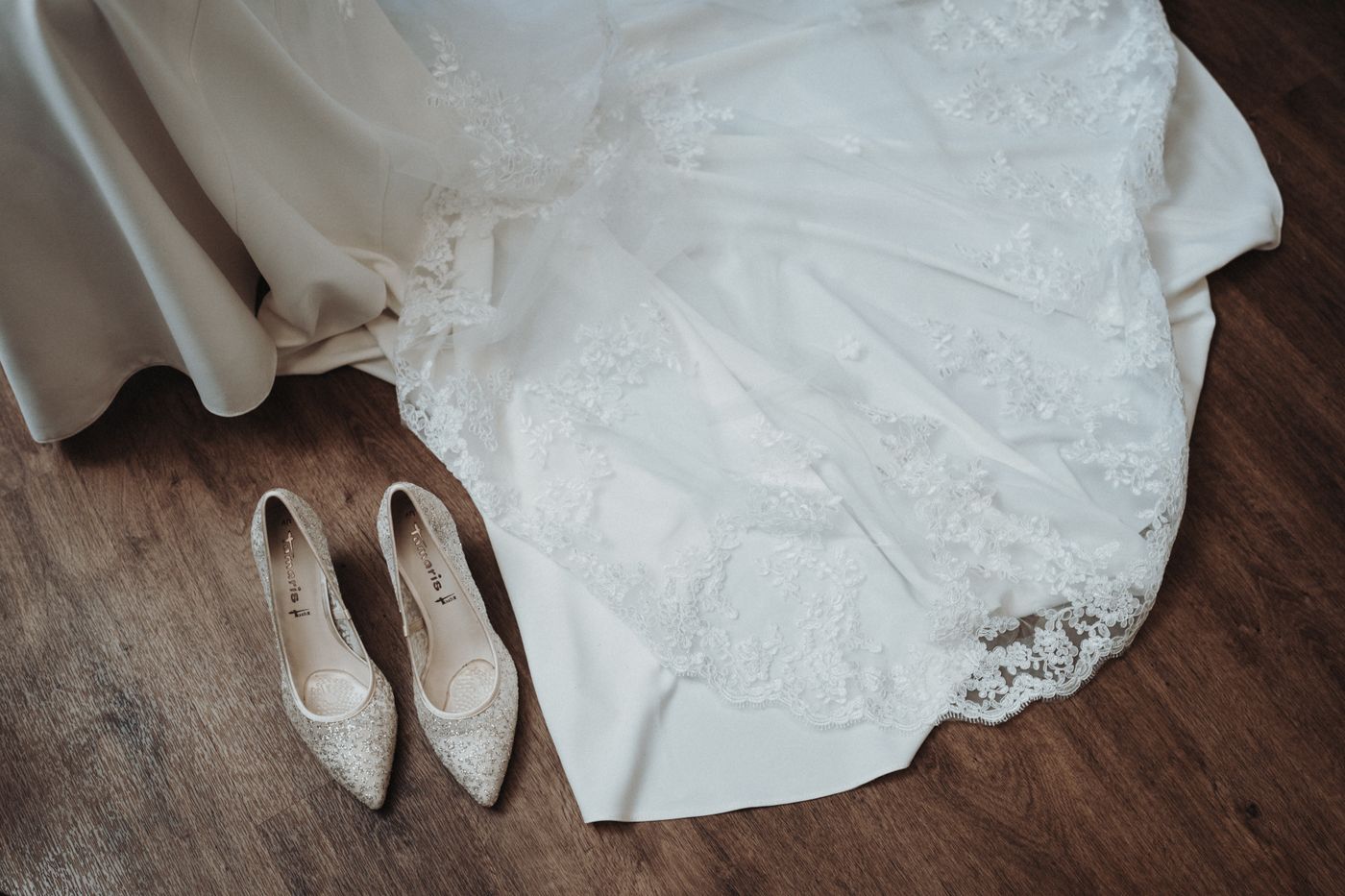
Foto: Masood Aslami · Pexels
Check under the arms and along the zip for yellowing, which sometimes lifts and sometimes does not. A gentle cleaning might restore white lace, but if the silk is already brittle, it will not. Look for stains, repairs, and missing beads. A small tear can be mended, but a missing section of lace is harder to replace.
Silk that feels papery has gone brittle. It will crack and tear easily, no matter how careful you are. The best silk veils have a soft, fluid drape. If it feels like tissue paper, walk away.
Always budget for cleaning and alterations before you fall in love with the price. A professional dry cleaner who specializes in vintage textiles can cost $100 or more. A skilled seamstress may charge $50 to $100 to adjust the comb or hem. Factor that into your total.
One last thing: try it on properly, walk around in it, and sit down. A vintage bridal piece that only works standing still is not going to survive your actual life. You will want to dance, hug, and move. If the veil pulls at your hair or slips off, have it secured with a comb or pins.
The Era of the Veil
The 1920s brought the cloche-inspired veil, often worn low over the forehead. The 1930s favored longer, more flowing styles with scalloped edges. The 1940s and 1950s saw the return of the blusher, worn over the face and lifted after the ceremony. The 1960s introduced the mantilla, a Spanish-style lace that frames the shoulders. Each era has its own character. A 1920s drop-waist gown with a beaded headpiece and a short veil is pure Gatsby. A 1950s full skirt with a birdcage veil is playful and chic.
New York's vintage stores reflect this diversity. What Goes Around Comes Around has a strong selection of 1920s and 1970s pieces. Beacon's Closet often has 1960s and 1970s items. L Train Vintage is a mixed bag; you might find a 1940s rayon slip or a 1980s tulle veil.
Final Thoughts
A vintage veil is a piece of history. It carries the hopes of a previous bride, the skill of a forgotten craftswoman, and the style of a bygone era. When you wear it, you are borrowing not just the fabric but the story. And in a city that moves as fast as New York, that story is worth pausing for.
So go out, hunt, and find your veil. Take your time. Touch the lace, hold it to the light, and imagine the hands that made it. When you find the one, you will know. And it will be worth every penny, and every minute of the search.
Get the look
Get the look
The pieces that make this story wearable, live from the market.
The names
The designers behind the look
The minds behind this story — each with a piece currently on the market.
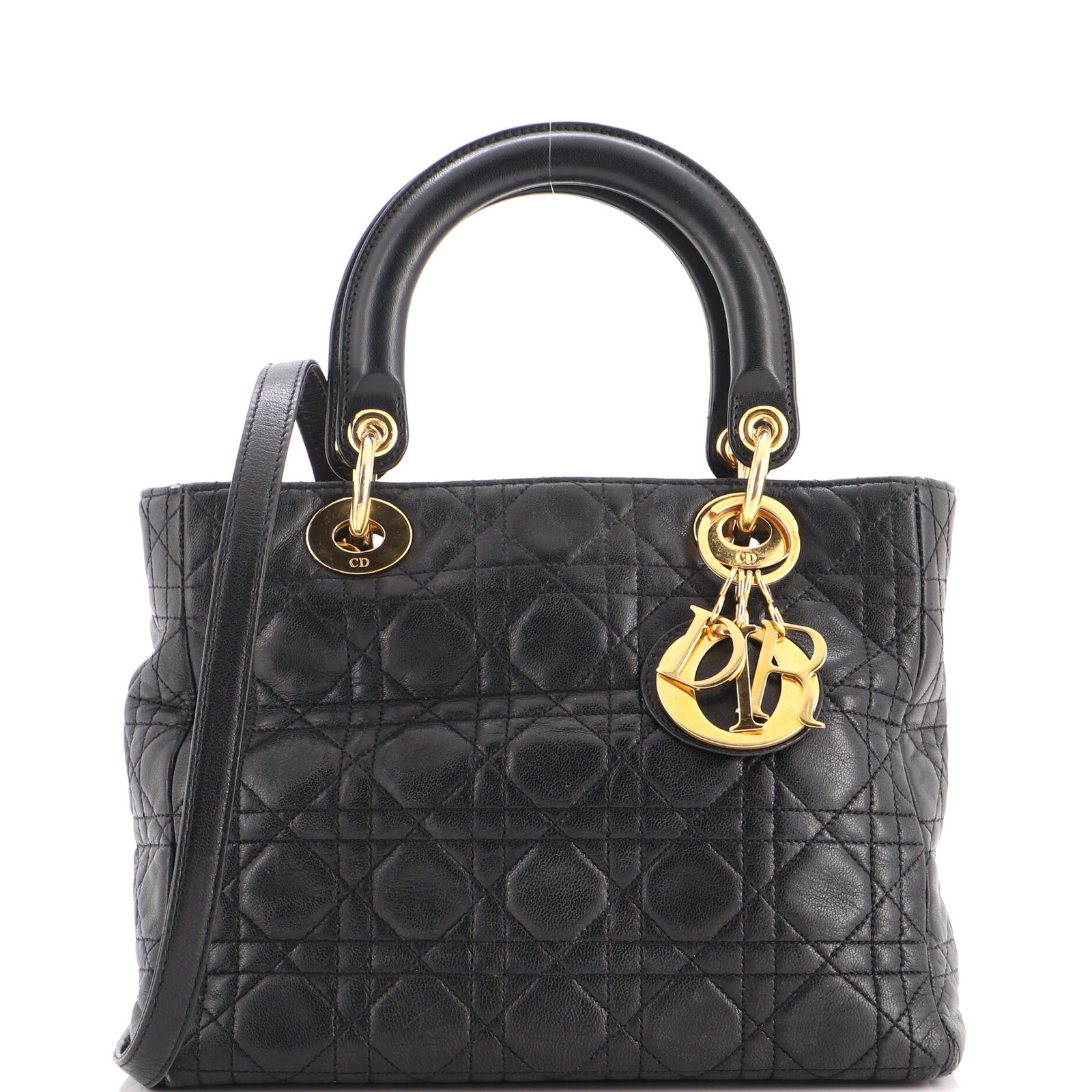
Dior
France · 1940s
The New Look & the Lady Dior
The New Look & the Lady Dior
Top piece
View →
Armani
Italy · 1970s
The power suit & soft tailoring
The power suit & soft tailoring
Top piece
View →
Børge Mogensen
Denmark · 1940s
The Spanish chair — honest, functional furniture for everyday life.
The Spanish chair — honest, functional furniture for everyday life.
Calvin Klein
USA · 1960s
Minimalism & the 90s slip
Minimalism & the 90s slip
Continue the edit
Further stories from the same world
Three more walks through the same vintage universe.

The Weight of a Band Tee
A vintage band tee isn't a souvenir. It's a relic of a specific summer, a specific tour, a specific decade. Here's how to wear one with the respect it deserves, and how to spot a genuine artifact from the fakes.
Read the story →
Where to Find Authenticated Bags in New York
The small shoulder bag is back, and the originals are still out there. A nylon bag from 1999 or a mini baguette from the same year carries a specific kind of confidence: it was designed to be carried, not photographed.
Read →
Styling a Patinated Dial in New York
A vintage watch is the one accessory that never shouts. A patinated dial, a slightly yellowed lume, a bracelet that has softened to the wrist.
Read →