
 Sign in
✦ Culture · New York
Styling a Big Blazer in New York
An oversized blazer from the eighties or nineties has a shoulder line nothing on the high street can match. The wool is heavier, the canvas inside is real, and the cut was made to be worn open and loose.
 By Louis Trash·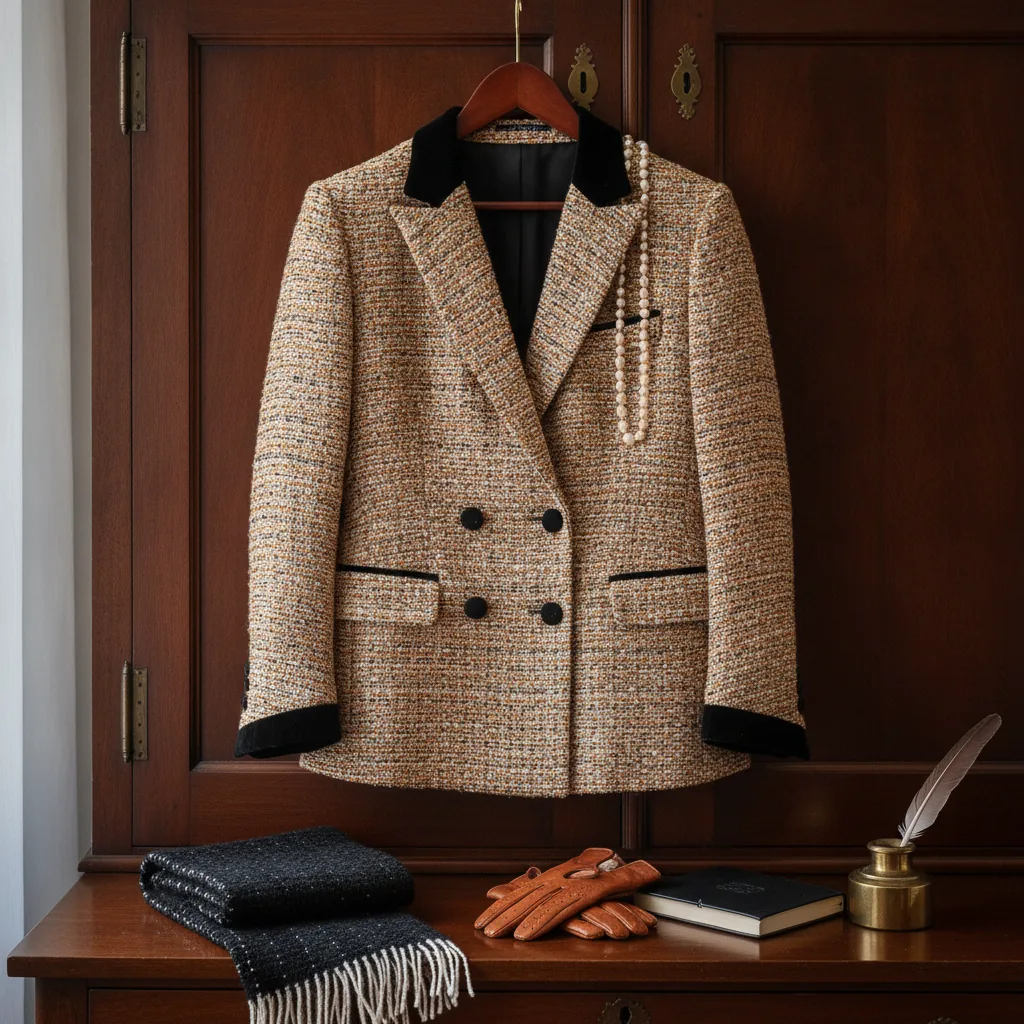
Why Blazers Matter Now
An oversized blazer from the eighties or nineties has a shoulder line nothing on the high street can match. The wool is heavier, the canvas inside is real, and the cut was made to be worn open and loose. These are jackets built for the era of power dressing, when a woman’s silhouette was meant to command a boardroom or a bar. The padding is architectural, the lapels are wide enough to land a small plane on, and the fabric often has a drape that modern fast fashion can’t approximate. You can find one on a rack in Brooklyn for twenty dollars, and it will outlast anything you buy new this season.

Foto: Liudmyla Shalimova · Pexels
We don’t have time for preciousness. We want the good stuff, and we want it now. That’s why the city is a paradise for vintage blazers, if you know where to look and what to ignore.
How to Wear It
Push the sleeves up. It instantly stops a big blazer looking borrowed. Roll them once, twice, or even three times until they hit just above the wrist bone. That simple move changes the whole vibe from costume to deliberate. It also shows off a watch or a bracelet, and it keeps your hands free for a coffee cup or a phone.
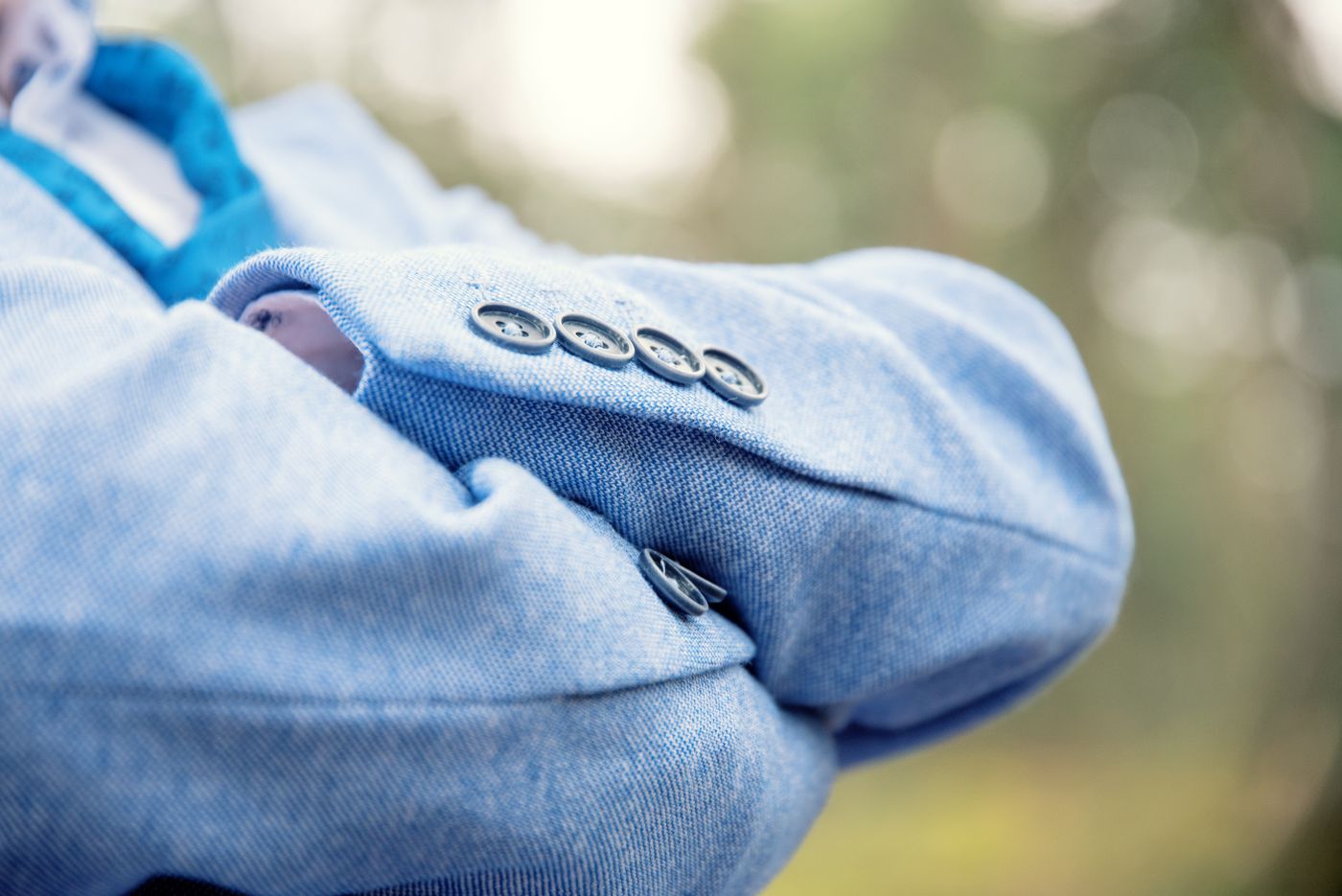
Foto: Robin Godefridi · Pexels
Wear it with denim and a plain tee before you ever wear it with matching trousers. The contrast is what makes it modern. A faded pair of Levi’s 501s, a white tee that’s not too tight, and a blazer that’s two sizes too big is a look that says you know what you’re doing. Add a pair of leather loafers or low-top sneakers, and you’re set for a gallery opening or a drinks date.
If the shoulder fits, everything else can be tailored. If it does not, walk away. Shoulder pads can be removed, sleeves can be shortened, waists can be nipped, but the shoulder line is the soul of the jacket. If it’s too wide or too narrow, no tailor can fix it without rebuilding the whole garment. So try it on, move your arms, and check the seam sits exactly on the edge of your shoulder bone.
Where to Find Yours in New York
- L Train Vintage (204 Bedford Avenue, Brooklyn): volume shopping, low prices, be thorough, from around $20. This is a warehouse of used clothing, and the blazer section is a chaotic treasure hunt. Go with time and patience. You’ll need to dig through racks of polyester shirts and faded band tees to find the gems, but they’re there. I once found a 1980s Armani blazer for $15. It had a small moth hole near the hem, but a local tailor fixed it for $10.
- What Goes Around Comes Around (351 West Broadway): the grail room, priced accordingly, from around $45. This is where stylists and celebrities shop, and the prices reflect that. But if you’re looking for a pristine Yves Saint Laurent or a perfectly preserved Moschino, this is your spot. The staff are knowledgeable and can tell you the exact season and designer of any piece. Be prepared to spend, but you’re paying for curation and condition.
- Beacon's Closet (74 Guernsey Street, Brooklyn): resale done properly, good turnover, from around $60. This is a step up from L Train in terms of organization, and the turnover is fast. They rotate stock constantly, so check back often. The blazer section is usually well-edited, with a mix of contemporary and vintage. I’ve found several early ’90s Versace pieces here that were priced under $100, because the staff don’t always know what they have.
- Chelsea Flea Market (West 25th Street): weekends, bring cash and haggle politely, from around $90. This is an outdoor market with a mix of dealers and junk sellers. The blazers are often in bins or on portable racks. Haggling is expected, but be respectful. Offer 20% less than the sticker price, and you might get it. Go early in the morning for the best selection, and bring cash because many dealers don’t take cards.
Go on a weekday morning if you can. The rails are fullest before the weekend crowd arrives, and staff have time to show you what came in overnight. On a Tuesday at 10am, you’ll have the place almost to yourself. You can take your time, try on ten jackets, and leave with the one that feels like it was made for you.
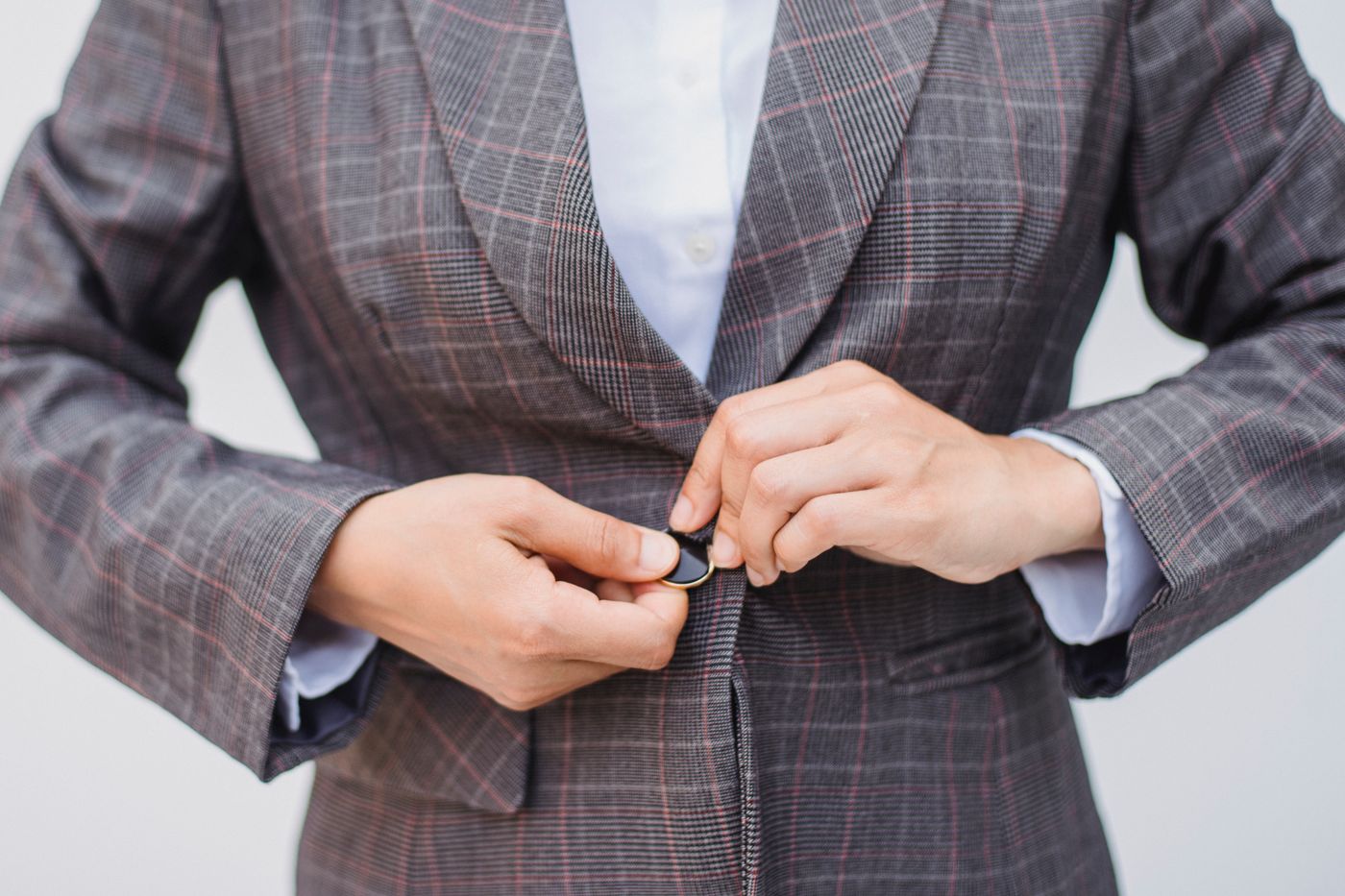
Foto: Ketut Subiyanto · Pexels
What to Look For
Pinch the lapel: if you can feel a separate floating layer between the wool and the lining, it is canvassed and worth the money. That’s the sign of a high-quality jacket. Canvassed jackets were handcrafted with a layer of horsehair or wool between the outer fabric and the lining. They mold to your body over time and last for decades. Fused jackets, on the other hand, have a glued interlining that can bubble and peel after a few years. Most vintage blazers from the ’80s and ’90s are canvassed, but not all. Check before you buy.
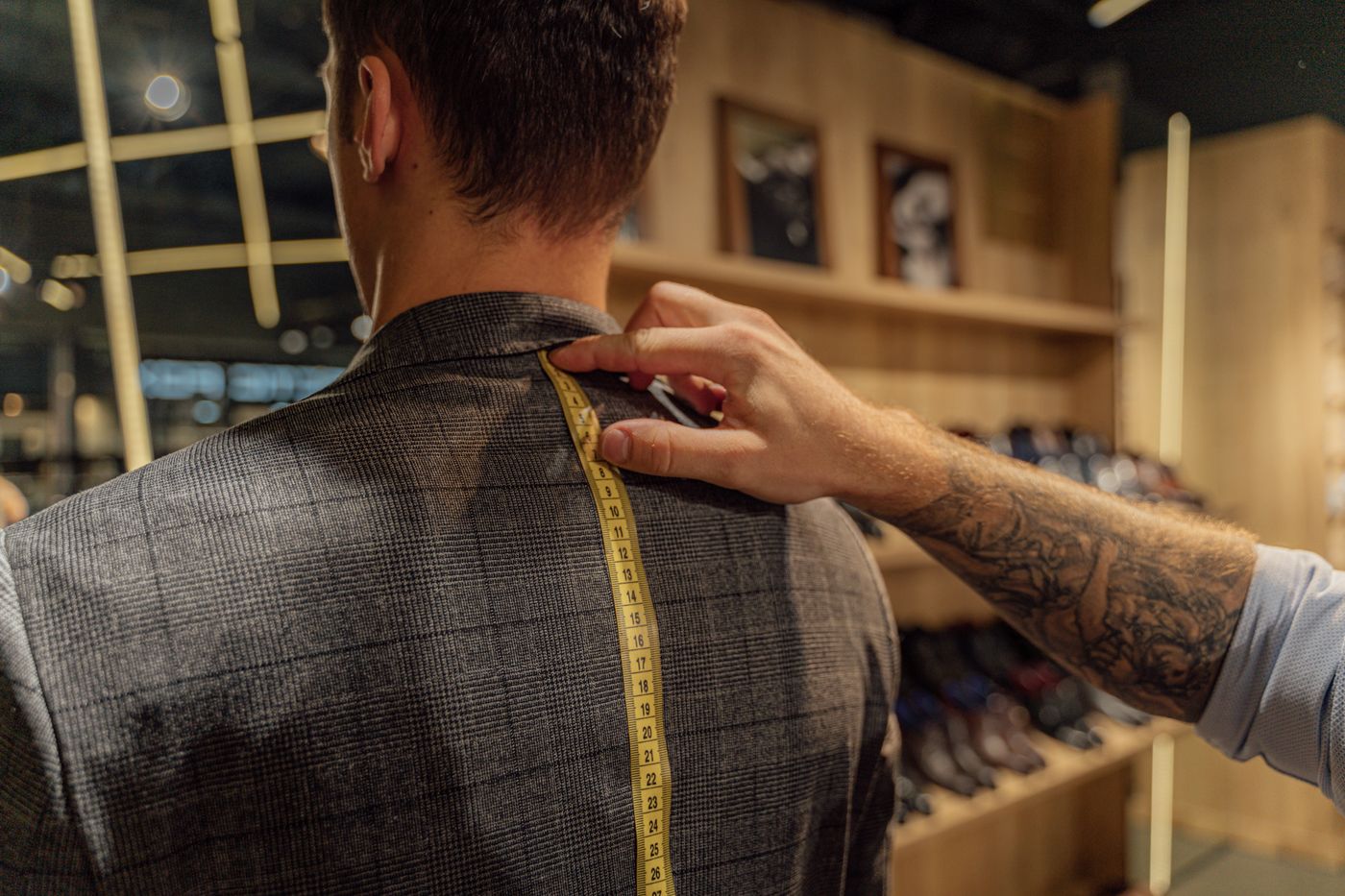
Foto: Antoni Shkraba · Pexels
Check the lining under the arms for splits. The lining is the first thing to go, especially in the underarm area where there’s friction. A small split is an easy fix, but a completely shredded lining might cost more to replace than the jacket is worth. Look at the buttons: horn and metal beat plastic. Horn buttons have a beautiful grain and feel warm to the touch. Metal buttons, like those on vintage military blazers, are sturdy and add a nice weight. Plastic buttons feel cheap and often chip or crack. And give the wool a sniff, because heavy smoke never fully leaves an old jacket. If it smells like an ashtray, walk away. You can air out a jacket for a few days, but smoke odor is nearly impossible to remove completely.
One last thing: try it on properly, walk around in it, and sit down. A vintage blazer that only works standing still is not going to survive your actual life. You’ll be reaching for your wallet, hailing a cab, or leaning over a table at dinner. Move your arms, raise them above your head, and cross them in front of you. If the jacket binds or pulls, it’s not the one. And when you sit, make sure the jacket doesn’t bunch up uncomfortably at the shoulders or waist. A good blazer should feel like a second skin, even if it’s oversized.
The History in the Fabric
The oversized blazer has its roots in the 1980s power suit, a phenomenon that swept through Wall Street and Madison Avenue. Designers like Giorgio Armani and Donna Karan were redefining women’s workwear, creating jackets that were shoulder-padded and boxy, a deliberate rejection of the fitted, feminine silhouettes of the ’70s. Armani’s jackets were famous for their soft construction, with no stiff canvas but a fluid drape that moved with the body. He deconstructed the traditional suit, removing the inner lining and letting the wool fall naturally. That’s why vintage Armani blazers feel so different from anything modern. They’re not meant to be shapewear; they’re meant to be armor.
The ’90s saw the trend continue with a slightly slouchier fit, thanks to the grunge movement and the rise of minimalism. Designers like Helmut Lang and Jil Sander stripped the padding and made the cut more androgynous. The blazer became a staple of the “normcore” aesthetic, worn over slip dresses or with baggy jeans. In New York, the vintage stores started filling with these discarded power suits, and a new generation discovered the joy of a too-big blazer.
Today, the big blazer is a statement piece. It’s a nod to the past, but it’s also a modern way to dress up a simple outfit. The key is to treat it as an accessory, not a suit. Wear it with a slip dress and sneakers, or over a turtleneck and wide-leg trousers. The possibilities are endless, but the rules are simple: the shoulder fits, the sleeves are pushed up, and the rest is history.
So next time you’re in New York, skip the high street and head to the vintage racks. Spend an hour digging through the rails, and you might find a piece that tells a story. And when you do, wear it out. That’s what it’s for.
Get the look
Get the look
The pieces that make this story wearable, live from the market.
The names
The designers behind the look
The minds behind this story — each with a piece currently on the market.
Armani
Italy · 1970s
The power suit & soft tailoring
The power suit & soft tailoring
Top piece
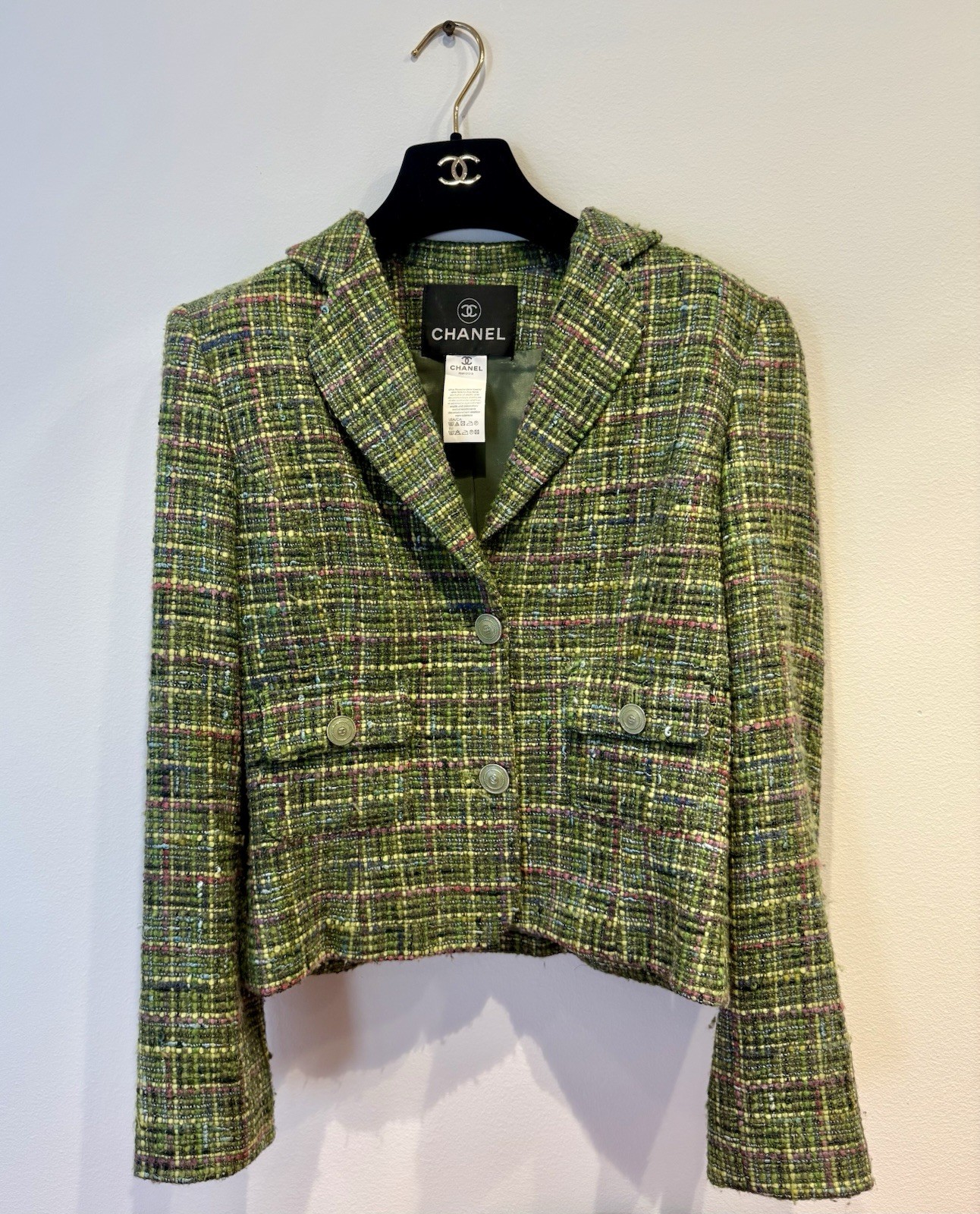
View →
Levi's
USA · 1850s
The 501 & Americana denim
The 501 & Americana denim
Top piece
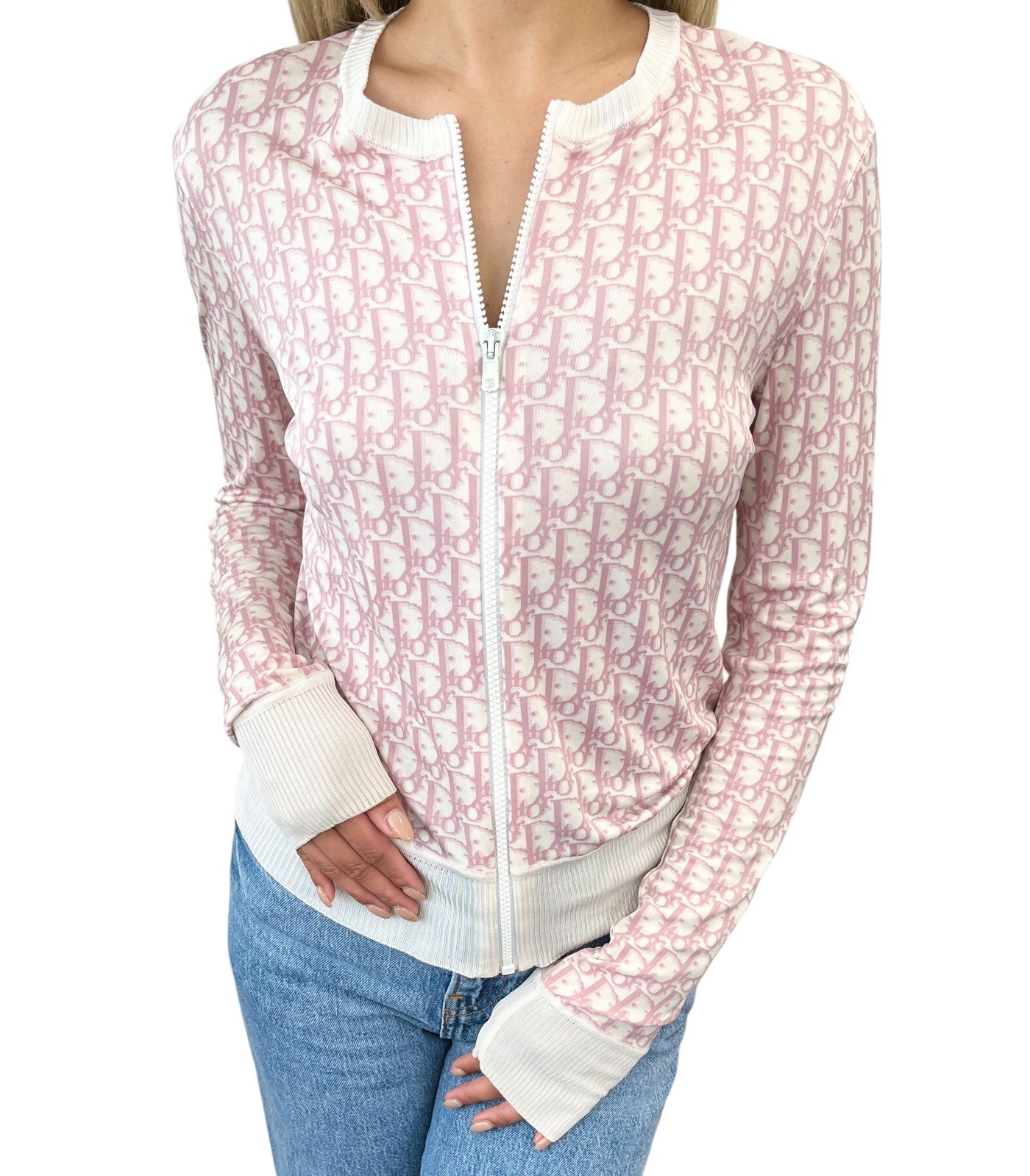
View →
Adidas
Germany · 1940s
The three stripes & the Samba
The three stripes & the Samba
Alpha Industries
USA · 1950s
The MA-1 flight jacket
The MA-1 flight jacket
Continue the edit
Further stories from the same world
Three more walks through the same vintage universe.

The Weight of a Band Tee
A vintage band tee isn't a souvenir. It's a relic of a specific summer, a specific tour, a specific decade. Here's how to wear one with the respect it deserves, and how to spot a genuine artifact from the fakes.
Read the story →
Where to Find Authenticated Bags in New York
The small shoulder bag is back, and the originals are still out there. A nylon bag from 1999 or a mini baguette from the same year carries a specific kind of confidence: it was designed to be carried, not photographed.
Read →
Styling a Patinated Dial in New York
A vintage watch is the one accessory that never shouts. A patinated dial, a slightly yellowed lume, a bracelet that has softened to the wrist.
Read →